
Agricultural Machinery Hydraulic Cylinder
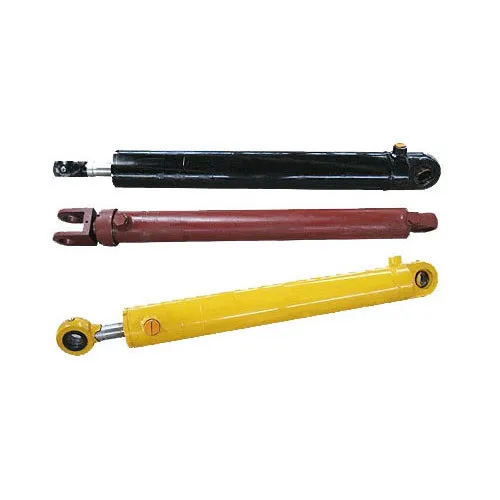
Agricultural machinery hydraulic cylinders are a crucial component of hydraulic systems used in various agricultural equipment. These cylinders are responsible for converting hydraulic fluid pressure into linear mechanical force, enabling the movement and operation of different agricultural implements and attachments.
Agricultural machinery hydraulic cylinders play a vital role in enabling the efficient and effective functioning of various agricultural equipment. By providing the necessary force and motion, these cylinders contribute to tasks such as lifting, moving, and manipulating heavy loads, improving productivity and versatility in agricultural operations.
Hydraulic Cylinder Production Area
Our company maintains a leading position in the international market with excellent technical capability, leading research and development strength, unparalleled product quality and customer-oriented service concept.
We employ leading production technology to ensure the precision and quality of our products, and have a responsive production supply chain and rich parts inventory to ensure our fast delivery capabilities.
Our company has accumulated rich production experience and optimized design data, and the tooling process of on-site production assembly and spray hydraulic cylinder is very mature and reliable. It has advanced equipment, advanced technology and mature design technology, production technology, enterprise management technology, inspection technology, storage and packaging technology.
Visit our VR hydraulic cylinder factory:
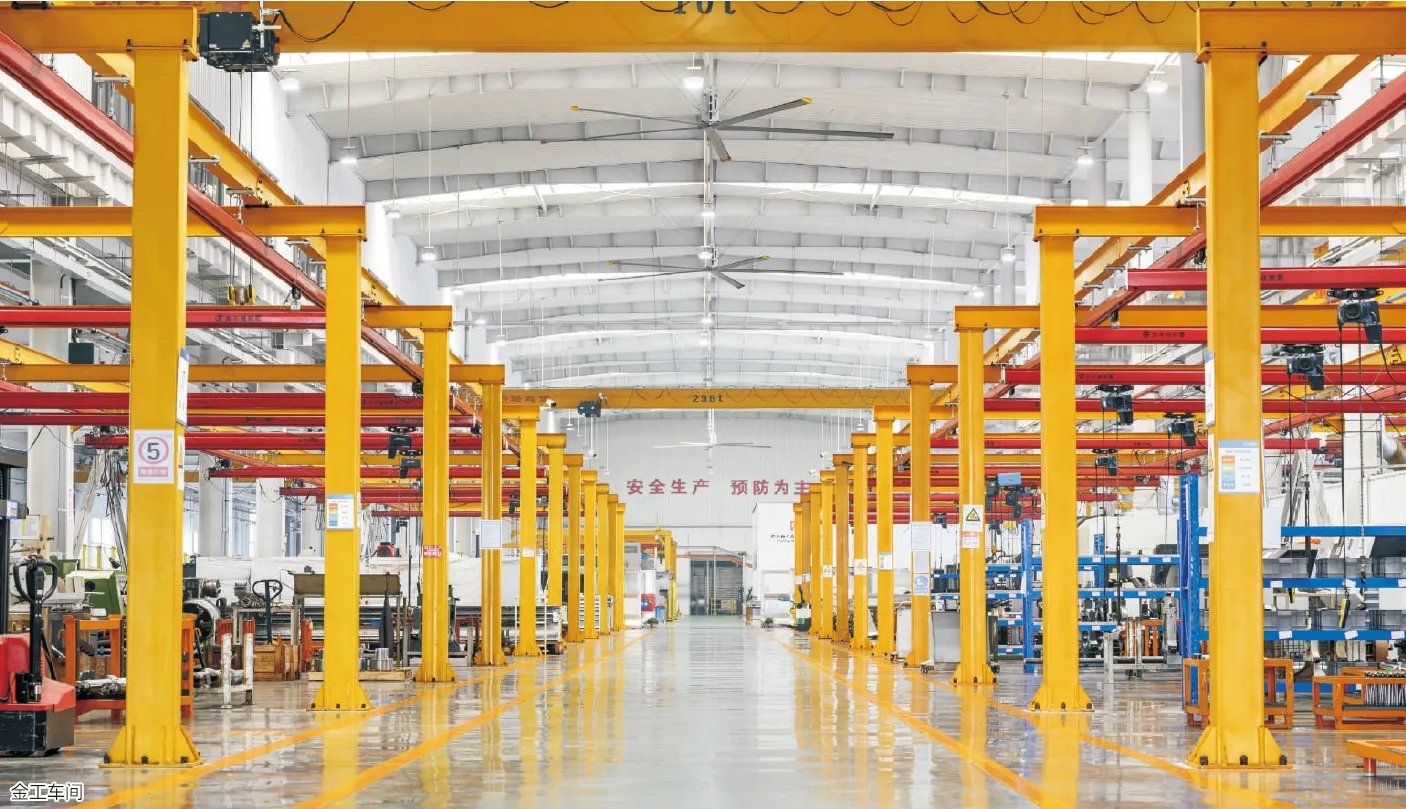
Metalworking Shop
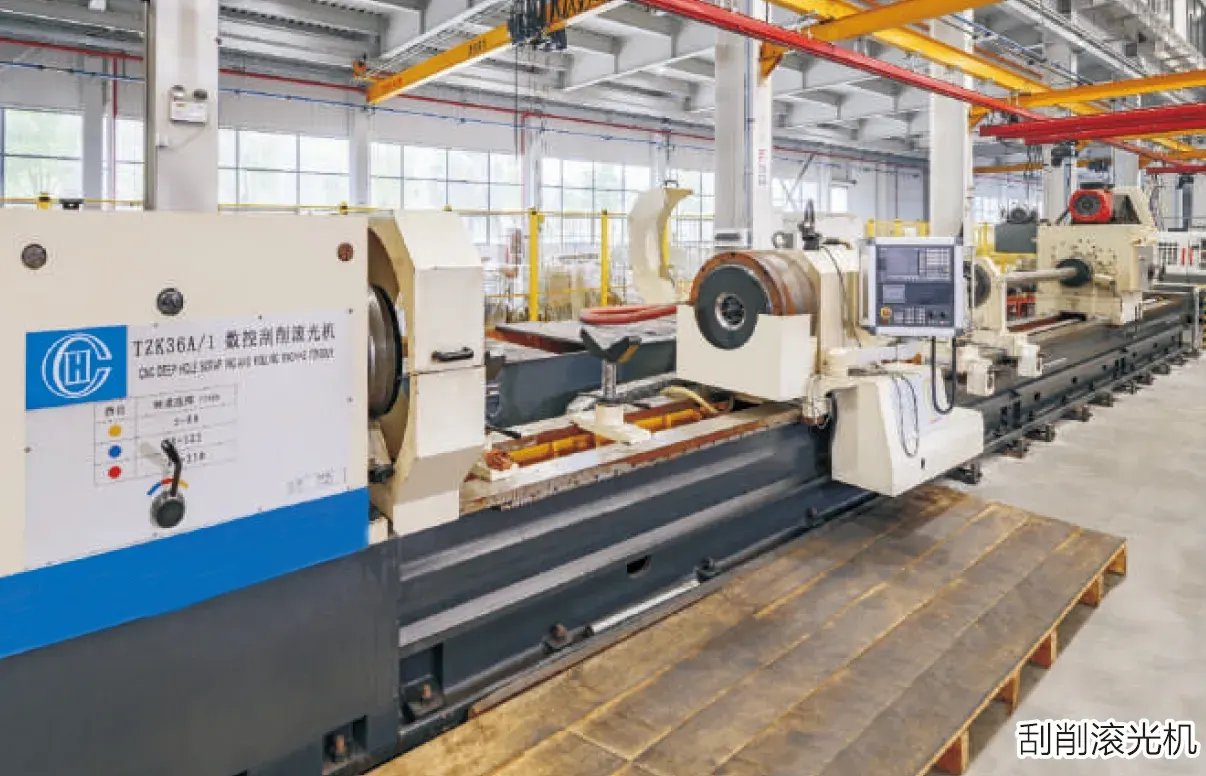
Scraping And Rolling Machine
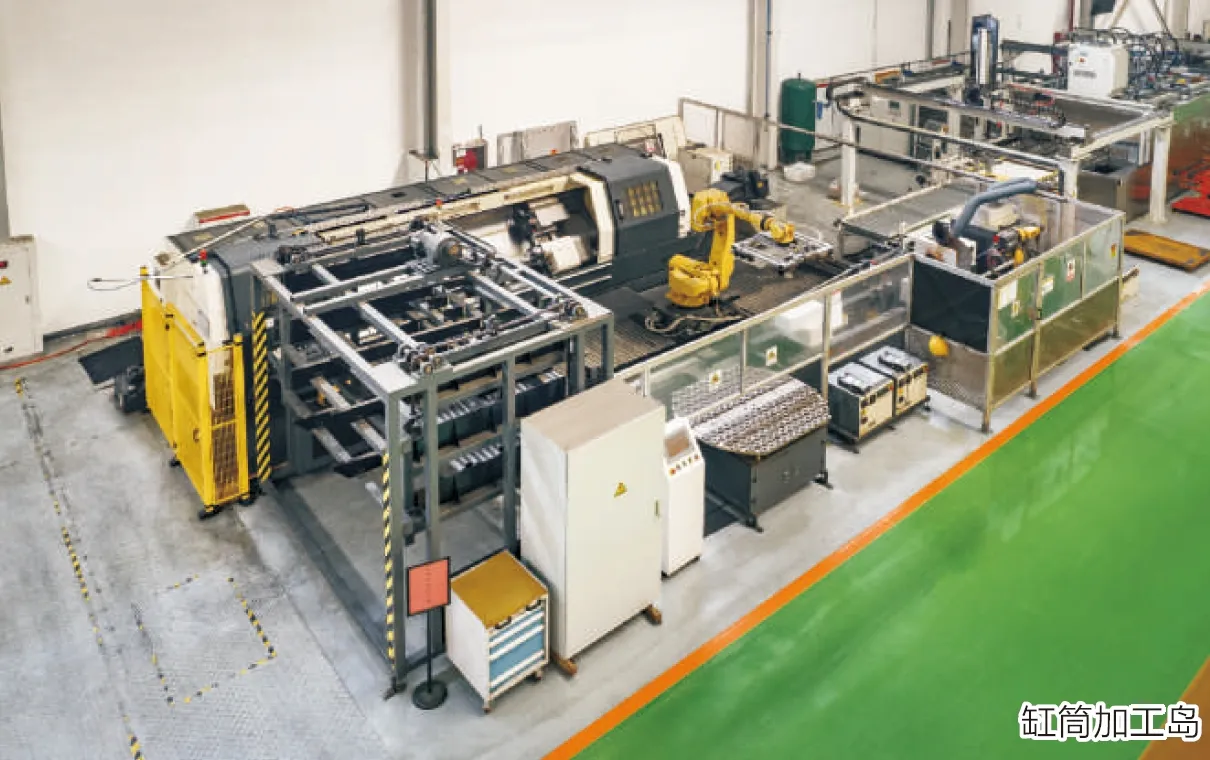
Cylinder Processing Machine
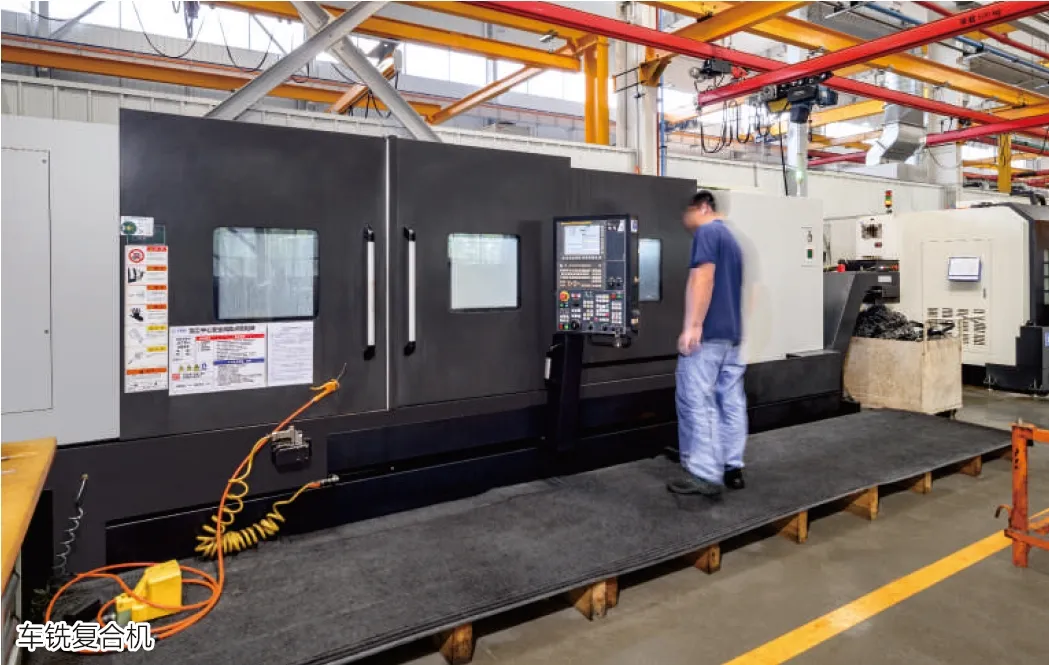
Turning And Milling Compound Machine
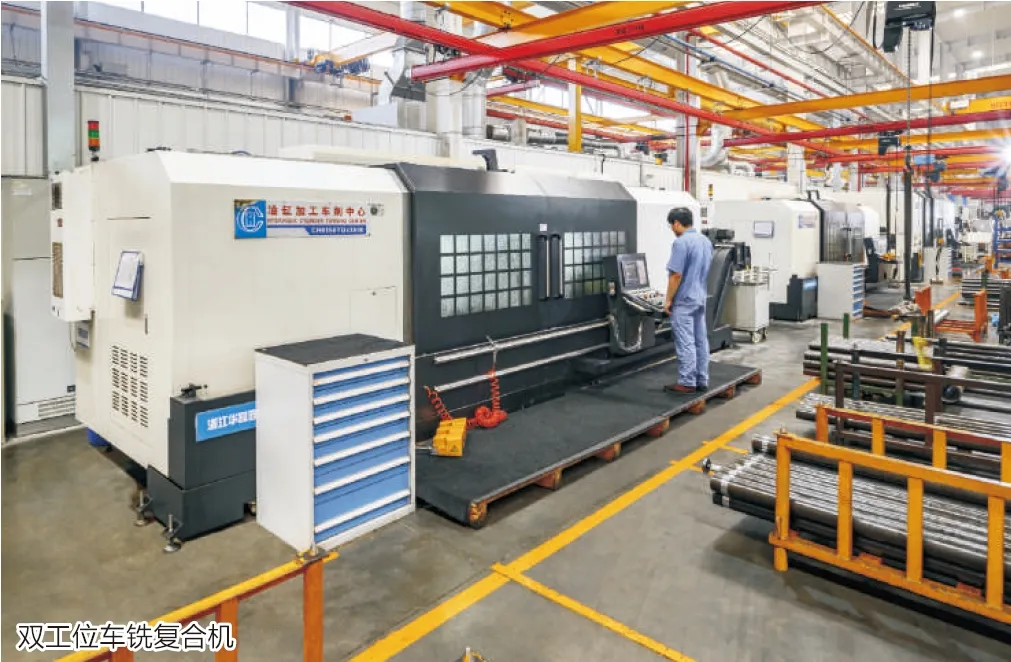
Double Station Turning And Milling Compound Machine
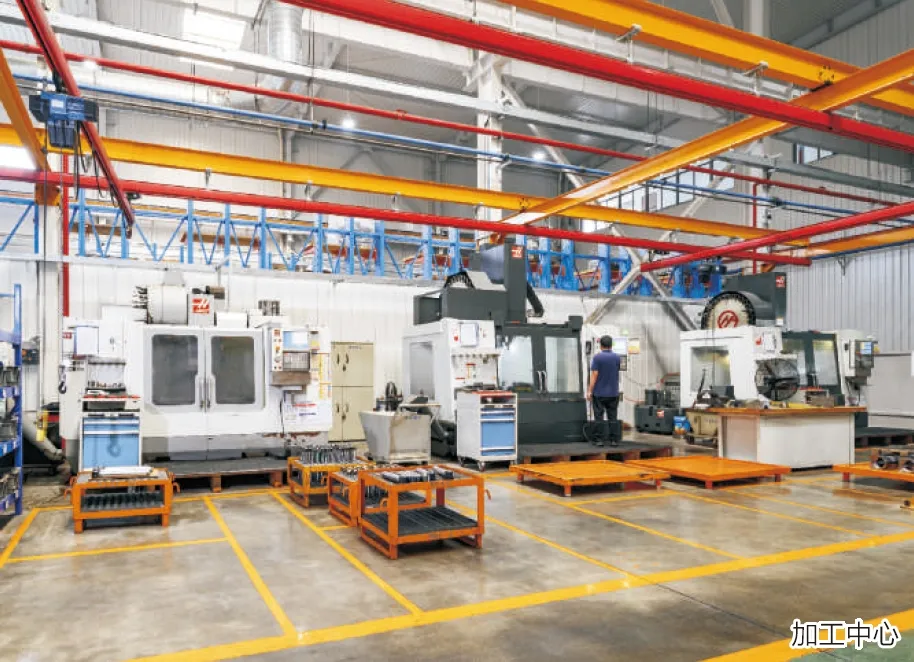
Machining Center
We have first-class independent R&D platform for assembly. The forklift cylinder production workshop has 4 semi-automatic lifting cylinder assembly lines and 1 fully automatic tilting cylinder assembly line, with a designed annual production capacity of 1 million pieces; the special cylinder workshop is equipped with semi-automatic cleaning and assembly systems of various specifications, with a designed annual production capacity of 200,000 pieces.
It is equipped with famous brand CNC machining equipment, machining centers, special equipment for high-precision cylinder processing, robot welding machines, automatic cleaning machines, automatic cylinder assembly machines and automatic paint production lines. We have more than 300 sets of key equipment running. The optimized allocation and efficient utilization of equipment resources ensure the precision requirements of the products and meet the high standard quality requirements of the products.
Agricultural Machinery Hydraulic Cylinders For Sale
Showing 1–16 of 2402 resultsSorted by latest
-
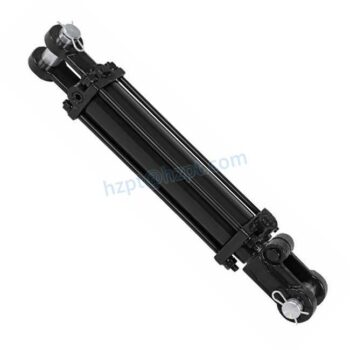
TR-3000PSI Tie-rod Hydraulics Cylinder
-
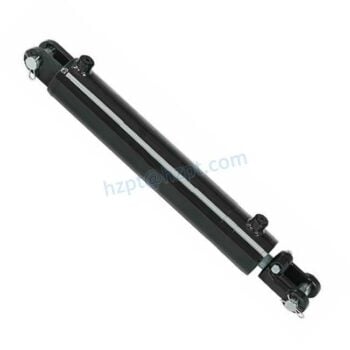
WP-3000PSI Adjustable Clevis Type Hydraulics Cylinders
-
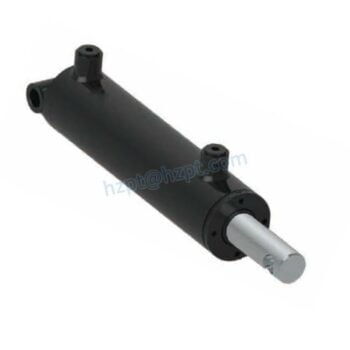
WP-3000PSI Welded Through Hole Type Cylinders Hydraulic
-
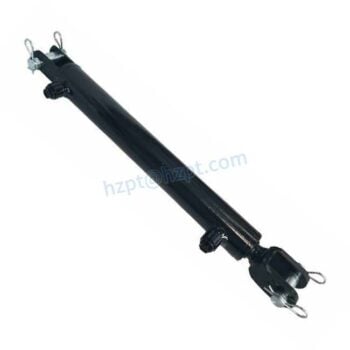
WC-3000PSI Welded Clevis Type Hydraulic Cylinder
-
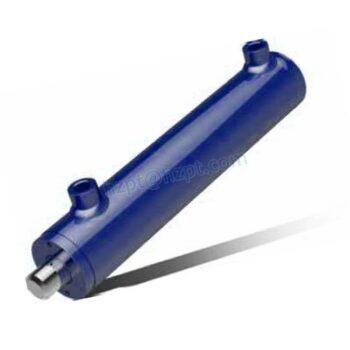
KWA Double Acting Hydraulic Cylinder Without Ends
-
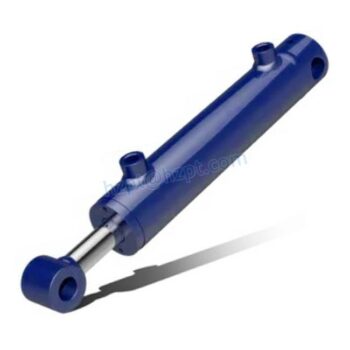
KWB Double Acting Hydraulics Cylinder with End Plug Hole
-
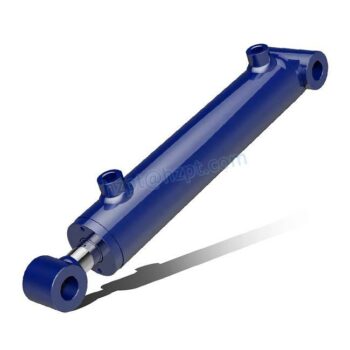
KWC Double Acting Hydraulics Cylinder With Tube Ends
-
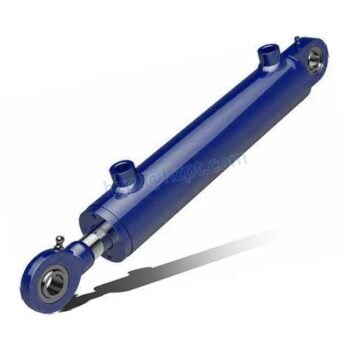
KWD Double Acting Hydraulic Cylinder With Agricultural Ball Joints
-
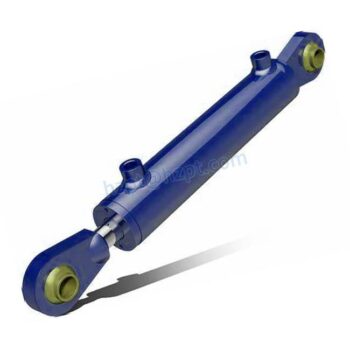
KWE Double Acting Hydraulic Cylinder With Industrial Ball Joints
-
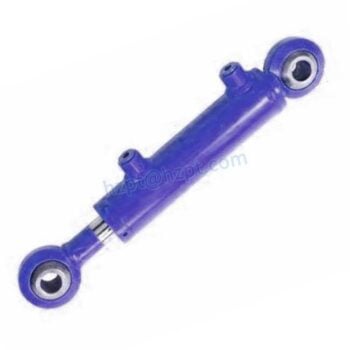
KWF Double Acting Hydraulics Cylinder With GE Rings for Ball Joints
-
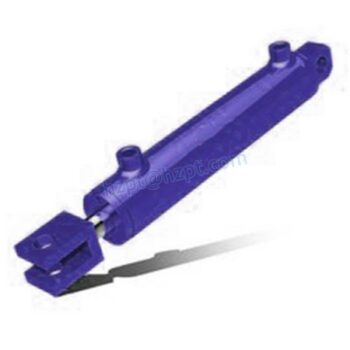
KWG Double Acting Hydraulics Cylinder With Clevis And Fork
-
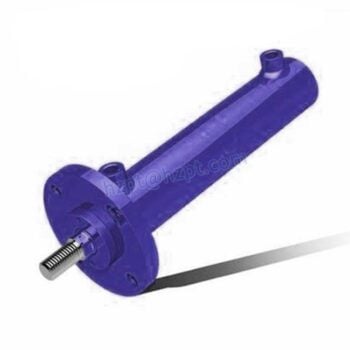
KWH Double Acting Hydraulics Cylinder With Front Flange
-
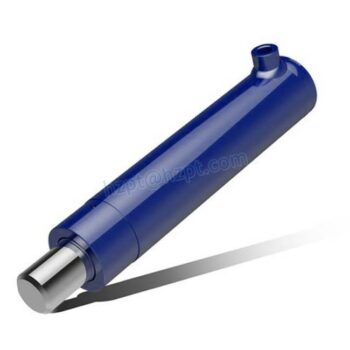
KWI Plunger Hydraulic Cylinder Without Ends
-
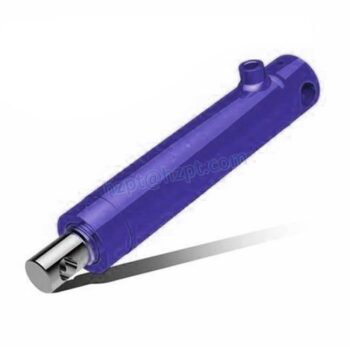
KWJ Plunger Hydraulic Cylinder With End Plug Hole
-
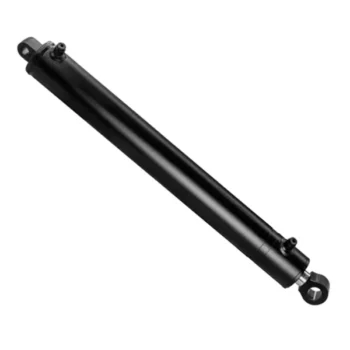
Hydraulic Cylinder for Lifting and Flipping the Grain Tank
-
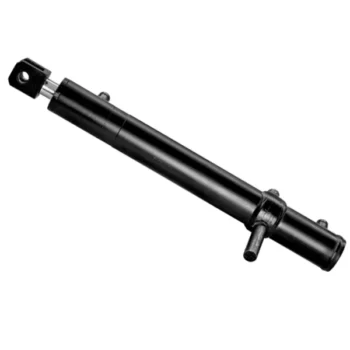
Hydraulic Cylinder for Pallet Lifting
What Are Some Key Factors To Consider When Selecting A Hydraulic Cylinder For Agricultural Equipment?
Load Capacity: Determine the maximum load or force that the hydraulic cylinder will need to handle. Consider the weight of the equipment and the forces it will encounter during operation. Select a cylinder with an appropriate load capacity to ensure optimal performance and safety.
Stroke Length: Evaluate the required stroke length, which is the distance the cylinder needs to extend and retract to perform its intended function. Ensure that the cylinder’s stroke length matches the specific requirements of your agricultural equipment.
Operating Pressure: Consider the hydraulic system’s operating pressure and select a cylinder that can handle the pressure levels without compromising performance or safety. It is important to match the cylinder’s pressure rating with the system’s requirements to prevent failure or inefficiencies.
Mounting Options: Assess the available space and mounting requirements of your agricultural equipment. Different mounting options, such as clevis mounts, trunnion mounts, or flange mounts, may be suitable for different applications. Choose a cylinder with compatible mounting options that can be easily integrated into your equipment.
Cylinder Type: Determine the appropriate cylinder type based on the specific application and operational requirements. Common types include single-acting cylinders, double-acting cylinders, and telescopic cylinders. Each type has its own advantages and limitations, so select the one that best suits your needs.
Seal Compatibility: Consider the type of hydraulic fluid used in your agricultural equipment and ensure that the cylinder’s seals are compatible with the fluid. Proper seal compatibility is crucial to prevent leakage and maintain the longevity of the cylinder.
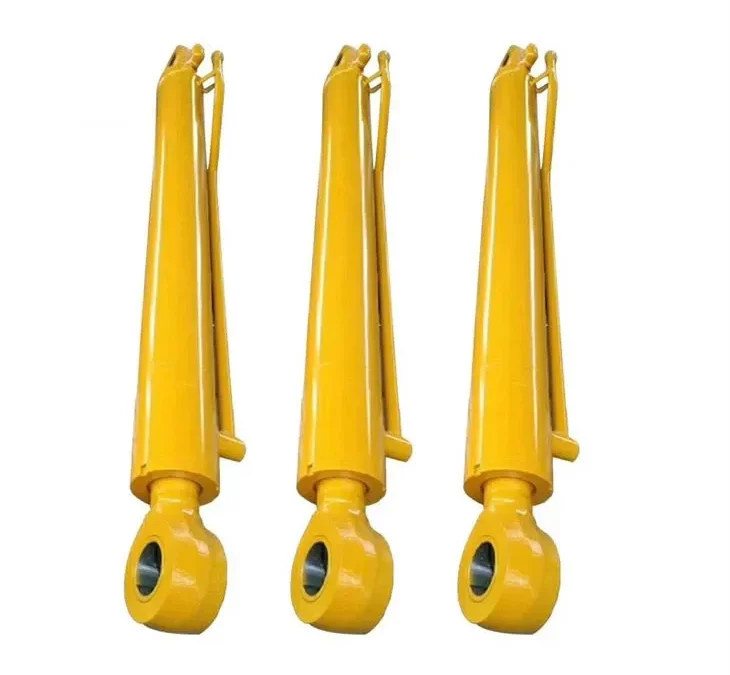
Durability and Reliability: Choose a hydraulic cylinder from a reputable manufacturer known for producing high-quality, durable, and reliable products. Agricultural environments can be demanding, so selecting a cylinder with robust construction and suitable materials will ensure long-lasting performance and reduce the need for frequent replacements.
Maintenance and Serviceability: Evaluate the ease of maintenance and serviceability of the hydraulic cylinder. Components such as rod seals, piston seals, and bearings may need periodic inspection or replacement. Select a cylinder that allows for convenient access and maintenance procedures to minimize downtime.
Budget Considerations: Consider your budget constraints while balancing the required quality and performance. While it is important to invest in a reliable and durable hydraulic cylinder, it’s also essential to find a solution that fits within your financial resources.
Two Basic Types And Working Principles Of Hydraulic Cylinders
What Are The Common Causes Of Hydraulic Cylinder Failure In Agricultural Machinery?
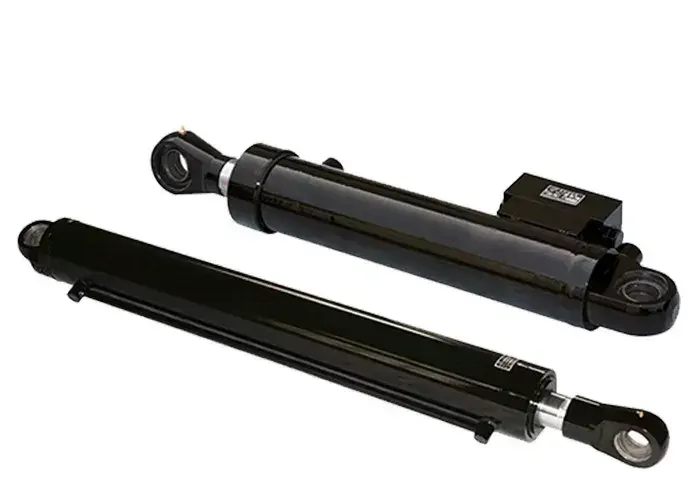
There are several common causes of hydraulic cylinder failure in agricultural machinery. Here are some of them:
Contamination: Contamination is one of the leading causes of hydraulic cylinder failure. When dirt, debris, or foreign particles enter the hydraulic system, they can damage the seals, scoring the cylinder walls, or clog the valves. This contamination can lead to leakage, inefficient operation, and ultimately, cylinder failure.
Seal Failure: Hydraulic cylinder seals play a critical role in maintaining the integrity of the system. Over time, seals can wear out, become damaged, or fail due to high pressure, excessive heat, or chemical incompatibility. Seal failure can result in hydraulic fluid leaks, loss of pressure, and compromised performance of the cylinder.
Overloading: Subjecting the hydraulic cylinder to loads beyond its rated capacity can cause excessive stress and lead to failure. Overloading can result from improper weight distribution, improper use of attachments, or working with loads that exceed the equipment’s capabilities. It’s important to operate within the recommended load limits to prevent cylinder failure.
Misalignment: Misalignment of the hydraulic cylinder can cause uneven forces and excessive wear. If the cylinder is not properly aligned with the load or the equipment it is connected to, it can lead to side loading, increased friction, and accelerated wear on the cylinder components. Regular inspection and adjustment of alignment can help prevent cylinder failure.
Improper Installation: Incorrect installation of the hydraulic cylinder, such as improper tightening of fittings or improper alignment of connecting components, can lead to leaks, misalignment, and premature failure. It’s crucial to follow the manufacturer’s instructions and guidelines for proper installation to ensure the cylinder functions correctly.
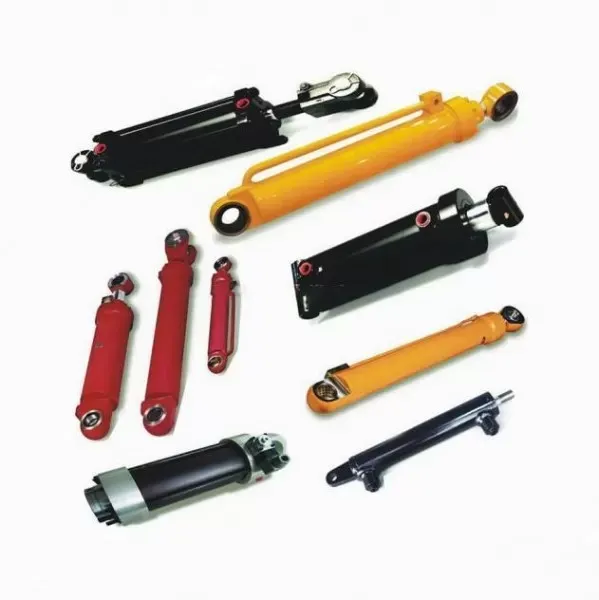
Corrosion and Rust: Agricultural environments often expose hydraulic cylinders to moisture, chemicals, and harsh conditions, leading to corrosion and rust. Corrosion can weaken the cylinder’s structure, damage the seals, and impair the overall performance and reliability of the cylinder. Regular cleaning, proper storage, and applying protective coatings can help mitigate corrosion-related failures.
Fatigue and Wear: Continuous and repetitive use of hydraulic cylinders in demanding agricultural operations can result in fatigue and wear on the cylinder components. Over time, this wear can lead to reduced performance, leakage, and eventual failure. Regular maintenance, including inspection and replacement of worn components, can help prevent failure due to fatigue and wear.
Improper Maintenance: Inadequate or insufficient maintenance practices, such as neglecting regular inspections, failure to replace worn parts, or ignoring recommended service intervals, can contribute to hydraulic cylinder failure. Proper maintenance, including routine inspections, lubrication, and timely replacement of worn components, is essential to ensure the longevity and performance of the cylinder.
Components of an Agricultural Hydraulic Ram
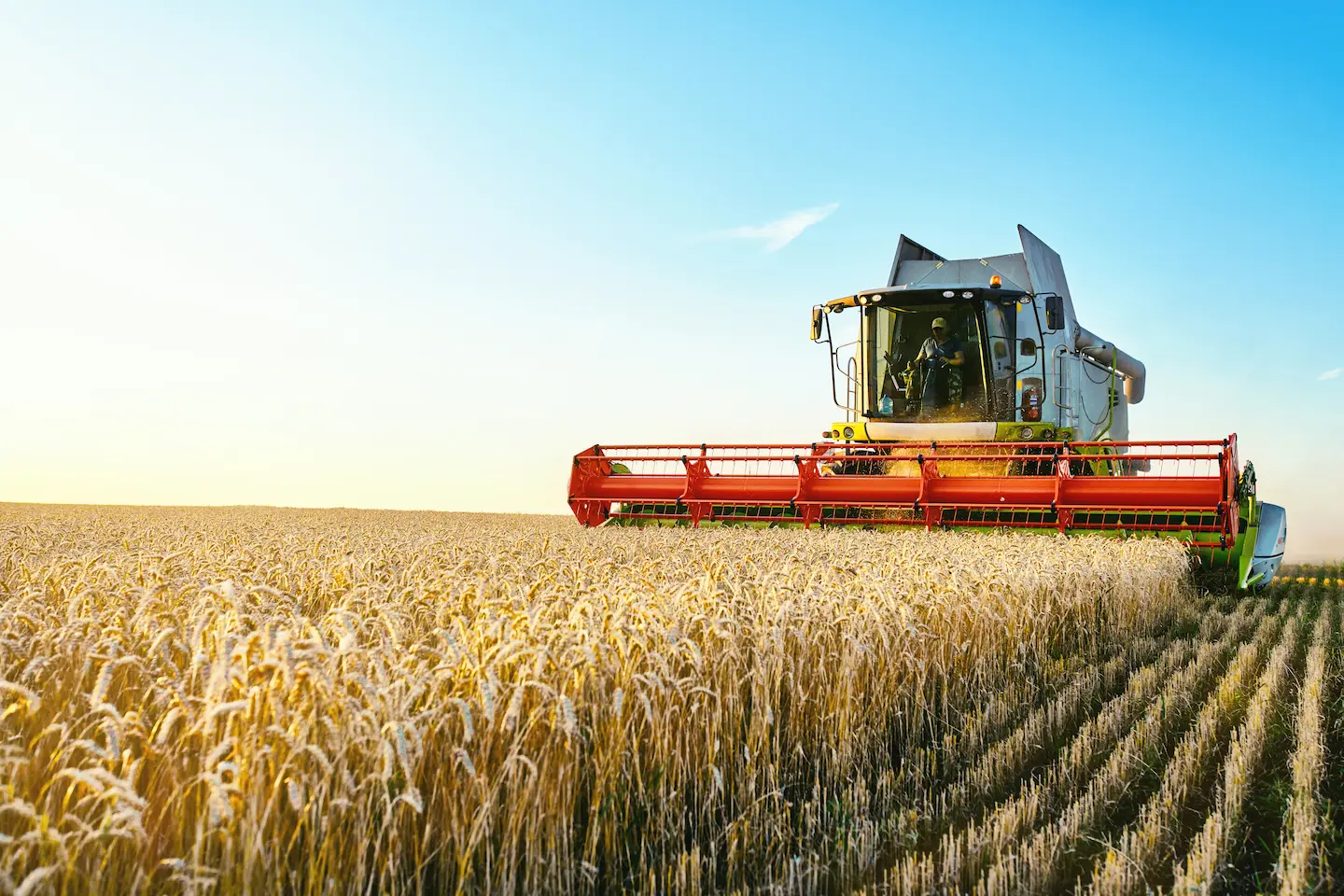
Here’s a more detailed look at each component of an agricultural hydraulic ram:
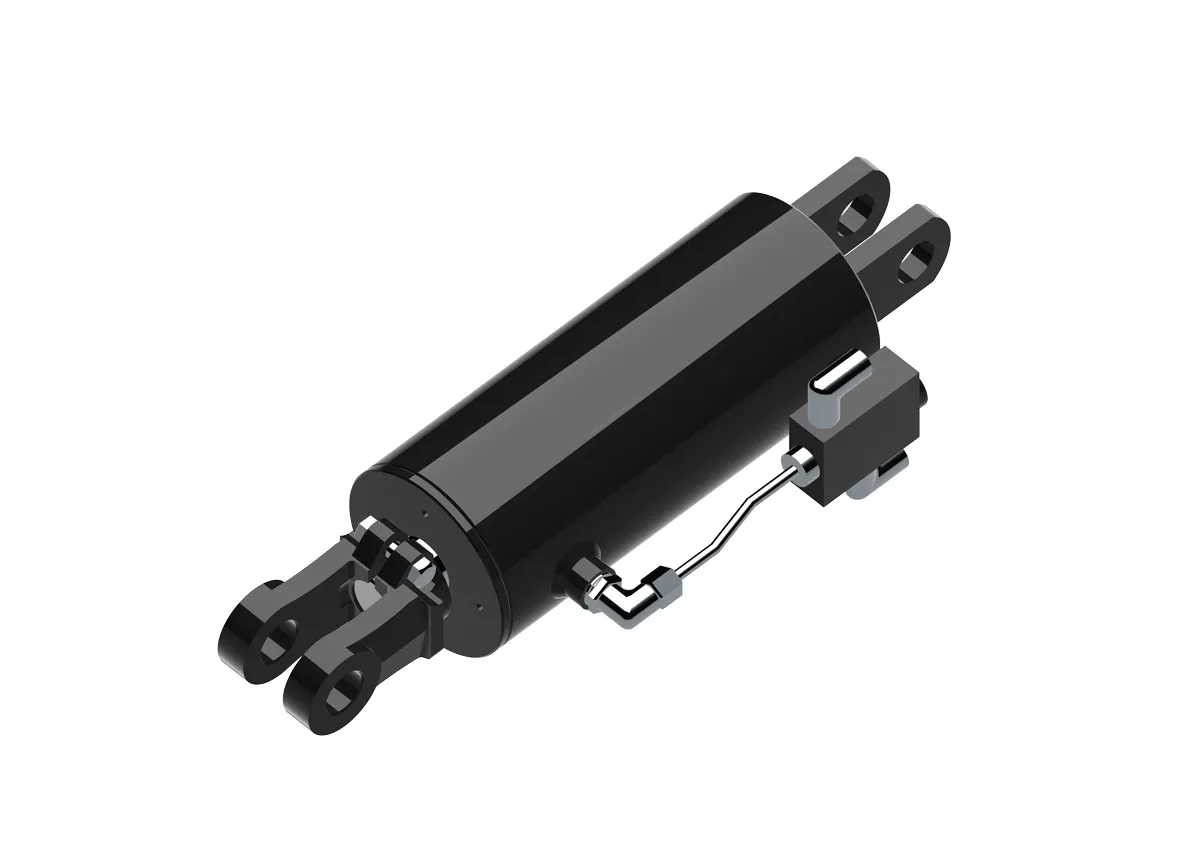
Agricultural Hydraulic Cylinder
Barrel:
- The cylindrical casing that houses the piston and hydraulic fluid. It is typically made from high-strength steel to withstand high pressure and prevent deformation. The interior surface is often treated to reduce friction and wear.
Piston:
- A solid disc that moves within the barrel. It creates a seal against the barrel walls, allowing hydraulic fluid to exert force on one side, pushing the piston in the opposite direction. The piston is designed to handle high pressure and is often fitted with seals to maintain hydraulic integrity.
Seals:
- Made from materials like rubber or polyurethane, these seals prevent hydraulic fluid from leaking out of the cylinder and keep contaminants from entering. They ensure efficient operation by maintaining pressure within the cylinder.
Piston Rod
-
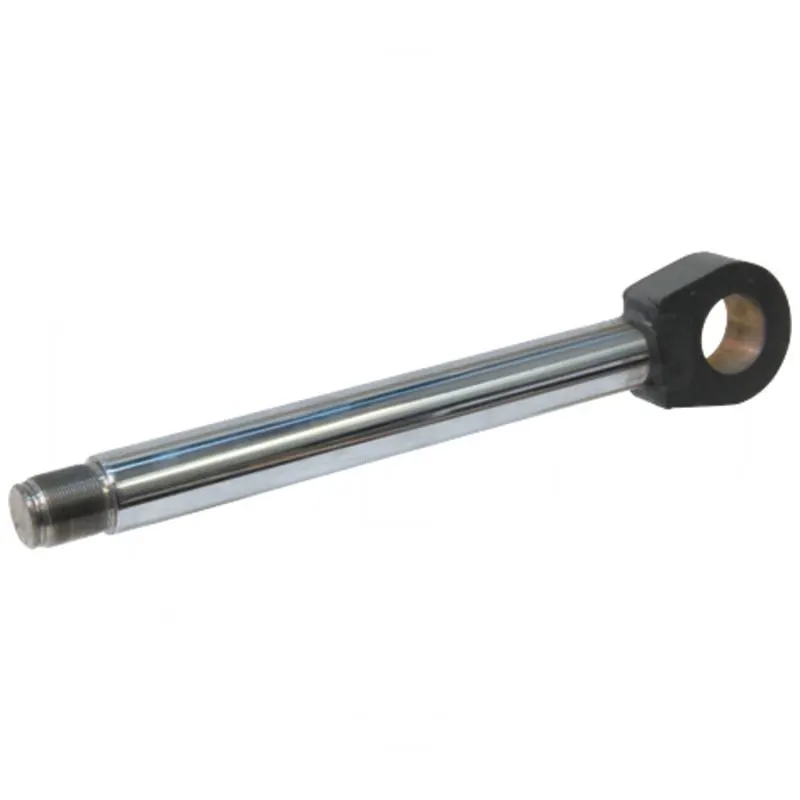
- This rod is attached to the piston and extends out of the cylinder. It transmits the force generated by the hydraulic cylinder to the implement or load being lifted. The rod is usually made from high-strength steel and is often treated to resist wear and corrosion. The extending and retracting motion of the piston rod is crucial for the ram’s operation.
End Caps
-
- End caps are fitted at both ends of the hydraulic cylinder to contain the hydraulic fluid and prevent leaks. They are designed to withstand high pressure and are securely fastened to the barrel. The caps may also include ports for hydraulic fluid entry and exit, which are critical for the operation of the hydraulic system.
Hydraulic Fluid Reservoir
-
- This component stores the hydraulic fluid required for the system’s operation. It can be a separate tank or integrated into the hydraulic ram structure. The reservoir ensures there is enough fluid available to create the necessary pressure. It also allows for the expansion of fluid and helps dissipate heat generated during operation.
Hydraulic Pump
-
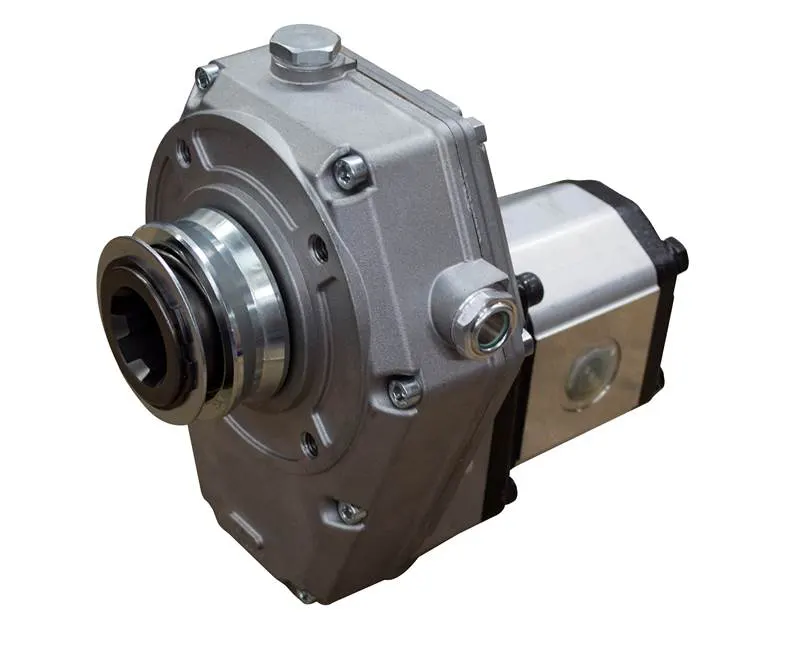
- The pump is responsible for moving hydraulic fluid from the reservoir to the hydraulic cylinder. It increases the fluid’s pressure, enabling the ram to lift loads. There are various types of hydraulic pumps, including gear, vane, and piston pumps, each suited for different applications. The choice of pump affects the efficiency and responsiveness of the hydraulic system.
-
Valves
- Valves control the flow of hydraulic fluid in the system. They can be manual or automatic and are crucial for directing fluid to the hydraulic cylinder or returning it to the reservoir. Common types include:
- Directional Control Valves: Change the direction of fluid flow.
- Pressure Relief Valves: Protect the system from excessive pressure by diverting fluid.
- Flow Control Valves: Regulate the speed of the cylinder’s extension and retraction.
- Valves control the flow of hydraulic fluid in the system. They can be manual or automatic and are crucial for directing fluid to the hydraulic cylinder or returning it to the reservoir. Common types include:
-
Frame or Mounting Bracket
- This structural component provides support for the hydraulic ram and connects it to the agricultural equipment, such as tractors or implements. The frame must be robust and capable of handling the forces exerted during operation. It often includes adjustable mounts to ensure proper alignment and attachment.
-
Connections and Hoses
- Flexible hydraulic hoses connect the hydraulic pump, reservoir, and cylinder. These hoses carry pressurized fluid and must be rated for high pressure. They are usually made from reinforced rubber or thermoplastic materials. Proper fittings and couplings are essential to ensure leak-free connections and facilitate quick disconnection when needed.
-
Control Mechanism
- This system allows the operator to control the hydraulic pump and the movement of the hydraulic ram. It can be a simple lever, a joystick, or a more complex electronic control system. The control mechanism enables precise operation, allowing for adjustments in speed and force, which is critical for tasks requiring accuracy.