
Diesel Wood Chipper
Professional Diesel Wood Chipper Manufacturer
HZPT Agricultural Machinery Co., Ltd. has been engaged in the research and development of agricultural machinery. We have accumulated more than ten years of experience in production, and mainly produce farming machinery, planting machinery, harvesting machinery and its accessories, and matching machines. Our main products are PTO shafts, agricultural gearboxes, large round baler, mini round baler, hay square baler, PTO wood chipper, diesel wood chipper, drum mowers, rotary hay rakes, silage harvester, flail mowers, lawn mowers, sickle bar mowers, rotary mowers, rotary tillers, land levelers, fertilizer spreaders, furrow ploughs, disc harrows, disc blades, disc ridgers, disc ploughs, potato planters, potato harvester, corn seeder, wheat seeder, vegetable seeder, post hole diggers, boom sprayers, agricultural subsoiler, agricultural trailers, chain trencher, disc mower, finger wheel rake, log splitter, front end loader, backhoe, snow blower, road sweeper, etc. The above series of products are complete in specifications, excellent in performance, and reliable in quality. Our products are sold all over the country and are exported to many countries and regions in Europe, America, Africa, the Middle East, and Southeast Asia all year round.
High Quality Diesel Wood Chipper for Sale
A diesel wood chipper is a powerful machine used for shredding and chipping wood into smaller pieces. It is commonly used in landscaping, forestry, and construction industries to process tree branches, logs, and other wood waste into wood chips or mulch. The diesel engine provides the necessary power to drive the chipper’s cutting mechanism, allowing it to handle large volumes of wood material efficiently.
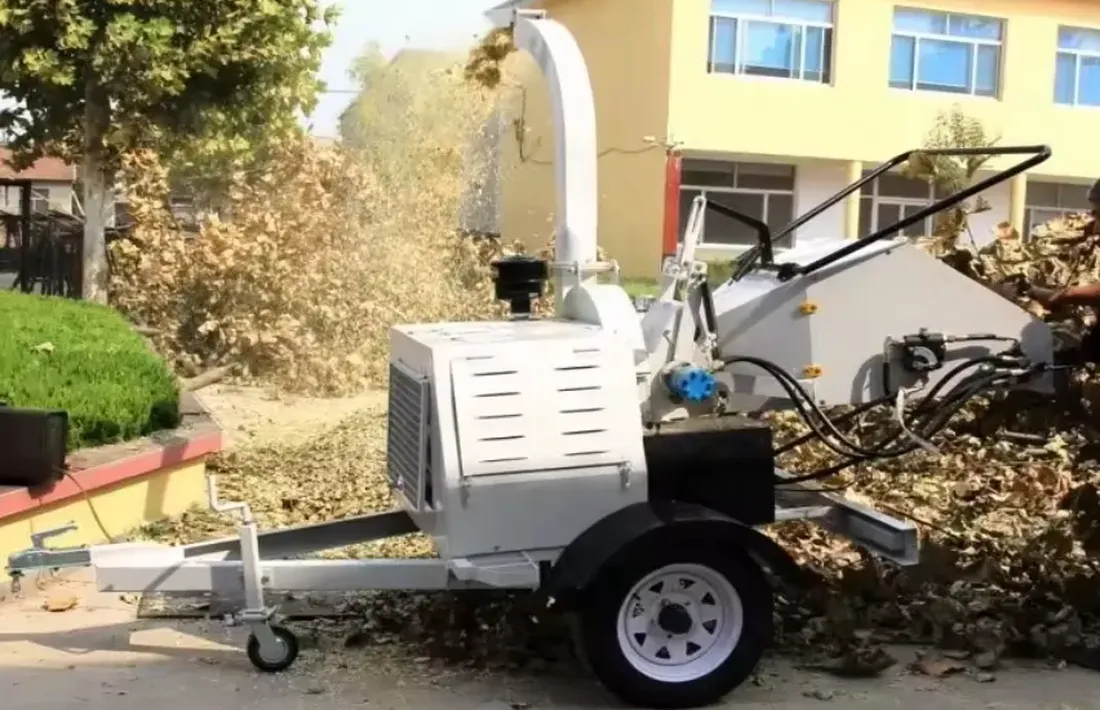
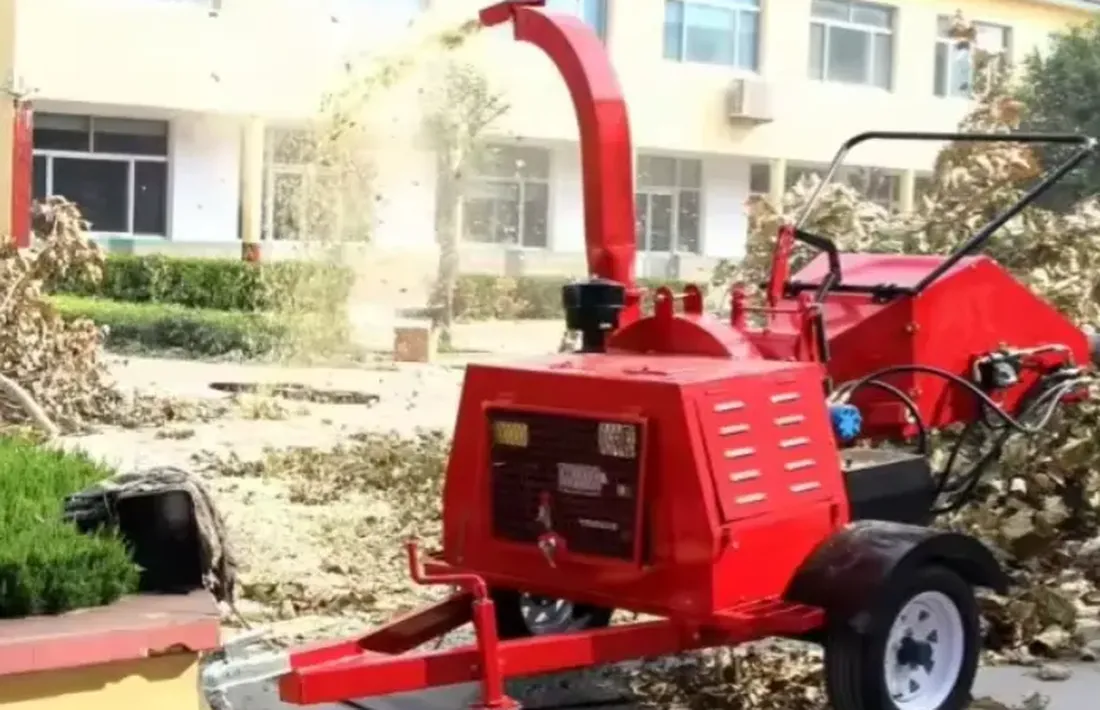
The main components of a diesel wood chipper typically include a feed chute, a cutting disc or drum with sharp blades, a discharge chute, and a diesel engine. The feed chute is where the wood material is inserted into the chipper. The cutting disc or drum, powered by the diesel engine, rotates at high speeds and cuts the wood into smaller pieces. The wood chips are then expelled through the discharge chute, which can be directed into a container or a truck for easy collection and transport.
Diesel wood chippers are preferred over their electric or gasoline counterparts in situations where high power and mobility are required. The diesel engine provides a significant amount of torque, enabling the chipper to handle tougher and larger wood pieces. It is also beneficial in remote areas or job sites without easy access to electricity, as diesel fuel is readily available.
Showing 1–12 of 22 resultsSorted by latest
-
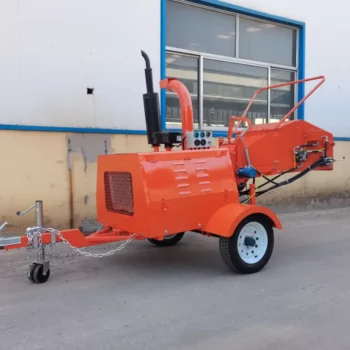
Mobile DWC40 Diesel Wood Chipper for Chipping Wood into Pieces
-
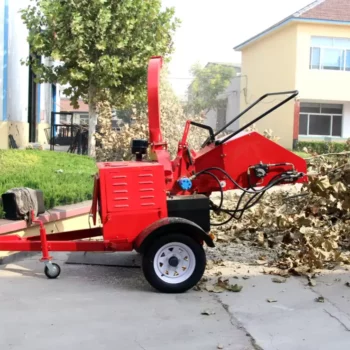
Mobile DWC22 Diesel Wood Chipper for Chipping Wood
-
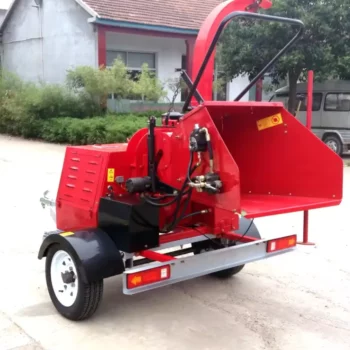
Gasoline Wood Chipper Shredder for Chipping Wood into Pieces
-
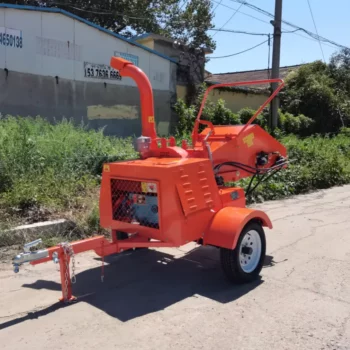
Chipper for Wood Model Number DWC-22/DWC-40 for Chipping Wood
-
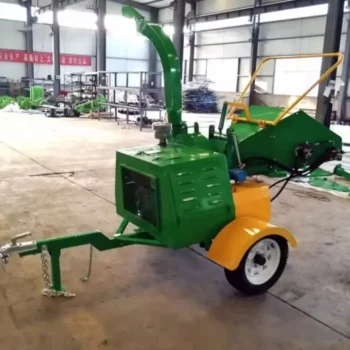
Branch Shredder for Wood Chipping
-
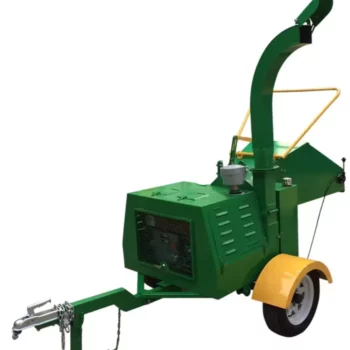
Brush Diesel Wood Chipper for Sale
-
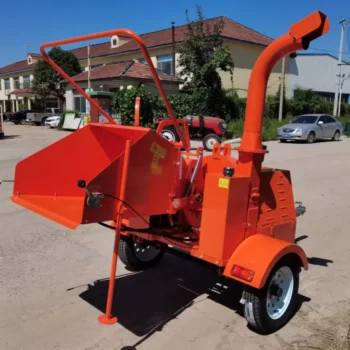
Manufacturer Diesel Wood Chipper for Chipping Wood
-
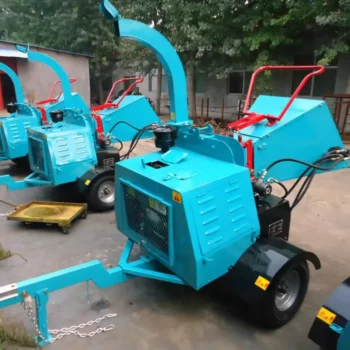
Diesel Wood Chipper DWC-18 for Chipping Wood into Pieces
-
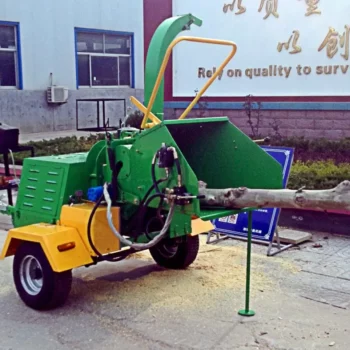
Chipper Garden Shredder for Wood Chipping
-
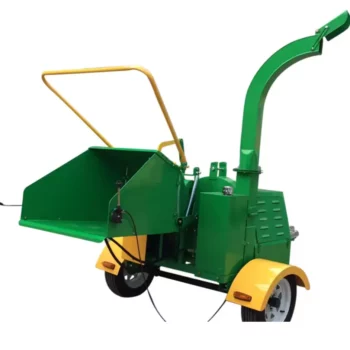
HZPT DWC22 Wood Chipper with Engine for Chipping Wood
-
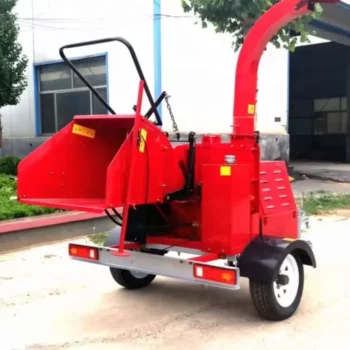
CE approved RXDWC-22 8 inch Wood Chipper for Chipping Wood
-
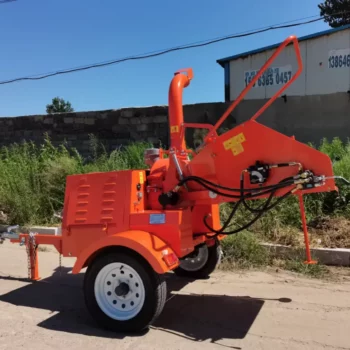
BX92S PTO Wood Chipper for Efficient Chipping Wood
Key Components of the Diesel Wood Chipper
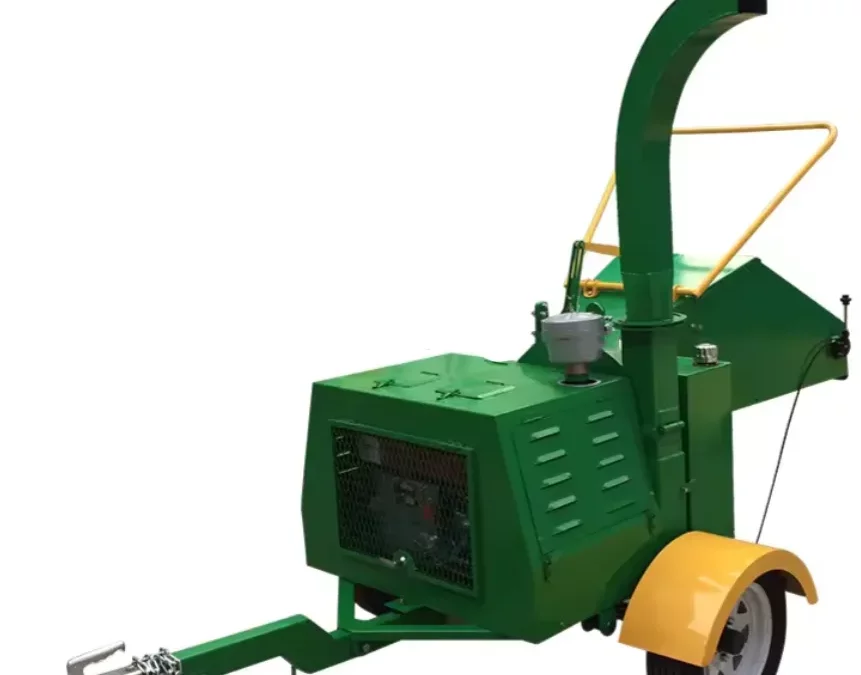
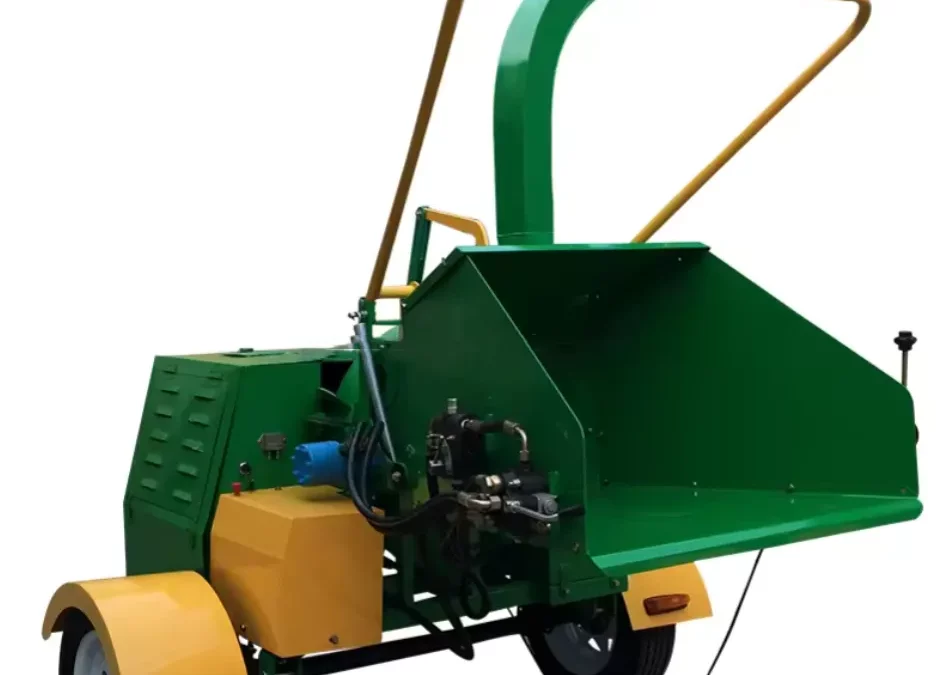
Diesel wood chippers are robust machines designed for reducing wood (like tree limbs, branches, and brush) into smaller woodchips. They are often used in landscaping, forestry, and garden maintenance. The key components of a diesel wood chipper include:
1. Diesel Engine: The powerhouse of the chipper, providing the torque necessary to drive the chipper’s blades or hammers. Diesel engines are preferred for their durability, longevity, and efficiency, especially for heavy-duty or commercial use.
2. Chipping Mechanism: This can be either a disk with blades or a drum (roller) with blades. The mechanism spins at high speed to cut or shred the wood into chips. Some models use a flail mechanism for shredding.
3. Hopper: The large funnel where branches and wood material are fed into the chipper. It’s designed for safety and ease of feeding material into the chipping mechanism.
4. Feed System: Many wood chippers use a hydraulic feed system to pull material into the chipping mechanism. This can be controlled to manage the speed at which material is chipped, optimizing performance and safety.
5. Discharge Chute: After the wood is chipped, it is ejected from the machine through the discharge chute. The chute can often be adjusted to control the direction of the discharged chips, making collection or distribution more manageable.
6. Cutting Blades or Knives: Attached to the chipping mechanism, these are the parts that actually cut the wood into chips. Blades need to be made from high-quality, durable material as they undergo a lot of wear and tear.
7. Frame and Wheels: The frame provides the structure and support for the diesel wood chipper. It is typically made of heavy-duty steel to withstand the forces generated during operation. Wheels or a tow bar are attached to the frame, allowing for easy transportation of the chipper to different work sites.
How Does the Diesel Wood Chipper for Chipping Wood Work?
The operation of a diesel wood chipper involves several steps and components working together to convert large pieces of wood into smaller chips. Here’s a simplified overview of how it works:
(1) Starting the Engine: The process begins with starting the diesel engine. The diesel engine powers the entire machine, including the chipping mechanism (either a disk, drum, or flail system). Diesel engines are chosen for their reliability and capability to produce high torque at low speeds, essential for the heavy-duty operation of chipping wood.
(2) Feeding the Wood: The operator feeds branches, limbs, or other wood debris into the hopper of the chipper. The hopper is a large funnel that guides the wood towards the feed system. In many chippers, the feed system is hydraulic, meaning it automatically pulls the wood into the machine at a controlled rate. This helps manage the load on the chipping mechanism and prevents jams.
(3) Chipping Process: As the wood is drawn in by the feed system, it comes into contact with the chipping mechanism. A disk equipped with blades that spins at high speeds. The wood is pressed against this spinning disk, and the blades slice the wood into chips. A drum (or roller) with blades that operates on a similar principle but may allow for a larger volume of wood to be processed at once.
(4) Ejection of Wood Chips: After the wood is chopped into chips, the pieces are thrown against a deflector within the machine, which directs them out of the chipper through the discharge chute. The chute can usually be adjusted to control the direction in which the chips are ejected, facilitating the collection process or spreading the chips over a desired area.

Advantages of Using the Diesel Wood Chipper
1. Power and Efficiency: Diesel engines provide a higher torque at lower RPMs compared to gasoline engines. This characteristic is particularly beneficial for wood chipping, which requires substantial power to process large branches and trunks. The high torque ensures the chipper operates efficiently, even under heavy loads.
2. Durability and Longevity: Diesel engines are renowned for their durability and longevity. They are built to withstand the rigors of heavy use, making them ideal for commercial operations or extensive projects. This durability translates into lower maintenance costs over time, as well as less downtime due to repairs.
3. Fuel Efficiency: Diesel fuel has a higher energy density than gasoline, meaning diesel engines generally use less fuel to perform the same work. This efficiency can result in significant fuel savings, especially in operations where the chipper is used frequently or for prolonged periods.
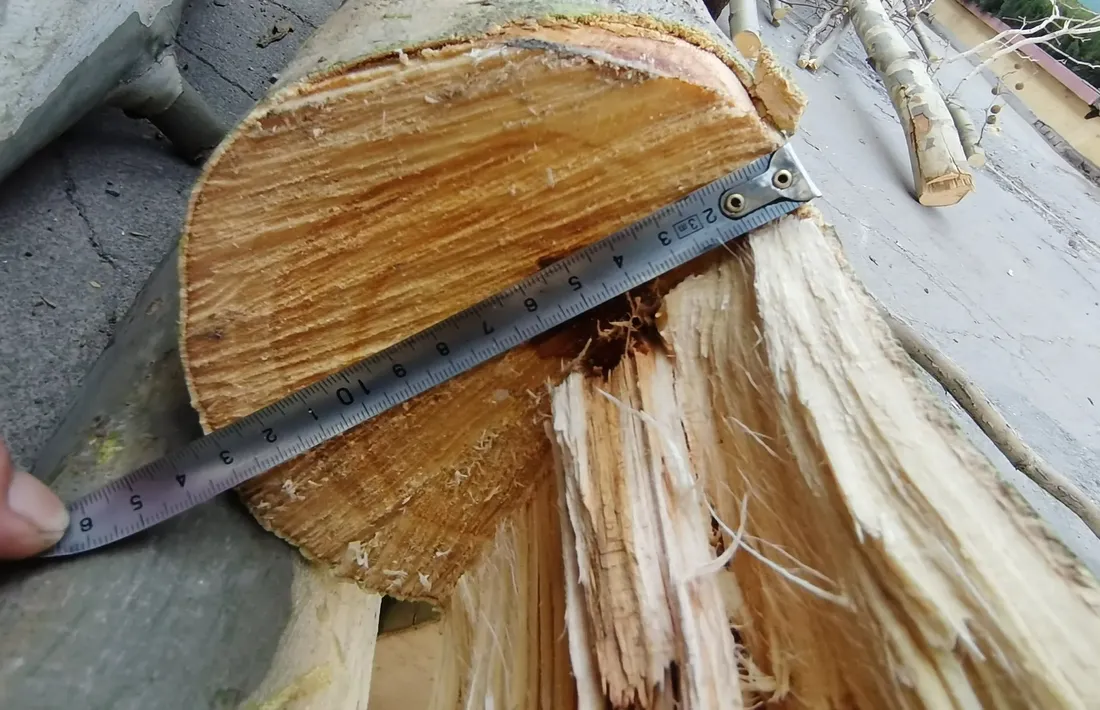
4. Suitable for Heavy-Duty Use: Diesel wood chippers are designed to handle larger, tougher materials. They can efficiently process thick branches, tree limbs, and even whole trees, depending on the model. This capability makes them particularly useful for forestry, land clearing, and large landscaping projects.
5. Versatility and Productivity: Many diesel wood chippers come with features that enhance versatility and productivity, such as adjustable chippers to control chip size, hydraulic feed systems to regulate the pace of material input, and towable designs for easy transportation between sites.
6. Reduced Operational Costs: While diesel fuel prices can fluctuate, the overall efficiency and durability of diesel engines can lead to lower operational costs over the lifespan of the chipper. Additionally, the robust nature of these machines means they retain value better and require fewer replacements of parts like blades, thanks to their ability to handle heavy-duty chipping without significant wear.
Common Applications of the Diesel Wood Chipper
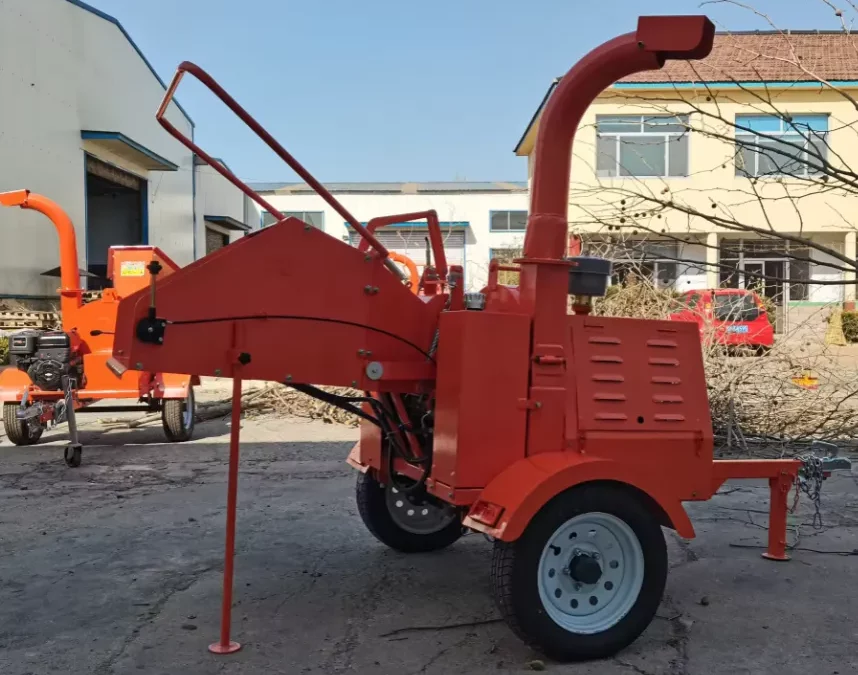
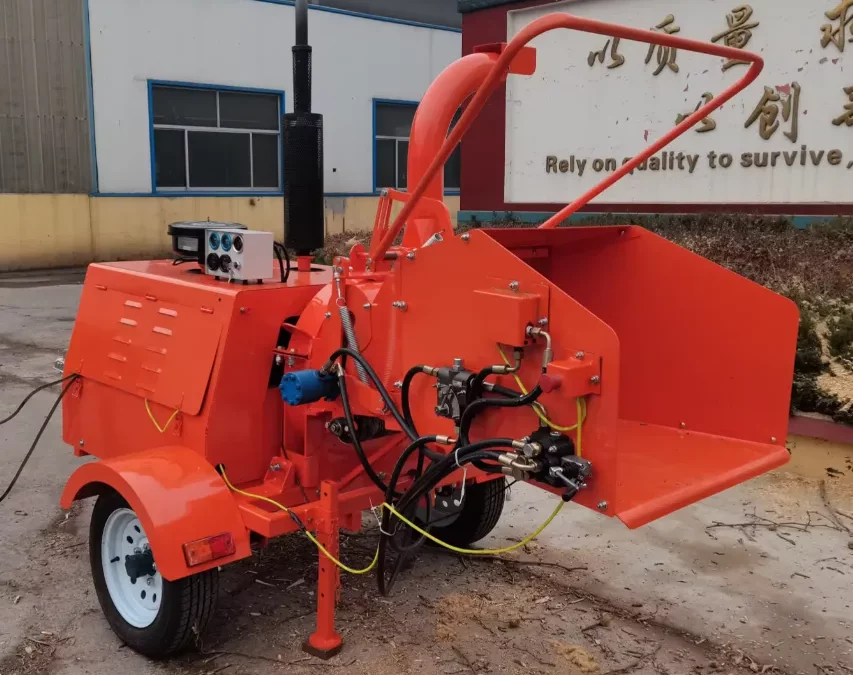
Diesel wood chippers are versatile machines that are used across various industries for different purposes. Their robust design and powerful performance make them suitable for a wide range of applications, including:
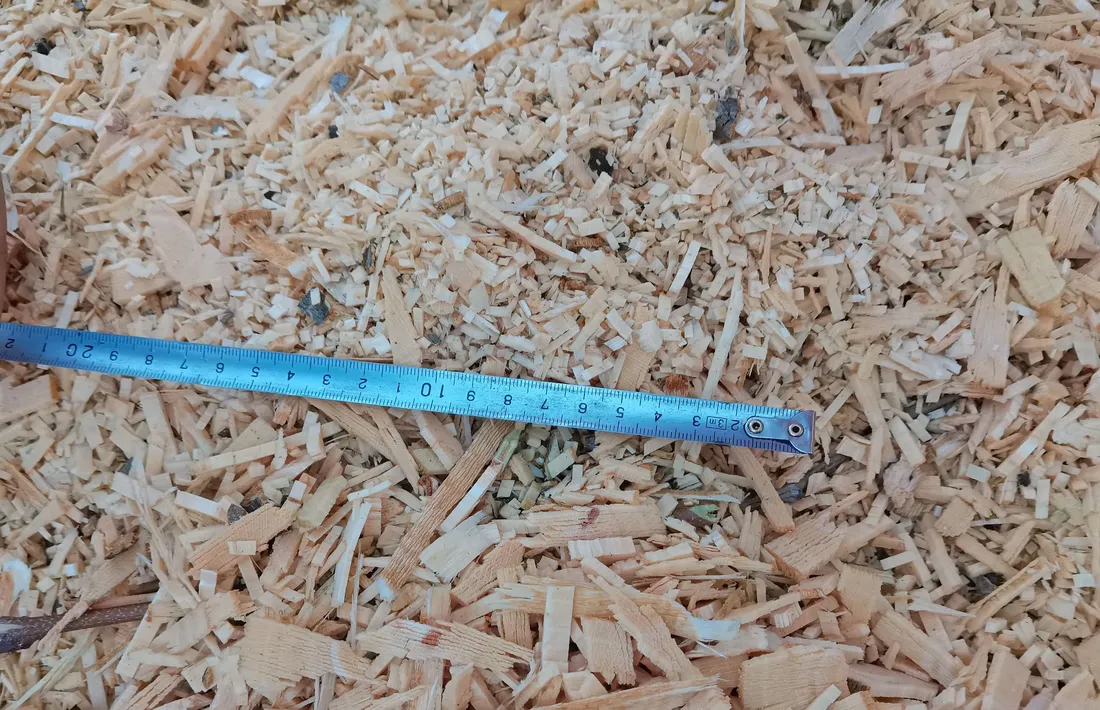
(1) Landscaping and Grounds Maintenance: Diesel wood chippers are commonly used by landscaping professionals to clear out tree limbs, branches, and brush. This not only helps in maintaining the aesthetics of a property but also in preventing potential hazards from falling branches. The chips produced can be repurposed as mulch for gardens and landscapes, contributing to soil health and moisture retention.
(2) Forestry and Tree Care: In forestry operations and tree care services, diesel wood chippers are essential for managing forest underbrush and processing tree limbs and trunks into smaller, manageable chips. This is crucial for fire hazard reduction, pest control, and maintaining the health of forested areas. The chips can be used for biomass fuel, composting, or as a ground cover to reduce erosion.
(3) Construction and Land Clearing: Before construction can begin on a new site, the area often needs to be cleared of trees and other vegetation. Diesel wood chippers are used to quickly and efficiently clear land, turning potential waste into useful wood chips for other applications, such as erosion control or as a biofuel.
(4) Agriculture: Farmers and agricultural workers use diesel wood chippers to manage orchard pruning waste, clear land for new crops, and maintain waterways and fence lines. The chips produced can be used on the farm as organic matter for soil improvement or as bedding for livestock.
(5) Municipal Waste Management: Many municipal and local government agencies use diesel wood chippers as part of their waste management programs to deal with fallen trees, park maintenance, and storm cleanup efforts. The ability to chip and recycle wood waste on-site reduces the need for transport and disposal in landfills, contributing to more sustainable waste management practices.
(6) Renewable Energy Production: Wood chips produced by diesel chippers are often used as biomass for renewable energy production. They serve as a fuel source for biomass power plants, which convert organic materials into electricity or heat, contributing to the diversification of energy sources and reducing reliance on fossil fuels.
(7) Erosion Control and Land Rehabilitation: Wood chips are an effective material for controlling erosion on construction sites, newly cleared land, or areas affected by natural disasters. They help to stabilize the soil, reduce water runoff, and promote the regrowth of vegetation.
(8) Recycling and Environmental Projects: Diesel wood chippers play a role in recycling and environmental conservation projects by processing wood waste into useful products. This not only reduces the amount of waste going to landfills but also supports the production of eco-friendly products like mulch and compost.
Diesel Wood Chipper Vs PTO Wood Chipper
When comparing diesel wood chippers with PTO (Power Take-Off) wood chippers, it’s essential to understand the key differences between these two types of wood chippers. Each has its advantages and ideal use cases based on power source, mobility, and application.
Diesel Wood Chippers
Power Source: Diesel wood chippers are powered by diesel engines. They are standalone units with their own engine and do not require any external power source to operate.
Mobility: Because they are self-contained units, diesel wood chippers can be easily moved and used in various locations without the need for a specific vehicle or additional power source. They often come mounted on trailers for easy towing.
Applications: Ideal for commercial and heavy-duty operations in forestry, landscaping, municipal waste management, and anywhere that requires high power and the ability to operate independently of other machinery. They are particularly useful in remote or varied locations where a consistent power source is not available.
Advantages: Offers high power and efficiency, capable of handling large and tough wood debris. They are very versatile and can be used in a wide range of environments.
Disadvantages: Diesel wood chippers are generally more expensive upfront than PTO chippers. They also have higher fuel costs and may require more maintenance due to the complexity of diesel engines.
PTO Wood Chippers
Power Source: PTO wood chippers are powered by a tractor or other vehicle’s power take-off system. They do not have their own engine but instead, use the power from the vehicle to which they are attached.
Mobility: These chippers are designed to be towed and require a compatible tractor or vehicle for operation. Their mobility is somewhat dependent on the vehicle, and they are not as easily used in various locations without the appropriate power source.
Applications: Ideal for agricultural settings, large estates, or any situation where there is regular access to a tractor or similar vehicle. They are well-suited for processing wood debris generated from farming operations, landscaping, or routine property maintenance.
Advantages: Generally less expensive than diesel wood chippers and can be highly efficient if you already have a tractor or vehicle capable of powering them. They eliminate the need for a separate engine, reducing maintenance and fuel costs.
Disadvantages: The need for a tractor or suitable vehicle for operation limits their versatility. They cannot be used independently, and their performance is tied to the power output of the attached vehicle. This reliance can also limit their use to locations where the tractor can travel.
 |
 |
| Diesel Wood Chipper | PTO Wood Chipper |
Why Choose HZPT’s Diesel Wood Chipper?
Choosing HZPT’s Diesel Wood Chipper means opting for a product from a company that excels in professionalism, quality, customization, and customer service. Our adherence to international standards, combined with innovative production techniques and a commitment to customer satisfaction, makes us a preferred choice for professionals in need of reliable and efficient wood processing equipment.
Professionalism
HZPT is known for its high level of professionalism, from customer service to product development. The company employs experts in the field of mechanical engineering and forestry equipment, ensuring that their products are designed with the user’s needs in mind. Their approach to business is customer-centric, focusing on providing solutions that not only meet but exceed expectations.
International Certifications
The company’s commitment to quality is evidenced by its adherence to international certifications. HZPT’s products are often certified to meet or exceed international standards, such as ISO certifications for quality management systems, safety, and environmental impact. These certifications demonstrate the company’s dedication to producing high-quality, reliable, and safe equipment.
Customized Services
Understanding that different customers have unique needs, HZPT offers customized services. They can tailor their diesel wood chippers to specific requirements, whether it’s adjusting the chip size, enhancing the feeding mechanism, or incorporating additional safety features. This flexibility ensures that clients get a product that perfectly matches their operational needs.
State-of-the-Art Production Facilities
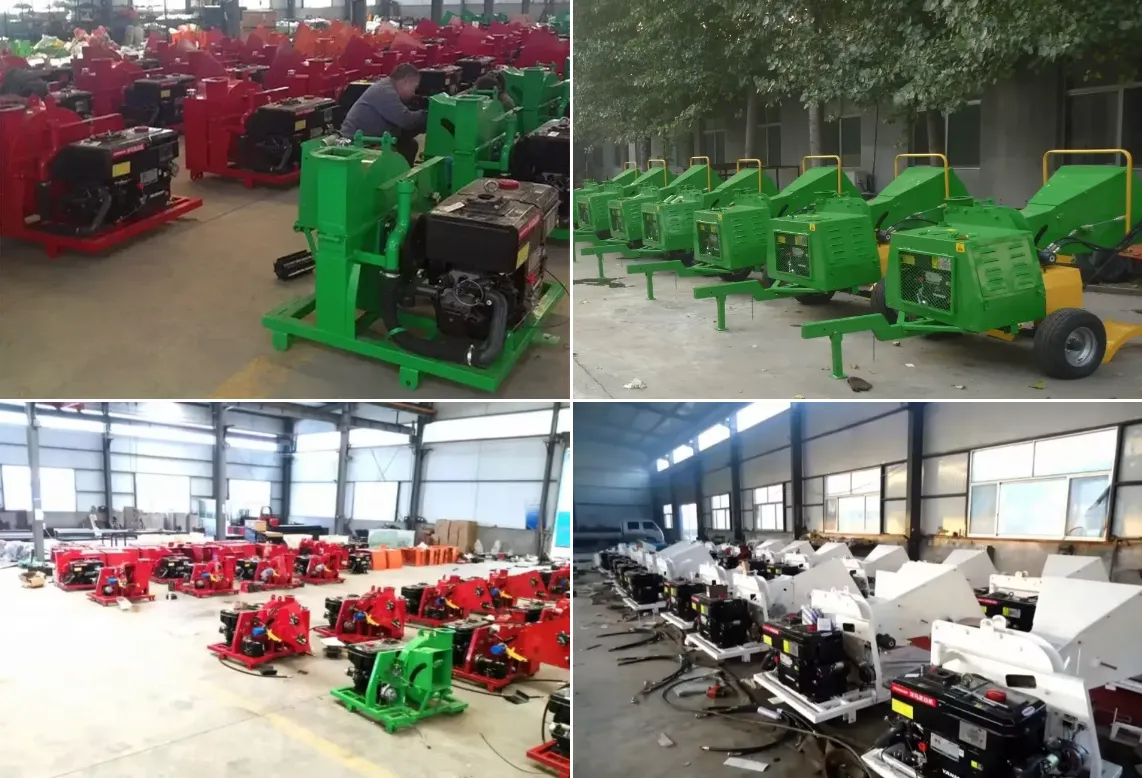
HZPT prides itself on its state-of-the-art production facilities. These facilities are equipped with the latest manufacturing technologies, allowing for high precision in the production process. The advanced technology not only improves the quality of the wood chippers but also increases production efficiency, enabling the company to meet high demand without compromising on quality.
Comprehensive After-Sales Services
After-sales service is a critical component of HZPT’s offering. The company provides extensive support after the purchase, including maintenance tips, parts replacement, and repair services. Their responsive after-sales team ensures that customers continue to receive value from their purchase long after the initial sale.
Commitment to Innovation
HZPT is dedicated to innovation, continuously researching and developing new technologies to enhance their diesel wood chippers. This commitment ensures that their products remain at the forefront of the industry, offering features that improve efficiency, safety, and user experience.
Othe Types of Agricultural Equipments
Last Update Knowledge & News
No Results Found
The page you requested could not be found. Try refining your search, or use the navigation above to locate the post.
Edited by Yjx