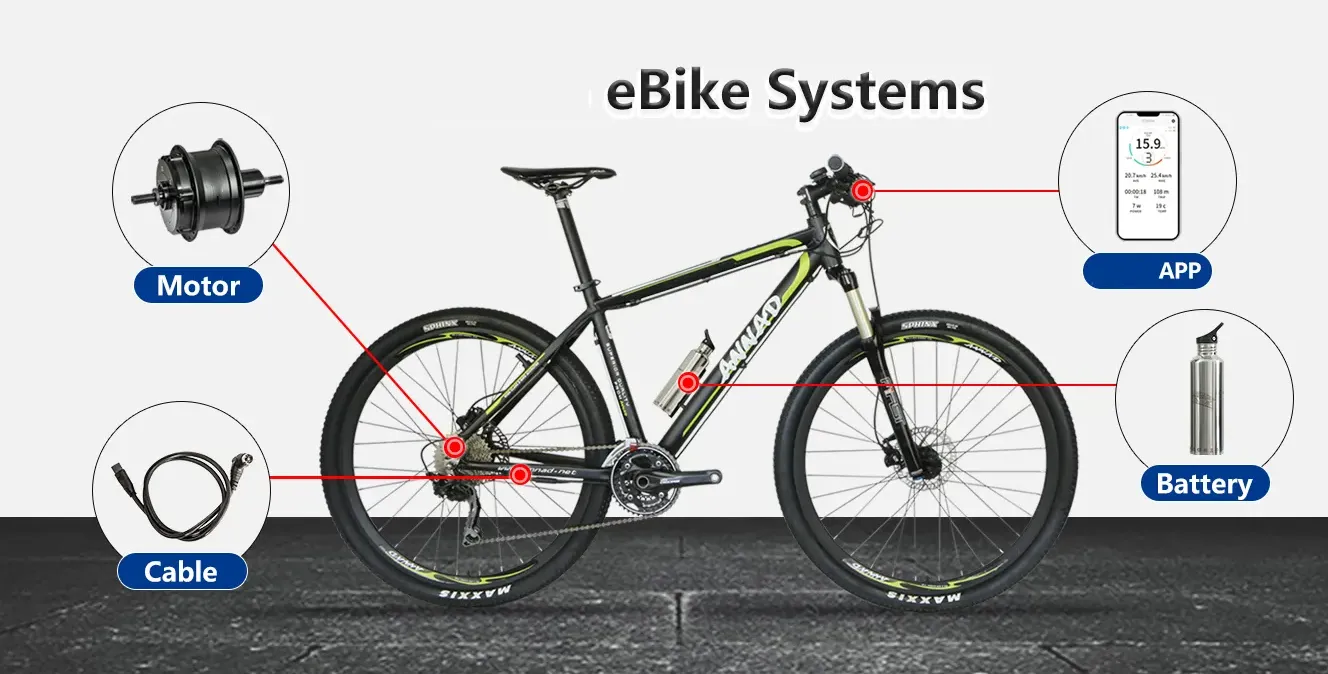
What are the eBike Systems?
Electric bicycles, commonly known as eBikes, have gained substantial popularity in recent years, offering an eco-friendly, efficient, and accessible form of transportation. An eBike system typically integrates electrical components with a traditional bicycle structure, enhancing the riding experience while maintaining the option of manual pedaling. Here’s an introduction to eBike systems:
Hot Products for Sale

Electric Bike Battery
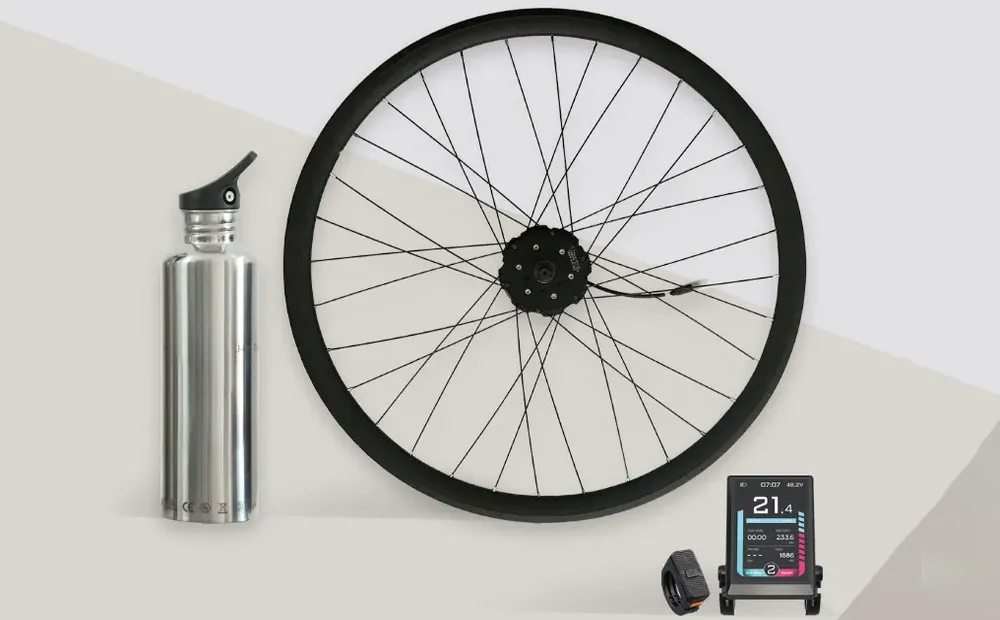
Electric Bike DIY Kits
Core Components of eBike Systems
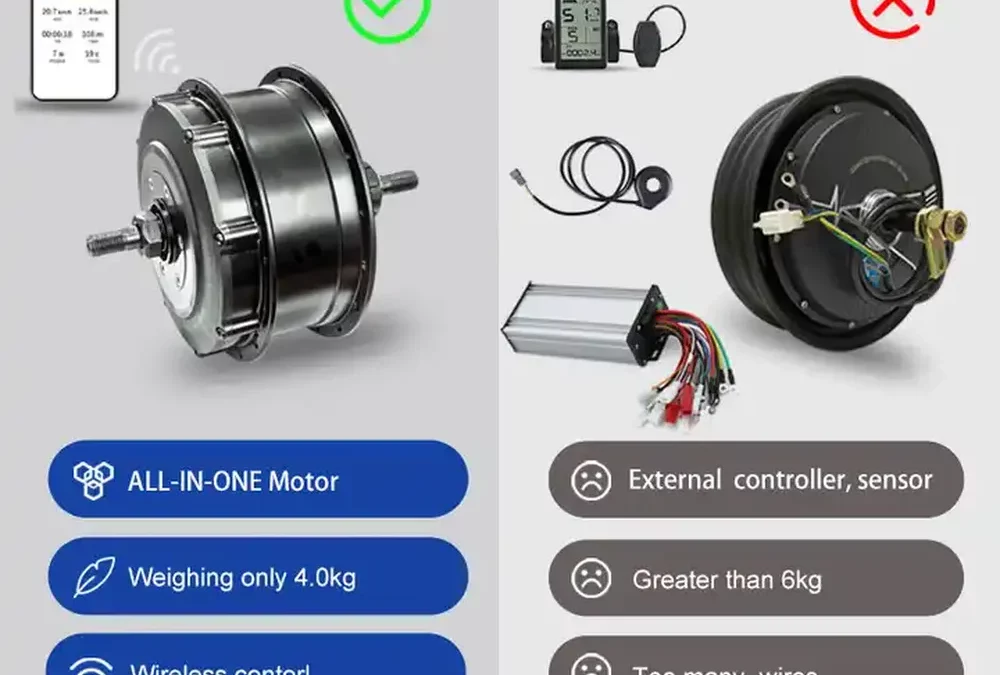
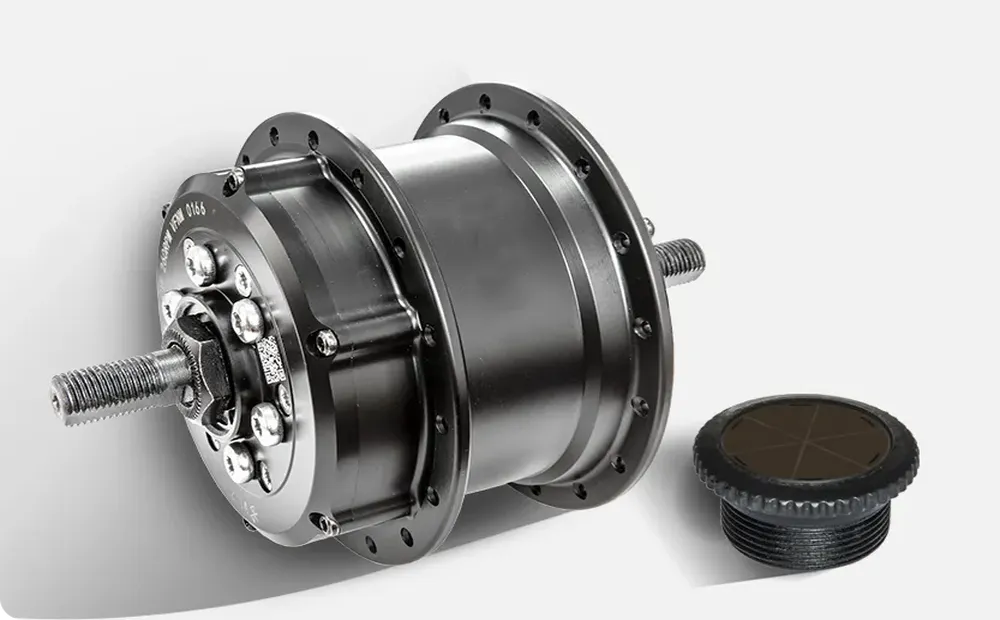
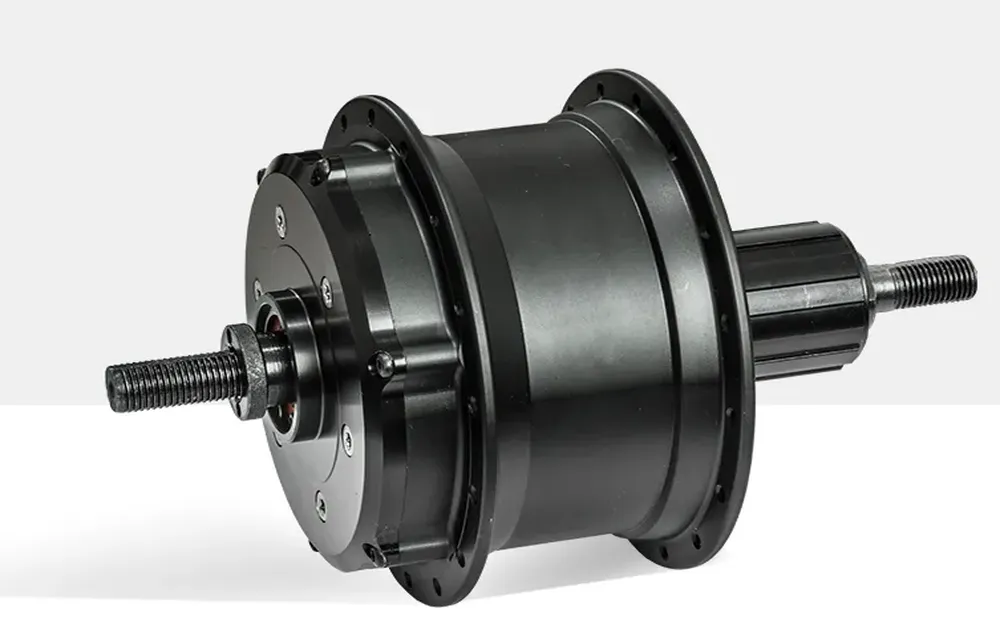
1. Electric Motor: The heart of an eBike, the motor provides additional power to the pedals or wheel. It can be located in the front or rear hub (hub motor) or mounted centrally (mid-drive motor) to directly drive the crank.
2. Battery: The eBike’s battery stores electrical energy that powers the motor. It’s typically rechargeable, with Lithium-ion batteries being the most common due to their light weight and long lifespan. The battery’s capacity determines the eBike’s range.
3. Controller: This electronic unit regulates the power flow from the battery to the motor based on input from the rider. It controls the speed and torque of the motor, influencing the bike’s acceleration and overall performance.
4. Pedal Assist Sensor (PAS): Many eBikes feature a sensor that detects pedaling and activates the motor to provide a boost. The level of assistance can usually be adjusted, allowing riders to choose how much effort they want to exert.
5. Throttle (in some eBikes): Some models include a throttle, enabling riders to engage the motor with a simple twist or push, without needing to pedal.
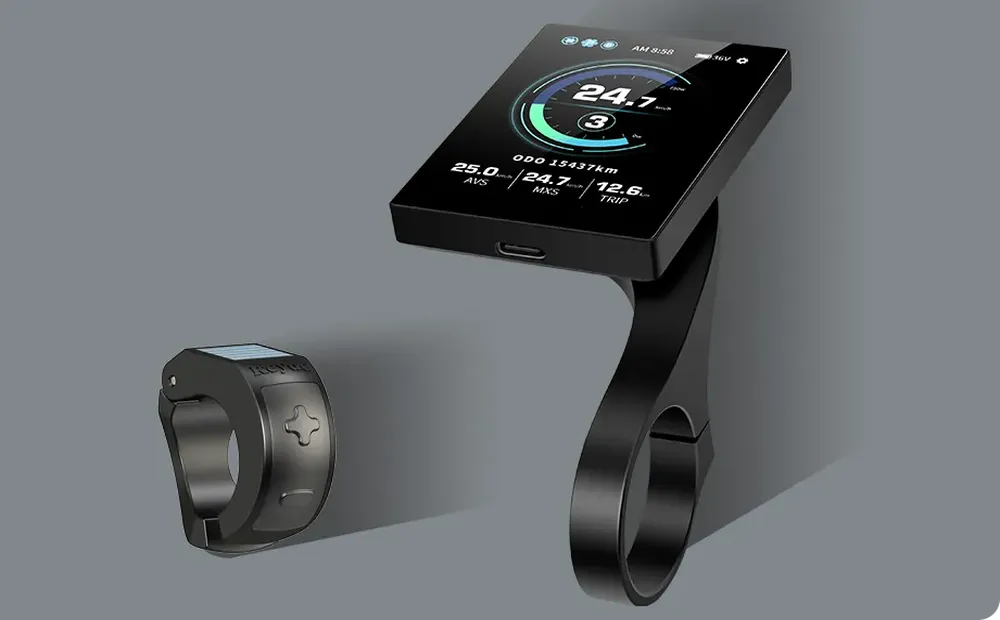
6. Display/Interface: eBikes often have a display unit mounted on the handlebars, showing information like battery level, speed, distance, and assist level. Some advanced models offer Bluetooth connectivity and navigation features.
eBike systems have gained popularity due to their numerous benefits. They make cycling more accessible to a wider range of individuals, including those who may have physical limitations or prefer a less strenuous ride. Commuters can cover greater distances with less effort, and hilly terrain becomes more manageable. eBikes also offer a greener transportation alternative since they produce zero emissions during use.
Advantages of the Electric Bike Systems
Electric bike systems offer numerous advantages over traditional bicycles, making them increasingly popular among riders of all ages and abilities. Here are some of the key advantages of electric bike systems:
1. Assisted Pedaling: Electric bike systems provide a motorized assistance that amplifies the rider’s pedaling power. This makes cycling less strenuous, especially when climbing hills or tackling challenging terrains. It enables riders to travel longer distances and overcome physical limitations, allowing more people to enjoy cycling as a mode of transportation or recreation.
2. Extended Range: With the assistance of an electric motor, riders can cover longer distances on electric bikes compared to traditional bicycles. This expanded range is particularly beneficial for commuting, as it allows riders to travel further without arriving exhausted or sweaty. It also reduces the reliance on other modes of transportation, like cars or public transport, for longer commutes.
3. Flexibility and Customization: Electric bike systems often feature multiple levels of assistance, allowing riders to adjust the level of motorized support according to their preferences or needs. This flexibility allows riders to choose between a more leisurely ride or a more challenging workout, depending on their mood or fitness goals. Additionally, some electric bike systems offer customizable settings, such as speed limits and power output, to further tailor the riding experience.
4. Improved Speed and Efficiency: The electric motor in e-bike systems boosts the rider’s speed, enabling them to maintain higher average speeds compared to traditional bicycles. This increased speed can be particularly advantageous for commuting, as it reduces travel time and overall effort. Electric bikes also tend to be more efficient in terms of energy consumption, as the motor assists the rider’s pedaling, making it easier to maintain a consistent speed.

5. Eco-Friendly Transportation: Electric bike systems provide a greener alternative to traditional motorized vehicles. By using electric power instead of fossil fuels, e-bikes produce zero emissions during operation, contributing to a cleaner and more sustainable environment. Electric bikes also help reduce traffic congestion and parking demands, as they require less space on the road and can be parked in smaller areas.
6. Health and Fitness Benefits: While electric bikes provide motorized assistance, they still require physical effort from the rider. The pedal-assist feature encourages regular physical activity, contributing to improved cardiovascular health, increased stamina, and enhanced overall fitness. Electric bikes also offer a low-impact exercise option, making them suitable for individuals with joint issues or those recovering from injuries.
7. Accessibility and Inclusivity: Electric bike systems make cycling accessible to a wider range of individuals, including those who may have physical limitations or reduced fitness levels. The motorized assistance helps bridge the gap between different age groups, allowing older adults or individuals with mobility issues to enjoy cycling without feeling overwhelmed. Electric bikes also offer an inclusive option for commuting, as they eliminate barriers like long distances, challenging terrains, or excessive exertion.
Applications of the Electric Bike Systems
Here are the applications of electric bike systems in different types of bikes:
1. Road Bike:
- Commuting: Electric road bikes can be used for daily commuting, providing a faster and more efficient mode of transportation on roads and paved surfaces.
- Fitness and Training: Electric road bikes assist riders in maintaining higher speeds and tackling longer distances, making them suitable for fitness enthusiasts and those who enjoy road cycling as a hobby.
- Group Rides: Electric road bikes allow riders of different fitness levels to participate in group rides together by bridging the performance gap.
2. Mountain Bike (e-MTB):
- Off-Road Adventures: Electric mountain bikes make off-road cycling more accessible by providing motorized assistance on challenging terrains, inclines, and technical trails.
- Extended Range: With the assistance of electric power, riders can cover longer distances during mountain biking excursions, allowing them to explore more remote areas and enjoy longer rides.
- Trail Riding: Electric mountain bikes are well-suited for trail riding, as they enable riders to conquer steep climbs and enjoy the downhill sections with added control and performance.
3. Folding Bike:
- Urban Commuting: Electric folding bikes are ideal for urban commuting due to their compact size and portability. They can be easily folded and carried onto public transportation or stored in small spaces.
- Multimodal Transportation: Electric folding bikes provide a convenient solution for combining cycling with other modes of transportation, such as trains, buses, or cars. They can be folded and stowed in a trunk or carried on public transport.
- Easy Storage: Electric folding bikes are practical for individuals with limited storage space at home or work. They can be easily stored in apartments, offices, or small living spaces.
4. City Bike:
- Urban Transportation: Electric city bikes are designed for navigating city streets, offering a comfortable and efficient means of transportation for daily commuting, running errands, or leisurely rides.
- Eco-Friendly Alternative: Electric city bikes contribute to reducing traffic congestion, noise pollution, and air pollution in urban areas, providing a greener transportation option.
- Accessibility and Inclusivity: Electric city bikes make cycling more accessible to a wider range of individuals, including those with limited physical fitness or mobility. They allow people of various ages and abilities to navigate cities and enjoy the benefits of cycling.

Showing 1–30 of 492 resultsSorted by latest
-
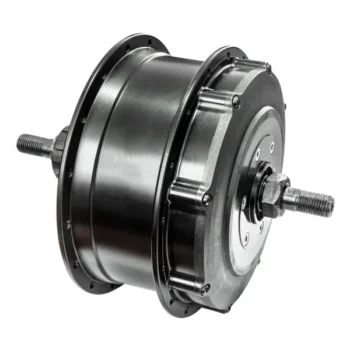
P130 ALL-IN-ONE Rear Hub Motor
-
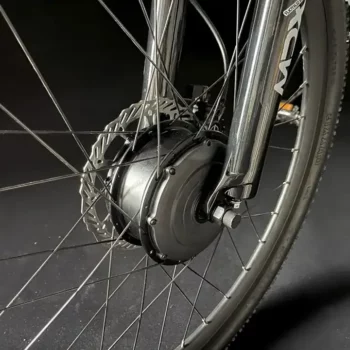
HZPT P130 Ebike front hub motor all in one intergrated 250W
-
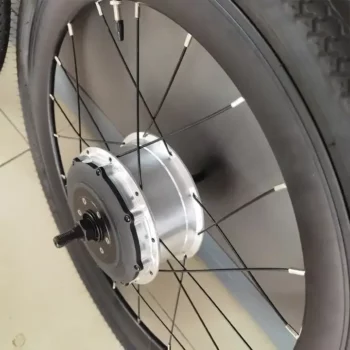
Revolutionize Your Cycling Experience with the HZPT P130 All-in-One Brushless 36V 250W DIY Ebike Front Hub Motor
-
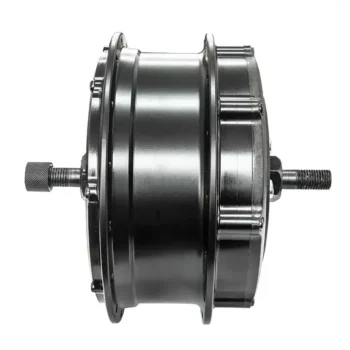
HZPT P130 Front Hub Motor: The Ultimate in Integrated E-bike Technology
-
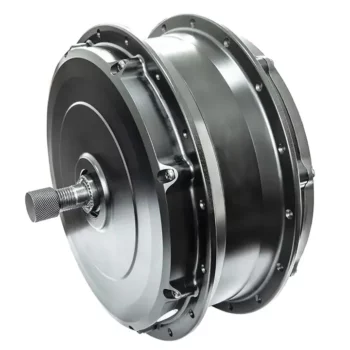
HZPT P130 ALL-IN-ONE Brushless 36V 250W Intelligent Ebike Front Hub Motor Electric Bicycle Kit With Battery
-
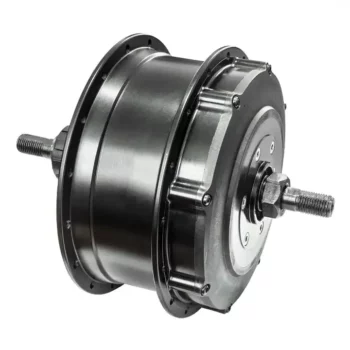
HZPT Intelligent Electric Bicycle Motor Controller Wireless 20V-42V 250W Front Hub Bike Motor
-
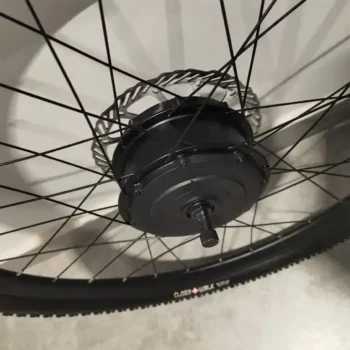
HZPT P160 250W 400W Electric Bike Intelligent Engine Motor Set Up For Bicycle Wireless Front Hub Motor
-
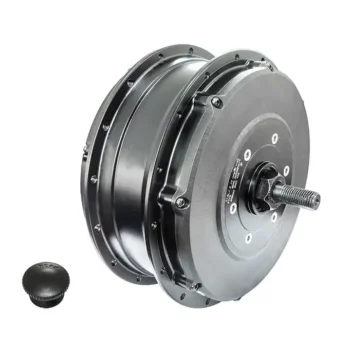
Factory Wholesale Electric Bicycle 250W 30V New Motor with High Quality
-
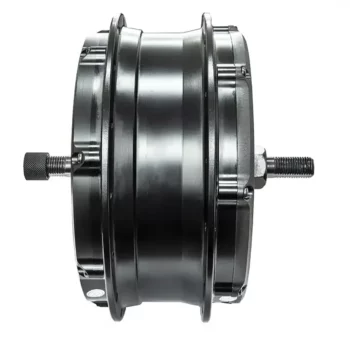
HZPT P130 ALL-IN-ONE ebike motor wireless control battery inside integrated
-
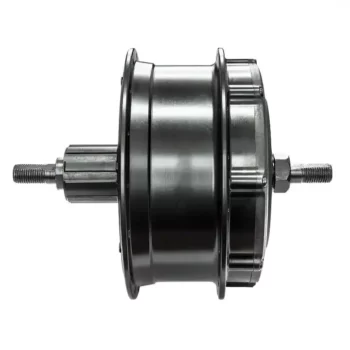
2023 HZPT new Motor P130 ebike conversion motor kit with battery
-
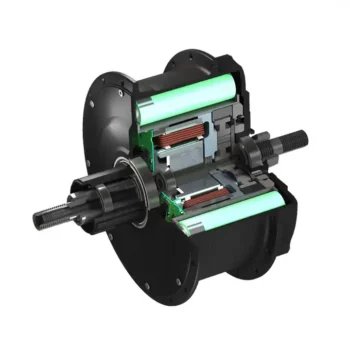
High Quality Ebike System 250w Environmental Friendly Brushless ALL-IN-ONE Front Hub Motor For Electric Bicycle Part Motor
-
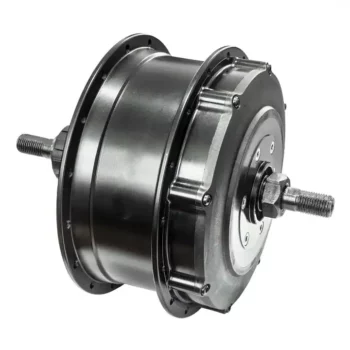
HZPT P130 ALL-IN-ONE Bicycle Motor
-
HZPT P130 Hub Motor Kit Electric Bike Bicycle Conversion Kit Front Motor
-
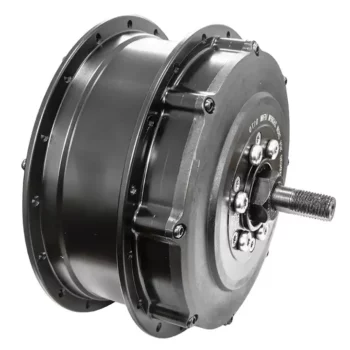
HZPT Intelligent Conversion Kit Front Motor 350w 20 inch Electric Bicycle Motor Kit With Battery
-
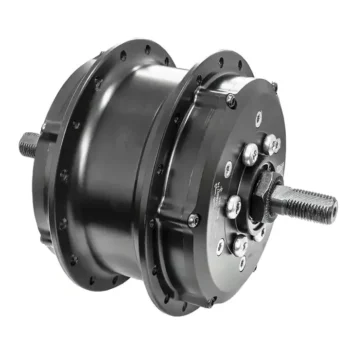
HZPT P110 Environmental Friendly Ebike Conversion Kit 36V 250w Electric Bicycle Part Front Hub Motor
-

HZPT P100 E-bike Front Wheel Hub Motor
-
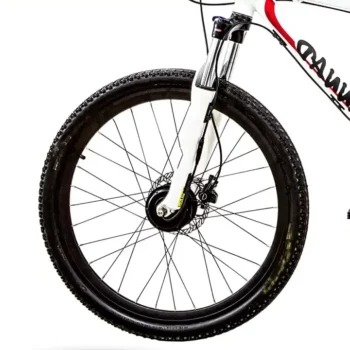
HZPT P110 250W 36V Lithium Battery E Bike Brushless Motor Front Rear Electric Bicycle Motor Kit
-
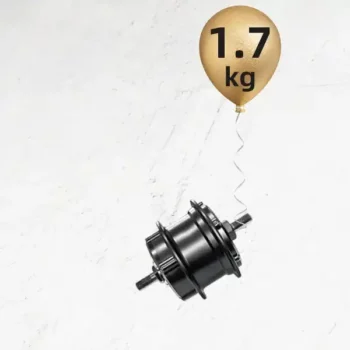
HZPT P100 Bicycle Motor Kits Intelligent Brushless Non-gear 36v 250w Front Hub Motor for Electric Bike
-
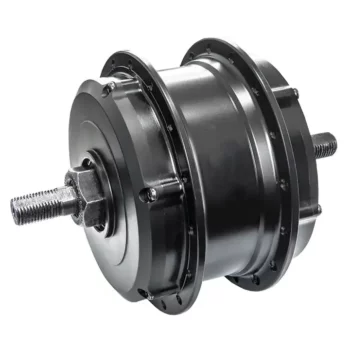
HZPT 14 Inch Front Wheel Electric Bicycle Kit Sustainable 250W 36V Ebike Hub Motor Conversion Kit
-
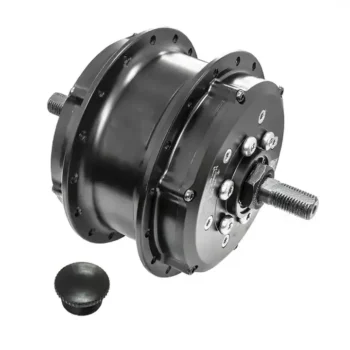
HZPT P110 Ebike Motor 750W 36V 33V 24V Sustainable Front Hub Brushless Electric Bicycle Hub Motor
-
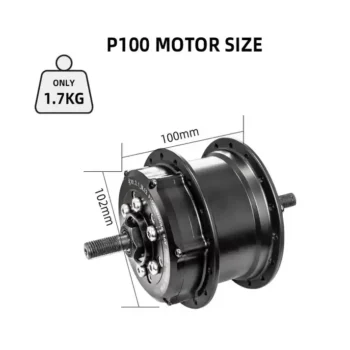
HZPT Bicycle Parts Electric Bike Conversion Kit – Small Light Front Hub Motor for Ebike
-
HZPT Front Intelligent Brushless Hub Wheel Motor Electric Bike Conversion Kit Bicycle Hub Motor
-

HZPT Electric Bike Conversion Kit Bicycle Dynamo Hub Electric Bicycle Motor
-
HZPT Electric Bicycle Parts Motor Hub 500w Ebike Conversion Kit
-
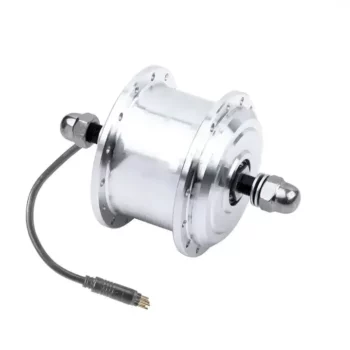
HZPT Hub Motor Brushless P110 36V 750W Front and Rear eBike Conversion Kit Silver Motor
-
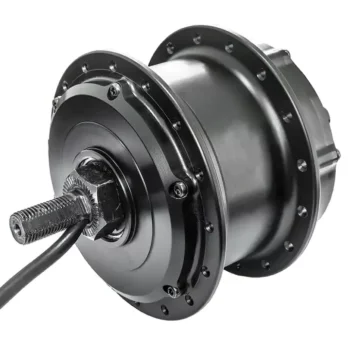
HZPT P110 E-bike Front Motor with Controller Bicycle Conversion Kit for Ebike
-
HZPT P110 Front Motor with controller 250w bike kit electric bike motor
-
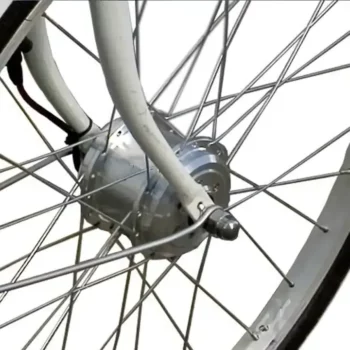
Powerful P110 Front Hub Motor with Controller: The Ultimate Electric Bike Kit
-
HZPT P110 Brushless Non-gear Hub Motor with controller e bike motor
-
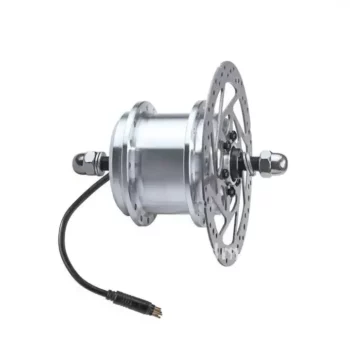
HZPT Front Motor with Controller Bike Hub Motor Kit
Why Choose Our eBike Systems Products?