
Gears for Electric Cars
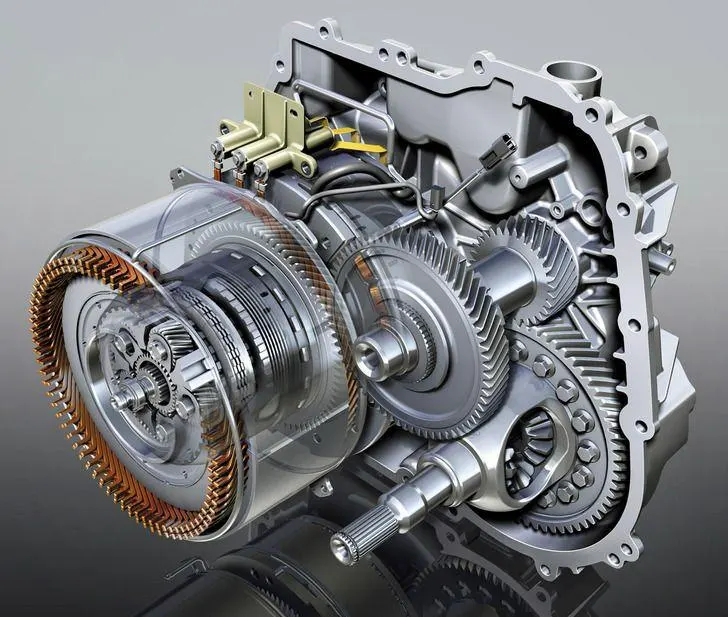
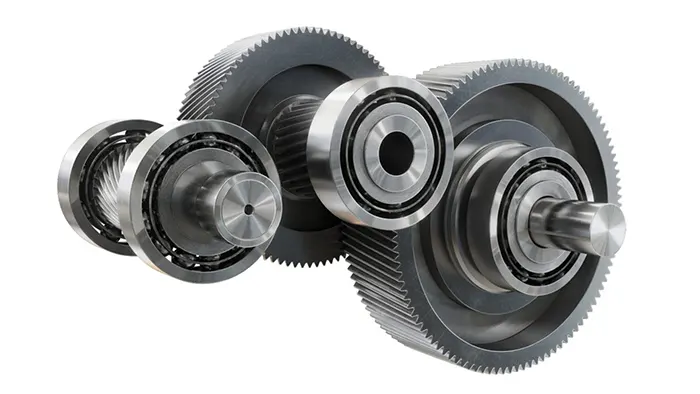
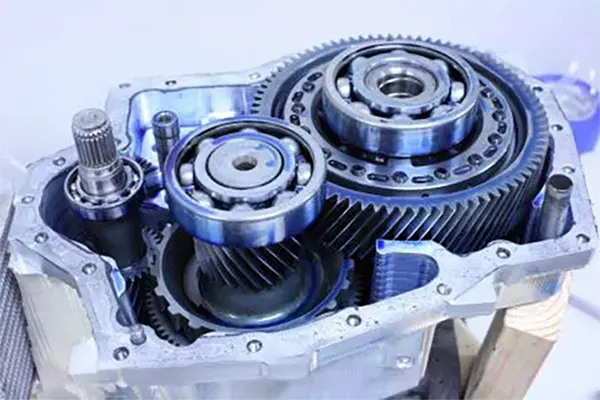
Electric vehicle gear is an important part of the electric vehicle transmission system, and its performance and efficiency directly affect the performance of electric vehicles. With the continuous development of electric vehicle technology, gear technology is also progressing, providing important technical support for the development of electric vehicles. Electric vehicle (EV) gears are crucial components that transmit power from the electric motor to the wheels, enabling motion.
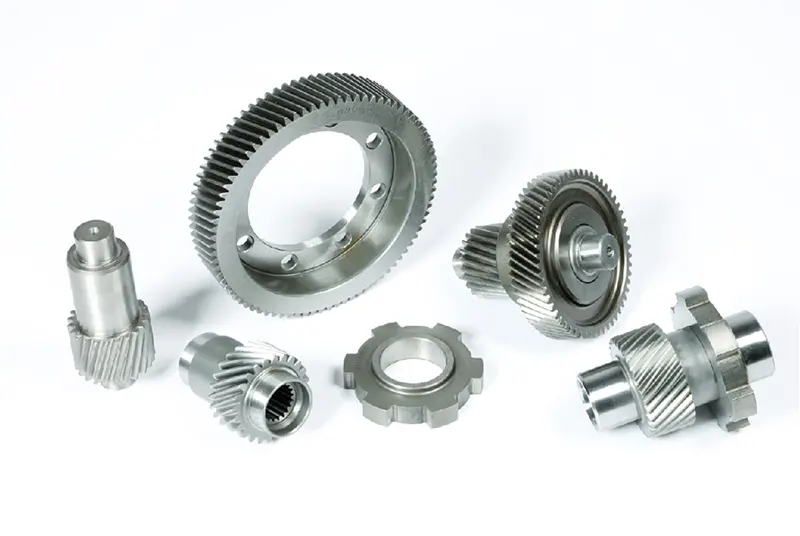
Unlike gears in traditional internal combustion engine (ICE) vehicles, which must accommodate a wide range of engine speeds and torque, electric automobile gears operate within a narrower range due to the electric motor’s characteristics. This difference often results in simpler and more compact gear systems in electric vehicles. For instance, many EVs use single-speed gearboxes, as electric motors can maintain high torque over a broad range of speeds, eliminating the need for multiple gears. Despite this simplicity, the design of electric car gears focuses on precision and durability to handle high torque levels efficiently and quietly. The advancement in electric automobile gear technology is continuously evolving, aiming to optimize performance, reduce noise, vibration, and harshness, and contribute to the overall efficiency and reliability of electric vehicles.
Our Product Line
|
Product Line |
Main parameters (one gear) |
Market |
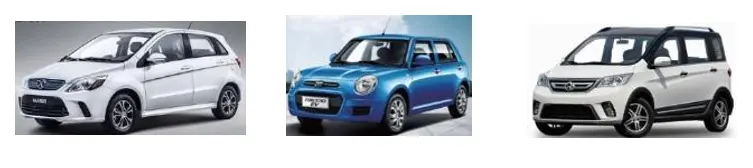
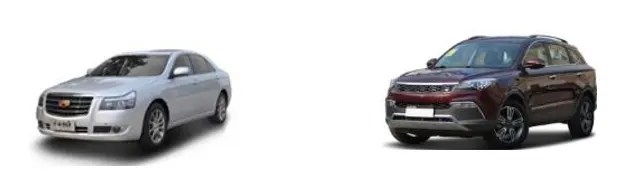
Types of new energy passenger cars |
|
|
1TO7 |
Maximum rotating speed |
7600r/min |
Chery, Zhongtong, Zotye, SAIC-GM-Wuling Automobile |
|
|
Maximum torque |
100Nm |
|||
|
Maximum power |
10Kw |
|||
|
K11 |
Maximum rotating speed |
8000r/min |
Kandi |
|
|
Maximum torque |
120Nm |
|||
|
Maximum power |
10~15Kw |
|||
|
W11 |
Maximum rotating speed |
8000r/min |
ZD |
|
|
Maximum torque |
120Nm |
|||
|
Maximum power |
15~20Kw |
|||
|
T20 |
Maximum rotating speed |
10000r/min |
BAIC, Changan Automobile, Lifan |
|
|
Maximum torque |
180Nm |
|||
|
Maximum power |
50Kw |
|||
|
T30 |
Maximum rotating speed |
12000r/min |
Geely, Changfeng Cheeta, Honda |
|
|
Maximum torque |
300Nm |
|||
|
Maximum power |
50Kw |
|||
|
2T-100 |
Maximum rotating speed |
5000r/min |
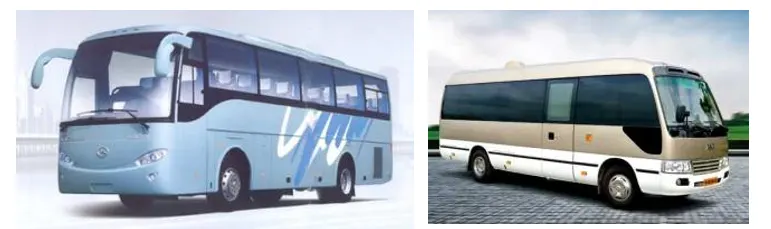
Suzhou Jinlong, CRRC Times |
|
|
Maximum torque |
1000Nm |
|||
|
Maximum power |
180Kw |
|||
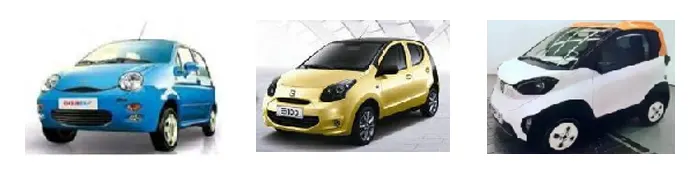
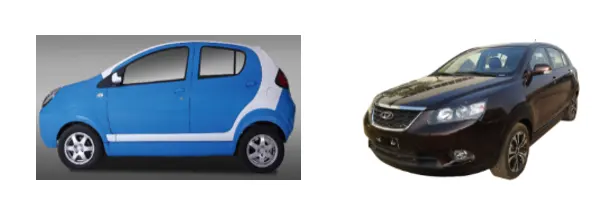
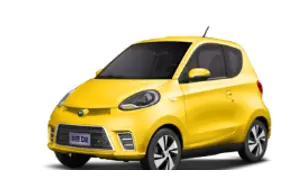
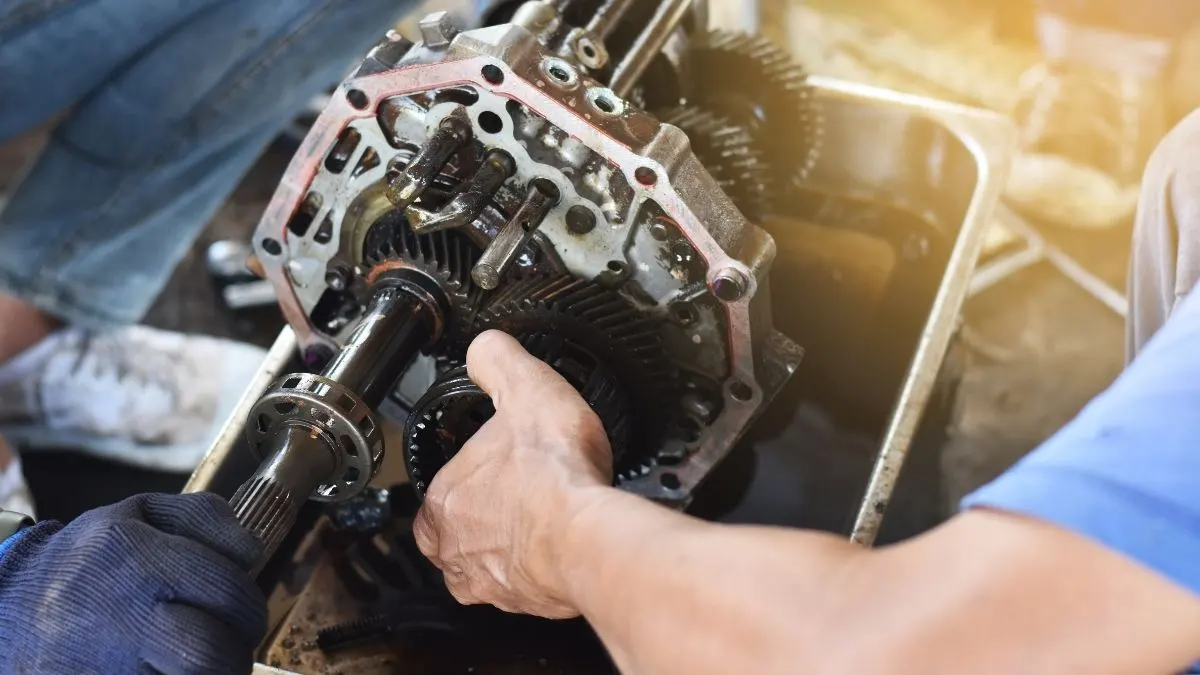
Electric Car Gears Design
Material Selection
The choice of material, whether metal alloys or advanced synthetic materials, plays a pivotal role in the gear’s performance. Metals are favored for their strength and durability, while synthetic materials can offer reductions in weight and noise. The material must withstand the high torque and speed of EV motors while minimizing wear and tear.
Gear Design
The importance of gear design lies in optimizing the gear’s shape, size, and surface treatment. The gear teeth profile must be meticulously designed to ensure efficient power transmission and to minimize losses. Surface treatments and coatings can be applied to reduce friction and wear, enhancing the gear’s lifespan and efficiency.
Speed and Torque
The high rotation speed and torque of EV motors dictate the gear ratio and tooth count of the EV gears. A well-designed gear system ensures that the motor operates within its most efficient range, providing adequate torque to the wheels and ensuring smooth acceleration.
Load Considerations
The load carried by the vehicle determines the required strength and stiffness of the gears. EV gears must be robust enough to handle varying loads, ensuring reliability and safety under different driving conditions.
Noise and Vibration
Noise and vibration (NVH) are critical factors in gear design, directly impacting driving comfort. EVs are particularly sensitive to NVH issues since the absence of an internal combustion engine makes other sounds more noticeable. Advanced design techniques, precise manufacturing, and material selection are employed to minimize NVH levels, ensuring a quiet and comfortable driving experience.
The design of electric vehicle (EV) gears is a complex process that significantly influences the performance, durability, and driving comfort of the vehicle. The design of EV gears is a balanced interplay between material science, mechanical engineering, and precision manufacturing, aiming to achieve optimal performance, durability, and comfort for the electric vehicle.
About Us
We specializes in large-scale production and sales of automotive rear axle main reducer gear, transmission gear, engine timing gear and general precision transmission gear for more than 20 years, the market covers automotive parts, chemical equipment, general precision transmission device, agricultural machinery and other industries. The company is a large backbone supplier of axle spiral bevel gears, transmission gears and electric vehicle transmission parts in the domestic automotive industry, and has become a strategic partner of SAIC General Motors Wuling and Geely Automobile Group.
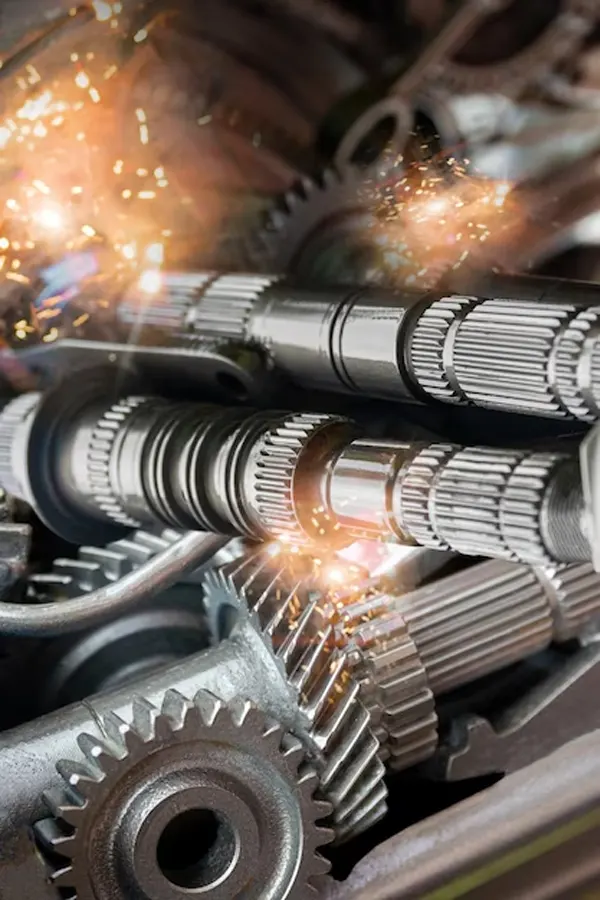
Advanced drive systems for machinery around the world
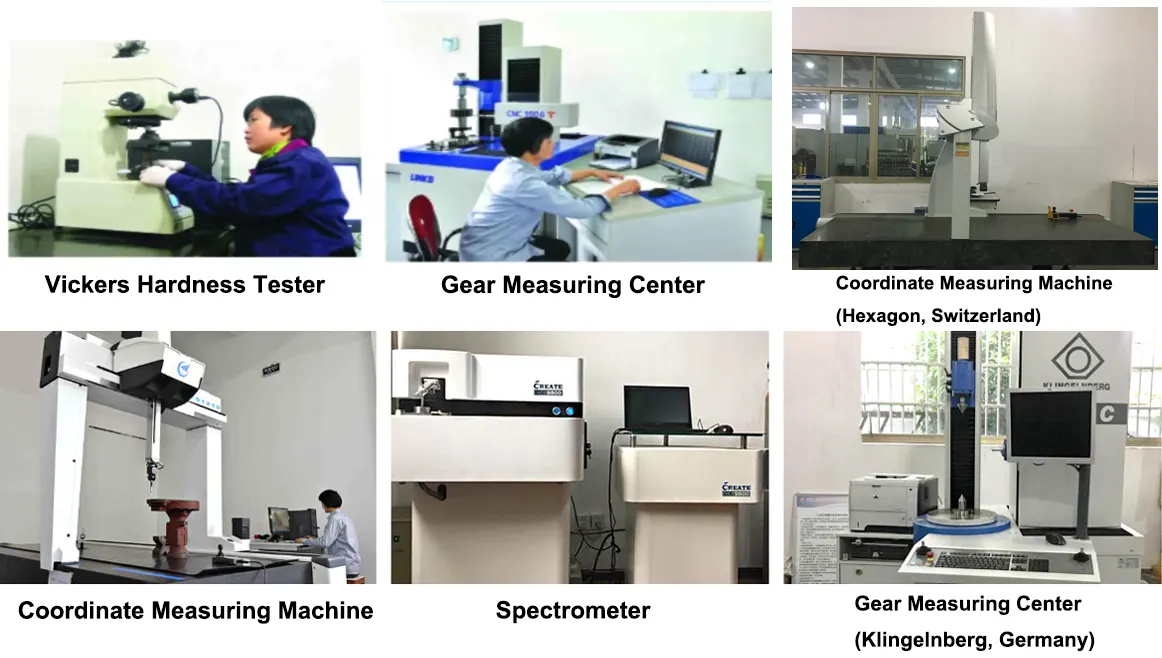
Testing & Production Equipment
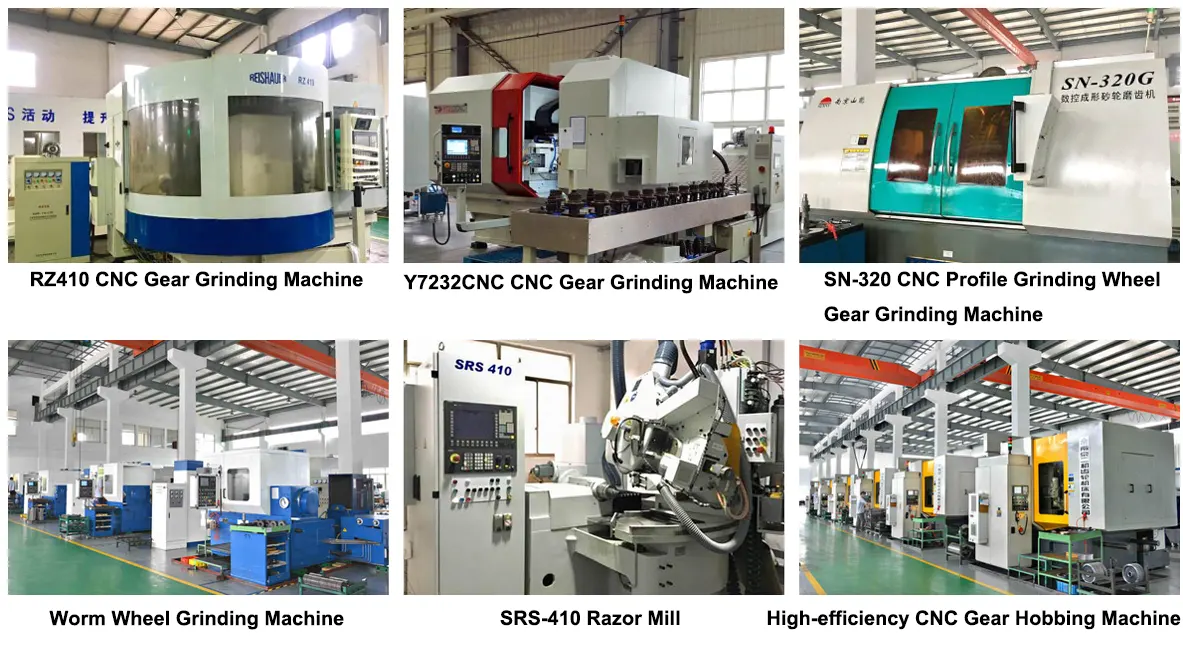
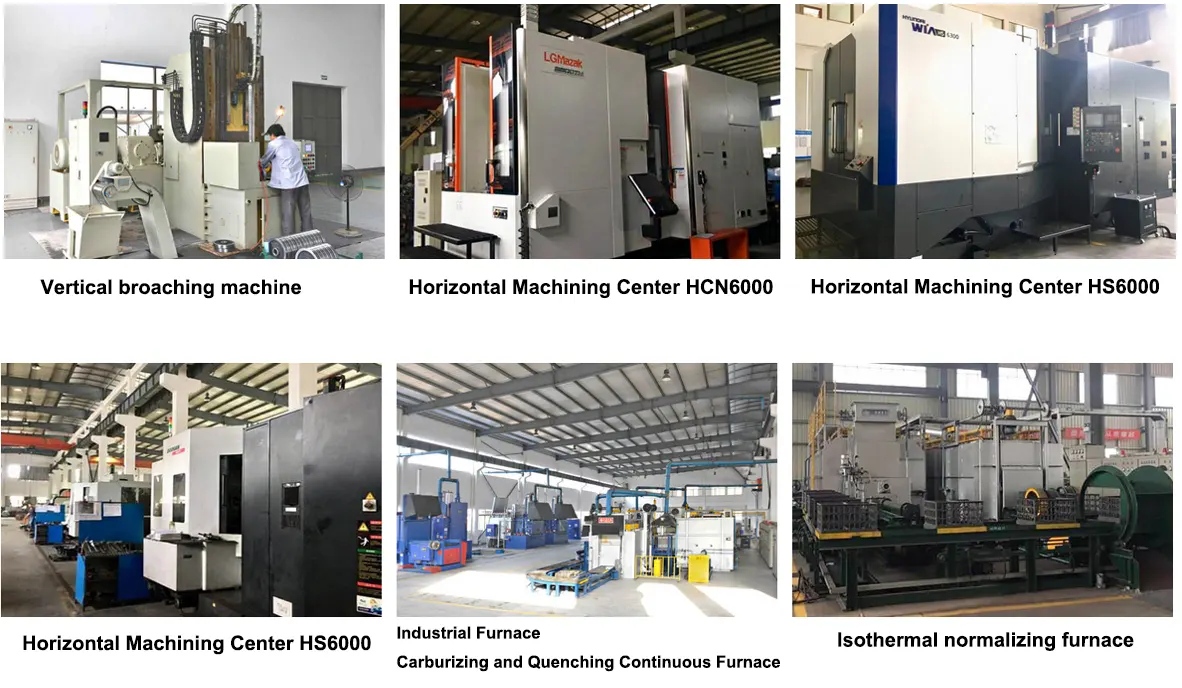
We have all kinds of advanced testing equipments, such as Vickers hardness tester, CMM, etc.. As well as production equipment, such as CNC gear grinding machine, CNC hobbing machine and so on.
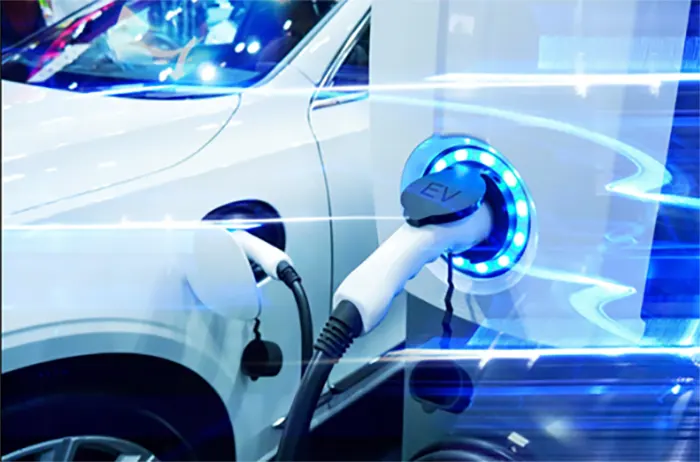
Characteristics of Electric Vehicle Gears
High precision
The gears of electric vehicles need to have high precision to ensure the smoothness and accuracy of transmission, thus improving the performance and comfort of electric vehicles.
Wear-resistant
Since the gears of electric vehicles need to withstand large torque and rotational speed, they need to have good wear-resistant performance to ensure the stability and reliability of long-term use.
Low noise
The gears of electric vehicles need to be as quiet as possible in order to minimize the impact on passengers and the surrounding environment, and to improve ride comfort and environmental performance.
Lightweight
In order to reduce the energy consumption and increase the range of electric vehicles, gears need to adopt a lightweight design, while maintaining good mechanical properties and durability.
Application of Electric Automobile Gears
Steering system
The steering system of electric vehicles mainly consists of steering gears and gears, through the operation and transmission of the steering gear, to realize the direction control of the vehicle in different driving conditions. In this process, the role of gears is to realize the transmission and conversion of the steering gear to ensure the normal work of the steering gear.
Drive system
The drive system of electric vehicles is mainly composed of electric motors and gears, which realizes the drive of the vehicle by transferring the output torque of the electric motor to the axle of the vehicle. In this process, the role of gears is to realize the transmission and conversion of torque to ensure the normal driving of the vehicle.
Suspension system
The suspension system of an electric vehicle is mainly composed of shock absorbers and gears. Through the absorption and transmission of shock absorbers, it realizes the stability and maneuverability of the vehicle under different road conditions. In this process, the role of the gear is to realize the transmission and conversion of the shock absorber to ensure the normal work of the shock absorber.
Electric Vehicle Gear Knowledge
No Results Found
The page you requested could not be found. Try refining your search, or use the navigation above to locate the post.