
Grain Transportation Gearbox
HZPT is a prominent manufacturer of high-performance grain transportation gearboxes for a variety of applications. Our technical staff can reconfigure an existing design or assist you in designing a custom grain transportation gearbox if a standard or existing design does not fit your application. Shaft rotation, speed ratio, design type, load nature, mounting position, and the application’s environment are all considerations when choosing a grain transportation gearbox.
The first step in this procedure is to determine which sort of gearbox is suitable for your application. We are one of the reputable agricultural gearbox manufacturers and suppliers with years of expertise in farm equipment manufacturing and distribution. HZPT provides high-quality agricultural equipment wholesale at a reasonable price. In addition, we also offer agricultural PTO shafts! Contact us now!
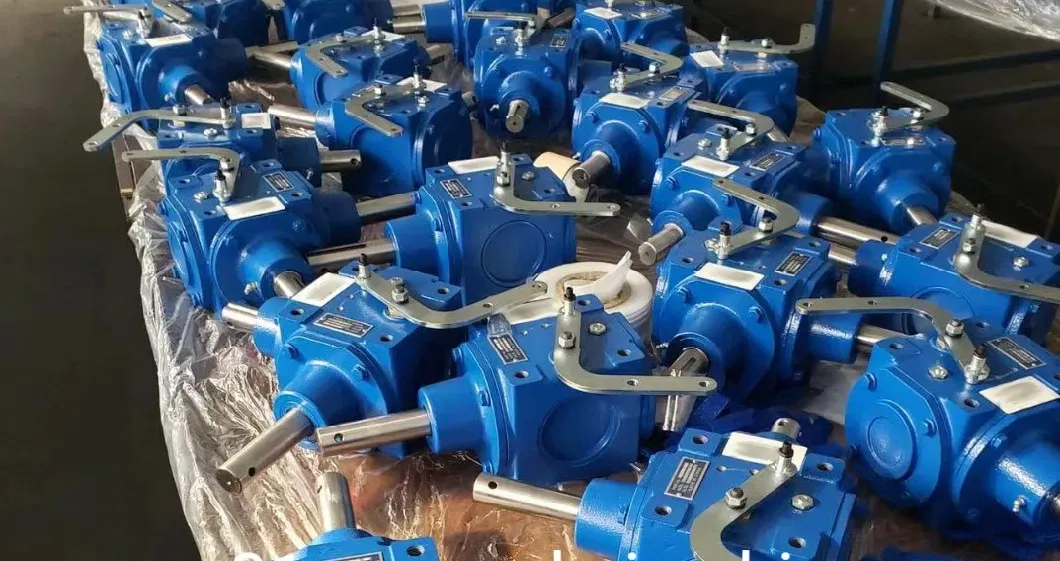
What is a Grain Transportation Gearbox?
The grain transportation gearbox is a specialized mechanical device designed for use in agricultural machinery that handles the transfer and movement of grain. This type of gearbox is crucial for machines like grain conveyors, elevators, and augers, which require reliable and efficient mechanisms to transport grain from storage areas to processing units or loading zones. The gearbox functions by converting the engine’s power into the necessary torque and speed needed to operate the grain moving equipment, optimizing the flow and minimizing the risk of blockages or mechanical failures.
Constructed from durable materials like heavy-duty steel, these gearboxes often feature high resistance to wear and corrosion, ensuring longevity under harsh working conditions. They come in various sizes and configurations, each tailored to support specific loads and operational speeds. Essential components of these gearboxes include gears, shafts, and bearings, which are precisely engineered to handle the substantial stress and loads imposed by grain transportation. Additionally, they may incorporate advanced design elements like cooling systems to prevent overheating during extended use. This specialized gearbox is pivotal in maintaining the efficiency and continuity of agricultural operations, particularly in large-scale farming environments.
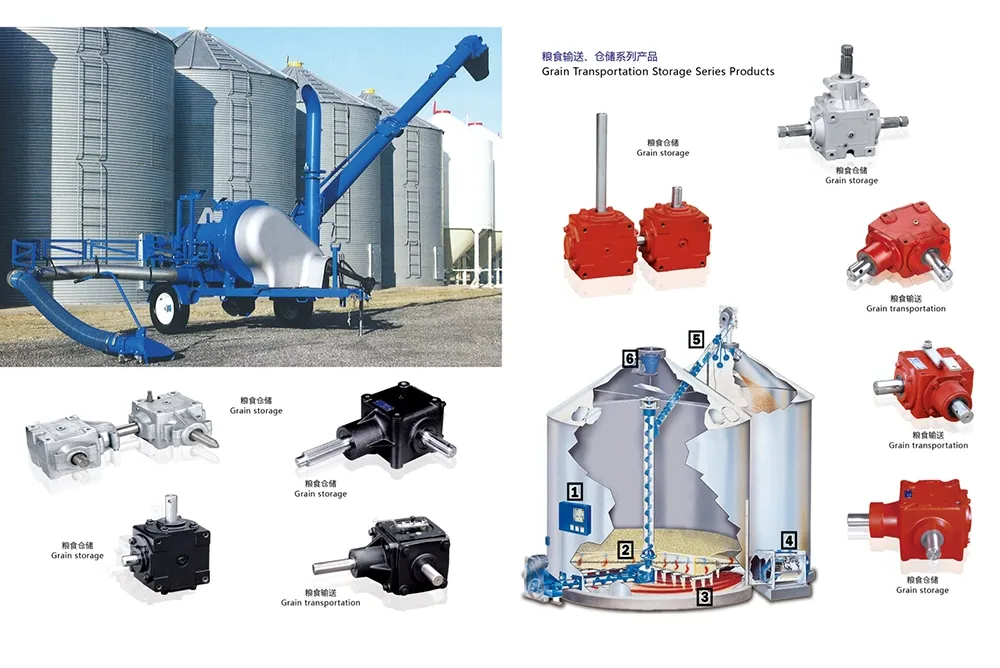
Types of Grain Transportation Gearboxes
-
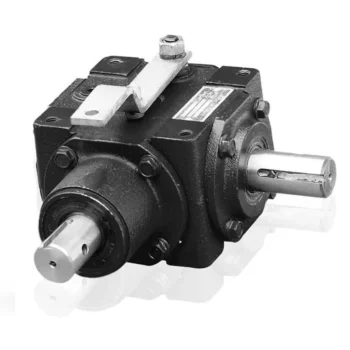
Grain Transportation Gearbox EP-1002 for Agricultural Grain Transportation
-
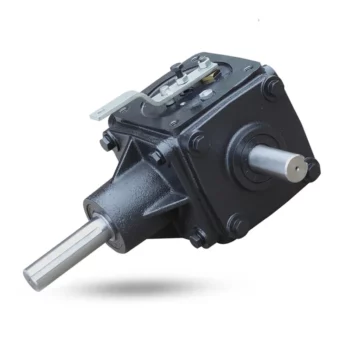
Grain Transportation Gearbox EP-1001 for Agricultural Grain Transportation
-
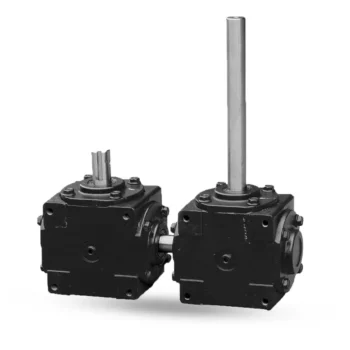
Grain Auger Gearbox EP-2390 for Agricultural Grain Storage and Transportation
-
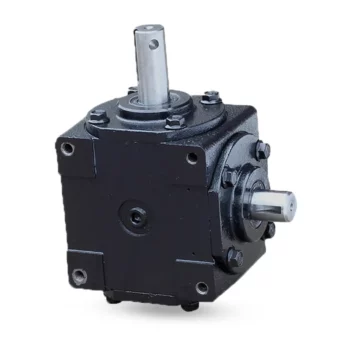
Grain Storage Gearbox EP-1003 for Agricultural Grain Storage
-
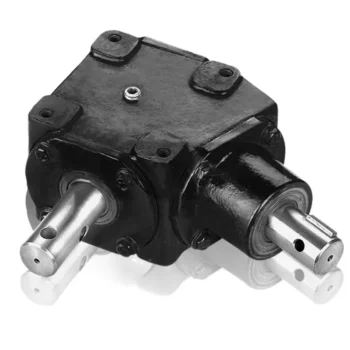
Grain Transportation Gearbox EP-2168 for Agricultural Grain Transportation
-
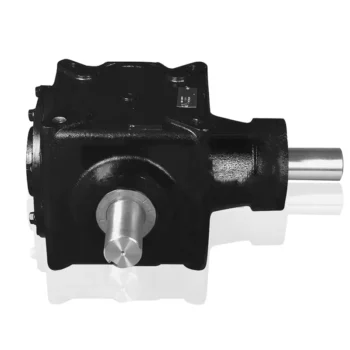
L Series Grain Storage Gearbox EP-1005 for Agricultural Grain Storage
-
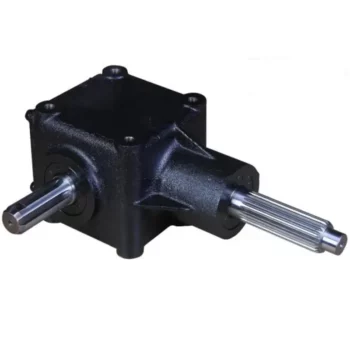
L Series 40HP Grain Storage Gearbox EP-5490 for Agricultural Grain Storage
-
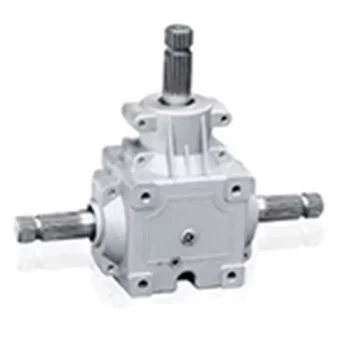
T Series Grain Storage Gearbox EP-4090 for Agricultural Grain Storage
The Importance of Grain Transportation Gearbox in Agriculture
The importance of grain transportation gearboxes in agriculture cannot be overstated, as they are crucial for the efficient operation of the machinery that moves and processes grain. These gearboxes ensure that agricultural producers can maximize their output and maintain the quality of their crop from field to market. Here’s a detailed look at the significance of these gearboxes in the agricultural sector:
1. Enhancing Efficiency
Grain transportation gearboxes are pivotal in optimizing the performance of various agricultural machines. They allow these machines to operate at ideal speeds and torques, which are essential for handling grains properly. By efficiently translating the engine’s power into a usable form, gearboxes ensure that machines like grain elevators, conveyors, and augers can operate continuously and effectively, reducing downtime and enhancing overall productivity.
2. Protecting Grain Quality
The gentle handling of grain is crucial to preserving its quality. Gearboxes play a key role in this aspect by providing the necessary control over machinery speed and force, which helps in minimizing damage to the grains during transport. For instance, a gearbox can adjust the speed of an auger to ensure that grains are not crushed or damaged when being elevated or transported horizontally. This careful handling is vital for maintaining the integrity of the grain, which can directly impact market price and consumer satisfaction.
3. Versatility and Adaptability
Different agricultural settings and grain types may require specific handling requirements and operational speeds. Gearboxes in grain transportation systems offer the versatility needed to adjust these settings. Whether it’s handling corn, wheat, or rice, each type of grain has its own sensitivity and mass, which necessitates different speeds and torque. The ability to adjust and control these variables makes gearboxes indispensable for customizing operations to specific agricultural needs.
4. Reducing Operational Costs
Efficient gearboxes contribute to lower operational costs in several ways. First, by optimizing machine operations, they help reduce fuel and energy consumption. Second, their ability to operate effectively at varying speeds and loads reduces wear and tear on other machinery parts, which decreases maintenance costs and prolongs the lifespan of the equipment.
5. Increasing Agricultural Productivity
In large-scale farming operations, the ability to move large quantities of grain swiftly and efficiently directly affects the bottom line. Gearboxes enhance the throughput of grain handling machinery, allowing farmers to process and ship out their produce more quickly. This increase in productivity can be crucial, especially during peak harvest times when delays can result in significant financial losses.
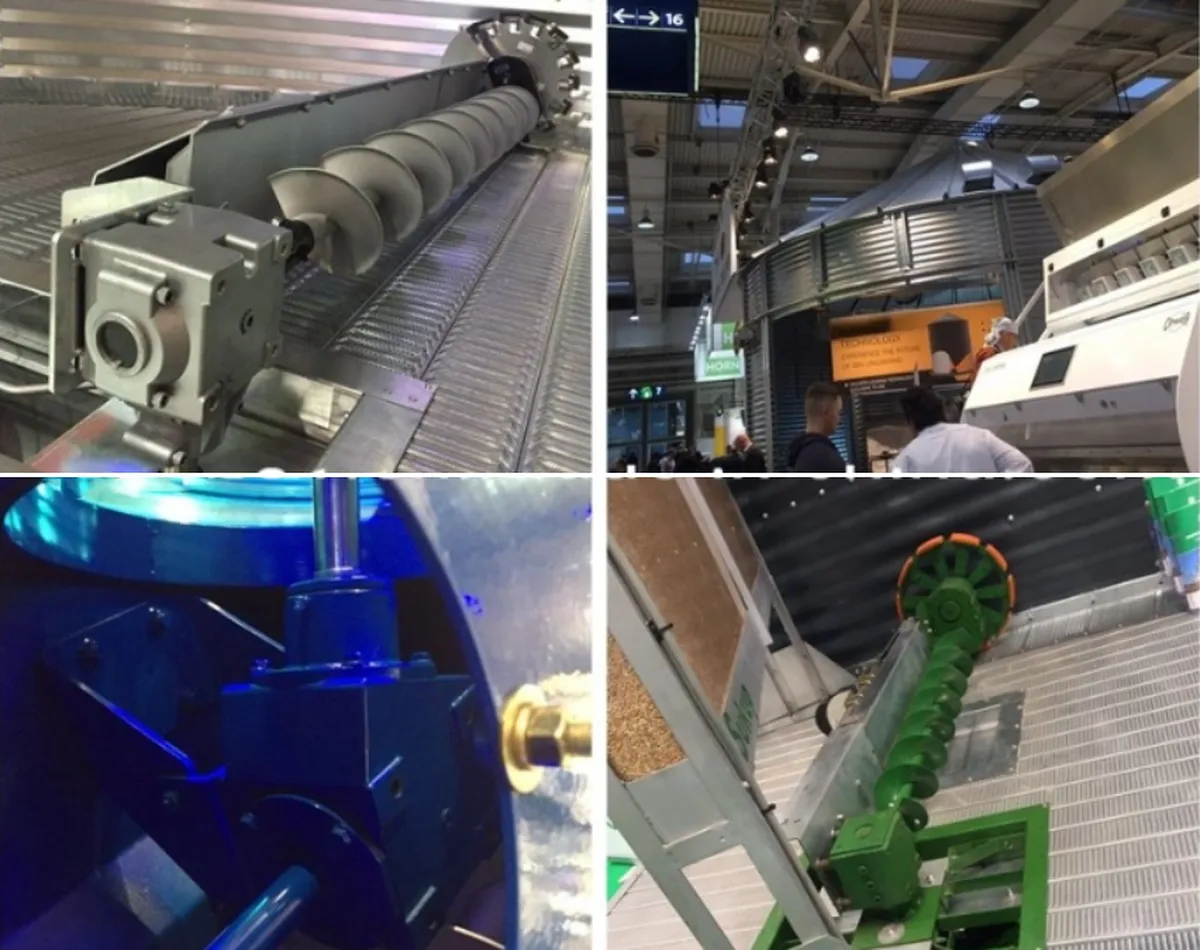
Functionality of Grain Transportation Gearboxes
The functionality of grain transportation gearboxes is central to the smooth and efficient movement of grains within agricultural operations. These gearboxes are essential components within various grain handling machinery, such as conveyors, elevators, and augers. Let’s delve into the key functionalities of grain transportation gearboxes:
(1) Speed Regulation:
One of the primary functions of grain transportation gearboxes is to regulate the speed of the machinery involved in moving grains. Depending on the specific operation and type of grain being handled, different speeds may be required for optimal performance. Gearboxes allow for precise control over the rotational speed of the machinery, ensuring that grains are transported at the appropriate velocity to prevent damage while maintaining operational efficiency.
(2) Torque Management:
Grain transportation often involves moving heavy loads, especially in scenarios where grains need to be elevated or conveyed over long distances. Gearboxes play a critical role in managing torque, providing the necessary force to move these loads effectively. By adjusting gear ratios, gearboxes increase torque output while reducing rotational speed, allowing machinery to handle the required workload without overloading or stalling.
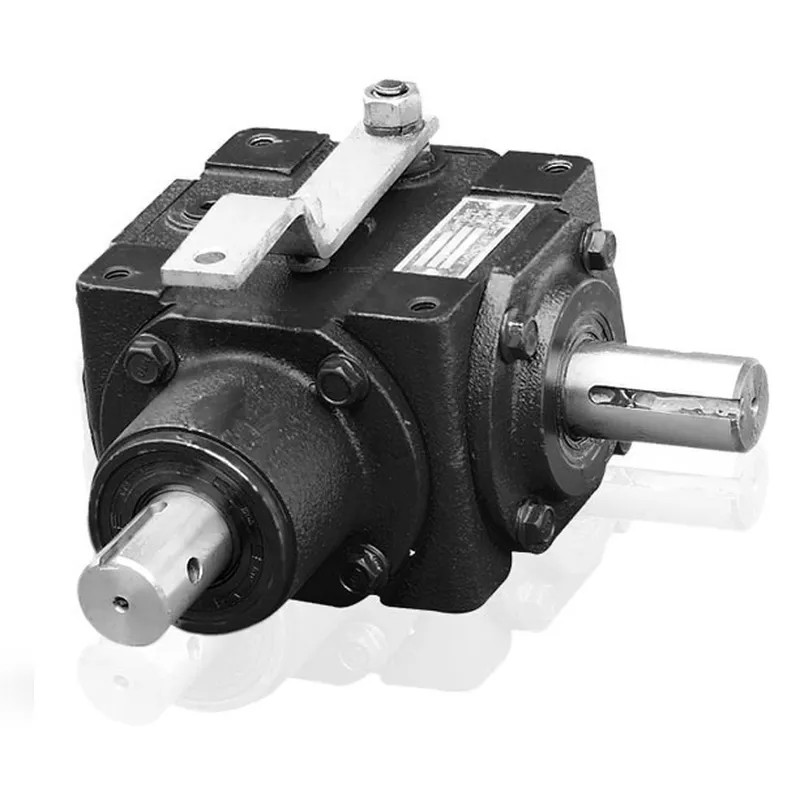
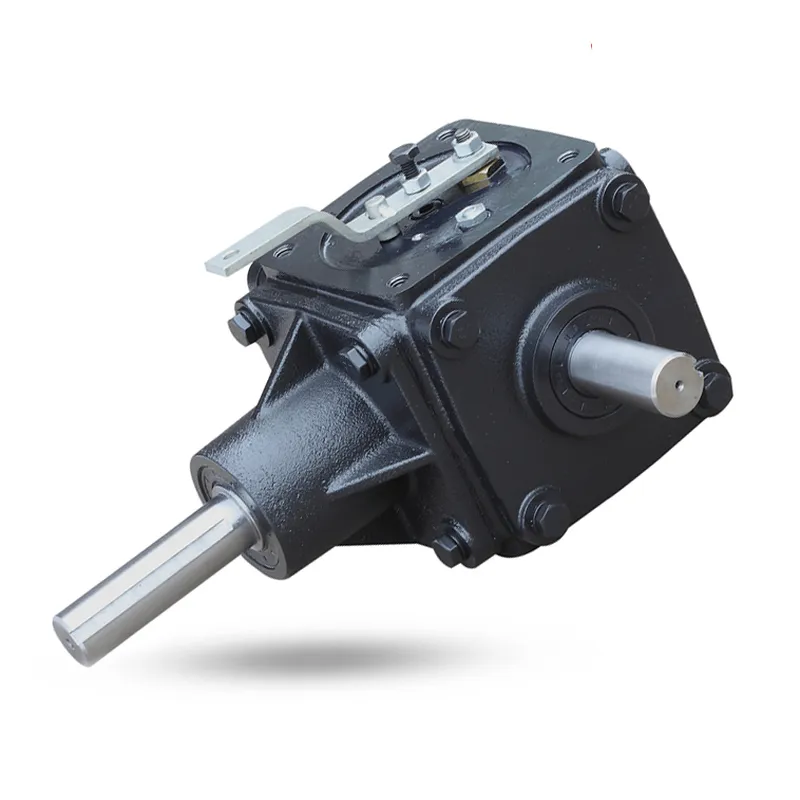
3. Directional Control:
Grain handling equipment may need to move grains in various directions, such as vertically in elevators or horizontally along conveyors. Gearboxes facilitate directional control by enabling the machinery to change the orientation of the power transmission. This ensures that grains can be efficiently transported to different areas within the agricultural facility or between processing stages.
4. Power Transmission:
At the core of their functionality, grain transportation gearboxes serve as the intermediary between the power source (such as an engine or motor) and the machinery responsible for moving grains. They transmit power from the prime mover to the operational components of the grain handling equipment, ensuring a reliable and consistent supply of energy. This seamless power transmission is essential for maintaining continuous operation and maximizing productivity.
(5) Adaptability:
Grain transportation gearboxes are designed to be versatile and adaptable to various agricultural applications and operating conditions. They can be customized with different gear ratios, configurations, and torque specifications to suit specific requirements. This adaptability allows farmers and agricultural operators to optimize their grain handling processes based on factors such as grain type, volume, and facility layout.
(6) Efficiency Enhancement:
By regulating speed, managing torque, and facilitating directional control, grain transportation gearboxes contribute to overall operational efficiency in agricultural settings. They help minimize energy consumption, reduce wear and tear on machinery components, and streamline grain handling processes. This enhanced efficiency translates into cost savings, increased throughput, and improved overall performance.
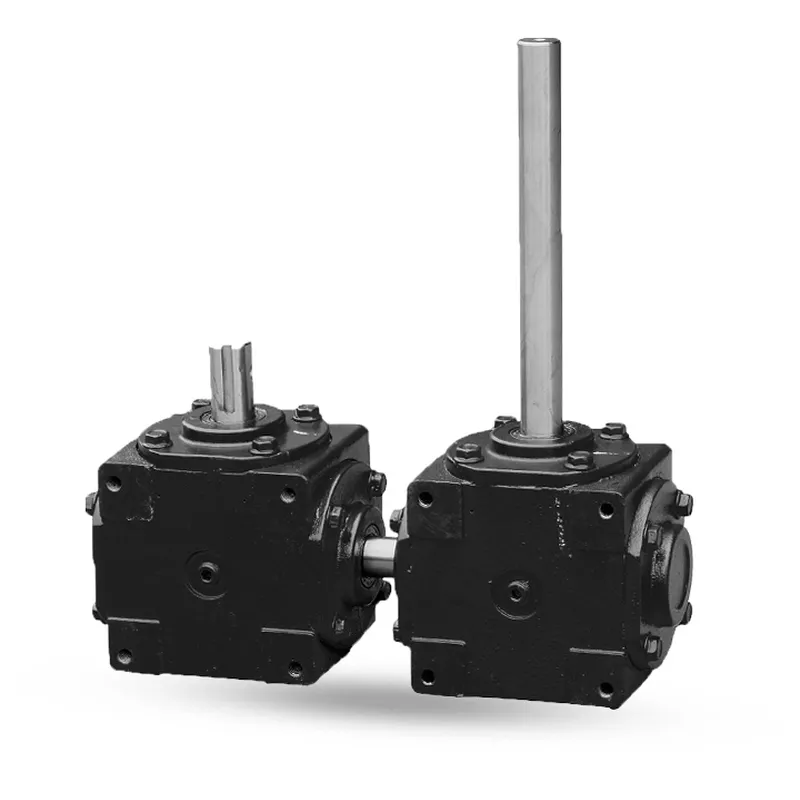
Common Applications:
Grain Transportation Gearbox for Grain Augers
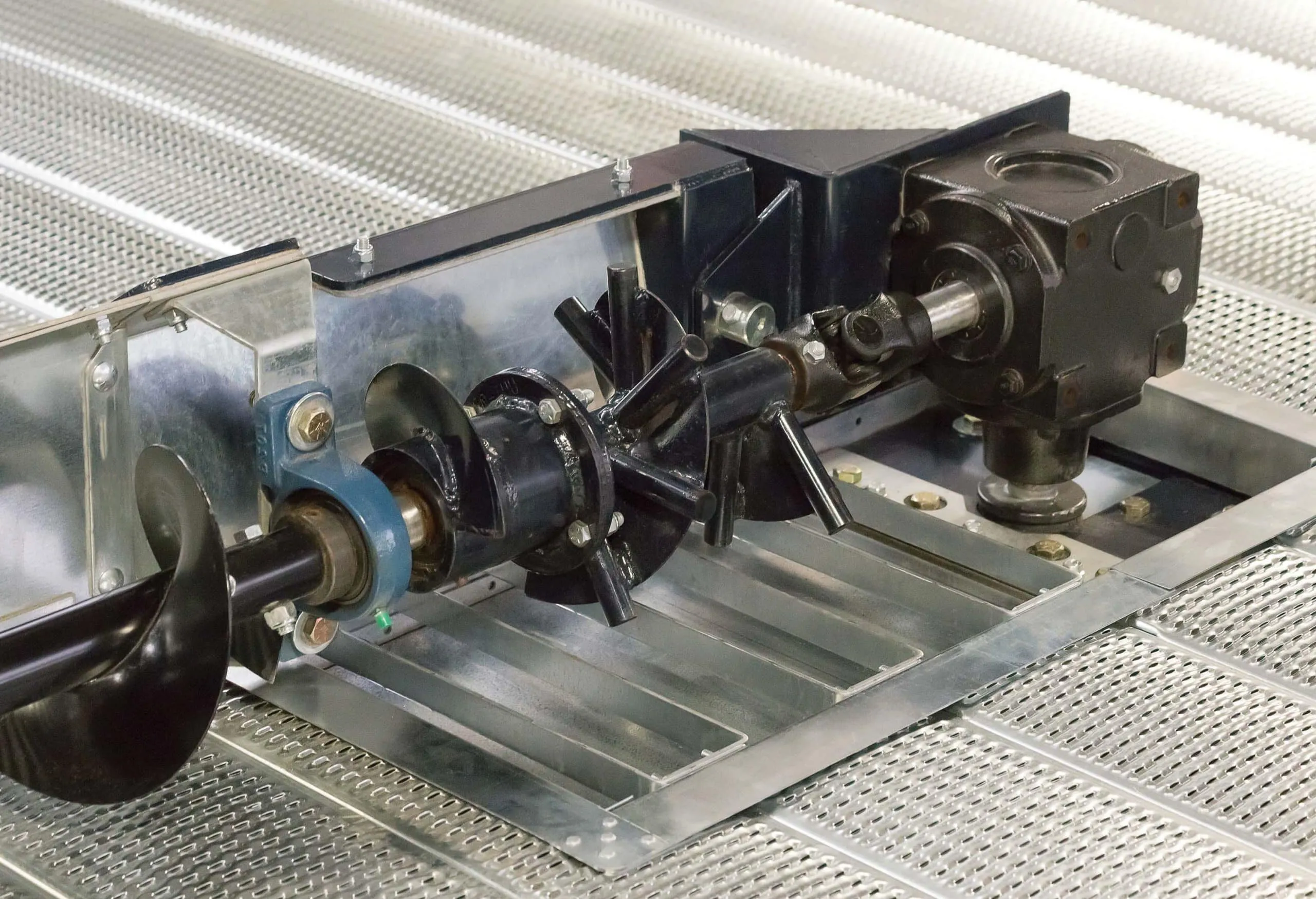
Grain transportation gearboxes for grain augers are specifically designed to meet the unique challenges of conveying grains through these spiral screw conveyors. Augers are extensively used in agriculture to move grain from trucks, grain carts, or grain bins to storage or processing areas, and the gearbox is a critical component in this process. Here’s a detailed look at how grain transportation gearboxes function specifically for grain augers:
Role of Gearboxes in Grain Augers
1. Power Transmission: Gearboxes in grain augers serve the primary function of transmitting mechanical power from the motor or engine to the auger screw. This transmission is crucial because it drives the rotation of the auger, which in turn moves the grain along the conveyor system.
2. Speed Adjustment: The gearbox adjusts the speed of the auger to match the required rate of grain movement. Depending on the volume and type of grain being transported, as well as the distance and incline, the optimal speed can vary. The gearbox allows for this necessary adjustment to prevent damage to the grain and ensure efficient transfer.
3. Torque Enhancement: Moving grain, especially when elevating it or when large quantities are involved, requires significant torque. The gearbox increases the torque available to the auger, enabling it to move heavier loads without stalling or putting undue stress on the motor.
4. Durability and Reliability: Augers operate in a variety of environmental conditions, often dealing with dust, debris, and outdoor weather. Gearboxes for grain augers are built to be robust and durable, capable of withstanding these harsh conditions while maintaining performance.
Grain Transportation Gearbox for Grain Augers
Grain transportation gearboxes for grain conveyors are essential components designed to manage the specific demands of conveying grains over varying distances and configurations in agricultural and processing settings. These gearboxes must be robust, efficient, and capable of handling large volumes of grain without degradation or loss.
Role of Gearboxes in Grain Conveyors
(1) Power Transmission: The primary role of a gearbox in a grain conveyor is to transmit power from the motor to the conveyor belt or chain system. This transmission ensures the smooth and continuous flow of grain from one point to another, which is vital for efficient operations.
(2) Speed Control: Grain conveyors require precise speed control to manage the flow rate of the grain. The gearbox enables this control, allowing operators to adjust the speed based on the type of grain being transported, the required throughput, and other operational conditions.
(3) Torque Conversion: Conveyors often need to start under load and operate under varying load conditions. Gearboxes provide the necessary torque conversion to handle these loads effectively, ensuring that the conveyor operates smoothly without excessive wear on the motor.
(4) Durability and Efficiency: Gearboxes for grain conveyors are designed to be both durable and efficient. They must withstand the abrasive nature of grains and the dust and debris that come with grain handling, all while maintaining high efficiency to minimize energy consumption.
Importance in Grain Handling
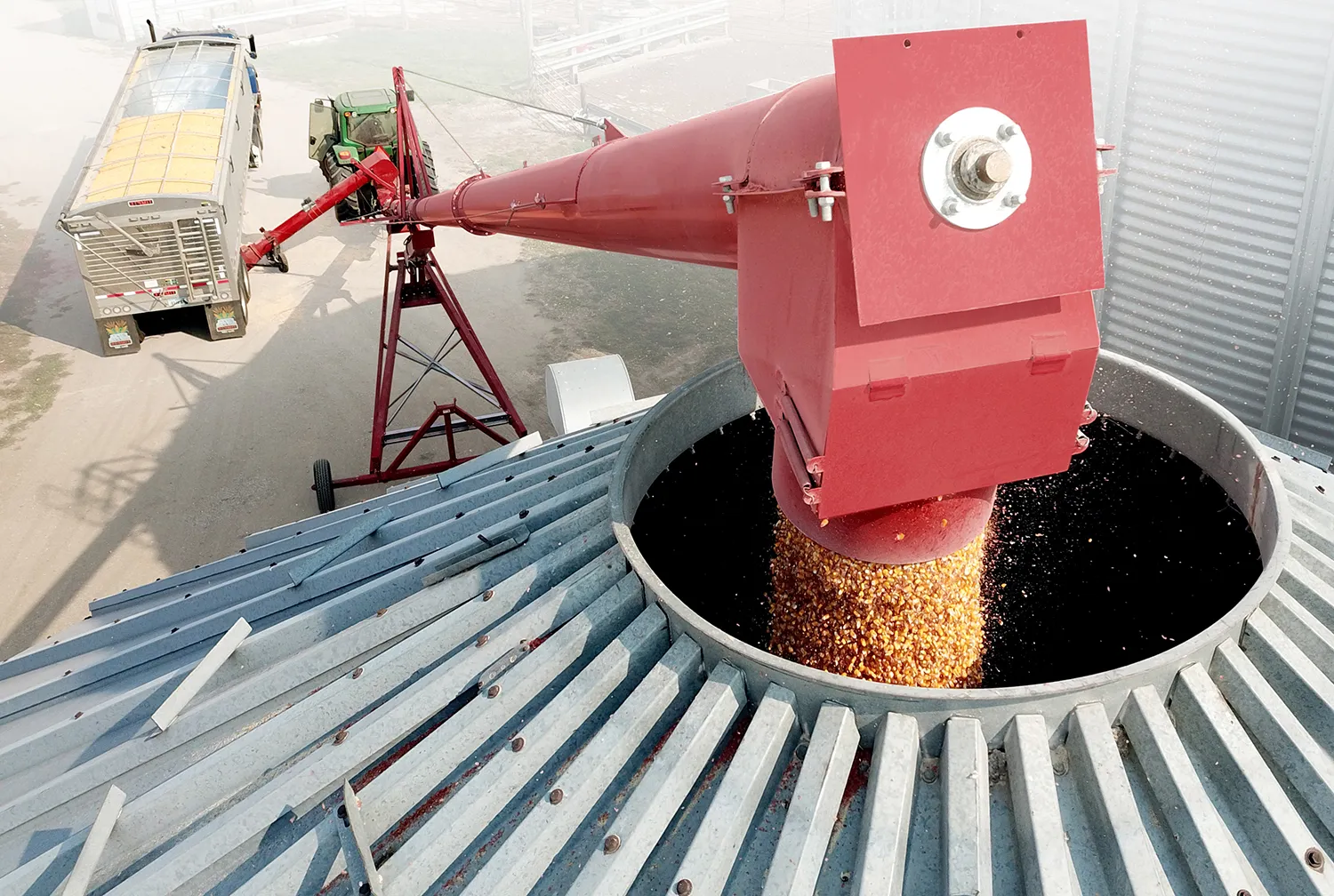
The functionality of a grain conveyor gearbox directly impacts the operational efficiency of grain handling processes. Efficient gearboxes ensure that conveyors can run longer without maintenance breaks, handle higher volumes of grain, and reduce energy costs. Furthermore, the reliability of these gearboxes is crucial for maintaining continuous operation, especially during peak periods like harvesting and processing times.
We Also Offer Other Types of Agricultural Gearboxes
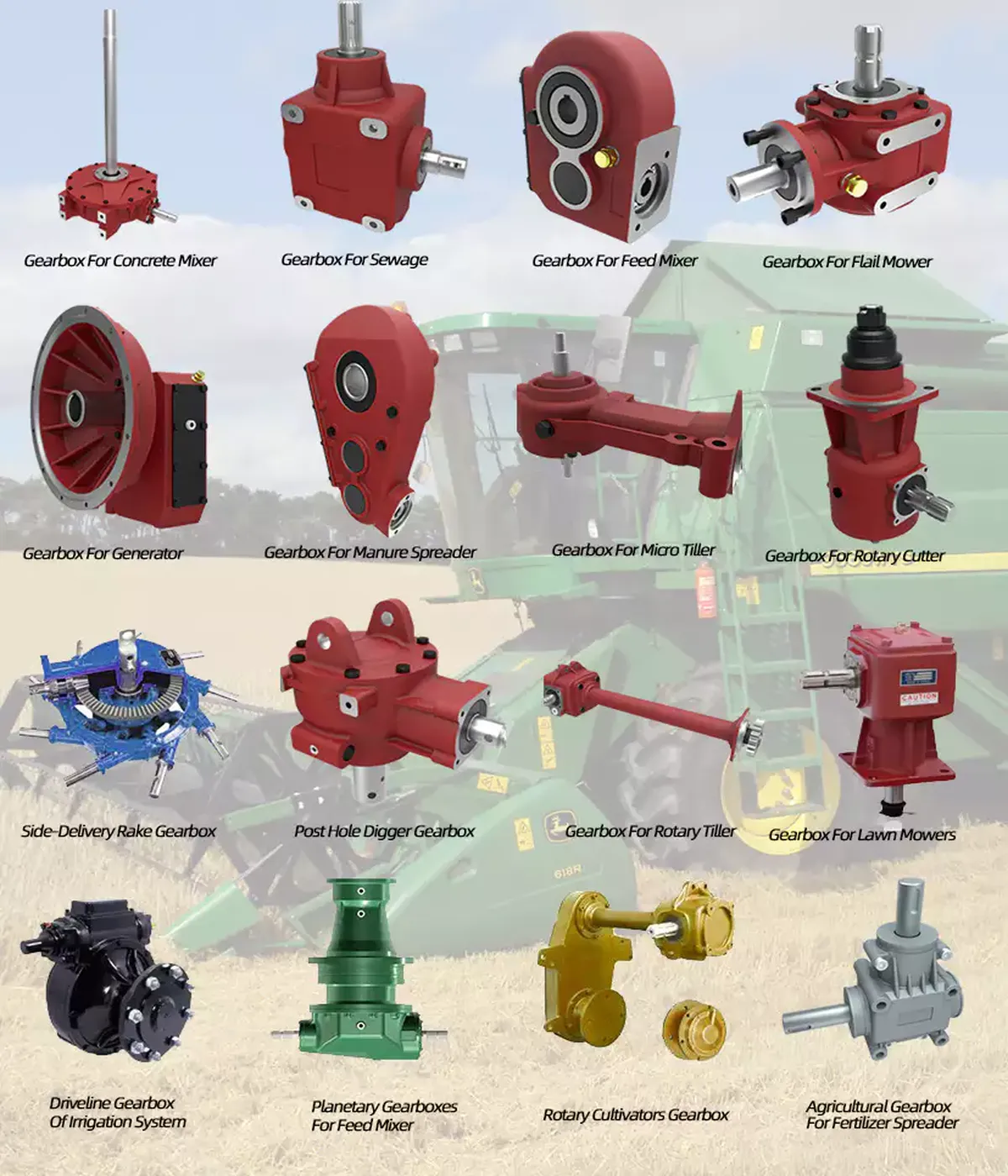
We also offer other types of agricultural gearboxes, such as rotary cutter gearboxes, fertilizer spreader gearboxes, lawn mower gearbox, post hole digger gearboxes, rotary tiller gearboxes, corn headers gearboxes, fertilizer seeder gearboxes, feed mixer gearboxes, flail mower gearboxes, square baler gearboxes, round baler gearboxes, grader-driven rake gearboxes, universal gearboxes, irrigation reels gearboxes, manure spreader gearboxes, rotary rake gearboxes, agricultural sprayer gearboxes, cutter bars gearboxes, gearbox for hay tedders, PTO generator gearboxes, etc.
Our technical staff can reconfigure an existing design or assist you in designing a custom agricultural PTO gearbox if a standard or existing design does not fit your application. Shaft rotation, speed ratio, design type, load nature, mounting position, and the application’s environment are all considerations when choosing an agricultural gearbox. We offer a wide range of agricultural gearboxes and PTO shafts for different applications. If you want to buy agricultural gearboxes, please get in touch with us.
Last Update Knowledge & News
No Results Found
The page you requested could not be found. Try refining your search, or use the navigation above to locate the post.
Edited by Yjx