
Hydraulic Fittings
Hydraulic Fitting
Hydraulic fittings are essential components used in hydraulic systems to connect, control, and direct the flow of hydraulic fluid. They play a crucial role in ensuring the proper functioning and efficiency of hydraulic systems, which are widely used in various industries and applications.
Hydraulic fittings are designed to create leak-free connections between different hydraulic components, such as hoses, pipes, tubes, pumps, valves, and cylinders. They provide a secure and reliable means of transferring hydraulic fluid under high pressure and controlling its flow within the system.
Hydraulic fittings are vital components in hydraulic systems, enabling the efficient transmission and control of hydraulic fluid. Hydraulic fittings are used in a wide variety of applications, including construction equipment, agricultural machinery, industrial equipment, and transportation vehicles. Hydraulic fittings must be able to withstand high pressures and temperatures, and they must also be able to create a tight seal to prevent leaks.
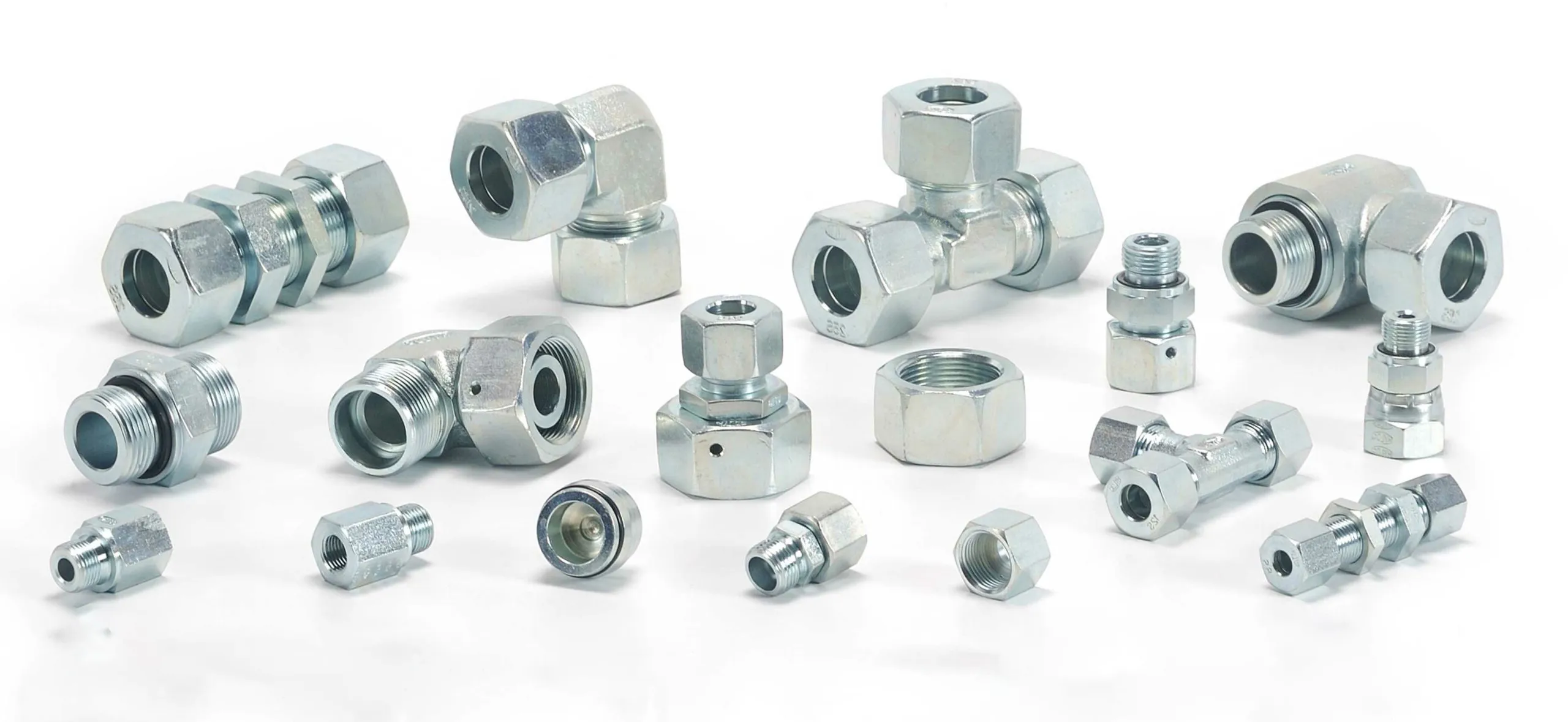
Advantages of Using Hydraulic Fittings:
1. Leak-Proof and Secure Connection: Properly selected and installed hydraulic fittings can provide a tight and leak-proof connection, ensuring that the fluid remains within the system, leading to more efficient operation and reducing environmental impact.
2. Durability and High Pressure Tolerance: These fittings are designed to tolerate the high pressures of hydraulic systems. They can withstand considerable stress without breaking or deforming.
3. Versatility: There’s a wide range of hydraulic fittings available, suitable for various applications and environments. This allows system designers to choose the best fittings for a given application, whether it’s for mobile machinery, industrial equipment, or aerospace systems.
4. Ease of Maintenance: The modular nature of hydraulic fittings makes it easier to replace or maintain specific parts of a hydraulic system without needing to dismantle the entire system.
5. Compact Design: Many hydraulic fittings are designed to be compact, which is crucial for applications with space constraints.
6. Safety: Properly installed hydraulic fittings help in preventing high-pressure fluid leakages which can be dangerous. They contribute to a safer working environment.
7. Consistent Performance: High-quality hydraulic fittings maintain their performance characteristics over time, even under demanding conditions, leading to consistent system performance.
8. Corrosion Resistance: Many hydraulic fittings are made of materials or have coatings that resist corrosion, making them suitable for applications in challenging environments.
9. Ease of Assembly and Disassembly: Quick-connect and threaded hydraulic fittings can be easily assembled and disassembled, facilitating repairs, maintenance, and modifications.
10. Standardization: Many hydraulic fittings conform to international standards, making replacement parts more accessible and ensuring compatibility in systems worldwide.
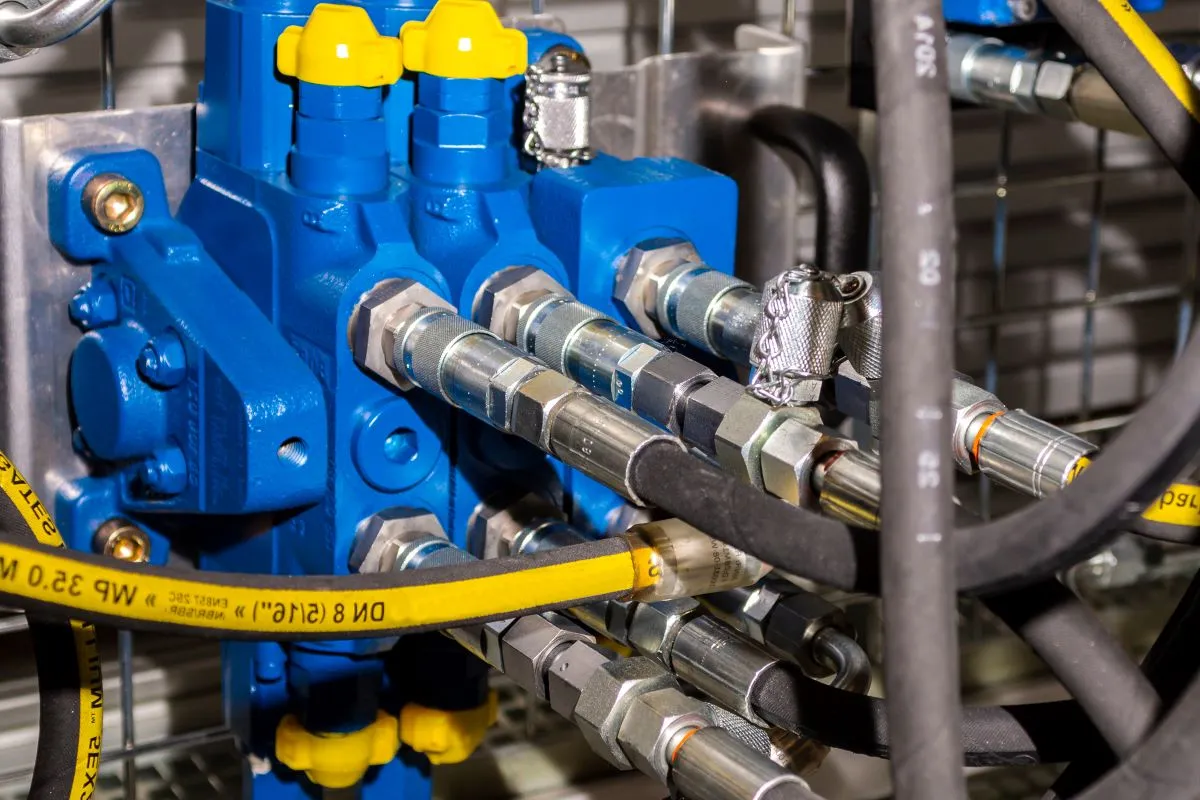
Common Applications of Hydraulic Fittings:
(1) Mobile Equipment: Hydraulic fittings are widely used in mobile machinery such as construction equipment (e.g., excavators, backhoes, and bulldozers), agricultural machinery (e.g., tractors and harvesters), and forestry equipment.
(2) Automotive: Hydraulic brake systems in vehicles use fittings to connect brake lines. Power steering systems also employ hydraulic fittings.
(3) Aerospace: Aircrafts use hydraulic systems extensively for flight control surfaces, landing gear, brakes, and other applications. The fittings ensure these systems operate safely and efficiently.
(4) Marine Applications: Ships and boats use hydraulic fittings for steering systems, stabilizers, and winches.
(5) Industrial Machines: Factories and manufacturing facilities have various hydraulic machines such as presses, molders, and CNC machines, all of which need hydraulic fittings.
(6) Material Handling: Equipment like forklifts and conveyor systems that rely on hydraulics utilize fittings to connect different components.
(7) Earth Moving Equipment: Machines that are used to move large quantities of earth, like graders, loaders, and trenchers, have hydraulic systems that use fittings.
(8) Mining: Hydraulic fittings are used in mining equipment, such as drilling rigs and heavy machinery, to ensure safe and efficient extraction of minerals.
(9) Lifts and Elevators: Hydraulic lifts and elevators depend on hydraulic fittings to connect various parts of their system, ensuring passengers and goods are moved safely.
(10) Oil and Gas Industry: Hydraulic systems are commonly found in the oil and gas sector, especially in drilling rigs, wellhead controls, and in various pipeline applications. Fittings are essential in these environments, especially given the high pressures involved.
Types of Hydraulic Fitting for Sale:
Showing 1–20 of 60 resultsSorted by popularity
-
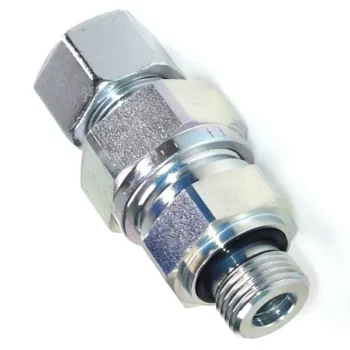
Non-Return Valve-RHV-M-ED Hydraulic Fittings
-
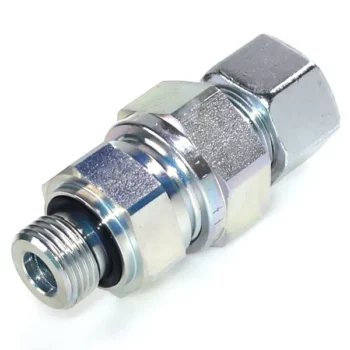
Non-Return Valve-RHV-R-ED Hydraulic Fittings
-
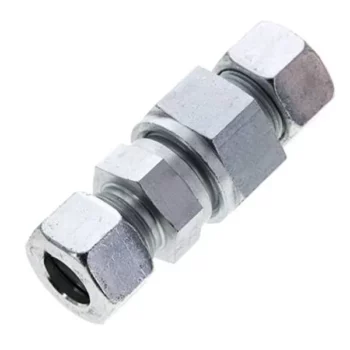
Non-Return Valve-RHD Hydraulic Fittings
-
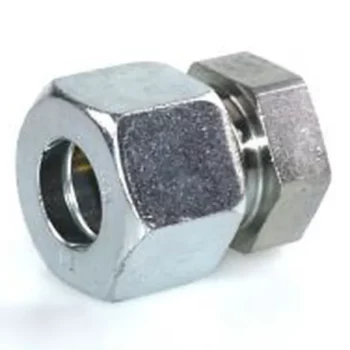
Tube End Plug-ROV Hydraulic Fittings
-
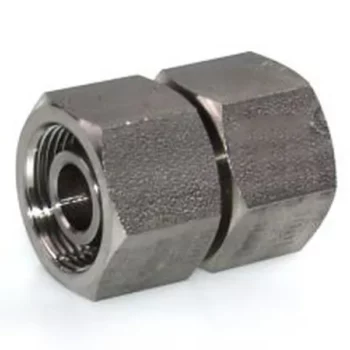
Swivel Union-GZR Hydraulic Fittings
-
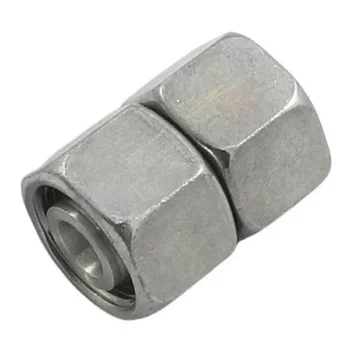
Swivel Union-GZ Hydraulic Fittings
-
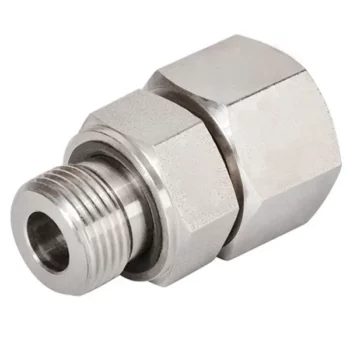
Swivel Connector-EGEO Hydraulic Fittings
-
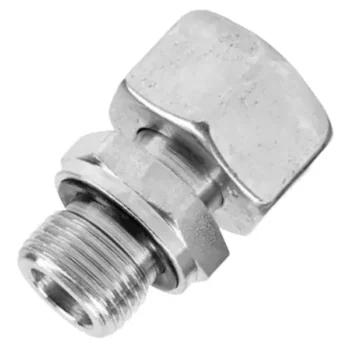
Swivel Connector-EGE-NPT Hydraulic Fittings
-
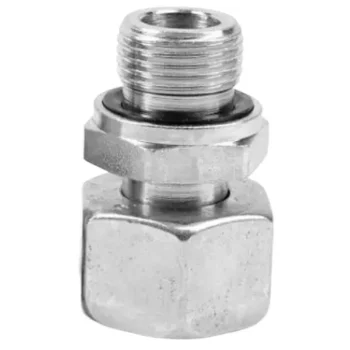
Swivel Connector-EGE-M-ED Hydraulic Fittings
-
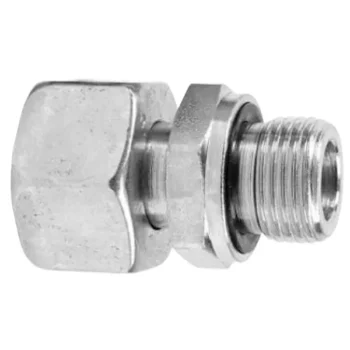
Swivel Connector-EGE-R-ED Hydraulic Fittings
-
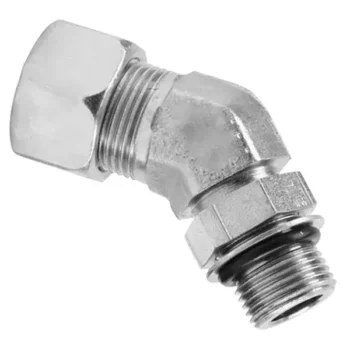
Adjustable Lock Nut 45° Elbow-VEE-UNF Hydraulic Fittings
-
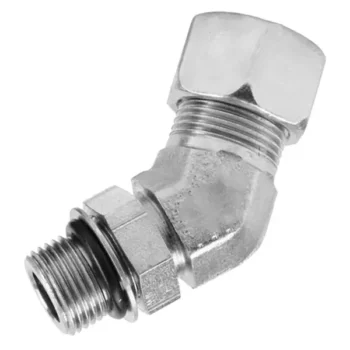
Adjustable Lock Nut 45°Elbow-VEE-R Hydraulic Fittings
-
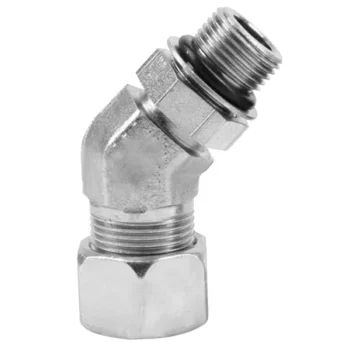
Adjustable Lock Nut 45°Elbow-VEE-M Hydraulic Fittings
-
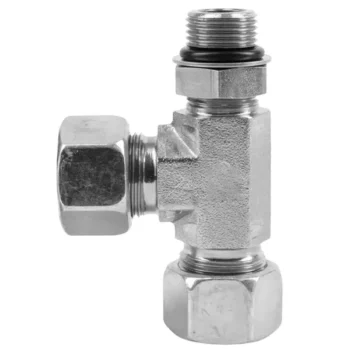
Adjustable Lock Nut Run Tee-LEE-UNF Hydraulic Fittings
-
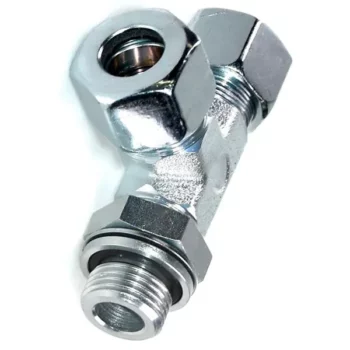
Adjustable Lock NutRun Tee-LEE-R Hydraulic Fittings
-
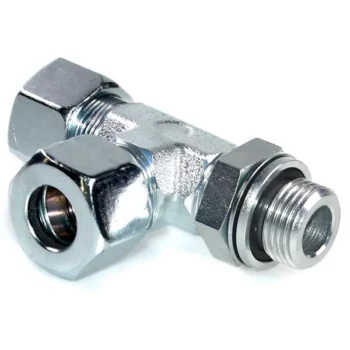
Adjustable Lock Nut Run Tee-LEE-M Hydraulic Fittings
-
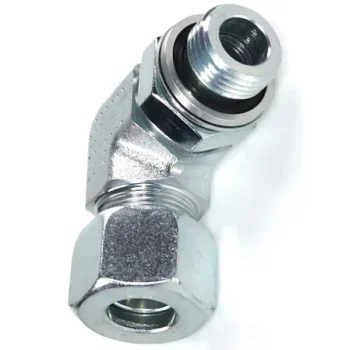
Adjustable Lock Nut Elbow-WEE-UNF Hydraulic Fittings
-
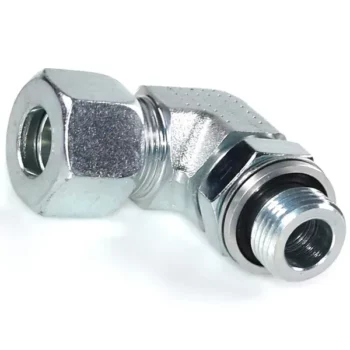
Adjustable Lock Nut Elbow-WEE-R Hydraulic Fittings
-
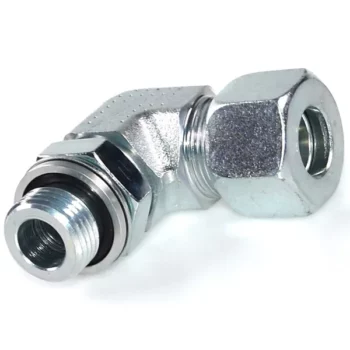
Adjustable Lock Nut Elbow-WEE-M Hydraulic Fittings
-
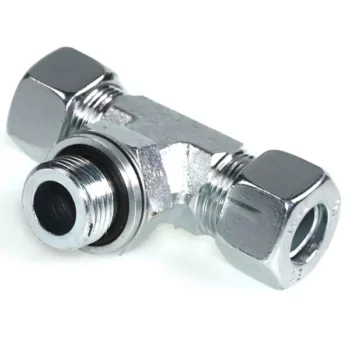
Adjustable Lock Nut Branch Tee-TEE-UNF Hydraulic Fittings
Last Update Knowledge & News
No Results Found
The page you requested could not be found. Try refining your search, or use the navigation above to locate the post.