
Hydraulic Quick Couplings
HZPT is focused on international market explorations and the South China market’s development. Our products are not only sold well in the domestic market but also in the USA, Europe, Southeast Asia, and the Middle East. We mainly provide the hydraulic and pneumatic products for oil, engineering, metallurgical, machine tools, military equipment and machinery manufacturing industry. We stick to the principle of “Quality first, Customer first, Reputation first, and Service first” to satisfy the customers’ requirements and increase the market share. We are growing stably and healthily. We pursue the excellent brand and comply with the best service, which will make us move faster to keep up with the international enterprise. We look forward to creating a bright future with you.
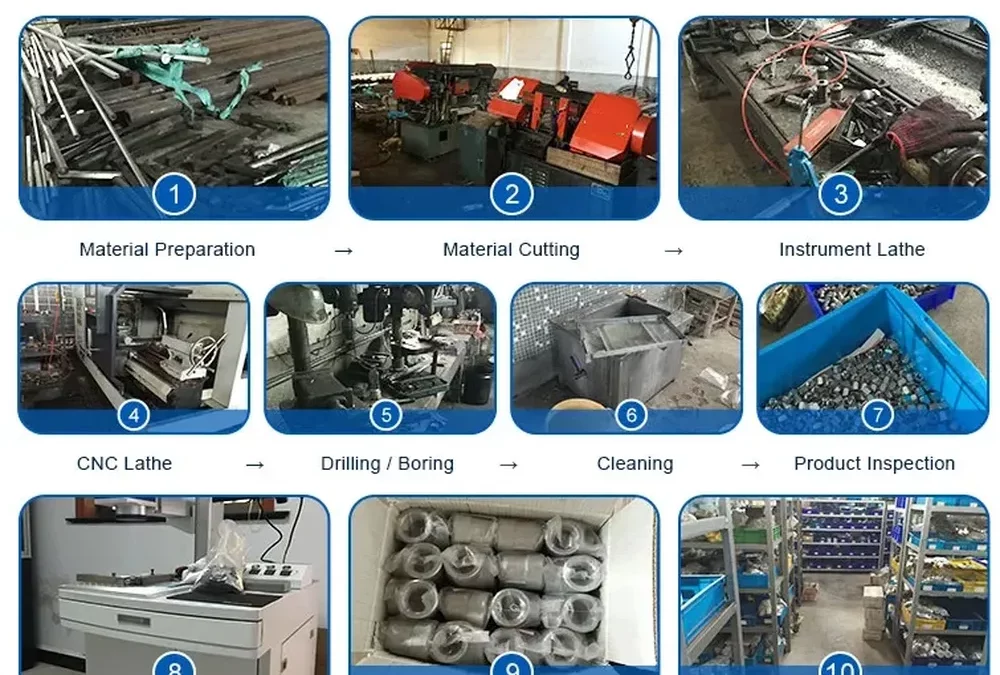
Introduction to Hydraulic Quick Couplings
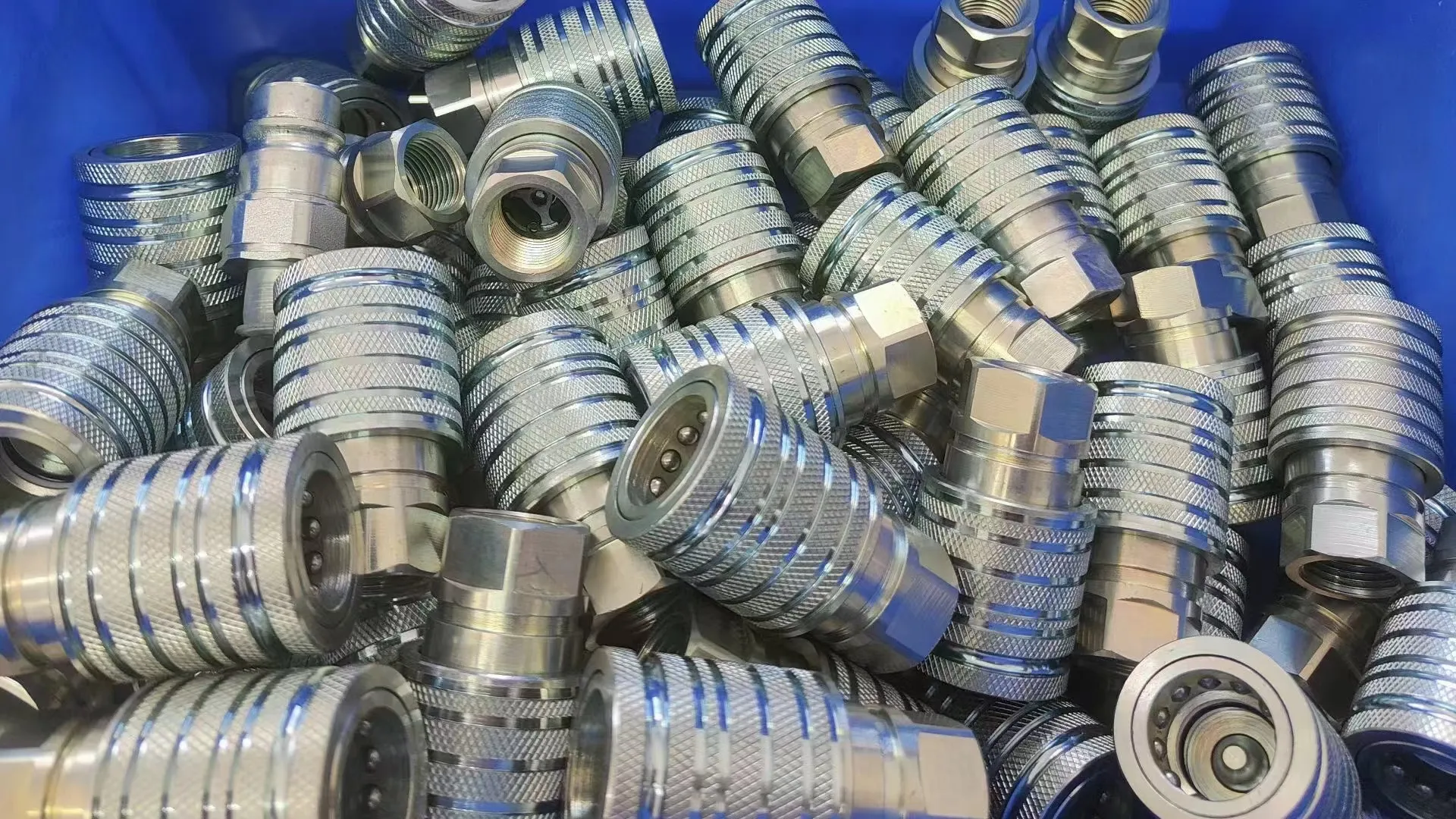
Hydraulic quick couplings are commonly used in applications where frequent connection and disconnection of hydraulic lines are required, such as in construction equipment, agricultural machinery, manufacturing processes, and hydraulic power systems. They offer a reliable and leak-free connection that ensures the smooth operation of hydraulic circuits, while also minimizing the loss of hydraulic fluid and preventing contamination.
These couplings come in various types and designs to suit different applications and system requirements. Common types include push-to-connect couplings, screw-to-connect couplings, and flat-face couplings. Push-to-connect couplings are user-friendly and enable quick connections with a simple push and latch mechanism. Screw-to-connect couplings utilize threaded connections for a secure and robust coupling. Flat-face couplings are known for their leak-free connection and minimal spillage during connection and disconnection.
Hydraulic quick couplings are typically made from durable materials such as steel, stainless steel, or brass, ensuring their ability to withstand high pressures, harsh environments, and repetitive use. They often feature internal valving mechanisms that allow for the controlled flow of hydraulic fluid during connection and disconnection, preventing fluid loss and air inclusion.
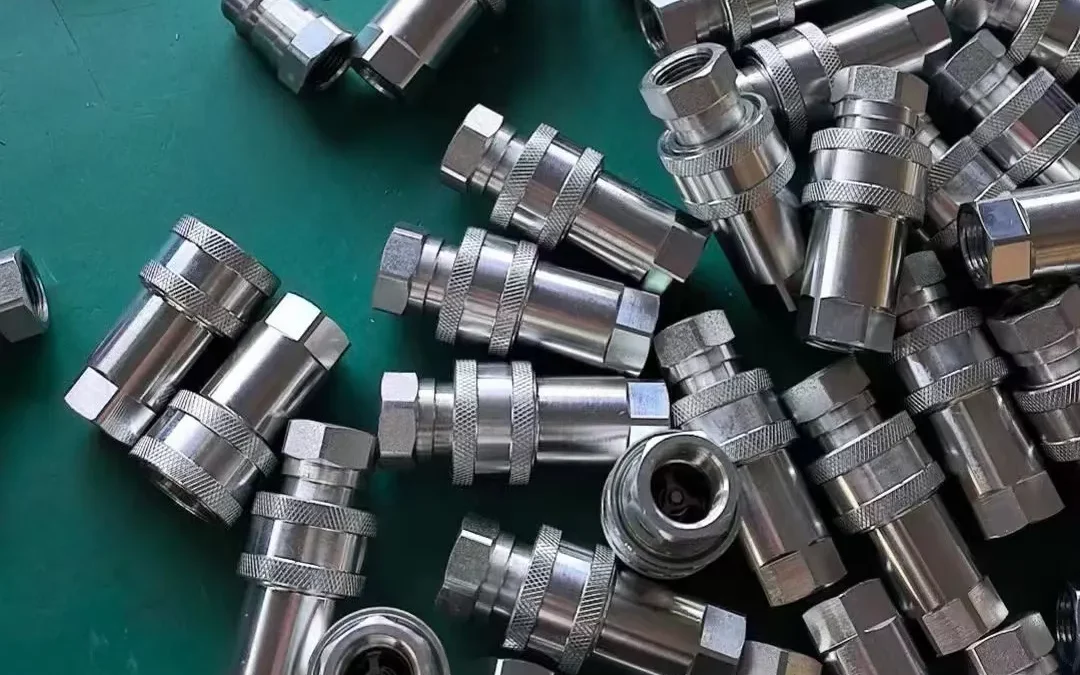
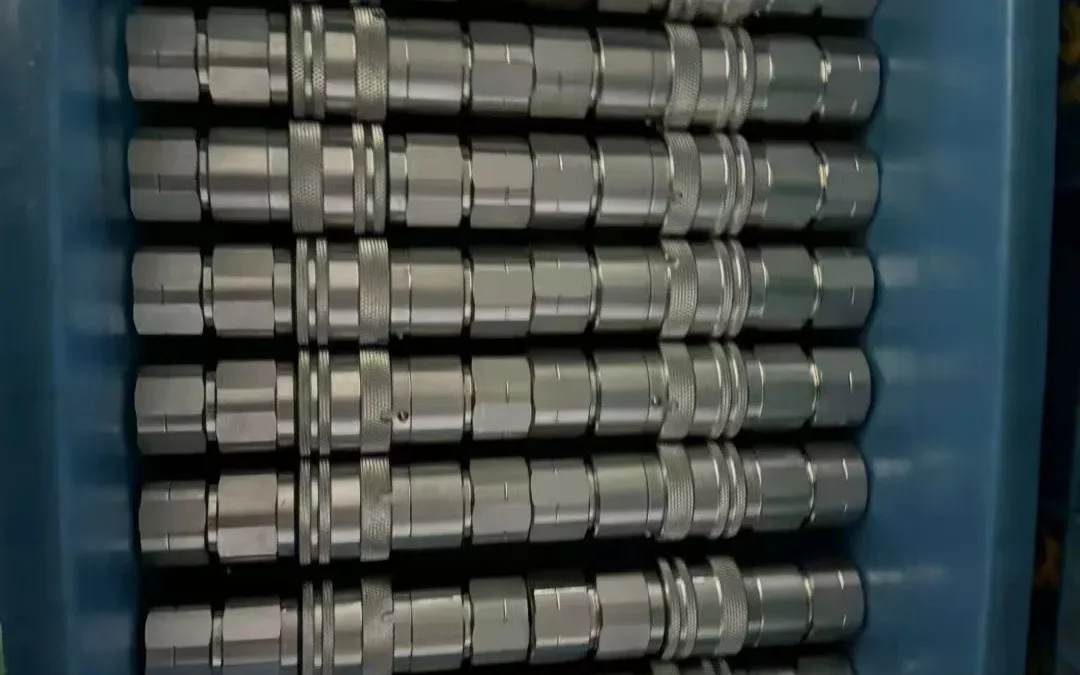
Three Main Types of Hydraulic Quick Couplings
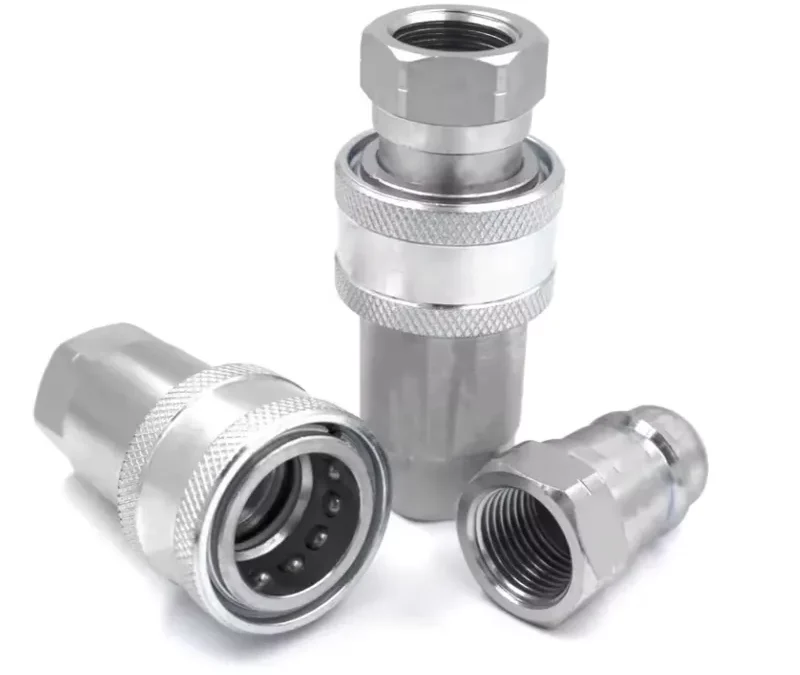
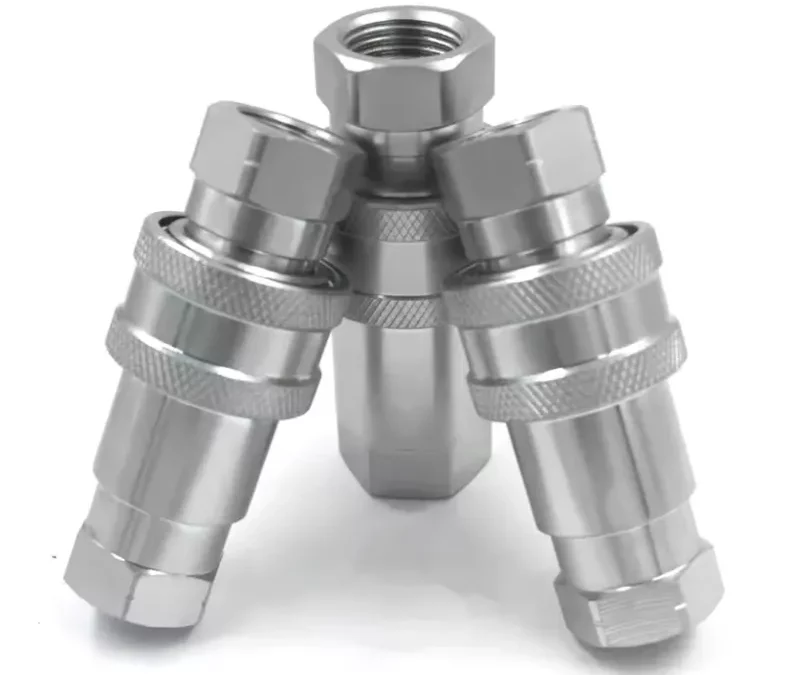
ISO7241-A Hydraulic Quick Couplings
ISO 7241-A hydraulic quick couplings is a widely used standard for hydraulic quick couplings. These couplings are designed for general-purpose hydraulic applications. They feature a poppet-style valve mechanism that provides a reliable and secure connection. ISO 7241-A couplings are available in various sizes and can handle high pressures and flow rates. They are commonly used in agricultural, construction, and industrial applications.
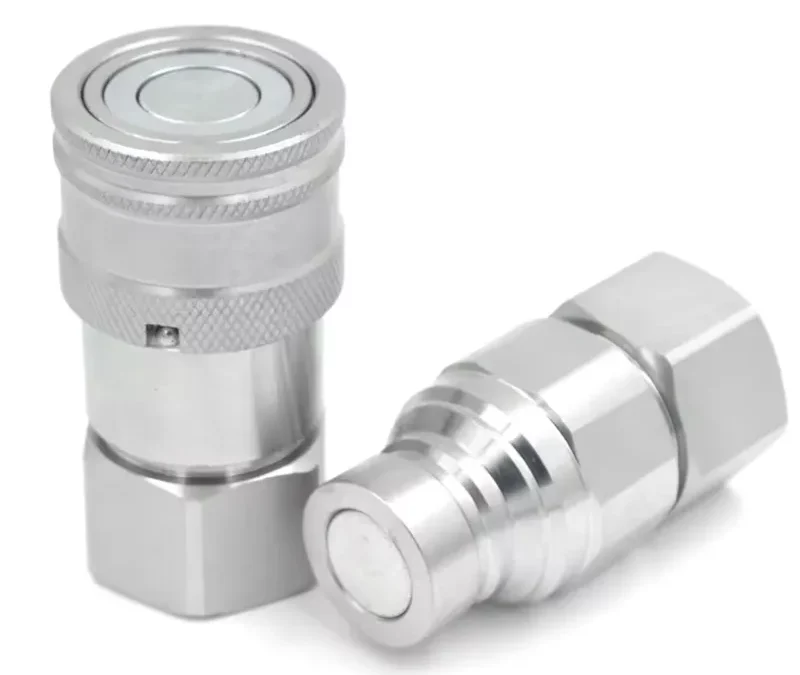
ISO16028 Hydraulic Quick Couplings
ISO 16028 hydraulic quick couplings is another widely used standard for hydraulic quick couplings. These couplings are designed for applications that require frequent connection and disconnection, such as mobile equipment and attachments. ISO 16028 couplings have a flat-face design that minimizes fluid loss and prevents air inclusion during connection. They are known for their ease of use, high flow capacity, and resistance to contamination. ISO 16028 couplings are commonly used in construction, mining, and forestry equipment.
ISO5675 Hydraulic Quick Couplings
ISO 5675 hydraulic quick couplings is a standard for hydraulic quick couplings specifically designed for agricultural applications. These couplings are commonly used in agricultural machinery, such as tractors and implements. ISO 5675 couplings have a ball-style valve mechanism that provides a positive connection and prevents leakage. They are designed to withstand high pressure and provide reliable performance in demanding agricultural environments. ISO 5675 couplings are often used for hydraulic systems powering implements like loaders, backhoes, and augers.
Types of Hydraulic Quick Couplings for Sale
Showing 1–20 of 46 resultsSorted by latest
-
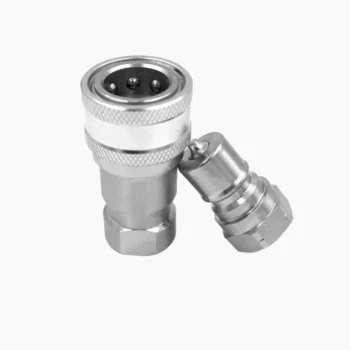
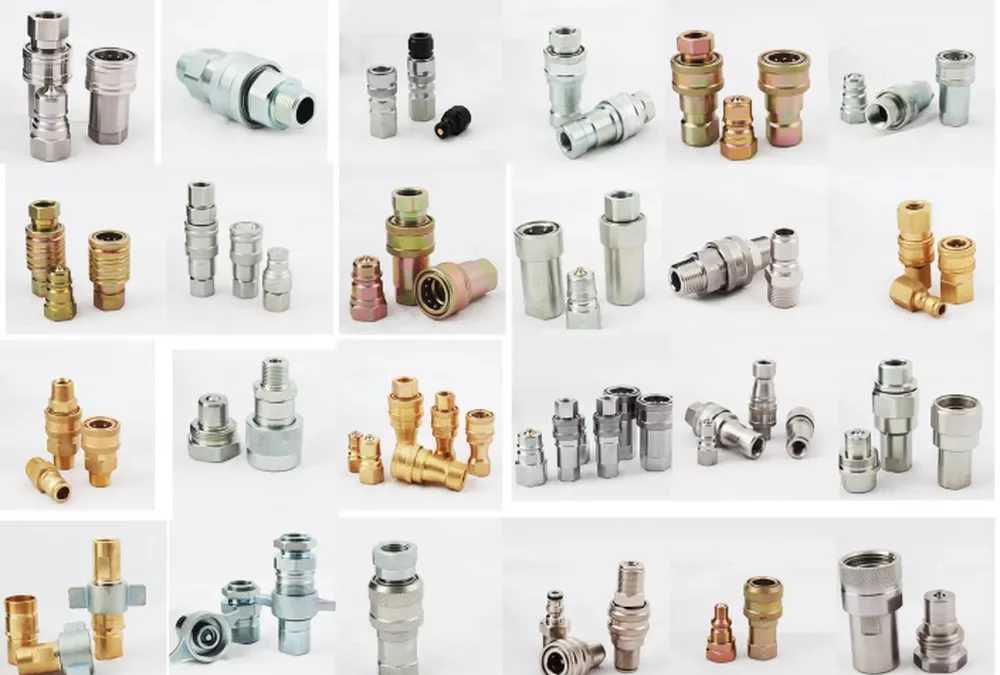
ISO-7241-B 1/4 inch BSP/NPT Thread Female/Male Steel/Bass Hydraulic Hose Quick Disconnect Couplers
-
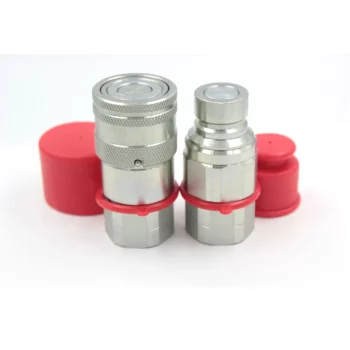
KZF 1/4 inch BSP/NPT Thread Female /Male 304 Stainless Steel Hydraulic Quick Connect Couplings
-
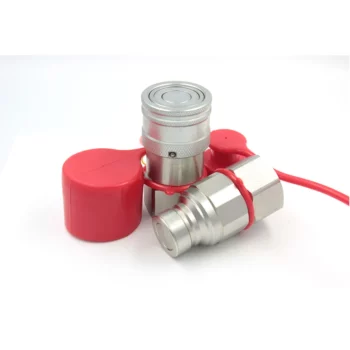
(ISO16028) Flat Face 1″ BSP/NPT Thread Female/Male Stainless Steel or Steel Hydraulic Quick Connect Couplings
-
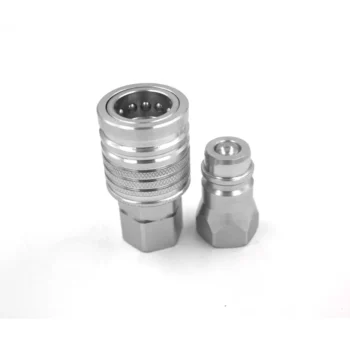
KZD 3/8 inch BSP/NPT Thread female/male bass connect under pressure hydraulic coupler
-
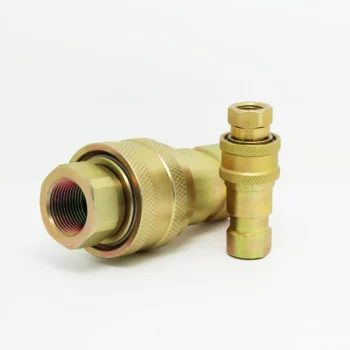
KZD 1-1/2 inch BSP/NPT Thread female /male bass hydraulic couplers for tractors
-
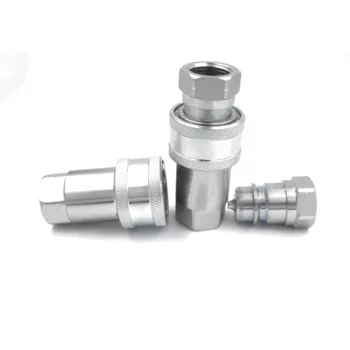
ISO-7241-A 1/2 inch stainless steel/steel BSP/NPT thread hydraulic hose line fittings
-
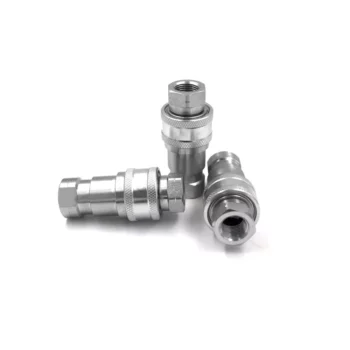
ISO-7241-B 1/2 inch BSP/NPT Thread Female/Male Fluid Quick Disconnect Fittings
-
KZD 1/4 inch BSP/NPT Thread Female/Male Bass Quick Coupler for Carpet Extractor
-
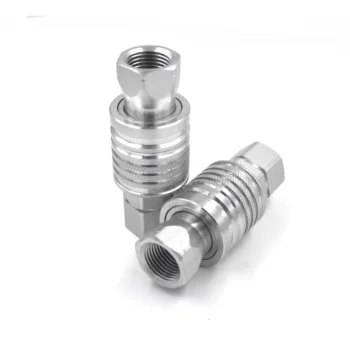
ISO 5675 GT-CT 1/2 inch BSPT/ BSPP/NPT Thread female /male steel push pull hydraulic coupling
-
ISO 5675 GT-CT 3/8 inch BSP/NPT Thread Female /Male Steel Hydraulic Hose Accessories & Quick Disconnect Coupler
-
KZE-B 3/8 inch ball valve NPT/BSP Threaded locked type 10000PSI/700BAR high pressure hydraulic disconnect couplings for jack
-
KZE-B 3/8 inch Cone valve NPT/BSP Threaded locked type 10000PSI/700BAR Super high pressure hydraulic connector and coupling
-
KZF 1/2 inch BSP/NPT Thread female /male 304 stainless steel quick release hydraulic connectors
-
KZF 1 inch BSPT/BSPP/NPT Thread female /male 304 stainless steel types of hydraulic quick couplers
-
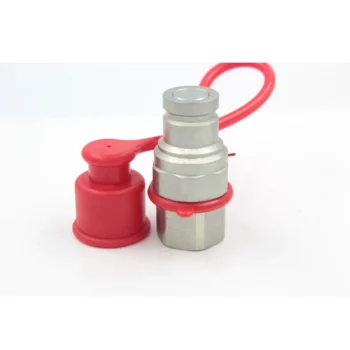
Parker 3000 Standard Hydraulic Thread Connected Aluminium Hydraulic Quick Coupling Dust Cap for KZE-B: A Comprehensive Guide
-
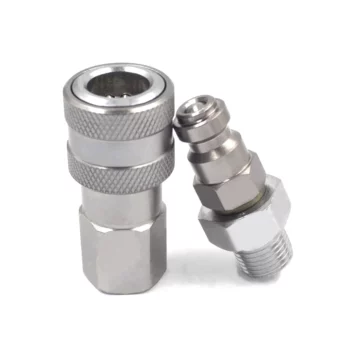
Thread Connected Series GT-L1 1/4 inch BSP/NPT Thread 10000PSI High Pressure Male Thread Hydraulic Hose Fitting
-
Non-Valve Series 1/4 Size BSP/NPT Thread Hand Plate Hydraulic Pressure Coupling Interchange for Hansen High Pressure Washer
-
Non-Valve series1/2 size BSP/NPT Thread brass fitting quick connect for hansen high pressure washer spare parts
-
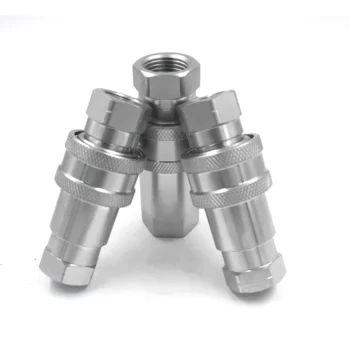
ISO5675 series 1/4 inch Ball Valve Type Parker 4000 NPT/BSP Thread hydraulic quick release fitting &quick disconnect coupler
-
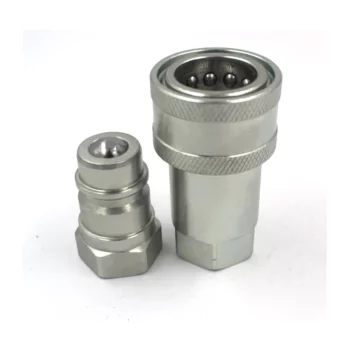
ISO5675 series 3/8 sizes Ball Valve Type Parker 4000 NPT/BSP Thread quick release coupling&quick disconnect coupler
Benefits of Using Hydraulic Quick Couplings
Hydraulic quick couplings offer several benefits in various applications where hydraulic connections need to be made and disconnected quickly and efficiently. Here are some of the key benefits of using hydraulic quick couplings:
1. Time-saving and increased productivity: Hydraulic quick couplings allow for fast and easy connection and disconnection of hydraulic lines. This saves valuable time during equipment setup, maintenance, repairs, and component replacements, resulting in increased productivity and reduced downtime.
2. Ease of use: Hydraulic quick couplings are designed for user-friendly operation. They typically feature a simple push-to-connect or twist-to-connect mechanism, allowing operators to make connections quickly and with minimal effort. This ease of use enhances operator efficiency and reduces the risk of connection errors.
3. Leak prevention: Hydraulic quick couplings are designed to provide a secure and reliable connection, minimizing the risk of leaks. They feature seals and locking mechanisms that ensure a tight and leak-free connection, even under high-pressure conditions. This helps maintain system integrity, prevents fluid loss, and reduces the risk of environmental contamination.
4. Versatility and interchangeability: Hydraulic quick couplings are available in a wide range of sizes, types, and configurations, making them versatile for use in various hydraulic systems. They can accommodate different flow rates, pressures, and connection methods. Additionally, many quick coupling designs are interchangeable, allowing for compatibility between different manufacturers’ systems and components.
5. Safety enhancement: Hydraulic quick couplings are designed with safety features that help prevent accidental disconnections and ensure secure connections. They often incorporate locking mechanisms or automatic shut-off valves that minimize the risk of hose whip, fluid spray, or equipment damage due to unintentional disconnection during operation.
6. Space-saving and modular design: Hydraulic quick couplings have a compact and modular design, allowing for efficient use of space. They can be easily integrated into hydraulic systems without requiring extensive modifications or additional components. This makes them suitable for applications where space is limited or where frequent connection and disconnection are necessary.
How Do the Hydraulic Quick Couplings Work?
Hydraulic quick couplings work by providing a fast and secure connection between hydraulic lines or components. The exact mechanism and operation can vary depending on the specific type and design of the quick coupling, but the fundamental principle remains the same. Here’s a general overview of how hydraulic quick couplings work:
(1) Male and female halves: Hydraulic quick couplings consist of two main parts: the male half and the female half. The male half typically has a protruding nipple or stem, while the female half has a corresponding socket or cavity to receive the nipple.
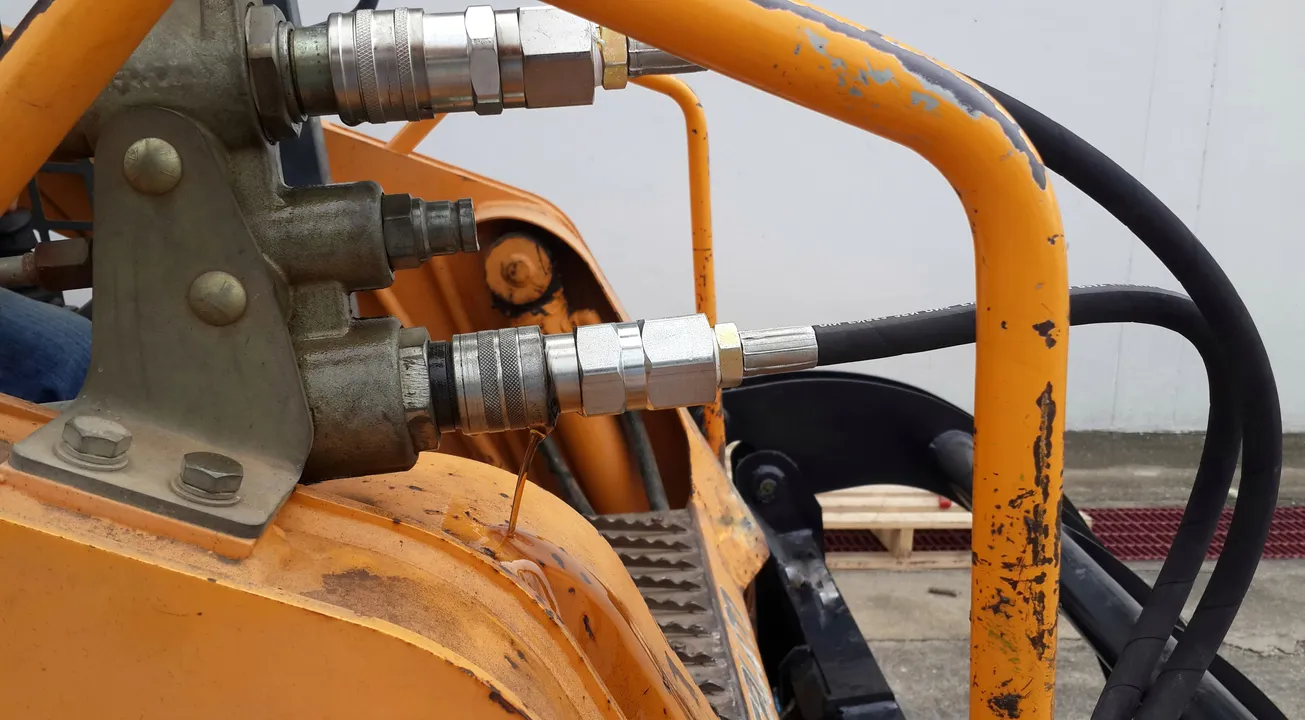
(3) Sealing mechanism: As the male and female halves are connected, a sealing mechanism comes into play. Typically, O-rings or other types of seals are incorporated into the hydraulic quick coupling design. These seals ensure a tight and leak-free connection by preventing hydraulic fluid from escaping or contaminants from entering the system.
(4) Locking mechanism: Once the male and female halves are fully engaged, a locking mechanism is employed to secure the connection. This locking mechanism can vary depending on the hydraulic quick coupling design. It may involve a latch, a collar, or other locking mechanisms that prevent accidental disconnection during operation.
It’s important to note that different types of hydraulic quick couplings may have additional features or variations in their operation. For example, some quick couplings incorporate automatic shut-off valves that prevent fluid flow when the coupling is disconnected, while others may have additional safety features to minimize the risk of hose whip or fluid spray during disconnection.
Common Applications of the Hydraulic Quick Couplings
Hydraulic quick couplings are widely used in various industries for connecting and disconnecting hydraulic hoses and lines quickly and efficiently. Here are some common applications of hydraulic quick couplings:
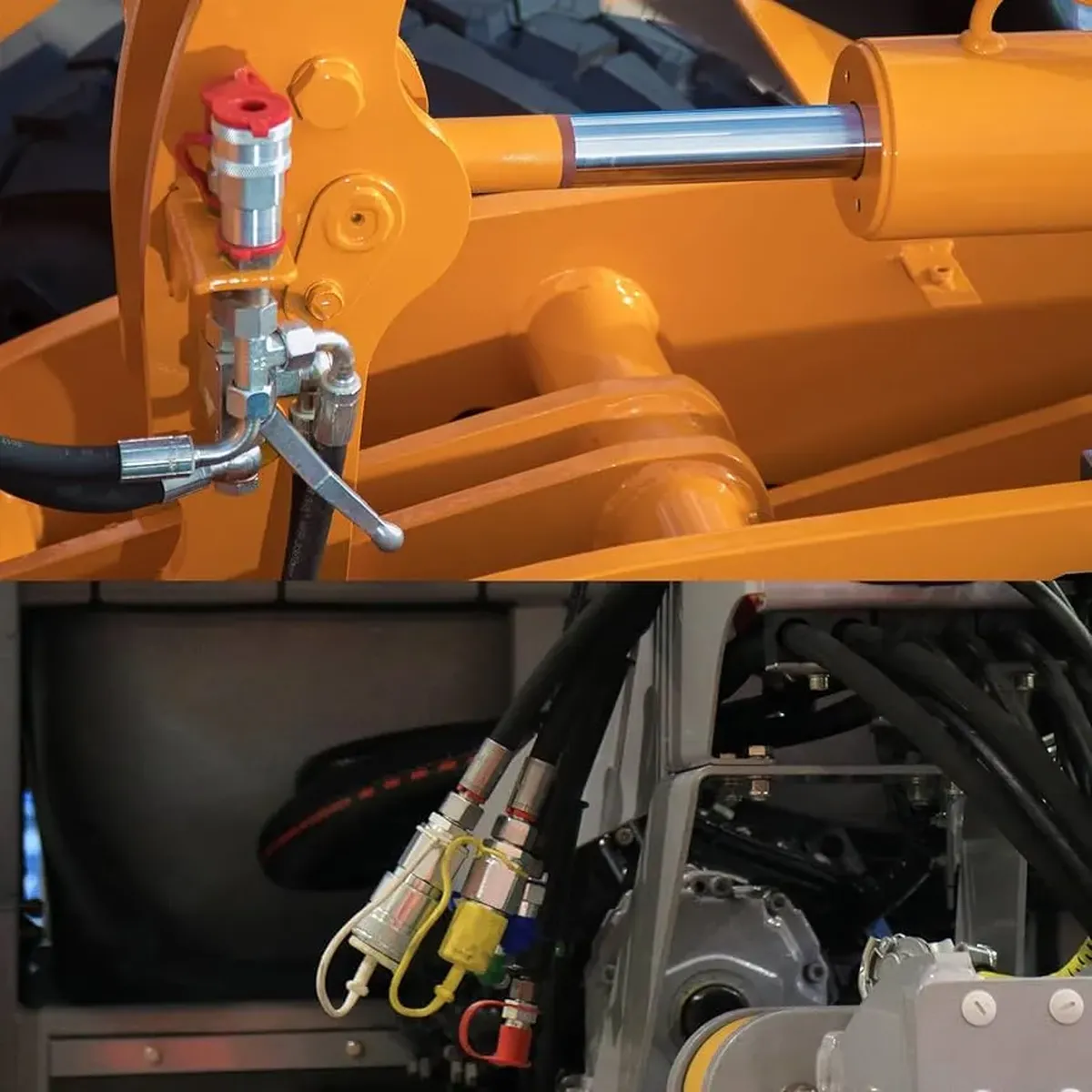
(1) Construction and Heavy Machinery: Hydraulic quick couplings are extensively used in construction equipment, such as excavators, loaders, and bulldozers. They allow for quick attachment and detachment of hydraulic attachments like buckets, hammers, and augers.
(2) Agricultural Machinery: Hydraulic quick couplings are used in agricultural machinery, including tractors, harvesters, and sprayers. They enable farmers to quickly connect and disconnect hydraulic-powered implements like plows, cultivators, and mowers.
(3) Material Handling Equipment: Hydraulic quick couplings are utilized in material handling equipment like forklifts, cranes, and conveyors. They allow for rapid connection and disconnection of hydraulic-powered attachments such as lifting forks, clamps, and buckets.
(4) Mining and Quarrying: Hydraulic quick couplings are used in mining and quarrying equipment, such as hydraulic drills, crushers, and loaders. They facilitate fast connection and disconnection of hydraulic hoses for maintenance and equipment changes.
(5) Oil and Gas Industry: Hydraulic quick couplings are employed in the oil and gas industry for applications such as hydraulic power units, wellhead control systems, and hydraulic tooling. They enable efficient connection and disconnection of hydraulic lines during equipment installations, maintenance, and repairs.
(6) Mobile Hydraulics: Hydraulic quick couplings are commonly used in mobile hydraulic systems, such as hydraulic cranes, aerial platforms, and utility vehicles. They allow for rapid connection and disconnection of hydraulic hoses, enabling quick equipment setup and breakdown.
(7) Marine Applications: Hydraulic quick couplings are employed in various marine applications, including shipboard equipment, offshore platforms, and marine vessels. They facilitate the quick connection and disconnection of hydraulic lines for steering systems, winches, and other hydraulic-powered equipment.
(8) Aerospace Industry: Hydraulic quick couplings find applications in the aerospace industry for aircraft hydraulic systems, ground support equipment, and hydraulic test rigs. They enable efficient and reliable connection and disconnection of hydraulic lines during maintenance and testing procedures.

Hydraulic Quick Coupling Installation Steps
When installing hydraulic quick couplings, it’s important to follow proper procedures to ensure a secure and leak-free connection. Here are the general steps to install hydraulic quick couplings:
- Gather the necessary tools and equipment: Before starting the installation, gather the required tools such as wrenches, pliers, and a hydraulic fluid catch container. Ensure that you have the correct type and size of quick couplings for your specific application.
- Prepare the hydraulic system: Before installing the quick couplings, ensure that the hydraulic system is depressurized. This can be done by turning off the hydraulic power source and operating any control valves to relieve the pressure. Also, clean the area around the connection points to remove any dirt, debris, or contaminants.
- Identify the correct orientation: Hydraulic quick couplings are typically designed to be connected in a specific orientation. Look for alignment indicators, such as notches or arrows, on the couplings to ensure proper alignment during installation. The male and female couplings should align correctly for a secure connection.
- Inspect the couplings: Before installation, inspect the quick couplings for any signs of damage or wear. Check for cracks, dents, or corrosion. Ensure that the seals and O-rings are in good condition. Replace any damaged or worn components before proceeding with the installation.
- Lubricate the seals: Apply a small amount of hydraulic fluid or recommended lubricant to the seals and O-rings of the quick couplings. This helps ensure smooth and easy connection while reducing the risk of seal damage during installation.
- Connect the couplings: Align the male and female couplings and push them together firmly. Some quick couplings may require a twisting motion or a specific connection action. Follow the manufacturer’s instructions for the specific type of quick coupling you are installing. The couplings should fully engage and lock into place.
- Test the connection: Once the couplings are connected, perform a visual inspection to ensure that they are properly engaged. Gently tug on the couplings to verify that they are securely locked. Pressurize the hydraulic system gradually and check for any signs of leakage around the connection points. If any leaks are detected, stop the pressurization and address the issue before continuing.
Common Troubleshooting of the Hydraulic Quick Coupling
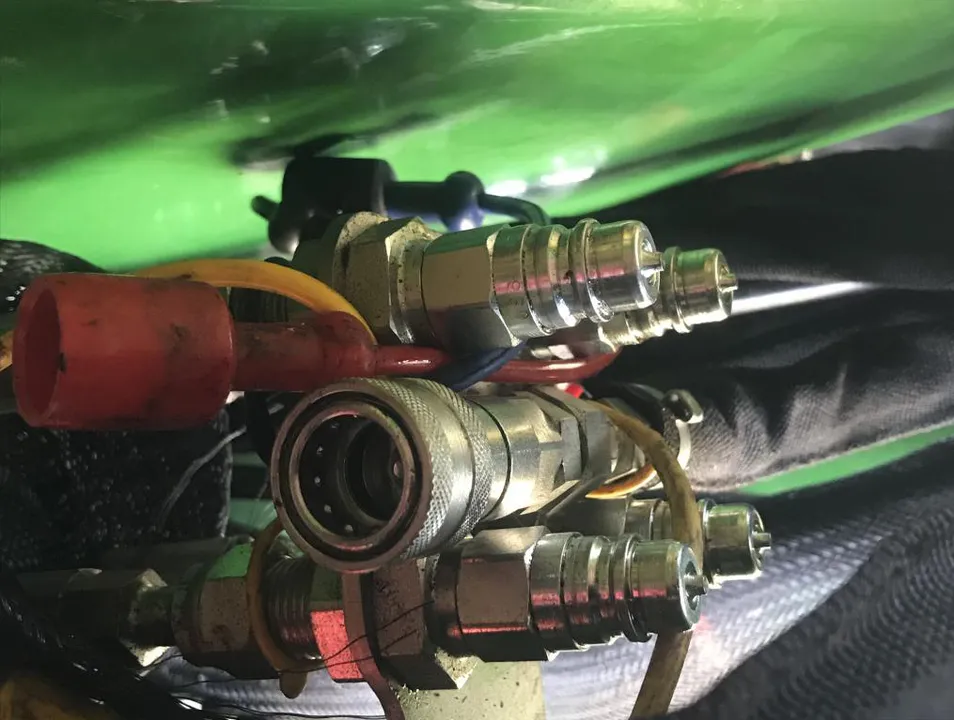
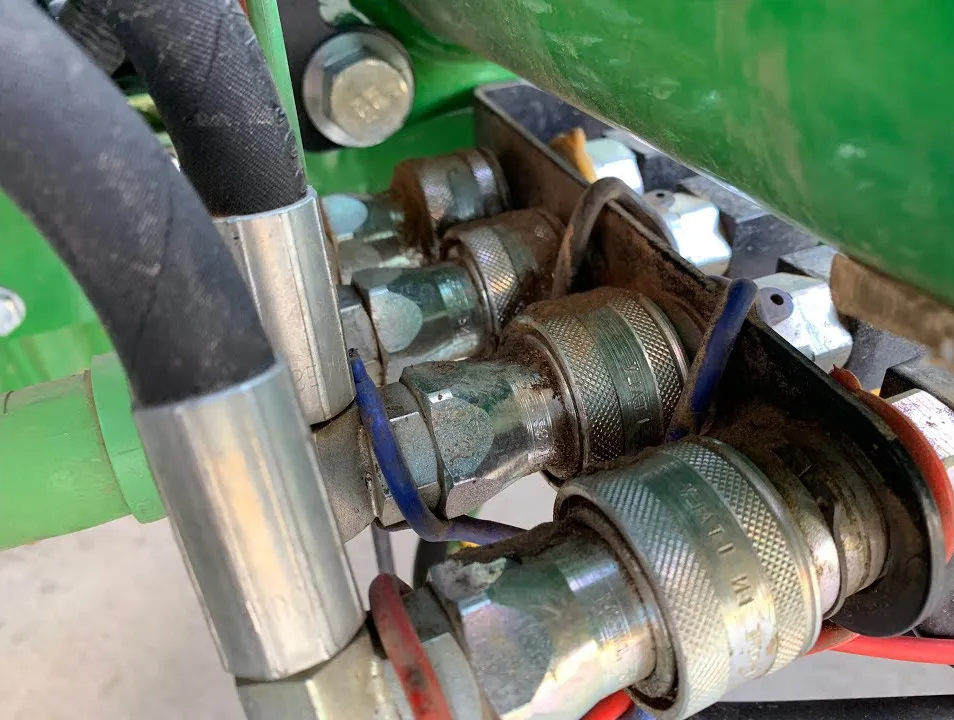
Hydraulic quick couplings, essential for connecting and disconnecting hydraulic lines quickly without significant fluid loss, can sometimes face operational issues. Troubleshooting common problems can ensure continued efficiency and safety in hydraulic systems. Here are some typical problems and their solutions:
1. Difficulty in Connecting or Disconnecting
- Cause: Dirt or debris buildup, misalignment, or pressure build-up in the system.
- Solution: Clean the coupling surfaces thoroughly. Ensure proper alignment during connection. To relieve trapped pressure, cycle the hydraulic system to neutral or use a coupling designed to release trapped pressure.
2. Leaks at the Coupling Interface
- Cause: Worn or damaged seals, improper coupling connection, or using the wrong type of seals for the hydraulic fluid.
- Solution: Replace the seals with the correct type specified for the hydraulic fluid used. Make sure the couplings are correctly connected. Check for and replace any damaged coupling components.
3. Hydraulic Fluid Contamination
- Cause: Connecting/disconnecting in dirty environments, worn seals allowing ingress of contaminants.
- Solution: Clean the couplings and surrounding areas before connecting or disconnecting. Implement contamination control practices, such as using dust caps and keeping the hydraulic fluid and system clean. Replace worn seals to prevent contamination ingress.
4. Excessive Wear or Damage to Couplings
- Cause: Frequent connect/disconnect cycles, connecting under pressure, or using mismatched or incompatible couplings.
- Solution: Use couplings designed for high-cycle applications. Avoid connecting under pressure unless the coupling is designed to handle it. Ensure compatibility between coupling halves and follow manufacturer recommendations.
5. Pressure Drop or Reduced Hydraulic Flow
- Cause: Partially engaged couplings, internal valve issues, or the use of couplings with restrictive flow paths.
- Solution: Ensure couplings are fully engaged. Check internal valves for correct operation and replace faulty components. Use couplings designed for optimal flow with minimal pressure drop.
6. Unable to Achieve Full System Pressure
- Cause: Damaged or worn coupling components, leakage, or couplings not fully engaged.
- Solution: Inspect couplings for damage and replace worn parts. Ensure couplings are fully engaged and check for leaks in the system, repairing as necessary.
Interested in Our Hydraulic Cylinder Products?
Hydraulic Cylinder – High Quality Hydraulic Cylinder for Sale
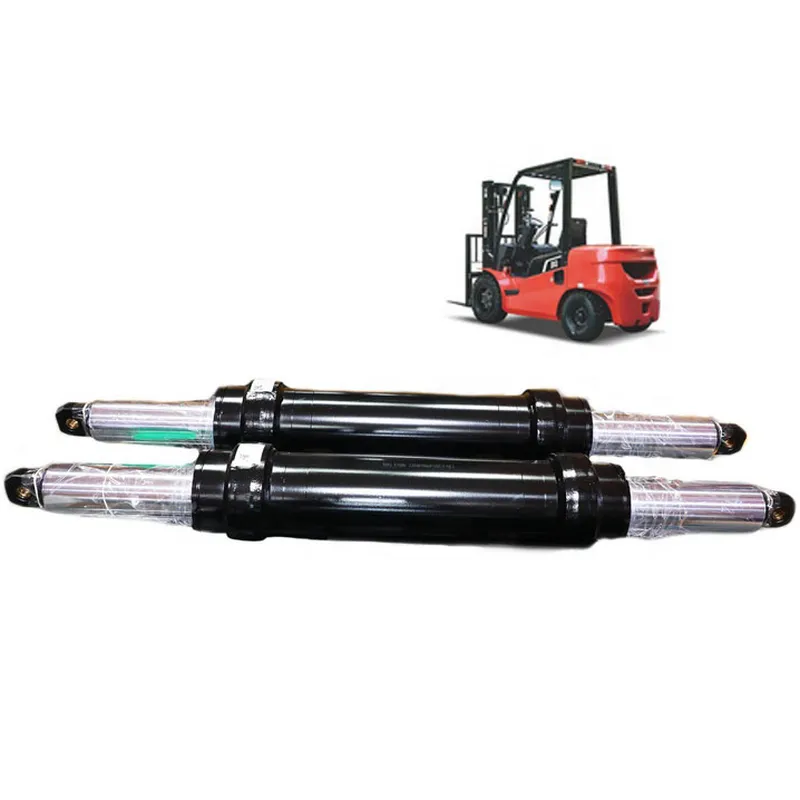
Forklift Hydraulic Cylinders
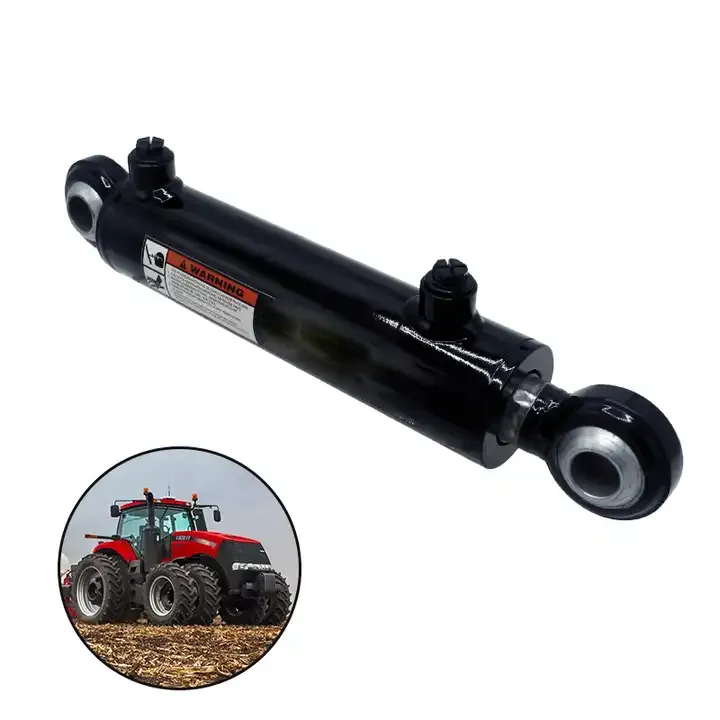
Agricultural Machinery Hydraulic Cylinder
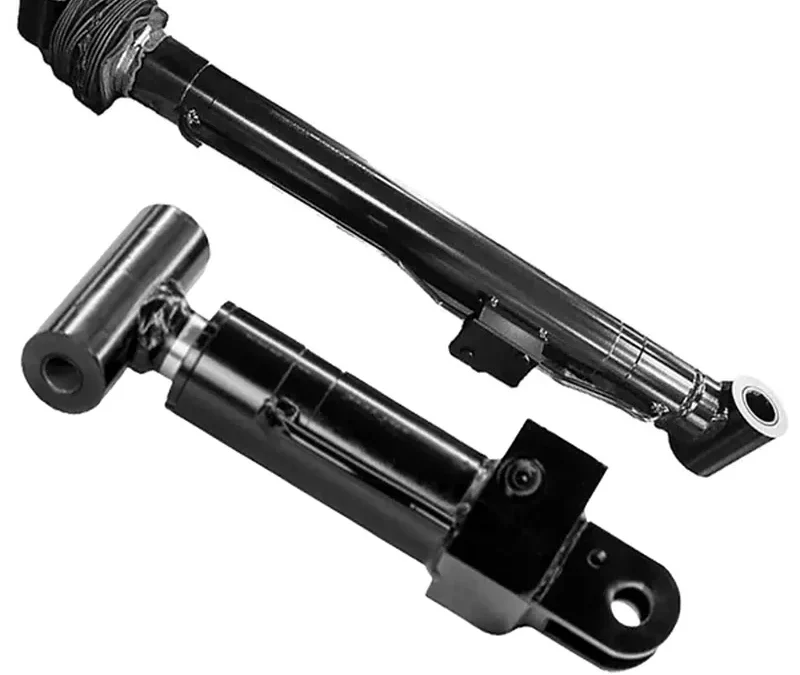
Aerial Work Vehicle Hydraulic Cylinders
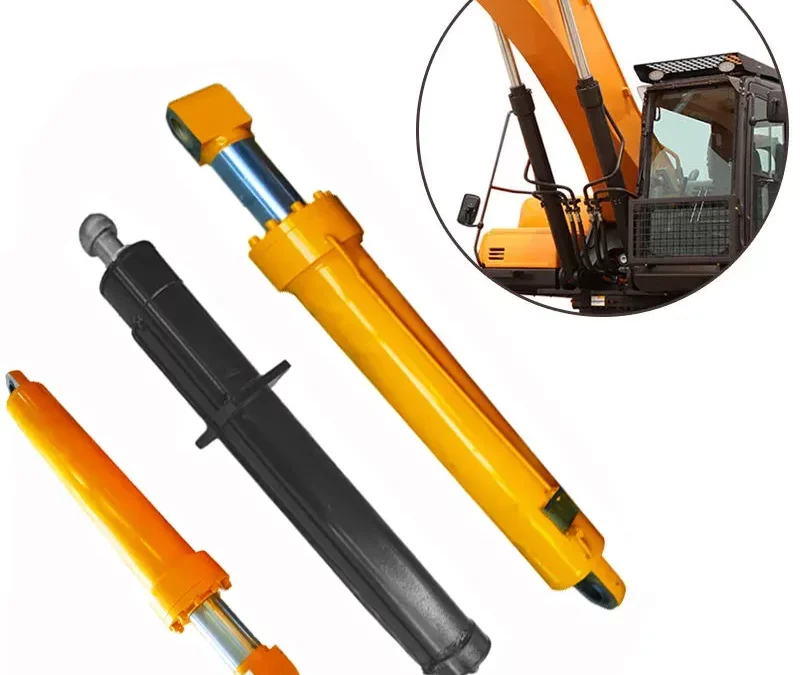
Construction Machinery Hydraulic Cylinders
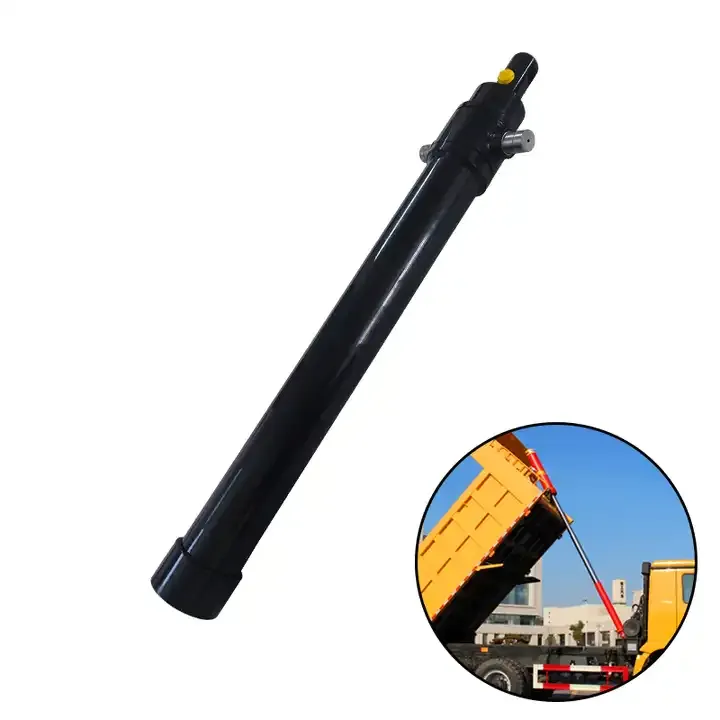
Dump Truck & Trailer Hydraulic Cylinder
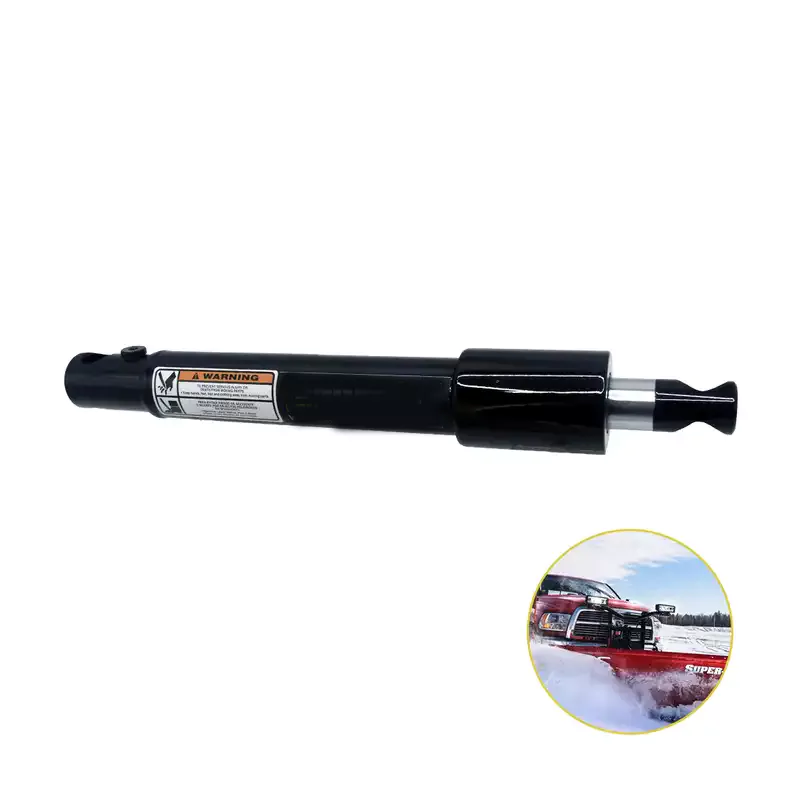
Snow Plow Hydraulic Cylinder
Edited by Yjx