
Center Pivot Irrigation Gearbox
Center Pivot Irrigation Gearbox for Sale
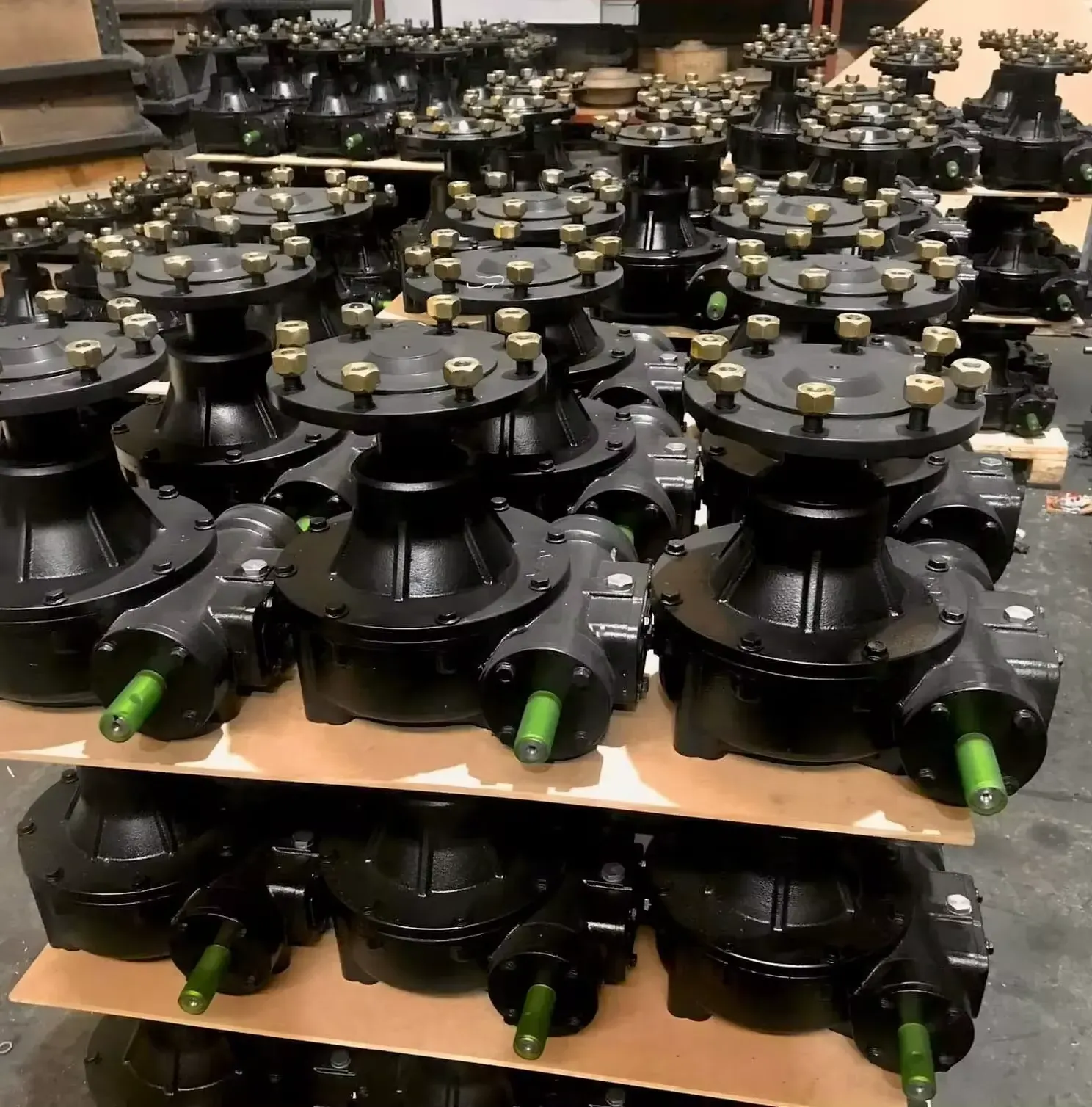
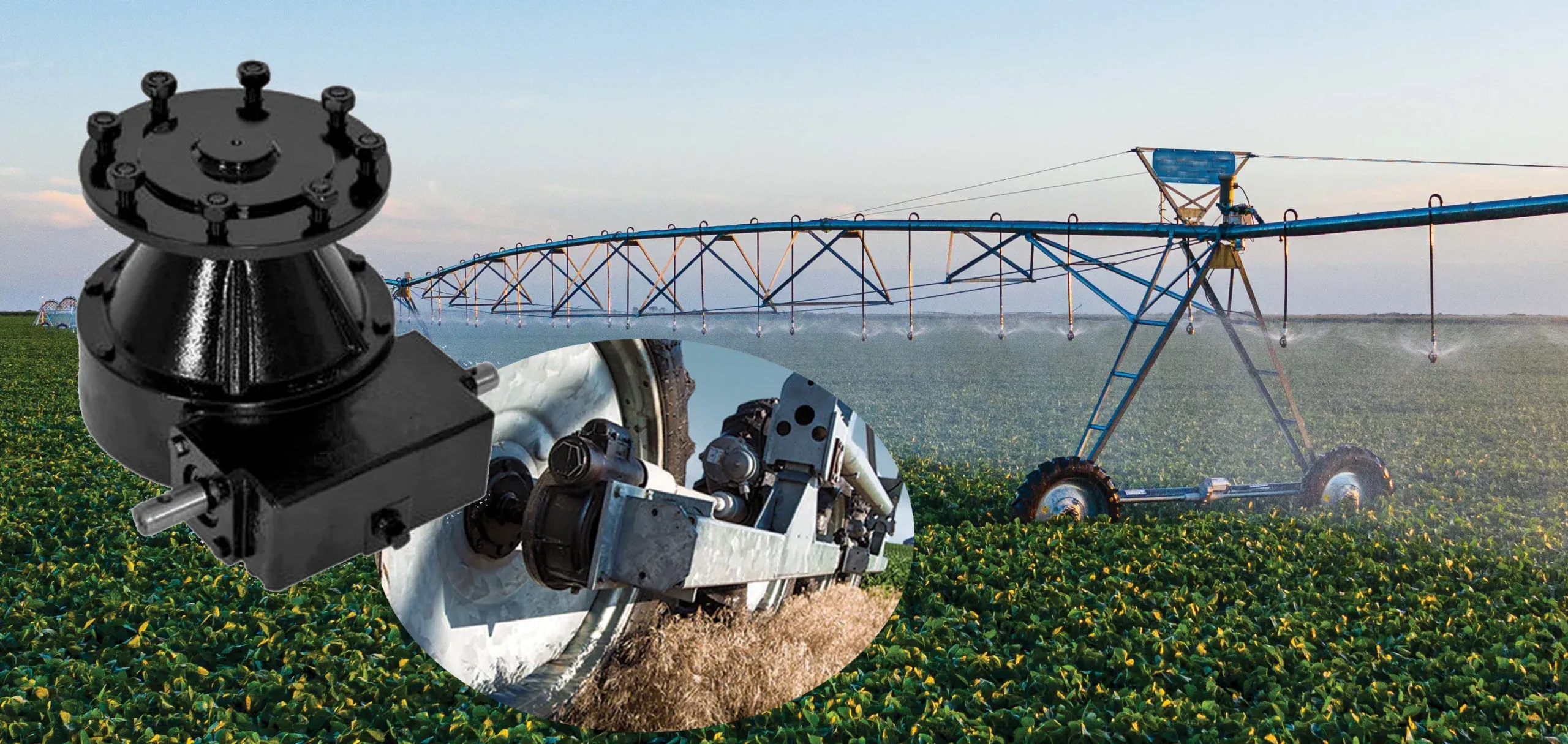
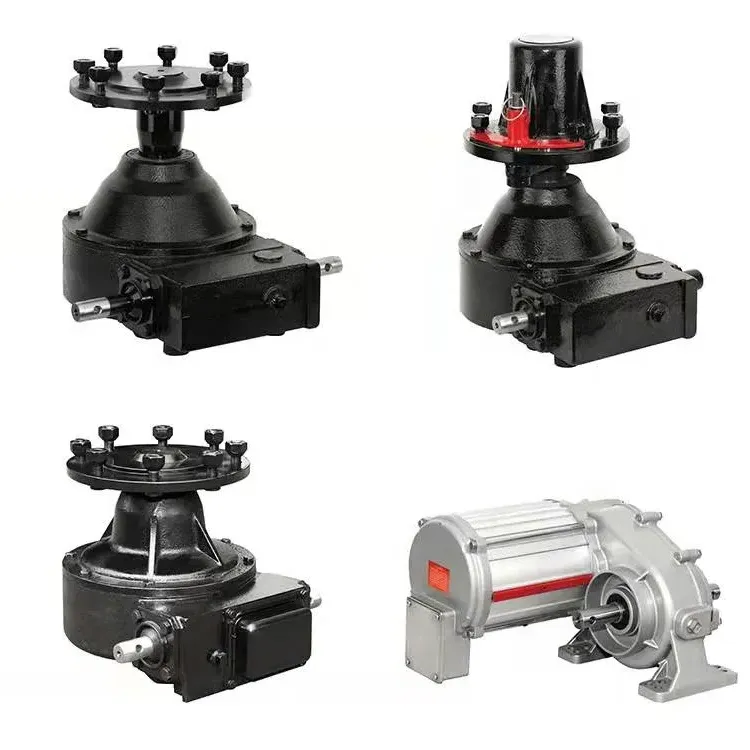
At HZPT, we specialize in high-performance pivot gearboxes for center pivot irrigation systems. Our center-drive models (SYF-1, SYF-2M, SYF-3, SYF-3M, SYF-4M, SYF-4) and wheel-drive options (AEP-1 series) include compatible replacements such as replacement of valley pivot gearbox, replacement of umc pivot gearbox, and equivalents for Comer Code A-4A and Zimmatic. Built from corrosion-resistant materials like stainless steel, aluminum, cast iron, and steel, these gearboxes ensure reliable torque transmission, smooth operation, and durability in harsh conditions, with sealed housings for protection against contaminants.
HZPT supports full customization to meet your specific needs, including adjustments in size, ratio, mounting, or materials, adhering to international standards.
For inquiries on our center pivot irrigation gearboxes for sale or customization, email us at [email protected]. We guarantee a response within 24 hours.
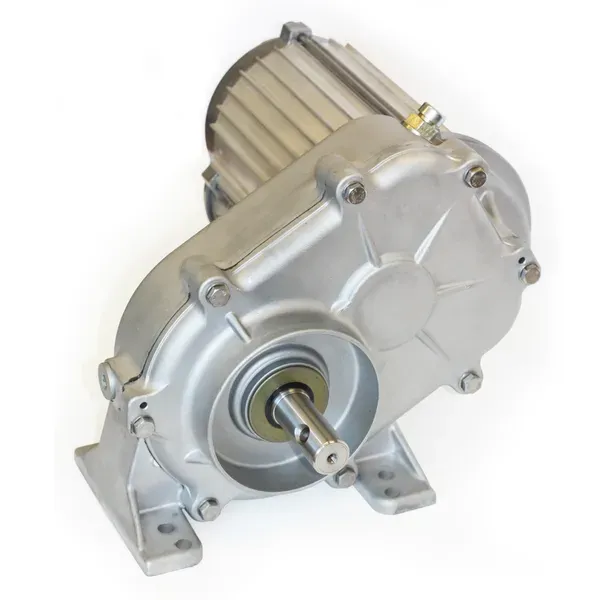
Irrigation Center-Drive Gearbox
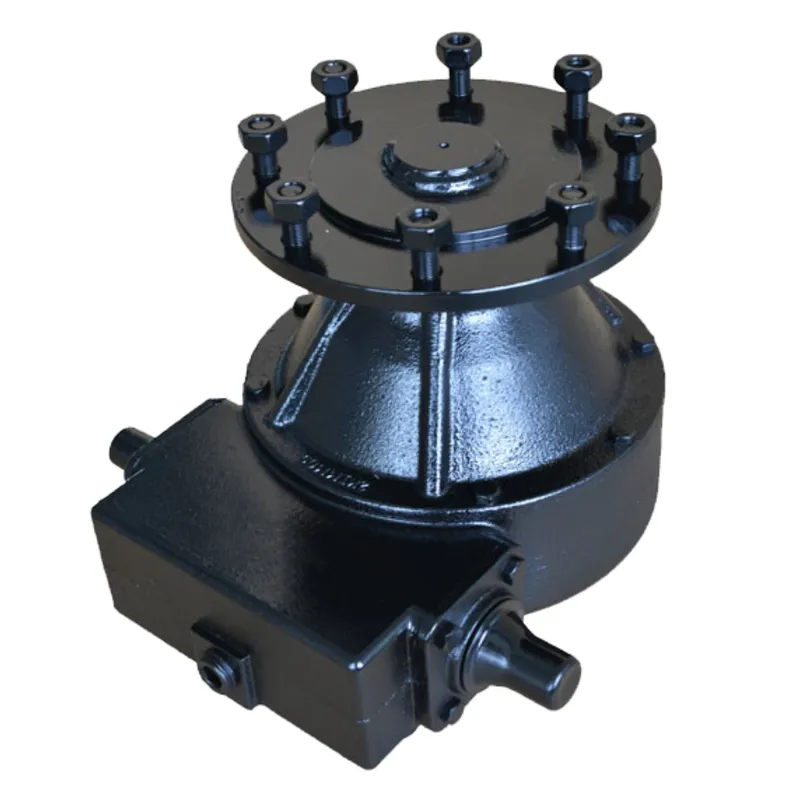
Irrigation Wheel Drive Gearbox
-
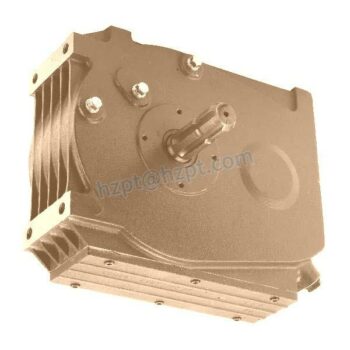
Irrigation Reels Gearboxes – Replacement of Comer Code A-4A
-
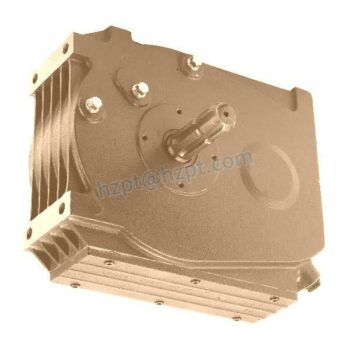
Irrigation Reels Gearboxes – Replacement of Comer Code A-4A 1:1
-
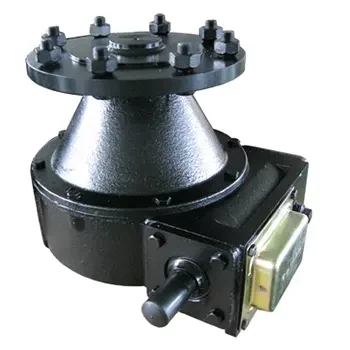
Center Pivot Irrigation Sprinkler Gearbox – Replacement of Valley, UMC, Zimmatic Gearbox
-
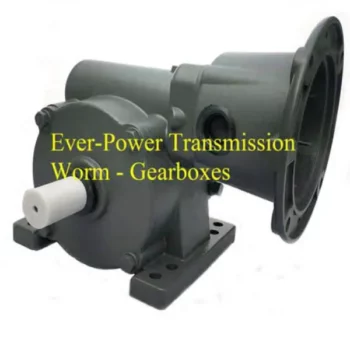
Irrigation Center-Drive Gearbox SYF-1 Series
-
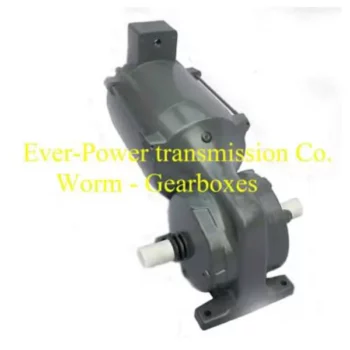
Irrigation Center-Drive Gearbox SYF-2M Series
-
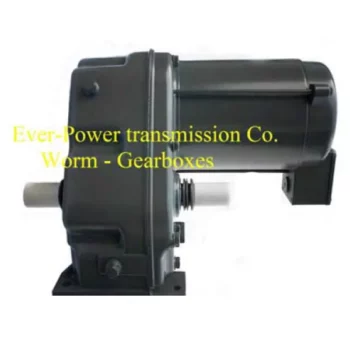
Irrigation Center-Drive Gearbox SYF-3 Series
-
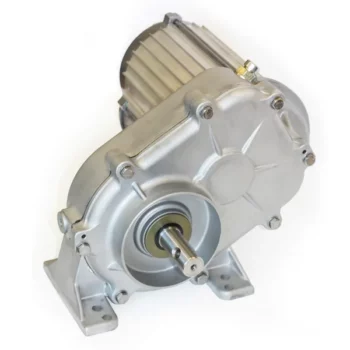
Irrigation Center-Drive Gearbox SYF-3M Series
-
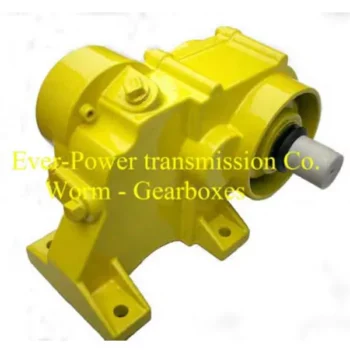
Irrigation Center-Drive Gearbox SYF-4M Series
-
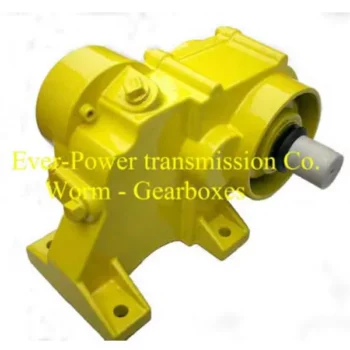
Irrigation Center-Drive Gearbox SYF-4 Series
-
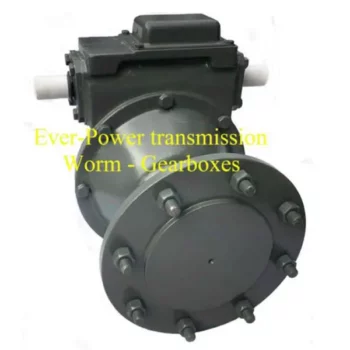
Irrigation Wheel Drive Gearbox (Irrigation Final-Drive Gearbox) AEP-1 Series
Why Choose HZPT’s Center Pivot Irrigation Gearbox?
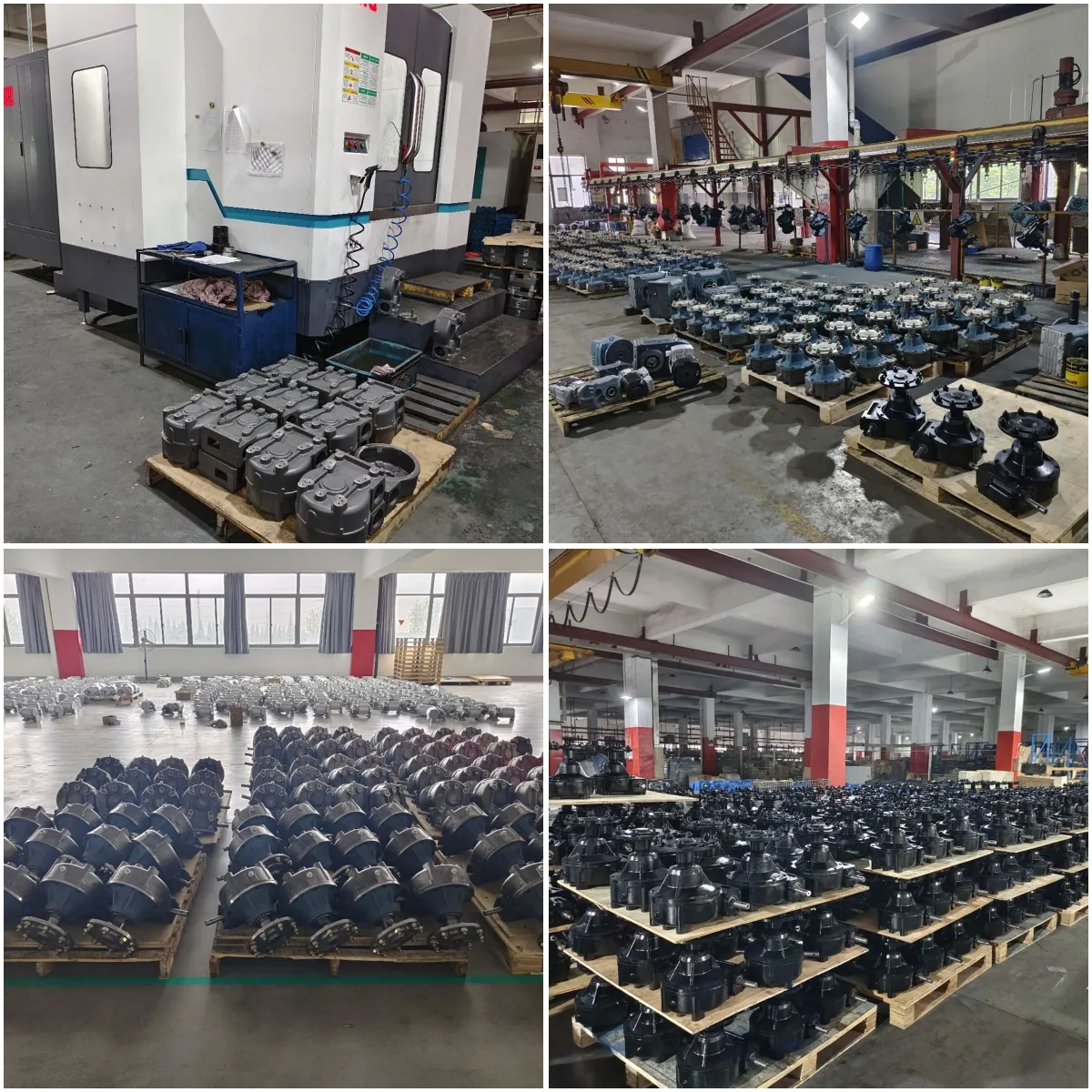
HZPT is a leading manufacturer specializing in the production and sale of center pivot irrigation gearboxes. With extensive experience and cutting-edge technology, we have established ourselves as a key player in the agricultural machinery industry. Our state-of-the-art manufacturing facilities and highly skilled workforce are dedicated to delivering superior products.
Our irrigation gearboxes are engineered for maximum efficiency and durability. Constructed from high-quality, corrosion-resistant materials, they provide reliable operation in harsh environments. Featuring precision-engineered components, these gearboxes ensure smooth performance, high torque transmission, and extended lifespan. They are ideally suited for center pivot and lateral move irrigation systems, facilitating uniform water distribution across expansive agricultural fields.
At HZPT, we leverage our expertise and influence in the irrigation gearbox sector to adhere to international standards and certifications. We offer customized solutions tailored to diverse client requirements, supported by advanced production facilities and comprehensive after-sales service to ensure customer satisfaction. In addition to irrigation gearboxes, we provide a broad range of agricultural gearboxes and PTO shafts, including rotary cutter gearboxes, rotary tiller gearboxes, feed mixer gearboxes, lawn mower gearboxes, fertilizer spreader gearboxes, flail mower gearboxes, post hole digger gearboxes, corn headers gearboxes, fertilizer mixer gearboxes, round baler gearboxes, square baler gearboxes, irrigation reels gearboxes, manure spreader gearboxes, and rotary rake gearboxes. Our commitment to quality and innovation positions us as a trusted partner in the agricultural industry.
The Role of Irrigation Gearbox in Irrigation Systems
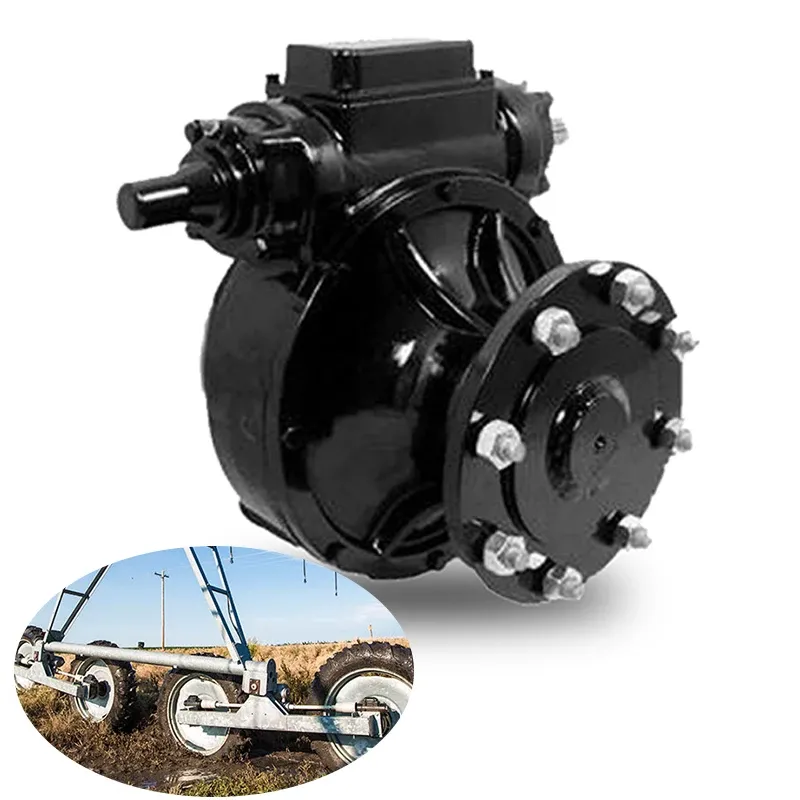
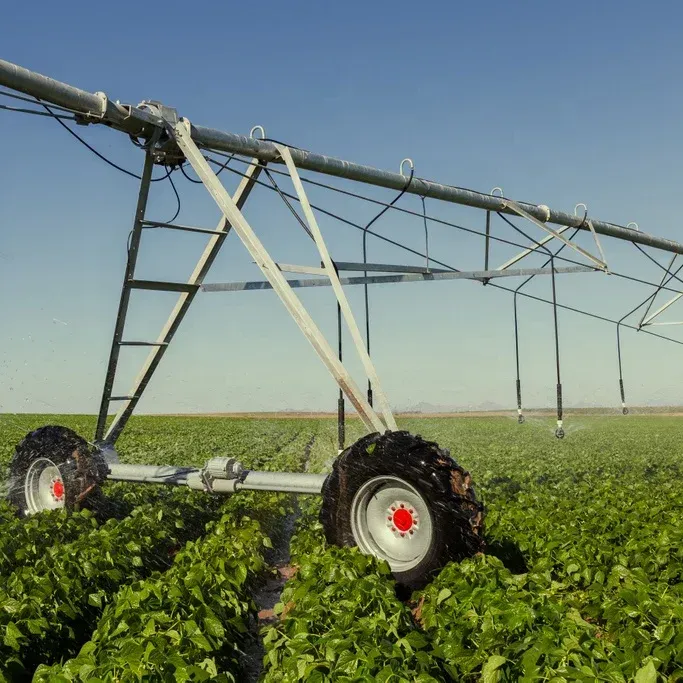
The irrigation gearbox plays a vital role in the efficiency and effectiveness of modern irrigation systems, particularly in center pivot and lateral move setups. It serves as the mechanical heart of the irrigation system, transmitting power from the motor to the wheels, enabling the entire system to move smoothly across fields. This movement is essential for distributing water evenly, ensuring crops receive the necessary hydration for optimal growth.
Constructed from durable, corrosion-resistant materials such as stainless steel or aluminum, irrigation gearboxes are designed to withstand harsh environmental conditions, including exposure to water, dirt, and varying temperatures. Their sealed housings protect the internal components from contaminants, ensuring long-term reliable operation. Precision-engineered gears within the gearbox ensure efficient power transmission and reduce wear and tear, thereby extending the system’s operational life. By facilitating the smooth and continuous movement of irrigation equipment, these gearboxes ensure that water is delivered consistently and uniformly, which is crucial for maintaining crop health and maximizing agricultural yield.
Types of Irrigation Gearbox
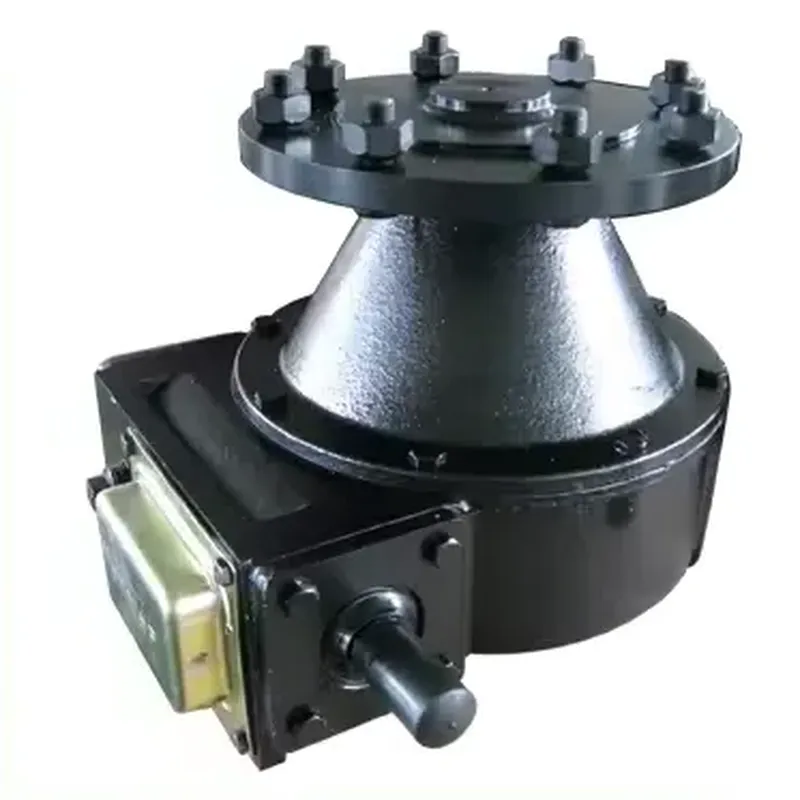
Irrigation gearboxes come in diverse configurations, with varying dimensions and gear ratios tailored to specific system demands and machinery setups. They play a vital role in irrigation setups, supporting consistent performance and effective water management.
- Center Pivot Irrigation Gearbox: This gearbox serves as the core driver for center pivot systems, where pipes radiate from a fixed central point to irrigate crops in a circular path. Built to manage substantial torque loads, it powers the rotation of extensive, weighty structures around the pivot. Its design promotes steady motion, which is essential for achieving balanced watering across vast farmlands without gaps or overlaps.
- Irrigation Center-Drive Gearbox: Engineered for the heart of the irrigation assembly, this gearbox functions as the primary energy hub, propelling the whole system’s motion. It is constructed with rugged materials to endure heavy stresses and deliver power seamlessly from the drive motor to the system’s mechanics. Dependable functionality here directly impacts the irrigation’s overall productivity, preventing disruptions in water flow.
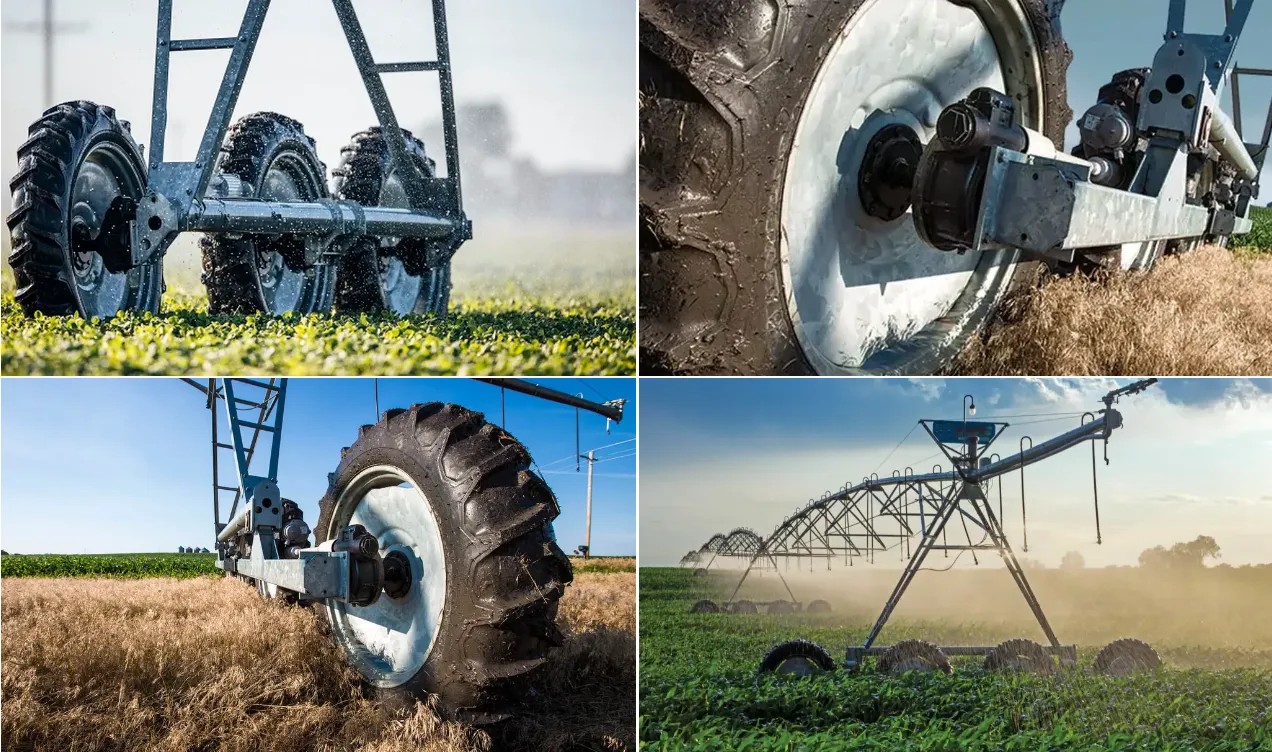
- Irrigation Wheel Drive Gearbox: Positioned at the wheels, this gearbox supplies the torque needed to move the system over fields, often under tough conditions like mud, uneven ground, or constant moisture. Its robust build helps maintain steady traversal, ensuring comprehensive field coverage that supports uniform crop hydration and healthier yields.
- Irrigation Final-Drive Gearbox: As the concluding link in the power chain, this gearbox converts incoming energy into the precise speed and force required for the equipment’s final propulsion. It is key for adapting movement to field contours, with its sturdy engineering contributing to sustained reliability and accurate water application over time.
Applications of Irrigation Gearbox in Agricultural Irrigation
Irrigation gearboxes serve diverse roles in farming setups, powering mechanisms that deliver water effectively across various landscapes and crop types. Here’s a breakdown of key uses based on real-world farming scenarios.
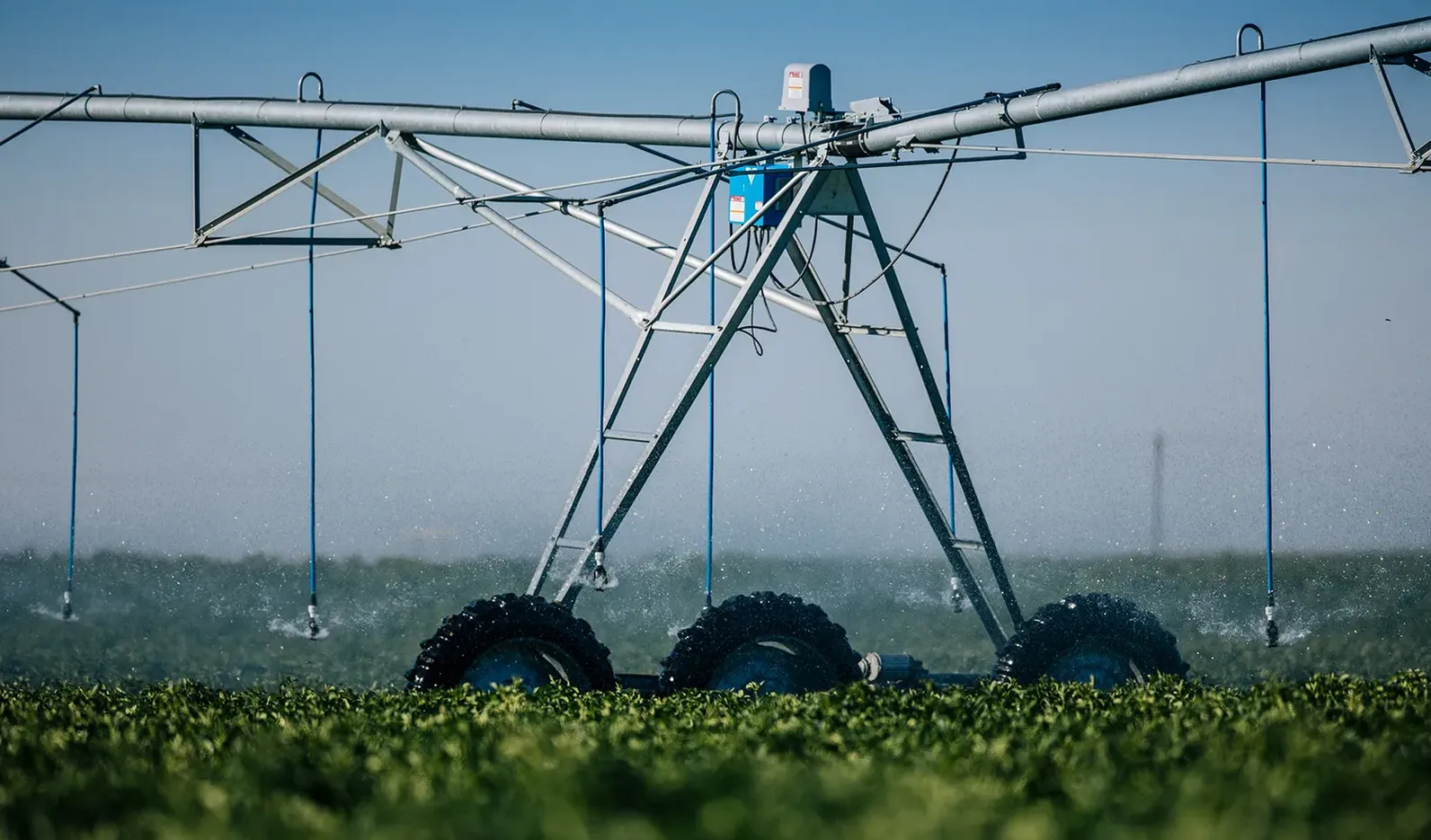
- Center Pivot Systems: These gearboxes form the backbone of center pivot setups common in expansive farms, where the equipment spins from a fixed hub to soak wide swaths of land with little hands-on effort. They handle the torque needed for steady rotation, helping achieve consistent coverage in round fields—ideal for staples like corn, wheat, or soybeans, where spotty watering could slash harvests.
- Lateral Move Systems: For straight-line travel over boxy plots, lateral move irrigation relies on gearboxes to push the rig horizontally, making them a go-to for crops such as cotton or potatoes in large, flat expanses. This setup guarantees even soaking from one end to the other, supporting robust plant development and steady output without uneven dry patches.
- Wheel Line or Side Roll Setups: Gearboxes in these portable wheel-based lines make shifting the pipes straightforward, especially in compact or oddly shaped areas needing targeted hydration. They supply the pull to roll the wheels along, covering every corner—proving handy for grazing lands or modest veggie patches where flexibility trumps scale.
- Drip and Micro-Irrigation Arrangements: In precision-focused drip lines or micro-sprayers, gearboxes occasionally drive compact pumps or feeders that channel water right to roots, cutting down on excess runoff. This approach shines with premium produce like fruits, veggies, or flowers, emphasizing thriftiness in moisture and pinpoint application to boost quality without waste.
- Greenhouse and Nursery Operations: Within enclosed spaces like greenhouses, these gearboxes propel automated arms or carts that methodically hydrate rows of plants, timing doses just right for optimal nurturing. It’s crucial for tender sprouts or specialty flora, where over- or under-watering risks stunting growth, and controlled delivery keeps everything thriving efficiently.
- Promoting Water-Smart Farming: Beyond specific systems, gearboxes aid broader eco-friendly strategies by fine-tuning irrigation for minimal loss and maximal crop payoff, especially in drought-prone zones. Farmers leverage them to stretch limited supplies, curbing overuse while lifting yields—a practical edge in areas pushing for long-haul sustainability in agriculture.
Key Components of an Irrigation Gearbox
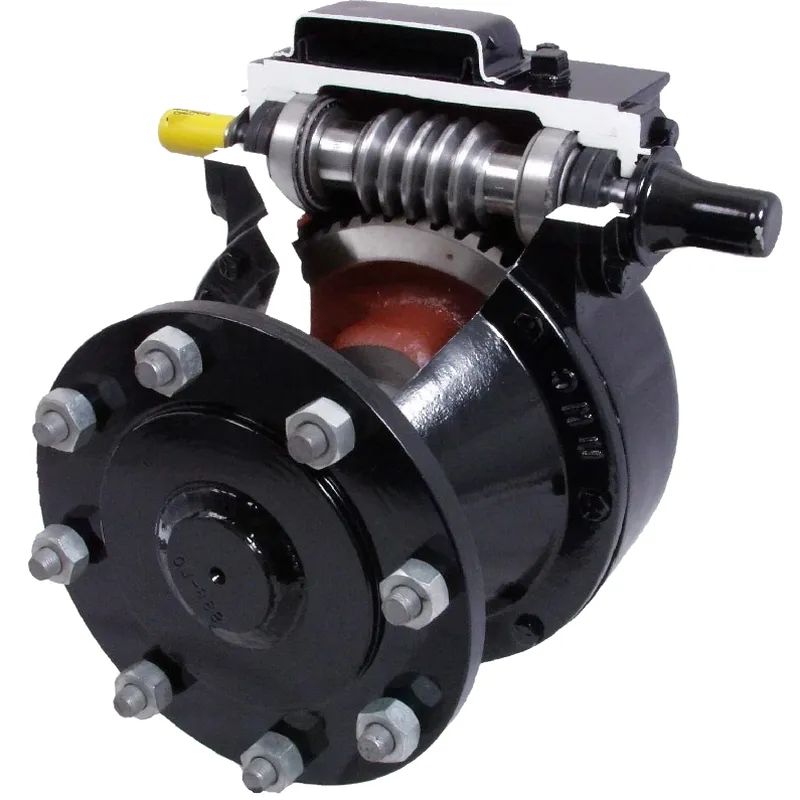
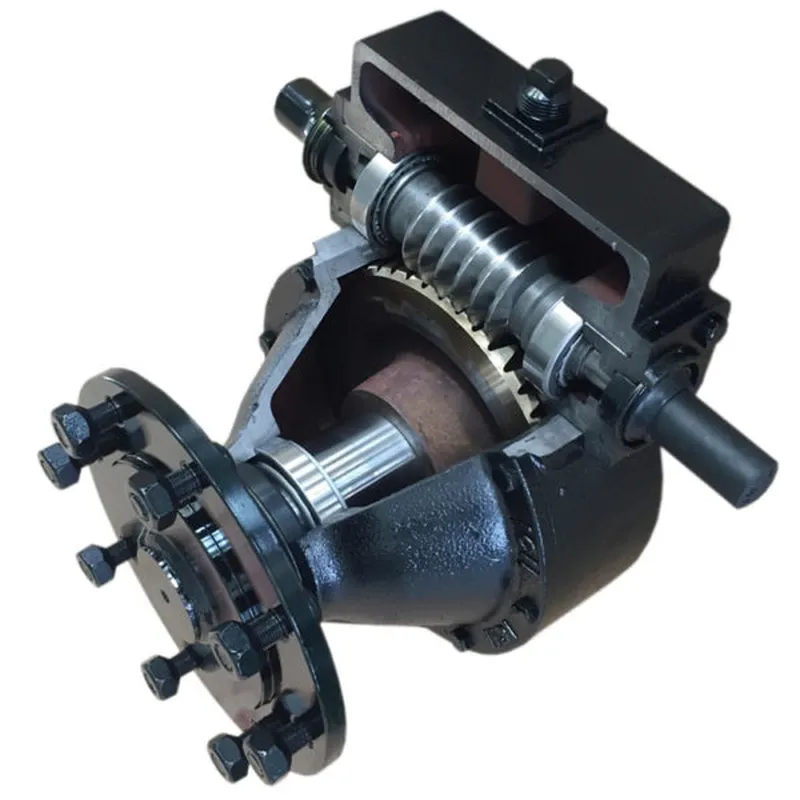
An irrigation gearbox, critical for the operation of modern irrigation systems like center pivot and lateral move systems, includes several key components that ensure its functionality and durability. Here are the main components:
1. Housing: The housing, or casing, of an irrigation gearbox is designed to encase and protect the internal components from external elements such as dust, dirt, water, and debris. Typically made from durable materials like cast iron or aluminum, the housing ensures the gearbox operates reliably in harsh agricultural environments.
2. Gears: The gears are the heart of the gearbox, responsible for transmitting power from the input shaft to the output shaft. These gears are usually made from high-strength steel to withstand significant torque and stress. Common types of gears found in irrigation gearboxes include spur gears, helical gears, and bevel gears, each designed to provide smooth and efficient power transfer.
3. Input Shaft: The input shaft is the component that receives power from the motor or engine. It transfers this power to the gears inside the gearbox. The input shaft must be precisely aligned and robust to handle the rotational force and ensure efficient power transmission.
4. Output Shaft: The output shaft is the final component in the power transmission chain, delivering the mechanical energy to the wheels or other moving parts of the irrigation system. It must be strong and precisely machined to ensure smooth operation and minimize wear.
5. Bearings: Bearings are crucial for reducing friction between moving parts and supporting the shafts within the gearbox. They ensure smooth and efficient operation by minimizing wear and tear on the gearbox components. High-quality, sealed bearings are often used to protect against contaminants and extend the lifespan of the gearbox.
6. Seals and Gaskets: Seals and gaskets are essential for keeping lubricants inside the gearbox and preventing the ingress of dirt, water, and other contaminants. They ensure the gearbox operates smoothly and maintains its efficiency over time by protecting the internal components from external elements.
7. Lubrication System: A proper lubrication system is vital for the longevity and efficient operation of an irrigation gearbox. This system ensures that the gears and bearings are adequately lubricated, reducing friction and wear. The lubrication system typically includes oil reservoirs, pumps, and channels to distribute lubricant evenly.
Materials Used in Manufacturing Irrigation Gearboxes
The manufacturing of irrigation gearboxes involves a selection of materials chosen for their durability, strength, and resistance to harsh environmental conditions. Here are some common materials used in the construction of these vital components:
3. Stainless Steel: Stainless steel is used in components where corrosion resistance is crucial, such as shafts and certain internal parts. It is particularly beneficial in irrigation systems that operate in environments with high moisture levels or exposure to chemicals. Stainless steel components ensure longevity and reduce maintenance requirements.
4. Aluminum: Aluminum is used in the construction of some irrigation gearbox housings due to its lightweight and corrosion-resistant properties. It is especially useful in applications where weight reduction is important without compromising strength and durability. Aluminum also provides good heat dissipation, which can be beneficial in preventing overheating.
5. Surface Treatments and Coatings: Various surface treatments and coatings, such as nitriding, carburizing, and phosphate coatings, are applied to steel components to enhance their hardness, wear resistance, and corrosion resistance. These treatments extend the lifespan of the gearbox components and improve their performance in demanding environments.
Advantages of Using High-Quality Irrigation Gearboxes
Using high-quality irrigation gearboxes in agricultural irrigation systems offers numerous advantages that are crucial for efficient and sustainable farming operations. Here are some of the key benefits:
1. Enhanced Durability: High-quality irrigation gearboxes are built with superior materials and precise engineering, ensuring they can withstand the harsh conditions of agricultural environments. This durability translates to longer service life, reducing the frequency of replacements and maintenance costs.
2. Increased Efficiency: Premium gearboxes are designed to operate with maximum efficiency, providing smooth and reliable power transmission. This efficiency reduces energy consumption, leading to lower operating costs and a more environmentally friendly irrigation process.
3. Improved Performance: High-quality gearboxes offer consistent and reliable performance, ensuring that the irrigation system operates smoothly and evenly. This consistent performance is crucial for uniform water distribution, which is essential for optimal crop growth and yield.
4. Reduced Maintenance: Superior materials and construction result in gearboxes that require less frequent maintenance. High-quality seals, bearings, and lubrication systems minimize wear and tear, reducing the likelihood of breakdowns and the associated downtime and repair costs.
5. Better Corrosion Resistance: High-quality gearboxes are often made from corrosion-resistant materials such as stainless steel or aluminum and may include protective coatings. This resistance to corrosion is particularly important in environments with high moisture levels, ensuring the longevity and reliability of the gearbox.
6. Greater Load Capacity: High-quality gearboxes are designed to handle higher loads and torque, making them suitable for larger and more demanding irrigation systems. This capability ensures that the gearbox can operate efficiently even under heavy usage and challenging conditions.
7. Enhanced Sealing and Protection: Premium gearboxes feature advanced sealing technologies that protect internal components from dust, dirt, and water ingress. This protection is crucial for maintaining the gearbox’s performance and extending its lifespan, especially in outdoor and agricultural settings.
8. Versatility: High-quality gearboxes are often designed to be versatile and adaptable to various irrigation systems and configurations. This flexibility allows them to be used in a wide range of agricultural applications, from small-scale farms to large commercial operations.
9. Enhanced Crop Yields: By ensuring efficient and uniform water distribution, high-quality gearboxes contribute to healthier crops and higher yields. Reliable irrigation is critical for providing plants with the right amount of water at the right time, promoting optimal growth and productivity.
Selecting the Right Irrigation Gearbox for Irrigation Systems
Selecting the right irrigation gearbox for your irrigation system is crucial for ensuring efficient and reliable operation. Here are key considerations to guide you through the selection process:
- Compatibility with System Type: Determine the type of irrigation system you have, such as center pivot, lateral move, or drip irrigation. Each system may require different gearbox specifications to function optimally.
- Load Capacity: Assess the load capacity requirements of your irrigation system. The gearbox must be capable of handling the weight and mechanical stress imposed by the irrigation equipment, including the weight of water being transported.
- Material and Durability: Choose gearboxes made from high-quality, durable materials like cast iron, steel, or aluminum. These materials ensure longevity and resistance to environmental factors such as moisture, dust, and temperature variations.
- Torque and Power Requirements: Evaluate the torque and power requirements of your irrigation system. Ensure the gearbox can handle the necessary torque to drive the system efficiently, considering both normal operation and peak loads.
- Gear Ratio: Select an appropriate gear ratio that matches the speed and torque requirements of your irrigation system. The right gear ratio ensures efficient power transmission and optimal system performance.
- Sealing and Protection: Look for gearboxes with effective sealing mechanisms to prevent contamination by dust, dirt, and water. Proper sealing extends the life of the gearbox and reduces maintenance needs.
- Ease of Maintenance: Consider gearboxes that are easy to maintain and service. Features like accessible lubrication points and replaceable parts can simplify maintenance and reduce downtime.
- Environmental Considerations: Take into account the specific environmental conditions of your agricultural operation, such as exposure to chemicals, extreme temperatures, or saline water. Select gearboxes designed to withstand these conditions.
Customer Reviews
John R., Corn Farmer from Nebraska, USA Last summer, one of my older Valley systems started showing signs of wear in the drive unit, so I looked for a suitable replacement of valley pivot gearbox. I went with HZPT’s version after reading up on compatibility, and it turned out to be a straightforward swap—no need for extra adapters or custom work. We’ve run it through a full growing season on about 120 acres of corn, and it’s managed the heavy loads during wet spells without any slippage or unusual noise. The oil levels stay consistent, which is a plus compared to the original that needed frequent checks. Overall, it’s done the job reliably, though I do wish the mounting bolts were a bit heavier gauge for peace of mind in high winds.
Maria S., Wheat Grower from New South Wales, Australia Our farm deals with a lot of dusty conditions and variable temperatures, so when we upgraded our pivot setup, we chose an HZPT pivot gearbox based on recommendations from local suppliers. Installation took a couple of hours with basic tools, and it’s been operating on our 200-hectare wheat fields for nearly a year now. It handles the continuous cycles well, keeping the system moving evenly without overheating, even during peak heatwaves. We’ve noticed fewer maintenance calls than with our previous gearboxes, which often gummed up from dirt ingress. It’s not the cheapest option out there, but the steady performance has helped us maintain consistent crop coverage without major interruptions.
Carlos M., Soybean Producer from Mato Grosso, Brazil After a UMC gearbox failed midway through the rainy season, I needed a quick replacement of umc pivot gearbox that wouldn’t disrupt our soybean irrigation on a 300-hectare plot. HZPT’s model matched the specs closely, and we got it up and running in under a day with minimal adjustments to the mounting. Over the past eight months, it’s provided reliable torque for the lateral moves, ensuring water gets distributed evenly across the uneven terrain we have here. There was a minor issue with initial vibration that we sorted by tightening the couplings, but since then, it’s run without further problems. It’s held up to the humidity and mud better than expected, making it a practical choice for our operations.
Thabo K., Vegetable Farmer from Western Cape, South Africa In our water-limited region, we use gearboxes in a mix of pivot and greenhouse setups for vegetables like tomatoes and peppers. We picked HZPT’s for its adaptability, and after customizing the ratio slightly through their team, it integrated well into our system last year. It’s been powering the wheels through sandy soils for about 10 months, delivering consistent speed that helps avoid over- or under-watering spots. The sealed design has kept out most of the dust, reducing the cleaning time we’d spend on older units. While it’s performed steadily, we did have to monitor the seals initially to ensure no leaks in our high-evaporation environment, but that’s standard for any new install here.
Last Update Knowledge & News
No Results Found
The page you requested could not be found. Try refining your search, or use the navigation above to locate the post.