
Farm Zero Tillage 3 Point Hitch Corn Seed Planter with Fertilizer
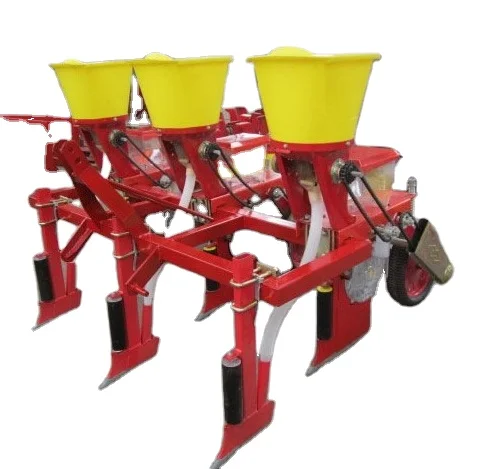
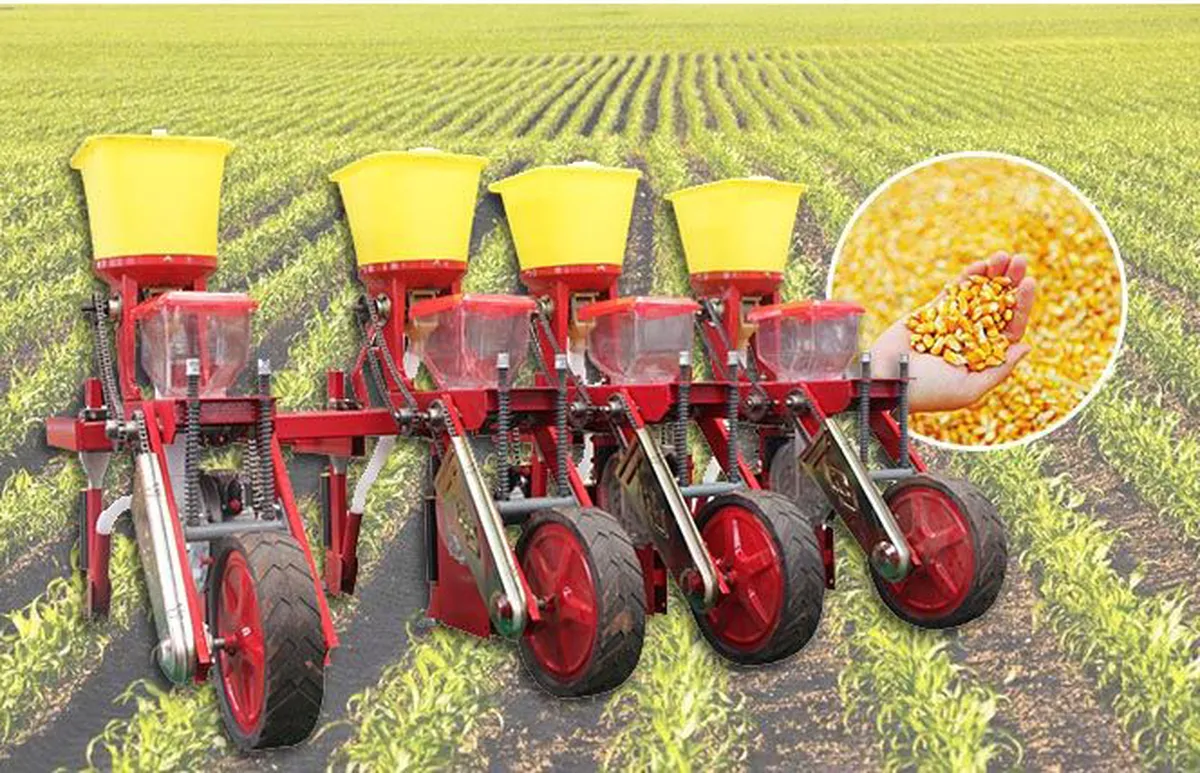
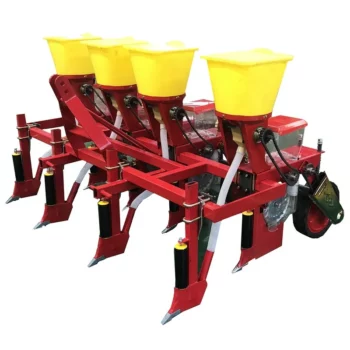
A 3-point hitch corn seed planter with fertilizer is a specialized agricultural implement designed for efficiently planting corn seeds while simultaneously applying fertilizer. It typically attaches to the rear of a tractor via a 3-point hitch, which allows for precise positioning and control during operation. The planter consists of multiple rows (commonly 2 to 6, depending on the model), each equipped with seed dispensers that drop corn seeds into the ground at predetermined intervals and depths.
A 3-point hitch corn seed planter with fertilizer is a specialized agricultural implement designed for efficiently planting corn seeds while simultaneously applying fertilizer. It typically attaches to the rear of a tractor via a 3-point hitch, which allows for precise positioning and control during operation. The planter consists of multiple rows (commonly 2 to 6, depending on the model), each equipped with seed dispensers that drop corn seeds into the ground at predetermined intervals and depths.
In addition to seeding, these planters incorporate a fertilizer mechanism. This can vary from models that distribute dry granular fertilizer alongside the seeds to those that integrate liquid fertilizer application directly into the planting process. This dual-functionality ensures that the newly planted corn seeds receive essential nutrients right from the start, optimizing their growth potential.
Modern 3-point hitch corn seed planters with fertilizer often feature adjustable row spacing, depth control mechanisms, and advanced seed metering systems to accommodate various soil types and planting conditions. They are essential tools for farmers seeking to maximize crop yield and efficiency in corn cultivation.
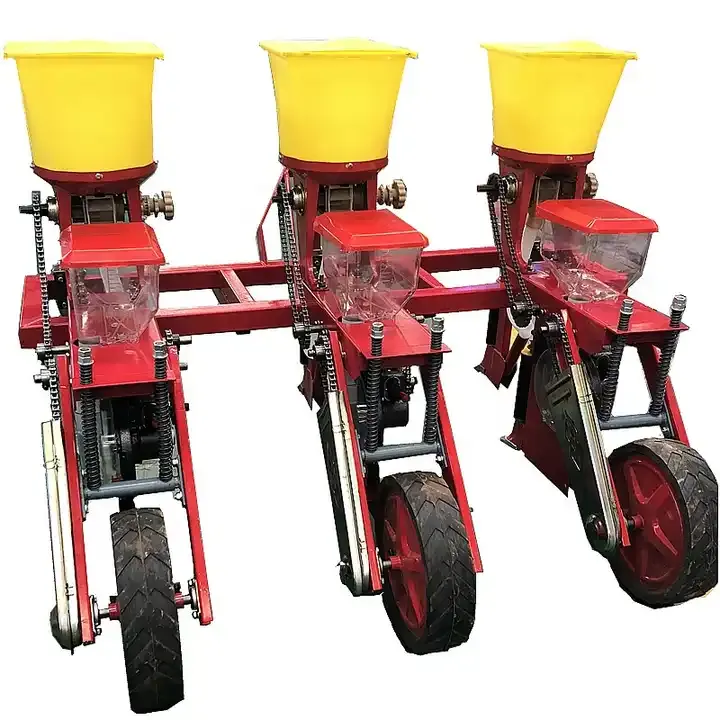
Product Specification:
|
Model
|
Unit
|
2BYSF-2
|
2BYSF-3
|
2BYSF-4
|
2BYSF-5
|
2BYSF-6
|
|
Overall dimension
|
Mm
|
1440*1150*980
|
1440*1500*980
|
1440*1950*980
|
1440*2250*980
|
1440*2600*980
|
|
Rows
|
Row
|
2
|
3
|
4
|
5
|
6
|
|
Row spacing
|
Mm
|
428-630
|
428-600
|
428-570
|
428-540
|
428-510
|
|
Plant spacing
|
Mm
|
140/173/226/280
|
||||
|
Ditching depth
|
Mm
|
60-80
|
||||
|
Fertilization depth
|
Mm
|
60-80
|
||||
|
Sowing depth
|
Mm
|
30-50
|
||||
|
Capacity of fertilizer tank
|
L
|
42
|
68
|
86
|
86
|
86
|
|
Capacity of seed box
|
L
|
8.5*2
|
8.5*3
|
8.5*4
|
8.5*5
|
8.5*6
|
|
Weight
|
Kg
|
140
|
190
|
270
|
300
|
350
|
|
Linkage
|
Three-pointed mounted
|
|||||
|
Matched power
|
hp
|
12-18
|
15-25
|
25-40
|
40-50
|
50-60
|
Features of the Tractor Mounted Corn Fertilization Seeder
A tractor-mounted corn fertilization seeder is a versatile agricultural implement designed to streamline the planting and fertilization process for corn crops. Here are key features typically found in such equipment:
- 3-Point Hitch Compatibility: Tractor-mounted corn fertilization seeders are designed to connect effortlessly to the rear 3-point hitch of standard agricultural tractors. This hitch configuration ensures stable attachment and allows the seeder to follow the tractor's movements precisely, facilitating smooth operation across various types of terrain and field conditions.
- Multiple Row Configuration: These seeders typically feature multiple planting rows, ranging from 2 to 6 rows in most models. This design enables farmers to plant corn seeds over larger areas efficiently in a single pass, minimizing the time and labor required for planting operations.
- Seed Metering System: Equipped with advanced seed metering mechanisms, these seeders ensure precise control over the distribution and placement of corn seeds. This accuracy is essential for achieving optimal seed spacing, which promotes uniform germination and plant growth throughout the field.
- Fertilizer Application System: Integrated with efficient fertilizer applicators, these seeders distribute fertilizers alongside the seeds during planting. Depending on the model, they may feature mechanisms for applying dry granular fertilizers or systems for injecting liquid fertilizers into the soil, ensuring that young corn plants receive essential nutrients right from the start.
- Adjustable Row Spacing and Depth Control: These seeders offer adjustable settings for row spacing and planting depth. Farmers can customize these parameters according to specific crop requirements and soil conditions, optimizing seed placement for better access to nutrients and moisture and facilitating uniform crop emergence.
- Durable Construction: Built with sturdy materials such as steel and reinforced components, tractor-mounted corn fertilization seeders are designed to withstand the demands of agricultural use. This robust construction ensures durability and reliability, even when operating in challenging environments and adverse weather conditions.
- Versatility: While primarily designed for planting corn, some models offer versatility to handle other crops as well. This flexibility enhances the seeder's value as a multi-functional agricultural tool, catering to diverse farming needs and providing farmers with options to maximize equipment utilization throughout the growing season.
Common Applications of Corn Seeder
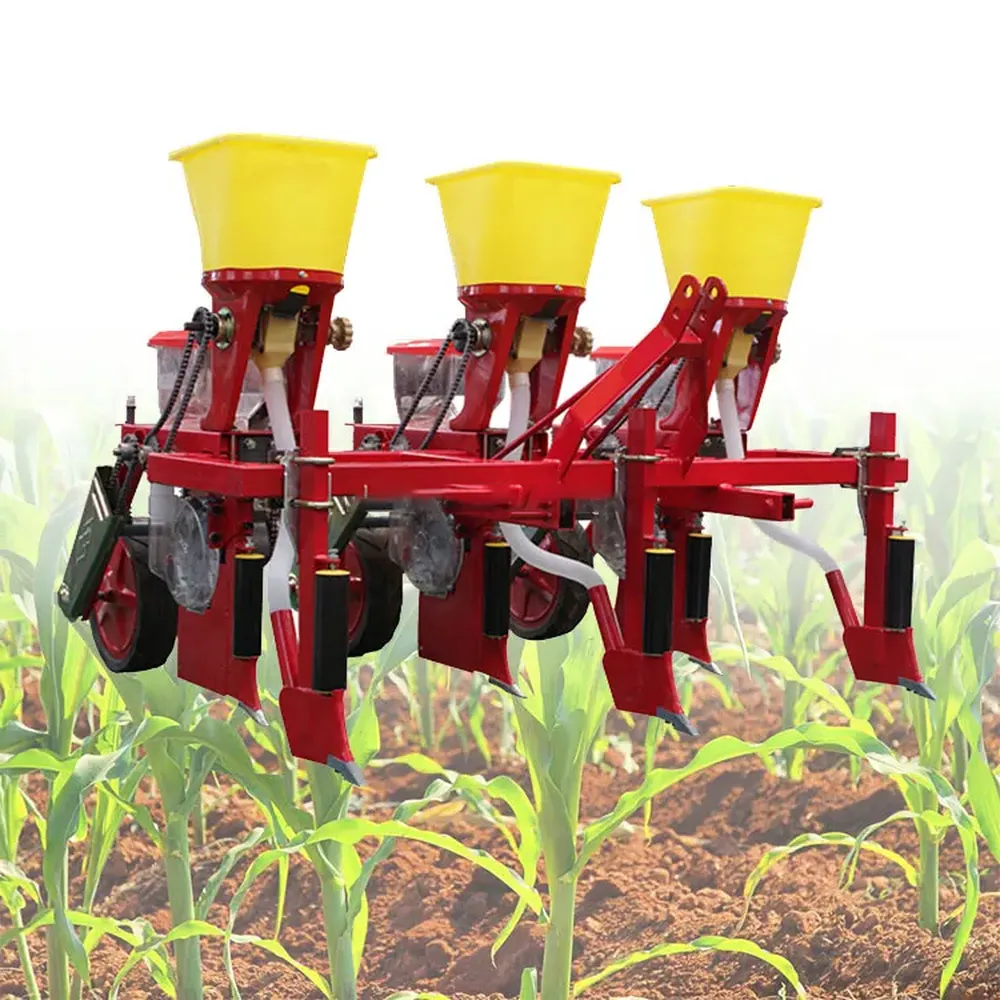
A corn seed planter, also known as a corn planter or seed drill, is a versatile agricultural implement used extensively for planting various crops such as corn (maize), soybeans, and sorghum. Here are the agricultural applications of a corn seed planter for these specific crops:
- Planting Maize (Corn): The primary function of these planters is to efficiently sow corn seeds while simultaneously applying fertilizers. This ensures that maize crops receive essential nutrients right from the start, promoting vigorous early growth and higher yields. The seed metering system ensures precise seed placement and spacing, optimizing plant density for maximum productivity.
- Planting Soybean: Corn seed planters can be adapted for planting soybeans by adjusting the seed metering mechanisms and row spacing. Soybeans require specific planting depths and spacing to achieve optimal yields. The integrated fertilizer application system can be configured to deliver nutrients alongside soybean seeds, enhancing early root development and overall plant health.
- Planting Sorghum: Similar to maize and soybeans, sorghum planting benefits from the precision and efficiency of corn seed planters. Adjustments in row spacing and planting depth accommodate the unique requirements of sorghum crops. The ability to apply fertilizers during planting ensures that sorghum plants have access to nutrients essential for robust growth and development.
- Versatility in Other Crops: While primarily designed for corn, modern seed planters with fertilizer applicators can often be adapted for various crops with adjustments in seeding rates, spacing, and depth control. This versatility makes them valuable tools for farmers looking to optimize planting operations across different types of crops, improving efficiency and maximizing crop yields throughout the agricultural season.

Working Principle of 3 Point Hitch Corn Seed Planter for Planting Maize
The working principle of a 3-point hitch corn seed planter for planting maize involves several key steps and mechanisms to ensure efficient and accurate planting:
- Attachment to Tractor: The planter is attached to the rear 3-point hitch of a tractor, ensuring stability and alignment during operation. This hitch allows the planter to be raised, lowered, and adjusted as needed, following the tractor's movements across the field.
- Seed Hopper and Metering Mechanism: Corn seeds are stored in a seed hopper mounted on the planter. The metering mechanism, often using seed plates or vacuum systems, regulates the flow of seeds from the hopper to the seed tubes. This ensures consistent seed spacing and placement along each row.
- Seed Tube and Furrow Opener: As the planter moves forward, seed tubes deliver seeds from the metering mechanism to the ground. Simultaneously, furrow openers or discs create small furrows in the soil, where seeds are deposited at a predetermined depth.
- Depth Control System: A depth control system, typically adjustable, ensures that seeds are planted at the correct depth according to soil conditions and planting requirements. This is crucial for optimizing seed-to-soil contact, promoting germination, and early root development.
- Fertilizer Application Mechanism: Many corn seed planters are equipped with a fertilizer application mechanism. This can vary from models that distribute dry granular fertilizer alongside the seeds to those that integrate liquid fertilizer application directly into the planting process. Fertilizer is applied at the same time as seeding, ensuring that maize plants receive essential nutrients for early growth.
- Closing Wheels and Press Wheels: After seeds and fertilizer are deposited, closing wheels or press wheels follow to cover and compact the soil over the seeds. This helps maintain soil moisture levels and improves seed-to-soil contact, enhancing germination rates and uniform plant emergence.

Operation Precautions:
When operating a corn seeder or planter for planting maize, several precautions should be observed to ensure safe and efficient operation, as well as to maximize the effectiveness of planting. Here are some key operation precautions:
- Equipment Inspection: Before operation, thoroughly inspect the seeder for any signs of wear, damage, or malfunction. Check all components including seed meters, seed tubes, fertilizer systems, closing wheels, and depth control mechanisms to ensure they are in good working condition.
- Calibration: Properly calibrate the seed metering system and fertilizer application mechanism according to the specific seed type and soil conditions. This ensures accurate seed spacing, planting depth, and uniform fertilizer distribution, optimizing crop establishment.
- Field Preparation: Ensure the field is properly prepared with adequate soil moisture and suitable soil conditions for planting maize. Address any obstacles or debris that could interfere with the planter's operation.
- Weather Considerations: Avoid planting during unfavorable weather conditions such as excessive rain, strong winds, or extreme temperatures. Planting under optimal weather conditions promotes better seed germination and early plant growth.
- Speed Control: Operate the tractor and planter at recommended speeds specified by the equipment manual. Excessive speed can affect seed placement accuracy and compromise planting depth control.
- Depth Adjustment: Set the planting depth according to soil moisture levels and seed size. Adjust depth control mechanisms to ensure seeds are planted at the appropriate depth for optimal germination and early root development.
- Fertilizer Application: Follow recommended fertilizer rates and application guidelines for maize. Ensure proper calibration and distribution of fertilizers alongside seeds to provide essential nutrients for initial growth stages.
- Safety Precautions: Always adhere to safety guidelines and wear appropriate personal protective equipment (PPE), including gloves, eye protection, and sturdy footwear. Be mindful of moving parts and potential hazards during equipment operation.
- Monitoring and Adjustments: Continuously monitor planting performance and make necessary adjustments to seed spacing, depth settings, and fertilizer application rates based on field conditions and real-time observations. This helps optimize planting efficiency and crop uniformity.
- Maintenance: Perform regular maintenance and cleaning of the planter after each use to prevent buildup of debris and ensure longevity of components. Lubricate moving parts as recommended by the manual.
Choosing the Right Corn Seeder(Corn Planter) for Planting Corn
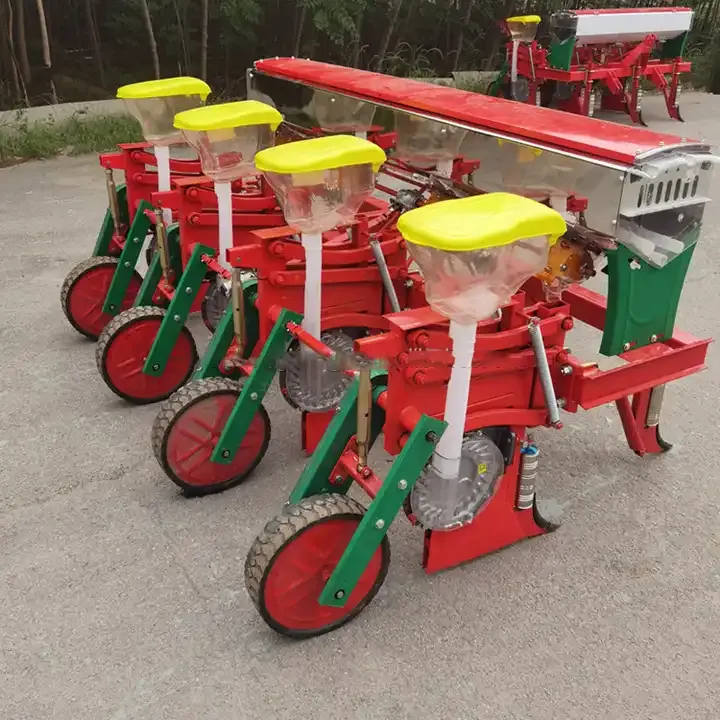
Choosing the right corn seeder, also known as a corn planter, is crucial for optimizing corn planting efficiency and maximizing crop yield. Here are key factors to consider when selecting a corn seeder for planting corn:
- Seed Metering System: Look for a seeder with a reliable and accurate seed metering system. This system should be capable of handling different seed sizes and types, ensuring consistent seed spacing and placement across the field. Consider whether the seeder uses seed plates, vacuum systems, or other technologies for precise seed metering.
- Row Configuration and Spacing: Choose a seeder that matches your field size and planting requirements. Consider the number of rows (typically 2 to 16) and the ability to adjust row spacing to accommodate different field conditions and crop management practices. Optimal row spacing can impact plant density and yield potential.
- Depth Control Mechanism: Ensure the seeder has effective depth control mechanisms that allow for precise adjustment of planting depth. This is critical for ensuring seeds are placed at the appropriate depth in the soil for optimal germination and early root development, especially in variable soil conditions.
- Fertilizer Application Capability: Evaluate whether the seeder is equipped with a fertilizer application system and its capabilities. Some planters can apply fertilizers alongside seeds, either in dry granular form or through liquid injection systems. Integrated fertilizer application promotes early nutrient uptake by corn plants, contributing to healthier growth and higher yields.
- Compatibility with Precision Farming Technologies: Consider whether the seeder is compatible with GPS guidance systems and other precision farming technologies. These technologies can enhance planting accuracy, optimize field efficiency, and allow for data-driven decision-making to improve crop management practices.
- Build Quality and Durability: Choose a seeder made from durable materials such as steel or reinforced plastics. Robust construction ensures longevity and reliability under various field conditions and reduces maintenance needs over time.
- Ease of Operation and Maintenance: Look for a seeder that is user-friendly and easy to operate. Features such as convenient adjustments, accessible maintenance points, and clear instructional guides contribute to efficient operation and minimize downtime during planting seasons.
Why Choose HZPT's Corn Seed Planter?
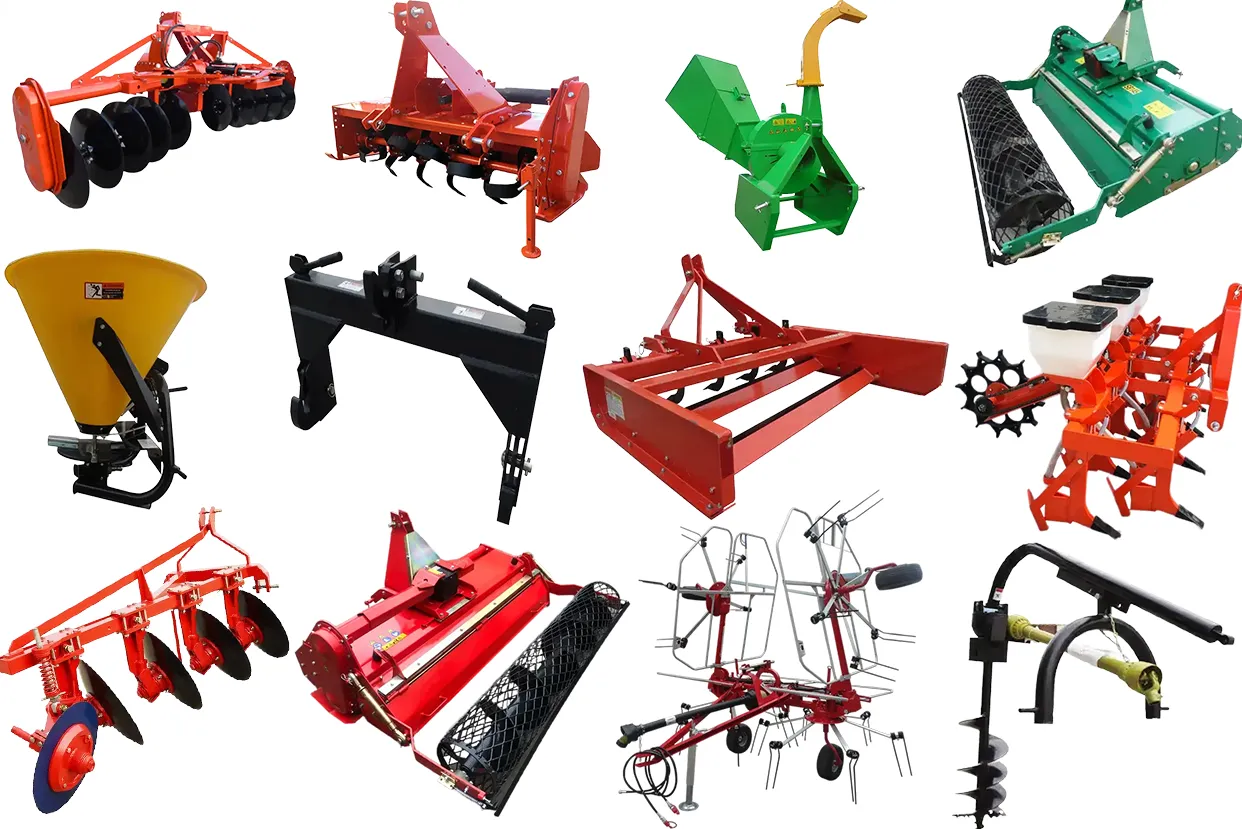
In addition to corn seeders, we provide a comprehensive range of agricultural machinery including PTO shafts, agricultural gearboxes, large round balers, mini round balers, hay square balers, PTO wood chippers, diesel wood chippers, drum mowers, disc mowers, rotary hay rakes, lawn mowers, sickle bar mowers, rotary mowers, rotary tillers, land levelers, furrow ploughs, disc harrows, disc blades, disc ridgers, disc ploughs, potato planters, potato harvesters, wheat seeders, vegetable seeders, post hole diggers, boom sprayers, agricultural subsoiler, agricultural trailers, finger wheel rake, snow blower, road sweeper, and more. This extensive product lineup reflects our commitment to meeting diverse agricultural needs with quality equipment designed for efficiency and durability.
HZPT is your trusted partner for superior corn seeders and a comprehensive range of agricultural solutions, backed by professionalism, international certifications, customizable options, advanced manufacturing capabilities, and reliable after-sales support.

Author: Yjx
Additional information
| Editor | Yjx |
|---|
Related products
-
Corn Wheat Bean Coating Machine: An Advanced Solution for High Productivity
-
3 Rows Corn Seeder Planting Machine
-
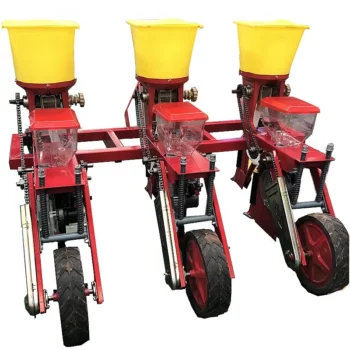
Corn Seeder: High Productivity & Exceptional Performance
-
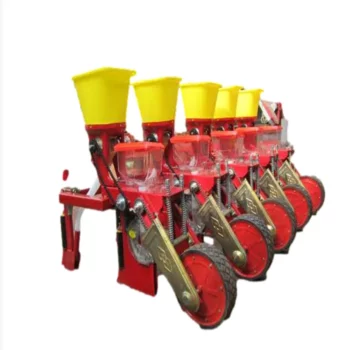
Sweet Corn Machine: A High-Productivity Solution for Your Farming Needs
-
Manual Corn Seeder: High Productivity Agricultural Solution
-
Corn Planting Machine

We promise will offer the best price by the high quality in china! We also accept special order about the products. If you are interested in our products. Please do not hesitate to let us know.We are pleased to give you the detailed information.We promise that our products would be safety and were in high quality and reasonable price. If you are interested in our products, please contact us asap.We are sincerely looking for your cooperation.
Most of our products are exported to Europe or Americas, both standard and nonstandard products available. We can produce as per your drawing or sample. Material can be standard or as per your special request. If you choose us, you choose reliable.
Industries We Service
