
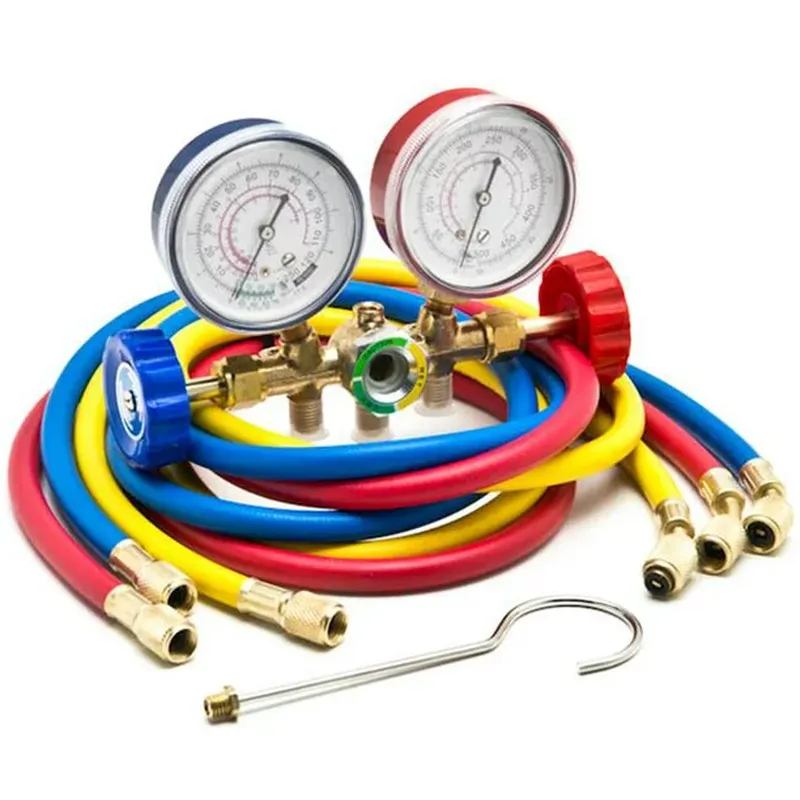
High Pressure Refrigerant Charging Hose TRH-1 for R134a R1234yf R410A R32 Refrigerants
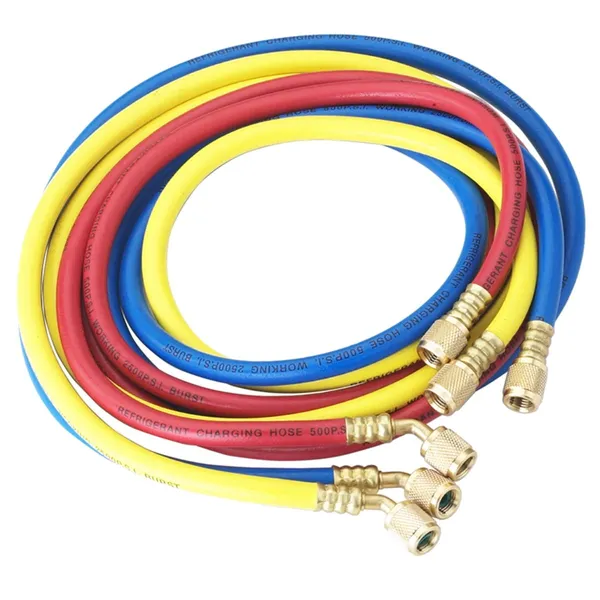
A refrigerant charging hose is a flexible hose used to transfer refrigerant from a charging cylinder or tank to an air conditioning or refrigeration system. The hose is typically made of durable materials such as rubber or braided steel and is designed to withstand the high pressures involved in refrigerant transfer. Refrigerant charging hoses are typically color-coded to identify the type of refrigerant they are designed to handle, such as R-410A, R-22, or R-134a. They also often have fittings on both ends that can be securely attached to the charging cylinder or tank on one end and the service port on the air conditioning or refrigeration system on the other end.
High Pressure Refrigerant Charging Hose TRH-1 for R134a R1234yf R410A R32 Refrigerants
A refrigerant charging hose is a flexible hose used to transfer refrigerant from a charging cylinder or tank to an air conditioning or refrigeration system. The hose is typically made of durable materials such as rubber or braided steel and is designed to withstand the high pressures involved in refrigerant transfer.
Refrigerant charging hoses are typically color-coded to identify the type of refrigerant they are designed to handle, such as R-410A, R-22, or R-134a. They also often have fittings on both ends that can be securely attached to the charging cylinder or tank on one end and the service port on the air conditioning or refrigeration system on the other end.
It is important to use the correct refrigerant charging hose for the specific type of refrigerant being used, as using the wrong hose can lead to leaks, damage to the system, and even injury to the user. Additionally, refrigerant charging hoses should be regularly inspected for signs of wear or damage and replaced if necessary to ensure safe and effective operation.
▍High Pressure Refrigerant Charging Hose TRH-1
High Strength, Corrosion Resistance
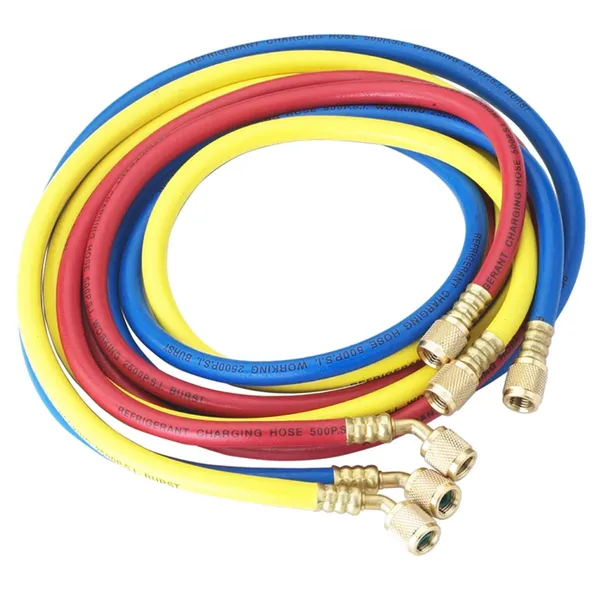
• 3-layer reinforce tube, Safty use with no leakage
• Rated for 800 PSI working pressure
• Suitable for high pressure refrigerants R410A/R32/R134a,etc
 |
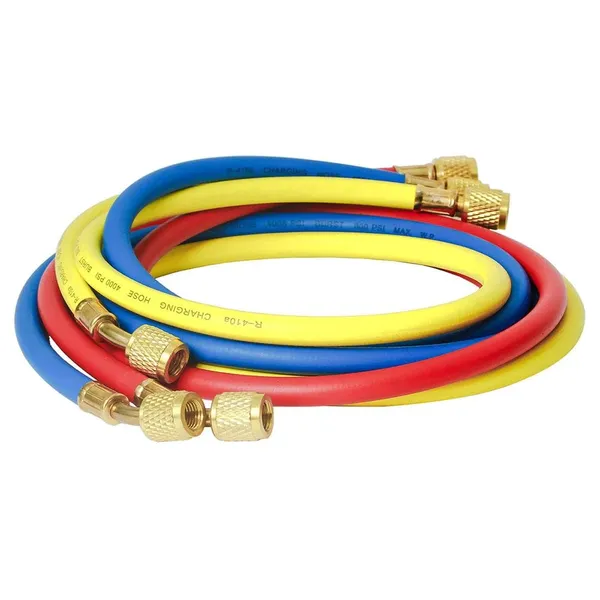 |
▍A/C Refrigerant Charging Hose TRH-1 Technical Data:
| Model | Refrigerant Charging Hose TRH-1 |
| Color | Set of 3 |
| Length | 150cm |
| Working Pressure | 800psi |
| Burst Pressure | 4000psi |
| Fittings | 1/4″-1/4″(Y) 1/4″-5/16″(R) 1/4″-5/16″(B) |
▍Benefits of Using an A/C Refrigerant Charging Hose
There are several benefits to using an A/C refrigerant charging hose, including:
1. Efficient refrigerant transfer: A refrigerant charging hose is designed to efficiently transfer refrigerant from the charging cylinder or tank to the air conditioning or refrigeration system. This helps ensure that the system is properly charged and operating at peak efficiency.
2. Accurate charging: A refrigerant charging hose typically has a built-in pressure gauge or can be used with a separate gauge. This allows for accurate measurement of the refrigerant pressure and ensures that the system is properly charged to the manufacturer's specifications.
3. Safe operation: A refrigerant charging hose is designed to withstand the high pressures involved in refrigerant transfer, reducing the risk of leaks or other safety hazards. Additionally, using the correct hose for the specific type of refrigerant being used helps ensure safe and effective operation.
4. Easy to use: A refrigerant charging hose typically has fittings on both ends that can be easily attached to the charging cylinder or tank and the service port on the air conditioning or refrigeration system. This makes it easy to use and reduces the risk of errors or accidents during the charging process.
Overall, using an A/C refrigerant charging hose can help ensure safe, efficient, and accurate charging of air conditioning and refrigeration systems, leading to improved performance and reduced energy costs.
▍A/C Refrigerant Charging Hose Use Operation Steps
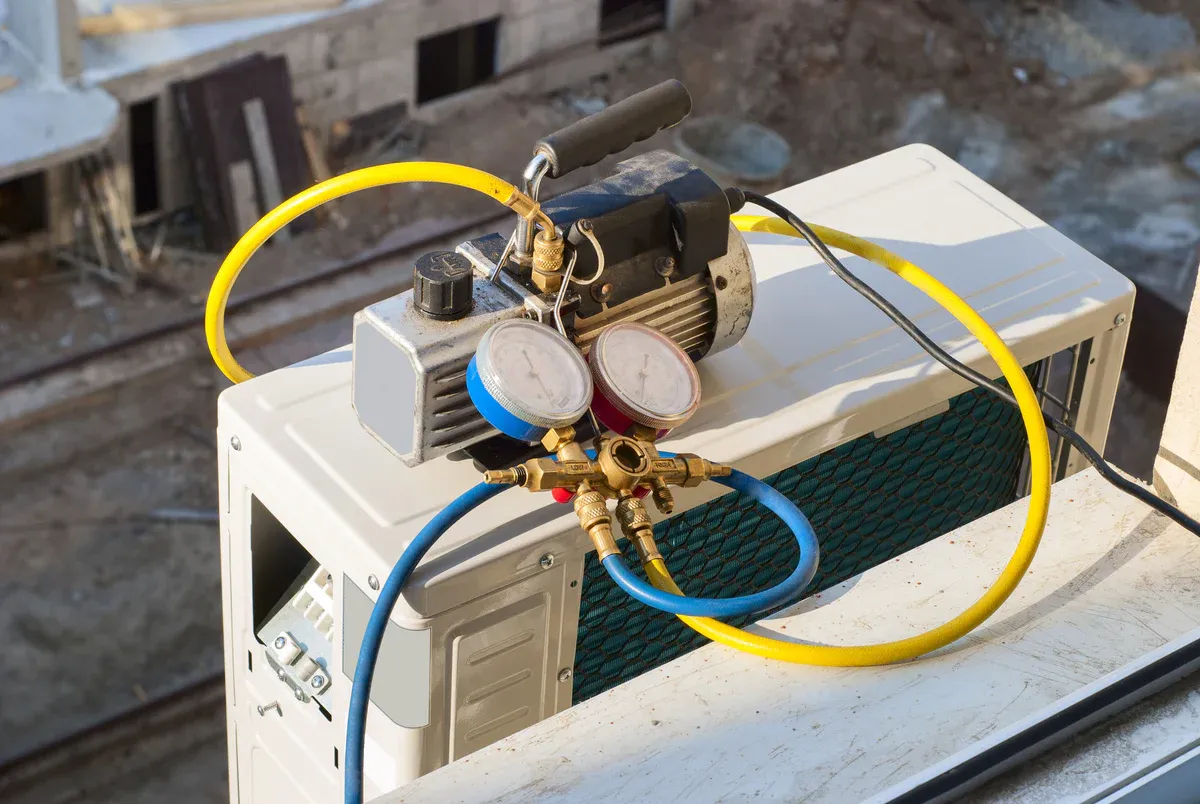
Here are the general steps for using an A/C refrigerant charging hose:
(1) Prepare the system: Before charging the system, make sure that it is turned off and that the service valves are closed. Check the manufacturer's instructions for any specific preparation steps that may be required.
(2) Attach the hose fittings: Attach one end of the refrigerant charging hose to the charging cylinder or tank, making sure that the connection is secure. Attach the other end of the hose to the service port on the air conditioning or refrigeration system, again ensuring a secure connection.
(3) Open the service valves: Open the service valves on the system. This will allow refrigerant to flow into the system.
(4) Charge the system: Slowly open the valve on the charging cylinder or tank to allow refrigerant to flow into the system. Use a pressure gauge to monitor the refrigerant pressure and ensure that the system is properly charged to the manufacturer's specifications. Be sure to follow the manufacturer's instructions for the amount of refrigerant to add.
(5) Close the service valves: Once the system is properly charged, close the service valves on the system.
(6) Disconnect the hose fittings: Disconnect the refrigerant charging hose from the charging cylinder or tank and the service port on the air conditioning or refrigeration system. Be sure to follow proper safety procedures for handling and disposing of the refrigerant, as it can be hazardous if not handled correctly.
Overall, it is important to follow the manufacturer's instructions and all safety procedures when using an A/C refrigerant charging hose to ensure safe and effective operation.
 |
 |
▍A/C Refrigerant Charging Hose Troubleshooting
Here are some common troubleshooting steps for A/C refrigerant charging hoses:
Check for leaks: If you suspect that there may be a leak in the refrigerant charging hose, you can use a leak detector or soap and water to check for leaks. If a leak is detected, the hose should be repaired or replaced before continuing to use it.
Check the fittings: Inspect the fittings on both ends of the refrigerant charging hose to ensure that they are securely attached. Loose fittings can cause leaks or other safety hazards.
Check the pressure gauge: If the pressure gauge on the refrigerant charging hose is not working properly, it may need to be calibrated or replaced. Use a separate pressure gauge to confirm the refrigerant pressure if necessary.
Check the hose for damage: Inspect the refrigerant charging hose for any signs of damage, such as cuts, cracks, or bulges. If any damage is found, the hose should be replaced before continuing to use it.
Check for clogs: If the refrigerant charging hose is not allowing refrigerant to flow properly, it may be clogged. Use a cleaning solution or air compressor to clear any clogs before using the hose again.
Check for compatibility: Make sure that the refrigerant charging hose is compatible with the type of refrigerant being used. Using the wrong hose can lead to leaks or other safety hazards.
If any issues are found with the refrigerant charging hose, it is important to address them promptly to ensure safe and effective operation. If in doubt, it is always best to consult with a qualified HVAC technician for assistance. We can also provide other HVAC tools and HVAC equipment for your need.
 |
 |
Additional information
| Editor | Yjx |
|---|
Related products
-
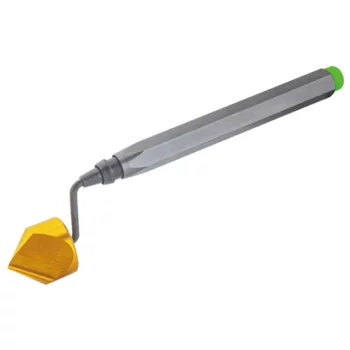
Tubing Deburr Tool TD-1 TD-2 for Remove HVAC Tubing Inside and Outside Edges Burrs
-
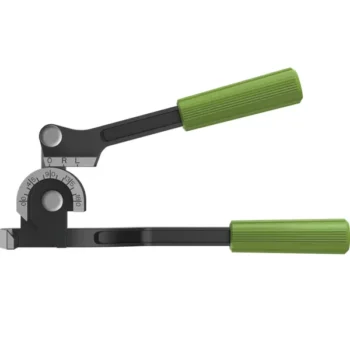
3-In-1 Lever Tube Bender TB-3 TB-3M for Bending Refrigeration Copper Pipe or Tubing
-
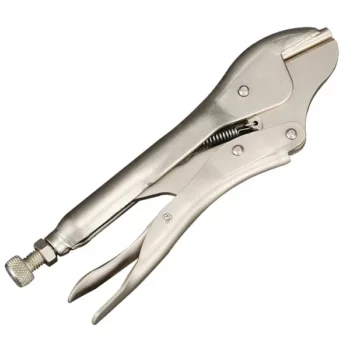
Refrigeration Tools Pinch off Locking Pliers PCL-1 for Refrigeration System Copper Tubing & Pipes
-
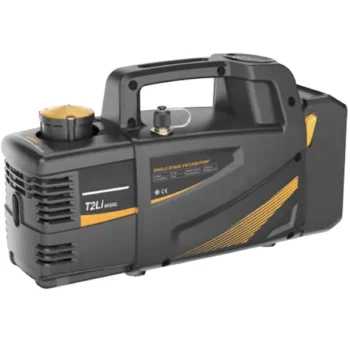
Cordless Refrigerant Vacuum Pump T2Li T4Li 2T2Li for Refrigeration Systems and Air Conditioning
-
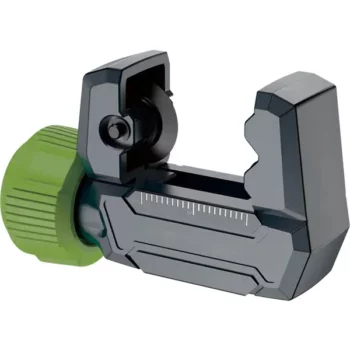
HVAC Tools Tubing Cutters TC-19 TC-32 TC-54 for Cut HVAC Systems Coppers
-
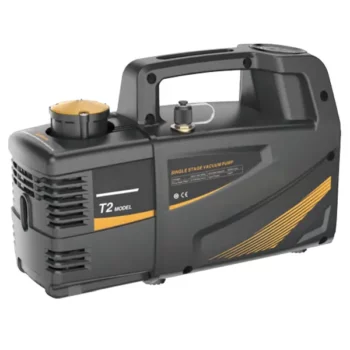
Single Stage Refrigerant Vacuum Pump T2/T4/T6/T8/T10/T12 R32 for Rooftop A/C Systems and Refrigeration Unit

We promise will offer the best price by the high quality in china! We also accept special order about the products. If you are interested in our products. Please do not hesitate to let us know.We are pleased to give you the detailed information.We promise that our products would be safety and were in high quality and reasonable price. If you are interested in our products, please contact us asap.We are sincerely looking for your cooperation.
Most of our products are exported to Europe or Americas, both standard and nonstandard products available. We can produce as per your drawing or sample. Material can be standard or as per your special request. If you choose us, you choose reliable.
Industries We Service
