
Tank Condensate Pump PC-125A/L PC-250A PC-320A PC-600A for Central Air Conditioning and Floor Stand Air Conditioning
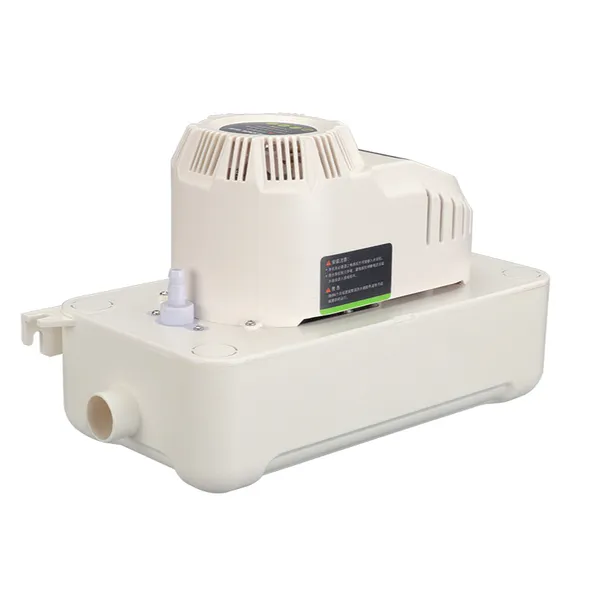
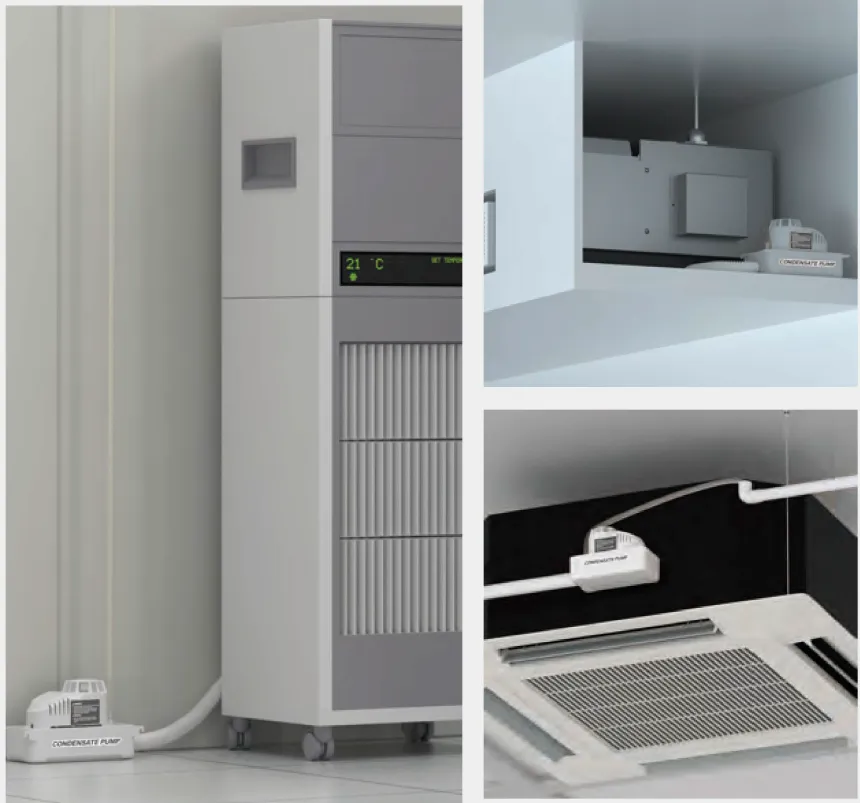
A tank condensate pump is a type of pump used in HVAC (heating, ventilation, and air conditioning) systems to remove water that has accumulated in a condensate tank. In HVAC systems, air is cooled as it passes over a coil that contains a refrigerant. As the air is cooled, moisture in the air condenses on the coil and drips into a condensate pan or tank. The tank condensate pump is used to remove the water from the tank and pump it out of the system. The pump is typically located in the condensate tank and is activated by a float switch when the water level in the tank reaches a certain level. Tank condensate pumps are used in a variety of HVAC systems, including central air conditioning units, air handling units, and commercial refrigeration systems.
Tank Condensate Pump PC-125A/L PC-250A PC-320A PC-600A for Central Air Conditioning and Floor Stand Air Conditioning
A tank condensate pump is a type of pump used in HVAC (heating, ventilation, and air conditioning) systems to remove water that has accumulated in a condensate tank. In HVAC systems, the air is cooled as it passes over a coil that contains a refrigerant. As the air is cooled, moisture in the air condenses on the coil and drips into a condensate pan or tank.
The tank condensate pump is used to remove the water from the tank and pump it out of the system. The pump is typically located in the condensate tank and is activated by a float switch when the water level in the tank reaches a certain level.
Tank condensate pumps are used in a variety of HVAC systems, including central air conditioning units, air handling units, and commercial refrigeration systems. They are designed to be reliable and efficient and are usually made of durable materials such as stainless steel or cast iron to withstand the corrosive effects of the water and other materials in the system.
▍Tank Condensate Pump PC-125A/L
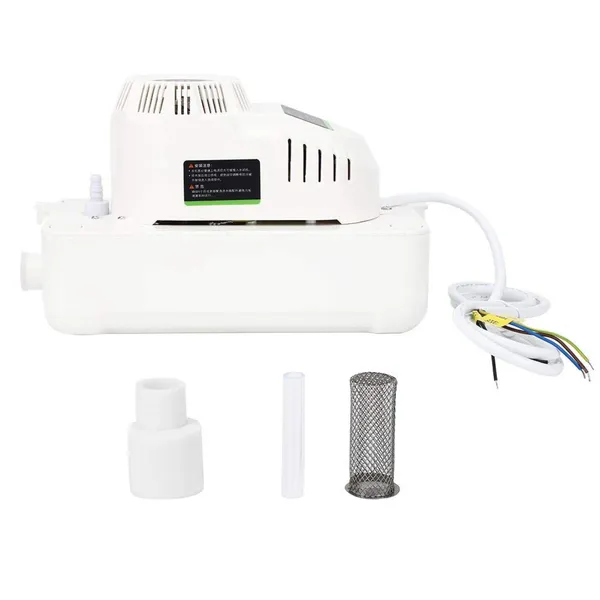 |
Stable Operation, Easy Installation
• Fan-cooled motor for stable operation |
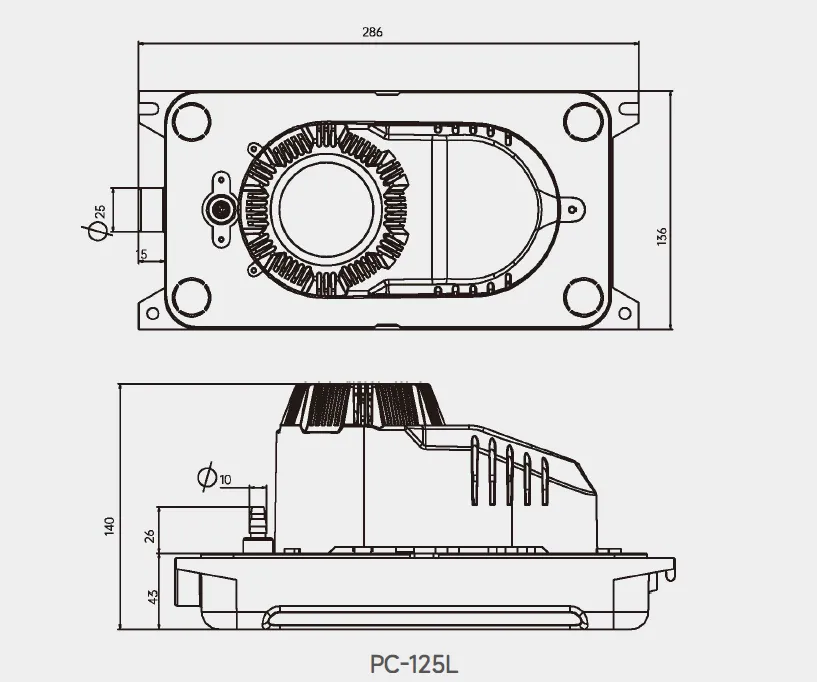
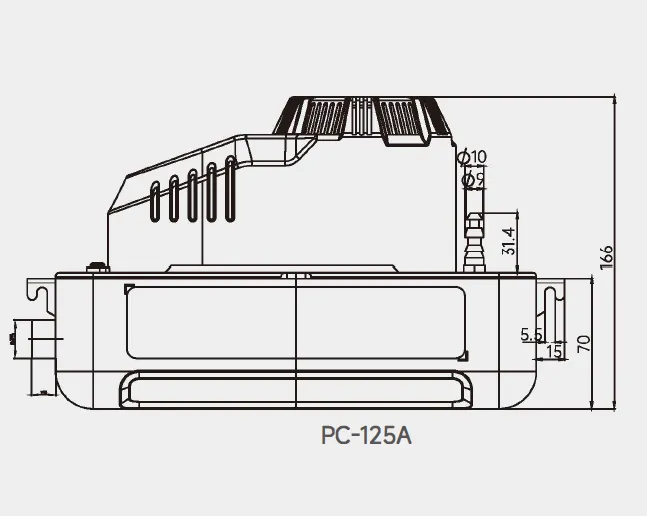
▍Tank Condensate Pump PC-125A/L Dimensions:
 |
 |
▍Tank Condensate Pump PC-125A/L Technical Data:
| Model | PC-125A | PC-125L |
| Voltage | 230V~/50-60Hz or 100-120V~/50-60Hz | |
| Discharge head | Max.4m (13ft) | |
| Flow rate | Max.125L/h (33GPH) | |
| Tank capacity | 1.0L | 1. 8L |
| Sound level at 1m | 40dB(A) | |
| Ambient temp | 0°C ~ 50°C | |
| Power consumption | 60W | |
| Tank Condensate Pump PC-125A/L Flow Rate | Tank Condensate Pump PC-125A/L Instructions |
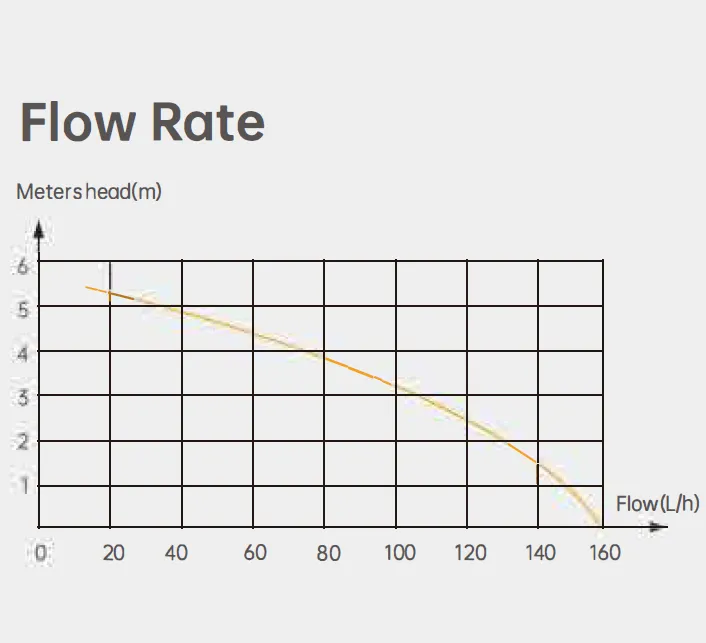 |
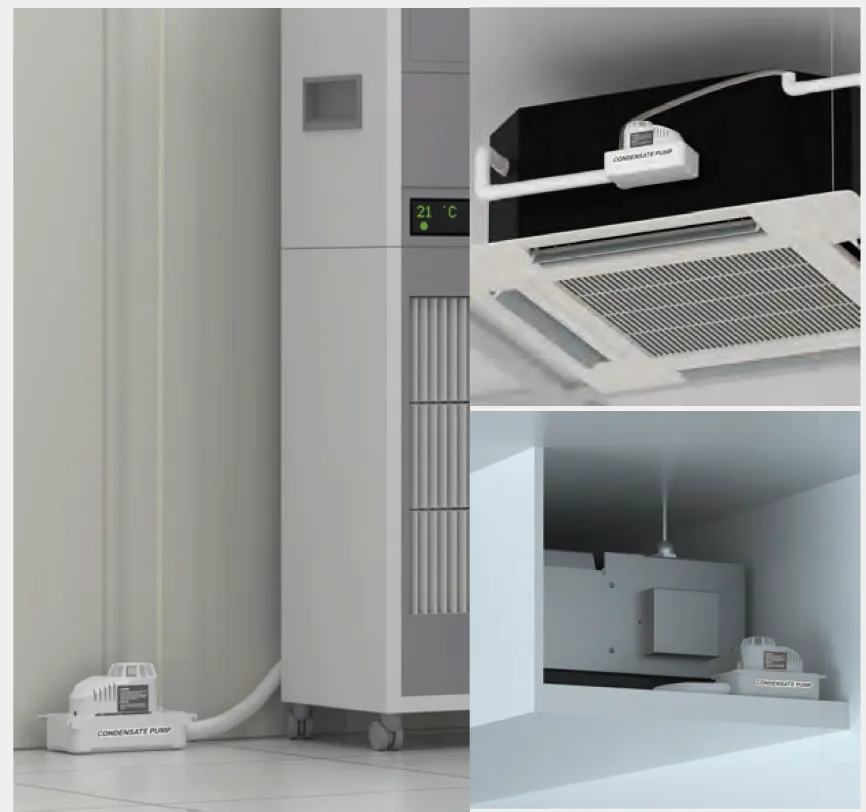 |
▍Tank Condensate Pump PC-250A
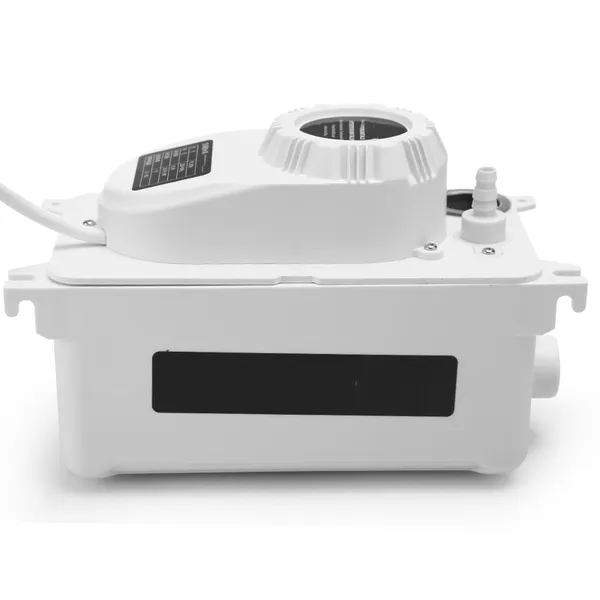 |
Lightweight design, Superior performance • Silent operation with 26db(A) • Splash proof&dust proof design • Easy access tank and maintenance • Anti-backflow design |
▍Tank Condensate Pump PC-250A Dimensions:
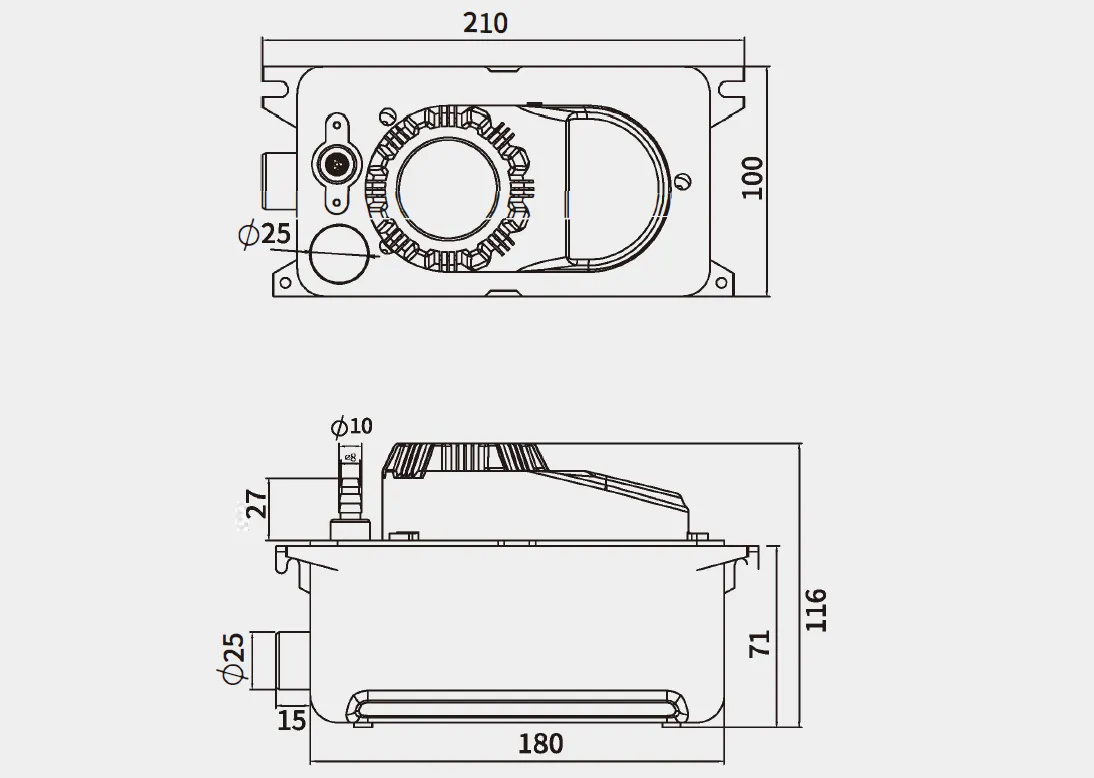
▍Tank Condensate Pump PC-250A Technical Data:
| Model | PC-250A |
| Voltage | 100-230V~/50-60Hz |
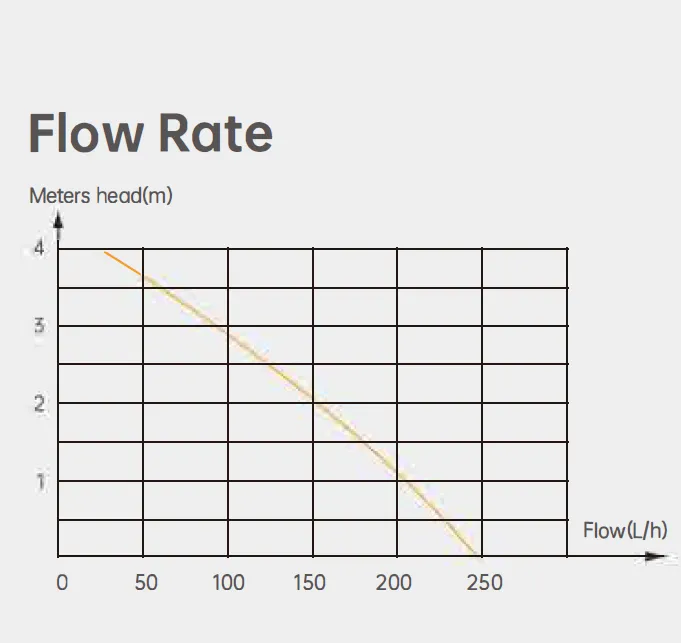
| Discharge head | Max.4.2m(14ft) |
| Flow rate | Max.250L/h(66GPH) |
| Tank capacity | 1L |
| Sound level at 1m | 26dB(A) |
| Ambient temp | 0°C ~ 50°C |
| Power consumption | 15W |
| Tank Condensate Pump PC-250A Flow Rate | Tank Condensate Pump PC-250A Instructions |
 |
 |
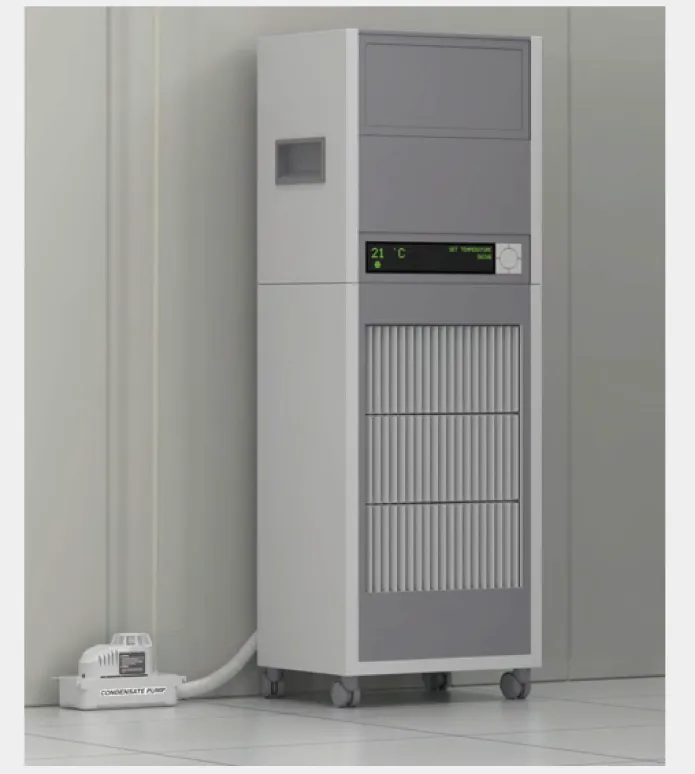
▍Tank Condensate Pump PC-320A
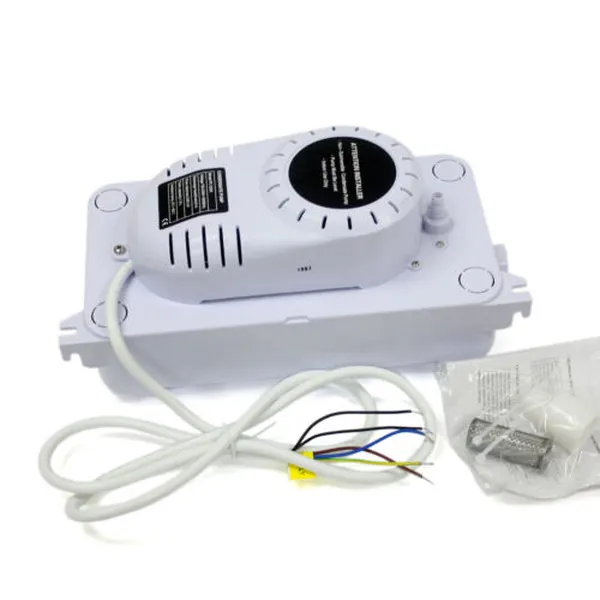 |
Low Height, Big Lift
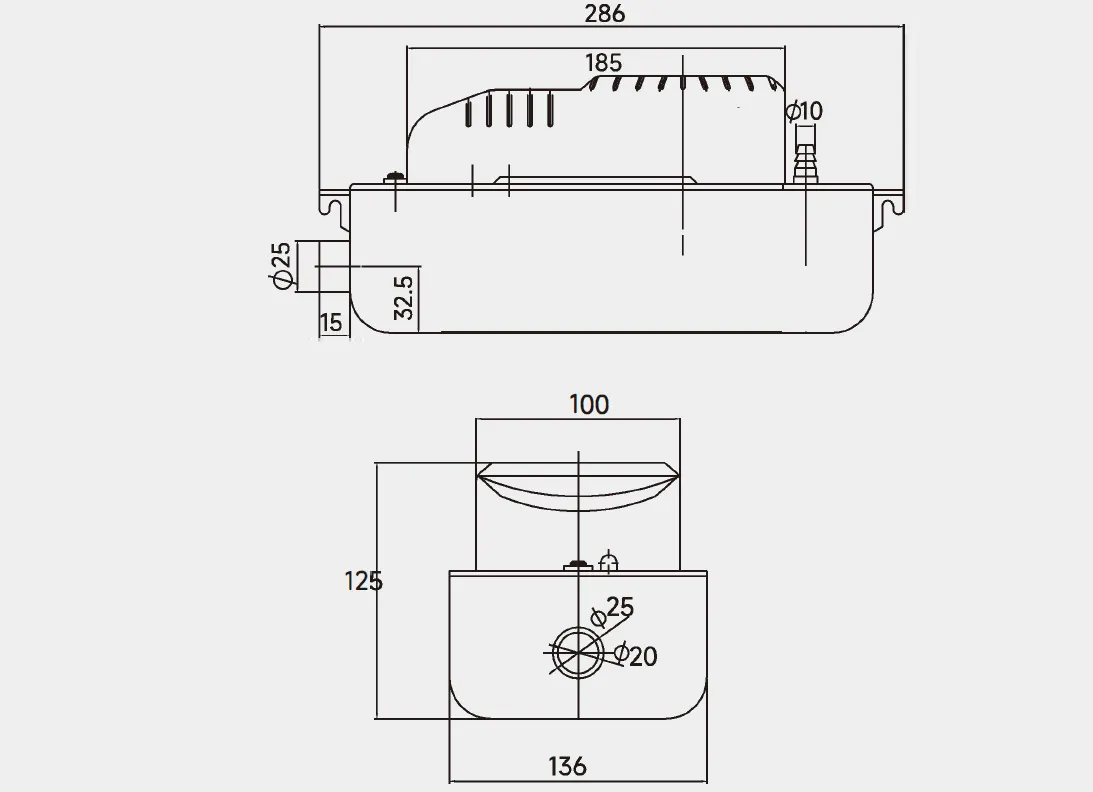
• Low profile for limited spaces(126mm height) |
▍Tank Condensate Pump PC-320A Dimensions:
▍Tank Condensate Pump PC-320A Technical Data:
| Model | PC-320A |
| Voltage | 100-230V~/50-60Hz |
| Discharge head | Max.6m(20ft) |
| Flow rate | Max.320L/h(85GPH) |
| Tank capacity | 1.8L |
| Sound level at 1m | 28dB(A) |
| Ambient temp | 0°C ~ 50°C |
| Power consumption | 20W |
| Tank Condensate Pump PC-320A Flow Rate | Tank Condensate Pump PC-320A Instructions |
 |
 |
▍Tank Condensate Pump PC-600A
 |
Ultra-high Lift, Super Big Flow
• Super performance(12M lift,600L/h flowrate) |
▍Tank Condensate Pump PC-600A Dimensions:
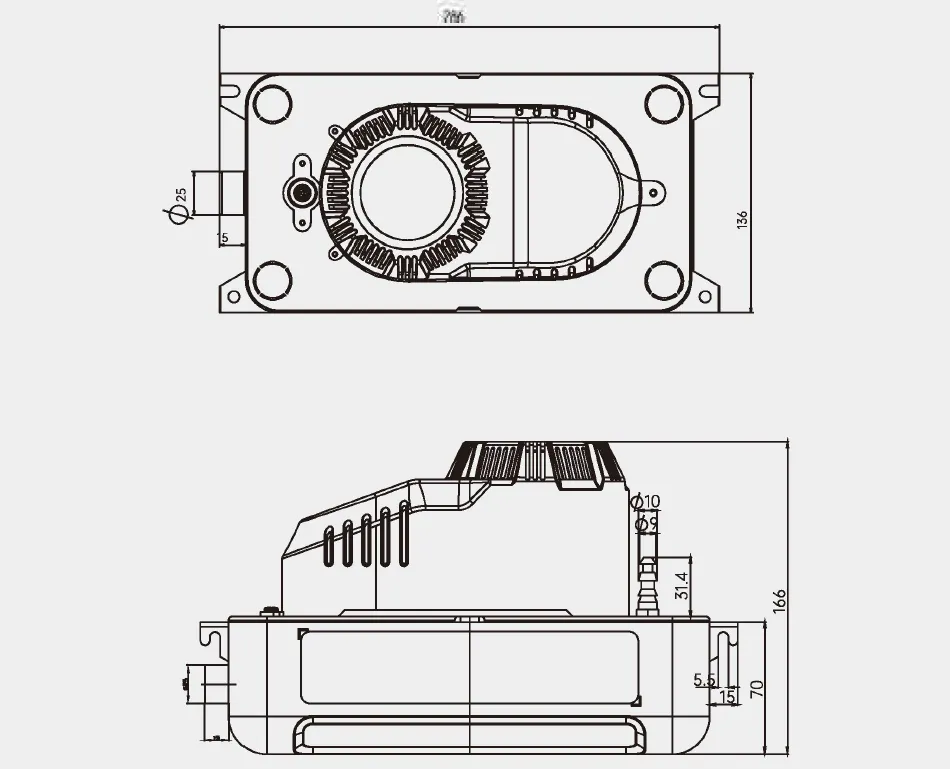
▍Tank Condensate Pump PC-600A Technical Data:
| Model | PC-600A |
| Voltage | 230V~/50-60Hz or 100-120V~/50-60Hz |
| Discharge head | Max.12m (40ft) |
| Flow rate | Max.600L/h (153GPH) |
| Tank capacity | 1. 8L |
| Sound level at 1m | 60dB(A) |
| Ambient temp | 0°C ~ 50°C |
| Power consumption | 85W |
| Tank Condensate Pump PC-600A Flow Rate | Tank Condensate Pump PC-600A Instructions |
 |
 |
▍Features of Tank Condensate Pump
The features of a tank condensate pump can vary depending on the manufacturer and model, but some common features include:
1. Automatic operation: A float switch or other sensor is used to automatically activate the tank condensate pump when the water level in the tank reaches a certain level.
2. High pumping capacity: Tank condensate pumps are designed to handle large volumes of water quickly, which helps to prevent overflow and damage to the HVAC system.
3. Durable construction: The tank condensate pump is typically made of corrosion-resistant materials such as stainless steel or cast iron, which helps to ensure long-lasting performance.
4. Low noise operation: Many tank condensate pumps are designed to operate quietly, which helps to reduce noise pollution in the building.
4. Safety features: Some tank condensate pumps may include safety features such as thermal overload protection or built-in alarms to alert users to potential issues.
Easy installation: Tank condensate pumps are usually easy to install and can be mounted directly in the condensate tank or nearby.
Maintenance features: Some tank condensate pumps may include features such as removable strainers or easy-to-clean surfaces, which can make maintenance and cleaning easier.
Overall, tank condensate pumps are designed to be reliable, efficient, and easy to use, helping to ensure that HVAC systems run smoothly and efficiently.
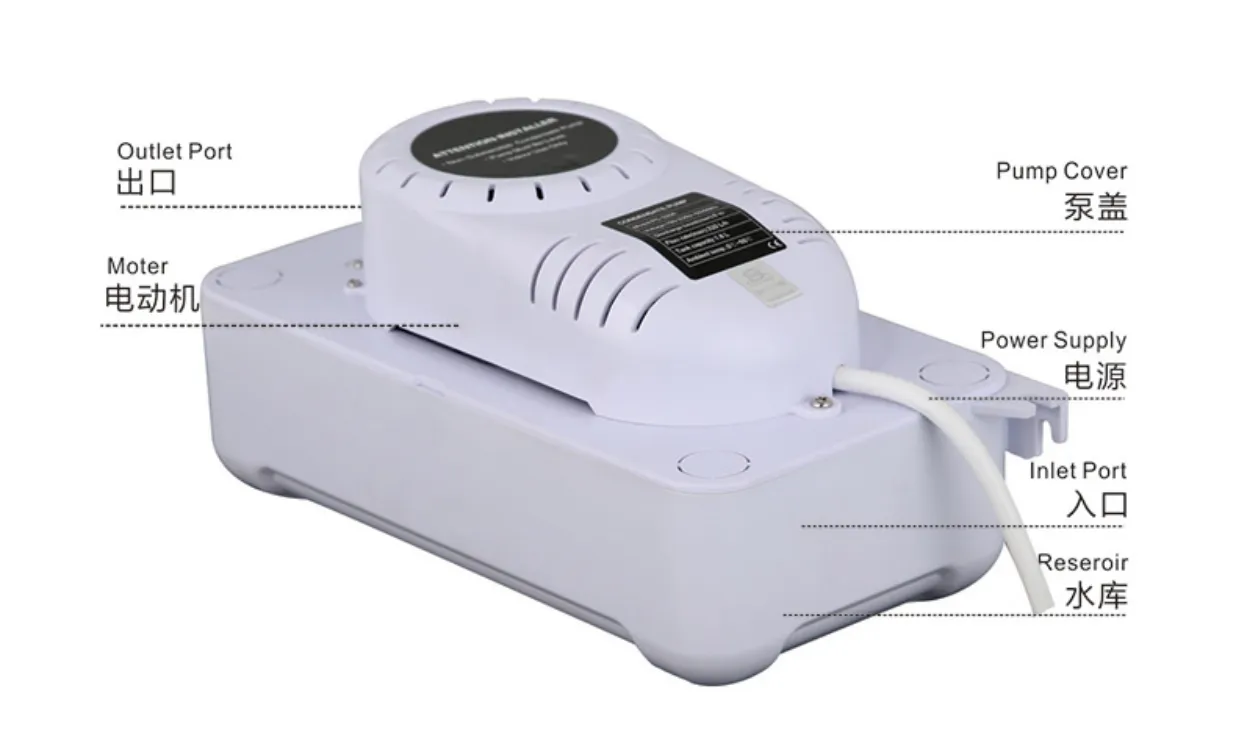
▍How to Clean Tank Condensate Pump?
Regular cleaning of the tank condensate pump is important to ensure that it operates efficiently and reliably. Here are the steps to clean a tank condensate pump:
(1) Turn off the power supply to the HVAC system and unplug the tank condensate pump.
(2) Remove the tank condensate pump from the condensate tank and detach any hoses or pipes connected to it.
(3) Empty any remaining water from the tank condensate pump and wipe it down with a clean, damp cloth.
(4) Use a soft-bristled brush or a toothbrush to gently scrub the tank condensate pump's impeller and other parts to remove any debris or buildup.
(5) Rinse the tank condensate pump thoroughly with clean water to remove any remaining debris.
(6) Reassemble the tank condensate pump and reconnect any hoses or pipes.
(7) Replace the tank condensate pump in the condensate tank and plug it back in.
(8) Turn on the power supply to the HVAC system and test the tank condensate pump to ensure it is working properly.
It's important to follow the manufacturer's instructions for cleaning and maintenance, as some tank condensate pumps may require different cleaning methods or schedules. Regular cleaning and maintenance can help to prolong the life of the pump and ensure that it operates efficiently, reducing the risk of damage to the HVAC system.
▍Tank Condensate Pump Purpose
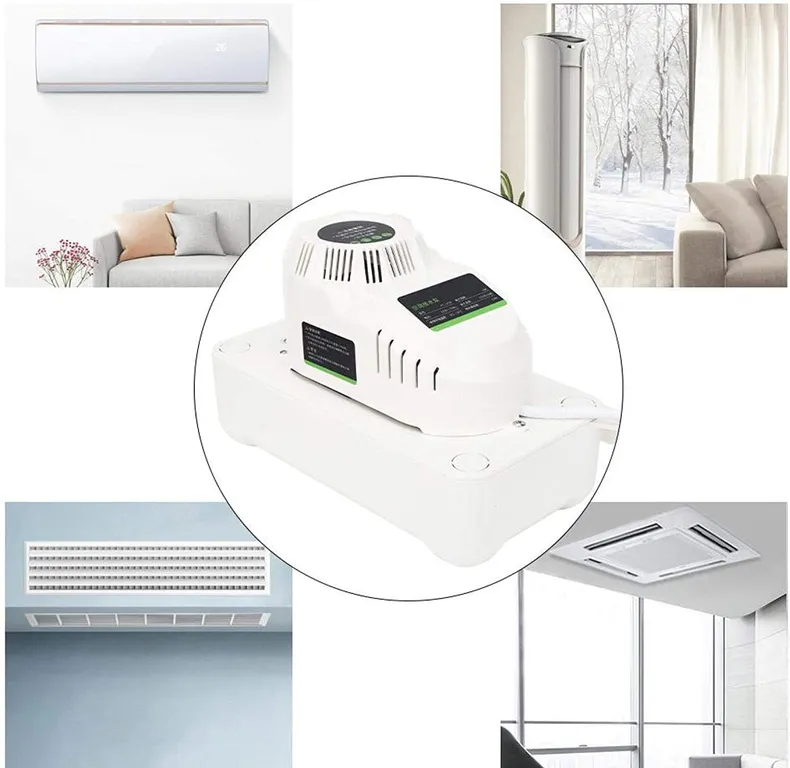
The purpose of a tank condensate pump is to remove water that has accumulated in a condensate tank in HVAC (heating, ventilation, and air conditioning) systems. In HVAC systems, the air is cooled as it passes over a coil that contains a refrigerant. As the air is cooled, moisture in the air condenses on the coil and drips into a condensate pan or tank.
Over time, this condensate water can accumulate in the tank, which can lead to overflow, damage to the HVAC system, and environmental hazards such as mold growth. The tank condensate pump is used to remove the water from the tank and pump it out of the system, preventing these issues.
The tank condensate pump is typically located in the condensate tank and is activated by a float switch or other sensor when the water level in the tank reaches a certain level. The tank condensate pump is designed to handle large volumes of water quickly and efficiently and is made of durable materials such as stainless steel or cast iron to withstand the corrosive effects of the water and other materials in the system.
Overall, the purpose of a tank condensate pump is to help ensure that HVAC systems run smoothly and efficiently and to prevent damage and hazards caused by the accumulation of condensate water.
 |
 |
▍Tank Condensate Pump Manufacturers and Suppliers
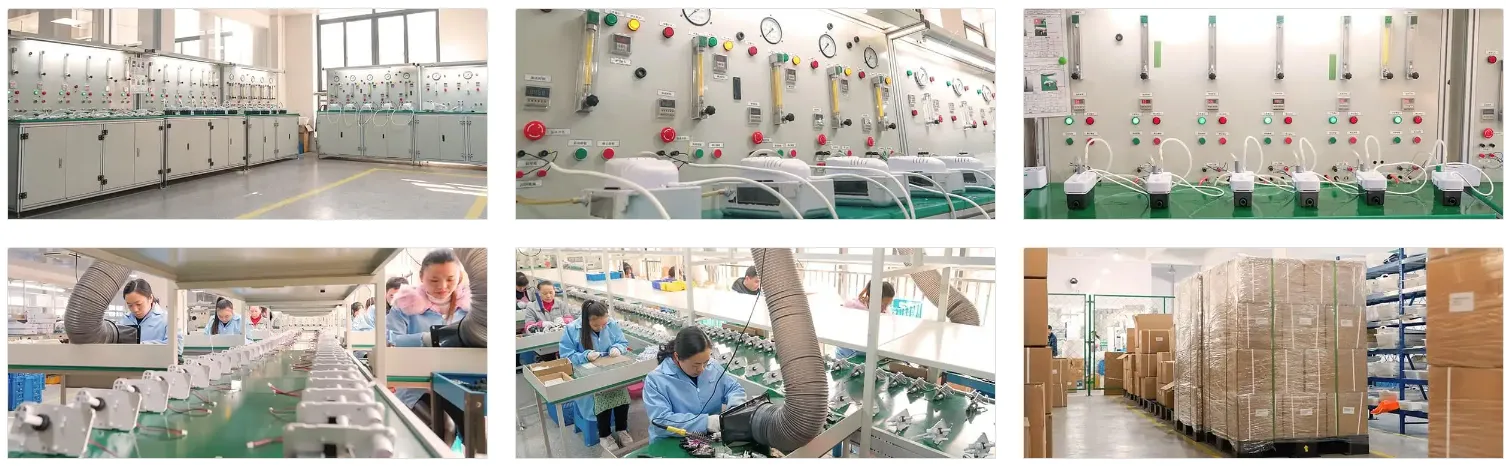
HZPT HVAC condensate pump manufacturer specializes in the development, production, and sales of refrigeration and air conditioning drainage pumps, including air conditioner condensate pumps, mini HVAC condensate pumps, hot water condensate pumps, commercial condensate pumps, automatic condensate pump, etc., which are widely used in air conditioning equipment, heating, and various refrigeration systems.
HZPT HVAC condensate pump manufacturer pays attention to R&D investment, owns more than 20 Chinese patents, and has established a sales network in many countries and regions around the world, supporting 5 famous domestic air conditioning brands.
The company has a complete quality management system and established an incoming inspection and process inspection system to strictly control HVAC condensate pump quality. Send your inquiry now and get a high-quality HVAC condensate pump!
▍FAQ
Q1: Does a condensate pump run all the time?
A1: A condensate pump will only pump out the water from the tank when it reaches a certain level and stop once the water level goes down. If there’s a significant amount of condensate being produced by your HVAC system, then it may seem your pump is running continuously.
Q2: How do you clean a condensate pump?
A2: First, make sure it’s unplugged. Disconnect the pipes both on the inlets and outlet. Remove the top (which contains the motor and wirings) to access the tank at the bottom. Clean the tank and the discharge valve until they’re free from clogs or any debris. Rinse and replace all components.
Q3: What happens if a condensate pump fails?
A3: If your condensate pump fails, the water may overflow and spill. However, if you have a properly working safety switch connected, then it will automatically shut off your dehumidifier or any other appliance to prevent overflow.
Q4: Why is my condensate pump so loud?
A4: Condensate pumps are naturally loud due to the motor and the movement of water. If possible, add insulation to block the noise. But if you notice your unit getting unusually louder, then it may be a case of a clogged drain pipe. It makes a gurgling noise as it tries to push out the excess water and whatever is stuck in there. If you don’t check as soon as possible, it can lead to water leakage.
Q5: How long does a condensate pump last?
A5: Just like any device or appliance, it depends on your usage and maintenance. A lot of users get the most out of their condensate pumps from five years up to ten years.
Additional information
| Editor | Yjx |
|---|
Related products
-
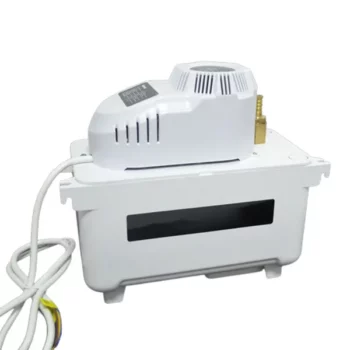
Tank Condensate Pump PC-760A PC-760H for Dehumidifier and Ice Maker
-
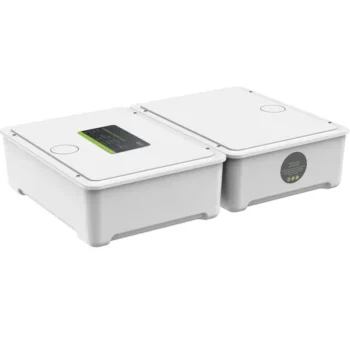
Supermarket Condensate Pump PC-360A for Supermarket Refrigerated Display Cabinets
-
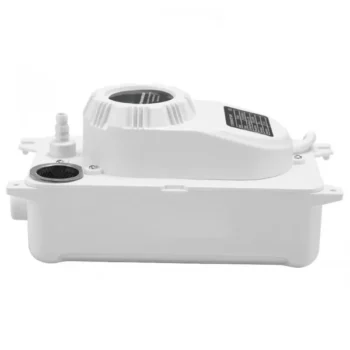
Tank Condensate Pump PC-80A for Central Air Conditioning and Floor Stand Air Conditioning
-
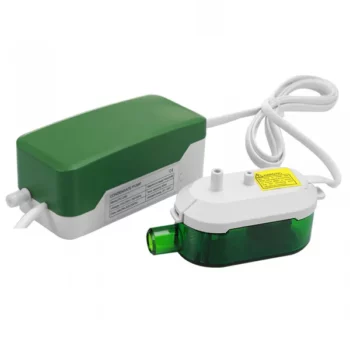
Mini-Split Condensate Pump PC-12B PC-36B for Mini-split HVAC System
-
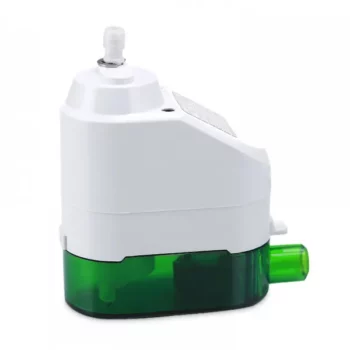
Corner Condensate Pump PC-12C PC-36C for Commercial and Industrial HVAC Systems
-
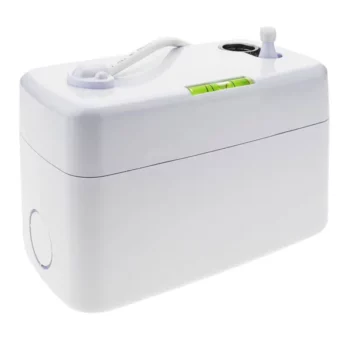
Wall-Mounted Condensate Pump PC-24A PC-40A PC-50A for HVAC Systems

We promise will offer the best price by the high quality in china! We also accept special order about the products. If you are interested in our products. Please do not hesitate to let us know.We are pleased to give you the detailed information.We promise that our products would be safety and were in high quality and reasonable price. If you are interested in our products, please contact us asap.We are sincerely looking for your cooperation.
Most of our products are exported to Europe or Americas, both standard and nonstandard products available. We can produce as per your drawing or sample. Material can be standard or as per your special request. If you choose us, you choose reliable.
Industries We Service
