
Cultivators
Agricultural cultivators, also known as tillage equipment or plows, are essential tools used in agriculture to prepare the soil for planting crops. They are designed to break up, loosen, and mix the soil, creating a favorable environment for seed germination and root growth. Cultivators come in various forms, ranging from traditional hand-operated tools to modern mechanized equipment.
The primary purpose of agricultural cultivators is to perform tillage, which involves manipulating the soil’s physical properties. Tillage helps achieve several objectives, including weed control, seedbed preparation, incorporation of organic matter or fertilizers, and soil aeration. The specific type of cultivator used depends on factors such as the scale of farming operations, soil conditions, crop type, and available resources.
Traditional hand cultivators, such as hoes or hand forks, are simple tools that are typically used for small-scale or subsistence farming. These tools require manual labor and are suitable for loosening the soil in small areas or around individual plants.
Agricultural cultivators are powered by tractors or other machinery and are commonly used in large-scale agriculture. They are available in various designs, including moldboard plows, disc harrows, rotary tillers, and chisel plows. Each type of cultivator has its own advantages and is suited for different soil conditions and purposes.
Showing 1–30 of 182 resultsSorted by popularity
-
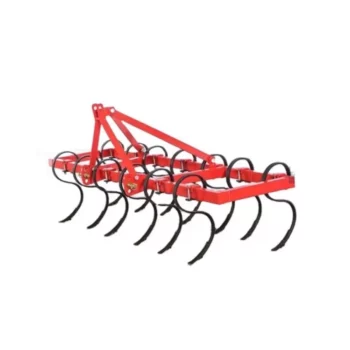
Tiller Cultivator Corn tillage weeding machine
-
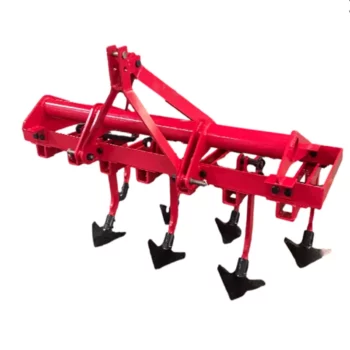
3-Point Cultivator: Your Ultimate Choice for High Productivity
-
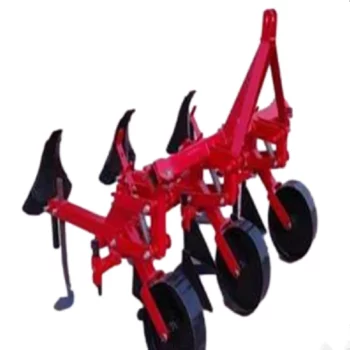
Farm Equipment ATV Cultivator: A Powerful Tool for Modern Farming
-
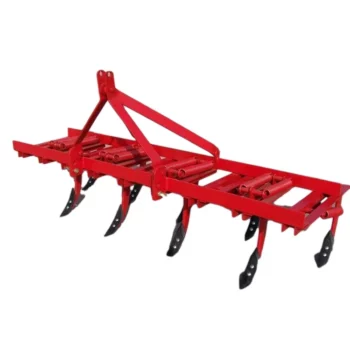
Selling Spring Tooth Cultivator: A New Innovation in Farming
-
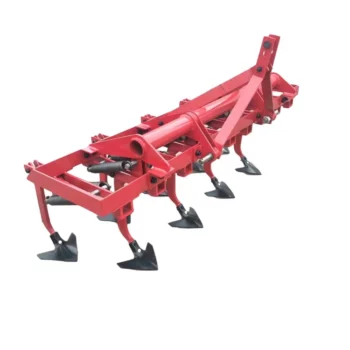
3ZT-1.8 Spring Cultivator for Tractor: A Comprehensive Guide
-
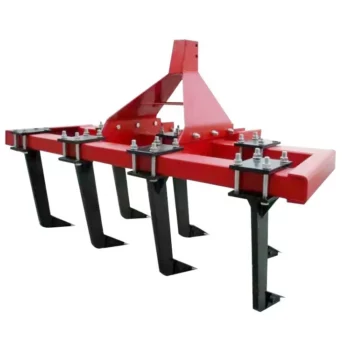
3 Points Mounted Tractor Box Blades Land Scraper
-
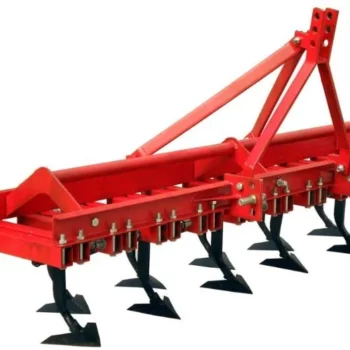
Power Tiller Weeder: A New and High-Productivity Farm Cultivator
-
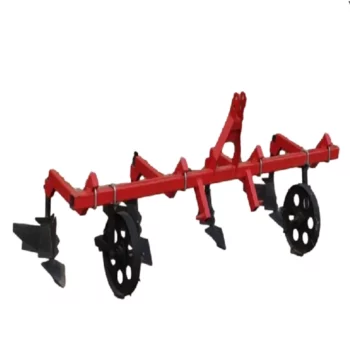
Agricultural Machinery Equipment 3 point linkage cultivator
-
Rotary Tiller Cultivator: A Versatile Farming Tool for Modern Agriculture
-
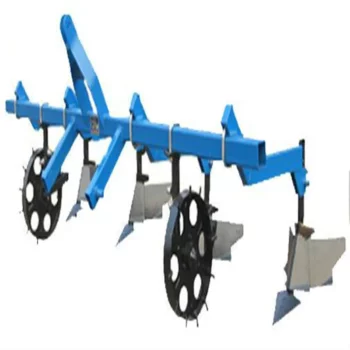
Honda Tillers and Cultivators: The Ultimate Power Tools for Your Farm
-
Farm Equipment Weima Cultivator: The Ultimate Agricultural Tool
-
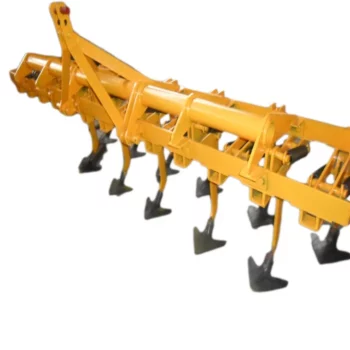
Farm Machinery Tasoon Cultivator
-
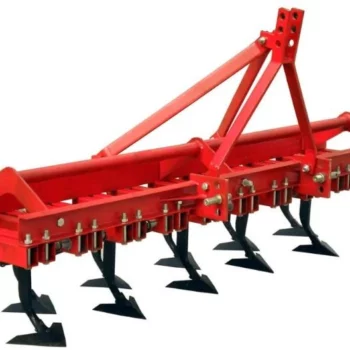
7 Tine Spring Cultivator: An Essential Tool for High Productivity in Farming
-
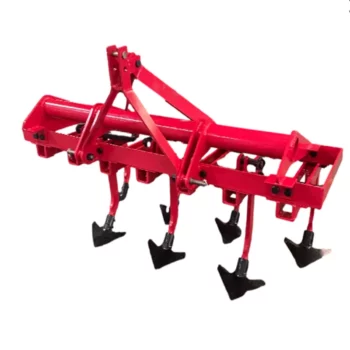
Spring Tine Cultivator for Tractor
-
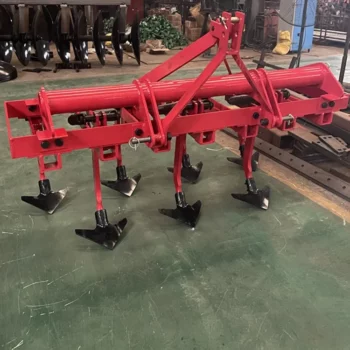
3 Point Hitch Cultivator Mounted Spring Tine Cultivator Shovel Plow: A Powerful Tool for Farming
-
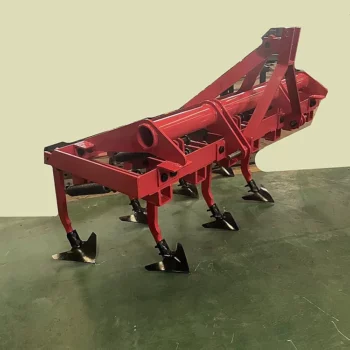
Farm Cultivator: Chinese Cultivators Inter Row Rotary Cultivator
-
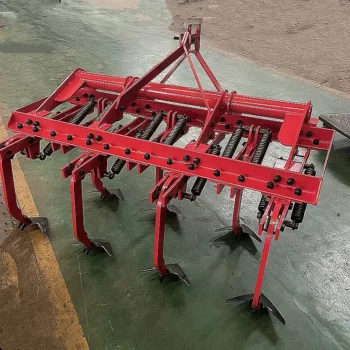
Farm Machinery Hand Diesel Rotary Cultivator for Sale
-
Agricultural Equipment Subsoiler for Tractor: An Essential Tool for Modern Farming
-
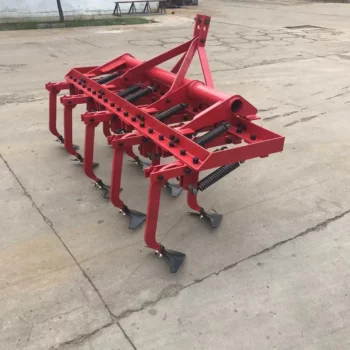
Subsoiler and Deep Ripper
-
Chisel Plow Power Type: Diesel
-
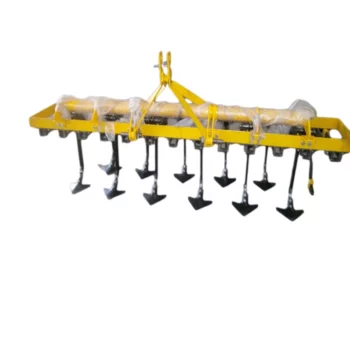
9 Tynes Cultivator Spring Loaded
-
Corn Cultivator: A Comprehensive Guide
-
S Tine Cultivator: A New Age Farm Cultivator
-
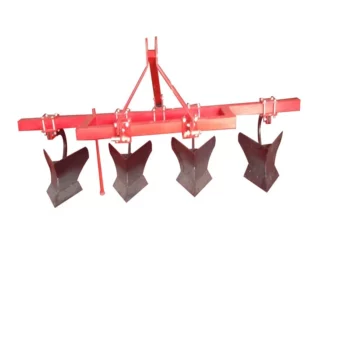
Uses of Ridger in Agriculture
-
Horse Drawn Plough: A Modern Solution for Traditional Farming
-
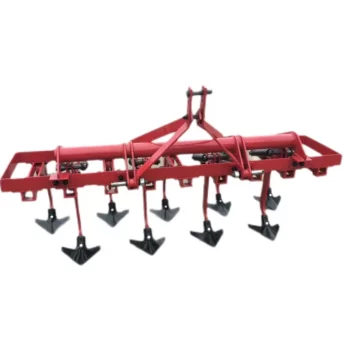
65Mn S spring tines for cultivator 3S-2.2
-
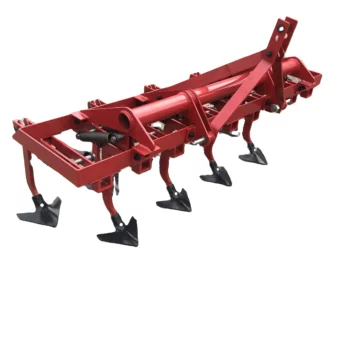
Farm Equipment Cultivator Shovel Plow
-
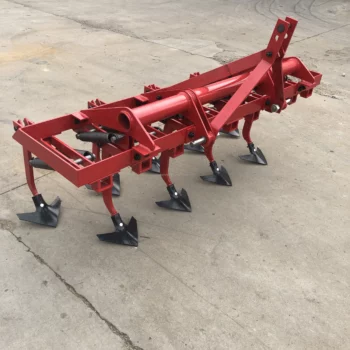
HZPT 3s Cultivator Subsoiler Tiller Field Soil Preparation Mounted Machine
-
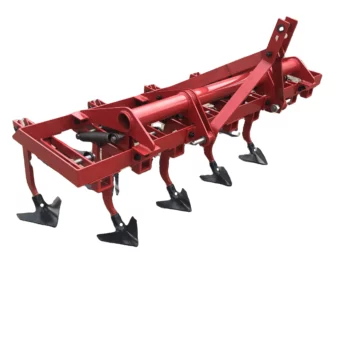
Hot Sale Chisel Plough Tractor Deep Loosening Cultivator Machine Tiller
-
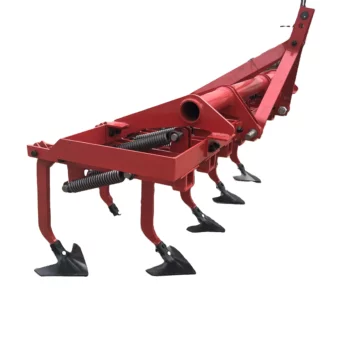
Farm Tiller Cultivator Soybean Corn Field Weeder Mounted with Tractor