
Disc Blades
Agricultural disc blades are essential components of various farming equipment, such as disc harrows, plows, and cultivators. They are circular, flat metal discs that are designed to cut through soil and vegetation, preparing the land for planting or cultivation. Disc blades are commonly used in agricultural practices to break up soil, incorporate crop residue, control weeds, and create seedbeds.
The design and construction of agricultural disc blades are crucial for their effectiveness and durability. They are typically made of high-quality steel, which provides strength and resistance to wear and tear. The blades are manufactured with precision, ensuring a uniform thickness and a sharp cutting edge. The cutting edge may be smooth or serrated, depending on the specific application and soil conditions.
The size and configuration of disc blades can vary depending on the intended use. They come in various diameters, ranging from a few inches to several feet, and the thickness of the blade can also vary. The blades are mounted on a disc harrow or other equipment, and they rotate as the machinery moves forward, cutting through the soil and vegetation.
Agricultural disc blades are designed to withstand the demanding conditions encountered in the field. They need to be able to penetrate the soil effectively, resist impact and bending forces, and maintain their cutting edge over extended periods of use. Regular maintenance, including sharpening and replacement when necessary, is essential to ensure optimal performance.
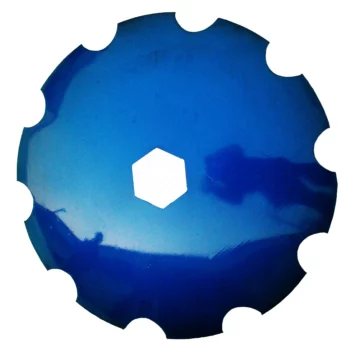
When selecting disc blades, farmers consider factors such as soil type, moisture levels, crop residue, and the desired depth and intensity of soil tillage. Different blade designs and configurations are available to suit specific soil conditions and farming practices. For example, notched disc blades are commonly used in heavy clay soils to prevent clogging, while smooth disc blades work well in lighter soils.
Showing 1–30 of 528 resultsSorted by popularity
-
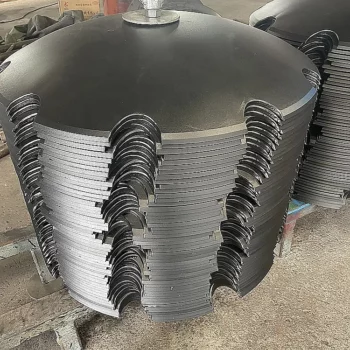
High Quality Agriculture Harrow Disc Blades for Sale
-
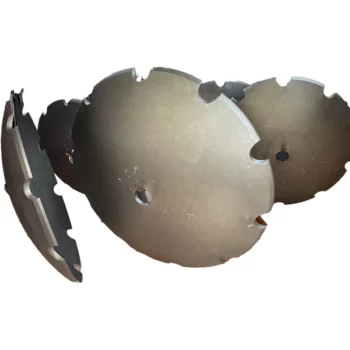
36” Land Pride Harrow Disc Blade Price
-
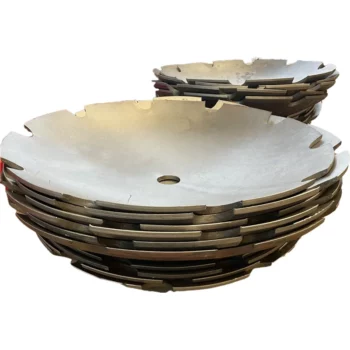
Farm machinery parts tractor harrow disc for Africa
-
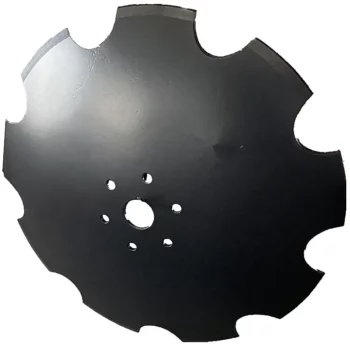
20″ x 4.5 mm Notched Disc Blade
-
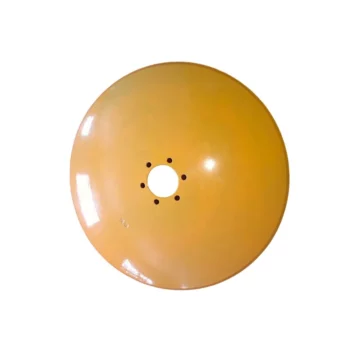
26 inch disc harrow blade
-
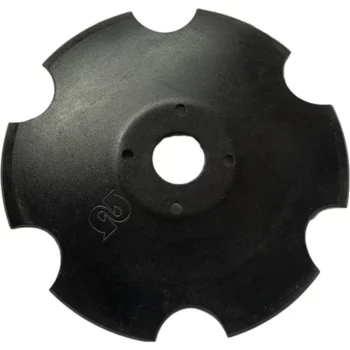
Grizzly Plow Disc Disk Harrow Blade
-
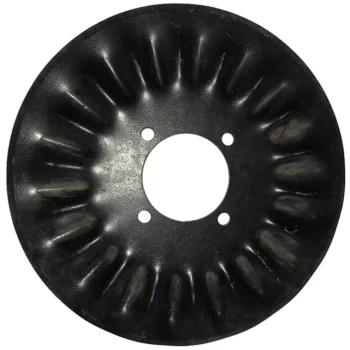
Wave Coulter Disc Disk Blade
-

Disc Harrow Blade 36
-
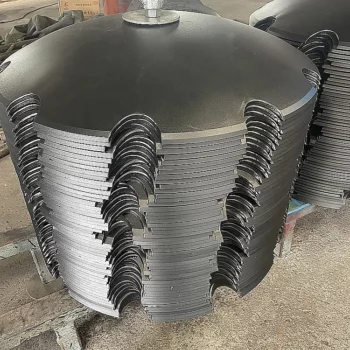
Disc Plough Plough, Rake, Disks
-
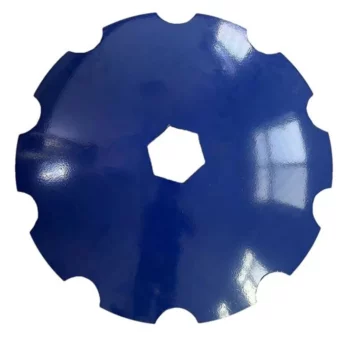
Farm Tractor Mounted Agriculture Harrow Disc Blades
-
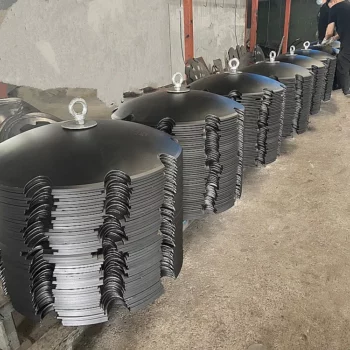
Used Disc Blades/Disk Blades for Sale/Harrow Disc Blades for Sale
-
Agricultural Machine Parts Disc Blade /Disc Harrow Blade 560*4mm
-
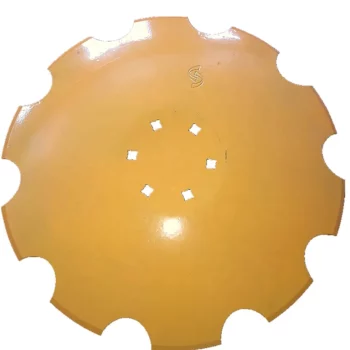
Niaux Disk for Plough and Harrow: An Essential for Efficient Farming
-
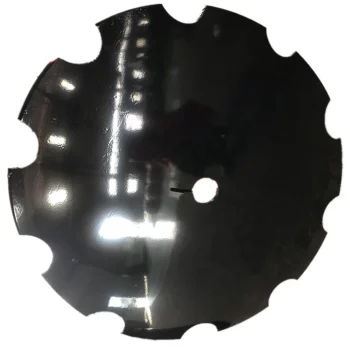
Niaux Disc Harrow Blade: A New Revolution in Farming
-
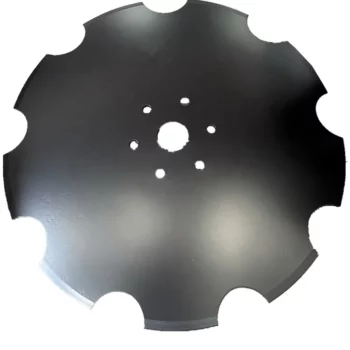
Disc Harrow Parts 65Mn Harrow Disc Blade 26 Inch
-

Farm Disc Blade for Sale/Notched Disc Blade
-
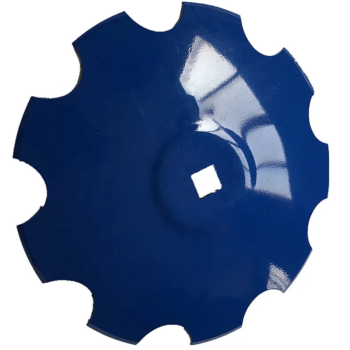
Spare Parts for Disc Harrow
-
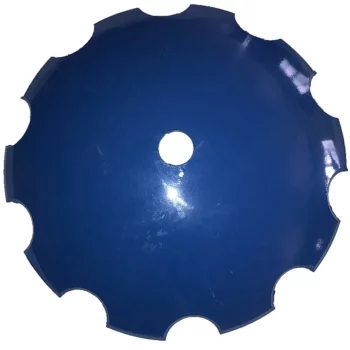
BELLOTA Boron Disc Blade: Superior Quality for Efficient Cultivation
-
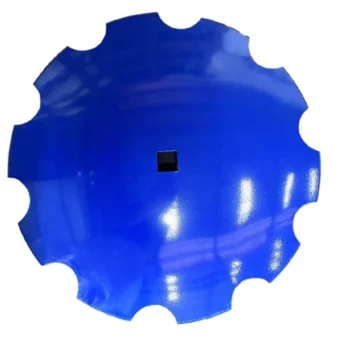
BORON Disc Blade Factory
-
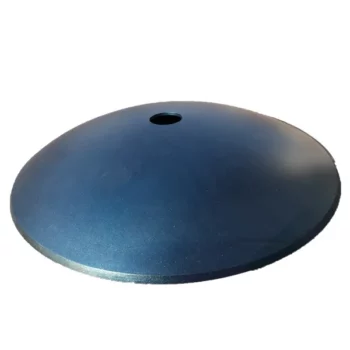
Agricultural machine parts 36 inch harrow disc blade
-
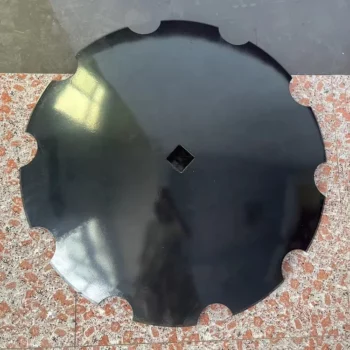
Square Shaft for Disc Harrow
-

Farm Harrow Parts Lemken Disc Blades
-
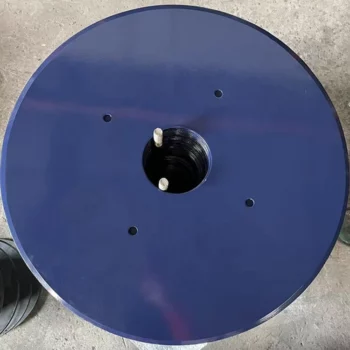
SEED DRILL TURBO DISC OPENER
-
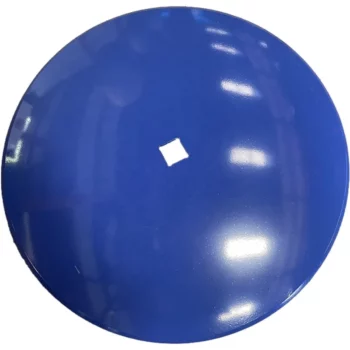
Harrow Disc Blades /65Mn Plow Disc Blades 24 Inch/Parts of Disc Plough
-
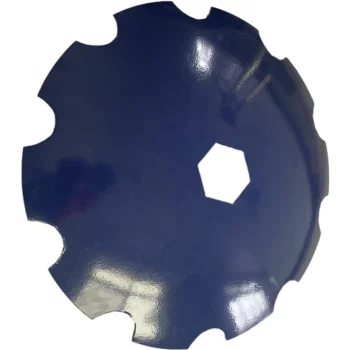
Fluted Coulter Disc Blade for Disc Harrow Disc Plough
-
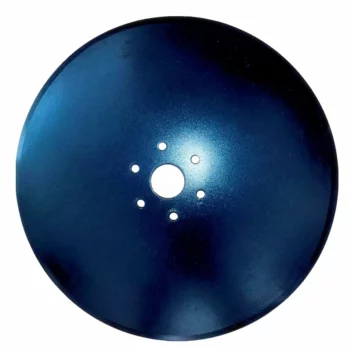
Agricultural Machinery Parts Disc Blade Grada de discos Arado de disco
-
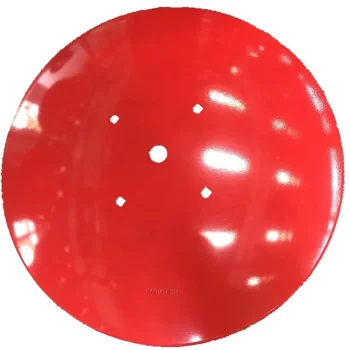
Tractor Disc Blade: A Comprehensive Guide
-
Disc Harrow / Plough Disc Blades for Agricultural Implement
-
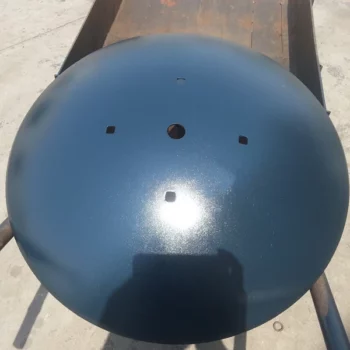
New Product Agricultural Machinery Parts Steel Disc Blade
-
High Quality Plough Disc Blade for John Deere Disc Plough/Harrow