
Furrow Ploughs
Agricultural furrow ploughs, also known as moldboard ploughs or simply ploughs, are essential tools used in traditional farming practices for preparing the soil for planting crops. These implements have been used for centuries and have greatly contributed to the development of agriculture worldwide.
An agricultural furrow plough typically consists of a heavy metal blade, called a moldboard, which is curved and shaped like a large, inverted “L.” The moldboard is attached to a frame and a pole or hitch, allowing it to be pulled by animals or attached to a tractor in modern mechanized farming. The furrow plough also has a share or cutting edge located at the front of the moldboard, which slices into the soil to create a furrow.
The primary purpose of using an agricultural furrow plough is to break up and turn over the soil, bringing the nutrient-rich lower layers to the surface and burying weeds and crop residues. This process, known as ploughing or tilling, helps to loosen compacted soil, improve soil structure, and create a suitable seedbed for planting.
When the furrow plough is pulled through the soil, the moldboard slices through the earth, lifting and turning the soil over. The soil is then inverted, with the topsoil and organic matter brought to the surface while the lower layers are buried. This action helps to mix organic matter and nutrients throughout the soil profile, enhancing soil fertility and promoting better root development.
Agricultural furrow ploughs are particularly effective in breaking up heavy or compacted soils, such as clay or loam, as they provide deep tillage and improve drainage. However, they may not be suitable for all soil types, such as sandy soils, as they can exacerbate issues like erosion.
Showing 1–30 of 37 resultsSorted by popularity
-
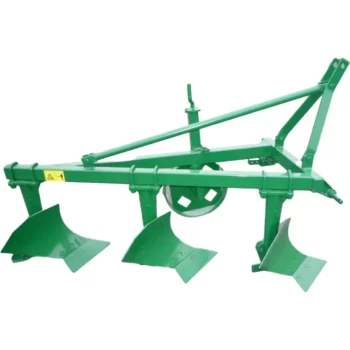
Light duty Bottom Plow Plough Furrow Plough Garden Plow
-
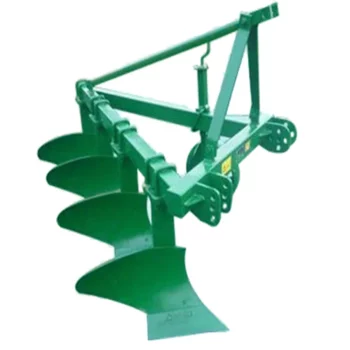
3 Point Hitch Bottom Furrow Plow
-
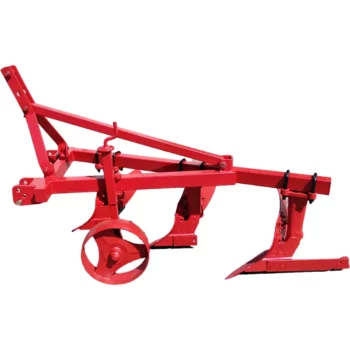
Light Duty Bottom Plow Plough for Garden Tractor
-
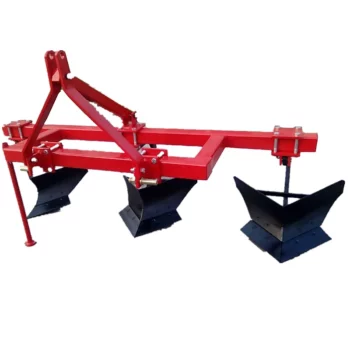
Ditching machine from the ridge bottom furrower ridger
-
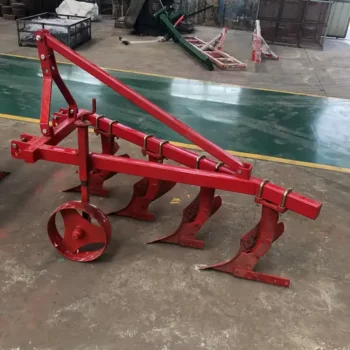
China Factory Direct Sale Lemken 5 Furrow Plough
-
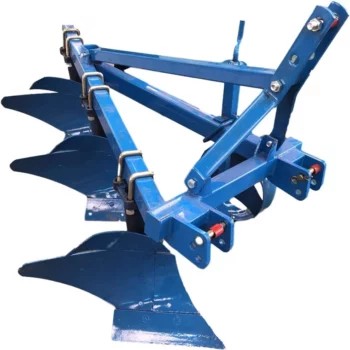
Hot Sale Kverneland 8 Furrow Plough
-
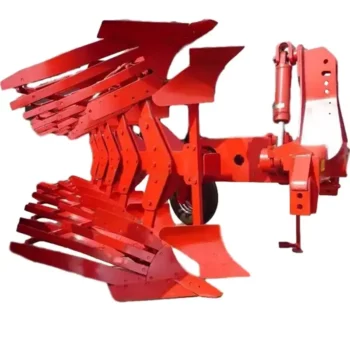
Used Reversible Plough: A Comprehensive Guide to High Productivity Farming
-
New Type Single Furrow Horse Plough
-
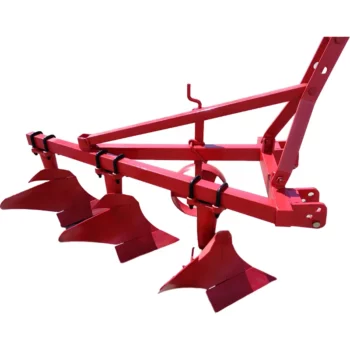
01 Hot Selling 2 Furrow Reversible Plough For Sale
-
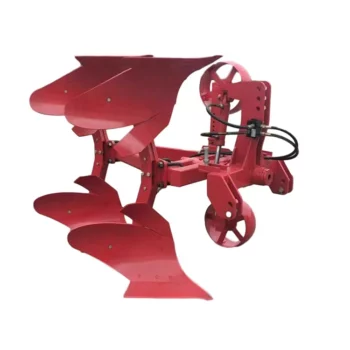
01 Hot Selling 2 Furrow Plough For Sale South Africa
-
Good Quality 3 Furrow Plough For Sale Ontario
-
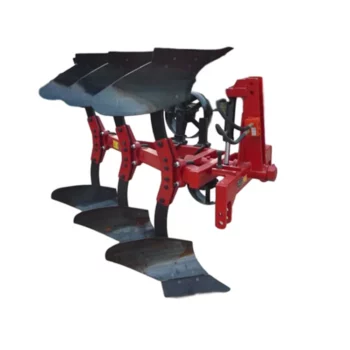
Agriculture machinery hydraulic reversible plough turning share plow for tractors 1LF-325
-
Share Plow for Agricultural Furrow Plough Tractor 1L-425
-
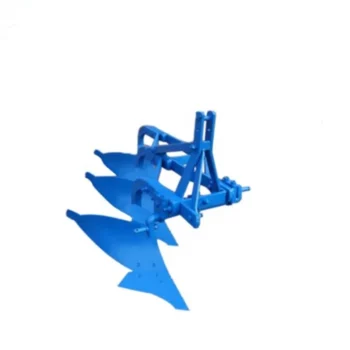
1L-325 Furrow Plow Share Plough for Tractor
-
3 Point Hitch Bottom Furrow Plow 1L-225
-
1L-220 1L Series Light Duty Furrow Plow
-
Farm Tools Plough Furrow Width
-
New Design Two Bottom Turning Plow: Unleashing Productivity in Farming
-
Agricultural Machinery V Bottom Manure Spreader
-
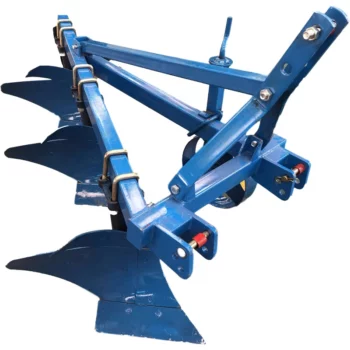
Factory Supply 2 Bottom Turning Plow
-
Agricultural Machinery 3 Bottom Flip Plow
-
Agricultural Machinery Mould Board Plough
-
Furrow Plough: A High Productivity Farming Solution
-
Reversible Jersey Basketball
-
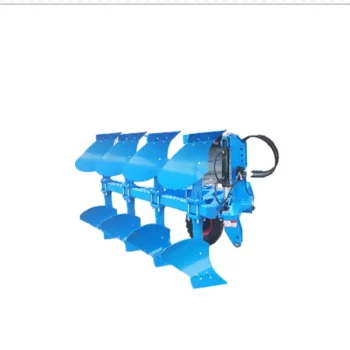
Hydraulic Mounted Reversible Plough
-
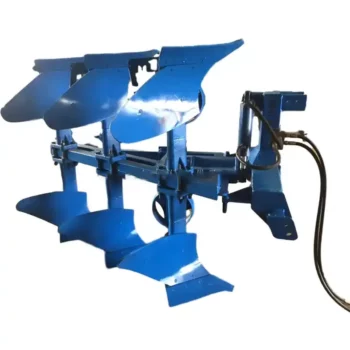
Reversible Furrow Plough: A Comprehensive Guide
-
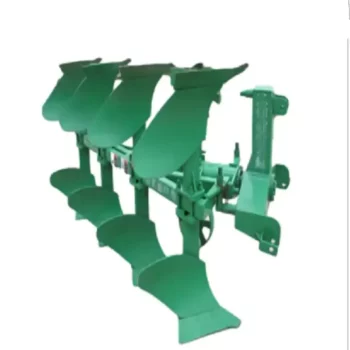
Farming Equipment Furrow Plough Tractor Hydraulic Reversible
-
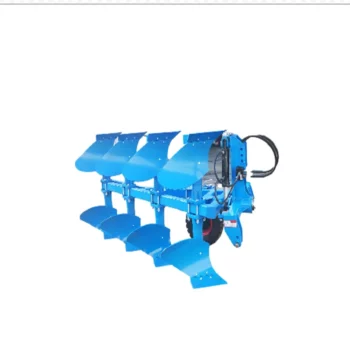
Hot Sale Hydraulic Three-Point Reversible Rotary Flip Plough
-
Furrow Plough: A Comprehensive Guide to Optimum Farm Productivity
-
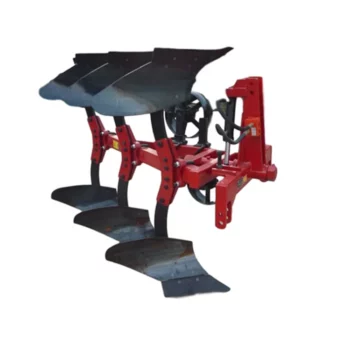
Used Reversible Plough: High Productivity with A One-Year Warranty