
Hay Rakes
Agricultural hay rakes are farm implements designed to assist in the process of harvesting hay. They are used to gather, fluff, and arrange hay into windrows or rows for drying, baling, or further processing. Hay rakes help farmers optimize the drying process by exposing the hay to air and sunlight, facilitating the removal of excess moisture.
There are different types of hay rakes available, each with its own mechanism and purpose. Here are a few common types:
(1) Wheel Rakes: These rakes consist of a series of wheels with tines or teeth mounted on them. As the wheels rotate, the tines come into contact with the hay, lifting and turning it. Wheel rakes are often adjustable, allowing farmers to control the width and density of the windrows.
(2) Rotary Rakes: Rotary rakes use spinning wheels or rotors with curved tines to lift and sweep the hay. The tines rotate in a circular motion, collecting the hay and forming windrows. Rotary rakes are known for their efficiency and ability to handle a large volume of hay quickly.
(3) Parallel-Bar Rakes: Parallel-bar rakes feature a series of parallel bars with tines attached to them. As the rake is pulled through the field, the tines comb through the hay, lifting it and creating windrows. These rakes are often adjustable to accommodate different hay densities.
(4) Finger Wheel Rakes: Finger wheel rakes have long, flexible tines or fingers that rotate on a wheel. The fingers gather the hay and transfer it onto the ground, forming windrows. Finger wheel rakes are particularly useful for delicate or light hay, as the flexible tines minimize damage to the crop.
The choice of hay rake depends on factors such as the size of the operation, the type of hay being harvested, and the desired end product. Modern hay rakes are often attached to tractors, allowing for efficient and precise operation.
Showing 1–30 of 42 resultsSorted by popularity
-
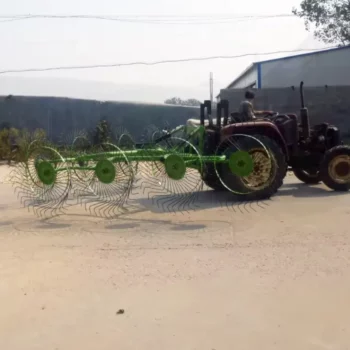
Large Vertical Hay Rake for Collect Grass and Cutting Crop RXHR-3 RXHR-4 RXHR-5
-
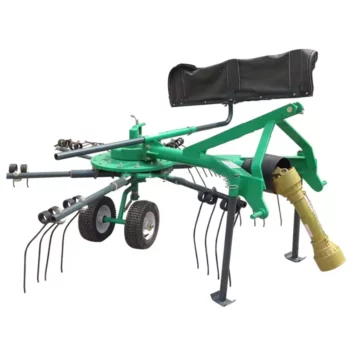
Agricultural Equipment Mini Hay Rake RXHR2500 with PTO for Raking and Tedding Straw
-
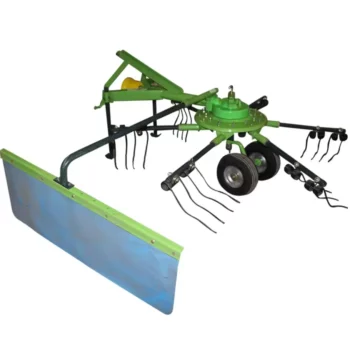
Small Hay Rake/Hay Tedder/Rotary Hay Rake RXHR2500 for Collect Grass and Spread Hay
-
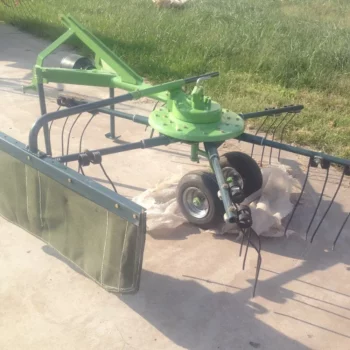
Hay Machine Straw Rotary Rake RXHR2500 with High Quality
-
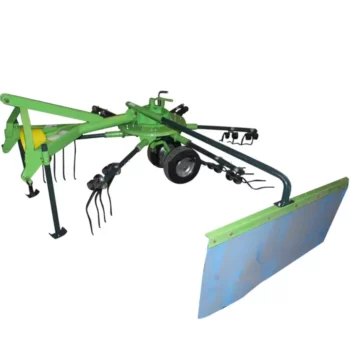
Hay Grass Rake Tedder RXHR2500 for Raking and Tedding Straw
-
Tractor PTO Driven Hay Rake Wheels RXHR2500 for Sale
-
Farm Equipment Tractor PTO Hay Rake for Raking and Tedding Straw RXHR2500
-
Finger Wheel Hay Rake (Hay Tedder) for Collect Grass RXHR-3 RXHR-4 RXHR-5
-
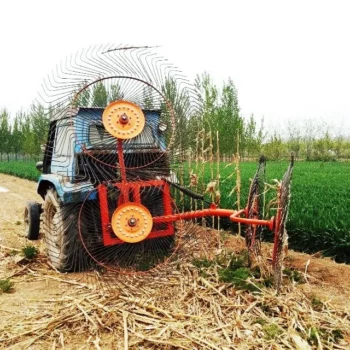
Agriculture Equipment 4 Wheel Hay Rake Hot Sale
-
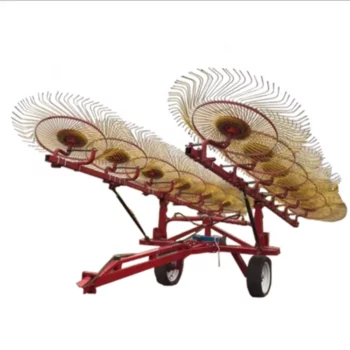
China Best Sale Hay Rake vs Tedder
-
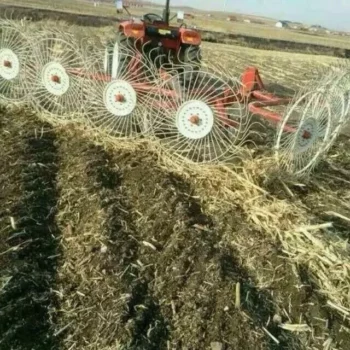
Raking Hay with a Wheel Rake
-
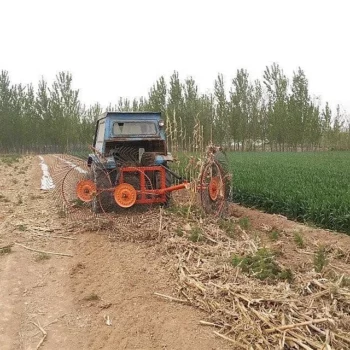
Hot Sale High Quality Equipment Farm Machinery Mower Implement Mowing Hay Rake for 4-Wheel Tractor
-
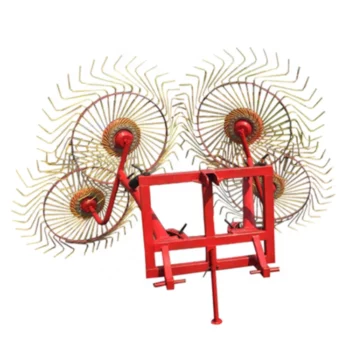
Farm machinery 3 point 4 wheel hay rake for sale
-
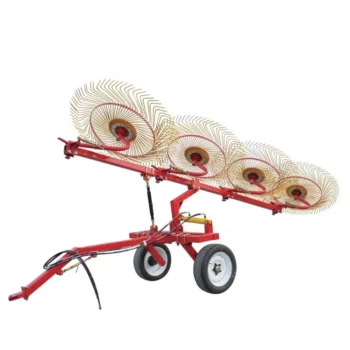
Tractor Implement Hay Rake Rotary Hay Rake for YTO Tractor
-
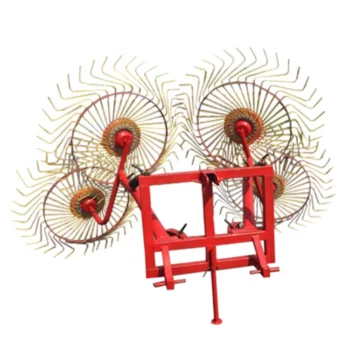
Farm Machine Grass Rake Hay Rake
-
Farm tool mini tractor driven finger wheel Hay rakes for sale
-
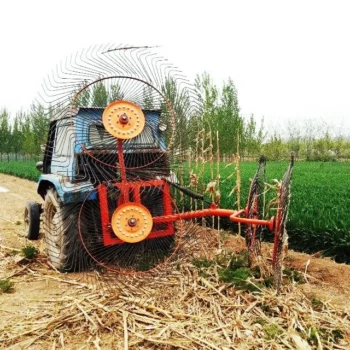
9LZ-3.0 Four Wheel Rake Machine: A Revolution in Hay Raking
-
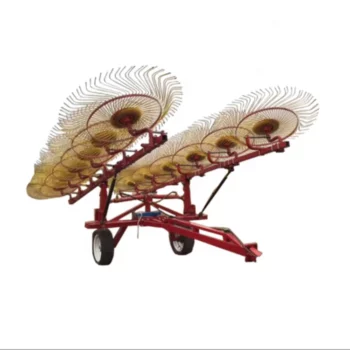
8 Disc 3 Point Disc Hay Rake Tractor Hay Rake
-
3 Point Disc Hay Rake
-
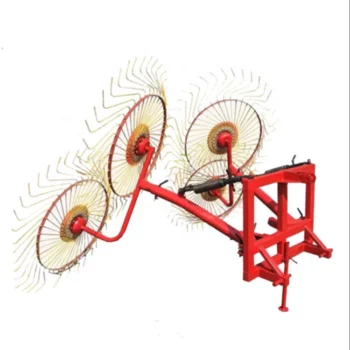
4 Disc Farm Use Hydraulic Hay Rake / Tractor Hay Disc Rake
-
12 Wheeled Hydraulic Trailer Wheeled Hay Rake Finger Disc Grass Grabber
-
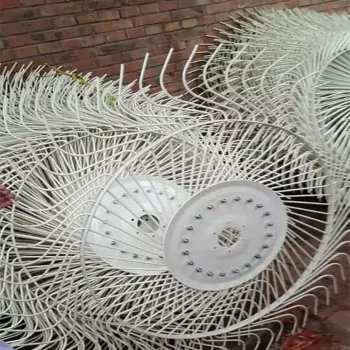
Farm machinery 4pcs wheel tractor hayrake for sale
-
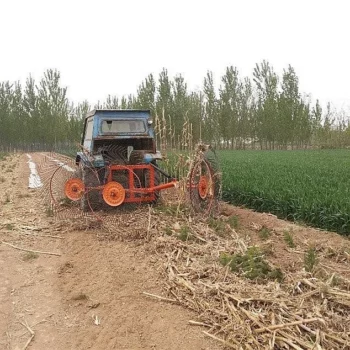
Farm implement 9LZ-3.0 hay grass rake for tractor
-
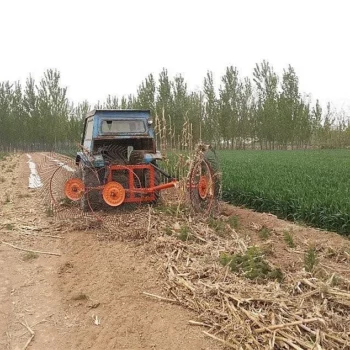
Farm machinery tractor wheel hayrake export to Africa
-
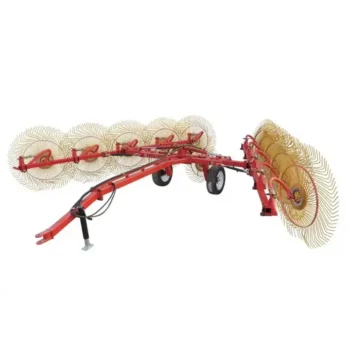
Farm Tractor Hitch Finger Wheel Hay Rake for Grass Straw Collection
-
Agricultural Machine Finger Wheel Rake 4 Disc Wheel Rake For Farm Field
-
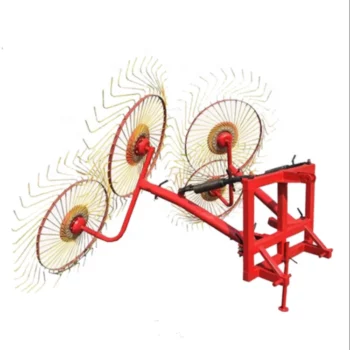
High Efficiency Finger Wheel Hay Rake
-
FINGER WHEEL RAKE WITH 8 RAKES S-tine
-
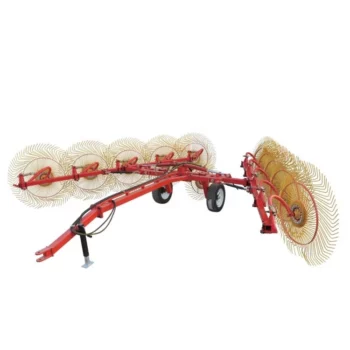
8 Disc Farm Machinery Tractor Rotary Finger Wheel Hay Rake
-
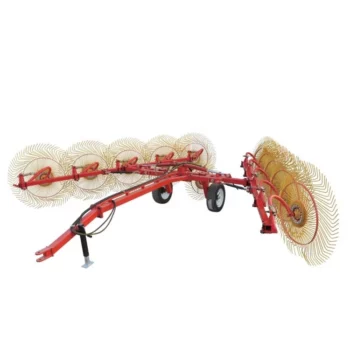
Hydraulic Tractor Matched Finger Wheel Hay Rake