
Agricultural Rotavators (Rotary Tillers)
Agricultural rotavators, also known as rotary tillers or rototillers, are powerful farming implements used for soil preparation in agriculture. They are designed to break up and cultivate the soil, creating a suitable seedbed for planting crops. Rotavators consist of a rotating set of blades or tines that penetrate the soil, breaking it up and turning it over.
The main purpose of a agricultural rotavator is to loosen and mix the soil, enhancing its structure, aeration, and drainage. By breaking up compacted soil, rotavators improve water infiltration and root penetration, leading to better plant growth. Additionally, they help in removing weeds and incorporating organic matter or fertilizers into the soil.
Agricultural rotavators come in various sizes and configurations, ranging from small, handheld models for home gardens to larger, tractor-mounted units for commercial farming. The size of the rotavator depends on the scale of the agricultural operation and the type of soil being tilled.
The basic working principle of a farm machinery rotavator involves a power source, such as an engine or a tractor’s power take-off (PTO), that drives the rotation of the blades or tines. As the rotavator moves forward, the blades dig into the soil, breaking it up and churning it, while also throwing it to the sides. This action creates a finely tilled soil bed ready for planting.
Agricultural rotavators offer several advantages in agricultural practices. They save time and labor compared to manual tilling methods, as they can cover large areas quickly. They also provide a consistent and uniform tillage depth, ensuring even seedbed preparation. Tractor rotary tiller are especially useful in preparing the soil for row crops, vegetable gardens, and seedbeds.
Showing 1–30 of 119 resultsSorted by popularity
-
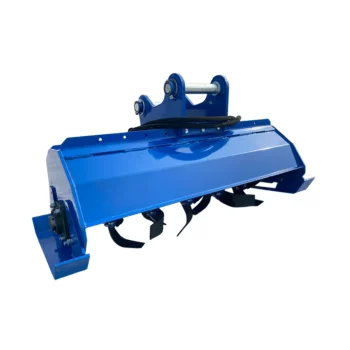
Agricultural Farm Implements Excavator Rotary Tiller Cultivator
-
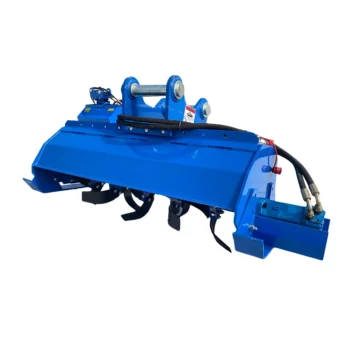
Factory Supply Directly Price Mini Rotary Tiller for Excavator
-
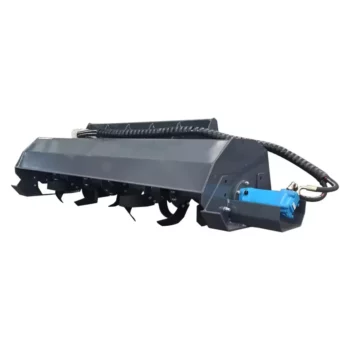
New Type Hydraulic Rotary Tiller Cultivator Attachment For Skid Steer
-
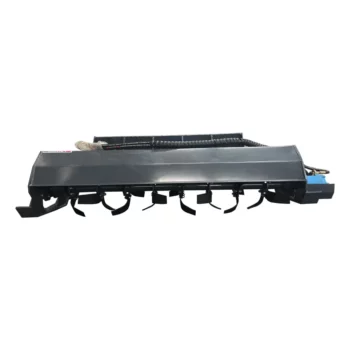
Skid Steer Soil Cultivator Rotary Tiller Rototiller Hydraulic Cultivator
-
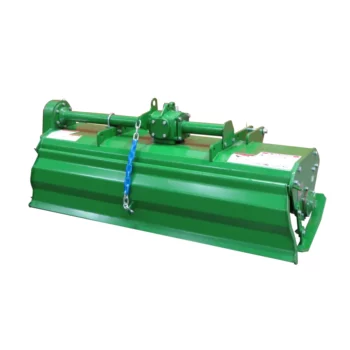
Farm Cultivator PTO Rotary Tiller Agricultural Rotavators for Sale
-
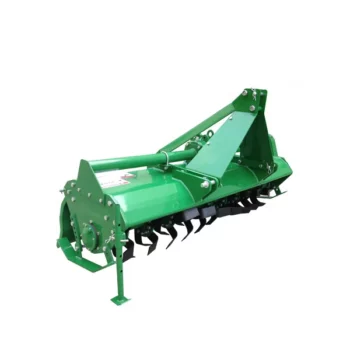
Farm Rotary Tiller Cultivator Rotovator with CE Certificate
-
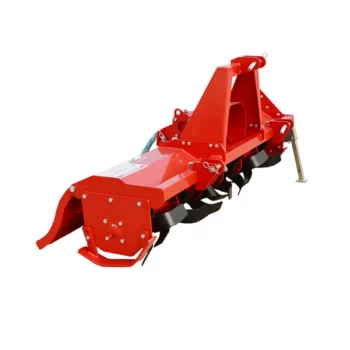
Compact Tractor Mini Tiller Cultivator with CE for Hot Sale
-
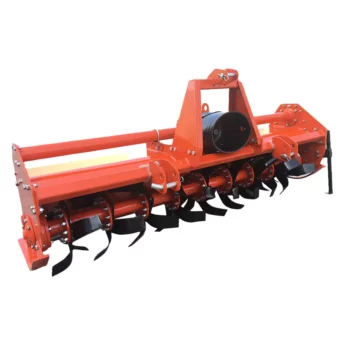
Farm Rotavator PTO Cultivator 30-50HP Mini 3 Point Rotary Tiller for Tractor
-
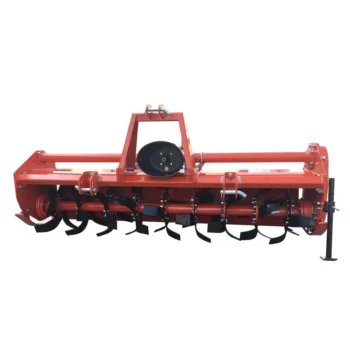
81” Heavy Duty Rotary Tiller 3 Point Linkage Tractor 30~50 HP Farm Tilling Machine Agriculture Tools
-
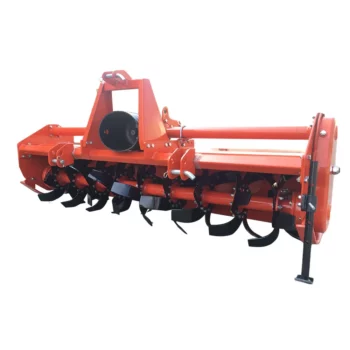
Farm Tractor 3 Point Heavy Rotary Tiller Rotavator For Sale
-
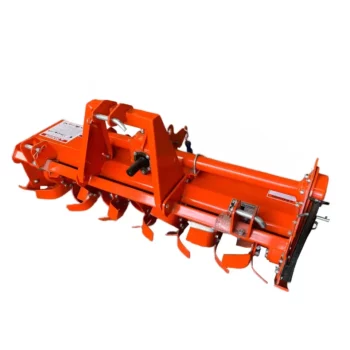
Agriculture machinery 30-50HP power rotary tiller for soil Tiller cultivator
-
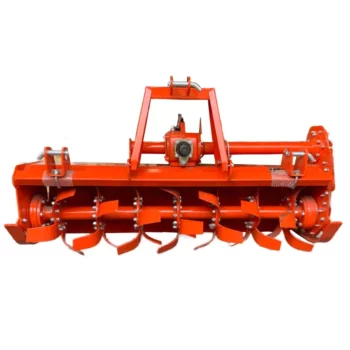
Rotary Tiller for Garden Tractor Cultivator and Rotary Machine
-
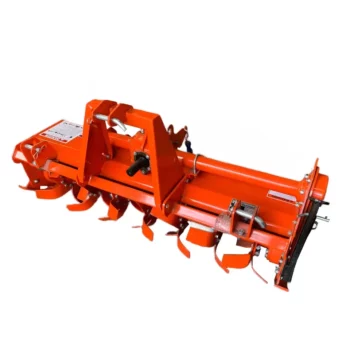
3 point PTO driven cultivators rotavator Rotary tiller
-
China Factory Supply Agricultural High Heavy Rotary Tiller For Tractor
-
High Quality Farm Tractor Tiller Cultivator Garden Tractor Tiller Attachment For Farm Tractor
-
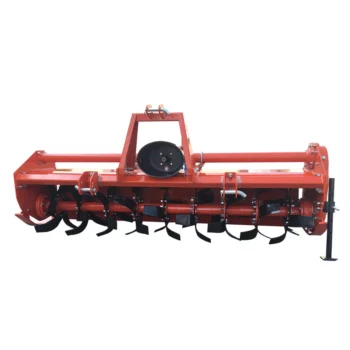
Agriculture 3-point PTO Drive Rotavator Farm Tractor Rotary Tiller for Soil Preparation
-
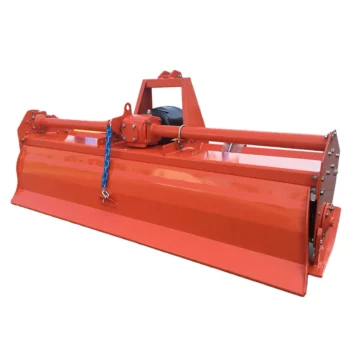
Wholesale 3-point Rotary Tiller Tractor Tiller Attachment For Sale
-
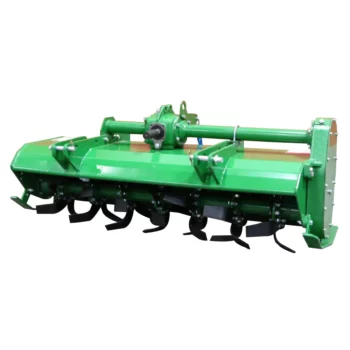
KK7 Tractor Equipment: Cultivator Rotary Tiller for Farm
-
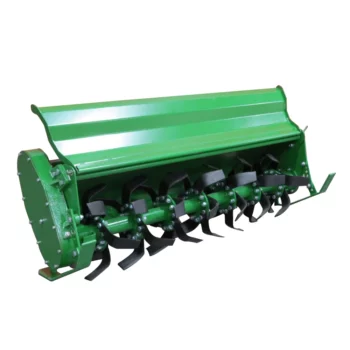
Agricultural Tractor Mounted Cultivator Rotary Tiller Tractor 50 hp
-
Farm Cultivator PTO Rotary Tiller Agricultural Rotavators for Sale
-
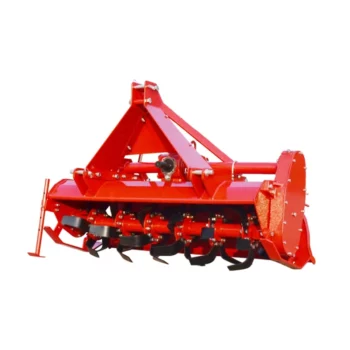
Agriculture Implements 15-75HP Gearbox Tractor Rotovator for Sale
-
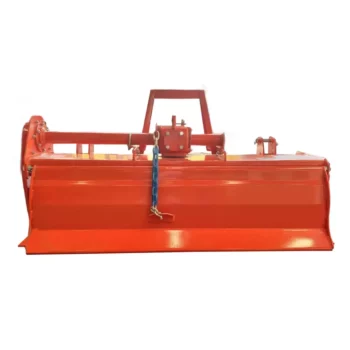
Agricultural Machinery Inter Cultivator Machine Farm 3 Point Rotary Tiller for Sale
-
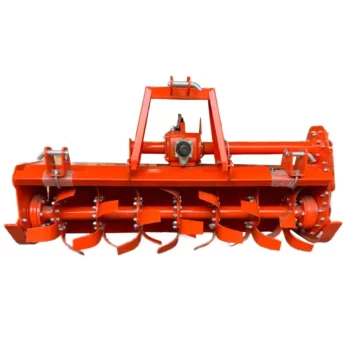
Mini tractor agricultural equipment 3 point rotary tiller for farm tractor
-
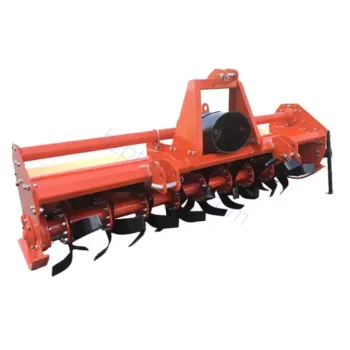
Agriculture Tractor 3 Point PTO Driven Cultivators Rotavator Rotary Tiller
-
New Type Hydraulic Rotary Tiller Cultivator Attachment For Skid Steer
-
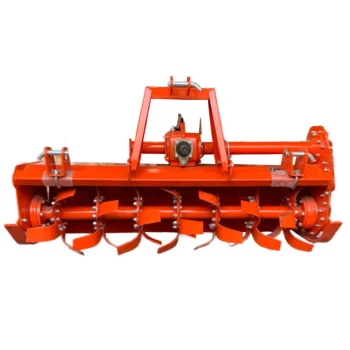
Farm Tilling Machine CE 3 Point Rotary Tillers Cultivator Rotary Tiller for Farm Tractor
-
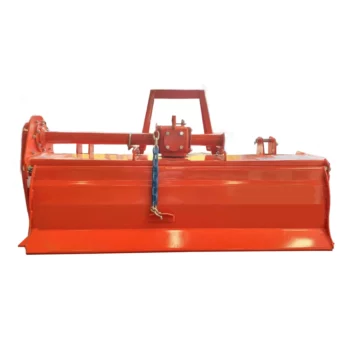
China 3 Point Mounted Tractor Mounted Rotary Tiller TSG58 Rotavator: A Comprehensive Review
-
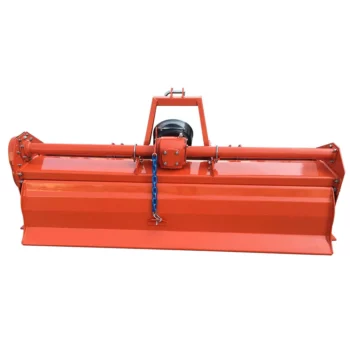
Farming Equipment Agricultural Machine Gear Box Cultivator Tractor Rotary Tiller
-
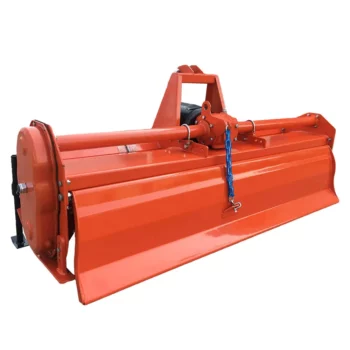
Garden Cultivators Land Cultivation Machines 3 Point PTO Tractor Rotavators Tiller Cultivator for Sale
-
Agricultural Farming Cultivator Machine Rotator Rotary Tiller for Tractors