
Plastic Chains
Plastic Chains: A Versatile Choice for Light-Duty Applications
Plastic chains offer a lightweight, cost-effective alternative to metal chains in various applications where heavy-duty lifting or power transmission isn’t required.
Key Characteristics of Plastic Chains:
- Lightweight: Made from plastic materials like polyethylene or polypropylene, making them significantly lighter than metal chains.
- Cost-Effective: The material and manufacturing process contribute to a lower price point compared to metal chains.
- Corrosion Resistant: Plastic is naturally resistant to rust and corrosion, making them suitable for moist or wet environments.
- Low Noise Operation: Plastic chains generate minimal noise during operation, ideal for noise-sensitive settings.
- Variety of Colors: Available in various colors, adding a visual element to their functionality.
Applications of Plastic Chains:
Plastic chains find use in various light-duty applications across numerous industries:
- Crowd Control: Used for stanchions and barriers to manage crowds at events or in public areas.
- Material Handling: Conveying lightweight items on production or assembly lines.
- Machinery Safeguards: Enclosing machine components to prevent accidental contact.
- Decorative Purposes: Adding a decorative touch to bicycles, toys, or crafts.
- Marine Applications: Mooring small boats or securing light equipment on docks (Caution: Not recommended for high-stress marine environments due to limited load capacity).
- Pet Leashes: Popular choice for small pets due to their lightweight nature (Important: Ensure the chain is strong enough and appropriate for the size and temperament of your pet).
Advantages of Using Plastic Chains:
- Cost-Effective: An affordable option for light-duty applications.
- Lightweight: Easy to handle and maneuver due to their reduced weight.
- Corrosion Resistant: Ideal for use in environments with moisture or potential exposure to chemicals.
- Low Noise Operation: Suitable for noise-sensitive settings like libraries or offices.
- Versatility: Available in various colors and sizes to suit diverse applications.
Limitations of Plastic Chains:
- Low Load Capacity: Not suitable for heavy lifting or applications requiring high tensile strength.
- Susceptible to Wear and Tear: Plastic chains can degrade over time, especially in harsh environments or with continuous use.
- Melting Point: Plastic has a lower melting point than metal, limiting its use in high-temperature settings.
Choosing the Right Plastic Chain:
Selecting the most suitable plastic chain involves considering several factors:
- Application: Identify the task for the chain (crowd control, material handling, decoration, etc.).
- Load Capacity: Ensure the chain’s capacity is sufficient for the weight it needs to handle.
- Operating Environment: Consider factors like moisture, chemicals, or extreme temperatures that might influence material selection (e.g., UV-resistant plastic for outdoor use).
- Size and Color: Choose a chain with a link size and color that aligns with your specific needs.
Safety Precautions:
- Avoid using plastic chains for lifting heavy objects or in applications exceeding their load capacity.
- Inspect plastic chains regularly for signs of wear and tear, and replace them when necessary.
- **Use caution with plastic pet leashes, ensuring they are strong enough and appropriate for your pet’s size and temperament.
By understanding the characteristics, applications, and limitations of plastic chains, you can determine if they are the suitable choice for your light-duty needs. Their affordability, light weight, and corrosion resistance make them a valuable option in various settings.
Showing 1–30 of 281 resultsSorted by popularity
-
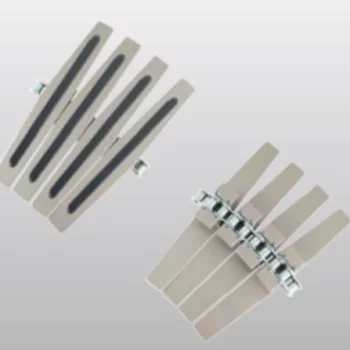
Plastic Flat Top Chains Replacement Of System Plast LF1873 – K1600G
-
Plastic Flat Top Chains Replacement Of System Plast LF1873 – K1200G
-
Plastic Flat Top Chains Replacement Of System Plast LF1873 – K1000G
-
Plastic Flat Top Chains Replacement Of System Plast LF1873 – K750G
-
Plastic Flat Top Chains Replacement Of System Plast LF1873 – K600G
-
Plastic Flat Top Chains Replacement Of System Plast LF1873 – K450G
-
Plastic Flat Top Chains Replacement Of System Plast LF1873 – K325G
-
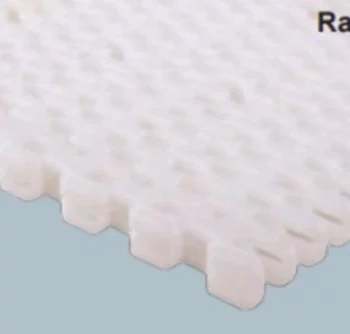
Plastic Modular Belts Replacement Of System Plast NR2540-UFSNB-CR
-
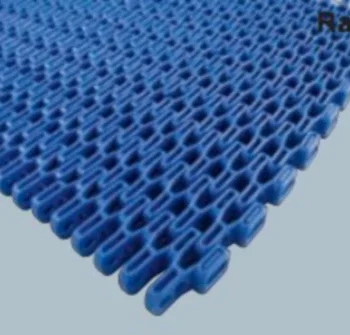
Plastic Modular Belts Replacement Of System Plast NR2540-UFSNB-L
-
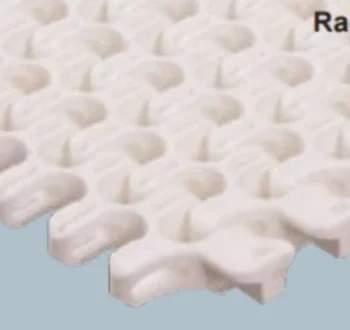
Plastic Modular Belts Replacement Of System Plast NR2500-S101
-
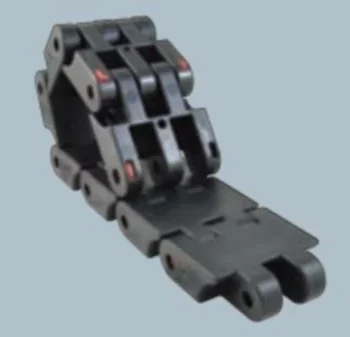
Plastic Modular Belts Replacement Of System Plast N6350-UXLB-FT
-

Plastic Modular Belts Replacement Of System Plast N5080-UMPB-FSG
-

Plastic Modular Belts Replacement Of System Plast N5080-UMPB-FT/FG20
-
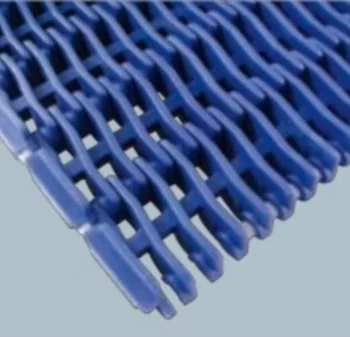
Plastic Modular Belts Replacement Of System Plast N2720-T900-RR
-
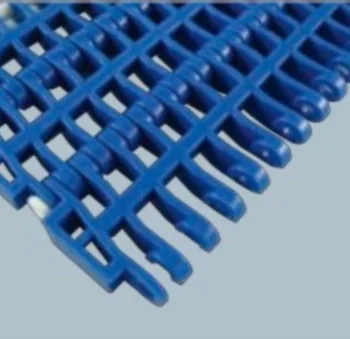
Plastic Modular Belts Replacement Of System Plast N2720-T900-FG
-
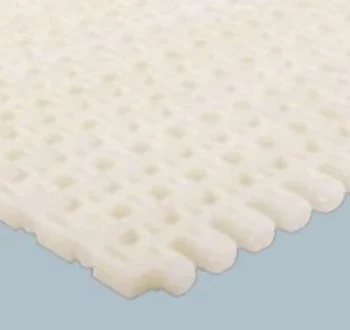
Plastic Modular Belts Replacement Of System Plast N2540-HM2533-FG
-
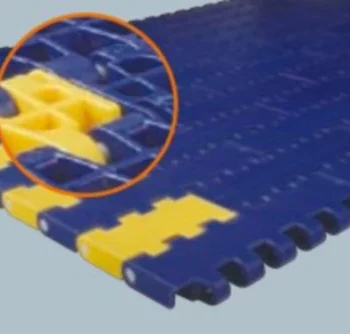
Plastic Modular Belts Replacement Of System Plast N2540-HM2520-FT
-
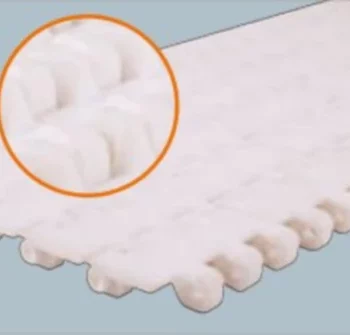
Plastic Modular Belts Replacement Of System Plast N2540-HM2510-FT
-
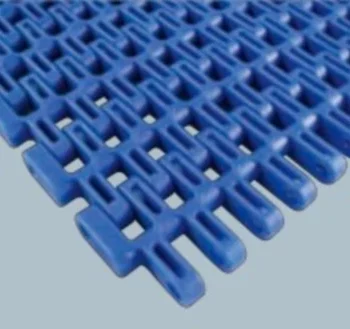
Plastic Modular Belts Replacement Of System Plast N2540-USNBM2-FG
-
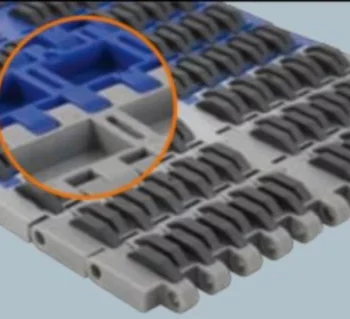
Plastic Modular Belts Replacement Of System Plast N2540-UQNB-RB
-
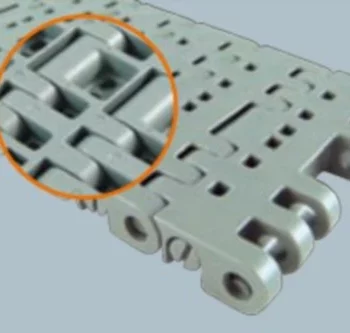
Plastic Modular Belts Replacement Of System Plast N2540-R7706-VT
-
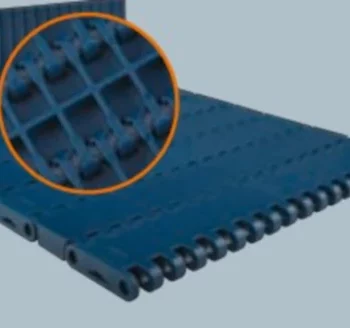
Plastic Modular Belts Replacement Of System Plast N2540-R1000-FT
-
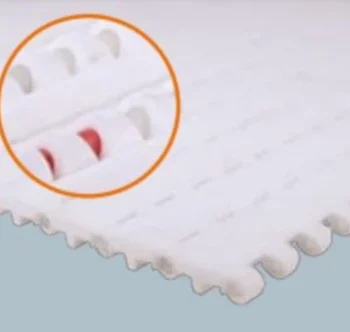
Plastic Modular Belts Replacement Of System Plast N2500-S25-800-FT
-
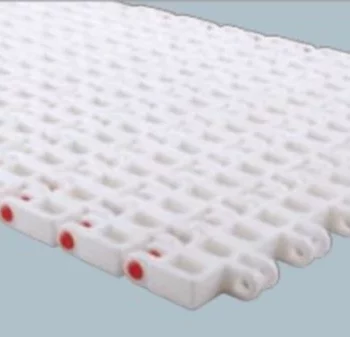
Plastic Modular Belts Replacement Of System Plast N2500-S25-400-FG
-
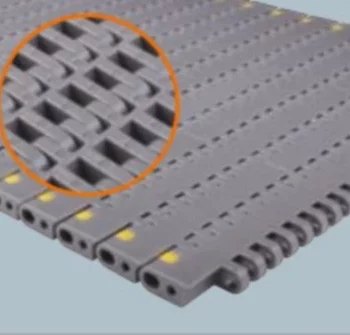
Plastic Modular Belts Replacement Of System Plast N1905-R8505-FT
-
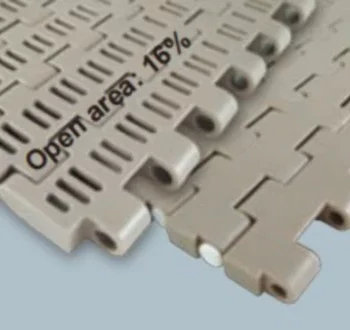
Plastic Modular Belts Replacement Of System Plast N1905-R5935/5936
-
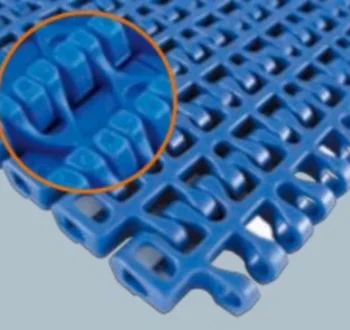
Plastic Modular Belts Replacement Of System Plast N1520-T1100-FG
-
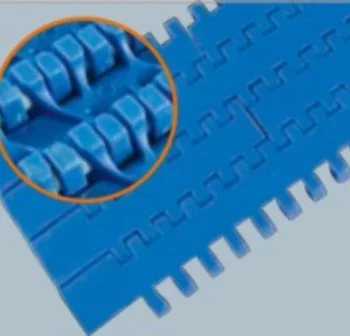
Plastic Modular Belts Replacement Of System Plast N1520-T1100-FT
-
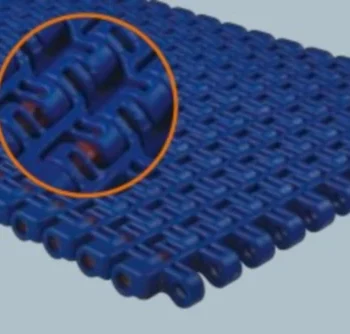
Plastic Modular Belts Replacement Of System Plast N1270-UMSNB-FG
-

Plastic Modular Belts Replacement Of System Plast N1270-HM1220-FT