
Sprayer Gearbox
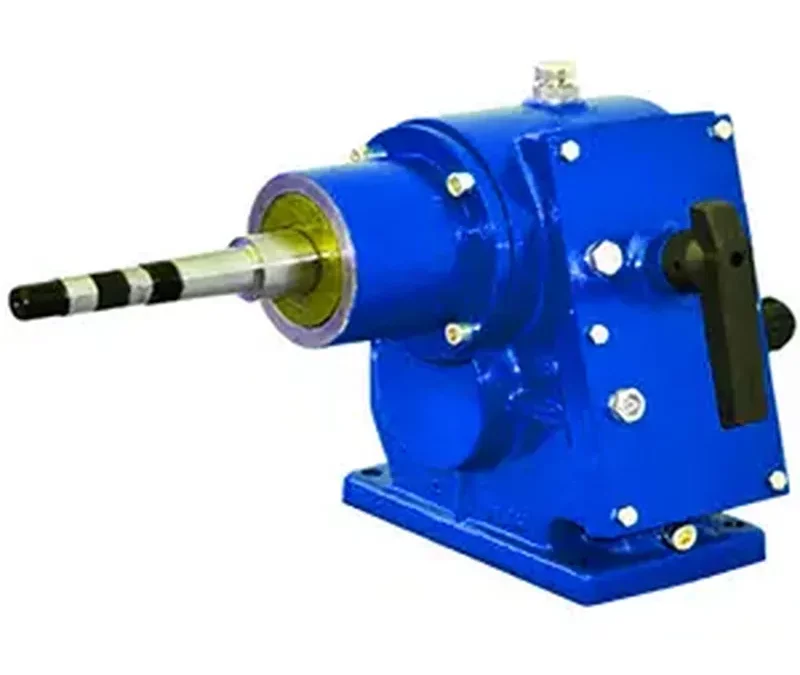
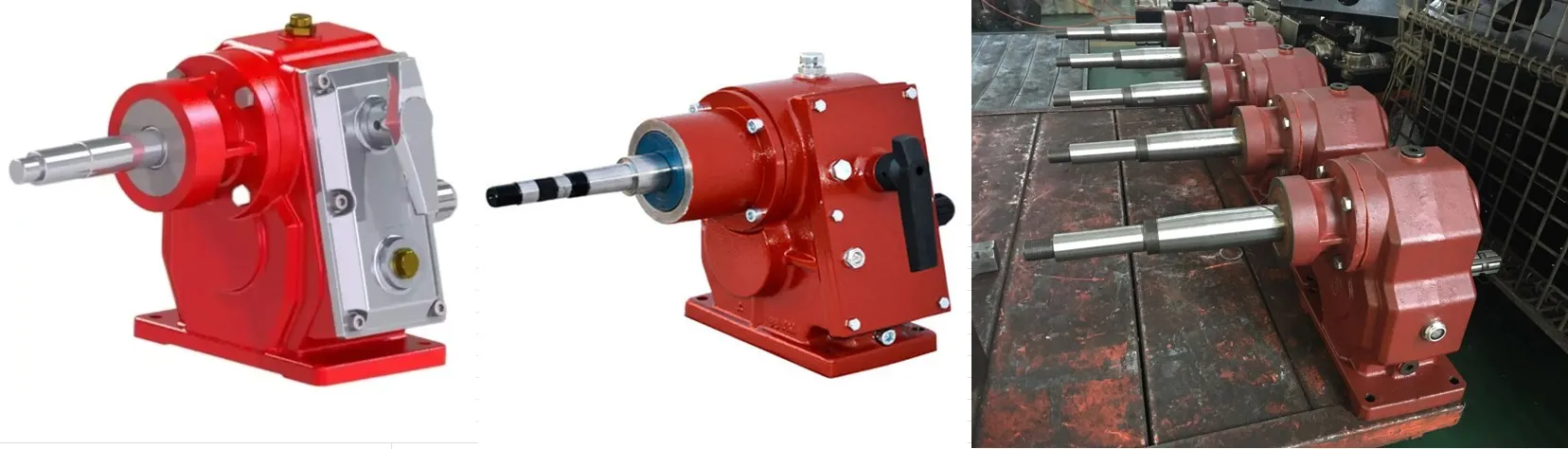
Sprayer Gearbox - Replacement of Comer
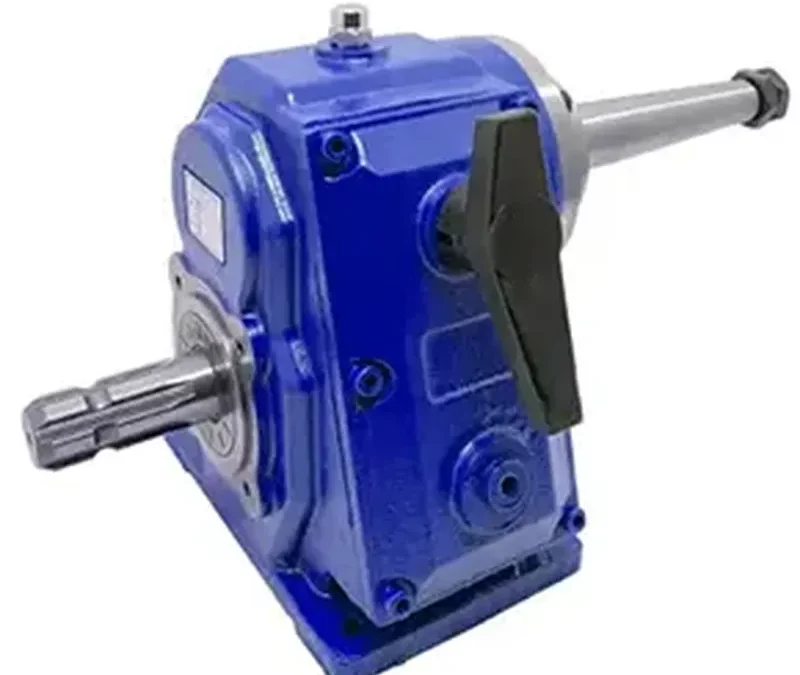
Sprayer Gearbox - Replacement of Comer
Why Choose HZPT’s Sprayer Gearboxes?
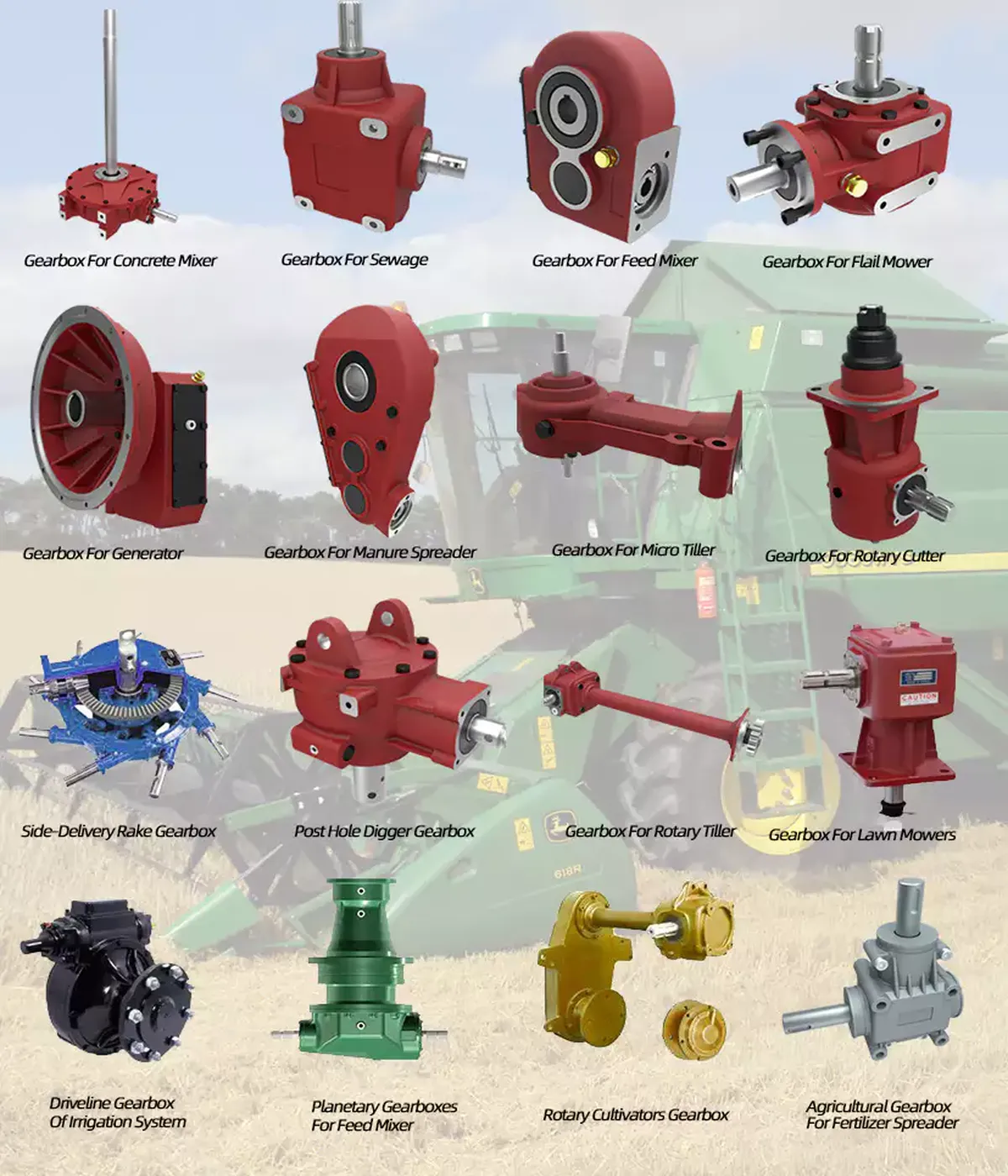
We can also offer many types of agricultural gearboxes and PTO shafts, such as rotary cutter gearboxes, rotary tiller gearboxes, feed mixer gearboxes, lawn mower gearboxes, fertilizer spreader gearboxes, flail mower gearboxes, post hole digger gearboxes, fertilizer mixer gearboxes, round baler gearboxes, square baler gearboxes, irrigation reels gearboxes, manure spreader gearboxes, fertilizer seeder gearboxes, rotary rake gearboxes, etc. If you want to buy agricultural gearboxes, please get in touch with us.
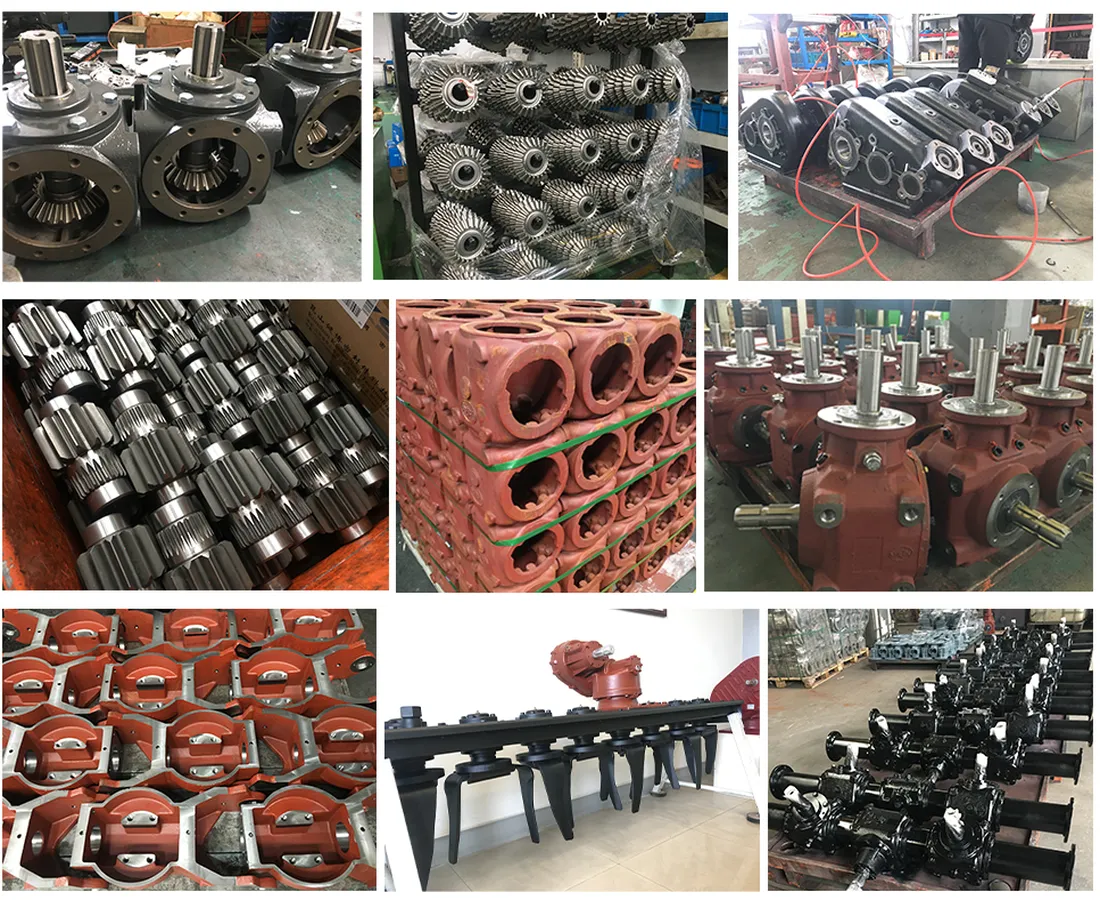
What is an Agricultural Sprayer Gearbox?
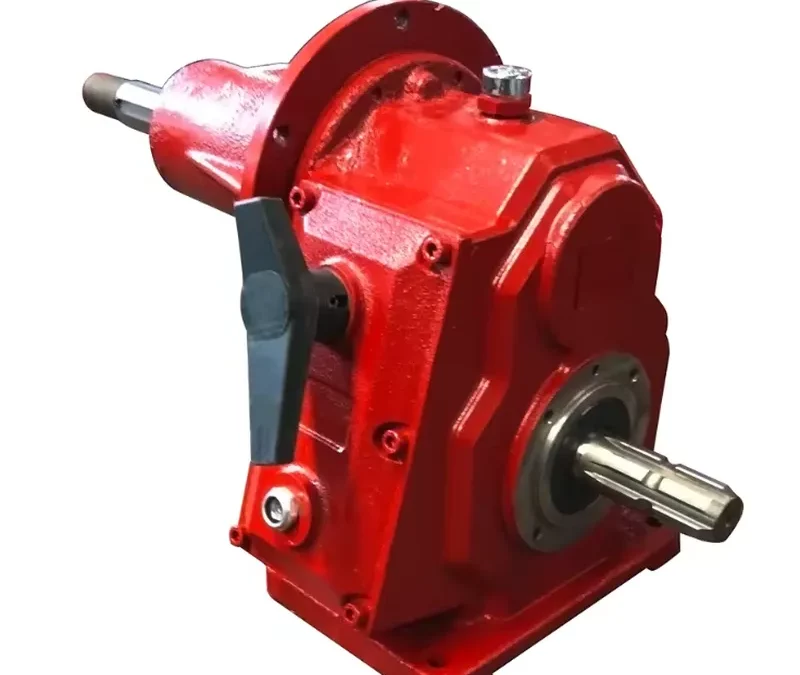
Typically, these gearboxes are made from high-quality metals and are sealed to prevent the ingress of dirt, dust, and moisture, ensuring long-lasting performance. The design includes multiple gear ratios, allowing the sprayer to operate at different speeds and pressures, catering to the needs of various crop types and spraying requirements. This adaptability is crucial for achieving optimal coverage and penetration of the applied substances, leading to better crop health and yield. The gearbox interfaces seamlessly with the sprayer’s pumping system and can be adapted to different types of tractor power outputs, making it a versatile component in modern agricultural machinery.
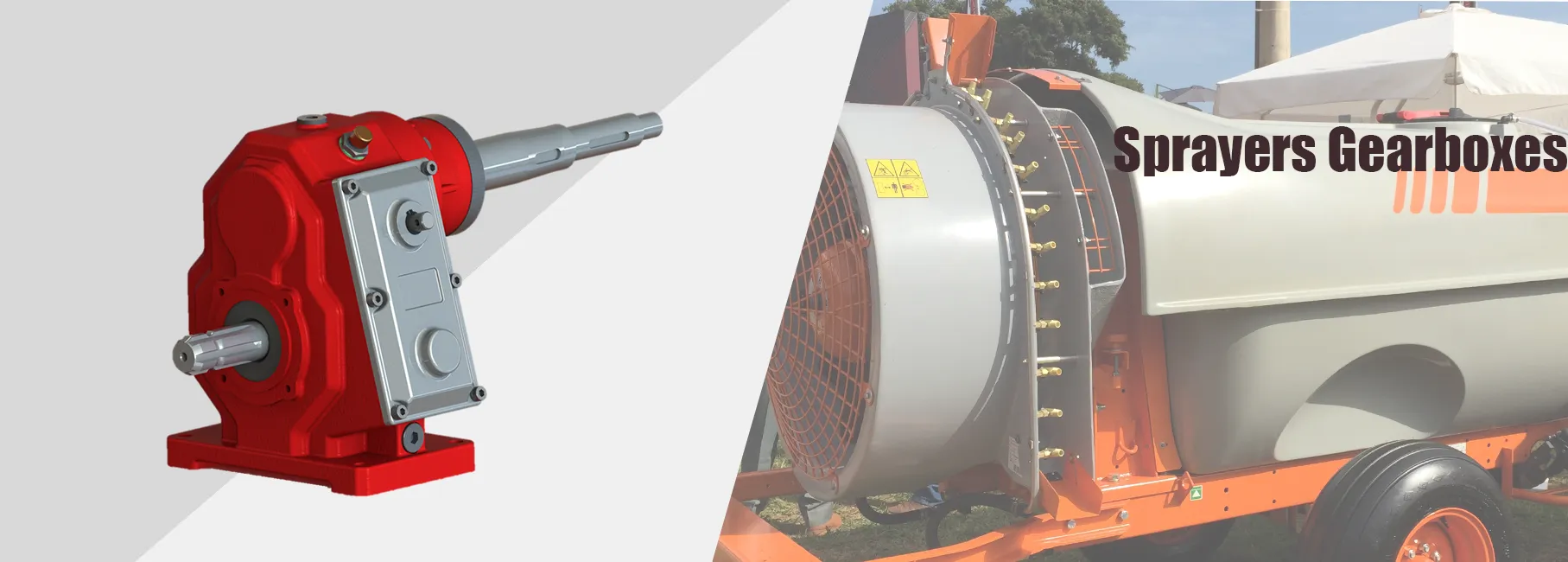
Types of Sprayer Gearbox for Sale
Agricultural sprayer gearboxes come in various types, each designed to meet specific requirements based on the machinery they are a part of and the application method they support. Here are some common types of sprayer gearboxes used in agriculture:
1. Diaphragm Pump Gearboxes: These gearboxes are designed for use with diaphragm pumps, which are commonly used for low-volume spraying operations. The gearbox helps in adjusting the output pressure and flow rate, crucial for precise application of pesticides and herbicides.
2. Centrifugal Pump Gearboxes: Gearboxes for centrifugal pumps are built to handle higher flow rates, typically required for large-scale agricultural applications. These gearboxes enable the pump to distribute sprays over wider areas, making them ideal for extensive farming operations.
3. Piston Pump Gearboxes: These are used with piston pumps that require precise control over spray pressure and volume. Piston pump gearboxes are typically more robust and capable of generating higher pressures, suited for both high and low-volume spray applications.
4. Turbine Sprayer Gearboxes: Turbine sprayers use gearboxes designed to handle the unique needs of turbine-driven spray systems, which are often used for aerial spraying from drones or small aircraft. These gearboxes ensure consistent performance even at varying altitudes and speeds.
Showing all 8 resultsSorted by latest
-
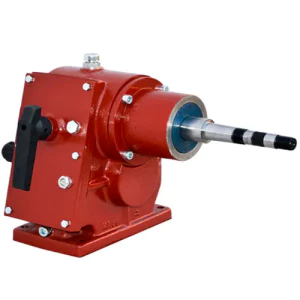
Agricultural Sprayer Gearbox – Replacement of Comer Code D21B D21F
-
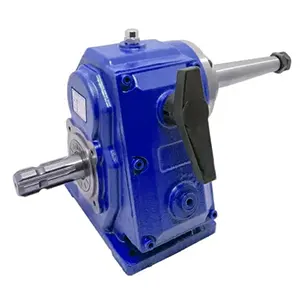
Agricultural Sprayer Gearbox – Replacement of Comer Code D21A
-
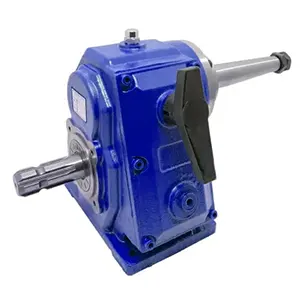
Agricultural Sprayer Gearbox – Replacement of Comer Code D27A D27J D27B
-
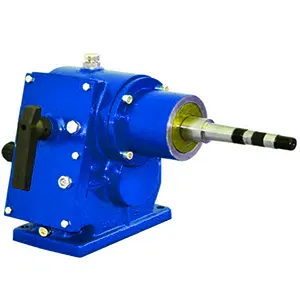
Agricultural Sprayer Gearbox – Replacement of Comer Code D-7A/D-7B
-
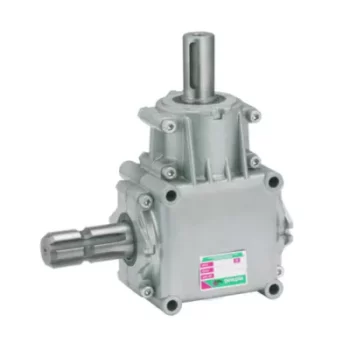
EP-RV022 (X) Aluminum Box Gearbox for Agricultural Fertilizer Sprayers
-
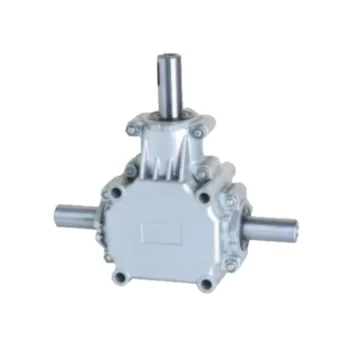
EP-RV010 Aluminum Box Gearbox for Agricultural Fertilizer Sprayers
-
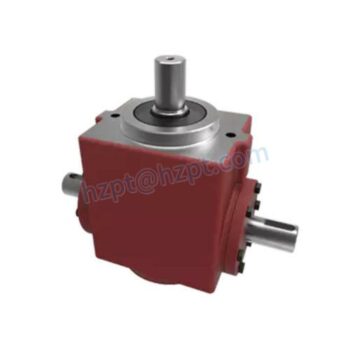
Agriculture Gearbox For Sprayers EP13
-
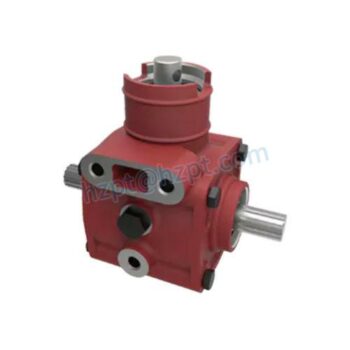
Agriculture Gearbox For Sprayers EP07
Advantages of Using Sprayer Gearbox in Agriculture
Using a sprayer gearbox in agricultural applications offers several significant advantages that contribute to more effective and efficient farming operations. Here are some of the key benefits:
(1) Enhanced Efficiency: Gearboxes in sprayers enable the accurate regulation of spray volumes and patterns, ensuring that the chemicals are distributed uniformly across fields. This precision not only maximizes the effectiveness of the applications, preventing under or over-application, but also helps in achieving consistency across different parts of the field, which is crucial for the health and growth of the crops.
(2) Increased Productivity: By facilitating faster and more consistent spraying, sprayer gearboxes allow farmers to cover extensive agricultural lands within shorter time frames. This increased efficiency is crucial during tight planting and harvesting windows, and ensures that large-scale operations can manage their lands more effectively, thus maximizing the window of ideal weather conditions for application.
(3) Durability and Reliability: Sprayer gearboxes are built to endure the tough conditions typical in agricultural settings, including exposure to chemicals, water, dust, and mechanical stress. Made from materials such as reinforced plastics and treated metals, these gearboxes are designed to resist corrosion and wear, offering long service life which reduces the frequency and costs associated with maintenance or replacement.
(4) Versatility: The availability of various types of gearboxes to suit different spraying needs—from high-pressure applications for dense plantations to low-pressure settings for delicate crops—makes them highly versatile. This adaptability is essential for farms that cultivate a variety of crops, as it allows them to use the same machinery for different purposes by simply switching gearboxes.
(5) Cost-Effectiveness: Improved efficiency in chemical use not only cuts down the amount of pesticide and fertilizer needed but also reduces the costs associated with these chemicals. Furthermore, the precise application decreases the risk of environmental damage, which might lead to regulatory fines or remediation costs, thereby saving additional money in the long run.
(6) Improved Spray Control: Adjustable settings on sprayer gearboxes, such as variable speed options and pressure controls, allow farmers to tailor the application according to the specific needs of each crop or pest problem. This adaptability ensures that crops receive optimal protection against pests and diseases, which enhances yield and quality.
Applications of Sprayer Gearbox
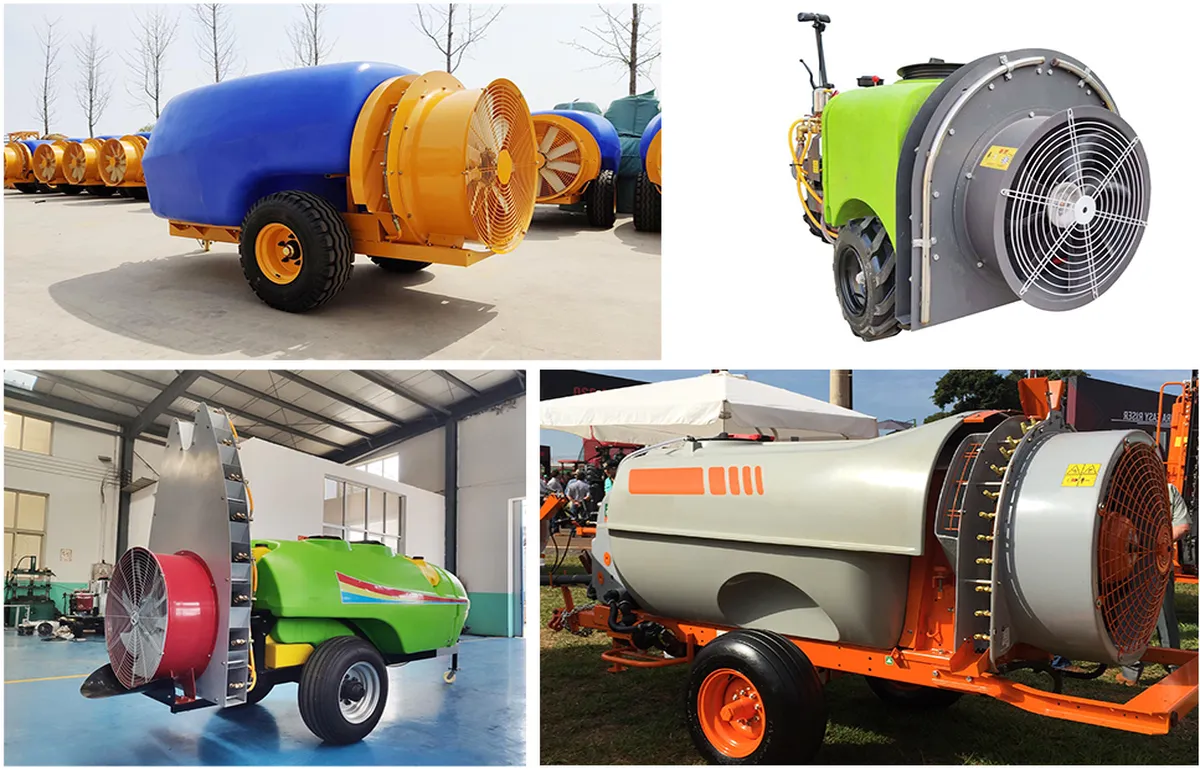
Sprayer gearboxes play a vital role in various agricultural spraying tasks, each designed to cater to specific needs of different farming environments. Here’s how sprayer gearboxes are applied across various agricultural settings:
-
Orchard Spraying: In orchards, where trees are densely planted and reach different heights, sprayer gearboxes help in adjusting the pressure and reach of sprayers to ensure even coverage. The gearbox allows for modifications in spray patterns to navigate around the foliage and branches, effectively delivering pesticides and fungicides to protect fruits like apples, cherries, and peaches from pests and diseases.
-
Field Spraying: Large field crops such as wheat, corn, and soybeans require extensive coverage that sprayer gearboxes facilitate through increased spray efficiency and wider reach. Gearboxes in these settings typically support large boom sprayers that distribute chemicals evenly across vast areas, ensuring all plants receive the necessary treatments for optimal growth and yield protection.
-
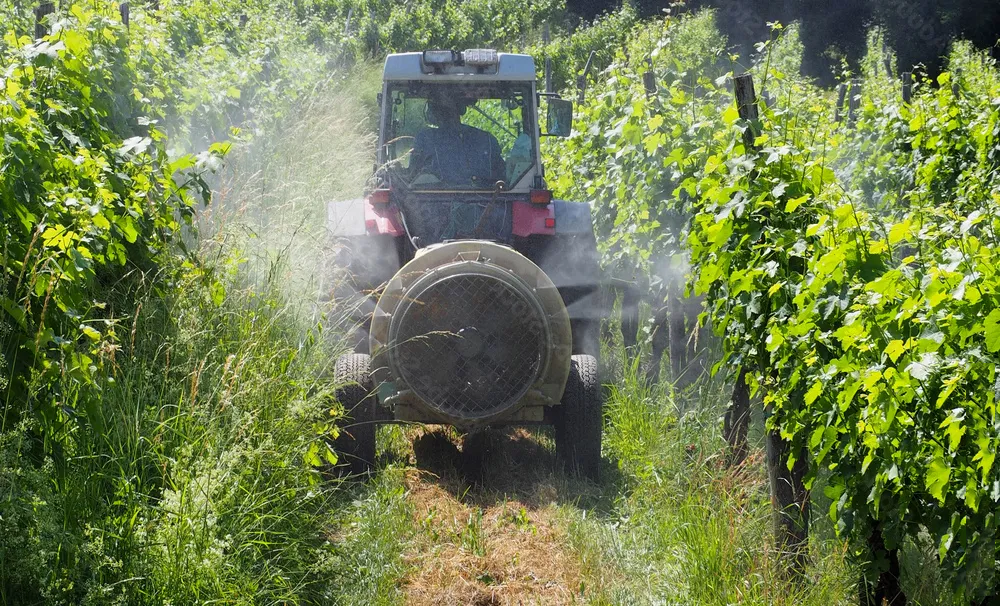
Vineyard Spraying: Vineyards have unique topography and plant structure requirements, with vines often trellised in long rows. Sprayer gearboxes used here are adept at providing consistent spray pressure and volume, critical for penetrating the dense foliage to reach all parts of the grapevine. This precise application helps in effectively managing diseases like powdery mildew and pests that can devastate grape crops.
-
Greenhouse Spraying: In the controlled environments of greenhouses, where conditions are optimized for plant growth, sprayer gearboxes help in applying gentle yet effective pesticide and nutrient sprays. They adjust to lower volumes and pressures to prevent damage to sensitive plants like flowers and seedlings, ensuring uniform application without excessive moisture that could foster disease.
-
Vegetable Farm Spraying: Vegetable farms benefit from sprayer gearboxes as they can be adjusted to suit the needs of different vegetable types, which may be more delicate or have varying height profiles. The gearbox enables fine control over droplet size and spray intensity, crucial for effective pest and disease control without harming the plants or causing runoff.
-
Nursery Spraying: Nurseries, where young plants and shrubs are cultivated before transplantation, use sprayer gearboxes to apply mild pesticide and fungicide formulas. The gearboxes ensure that the delicate plants receive a soft misting that is sufficient to coat the leaves but not so heavy as to weigh down or damage them.
How Does an Agricultural Sprayer Gearbox Work?
An agricultural sprayer gearbox is a critical component designed to regulate and transfer power from the tractor or power source to the sprayer system. The primary function of a sprayer gearbox is to control the speed and torque applied to the sprayer pump, which in turn dictates the pressure and flow rate of the liquid being sprayed. Here’s a detailed breakdown of how a sprayer gearbox operates:
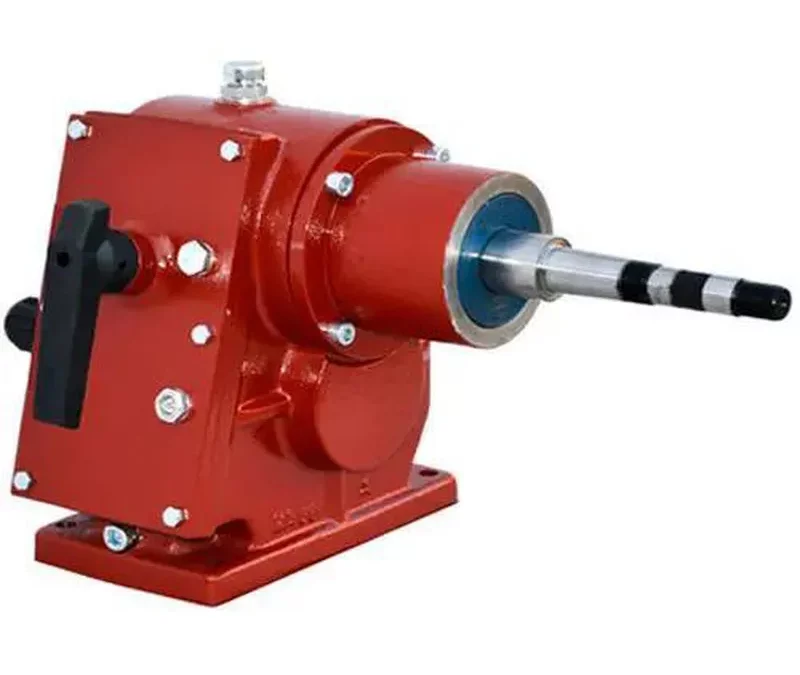
1. Power Source Connection: The gearbox is typically connected to a power source, such as a tractor’s power take-off (PTO) shaft. When engaged, the power from the tractor is transmitted to the gearbox. This connection is crucial as it harnesses the tractor’s mechanical power and channels it into the sprayer system.
2. Speed and Torque Conversion: Inside the gearbox, a series of gears adjust the input speed and torque from the power source. Depending on the design and setting, the gearbox can either increase or decrease the speed and modify the torque characteristics. This adjustment is vital because different spraying tasks may require different speeds and pressures for optimal application.
3. Output to the Sprayer Pump: The adjusted power output from the gearbox is then transmitted to the sprayer pump. The type of pump (diaphragm, piston, centrifugal, etc.) determines how the fluid (pesticides, herbicides, fertilizers) is pulled from the storage tank and pushed through the system.
4. Control Mechanisms: Most modern sprayer gearboxes come with controls that allow the operator to adjust the output characteristics directly from the tractor’s cabin. These controls can alter the flow rate and pressure of the sprayer pump, enabling precise management of the spray application. Adjustments can be made to accommodate different liquid viscosities, spray distances, and droplet sizes, which are crucial for effective and efficient application.
5. Distribution Through the Sprayer System: Once the liquid is pumped, it travels through hoses to the spray nozzles, which are designed to atomize the liquid into fine droplets. The gearbox ensures that the pump maintains a consistent pressure to achieve a uniform spray pattern, essential for covering all surfaces of the plants evenly.
Routine Maintenance Tips to Extend Gearbox Lifespan
To ensure the longevity and optimal performance of an agricultural sprayer gearbox, regular maintenance is crucial. Here are some routine maintenance tips that can help extend the lifespan of a sprayer gearbox:
(1) Regular Lubrication: Ensuring that all moving parts of the gearbox are adequately lubricated is essential for minimizing friction and preventing wear. Use only the type and grade of lubricant recommended by the manufacturer. It’s crucial to check the lubricant levels frequently, particularly before starting extensive operations, and to reapply or replace the lubricant according to the machinery’s usage and environmental conditions.
(2) Check and Replace Oil: Gearbox oil should be replaced as per the guidelines provided by the manufacturer, usually once per season or after a predetermined number of operating hours. Old or contaminated oil can increase internal friction, leading to overheating and accelerated wear. Regular oil changes ensure that internal components remain well-protected and the gearbox operates efficiently.
(3) Inspect for Leaks and Seal Integrity: Periodically inspect the gearbox for any signs of oil leakage or damage to its seals. Leaks can indicate that the seals are compromised, which not only leads to oil loss but also risks contamination of internal components with dirt and debris. Prompt replacement of worn or broken seals is necessary to maintain the integrity and performance of the gearbox.
(4) Clean External Surfaces: After each use, remove any dirt, debris, or residues of chemicals from the gearbox’s external surfaces. This cleaning helps prevent the onset of rust and corrosion and makes it easier to spot potential issues like cracks, leaks, or other damages that might worsen if left unchecked.
(5) Check and Tighten Fasteners: The vibrations and stresses of normal operation can cause bolts, screws, and other fasteners to loosen over time. Regularly check these elements and tighten them to ensure the gearbox assembly remains stable and secure. This prevents misalignment and uneven wear of internal components.
(6) Monitor Gear and Bearing Condition: Be attentive to any unusual sounds such as grinding, knocking, or whining from the gearbox, as these noises can indicate worn or damaged gears and bearings. Inspect these components if you notice such sounds and consider replacing them if they show signs of significant wear or damage to prevent more serious issues.
(7) Avoid Overloading: Operating the gearbox within its specified limits for speed, torque, and temperature is crucial to prevent overloading. Overloading can stress the gearbox, leading to overheating and increased wear or even immediate mechanical failure. Always refer to the manual’s specifications to keep the load within safe operating parameters.
We Also Provide Other Types of Agricultural Gearboxes
Agricultural gearboxes are specialized mechanical devices designed to handle the rigorous demands of various farming operations. Each type of gearbox is tailored for specific agricultural equipment, optimizing performance and durability. Here’s an overview of the different types of agricultural gearboxes:
- Rotary Cutter Gearbox: These gearboxes are designed for rotary cutters, which are used to clear brush and cut grass in fields. Rotary cutter gearboxes must withstand high torque and resist shock loads from hitting obstacles like rocks or uneven ground. They typically feature robust, heavy-duty construction and can handle the high-speed rotation required to drive the cutting blades.
- Feed Mixer Gearbox: Used in feed mixing equipment, these gearboxes are responsible for the proper mixing of various animal feeds. Feed mixer gearboxes need to provide steady, reliable power to ensure that the mixer blades work efficiently and consistently. They often have multiple output shafts to facilitate different mixing actions and are built to endure the corrosive environment of animal feed.
- Fertilizer Spreader Gearbox: These gearboxes are found in machines used for distributing fertilizers across fields. The gearbox drives spreading mechanisms that need to distribute fertilizer evenly and accurately. Fertilizer spreader gearboxes are designed to handle varying loads and must be resistant to chemical corrosion due to prolonged exposure to fertilizers.
- Flail Mower Gearbox: Flail mower gearboxes drive the flails or blades on a flail mower, which is used for cutting through thick vegetation and overgrown areas. These gearboxes must support the high-speed operation required to cut effectively, and they need to provide the durability to handle impacts from debris and other rough materials.
- Post Hole Digger Gearbox: These gearboxes are essential for driving the augers in post hole diggers. They convert the high-speed rotational motion from the tractor into the lower-speed, high-torque motion needed to drill into the earth. Post hole digger gearboxes are particularly designed to handle the stress and strain of digging through various soil types, including tough, compacted soils.
- Round Baler Gearbox: Used in round balers for creating cylindrical bales of harvested crops, these gearboxes translate the power from the tractor to the mechanisms that roll and bind the bales. Round baler gearboxes must be extremely robust to manage the heavy loads and continuous operation during the baling process.
- Square Baler Gearbox: Similar to their round counterparts, square baler gearboxes operate in square or rectangular balers. They drive the mechanisms that compress, cut, and tie the crop material into square bales. These gearboxes are designed to deliver precise timing and coordination for the baler’s mechanisms to function effectively.
Last Update Knowledge & News
No Results Found
The page you requested could not be found. Try refining your search, or use the navigation above to locate the post.
Edited by Yjx