
Steering
Hydraulic Cylinder
What Is A Steering Hydraulic Cylinder
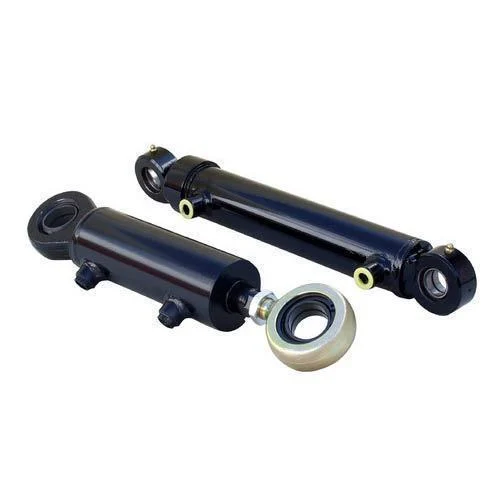
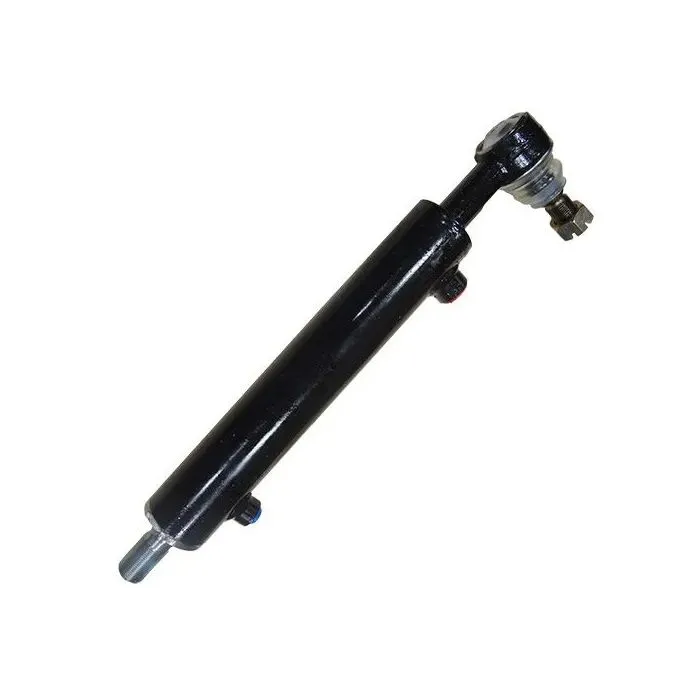
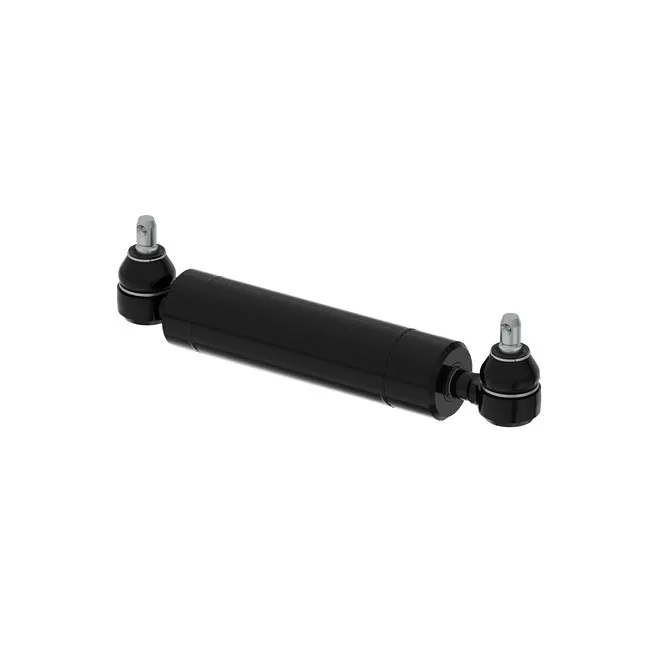
A steering hydraulic cylinder, also known as a hydraulic steering ram or hydraulic steering actuator, is a mechanical device used in hydraulic steering systems to convert hydraulic pressure into linear motion, which enables the steering of a vehicle or vessel.
It is a crucial component that assists in turning the wheels or rudder, allowing the driver or operator to control the direction of movement.
Hydraulic Cylinder Production Area
Our company maintains a leading position in the international market with excellent technical capability, leading research and development strength, unparalleled product quality and customer-oriented service concept.
We employ leading production technology to ensure the precision and quality of our products, and have a responsive production supply chain and rich parts inventory to ensure our fast delivery capabilities.
Our company has accumulated rich production experience and optimized design data, and the tooling process of on-site production assembly and spray hydraulic cylinder is very mature and reliable. It has advanced equipment, advanced technology and mature design technology, production technology, enterprise management technology, inspection technology, storage and packaging technology.
Visit our VR hydraulic cylinder factory:
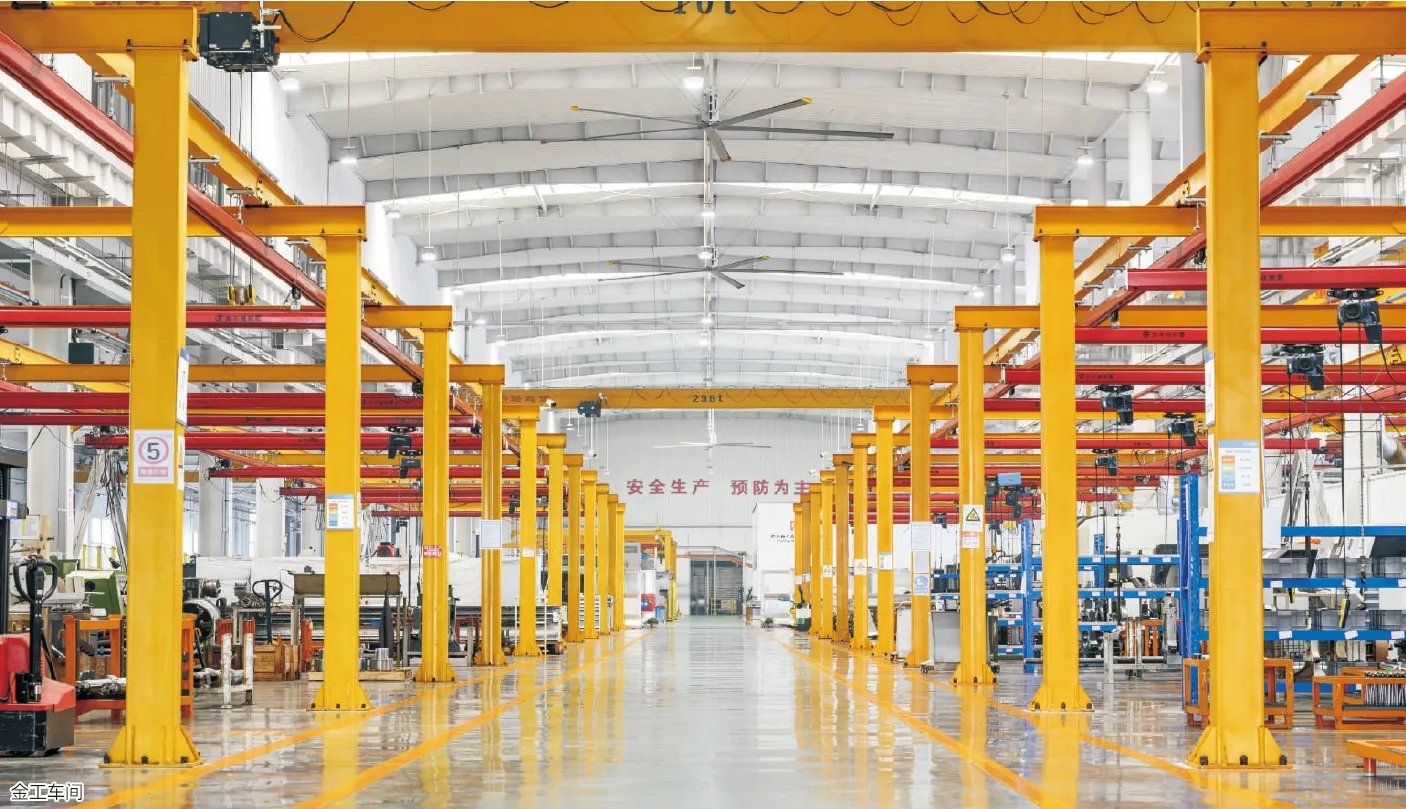
Metalworking Shop
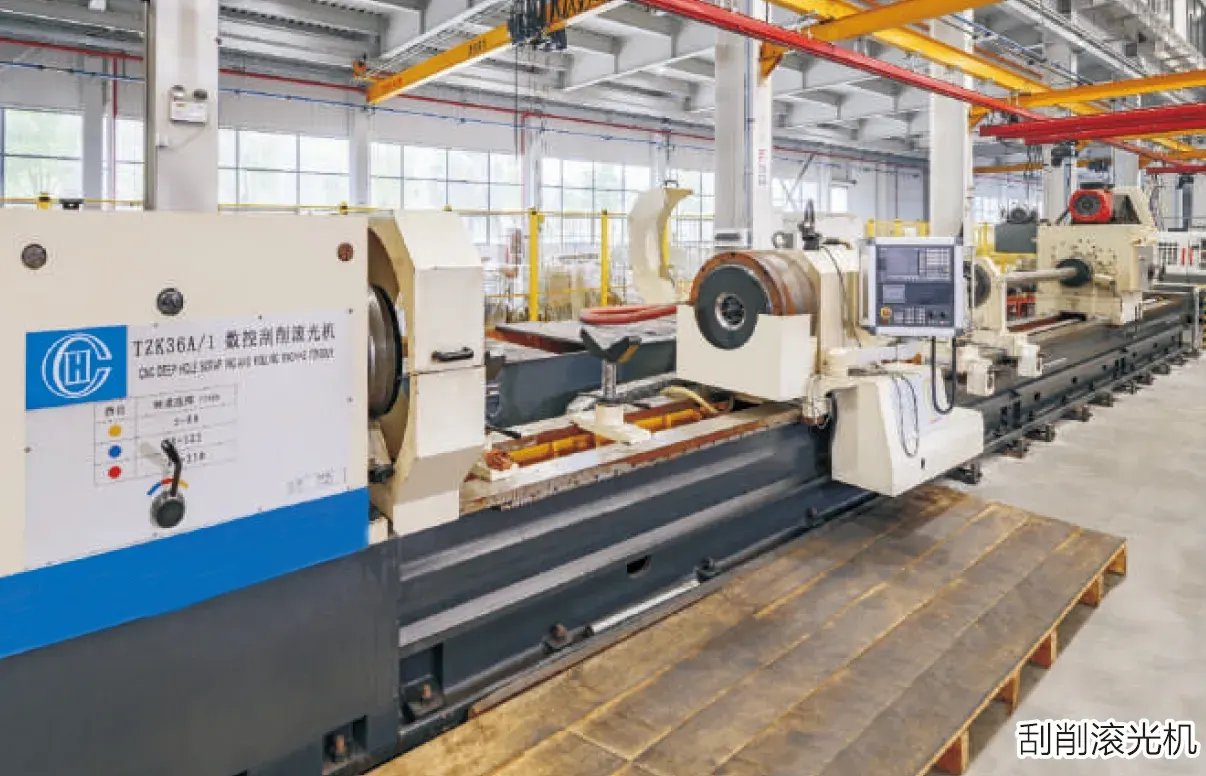
Scraping And Rolling Machine
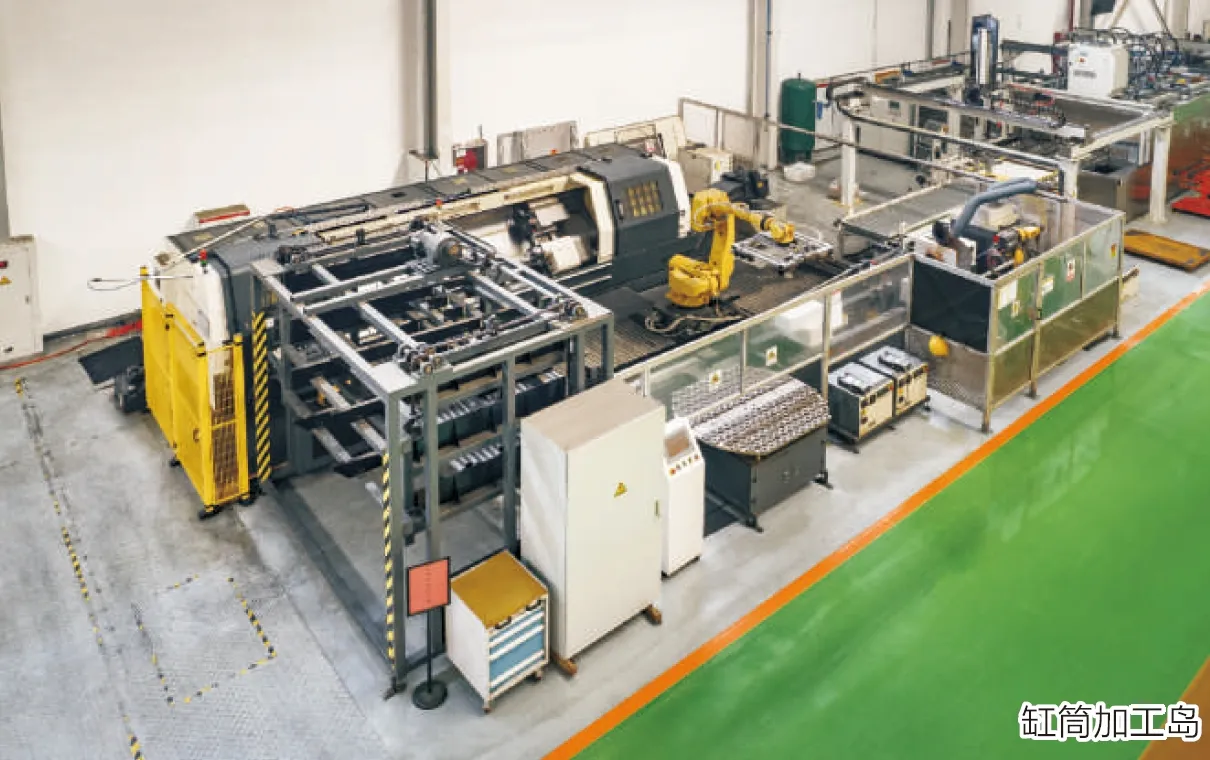
Cylinder Processing Machine
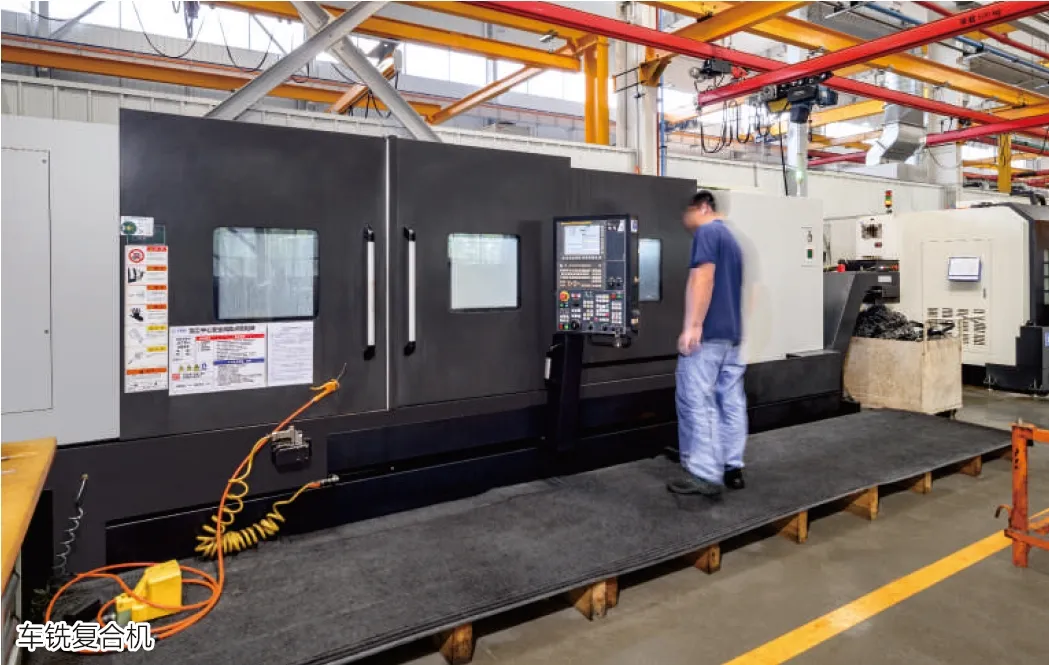
Turning And Milling Compound Machine
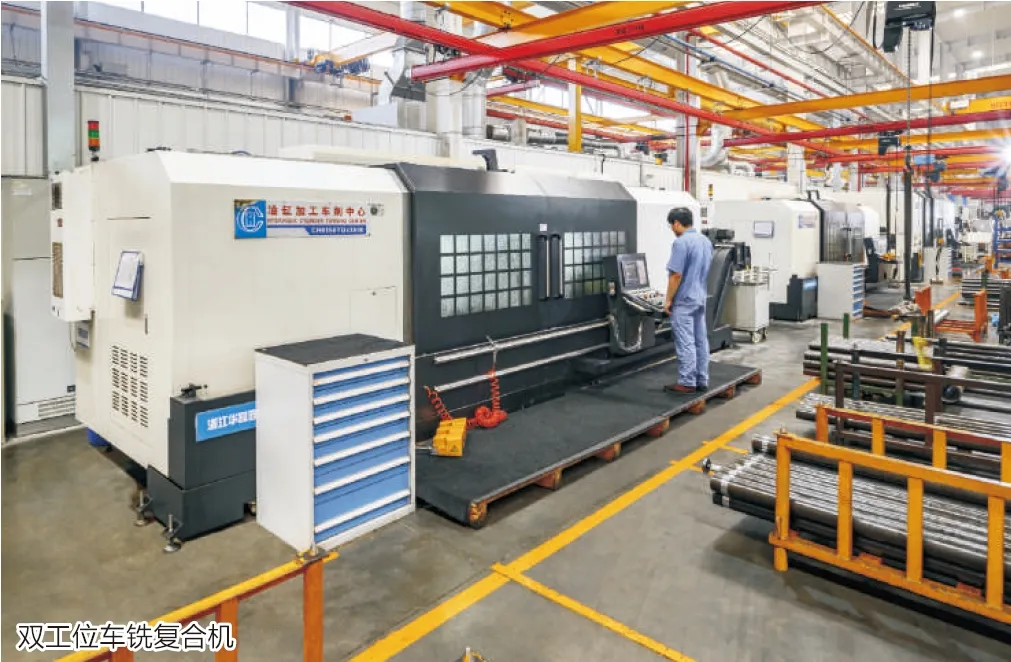
Double Station Turning And Milling Compound Machine
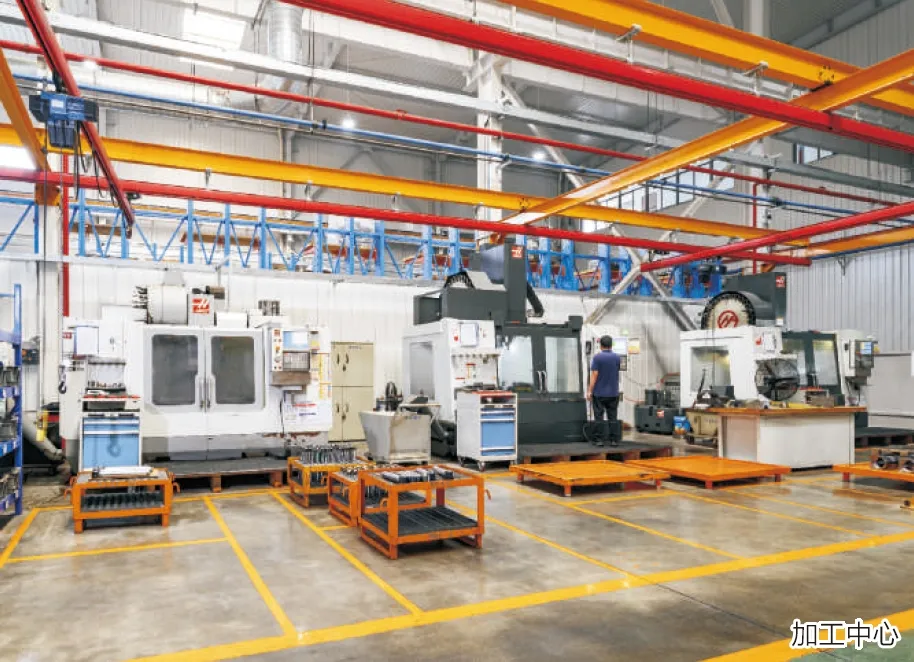
Machining Center
We use leading production technology to ensure the precision and quality of our products, and have a responsive production supply chain and rich parts inventory to ensure our fast delivery capabilities.
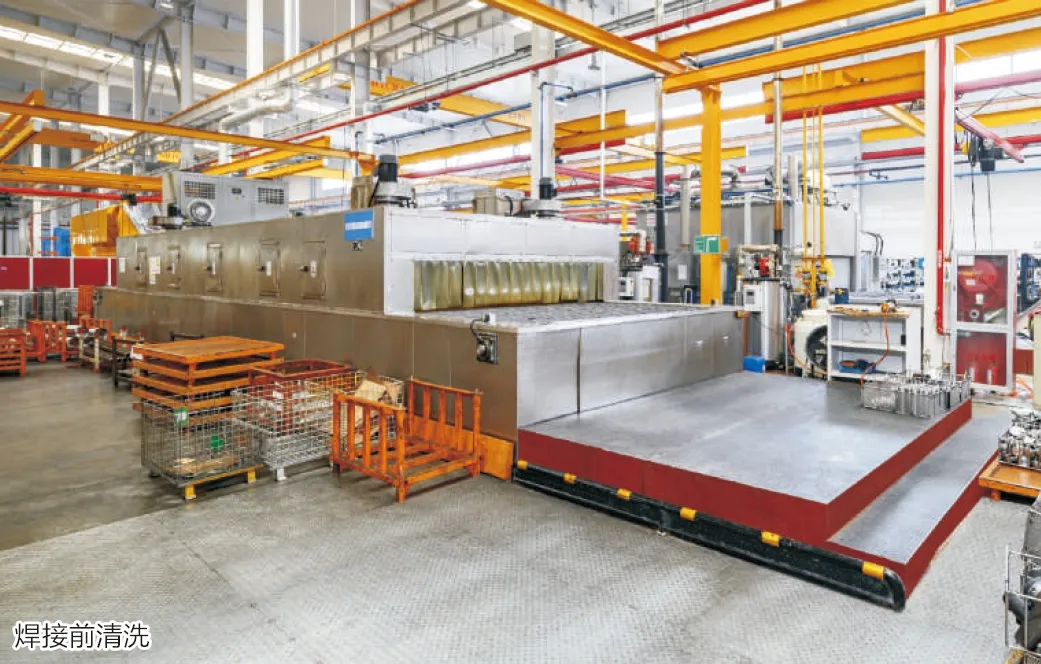
Cleaning Before Welding
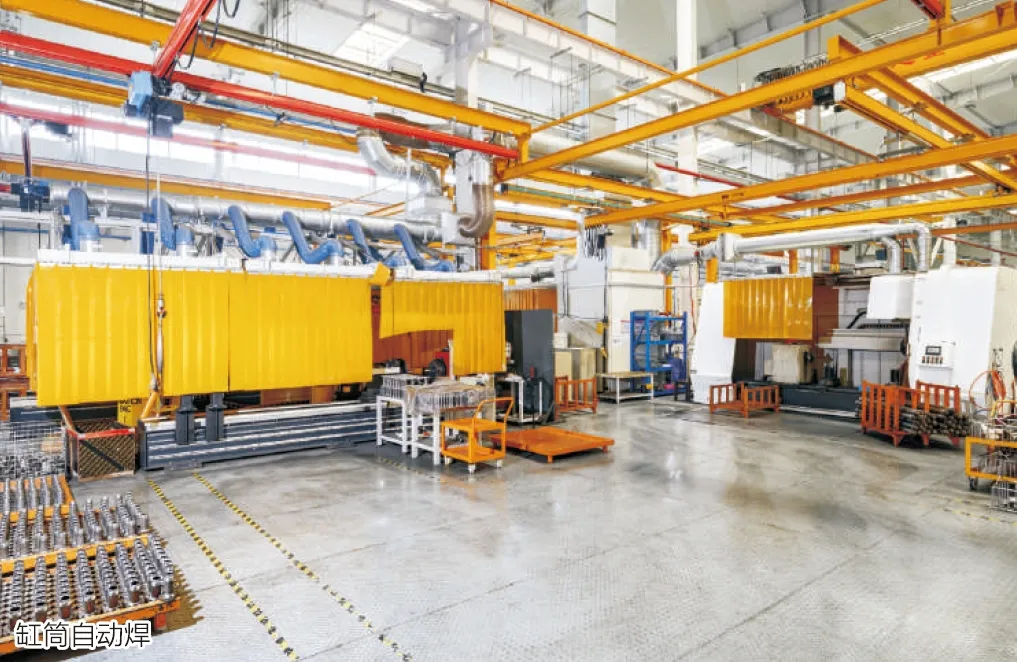
Automatic Welding Cylinder
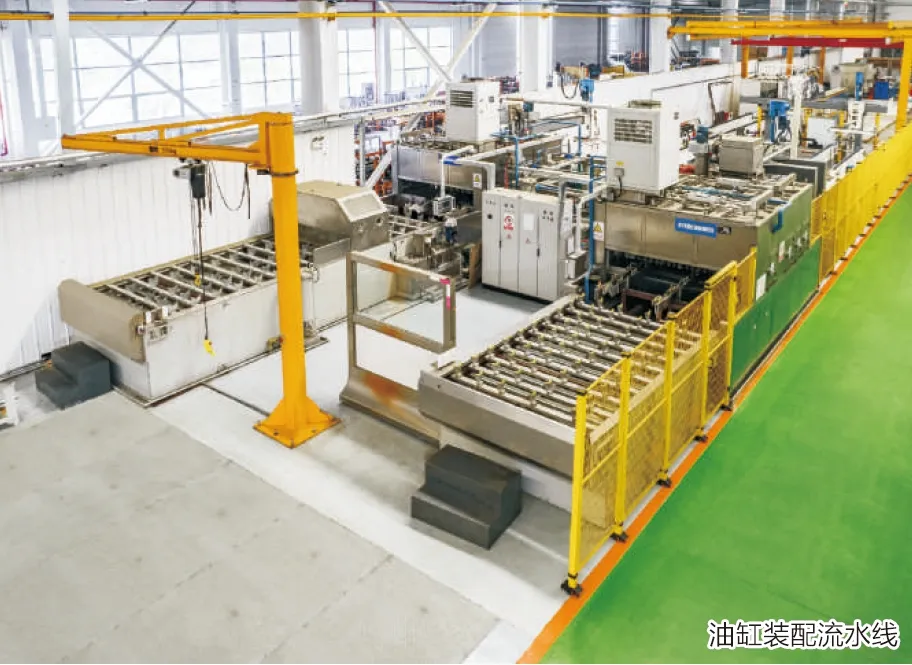
Cylinder Assembly Line
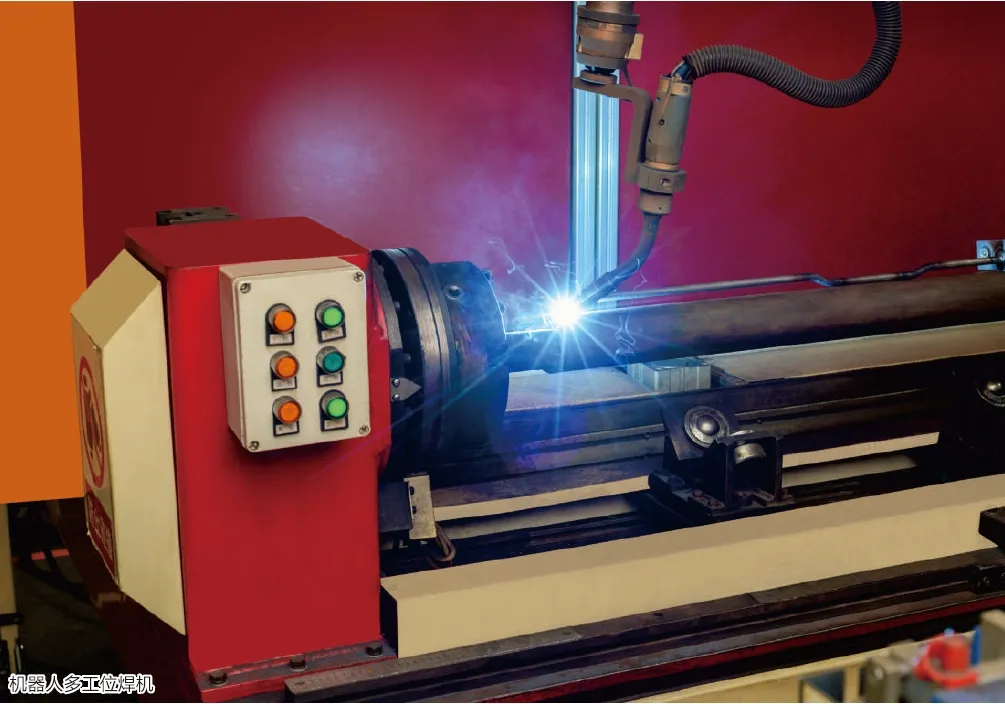
Robot Multi-Station Welder
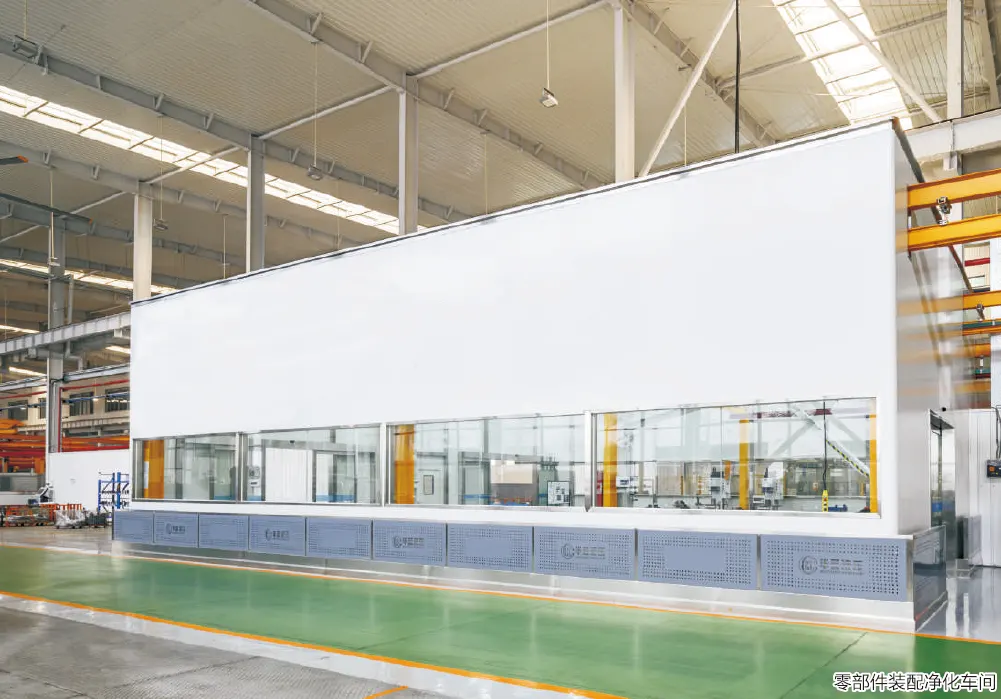
Parts Assembly Purification Workshop
Our company has accumulated rich production experience and optimized design data, and the tooling process of on-site production assembly and spray hydraulic cylinder is very mature and reliable. It has advanced equipment, advanced technology and mature design technology, production technology, enterprise management technology, inspection technology, storage and packaging technology.
In addition, we also supply the following products: aerial work platform cylinders, industrial vehicle hydraulic cylinders, rotary drilling cylinders, mobile crane cylinders, construction machinery hydraulic cylinders, forklift hydraulic cylinders, mining dump truck cylinders, and sanitation machinery hydraulic cylinders, and welcome customers to customize with drawings or samples.
Hydraulic Cylinder For Sale
Showing 1–12 of 108 resultsSorted by latest
-
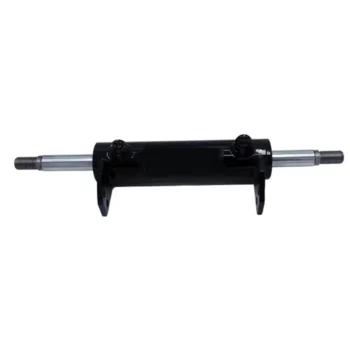
Guaranteed Quality Trailer Hydraulic Cylinder 1200mm Stroke Small Hydraulic Cylinder
-
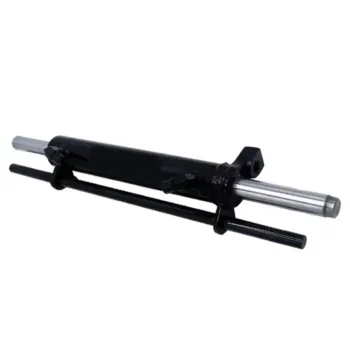
Professional Long Stroke Tractor Hydraulic Steering Cylinder Hydraulic Ram Cylinder
-
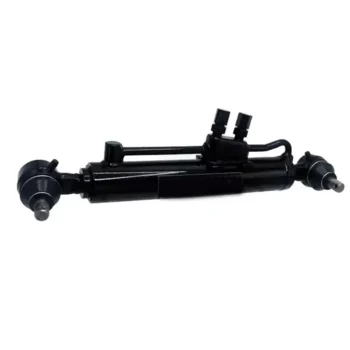
Hot Sale 10 Ton Power Steering Cylinder Tractor Hydraulic Cylinder: The Perfect Addition To Your Machinery
-
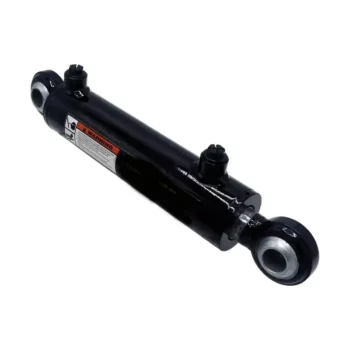
China Factory Supply Engineering Hydraulic Ram Cylinder Tractor Power Steering Cylinder
-
Your Guide to Professional Mini Hydraulic Piston Cylinder for Tractors: A Product of EVER-POWER
-
High Quality Trailer Stainless Steel Hydraulic Cylinder Tractor Hydraulic Steering Cylinder: A Comprehensive Guide
-
High Quality Hydraulic Ram Cylinder Long Stroke Tractor Hydraulic Steering Cylinder
-
Premium Quality Hydraulic Steering Cylinder Hydraulic Cylinder For Agriculture Trailer
-
Customized 10 Ton Hydraulic Piston Cylinder: An Essential Tool for Industrial Applications
-
Professional Craftsmanship Small Hydraulic Cylinder Trailer Tractor Power Steering Cylinder: A Guide to Selection and Maintenance
-
Factory Direct Sale Long Stroke Hydraulic Cylinder Double Acting Hydraulic Cylinder: Quality, Versatility, and Performance
-
Factory Direct Sale Double Acting Hydraulic Cylinder 10 Ton Tractor Power Steering Cylinder: A Comprehensive Guide
Two Basic Types And Working Principles Of Hydraulic Cylinder
How To Rebuild A Hydraulic Steering Cylinder
Rebuilding a hydraulic steering cylinder can help restore its performance and extend its lifespan. Although the specific steps may vary depending on the design and manufacturer of the cylinder, here is a general guide to help you rebuild a hydraulic steering cylinder:
Gather the Necessary Tools and Materials:
-
- Wrenches and socket set
- Seal kit (specific to your cylinder model)
- Hydraulic fluid
- Clean rags or towels
- Safety gloves and goggles
Disconnect the Cylinder:
-
- Ensure the boat or vehicle is securely supported on a stable surface.
- Disconnect the hydraulic lines from the cylinder using wrenches or socket set.
- Remove any mounting bolts or brackets securing the cylinder to the vehicle or steering system.
Disassemble the Cylinder:
-
- Carefully disassemble the cylinder using the appropriate tools.
- Remove the end caps or retaining rings to access the internal components.
- Take note of the order and orientation of the parts for reassembly.
Inspect and Clean Components:
-
- Thoroughly inspect all the components for signs of wear, damage, or corrosion.
- Clean all parts using a suitable cleaning solvent or hydraulic fluid.
- Use clean rags or towels to wipe away any dirt, debris, or old seal remnants.
Replace Seals and O-rings:
-
- Refer to the seal kit instructions to identify the correct seals and O-rings for your cylinder.
- Carefully remove the old seals and O-rings and replace them with new ones from the kit.
- Ensure proper alignment and positioning of the seals to prevent leaks.
Reassemble the Cylinder:
-
- Following the disassembly order, reassemble the cylinder using the cleaned and replaced components.
- Lubricate the seals and O-rings with hydraulic fluid before assembly.
- Tighten the end caps or retaining rings to the manufacturer’s recommended torque specifications.
Test for Proper Operation:
-
- Before reinstalling the cylinder, perform a functionality test to ensure proper operation.
- Attach the hydraulic lines to the cylinder and secure them tightly.
- Slowly fill the hydraulic system with the recommended fluid, following the manufacturer’s guidelines.
- Bleed any air from the system according to the specific bleeding procedure for your steering system.
- Turn the steering wheel or operate the system to check for smooth and responsive movement.
- Inspect for any signs of leaks or abnormal behavior.
Reinstall the Cylinder:
-
- Once you are satisfied with the cylinder’s functionality, reinstall it in the reverse order of removal.
- Securely attach the cylinder to the vehicle or steering system using the appropriate mounting bolts or brackets.
- Double-check all connections and ensure they are tight and leak-free.
Hydraulic Steering Cylinder Repair
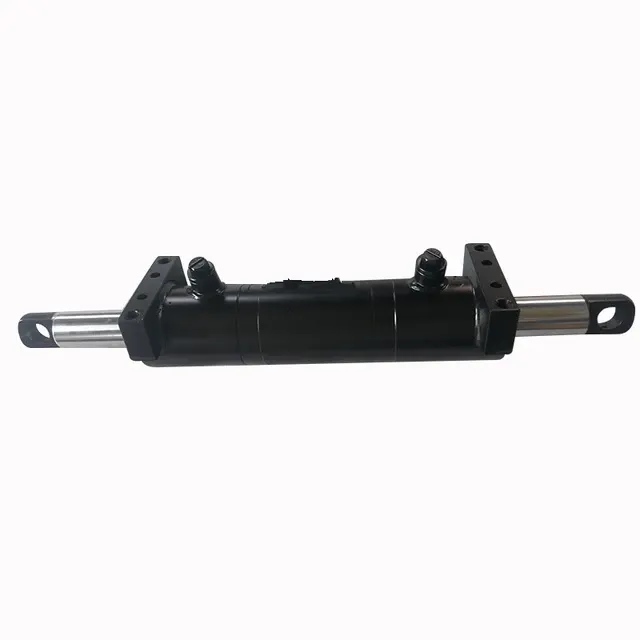
Replace Damaged Components: Identify the specific components that need replacement, such as seals, O-rings, shafts, or valves. Install the new components according to the manufacturer’s instructions, ensuring proper alignment and fit.
Reassemble the Cylinder: Once the damaged components have been replaced, reassemble the hydraulic steering cylinder in the reverse order of disassembly. Apply the appropriate lubricant or hydraulic fluid to the seals and O-rings during reassembly.
Reconnect Hydraulic Lines: Reconnect the hydraulic lines to the cylinder, ensuring proper tightening and alignment. Check for any signs of leaks and address them if necessary.
Test and Adjust: Once the hydraulic steering cylinder is reinstalled, test the system for proper operation. Turn the steering wheel from lock to lock and check for smooth and responsive steering. Make any necessary adjustments or fine-tuning to ensure optimal performance.
Repairing a hydraulic steering cylinder typically involves identifying and addressing the specific issue or damage. Here are some general steps that can help guide the repair process:
Diagnosis: Assess the problem with the hydraulic steering cylinder. Common issues include leaks, worn seals, damaged shafts, or malfunctioning valves. Identify the specific problem before proceeding with the repair.
Gather Tools and Materials: Depending on the repair needed, gather the necessary tools and materials. This may include wrenches, pliers, seal kits, replacement seals, O-rings, shafts, valves, and hydraulic fluid.
Disconnect Hydraulic Lines: Relieve the hydraulic pressure in the system by turning off the engine or shutting down the hydraulic pump. Then, using the appropriate wrench or tool, disconnect the hydraulic lines from the cylinder. Be prepared for some hydraulic fluid to drain out during the process.
Disassemble the Cylinder: Carefully disassemble the hydraulic steering cylinder, following the manufacturer’s guidelines or repair manual. Take note of the order and orientation of the components as you remove them. Clean the components thoroughly and inspect them for any signs of damage or wear.
How To Remove Hydraulic Steering Cylinder
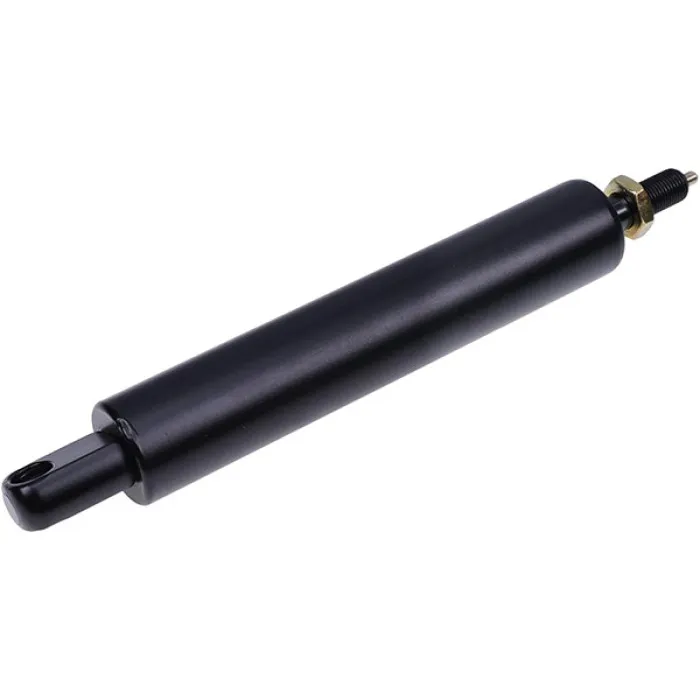
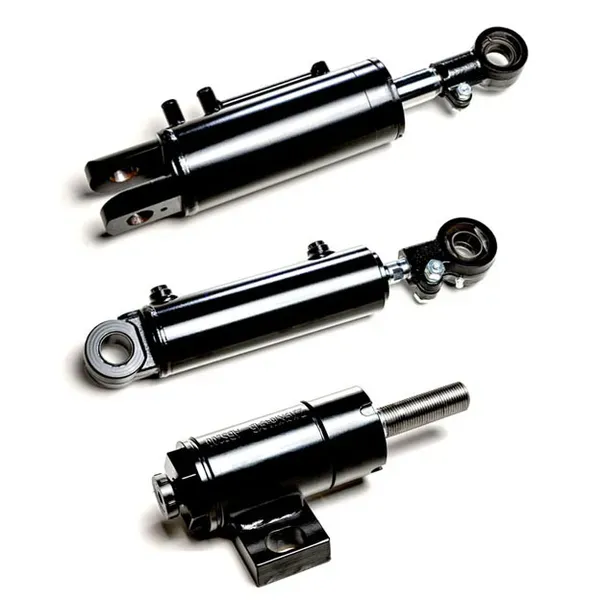
To remove a hydraulic steering cylinder, follow these general steps:
Safety First: Ensure the vehicle or vessel is securely supported on a stable surface and take appropriate safety precautions, such as wearing safety gloves and goggles.
Disconnect Hydraulic Lines: Locate the hydraulic lines connected to the steering cylinder. These lines are typically connected with fittings or hydraulic hose clamps. Use the appropriate wrench or tool to disconnect the hydraulic lines from the cylinder. Be prepared for some hydraulic fluid to drain out during the process, so have a container or absorbent materials ready to catch any spills.
Remove Mounting Bolts or Brackets: Examine the cylinder and identify the mounting bolts or brackets that secure it to the vehicle or vessel’s structure or steering system. Use the appropriate tools, such as a socket wrench or spanner, to remove these mounting bolts or brackets. Keep them safely aside for reinstallation.
Loosen Cylinder Fittings: Some hydraulic steering cylinders may have additional fittings or connections at the ends of the cylinder body. Loosen these fittings using the appropriate tools to disconnect the cylinder from other components or steering linkage.
Remove the Cylinder: Once all fittings, connections, and mounting bolts/brackets are disconnected, carefully slide or lift out the steering cylinder from its position. If the cylinder is heavy or awkward to handle, you may need assistance or use lifting equipment to safely remove it.
Inspect and Prepare for Reinstallation: With the cylinder removed, take the opportunity to inspect it for any signs of damage, wear, or leakage. If necessary, clean the cylinder and its components, and make note of any parts that may need replacement or repair. Also, inspect the hydraulic lines and fittings for any damage or wear.