
What is a Top Link(Toplink) for Tractor?
The primary function of the top link is to provide stability and control to the attached implement. It helps distribute the weight evenly between the front and rear wheels of the tractor, improving traction and preventing wheel slippage. By adjusting the length of the top link, operators can achieve the desired working height and implement angle, optimizing performance and productivity.
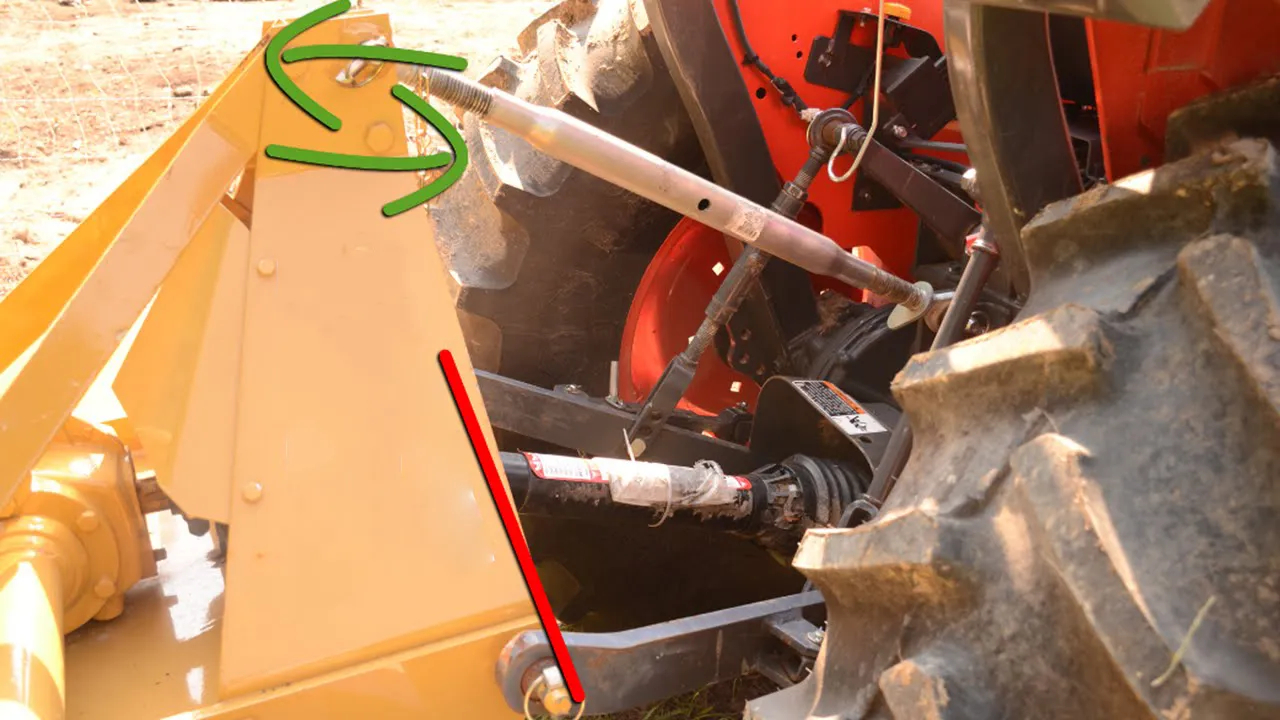
Types of Top Link(Toplink) for Tractor
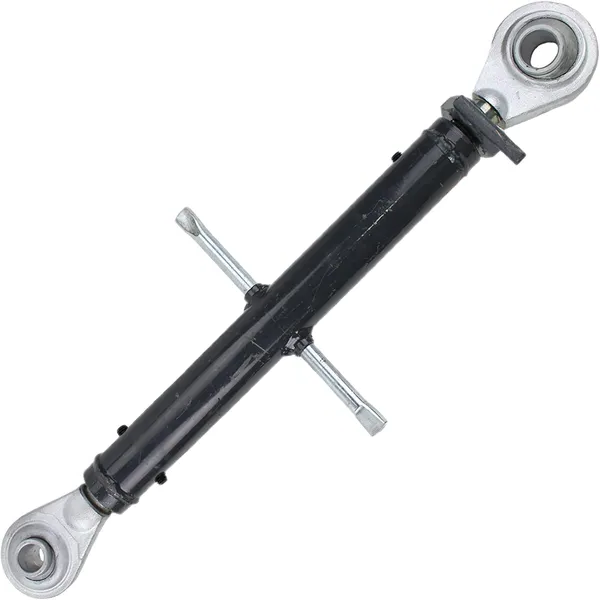
Top Link Fits For Kubota
- W9522-59231-LONG Top link Rod Fits For Kubota
- W9522-59231-SHORT Top link Rod Fits For Kubota
- 6-02-101-03 Top Link Fits For Kubota
- 32310-71100 Top Link Fits For Kubota
- 3C001-91700 Top Link Fits For Kubota
- 3C315-91700 Top Link Fits For Kubota
- TC232-71100 Top Link Fits For Kubota
- TC222-71100 Top Link Fits For Kubota
- 6C507-65400 Top Link Fits For Kubota
- W9501-A5031 Top Link Fits For Kubota
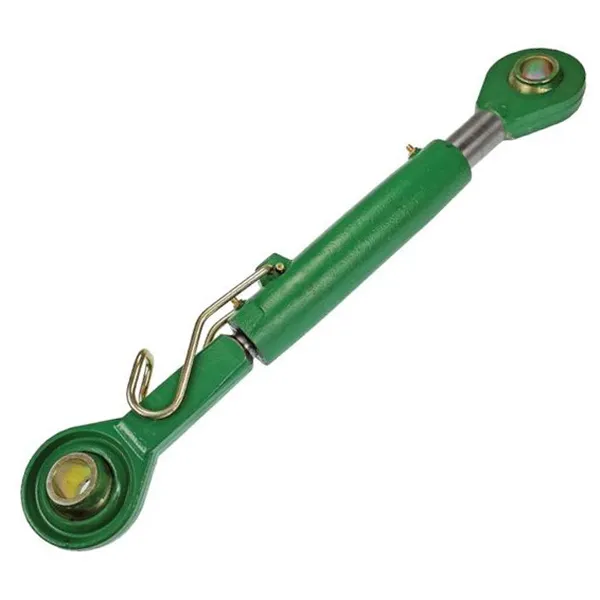
Top Link Fits For John Deere
- AL159867 Toplink Assy Fits For John Deere
- AL159873 Toplink Assy Fits For John Deere
- AL159964 Toplink End Fits For John Deere
- AL159973 Toplink End Fits For John Deere
- AL159972 Toplink End Fits For John Deere
- AL159963 Toplink End Fits For John Deere
- AL159962 Toplink End Fits For John Deere
- AL159969 Toplink End Fits For John Deere
- AL159971 Toplink End Fits For John Deere
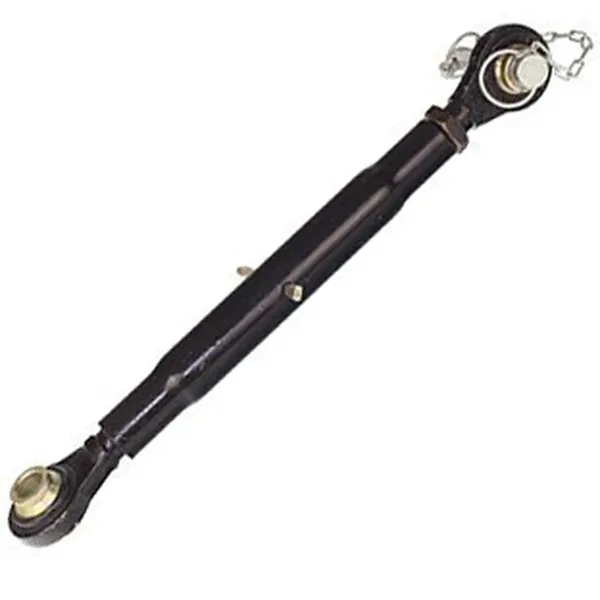
Top Link For MTZ
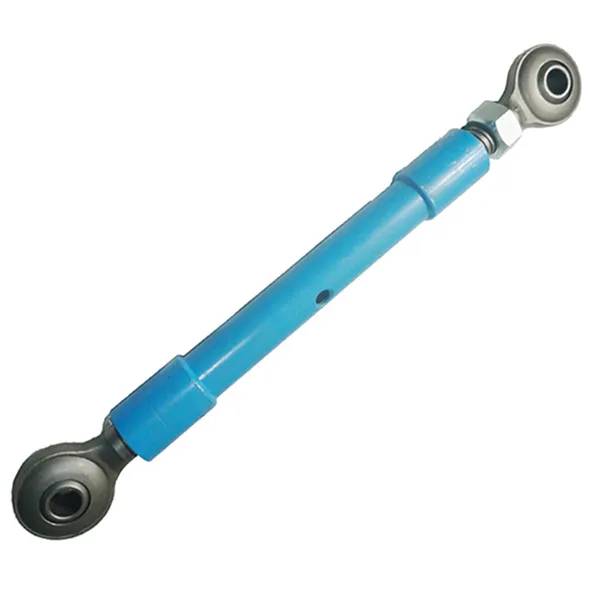
Top Link For Ford New Holland
Common Types of Top Link for Tractor
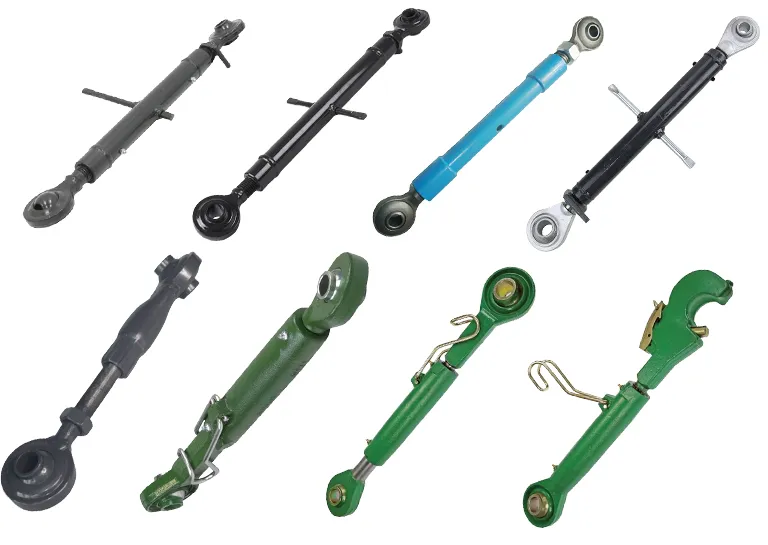
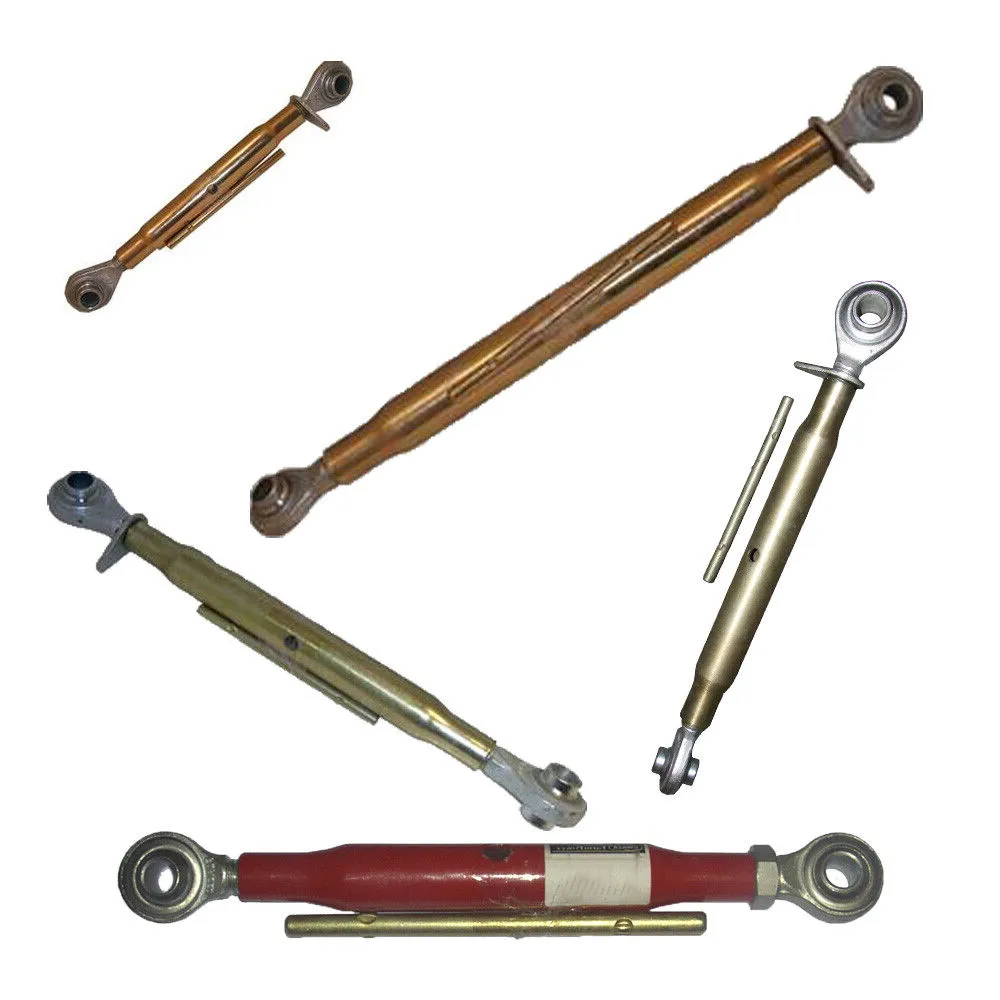
1. Adjustable Top Link: This is the most common type of top link and is designed to provide adjustable length for attaching implements to the three-point hitch. It typically has a threaded rod with several holes or a turnbuckle mechanism for easy adjustment.
2. Telescopic Top Link: This type of top link can be extended or retracted to accommodate different attachment points. It is useful when you need to connect implements with varying heights or when using quick hitch systems.
3. Quick Hitch Compatible Top Link: Some top links are specifically designed to work with quick hitch systems. These top links usually have a different attachment mechanism or a longer body to accommodate the quick hitch brackets.
4. Heavy-Duty Top Link: Heavy-duty top links are built with more robust materials and construction to handle heavier implements and provide increased durability. They are suitable for tractors with higher horsepower or for heavy-duty applications.
5. Top Link with Swivel Ends: This type of top link features swivel ends that allow for a greater range of motion and flexibility. It makes it easier to connect implements that require more freedom of movement, such as mowers or rotary cutters.
6. Top Link with Clevis Ends: Top links with clevis ends have a clevis pin attachment mechanism on both ends. This type of top link is commonly used with certain types of implements that have clevis attachment points.
The Function of Top Link(Toplink) for Tractor
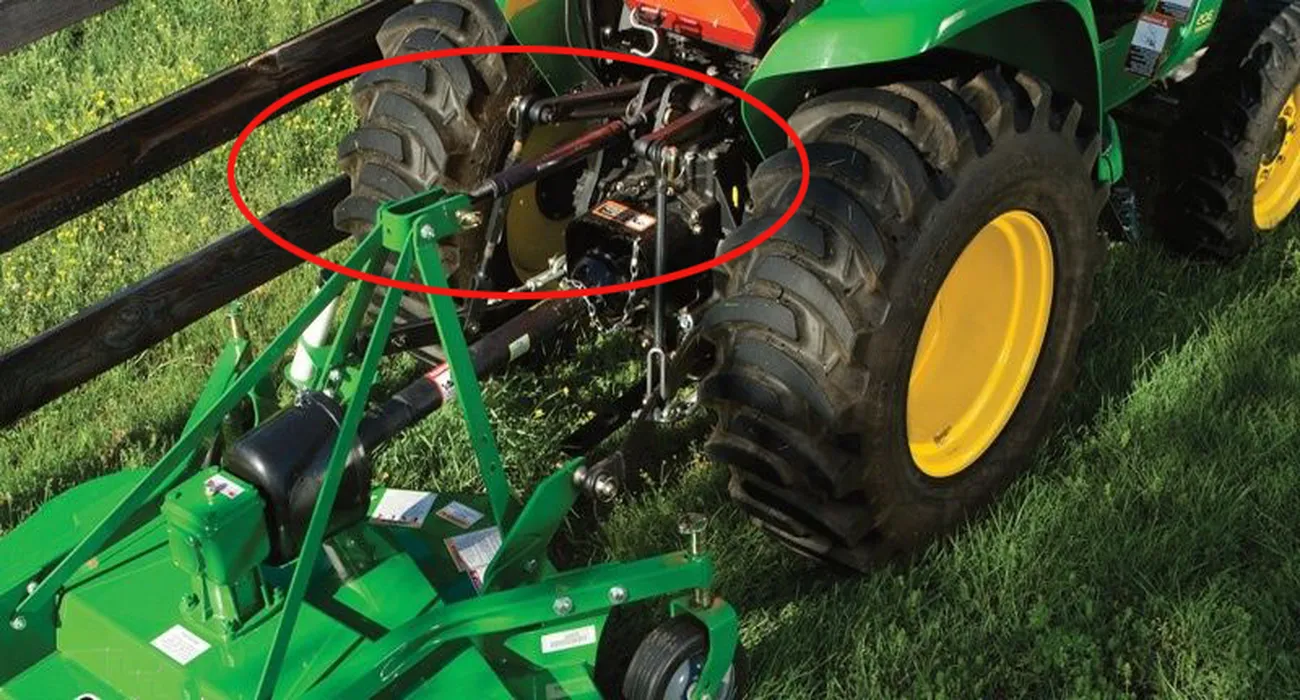
(1) Attachment of Implements: The top link serves as the link between the tractor and the implement being used. It connects the implement’s attachment points, usually located at the rear of the implement, to the tractor’s three-point hitch system.
(2) Stability and Balance: The top link helps maintain stability and balance of the implement during operation. It prevents excessive bouncing or swaying of the implement, especially when working on uneven terrain. This stability ensures precise and controlled movement, resulting in better performance and accuracy.
(3) Vertical Adjustment: One of the primary functions of the top link is to provide vertical adjustment for the implement. This adjustment allows the operator to set the height of the implement’s working elements, such as blades, tines, or wheels, according to the desired depth or clearance required for the specific task.
(4) Tilt Adjustment: The top link also facilitates tilt adjustment of the implement. By altering the length of the top link, operators can change the angle at which the implement operates, enabling precise control over the implement’s working angle and orientation. This adjustment is particularly useful when working on sloping or uneven terrain.
(5) Weight Distribution: The top link helps distribute the weight of the implement evenly between the tractor’s front and rear axles. Proper weight distribution is crucial for maintaining traction and stability, especially when using heavy or front-mounted implements. It ensures that the tractor maintains adequate traction and steering control.
(6) Implement Maneuverability: The top link’s ability to adjust the implement’s height, angle, and tilt allows for improved maneuverability. Operators can tailor the implement’s position to match the specific requirements of the task, making it easier to navigate tight spaces or work around obstacles.
(7) Quick Hitch Compatibility: Some top links are designed to be compatible with quick hitch systems. These systems allow for quicker and easier attachment and detachment of implements, saving valuable time and effort during farm operations.
Applications of Using the Top Link(Toplink)
(1) Plowing and Tilling: When plowing or tilling fields, the top link allows for the adjustment of the implement’s working depth. Operators can set the desired depth based on soil conditions and the specific crop requirements, ensuring optimal seedbed preparation and soil cultivation.
(2) Seeding and Planting: The top link is beneficial for seeding and planting operations. By adjusting the height and angle of the implement, operators can achieve precise seed placement and proper coverage of the planting area. This ensures uniform germination and plant growth.
(3) Mowing and Cutting: When using mowers or cutters, the top link provides stability and balance. It prevents excessive bouncing or swaying of the implement, resulting in a smoother and more even cut. The adjustability of the top link also allows for better maneuverability around obstacles and uneven terrain.
(4) Soil Conditioning and Cultivation: The top link is often used with implements like cultivators and harrows for soil conditioning and cultivation. By adjusting the height and angle of the implement, operators can effectively break up soil clumps, remove weeds, and prepare the soil for planting.
(5) Material Handling: The top link can be employed in material handling tasks, such as using a rear-mounted forklift attachment or a loader bucket. By adjusting the tilt angle of the implement, operators can optimize the positioning and control the movement of materials, improving efficiency and safety.
(6) Grading and Leveling: The top link is useful for grading and leveling applications. By adjusting the implement’s working angle, operators can achieve the desired slope or contour when leveling surfaces or creating drainage channels.
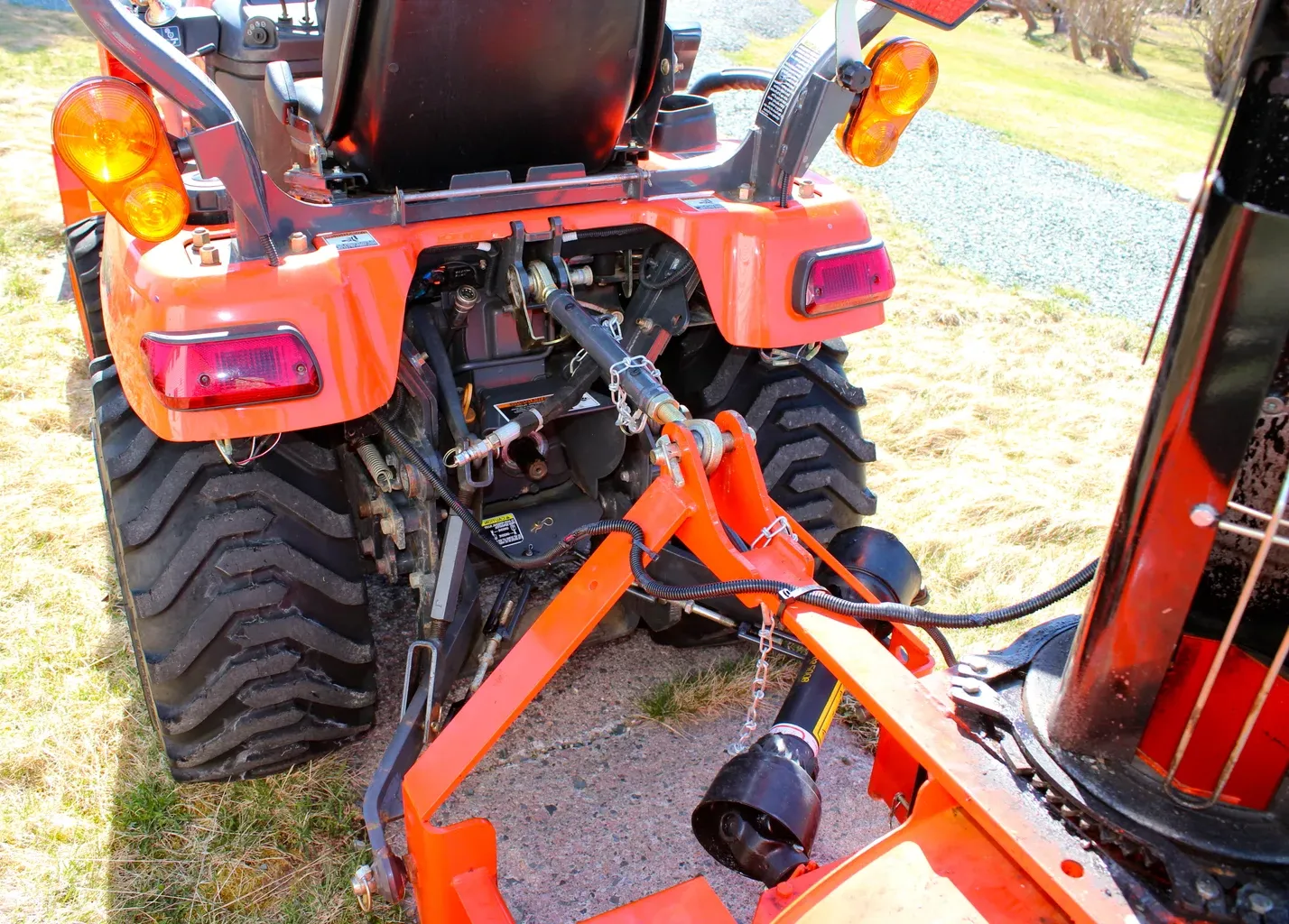
(7) Snow Removal: The top link can be used with snow removal implements, such as rear-mounted snow blowers or blades. It helps maintain stability and balance during snow clearing operations, enabling operators to achieve consistent and efficient snow removal.
Cat 1 Top Link Vs Cat 2 Top Link Vs Cat 3 Top Link
Cat 1, Cat 2, and Cat 3 are standardized categories used to classify three-point hitch systems on tractors and the corresponding top links. Here’s a comparison of Cat 1, Cat 2, and Cat 3 top links:
Cat 1 Top Link:
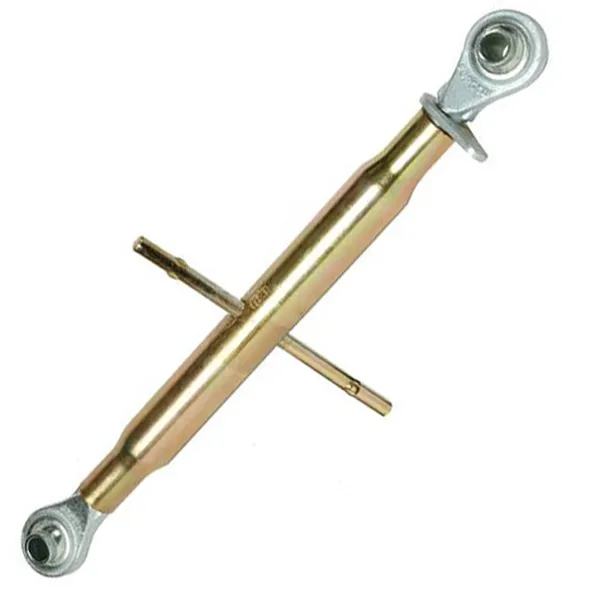
- Cat 1 is the smallest category and is commonly used for compact tractors or lower horsepower machines.
- Cat 1 top links typically have a lower weight capacity compared to larger categories.
- They have smaller dimensions, including a smaller diameter and length, to fit the Cat 1 three-point hitch system.
- Cat 1 top links are designed to be compatible with Cat 1 implements, which have smaller attachment points.
Cat 2 Top Link:
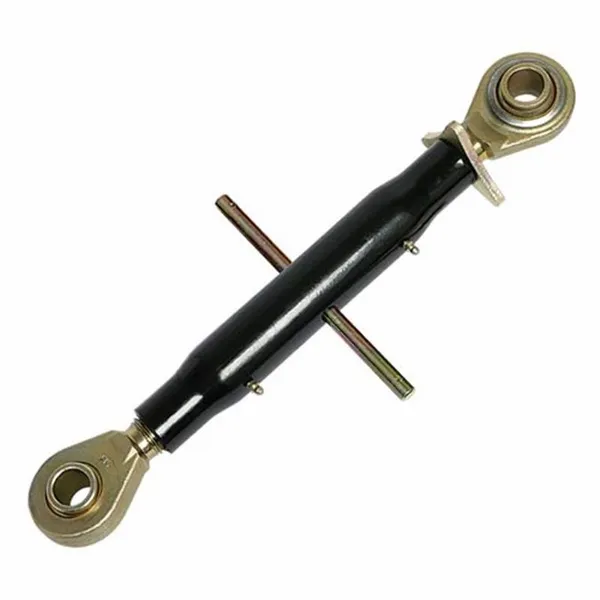
- Cat 2 is a medium-sized category, typically used for mid-sized tractors with moderate horsepower.
- Cat 2 top links have a higher weight capacity compared to Cat 1 top links, making them suitable for heavier implements.
- They have larger dimensions, including a larger diameter and length, to fit the Cat 2 three-point hitch system.
- Cat 2 top links are designed to be compatible with Cat 2 implements, which have larger attachment points.
Cat 3 Top Link:
- Cat 3 is the largest category and is commonly used for larger tractors with higher horsepower.
- Cat 3 top links have the highest weight capacity compared to Cat 1 and Cat 2 top links, making them suitable for heavy-duty applications.
- They have even larger dimensions, including a larger diameter and length, to fit the Cat 3 three-point hitch system.
- Cat 3 top links are designed to be compatible with Cat 3 implements, which have larger attachment points.
 |
 |
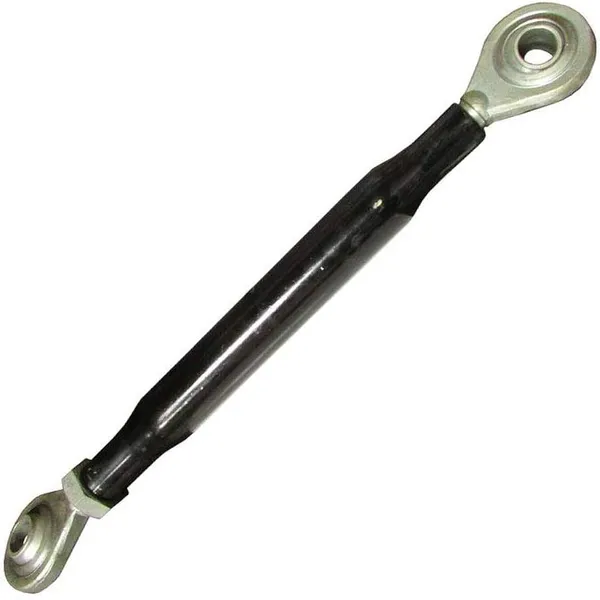 |
| Cat 1 Top Link | Cat 2 Top Link | Cat 3 Top Link |
Tractor Top Link for 3 Point Hitch Installation
Installing and maintaining a tractor top link for a three-point hitch system is essential for safe and efficient operation. Here are some guidelines for installation and maintenance:
Installation:
(1) Choose the Correct Top Link: Ensure that you select a top link that matches the three-point hitch category of your tractor. It should be compatible with the weight capacity and dimensions required for your specific implements.
(2) Position the Tractor: Park the tractor on a level surface and engage the parking brake. Make sure the engine is turned off and the key is removed.
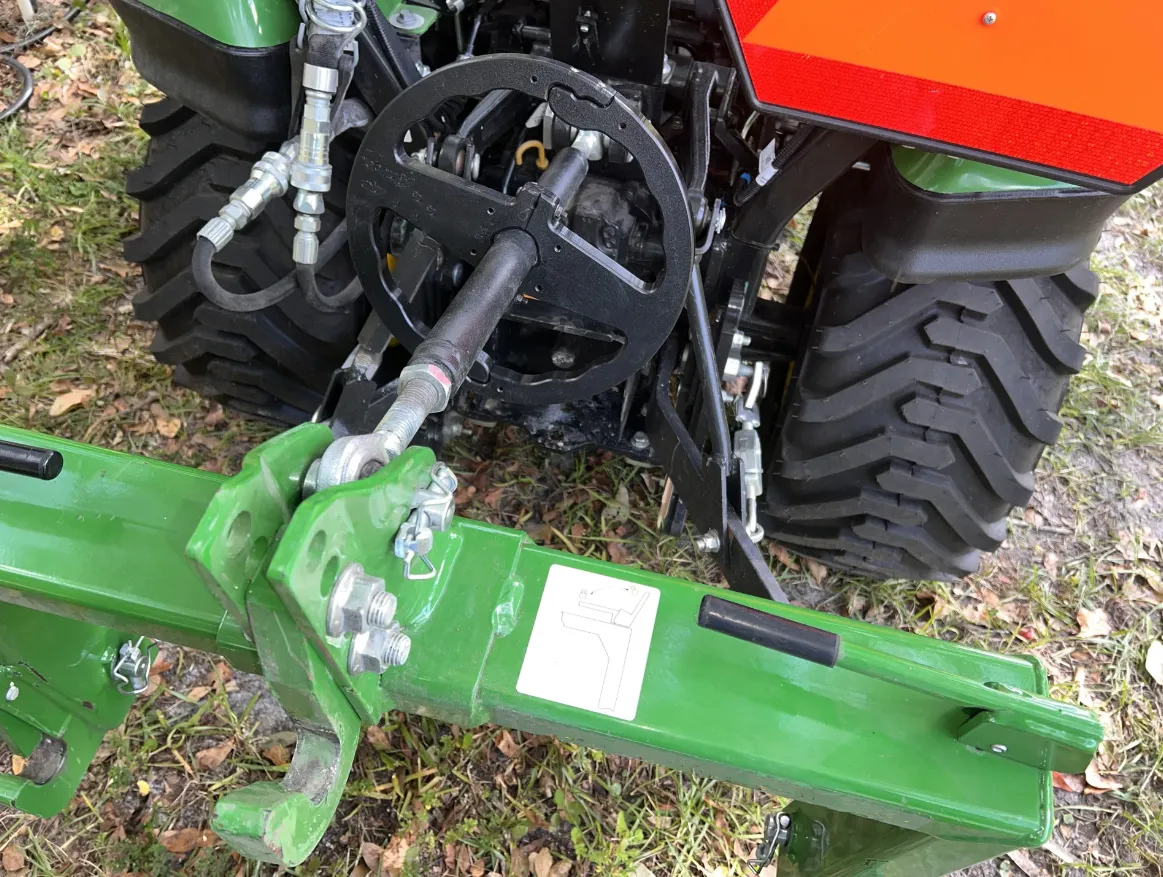
(3) Attach the Top Link: Align the top link attachment points on the implement and the tractor’s three-point hitch. Insert the top link into the attachment points and secure it using the locking mechanisms provided. Follow the specific instructions provided by the manufacturer for your tractor and top link.
(5) Secure the Adjustments: Once you achieve the desired length and angle, make sure to secure any adjustment mechanisms or locking devices on the top link to prevent unintentional changes during operation.
Maintenance:
(1) Regular Inspections: Routinely inspect the top link for any signs of wear, damage, or loose components. Check for cracks, bent sections, or loose pins. Ensure that all adjustment mechanisms and locking devices are functioning correctly.
(2) Lubrication: Apply grease or lubricant to the moving parts of the top link, such as the adjustment mechanisms, pivot points, and attachment points. This prevents rust and corrosion and ensures smooth operation.
(3) Cleanliness: Keep the top link clean and free from dirt, debris, and excessive buildup. Regularly wash the top link and remove any mud, grass, or other materials that may accumulate during operation.
(4) Storage: When not in use, store the top link in a dry and secure location, protected from the elements. This helps prevent rust and extends the lifespan of the top link.
(5) Replacement: If you notice any significant damage or wear that affects the structural integrity or functionality of the top link, consider replacing it. Using a compromised top link can pose safety risks and affect the performance of your implements.
Different Between Tractor Top Link and Hydraulic Top Link
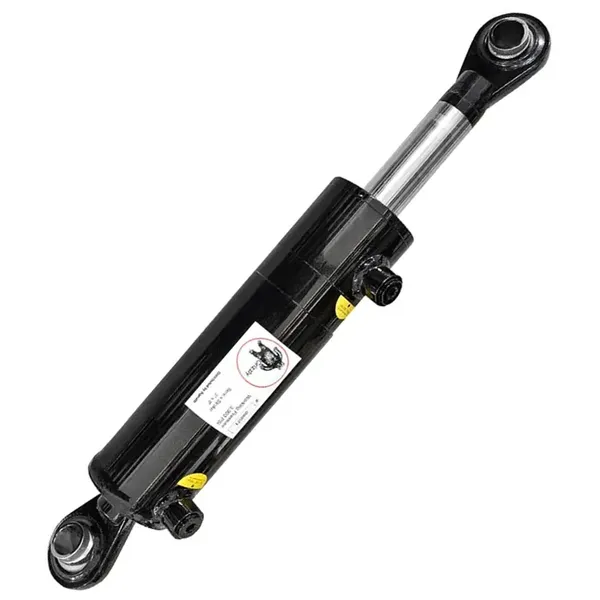
The main difference between a tractor top link and a hydraulic top link lies in their operation and functionality. Here’s a breakdown of the differences:
Tractor Top Link: |
Hydraulic Top Link: |
|
 |
| 1. A tractor top link is a mechanical component used in the three-point hitch system of a tractor. | 1. A hydraulic top link is a more advanced alternative to the mechanical tractor top link. |
| 2. It is typically made of steel and consists of a threaded rod or bar with adjustable length and attachment points on both ends. | 2. It incorporates hydraulic cylinders and a hydraulic control system to provide automated adjustment of the top link’s length and tilt angle. |
| 3. The tractor top link allows for vertical adjustment, tilt control, and stability of the implement connected to the three-point hitch. | 3. Hydraulic top links are typically powered by the tractor’s hydraulic system, using hydraulic fluid and pressure to extend or retract the cylinders. |
| 4. It is manually adjusted by loosening or tightening the locking mechanisms and physically changing the length or angle of the top link. | 4. They offer convenient and precise control over the top link’s position, allowing for quick and effortless adjustment during operation. |
| 5. Tractor top links are available in different categories (Cat 1, Cat 2, Cat 3) to match the corresponding three-point hitch system of the tractor. | 5. Hydraulic top links are commonly equipped with a hydraulic control valve that enables operators to adjust the length and angle from the tractor cab, eliminating the need for manual adjustments. |
The choice between a tractor top link and a hydraulic top link depends on factors such as the specific application, the frequency of adjustment needed, and the operator’s preferences. Tractor top links are simpler and more cost-effective, suitable for applications where manual adjustment is sufficient. On the other hand, hydraulic top links offer enhanced convenience, efficiency, and precision, making them ideal for tasks that require frequent or precise adjustments. However, hydraulic top links tend to be more expensive and require hydraulic compatibility with the tractor’s hydraulic system.
High Quality Top Link for Sale
-
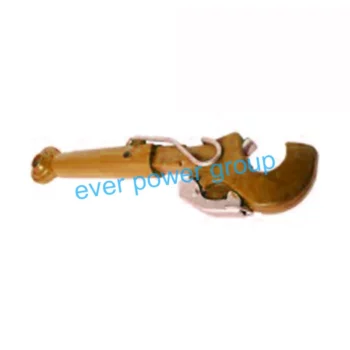
AL159867 Top Link For John Deere Tractor
-
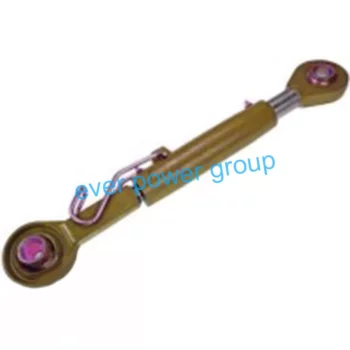
AL159873 Top Link For John Deere Tractor
-
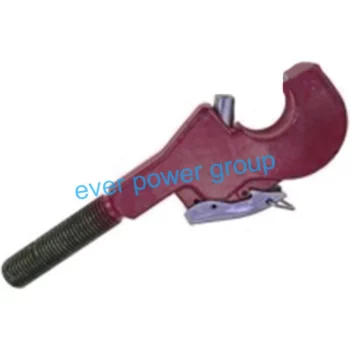
AL159964 Top Link For John Deere Tractor
-
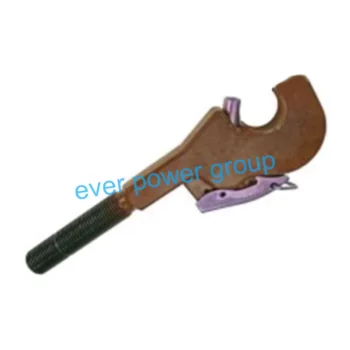
AL159973 Top Link For John Deere Tractor
-
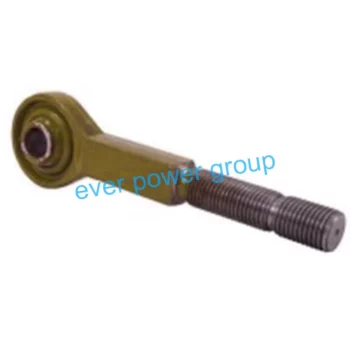
AL159972 Top Link For John Deere Tractor
-
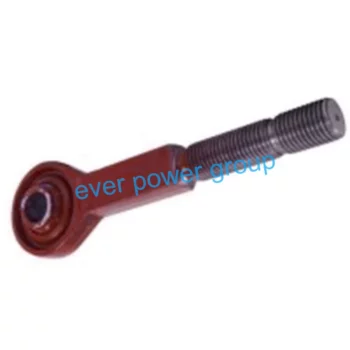
AL159963 Top Link For John Deere Tractor
-
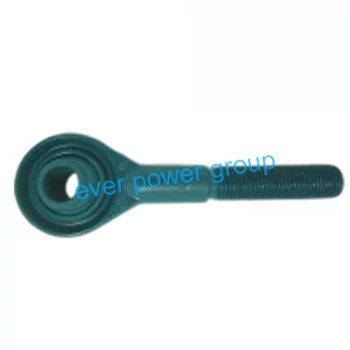
AL159962 Top Link For John Deere Tractor
-
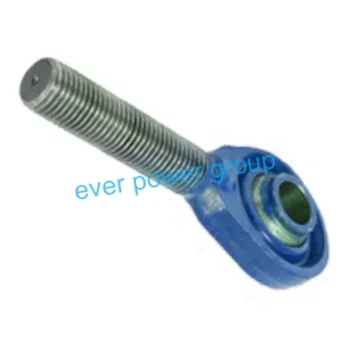
AL159969 Top Link For John Deere Tractor
-
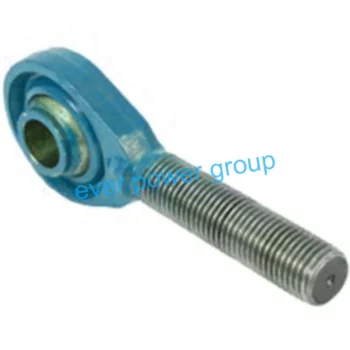
AL159971 Top Link For John Deere Tractor
-
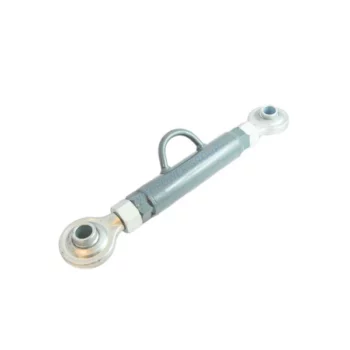
6-02-101-03 Top Link Fits For Kubota
-
3C001-91700 Top Link Fits For Kubota
-
3C315-91700 Top Link Fits For Kubota
-
W9501-55101 Top Link Fits For Kubota
-
TC832-71100 Top Link Fits For Kubota
-
TC403-71100 Top Link For Fits Kubota
-
TC232-71100 Top Link Fits For Kubota
-
TC222-71100 Top Link Fits For Kubota
-
W9501-A5031 Top Link Fits For Kubota
-
KU8098 Top Link Fits For Kubota
-
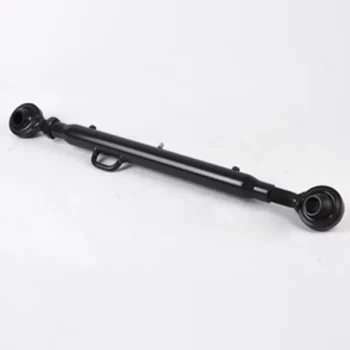
6C507-65400 Top Link Fits For Kubota
-
3C055-92000 Top Link Fits For Kubota
-
3C081-91450-1 Top Link Fits For Kubota
We Also Provide Other Model of Top Link
AGCO Tractor – 4650 (and OTHER MODELS USING CAT 1 THREE POINT HITCH)
Allis Chalmers – [ D10, D12, D14, D15, ED40, I40, I400, I60, I600, 160, 5015, 5020, 5030, 5040, 5045, 5050, 6040, 6140 (and OTHER MODELS USING CAT 1 THREE POINT HITCH) ]Deutz – [ D2505, D2506, D3005, D3006, D4005, D4006, 450 (and OTHER MODELS USING CAT 1 THREE POINT HITCH) ]Deutz-Allis – [ 5215, 5220, 5230, 6035 (and OTHER MODELS USING CAT 1 THREE POINT HITCH) ]Case – [ 200, 200B, 210, 210B, 211, 211B, 300, 300B, 301, 301B, 302, 302B, 310, 310B, 311, 311B, 312, 312B, 320, 320B, 380, 400B, 410B, 411B, 420B, 430, 431, 435, 440, 441, 445, 470, 480, 530, 531, 535, 540, 541, 545, 570, 630, 631, 632, 634, 640, 641, 642, 644 (and OTHER MODELS USING CAT 1 THREE POINT HITCH) ]Case/IH – [ 1120, 1130, 1140, 234, 235, 244, 245, 254, 255, 265, 274, 275, 284 (and OTHER MODELS USING CAT 1 THREE POINT HITCH) ]Cockshutt – [ GOLDEN ARROW, 20, 20 Deluxe, 30, 35, 35 Blackhawk, 40, 40 Blackhawk, 40D4 Golden Eagle, 40 Deluxe, 40PD Golden Eagle, 50, 50 Blackhawk, 50 Deluxe, 540, 550, 560, 570, 570 SUPER (and OTHER MODELS USING CAT 1 THREE POINT HITCH) ]David Brown – [ 3800, 770, 780, 880, 885 (and OTHER MODELS USING CAT 1 THREE POINT HITCH) ]Ford – [ Golden Jubilee, Jubilee, NAA, NAB, 1000, 1100, 1110, 1120, 1200, 1210, 1215, 1220, 1300, 1310, 1320, 1500, 1510, 1520, 1530, 1600, 1620, 1630, 1700, 1710, 1715, 1720, 1725, 1801, 1811, 1821, 1841, 1871, 1881, 1900, 1910, 1920, 1925, 2000 3 cylinder, 2000 4 cylinder, 2030, 2100, 2110, 2111, 2120, 2130, 230A, 231, 233, 234, 250C, 2600, 260C, 2610, 2N, 3000, 3100, 333, 3330, 334, 335, 340, 3400, 340A, 340B, 345C, 345D, 3500, 3550, 3600, 3610, 4000 4 cylinder, 4030 3 Cylinder, 4040, 4121, 4130 3 Cylinder, 4140, 420, 445, 445A, 445C, 445D, 501, 530A, 531, 532, 535, 540, 540A, 540B, 541, 545, 545A, 545C, 600, 601, 611, 620, 621, 630, 631, 640, 641, 650, 651, 660, 661, 671, 681, 700, 701, 740, 741, 771, 800, 801, 811, 820, 821, 840, 841, 850, 851, 860, 861, 871, 881, 8N, 900, 901, 941, 950, 951, 960, 961, 971, 981, 9N (and OTHER MODELS USING CAT 1 THREE POINT HITCH) ]Fordson – [ Dexta, Super Dexta (and OTHER MODELS USING CAT 1 THREE POINT HITCH) ]International / Farmall – [ B-250, B-275, B-276, B-414, 2300, 2300A, 234, 240, 2400, 2400A, 2404, 2424, 244, 2444, 2504, 254, 2606, 272, 274, 284, 340, 3414, 3444, 3616, 385, 395, 404, 424, 434, 444, 454, 460, 464, 504, 606 (and OTHER MODELS USING CAT 1 THREE POINT HITCH) ]John Deere – [ 1010, 1020, 1030, 1035, 1040, 1120, 1140, 1350, 1420, 1450, 1520, 2010, 300, 301, 301A, 302, 302A, 320, 330, 40, 401, 401A, 401B, 401C, 420, 430, 435, 440, 820 3 cylinder, 830 3 cylinder, 840 3 cylinder, 920, 940 (and OTHER MODELS USING CAT 1 THREE POINT HITCH) ], [ Compact: 1050, 1070, 1250, 1650, 2210, 3120, 3320, 3520, 3720, 4100, 4110, 4115, 4120, 4200, 4210, 4300, 4310, 4400, 4410, 4500, 4510, 650, 655, 750, 755, 770, 790, 850, 855, 870, 900, 950, 955, 970, 970, 990 (and OTHER MODELS USING CAT 1 THREE POINT HITCH) ]MF Compact – [ 1010, 1020, 1030, 1033, 1035, 1040, 1045, 1120, 1125, 1140, 1145, 1160, 1165, 1180, 1190, 1205, 1210, 1215, 1220, 1225, 1230, 1233, 1235, 1240, 1250, 1260, 1325, 1335, 1345, 1417, 1423, 1428V, 1429, 1431, 1433, 1440, 1445, 1455, 1523, 1528, 1529, 1531, 1532, 1533, 1540, 1547, 1552, 1560, 1635, 1643, 1648, 1652, 1655, 1660, 205-4, 210-4, 220-4, GC2300, GC2400, GC2410, GC2600, GC2610 (and OTHER MODELS USING CAT 1 THREE POINT HITCH) ], MF Industrial: 210 (and OTHER MODELS USING CAT 1 THREE POINT HITCH)
Massey Ferguson – [ 130, 135, 150, 154-4, 202, 203, 204, 205, 2135, 230, 231, 235, 240, 245, 250, 263, 3315, 35, 362, 363, 364, 394, 50, 65, 825 (and OTHER MODELS US)
Edited by Yjx