
Air Compressor for Cement Industry
Unleash the power of efficient air compressors tailored for the cement industry. Our comprehensive guide highlights top-performing models, ensuring dust-free, continuous operation. Boost productivity, reduce maintenance, and meet the demands of heavy industrial applications. Transform your cement production today!
The Central Role Of Air Compressors In The Cement Industry: A Key Driver Of Efficient Production
The cement industry is the main producer of cement, a building block material, and plays an indispensable role in economic development. As one of the most widely used building materials in the world, cement is widely used in infrastructure construction, residential and commercial buildings, bridges, roads, tunnels and other engineering projects. The industry is not only directly related to the country’s urbanization process and infrastructure quality, but also indirectly affects employment, transportation, energy consumption and other economic fields.
Cement production involves complex physical and chemical processes, mainly including limestone mining, raw material crushing, raw material preparation, clinker burning, cement grinding and packaging. This series of processes requires a high level of mechanization and automation to ensure product quality and production efficiency.
The role of air compressors as key equipment
In such an industry that is highly dependent on automation and precision mechanical operation, air compressors play a vital role. As the core equipment that provides a stable and reliable air source, air compressors support many key functions in the cement production process:
- Material handling and transportation: pneumatic tools and equipment driven by compressed air are used for the handling, screening and transportation of raw materials to ensure the smooth operation of the production line.
- Equipment control and automation: In the automatic control system, compressed air is used as a power source to control valves, actuators, etc. to achieve precise production process control.
- Cleaning and maintenance: Use compressed air to clean equipment, remove dust and residual materials, and maintain the hygiene and efficiency of the production line.
- Combustion and cooling: In some production links, compressed air participates in the combustion process or provides the necessary airflow for the cooling system to maintain a stable process temperature.
- Grinding and packaging: During the cement grinding process, compressed air helps to transport and homogenize the powder; in the packaging stage, the pneumatic device ensures the airtightness and efficiency of the packaging.
Therefore, the air compressor is not only a power source on the cement production line, but also an important support for improving production efficiency, ensuring production safety and product quality. With the advancement of technology and the improvement of environmental protection requirements, efficient, energy-saving and environmentally friendly air compressors have become the goal pursued by the cement industry, which is crucial to promoting the sustainable development of the entire industry.
The Central Role Of Air Compressors In The Cement Industry: A Key Driver Of Efficient Production
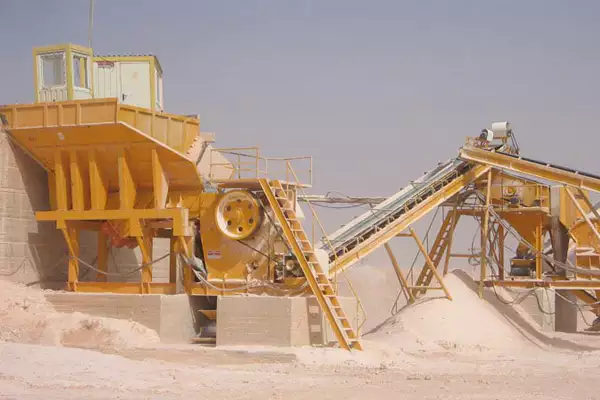
Raw material crushing & pre-homogenization
The raw materials are mainly limestone, clay, iron ore, etc. They are first crushed by jaw crushers, impact crushers and other equipment, and then mixed by pre-homogenization yards or pre-homogenizers to ensure uniform raw material composition.
At this stage, although air compressors are less directly involved, compressed air is still needed in raw material transportation, dust removal and certain automation control links, such as pneumatic valve control, air supply for conveyor belt dust prevention system, etc.
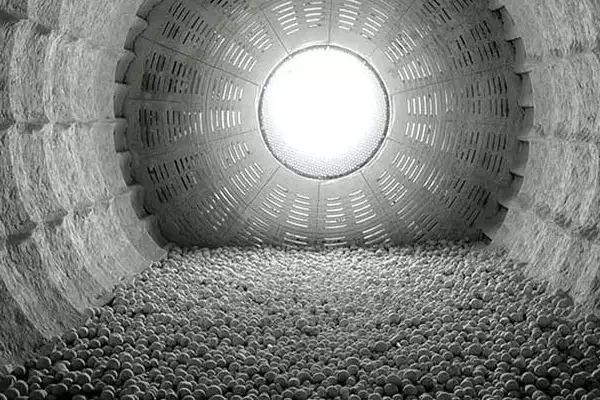
Raw material preparation
The crushed raw materials are mixed in a certain proportion, further ground by ball mill or vertical mill, and classified by powder selector. The unqualified coarse powder is returned to the mill for re-grinding until the required fineness is reached.
In this stage, the air compressor is mainly used for the operation of the pneumatic parts of the equipment (such as the feed control of the ball mill or vertical mill), the purging and cleaning of the powder conveying pipeline, and the pneumatic classification system of the powder selector to ensure the uniformity and purity of the raw material.
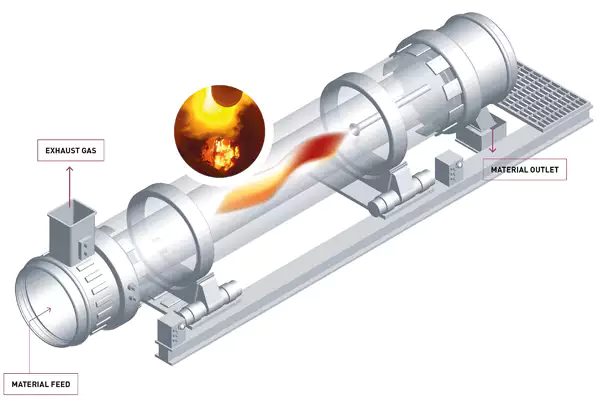
Clinker sintering
The prepared raw material is sent to the rotary kiln for high-temperature calcination to form clinker. During this process, the temperature and material residence time must be strictly controlled to ensure that the chemical reaction is fully carried out.
At this stage, the air compressor is mainly used for the supply of combustion air, kiln atmosphere control, cooling system (such as air blowing of the cooler), and dust collection system at the head and tail of the kiln to ensure combustion efficiency and reduce environmental pollution.
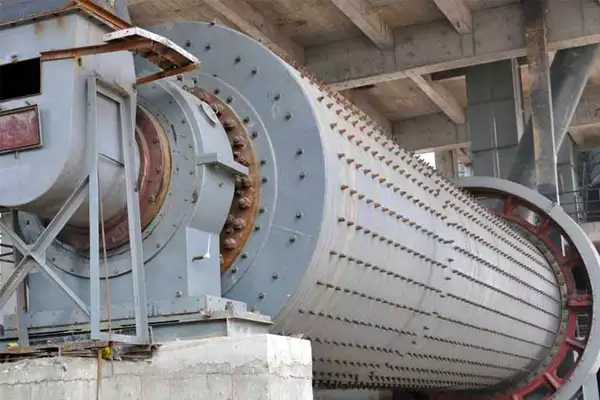
Cement Grinding
Clinker is fed into the cement mill together with a proper amount of gypsum, slag and other mixtures, and ground to a suitable fineness to form the final cement product.
In the grinding and packaging process, air compressors are not only used for pneumatic control of equipment (such as feed door control of the mill, opening and closing of the packaging machine), but also for pneumatic conveying of the conveying system, cleaning of filter bag dust collectors, etc., to ensure the cleanliness of the production environment and production efficiency.
Specific Applications of Oil-free Air Compressor in Cement Industry
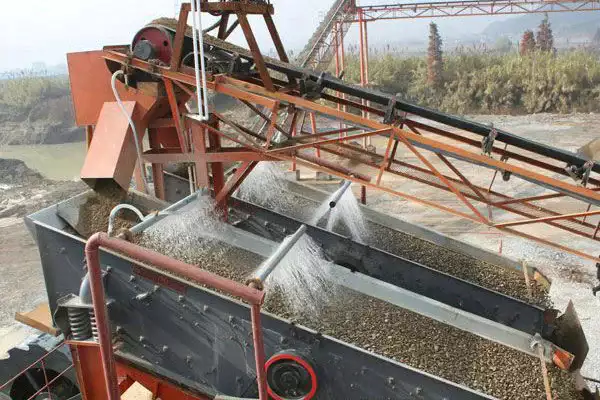
Raw material processing stage
- Raw material transportation: The air compressor provides power, and the crushed raw materials such as limestone and clay are transported to the designated location through the pneumatic conveying system, reducing manual intervention and improving transportation efficiency and safety.
- Screening and batching: In the process of raw material screening and precise batching, the pneumatic vibrating screen and batching scale are driven by compressed air to ensure that the raw material particle size meets the requirements and the batching ratio is accurate, thereby ensuring the quality of raw materials.
Combustion and cooling
- Fuel transportation: Compressed air can be used for pneumatic transportation of fuel (such as coal powder) to ensure that the fuel is evenly and stably transported to the combustion furnace and improve combustion efficiency.
Combustion and combustion support: In some combustion systems, compressed air is directly used as a combustion-supporting gas to enhance the combustion process, increase the combustion temperature, and ensure the quality of clinker burning. - Cooling equipment cooling: The cold air generated by the air compressor can be used for cooling equipment such as the cooler of the rotary kiln to help maintain the equipment within a safe operating temperature range and extend the life of the equipment.
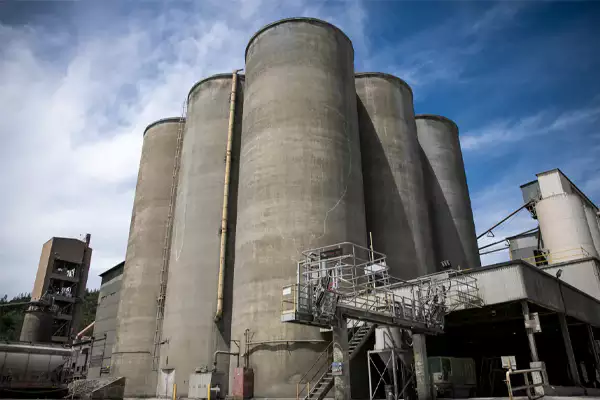
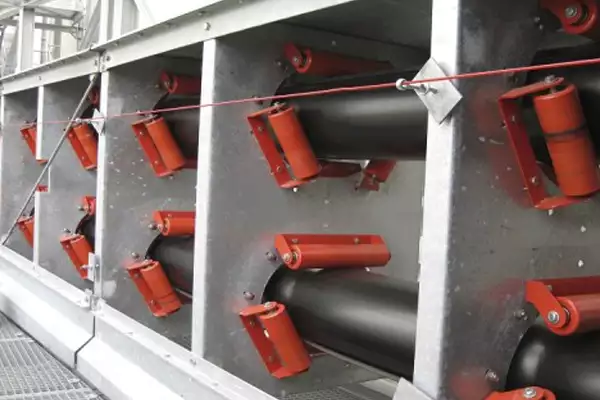
Cement Grinding and Conveying
- Grinding: During the cement grinding process, compressed air is used in the pneumatic conveying system to convey the ground material to the next processing link, and at the same time, it is used for pneumatic clearing to prevent blockage.
- Homogenization and Storage: During the cement homogenization and storage stage, the air compressor promotes the uniform distribution and storage of materials through the pneumatic system to avoid agglomeration and ensure the consistency of cement quality.
- Conveying: During the packaging and transportation of the final product, the conveying lines and packaging equipment driven by compressed air ensure that the cement is quickly and cleanly filled into bags or bulk containers.
Maintenance and Cleaning
-
Air compressors play an important role in daily maintenance and cleaning operations, such as using compressed air to blow the surface and interior of the equipment, remove dust and residual materials, reduce wear and failure rate, and maintain the hygiene of the production line.
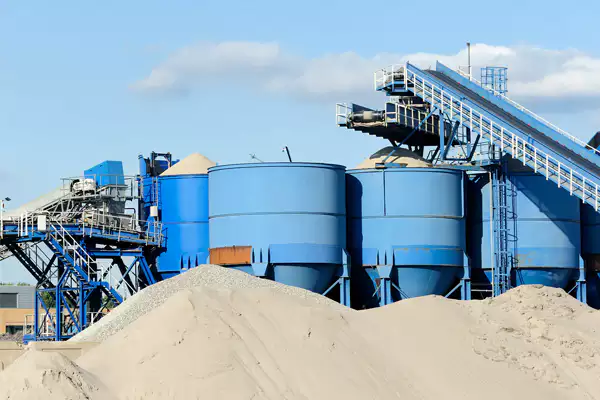
Automation and Control
-
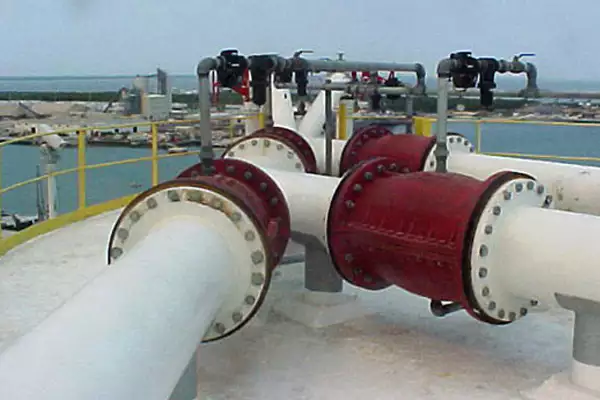
Valve Control: Compressed air drives various pneumatic valves to achieve precise control of the production process, such as material flow control, pressure regulation, etc.
-
Instrument Air Supply: Provide dry and clean instrument air for the operation of instruments and control systems, ensure the stable operation of automation equipment, and improve the automation level and efficiency of the entire production line.
Buying Guide: How to choose the right oil-free air compressor for cement industries
1. Use environment and conditions
- Environmental space: Decide whether to use a vertical or horizontal compressor based on the size of the space at the actual installation site.
- Mobility requirements: If the equipment needs to be frequently moved between different locations, a mobile air compressor should be considered.
- Power supply: Diesel-driven air compressors should be selected when there is no stable power supply.
- Cooling method: When there is no tap water supply, air-cooled air compressors are preferred.
2. Operation safety
- Qualification certification: Ensure that the air compressor manufacturer holds relevant safety and quality certificates and complies with international or regional safety standards.
- Monitoring system: Select equipment equipped with complete temperature, pressure monitoring and safety valves and other safety protection devices.
3. Exhaust volume and pressure
- Demand matching: Determine the exhaust volume of the required air compressor based on the actual gas demand of the cement production line (such as the pneumatic equipment requirements for grinding, transportation, batching, etc.), and leave a 10% margin.
- Pressure requirements: Consider the minimum and maximum working pressures required for the process, such as the different pressure requirements for combustion, transportation, cooling, etc.
4. Tank volume matching
- Tank specifications: Refer to the recommended matching rules of tank volume and air compressor exhaust volume, such as 10-18 cubic meters of tank volume matching 7 cubic meters of air compressor, 20-25 cubic meters matching 8 cubic meters of air compressor, etc.
5. Energy efficiency and operating cost
- Energy efficiency ratio: Select air compressors with high energy efficiency ratings, such as models using variable frequency drive (VFD) technology, to reduce energy consumption.
- Maintenance cost: Prefer reliable brands, consider the durability and ease of maintenance of key components, and reduce long-term operating costs.
6. Environmental adaptability
- Environmental protection requirements: While meeting production needs, consider choosing environmentally friendly air compressors, such as oil-free screw type, to reduce the impact on the environment.
7. Special application requirements
- Special processes: Specially designed air compressors may be required for specific processes (such as applications in low or high temperature environments).
- Automation integration: Consider the compatibility of air compressors with production line automation systems to facilitate remote monitoring and intelligent control.
8. After-sales service and support
- After-sales service: Choose suppliers that provide good after-sales service and technical support to ensure quick response and timely repairs.
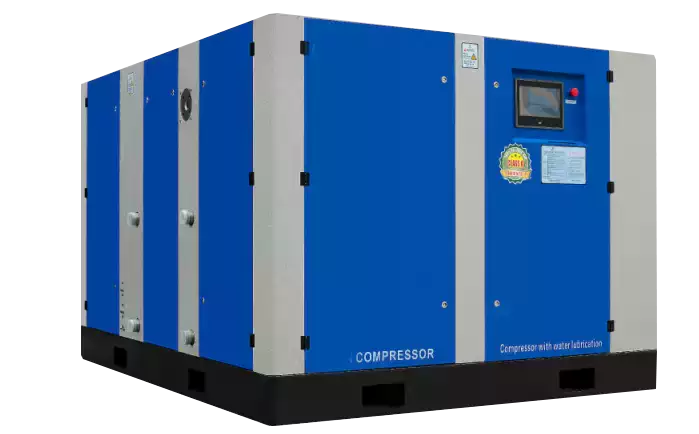
Recommended Oil-Free Air Compressor for Medical Industry
Solutions for Other Industries
[slick_logo_carousel id=”379817″]