
RA Overrunning Clutch
An overrunning clutch, also known as a freewheeling clutch or a sprag clutch, is a mechanical device used to transmit torque in one direction while allowing free rotation in the opposite direction. It is commonly used in various applications, including the power take-off (PTO) shafts of tractors.
The PTO shaft of a tractor is responsible for transferring power from the tractor’s engine to the implements or attachments, such as mowers, tillers, or balers. In some cases, the implement may have its own power source and can drive the tractor’s PTO shaft in reverse, which can be undesirable or even dangerous.
To prevent the reverse rotation of the PTO shaft when the implement is driving it, an overrunning clutch is used. The overrunning clutch is typically installed between the PTO shaft and the implement. Its purpose is to allow the PTO shaft to drive the implement in one direction while disengaging or freewheeling in the opposite direction.
The design of an overrunning clutch typically consists of two main components: an inner race and an outer race, both of which have sets of sprags or rollers. The inner race is connected to the PTO shaft, while the outer race is connected to the implement. When torque is applied in the driving direction, the sprags or rollers engage between the races, allowing power transmission from the PTO shaft to the implement. However, when the torque is applied in the reverse direction, the sprags or rollers disengage, allowing the PTO shaft to freewheel while preventing the implement from driving it.
The overrunning clutch provides several benefits for tractor PTO shafts. It protects the tractor’s transmission and engine from potential damage caused by reverse rotation. It also enhances safety by preventing unexpected backward movement of the implement while the tractor is stationary. Furthermore, it allows for smoother operation and reduces wear on the PTO system by eliminating the need for sudden engagement and disengagement.
Showing all 8 resultsSorted by popularity
-
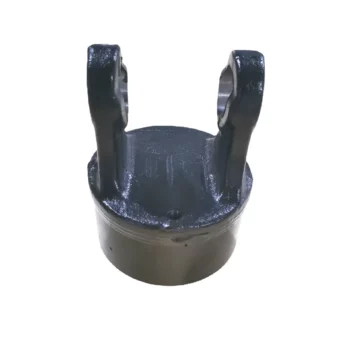
Overrunning Clutch RA/RAS, PTO Drive Shaft for Agricultural Machines, China Manufacturer OEM
-
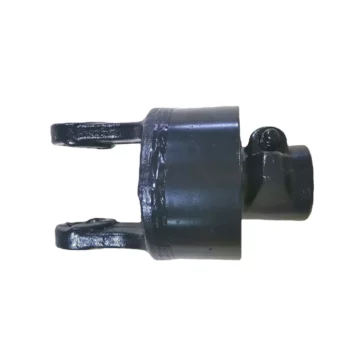
Factory Price RA Series Overrunning Clutch for PTO Shaft, Torque Limiter Shaft Parts
-

HZPT New OEM Factory China Overrunning Clutches For Transmission Shaft Accessories
-
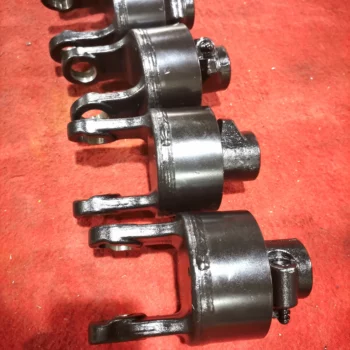
High Quality OEM Factory Overrunning Clutches Transmission Shaft Accessories
-

Torque Limiter Clutch PTO Shaft Overrun Clutch Friction Torque Limiter Tractor Parts
-

OEM High Hardness Steel Overrunning Clutch 1 3/8”Z6 Spline for PTO Shaft Parts
-
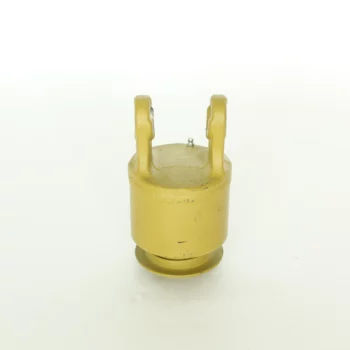
Factory Price RA PTO Overrunning Clutch Torque Limiter Overrun Clutch PTO
-

Factory Supply Customizable Overrunning Clutch Simple Structure Torque Adapter for Tractor