
Flail Mower
Why Choose HZPT’ Flail Mowers?
HZPT is a leading manufacturer specializing in the production and sale of high-quality flail mowers. With a robust presence in the agricultural machinery sector, we pride ourselves on our extensive scale and advanced technological capabilities. Our state-of-the-art facilities and dedicated workforce enable us to deliver superior products that meet the rigorous demands of modern farming practices. Our flail mowers are renowned as perfect replacements for a wide range of esteemed brands such as John Deere, Kubota, Land Pride, Bush Hog, Maschio, Agrimaster, McConnel, Del Morino, Kuhn, Votex, Perfect, Breviglieri, Bobcat, Bestco, Befco, Berti, Lagarde, and many others. This compatibility underscores our commitment to providing reliable and efficient solutions that integrate seamlessly into existing agricultural operations.
Designed for durability and performance, our flail mowers boast a range of features that set them apart. They excel in cutting thick grass, weeds, and light brush, while their mulching capability promotes soil health by returning organic matter to the ground. Ideal for orchards, vineyards, roadside maintenance, and more, our mowers ensure precise and efficient vegetation management across diverse landscapes. At HZPT, we uphold a reputation for professionalism and influence in the flail mower industry. Our products are backed by international certifications, demonstrating compliance with stringent quality standards and environmental regulations. We offer tailored solutions, ensuring that each customer receives personalized service and support that aligns with their specific needs.
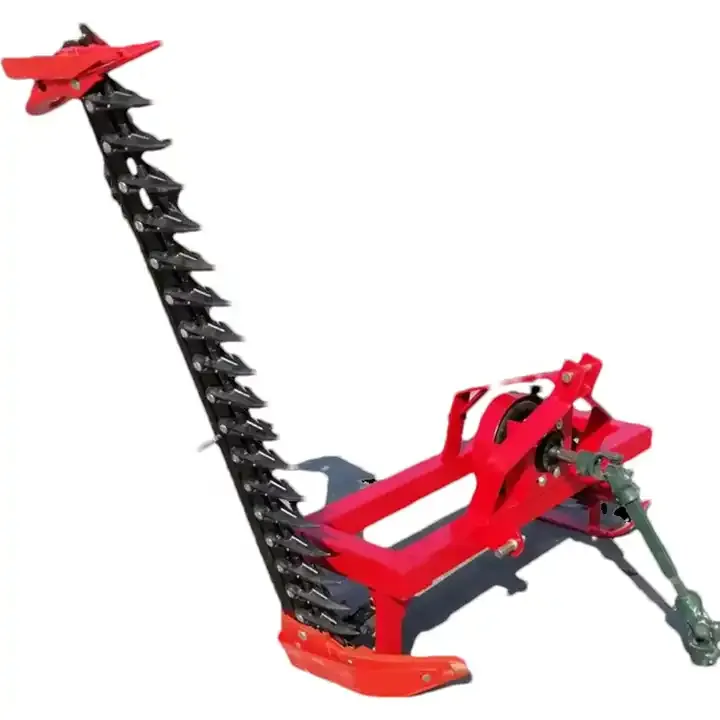
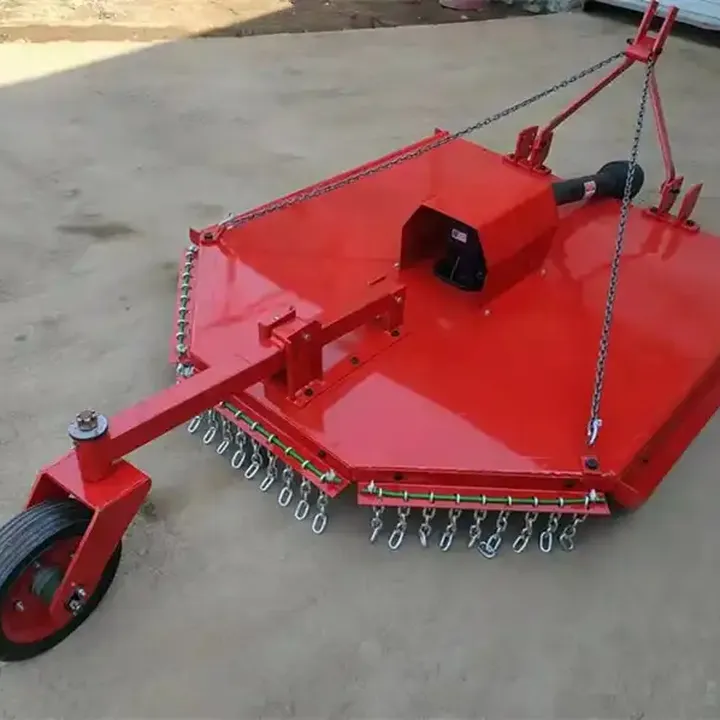
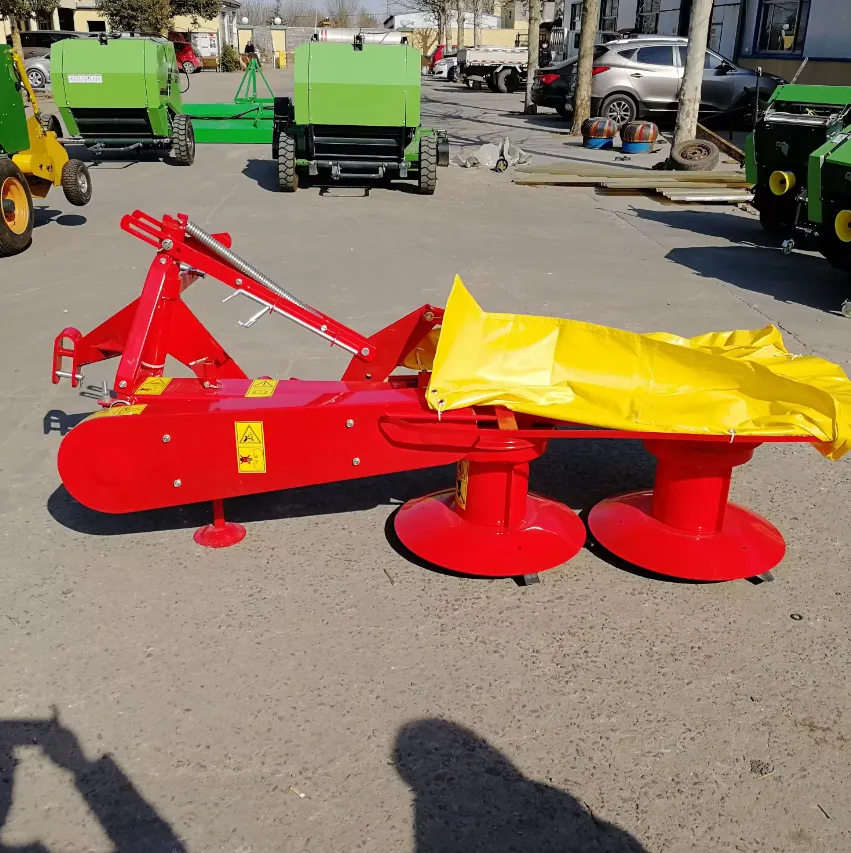
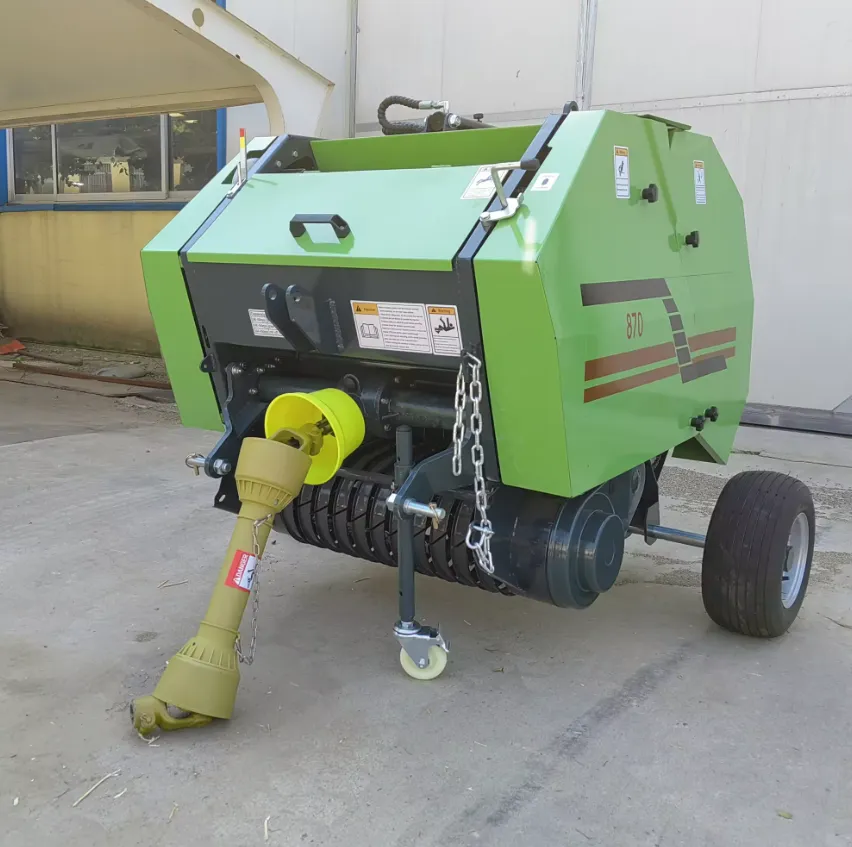
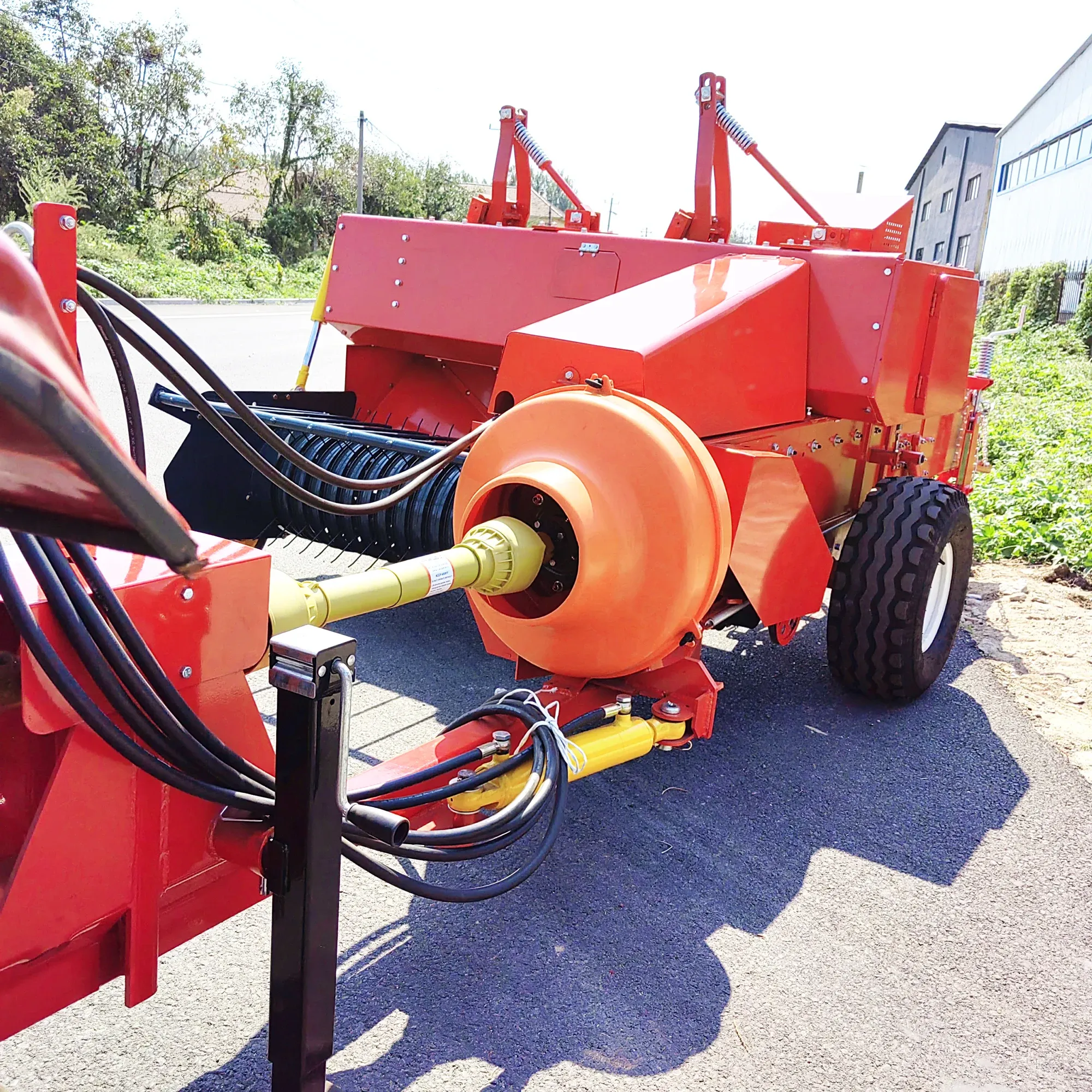
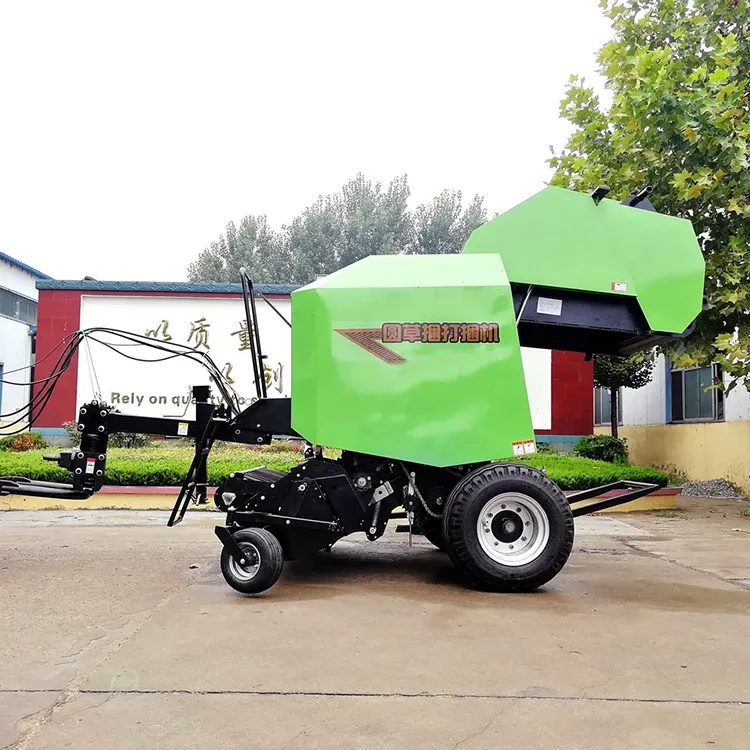
Beyond flail mowers, HZPT provides a comprehensive range of agricultural equipment, including PTO shafts, agricultural gearboxes, large round balers, mini round balers, hay square balers, PTO wood chippers, corn seeders, drum mowers, disc mowers, rotary hay rakes, lawn mowers, sickle bar mowers, rotary mowers, rotary tillers, land levelers, fertilizer spreaders, furrow ploughs, disc harrows, disc blades, disc ridgers, disc ploughs, potato planters, potato harvesters, wheat seeders, vegetable seeders, post hole diggers, boom sprayers, agricultural subsoiler, agricultural trailers, finger wheel rake, snow blower, road sweeper, and more. Our commitment to innovation, reliability, and customer satisfaction positions us as a trusted partner in the global agricultural community.
Importance of Flail Mowers in Agricultural
A tractor PTO driven flail mower is a specialized agricultural implement designed for cutting and mulching vegetation such as grass, weeds, and small branches. It operates by utilizing the power take-off (PTO) shaft of a tractor to drive a series of rotating knives or flails within a sturdy steel housing. These flails are typically attached to a horizontally spinning rotor, which is powered by the tractor’s PTO mechanism.
The design of a flail mower offers several advantages over traditional rotary mowers. Its robust construction allows it to handle rough terrain and thick vegetation more effectively. The flail blades are sturdy and can withstand impacts from rocks or debris, making them suitable for use in challenging environments. Additionally, the flailing action creates a finer mulch compared to rotary mowers, which promotes faster decomposition of cut material and helps improve soil health over time.
Flail mowers are commonly used for maintaining roadside verges, orchards, vineyards, and other areas where a clean cut and effective mulching are desired. They come in various sizes and configurations to suit different tractor sizes and specific cutting requirements, making them versatile tools in modern agricultural and landscaping operations.

Benefits of Using a Flail Mower
Flail mowers offer several advantages over traditional rotary mowers, making them a popular choice in various industries. Here are some key benefits of using a flail mower:
1. Versatility: One of the primary advantages of a flail mower is its versatility. It can handle a wide range of vegetation types, including tall grass, weeds, brush, and even small saplings. This versatility makes it ideal for use in agricultural fields, parks, golf courses, road maintenance, and other landscaping applications.
With a flail mower, you don’t need different machines for different types of vegetation. It can tackle various vegetation types with ease, saving time and effort. Whether you need to clear overgrown areas or maintain a well-manicured lawn, a flail mower can handle the task effectively.
2. Superior Cutting Ability: Due to the design of the flails and the high-speed rotation of the rotor, a flail mower provides a superior cutting ability. It can cut through dense and tough vegetation more effectively than traditional mowers. The flails also help in mulching the cut vegetation, allowing it to decompose quickly and naturally.
The design of the flails allows them to generate significant force during cutting. This force, combined with the high-speed rotation of the rotor, enables the flail mower to cut through thick vegetation with ease. The flails also help in chopping the cut vegetation into smaller pieces, promoting faster decomposition and natural fertilization of the soil.
3. Reduced Risk of Projectile Damage: Unlike rotary mowers that use a single cutting blade, flail mowers utilize multiple flails that rotate independently. This design significantly reduces the risk of projectiles being thrown out during operation. The flails are enclosed within a safety shield, ensuring that debris is kept contained and preventing any potential damage to surrounding property or individuals.
The use of multiple flails reduces the chances of debris being thrown out during cutting. Each flail moves independently, reducing the force exerted on the vegetation and minimizing the risk of projectiles. The safety shield further contains any debris that might be dislodged during the cutting process, ensuring the safety of nearby people and property.

4. Enhanced Safety: With safety shields or guards covering the rotating blades, flail mowers prioritize operator safety. These shields prevent accidental contact with the blades and reduce the risk of injury. Additionally, the automatic shut-off mechanism ensures that the blades stop rotating when the mower is not in use or is raised from the ground, adding an extra layer of safety.
The safety features of a flail mower are designed to protect the operator from potential accidents. The safety shields or guards provide a physical barrier between the operator and the rotating blades, minimizing the risk of accidental contact. The automatic shut-off mechanism adds another level of safety by stopping the blades when they are not needed, reducing the chances of injury during maintenance or transportation.
5. Efficient Mulching: The flail mower’s ability to effectively mulch the cut vegetation is another significant advantage. The mulched grass and plant material can be left on the ground, where it acts as natural compost, enriching the soil and promoting healthy regrowth. This eliminates the need for additional clean-up and disposal efforts.
When a flail mower cuts through vegetation, the flails chop the vegetation into smaller pieces. These pieces then fall onto the ground, where they decompose naturally. This process is known as mulching. The mulched vegetation acts as a natural compost, providing essential nutrients to the soil and promoting healthy regrowth of the vegetation. This eliminates the need for additional clean-up and disposal efforts, making the flail mower an environmentally friendly option.
6. Increased Durability: Flail mowers are built to withstand heavy-duty cutting tasks and harsh working conditions. The materials used in their construction, such as hardened steel or alloys, ensure durability and longevity. This makes flail mowers a reliable and long-lasting investment for both commercial and residential users.
The construction of a flail mower is designed to withstand the demands of heavy-duty cutting. The use of materials like hardened steel or alloys ensures that the mower can handle tough vegetation and challenging terrains without succumbing to wear and tear. This durability makes flail mowers a cost-effective choice for both professional landscapers and homeowners alike.
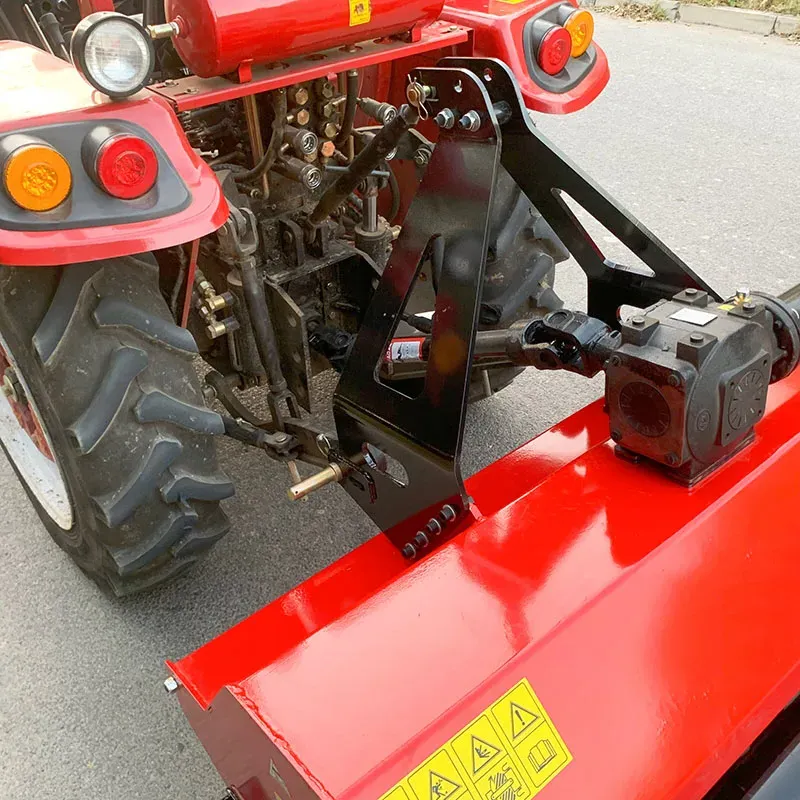
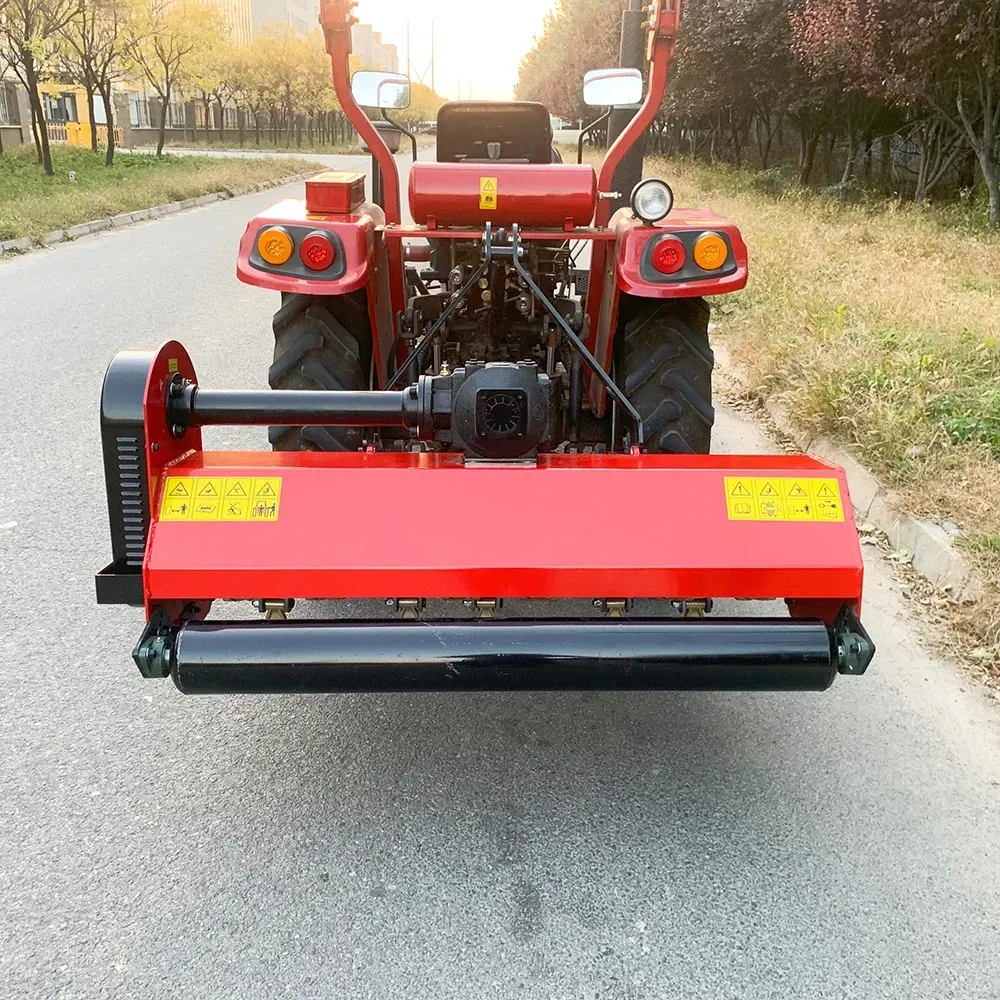
Types of Flail Mower for Sale
Flail mowers come in several types, each designed for specific applications and conditions:
-
Offset Flail Mowers: Offset flail mowers are designed with the cutting head positioned to the side of the tractor, allowing operators to trim vegetation along fences, ditches, and other obstacles without driving directly over the area being mowed. This design enhances maneuverability and reduces the risk of damaging both the mower and the tractor. It’s commonly used in roadside maintenance and areas where precision cutting around obstacles is necessary.
-
Center-Mounted Flail Mowers: Center-mounted flail mowers are directly mounted behind the tractor, aligning with its path of travel. This configuration provides stability and even cutting across large, open areas such as fields and pastures. It’s versatile for general mowing tasks where efficiency and straightforward operation are prioritized, making it a popular choice in agricultural settings.
-
Reach Flail Mowers: Reach flail mowers feature an extended arm or reach mechanism that extends the cutting head beyond the side or rear of the tractor. This allows operators to mow vegetation on embankments, along fences, and around guardrails without needing to position the tractor directly adjacent to the area being trimmed. It’s ideal for maintaining road verges, canal banks, and other hard-to-reach areas where accessibility is limited.
-
Mulching Flail Mowers: Mulching flail mowers are equipped with multiple flail blades that rotate at high speeds, finely chopping and mulching vegetation into small pieces. This design promotes faster decomposition of cut material, returning nutrients to the soil and enhancing soil health. They’re commonly used in orchards, vineyards, and areas where maintaining organic matter and soil structure is crucial for plant growth and sustainability.
-
Heavy-Duty Flail Mowers: Heavy-duty flail mowers are built with reinforced components and powerful drivetrains to tackle tough vegetation and demanding conditions. They’re designed for commercial applications, municipal landscaping, and large agricultural operations where durability, performance, and reliability are essential. Heavy-duty mowers can handle thicker vegetation, rough terrain, and extended use, making them suitable for intensive vegetation management tasks.
-
Compact Flail Mowers: Compact flail mowers are smaller and lighter versions designed for use with compact tractors or utility vehicles. They offer maneuverability and ease of operation, making them suitable for landscaping, small farms, and hobby farms. Despite their smaller size, they retain the effectiveness of larger flail mowers in managing grass, weeds, and light brush, providing versatility for various property maintenance needs.
Showing all 20 resultsSorted by popularity
-

Tractor PTO Driven Flail Mower with Hydraulic Side Shift for Cutting Grass EFGCH Series
-
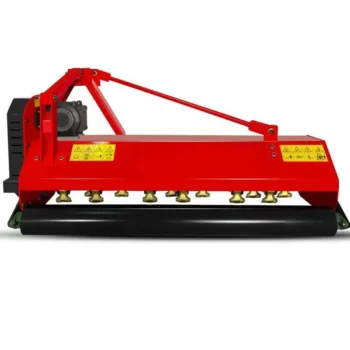
Tractor 3 Point Hitch PTO Driven Flail Mower for Cutting Grass EFCT Series
-

Farm Tractor Linkage 3 Point Hitch PTO Flail Mower for Grass Cutting EF Series
-
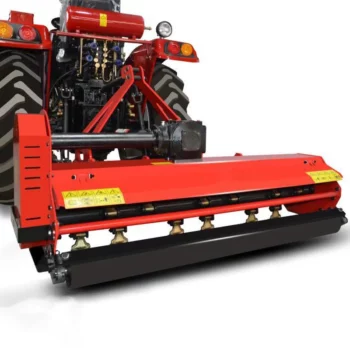
Tractor Mounted PTO Driven Heavy Duty Flail Mower EFGC-K Series for Cutting Grass
-

Hydraulic Side Offset Moveable Flail Mower for Tractor AGF Series
-

Tractor 3-Point Mounted Flail Mower for Shred Grass and Straw AGL Series
-
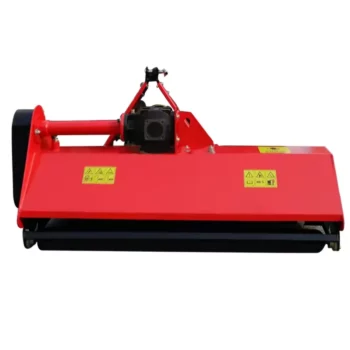
Best Quality Tractor Lawn Mower/ Flail Mower with Factory Price
-
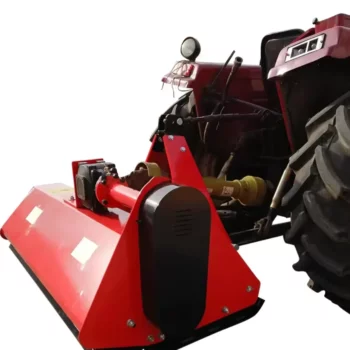
Best Quality Tractor Flail Lawn Mower for Sale
-
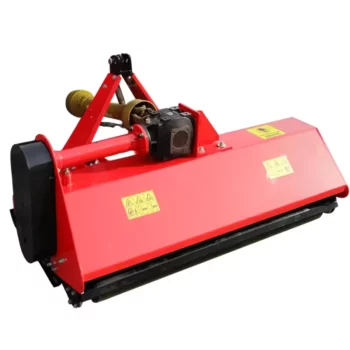
Tractor Driven Tow Behind Flail Mower for Cutting Grass
-
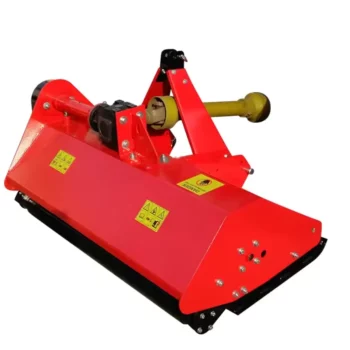
Tractor Driven New Flail Mower Mulcher for Cutting Grass
-

Agricultural Tractor Mounted Mulcher verge Flail Mowers for tree pruning can be turned sideways
-

3-Point Flail Mower Tractor Mounted Mower with Hydraulic Side Shaft
-
Compact Tractor 3 Point Pto Drive Mower Grass Flail Mower
-

Flail Mower Farm Standard Flail Mowers For Heavy Tractor
-

Heavy Duty Flail Mower for Tractor
-

Flail Mower: High Productivity and Exceptional Performance
-

Flail Mowers for Sale
-

Agricultural Flail Mower for Tractor: An Essential Farming Equipment
-

Flail Mower: High Productivity and Reliable Performance
-

Heavy Flail Mower
Components of a Flail Mower
The components of a flail mower include the rotor, flails, support structure, and safety features. The rotor is the central component that houses the flails and rotates at high speeds. The flails are the cutting blades attached to the rotor, made of hardened steel or alloy material. The support structure provides stability and allows for easy maneuverability. Safety features include shields or guards and an automatic shut-off mechanism.
1. Rotor
The rotor is the central component of a flail mower. It consists of a cylindrical drum that houses the flails. The drum is usually made of heavy-duty steel to withstand the demands of heavy-duty cutting. The rotor can rotate at high speeds, enabling efficient cutting and mulching.
The high-speed rotation of the rotor is essential for the cutting action of the flail mower. It allows the flails to generate enough force to cut through thick vegetation easily. The rotor is powered by a motor or an engine, which provides the necessary power for the cutting operation.
2. Flails
The flails are the cutting blades attached to the rotor. They come in various shapes and sizes depending on the intended use and the type of vegetation being cut. Flails are usually made of hardened steel or alloy material to ensure durability and longevity.
The design of the flails is crucial in determining the cutting ability of the flail mower. They are shaped to provide a sharp cutting edge and are attached to the rotor in a way that allows them to move freely and independently. This design enables the flails to cut through thick vegetation effectively.
3. Support Structure
A flail mower is mounted on a support structure, which can be a three-point hitch for tractors or a skid steer attachment. The support structure provides stability and allows the mower to be easily maneuvered in different terrains.
The support structure of a flail mower is designed to withstand the forces generated during operation. It ensures that the mower remains stable and does not tip over, even when cutting through dense vegetation. The support structure also allows for easy attachment and detachment of the flail mower to different types of vehicles.
4. Safety Features
Flail mowers are equipped with several safety features to protect the operator and prevent any potential accidents. These may include safety shields or guards that cover the rotating blades, preventing debris from being thrown out. Some models also have an automatic shut-off mechanism that stops the blades when the mower is raised or tilted.
The safety features of a flail mower are essential in ensuring the well-being of the operator and those in the surrounding area. The safety shields or guards prevent debris from being thrown out, reducing the risk of injury or property damage. The automatic shut-off mechanism adds an extra layer of safety by stopping the blades when the mower is not in use or is raised from the ground.
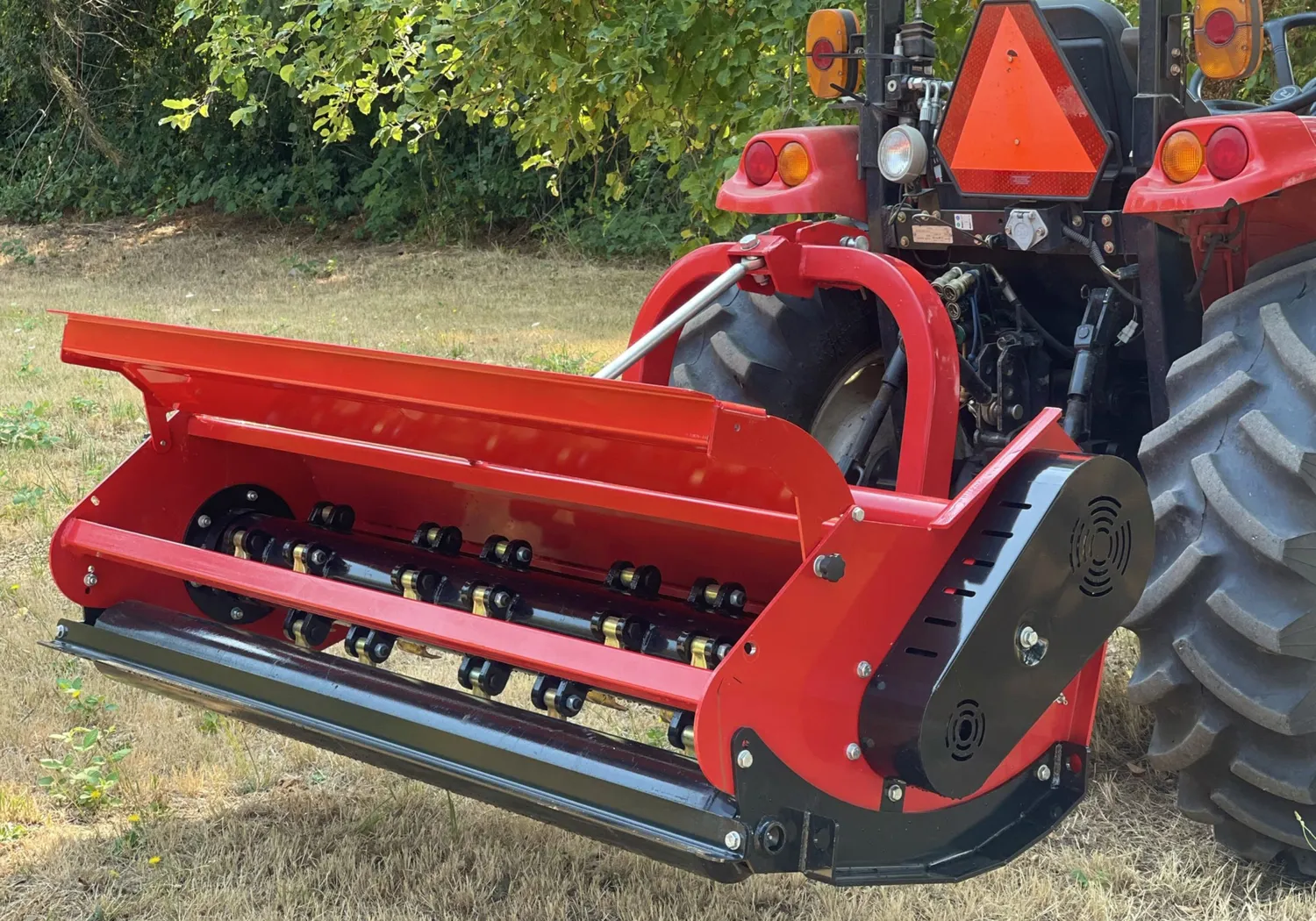
Applications of Flail Mower for Tractor
Flail mowers for tractors find a wide range of applications across different sectors due to their versatility and ability to handle various types of vegetation. Here are some common applications:
- Pasture and Field Maintenance: Flail mowers are used extensively in agriculture for maintaining pastures, fields, and meadows. They can effectively cut and mulch grasses, weeds, and small shrubs, promoting healthy pasture growth and preventing overgrowth that can compete with desirable vegetation.
- Roadside and Verge Maintenance: Municipalities and road maintenance crews use flail mowers to keep roadside verges, medians, and embankments clear of vegetation. The ability of reach flail mowers to extend over guardrails and other obstacles makes them particularly suitable for this application.
- Orchard and Vineyard Management: In orchards and vineyards, where precision cutting and mulching are crucial for plant health, mulching flail mowers excel. They can cut grasses and weeds while mulching them into fine particles that decompose quickly, enriching the soil with organic matter and reducing the need for herbicides.
- Park and Recreational Areas: Flail mowers are used in public parks, golf courses, and recreational areas to maintain grassy areas, paths, and rough terrain. Their ability to handle uneven ground and cut close to obstacles makes them ideal for keeping recreational spaces neat and safe for visitors.
- Landscaping and Estate Maintenance: Landscapers and estate managers use compact flail mowers for maintaining lawns, gardens, and estate grounds. These mowers can trim grass and brush in tight spaces while leaving a clean, manicured appearance.
- Environmental and Conservation Areas: Flail mowers are employed in conservation areas and wildlife habitats to manage vegetation without disturbing the natural ecosystem. They can clear invasive species and maintain trails while minimizing impact on sensitive habitats.
- Construction and Land Development: During land development projects, flail mowers are used to clear vegetation and prepare sites for construction. They can handle clearing tasks quickly and efficiently, preparing the ground for further development activities.
- Forestry and Woodland Management: In forestry applications, heavy-duty flail mowers are used to clear undergrowth, maintain firebreaks, and manage vegetation around forest roads and trails. Their robust construction allows them to handle thicker brush and small trees effectively.

How Does a Flail Mower Work?
1. Attachment to Tractor: A tractor PTO-driven flail mower attaches securely to the tractor via its three-point hitch or mounting system. This connection ensures stability and proper alignment, crucial for efficient operation and safety during use.
2. Power Transfer: Powered by the tractor’s PTO shaft, the mower’s drive shaft transfers rotational power from the tractor’s engine to the mower’s rotor. This direct mechanical connection enables the rotor to spin at high speeds, driving the cutting action of the flail blades.
3. Rotor Rotation: The rotor, housed within the mower’s body, rotates rapidly when the PTO shaft is engaged. This rotation is essential for propelling the flail blades outward due to centrifugal force, preparing them to cut through vegetation upon contact.


4. Cutting Action: Flail blades or hammers, attached to the rotor, swing outward and impact vegetation with a chopping motion rather than a slicing one. This chopping action effectively cuts grass, weeds, and brush into small pieces, facilitating efficient mulching.
5. Mulching Effect: As the flail blades chop through vegetation, they create mulch by reducing it into finer particles. This mulched material can be discharged through a rear opening onto the ground or redistributed over the mowed area, aiding in soil enrichment and weed suppression.
6. Discharge or Redistribution: Depending on the mower’s design and settings, mulched material can either be discharged directly onto the ground behind the mower or distributed evenly across the mowed area. This flexibility allows for customized landscaping and agricultural practices.
Installation Operation:
Installing an agricultural flail mower to a tractor involves a series of steps to ensure a safe and effective operation. Here’s a general guideline for the installation process. Keep in mind that specific steps may vary depending on the make and model of your tractor and flail mower, so it’s essential to refer to the manufacturer’s instructions for both.
1. Read the Manuals: Before beginning, thoroughly read the operator’s manuals for both the tractor and the flail mower. Pay special attention to any safety warnings and specific installation instructions.
2. Inspect the Equipment: Check the flail mower and tractor for any damage or wear. Ensure all parts, especially moving parts and attachment points, are in good working condition.
3. Position the Tractor and Mower: Place the tractor on a level, stable surface and ensure it’s turned off with the brakes engaged. Align the flail mower with the tractor’s three-point hitch. It’s often helpful to have an assistant guide you during this alignment.
4. Attach the Mower to the Tractor: Lift the three-point hitch on the tractor. Align the mower’s mounting points with the hitch arms and top link of the tractor. Secure the arms and top link to the mower using the appropriate pins and locking devices. Ensure everything is secured tightly.
5. Connect the PTO Shaft: Attach the PTO (Power Take-Off) shaft of the mower to the PTO stub on the tractor. Make sure it locks in place securely. Ensure the PTO shaft is the correct length. A shaft that’s too long or too short can cause damage or be dangerous. Check that the PTO guard is in place and in good condition.
6. Hydraulic Connections (If Applicable): If the flail mower uses hydraulic components for adjustments or operation, connect the hydraulic lines to the corresponding ports on the tractor.
7. Adjust the Cutting Height: Set the desired cutting height according to the manufacturer’s instructions. This may involve adjusting the length of the top link or modifying settings directly on the mower.
8. Safety Check: Double-check all connections, pins, and locking devices to ensure they are secure. Verify that there are no loose parts or tools left in the work area.
9. Test in a Safe Environment: Start the tractor and engage the PTO at a low RPM to test the mower. Watch for any unusual vibrations, noises, or operational issues. Raise and lower the mower to check the functioning of hydraulic or mechanical lifting systems. If any issues arise, turn off the tractor and PTO shaft, and make necessary adjustments.
10. Safety Precautions: Always follow safety guidelines when operating the mower. This includes wearing appropriate personal protective equipment and ensuring that no one is within a dangerous range while the mower is in operation.

Operation Precautions of Flail Mower for Cut Grass and Brush
- Read the Manual: Reading the manual thoroughly is essential to understand operational procedures, safety precautions, and maintenance requirements specific to your flail mower model. It provides crucial information on safe handling practices, troubleshooting tips, and guidelines for optimizing performance while minimizing risks during operation.
- Inspect Regularly: Regular pre-operation inspections are critical to ensure the flail mower is in optimal condition. Check for loose bolts, worn or damaged parts such as flail blades or bearings, and ensure all safety guards are securely in place. Proper lubrication of moving components is vital to prevent premature wear and ensure smooth operation.
- Clear Work Area: Before starting mowing operations, clear the work area of rocks, large debris, and obstacles. This preparation helps prevent damage to the mower blades and reduces the risk of debris being thrown, which could pose safety hazards to operators and bystanders.
- Wear Safety Gear: Always wear appropriate PPE, including safety glasses or goggles, hearing protection, gloves, and sturdy footwear. These protective measures shield against potential hazards such as flying debris, noise, and accidental contact with moving parts, ensuring operator safety throughout the mowing process.
-
Engage PTO Safely: When engaging the tractor’s PTO, do so at idle speed and smoothly to avoid sudden jerks or stresses on the mower’s drivetrain. Follow manufacturer recommendations for PTO engagement procedures to prevent equipment damage and ensure reliable operation during mowing tasks.
-
Operate at Safe Speeds: Maintain a safe operating speed suitable for the terrain and vegetation conditions. Operating at excessive speeds can compromise control and stability, increasing the risk of accidents or damage to the mower. Adjust speed as necessary to maintain safe mowing practices and minimize operational risks.
-
Avoid Steep Slopes: Exercise caution when mowing on slopes or uneven ground. Avoid steep slopes if possible, as they can affect tractor stability and increase the risk of overturning. When mowing on slopes, proceed slowly and mow across the slope rather than up and down to maintain control and reduce safety hazards.
-
Monitor Surroundings: Continuously monitor the mowing area and surroundings for obstacles, bystanders, and potential hazards. Use mirrors or have a spotter assist in navigating safely, especially in confined spaces or near roadways where visibility may be limited. Being aware of surroundings helps prevent accidents and ensures safe operation of the flail mower.
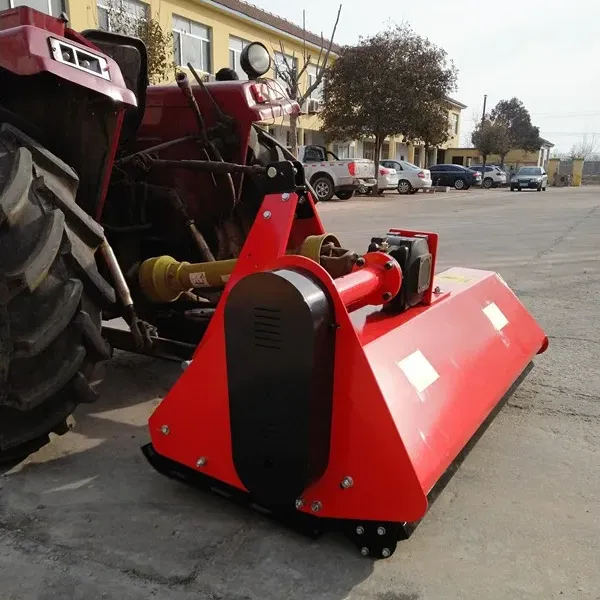

Agricultural PTO Shaft for Flail Mower
The flail mower’s primary function is to cut and mulch grass, weeds, and other vegetation. As the tractor moves forward, the PTO-driven rotor spins at high speeds, causing the flail blades to impact and shred vegetation effectively. This chopping action not only cuts the vegetation but also reduces it into smaller, finer pieces known as mulch. The mulched material can be discharged onto the ground behind the mower or spread evenly, enhancing soil fertility and moisture retention.
The relationship between the agricultural PTOshaft and flail mower is symbiotic, where the shaft provides the necessary power for the mower’s operation, and the mower transforms this power into efficient vegetation management. This setup is versatile, suitable for various agricultural applications such as pasture maintenance, roadside vegetation control, orchard and vineyard management, and general land clearing. It offers farmers and landowners a cost-effective and environmentally friendly method to maintain landscapes while promoting soil health through natural decomposition of organic matter.
The integration of the agricultural PTO shaft with the flail mower exemplifies modern agricultural efficiency, combining mechanical power with precision cutting and mulching capabilities to meet the diverse needs of agricultural operations worldwide.
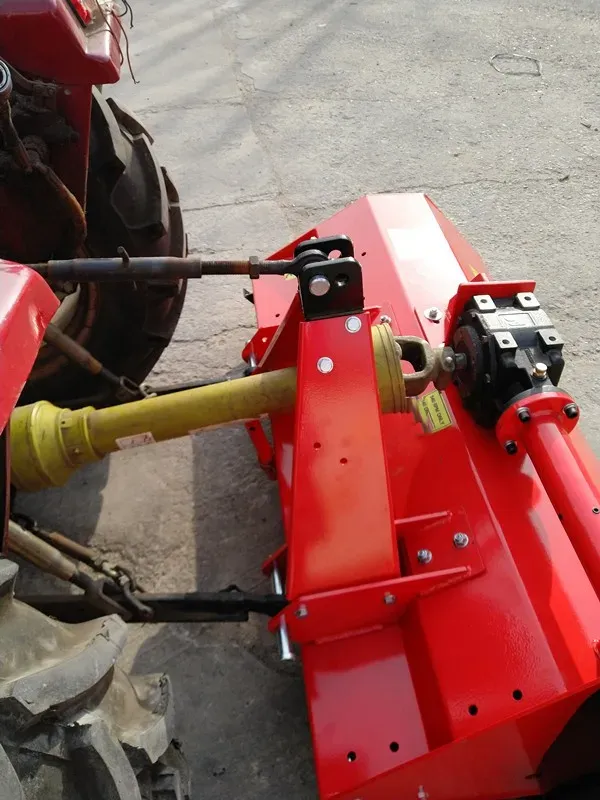
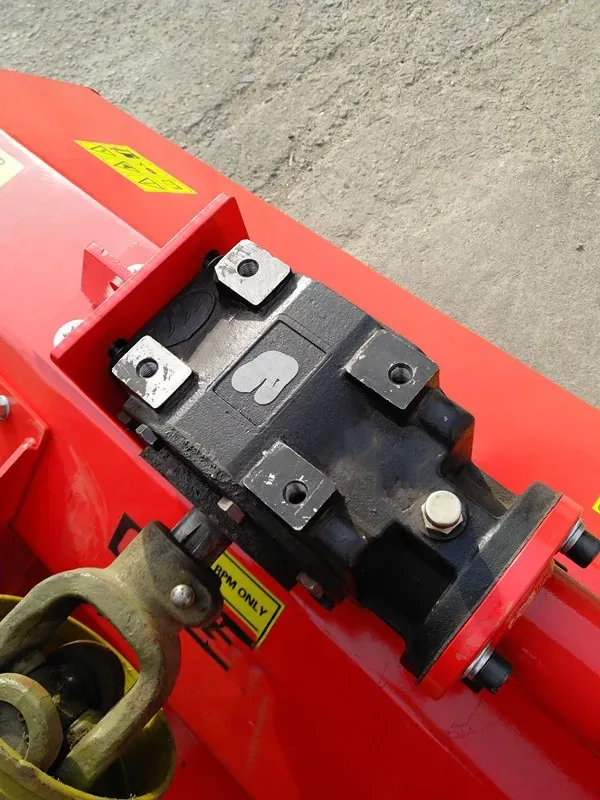
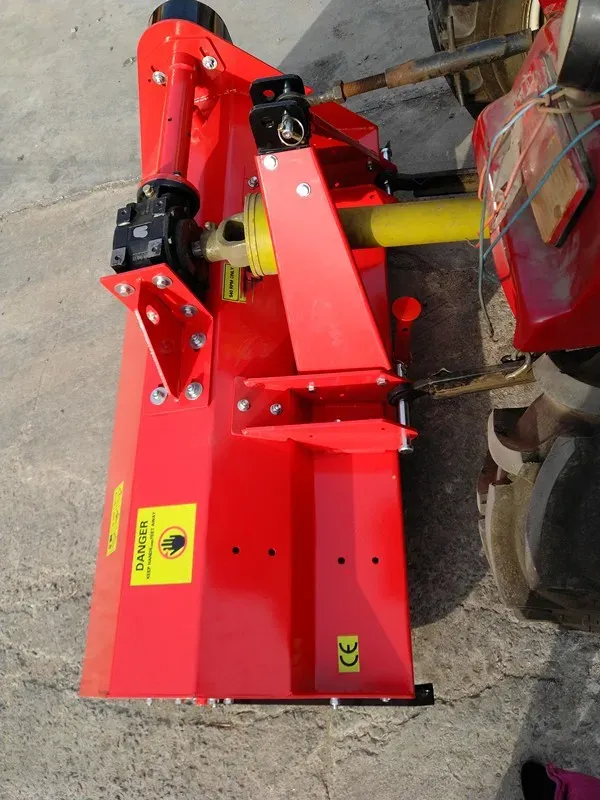
Flail Mower vs. Rotary Mower
Flail mowers and rotary mowers differ primarily in their cutting mechanisms and applications. A flail mower utilizes a series of vertically rotating blades or flails mounted on a horizontal shaft. These blades swing freely and impact vegetation with a chopping motion, making them effective for cutting thick grass, weeds, and light brush. They also mulch the cut material into smaller pieces, beneficial for soil enrichment.
In contrast, a rotary mower features horizontally mounted blades that spin parallel to the ground in a circular motion. These blades act like a fan, creating a suction that lifts and cuts grass and vegetation cleanly. Rotary mowers are ideal for maintaining manicured lawns, sports fields, and open areas where a smooth, even cut is desired.
While both mowers are powered by a tractor’s PTO, their cutting actions and applications vary significantly. Flail mowers excel in rough terrain and overgrown areas, offering robust performance and versatility, whereas rotary mowers are suited for finer, more aesthetic cuts in well-maintained landscapes.
| Feature | Flail Mower | Rotary Mower |
|---|---|---|
| Cutting Mechanism | Vertical flail blades that swing freely and chop | Horizontal blades that spin in a circular motion |
| Cutting Style | Chopping and mulching | Slicing and lifting |
| Ideal Applications | Rough terrain, overgrown areas | Manicured lawns, sports fields, open areas |
| Vegetation Type | Thick grass, weeds, light brush | Grass, turf, light vegetation |
| Mulching Capability | Effective mulching of cut material | Limited mulching, primarily cuts and collects grass |
| Terrain Adaptability | Handles uneven and rough terrain | Best on flat, even surfaces |
| Cutting Height Adjustment | Typically adjustable | Typically adjustable |
| Blade Safety | Blades enclosed or guarded for safety | Open blades, less guarded |
| Noise Level | Moderate to loud due to chopping action | Moderate, varies with mower size and design |
| Maintenance Needs | Blades may require periodic replacement | Blades may require sharpening and periodic adjustment |
| Fuel Efficiency | Moderate, depending on mower size and operation | Moderate, efficient for general mowing |
| Cost | Typically higher due to robust construction | Lower initial cost for similar size and features |
| Performance in Tall Grass | Excellent, cuts effectively through tall vegetation | May struggle with tall, dense grass |
| Weight | Heavier due to robust construction | Lighter, easier to maneuver |
| Operation Speed | Slower due to chopping action | Faster due to spinning blades |
| Land Preparation | Suitable for clearing land and vegetation | Ideal for maintaining already cleared areas |
| Environmental Impact | Mulching promotes soil health and reduces waste | Leaves clippings, less beneficial for soil health |
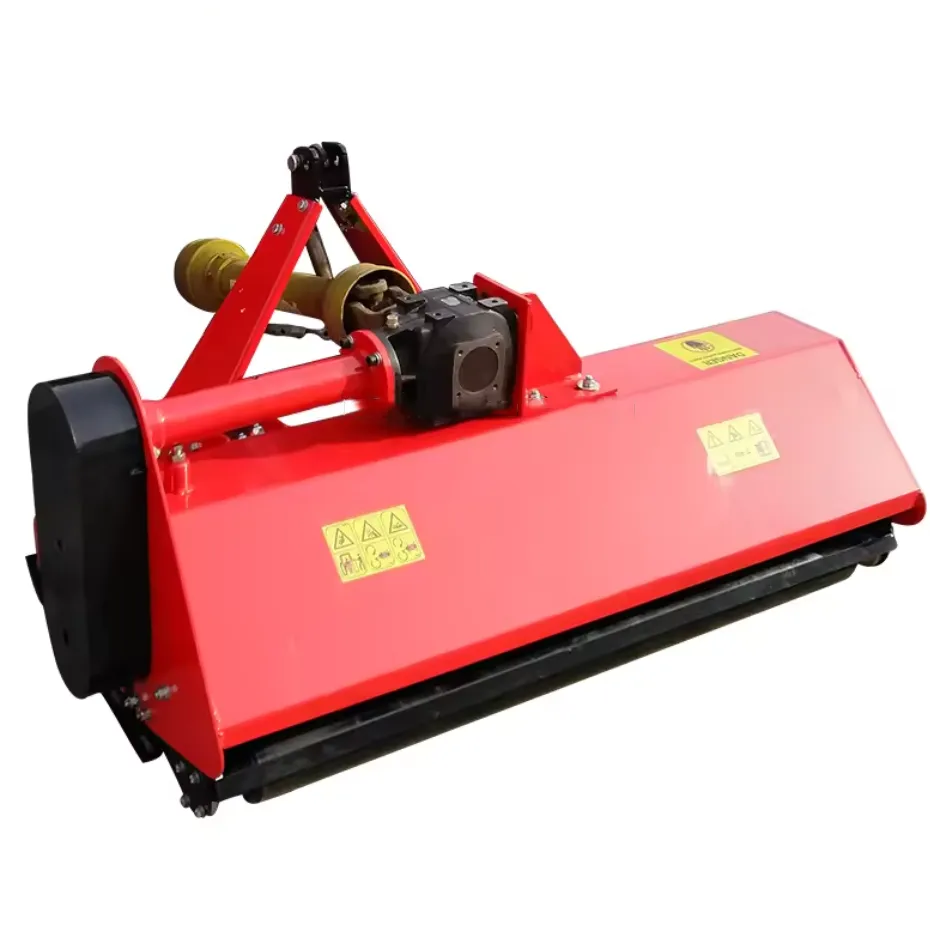 |
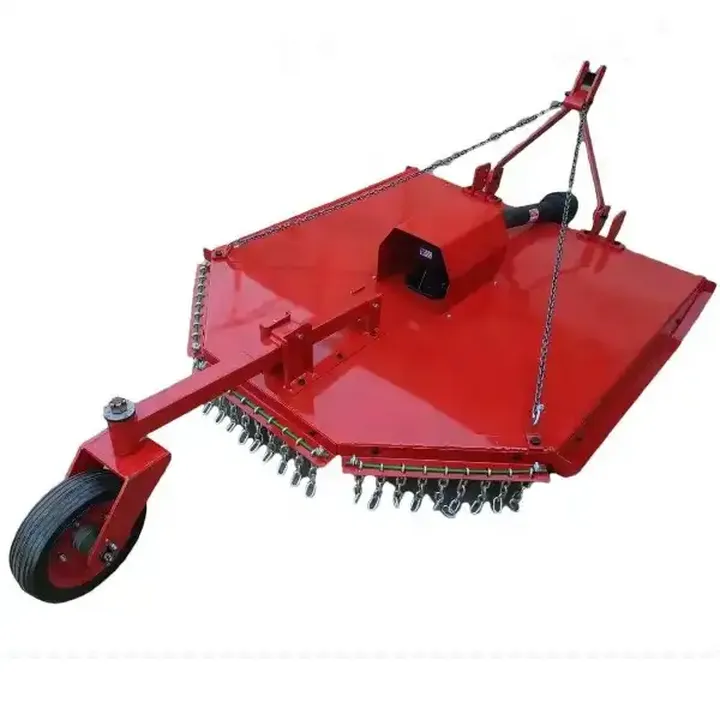 |
| Flail Mower | Rotary Mower |
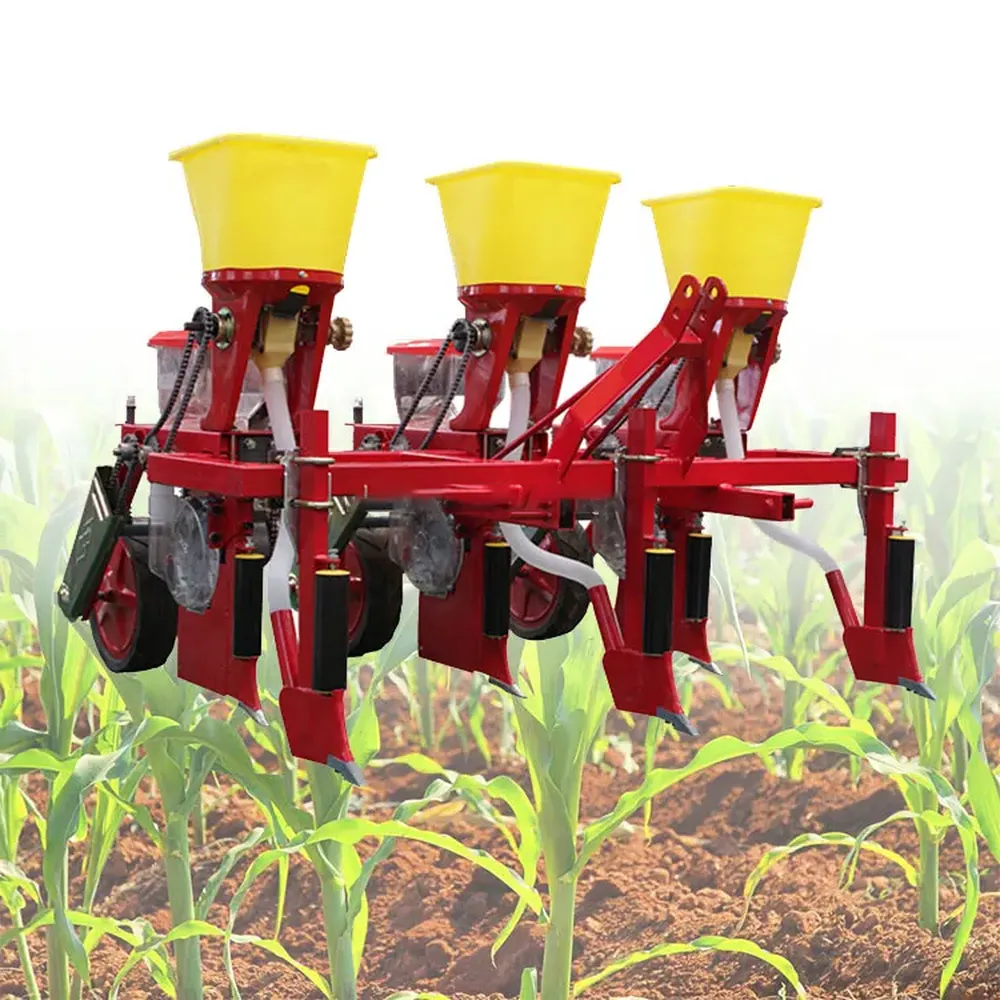
Othe Types of Agricultural Equipments


Last Update Knowledge & News
No Results Found
The page you requested could not be found. Try refining your search, or use the navigation above to locate the post.
No Results Found
The page you requested could not be found. Try refining your search, or use the navigation above to locate the post.
Edited by Yjx