
Forklift Hydraulic Cylinders
Forklift Hydraulic Cylinder
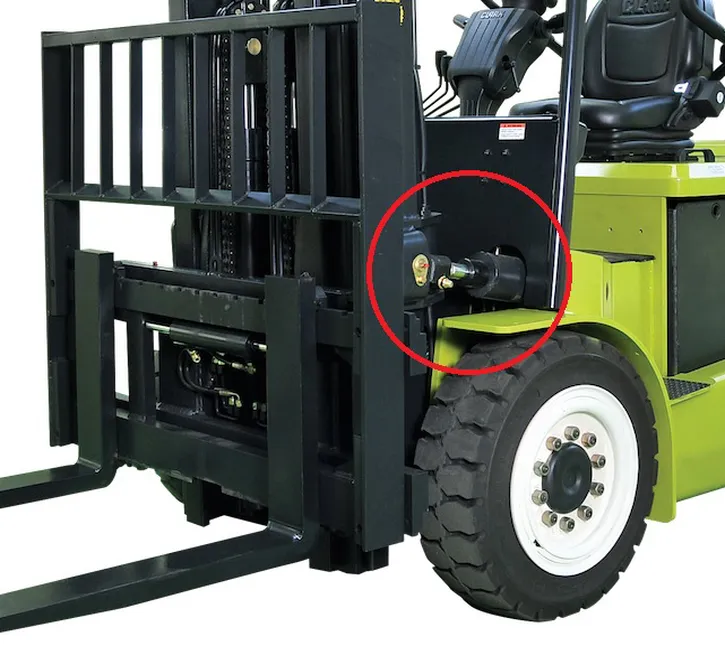
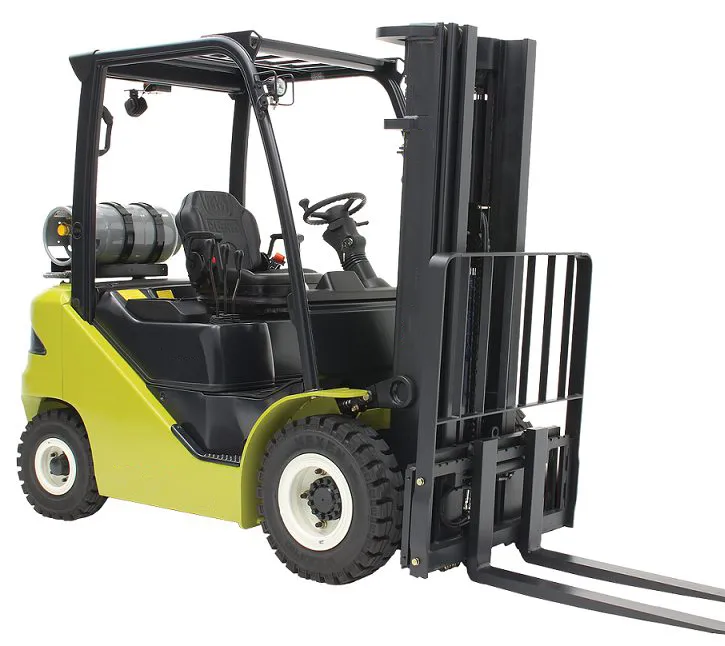
The forklift hydraulic cylinder is a crucial component of a forklift’s lifting mechanism. It plays a vital role in raising and lowering the forks or other attachments, allowing for the efficient movement and transportation of heavy loads. The hydraulic cylinder converts hydraulic energy into mechanical force, providing the necessary power to lift and manipulate heavy objects.
Visit our VR factory:
The forklift hydraulic cylinder consists of a cylindrical barrel, a piston, and a piston rod. The barrel is a sealed tube that houses the piston and the hydraulic fluid. The piston divides the cylinder into two chambers: the rod side and the cap side. The rod side is connected to the piston rod, which extends outside the cylinder, while the cap side remains closed.
Hydraulic fluid, typically oil, is pumped into the cap side or rod side of the cylinder, depending on the desired direction of motion. When pressure is applied to one side of the piston, the piston rod extends or retracts, depending on the setup. This action creates the lifting or lowering force required for the forklift’s operation.
The forklift hydraulic cylinder’s design allows for precise control and smooth operation of the lifting process. By adjusting the fluid flow rate and pressure, operators can accurately position the forks or attachments at different heights or angles. This level of control is essential for safely handling delicate or heavy loads and optimizing productivity in various material handling applications.
Forklift hydraulic cylinders are built to withstand high pressures and heavy loads, ensuring durability and reliability in demanding industrial environments. They are often constructed with quality materials and undergo rigorous testing to ensure their performance and longevity.
Forklift Hydraulic Cylinder Features:
Forklift hydraulic cylinders offer several advantages that make them a preferred choice for lifting and material handling applications. Here are some key advantages of forklift hydraulic cylinders:
1. High Lifting Capacity: Forklift hydraulic cylinders are designed to handle heavy loads. They can generate substantial lifting forces, allowing for the efficient handling of large and bulky items. This high lifting capacity enhances productivity and enables the transportation of heavy materials with ease.
2. Precise Control: Forklift hydraulic cylinders provide precise control over the lifting and lowering process. By adjusting the hydraulic fluid flow rate and pressure, operators can accurately position the forks or attachments at various heights and angles. This level of control is crucial for delicate loads and precise material placement.
3. Smooth Operation: Forklift hydraulic cylinders offer smooth and consistent lifting and lowering movements. The hydraulic system’s design ensures minimal vibration and shock, reducing the risk of damage to the load and providing a more comfortable working environment for the operator.
4. Versatility: Forklift hydraulic cylinders can be utilized in a wide range of forklift applications. They can be integrated into various forklift designs and configurations, making them versatile for different material handling tasks. Whether it’s lifting pallets, stacking goods, or maneuvering attachments, hydraulic cylinders can adapt to different requirements.
5. Reliability and Durability: Forklift hydraulic cylinders are built to withstand demanding industrial environments. They are constructed with robust materials and undergo rigorous testing to ensure their durability and reliability. This reliability minimizes downtime and maintenance costs, contributing to overall operational efficiency.
 |
 |
Forklift Hydraulic Cylinder Application Scenarios:
Forklift hydraulic cylinders are used in a variety of scenarios to lift, lower, and move loads. Here are some of the most common applications:
- Lifting and lowering forks: The most basic function of a forklift hydraulic cylinder is to lift and lower the forks. This is done by pumping hydraulic fluid into the cylinder, which pushes the piston rod out and raises the forks.
- Extending and retracting forks: Some forklift hydraulic cylinders that allow the forks to extend and retract. This is useful for loading and unloading pallets from trucks or other vehicles.
- Tilting the mast: Some forklift hydraulic cylinders that allow the mast to tilt. This is useful for loading and unloading uneven surfaces.
- Scooping and dumping: Some forklift hydraulic cylinders that allow them to scoop and dump materials. This is useful for loading and unloading sand, gravel, and other loose materials.
- Moving loads: Forklift hydraulic cylinders can also be used to move loads horizontally. This is done by using the forks to push or pull the load.
In addition to these common applications, forklift hydraulic cylinders can also be used for a variety of other tasks, such as:
- Operating the loading dock
- Moving containers
- Stacking pallets
- Loading and unloading trucks
- Cleaning gutters
- Removing snow
The specific application of a forklift hydraulic cylinder will depend on the type of forklift and the tasks that it is used for. However, all forklift hydraulic cylinders play an essential role in the operation of these machines.

Forklift Hydraulic Cylinder Catalog:
Showing 1–20 of 25 resultsSorted by popularity
-

HCYY11112002 Forklift Steering Cylinder
-

HCYY11112001 Forklift Tilt Cylinder
-

HCYY11112000 Forklift Lifting Cylinder
-

HCYY11112031 Cylinder For Forklift Accessories
-

HCYY11112030 Cylinder For Forklift Accessories
-

HCYY11112028 Cylinder For Forklift Accessories
-

Forklift Truck Steering Cylinder
-
Forklift Truck Tilt Cylinder
-

LS-HCZD30N-03 Forklift Truck Steering Cylinder
-

Forklift Truck Lift Oil Cylinder
-

20176B-02000 Forklift Truck Support Hydraulic Cylinder
-

Factory OEM Hydraulic Cylinders Forklift Single Acting Hydraulic Cylinder Lift Industrial Vehicle Hydraulic Cylinders
-

Industrial Vehicle Hydraulic Cylinders Short Stroke Forklift Lift Cylinder
-

High Quality Car Forklift Lifts Hydraulic Cylinders Customized Hydraulic Lift Cylinder
-

HZPT Custom Made Hydraulic Cylinder for Industrial Vehicle /Forklift Hydraulic Tilt Cylinder for Loader
-

HZPT Custom Made Hydraulic Cylinder for Industrial Vehicle/Forklift Tilt China Hydraulic Cylinder
-

High Quality Hydraulic Cylinders Tractor Hydraulic Steering Cylinder Forklift Steering Cylinder
-

OEM Forklift Hydraulic Cylinder Two-Way Double Acting Hydraulic Cylinder
-

Guaranteed Quality Hydraulic Cylinder for Forklift Steering Custom Hydraulic Cylinders
-

Lift Hydraulic Cylinder for Cart
Edited by Yjx
Last Update Knowledge & News
No Results Found
The page you requested could not be found. Try refining your search, or use the navigation above to locate the post.
Related product introduction:
No Results Found
The page you requested could not be found. Try refining your search, or use the navigation above to locate the post.