
Bending Machine
Superior Precision and Efficiency in Bending Sheet Metal or Profiles
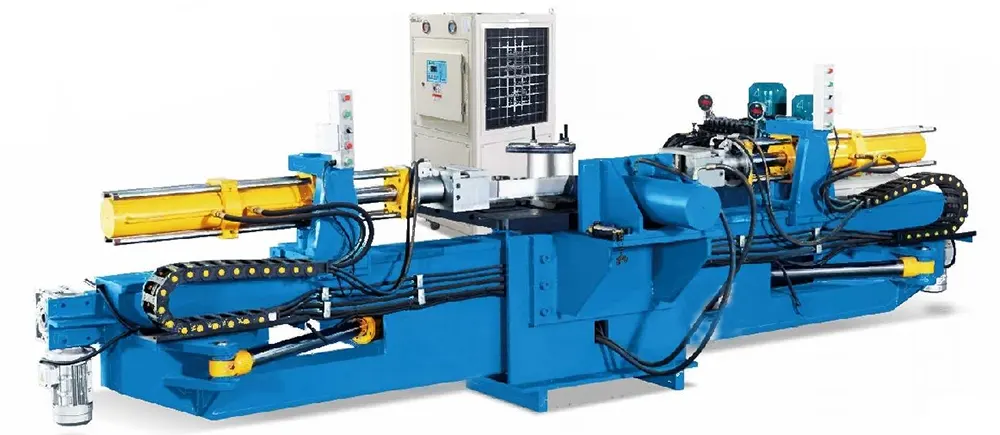
What Is a Bending Machine?
Bending machines are used to bend metal sheets or profiles. They can be used to bend metal to the desired angle, shape, and size. Bending machines are widely used in industrial production, such as in automotive manufacturing, construction, shipbuilding, and furniture manufacturing.
Bending Machines for Sale
Our bending machines can be used for drawing and bending round pipes, square pipes, angle irons, I-beams,channel steels, C-shaped steels, special-shaped steels, aluminum profiles, stainless steel and other profiles.
-
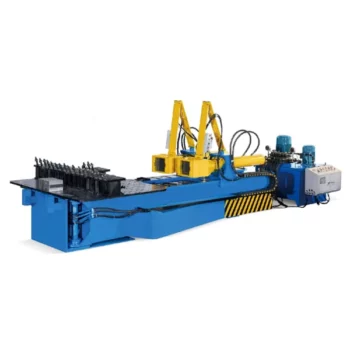
Remote Control Bending Machine SDS-10T-120T
-
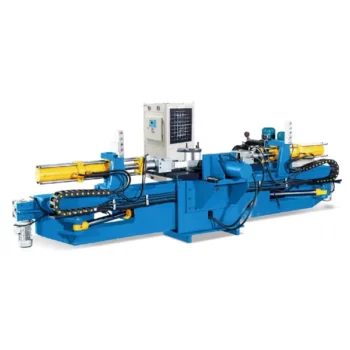
CNC Stretch Bending Machine SDS-15T-25T
-
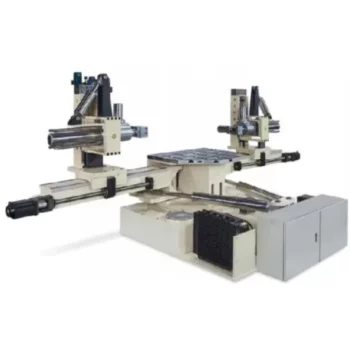
CNC Three-Dimensional Stretch Bending Machine
-
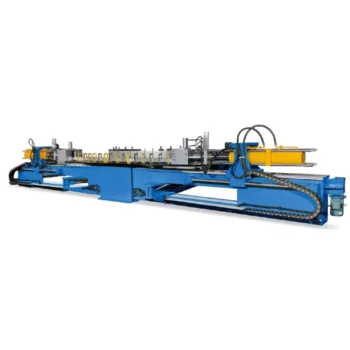
Building Materials Semi-automatic Bending Machine
-
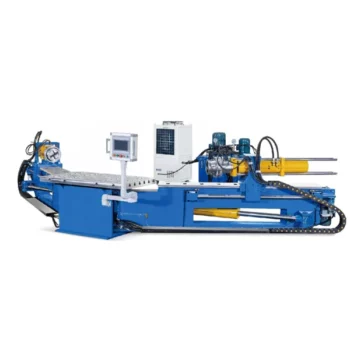
CNC Stretch Bending Machine for Special Parts
-
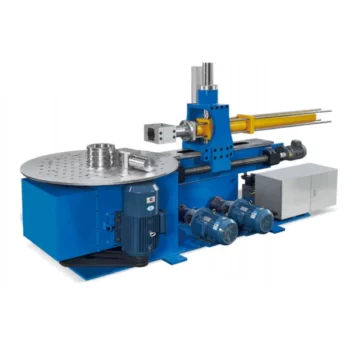
Remote Control Type Turntable Type Bending Machine
-
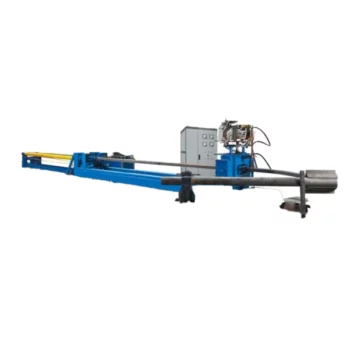
Hot Bending Machine
-
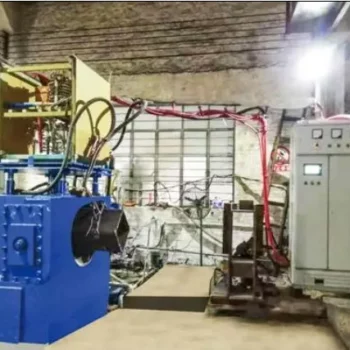
Energy Saving Intermediate Frequency Hot Bending Machine
-
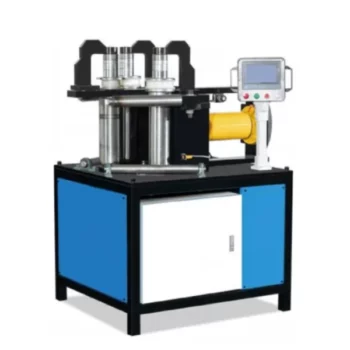
CNC Roll Bending Machine
-
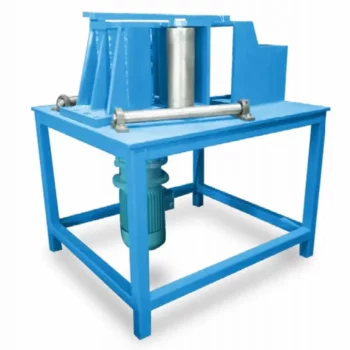
Template Machine
Structure of Bending Machines
The main structure of a bending machine includes the following parts:
- Frame: The frame is the main body of the bending machine, which supports and fixes other parts.
- Power system: The power system provides power for the bending machine, which can be an electric motor, hydraulic system, or mechanical system.
- Transmission system: The transmission system transmits power to the bending roll.
- Bending roll: The bending roll is the key component of the bending machine, which directly acts on the metal sheet or profile and generates a bending moment.
- Control system: The control system is used to control the operation of the bending machine.
Types of Bending Machines
Bending machines can be classified by their power source, working method, bending process, and other factors.
By Power Source
- manual bending machines
- electric bending machines
- hydraulic bending machines
By Working Method
- single-point bending machines
- multi-point bending machines
- continuous bending machines
By Bending Process
- mold bending machines
- free bending machines
Working Principle of Bending Machines
Bending machines work by applying a bending moment to the metal. The bending moment can be provided by an electric motor, hydraulic system, or mechanical system.
The working principle of an electric bending machine is that the motor drives the gear reducer, the gear reducer drives the crankshaft, the crankshaft drives the bending roll, and the bending roll applies a bending moment to the metal sheet or profile, thereby bending the metal.
The working principle of a hydraulic bending machine is that the hydraulic system provides the bending moment, the hydraulic cylinder drives the bending roll, and the bending roll applies a bending moment to the metal sheet or profile, thereby bending the metal.
The working principle of a mechanical bending machine is that the mechanical system provides the bending moment, the crank and connecting rod mechanism drives the bending roll, and the bending roll applies a bending moment to the metal sheet or profile, thereby bending the metal.
Applications of Bending Machine
Bending machines are widely used in industrial production, such as in automotive manufacturing, construction, shipbuilding, and furniture manufacturing.
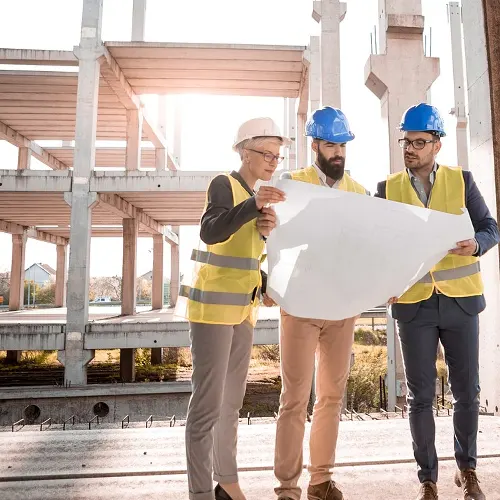
Construction
Bending machines are used to bend steel bars and profiles.

Shipbuilding
Bending machines are used to bend hull parts and deck parts.

Automotive manufacturing
Bending machines are used to bend car body parts, chassis parts, and engine parts.

Furniture manufacturing
Bending machines are used to bend furniture parts and decorative parts.
Choose Bending Machines from HZPT
At HZPT, we specialize in crafting top-notch hydraulic bending equipment, focusing on both research and development as well as manufacturing. Moreover, with our extensive experience in product design, we pride ourselves on tailoring solutions that precisely match our customers’ needs. Thanks to our years of professional expertise and technical finesse, our equipment not only operates conveniently but also demands minimal maintenance. Additionally, we take quality control seriously, offering a variety of specifications using standard materials for consistently stable and reliable performance. Consequently, our customers can use our products with complete confidence. Furthermore, our focus on efficiency not only saves time but also reduces costs. With a diverse array of styles and a broad range of services, we are dedicated to providing nothing short of excellence across all our offerings.
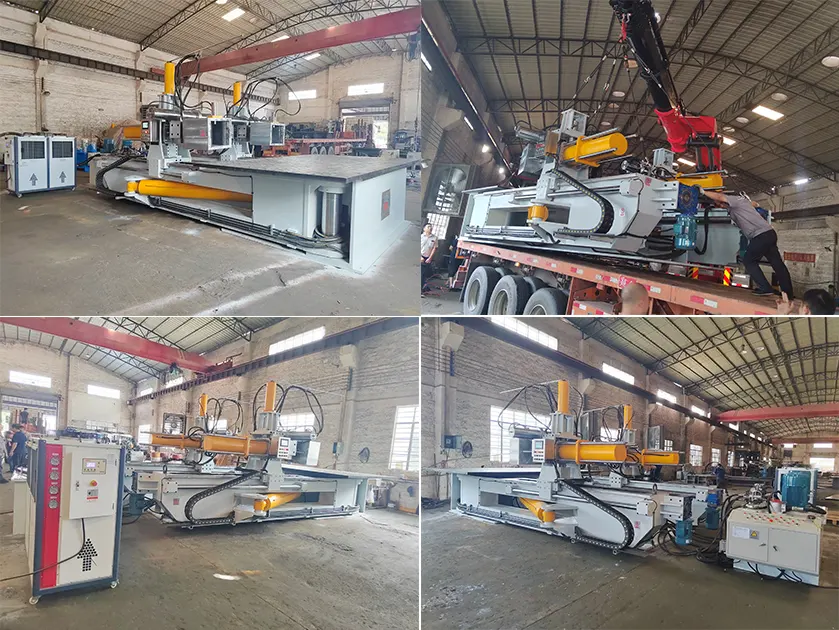
Cold-formed Materials of Bending Machines
Aluminum stretch bending series
Our primary method involves employing the stretch-bending technique to shape diverse metal materials. Stretch-bending, an innovative cold-bending process, boasts the following key characteristics: it accommodates the bending of a wide array of cross-sectional profiles. Practically all aluminum, steel, stainless steel, copper, and other metal profiles and pipe fittings can undergo bending using this method.
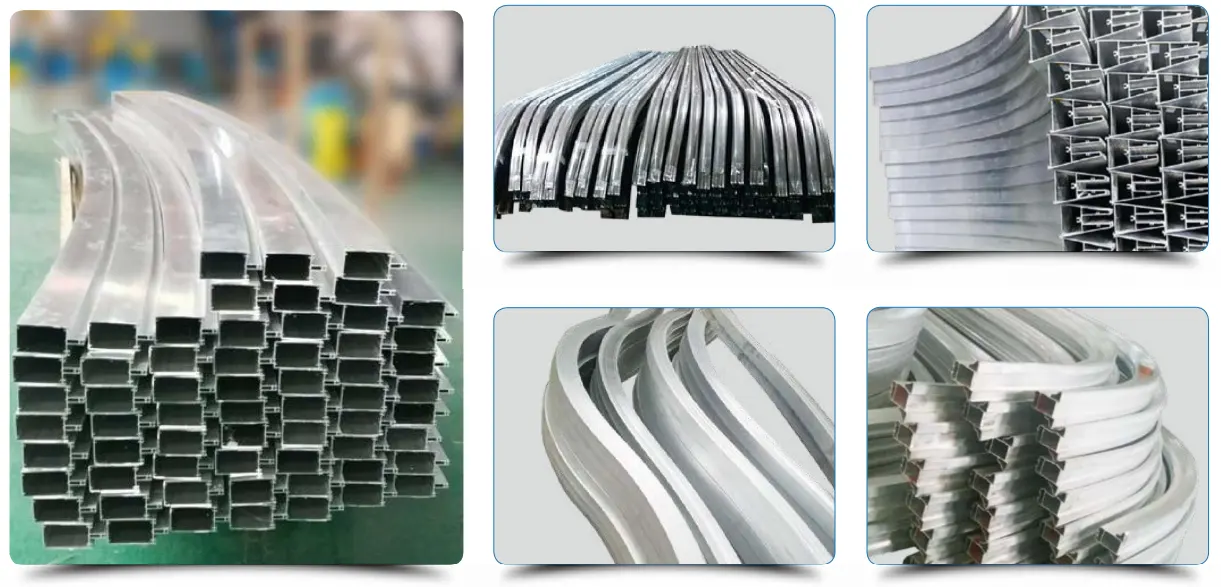
Stainless steel profile bending series
Maximum bending arc length: 12 meters
The maximum length of one molding can be up to 12 meters, which can improve installation efficiency, reduce installation costs, save materials, and improve project quality for projects that require longer arc lengths.
Tension and bending section: 1200*1200m or less
Bending radius: unlimited when the material’s mechanical properties (elongation) allow.
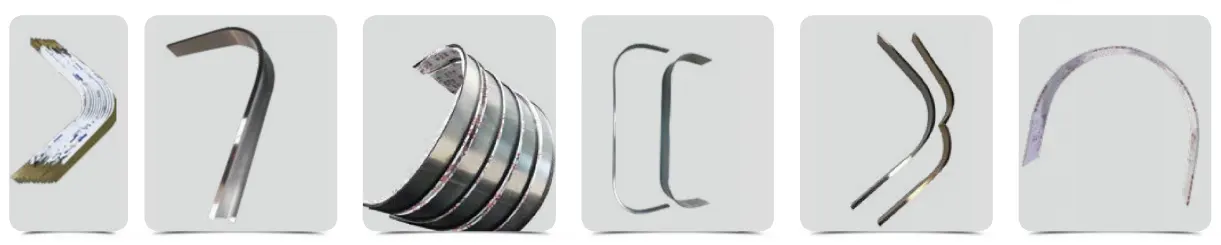
Can bend a variety of curved hyperboloid shapes
In addition to being able to bend conventional standard arcs, it can also bend a series of complex curves such as U-shape, S-shape, W-shape, ellipse, parabola, arc with straight segments, conical curves, and a curve with multiple radii shape.
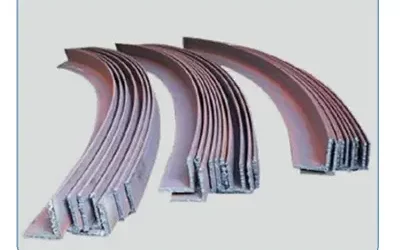
200x200 Hot Bending Angle Iron, Inward Facing
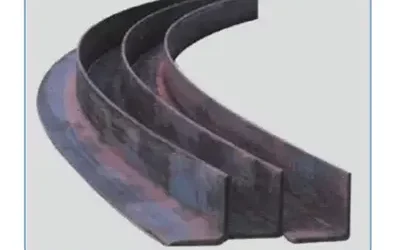
200x200 Hot Bending Angle Iron, Outward Facing
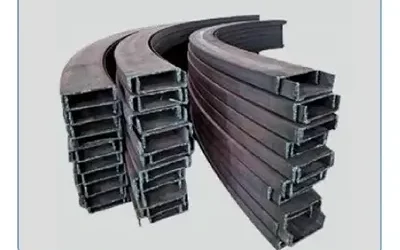
28# Channel Steel Mouth Bend Down
36# Channel Steel Mouth Inward
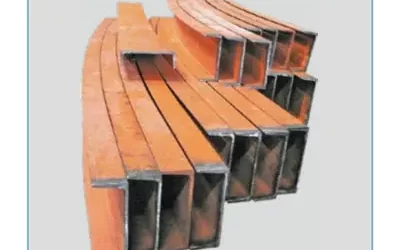
Channel Steel Mouth Outwards
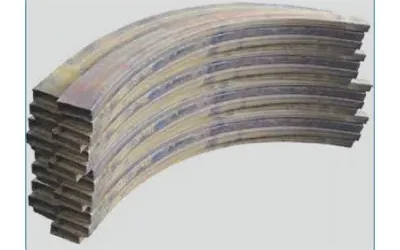
6250x100 Rectangular Tube Bend Small Surface
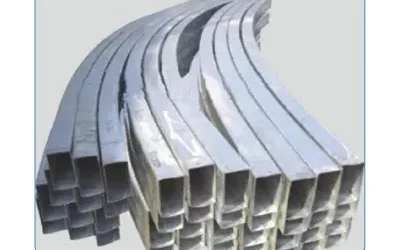
400x200 Rectangular Tube Elbow
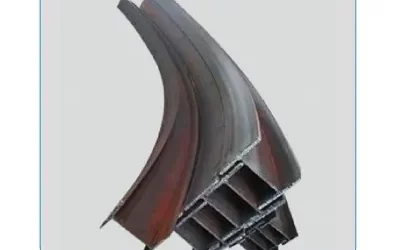
350x350 H Section Steel Flat Bend
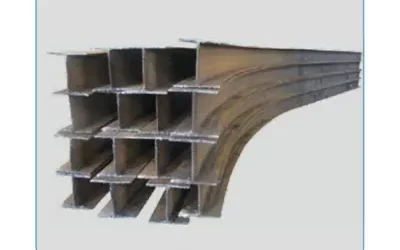
250x250H Steel Mouth Bend
Selection and Use of Bending Machines
When selecting a bending machine, the following factors should be considered:
- Material and thickness of the metal to be bent
- Shape and size of the metal to be bent
- Bending angle of the metal to be bent
- Production capacity of the bending machine
- Price of the bending machine
Using Precautions
When using a bending machine, the following precautions should be taken:
Operators should be trained professionally and familiar with the operating procedures of the bending machine.
Safety precautions should be taken when using the bending machine to avoid accidents.
Bending machines should be checked and maintained regularly to ensure their normal operation.
Edited by Zqq.
Knowledge & News Update
No Results Found
The page you requested could not be found. Try refining your search, or use the navigation above to locate the post.
Related Products Introductions
No Results Found
The page you requested could not be found. Try refining your search, or use the navigation above to locate the post.