
Forestry Machinery
Forestry machinery refers to a wide range of specialized equipment and vehicles used in the management and operation of forests and timber harvesting. These machines are designed to perform various tasks efficiently and safely, contributing to the sustainable management of forest resources. From tree planting to timber extraction, forestry machinery plays a crucial role in enhancing productivity and minimizing environmental impact in the forestry sector.
Here are some common types of forestry machinery and their functions:
1. Harvesters: Harvesters are large machines used for felling, delimbing, and bucking trees. Equipped with a rotating cutting head and multiple hydraulic arms, harvesters can fell trees, strip them of branches, and cut them into desired lengths in a single operation. They are highly efficient and can significantly increase the speed of timber harvesting.
2. Forwarders: Forwarders are specialized vehicles used to transport felled trees from the harvesting site to a designated loading area. They have a loading area or bunk where the logs are stacked, and they are designed to minimize ground damage and facilitate efficient transportation through rough terrains. Forwarders come in various sizes and configurations to accommodate different log sizes and terrain conditions.
3. Skidders: Skidders are used to drag felled trees from the forest to the loading area. They are equipped with winches and cables or grapples to grab and pull logs through the forest floor. Skidders are commonly used in areas with challenging terrain where other machinery may have difficulty operating.
4. Excavators: Excavators are versatile machines used in forestry for various tasks, such as clearing land, building access roads, and digging trenches. They can be equipped with specialized attachments, such as mulchers or grapples, to perform specific forestry operations efficiently.
5. Mulchers: Mulchers are used to clear vegetation, shrubs, and small trees from the forest floor. They have a rotating drum or cutting head with sharp teeth that can shred and mulch vegetation into small pieces. Mulchers are commonly used in land clearing for site preparation or to manage vegetation in areas where traditional logging is not feasible.
6. Chippers: Chippers are machines used to process logging residues, tree branches, and other woody biomass into wood chips. Wood chips can be used as fuel or raw material for various applications, such as paper production, bioenergy, or landscaping.
7. Tree planters: Tree planters are specialized machines used for afforestation or reforestation projects. They can dig holes, place seedlings or saplings in the ground, and cover them with soil, significantly increasing the efficiency of tree planting operations.
Showing 1–30 of 48 resultsSorted by popularity
-

Landscape Rake Attachments For Skid Steer Loaders Skid Steer Landscaping Attachments
-

Forestry Wood Stump Cutter Skid Steer Stump Grinder for Sale
-

Excavator, Tractor Skid Steer Loader Tree Shears 400mm Cutting Diameter Agriculture and Forestry Machinery
-

Tractor PTO Wood Crusher Forestry Machinery Heavy Duty Wood Shredder Chipper
-

BX Series PTO Driven Wood Chipper Shredder Machine For Tractor
-

Farm machinery PTO driven wood chipper shredder for garden tractor
-

Large Capacity Wood Splitter Fire Wood Cutting Saw Wood Processor 790mm Cutting Diameter
-

Wood Chipper Shredder for Garden or Gasoline Wood Chipper for Farm Gasoline Engine Forest Mobile Firwood Processor
-

450mm Firewood Processor 30t Skid Steer Wood Cutting Machine Log Splitter
-

15hp Gas Engine Powered Wood Chipper Shredder Wood Chipper Machine Wood Chipping Machine
-

Multi Claws Hydraulic Grapples for Sale Ton Grass Hay Waste Grabber
-

Grass Catcher Skid Steer Attachment Loader Grass Grabber for Agriculture
-

Grapple Grabber Loader Farming Machine Wheel Loader Attachment Clamp Forest Equipment
-

Small Wood Log Grabber Grapple Skid Steer Attachment
-
Multi Claws Hydraulic Grapples for Sale Ton Grass Hay Waste Grabber
-

Skid Steer Stump Grinder Loader Piston Motor For Engine Powered Attachment Stump
-
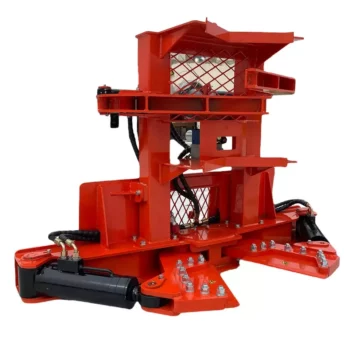
Good Quality Best Price Tree Shear Factory Supply Skid Steer Loader Durable Loader Hydraulic Tree Shear Skid Steer
-
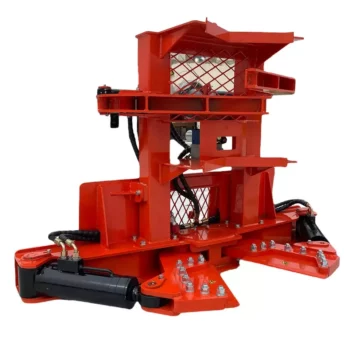
High Quality Hydraulic Rotating Tree Shear Fixed on Excavator
-
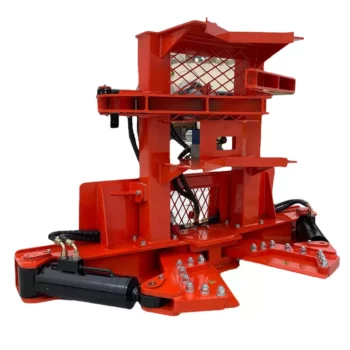
Mini Skid Steer Loader Attachments Tree Shear For Sale
-
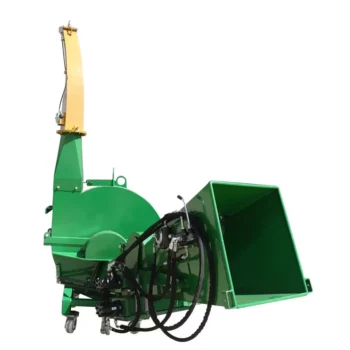
BX72 Tractor PTO Driven Wood Chipper Branch Logger Chipper with Hydraulic Feeding
-
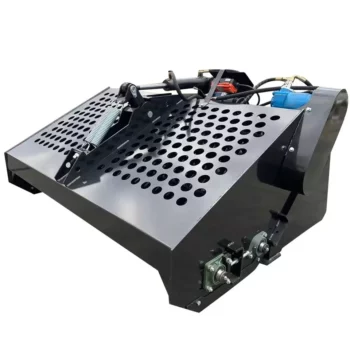
Forestry Wood Stump Cutter Stump Grinder for Sale
-
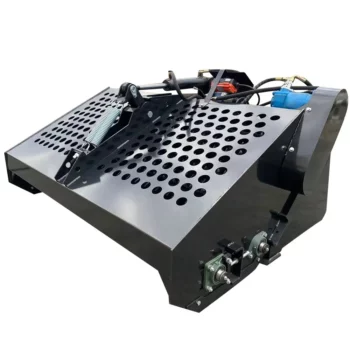
Skid Steer Loader Attachment Power Rake Stump Grinder for Forestry
-
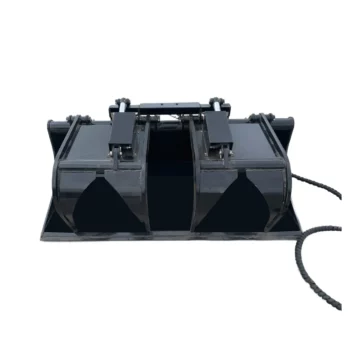
Multi Claws Excavator Hydraulic Grapples For Sale Grass Hay Waste Grabber
-
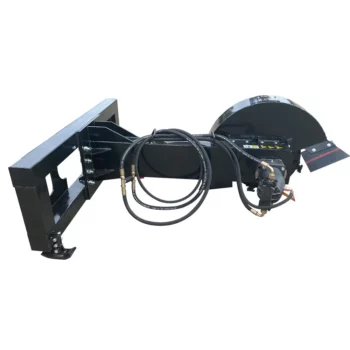
Stump Grinder Of Skid Steer Loader Attachments Chinese Manufacturer Excavator Stump Grinder For Removing Large Tree Stumps
-
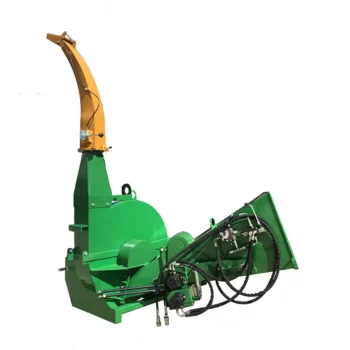
Wood shredder agriculture wood cutter machine tractor pto wood chipper
-
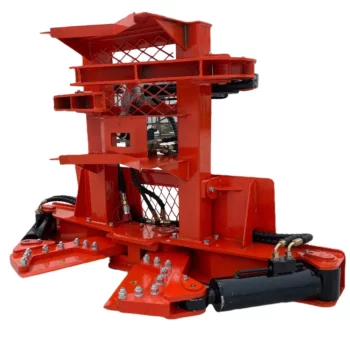
Excavator Tree Shear Forest Tree Cutting Machine
-
BX Series PTO Driven Wood Chipper Shredder Machine For Tractor
-
Wood Chipper Shredder for Garden or Gasoline Wood Chipper for Farm Gasoline Engine Forest Mobile Firwood Processor
-
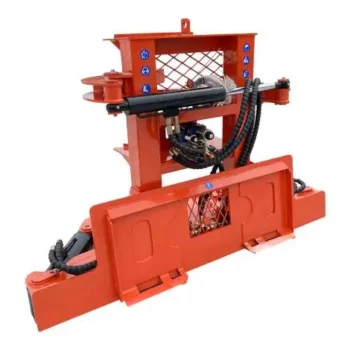
Tree Shear Land Clearing Equipment
-
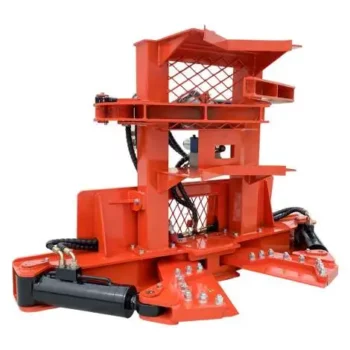
Tree Shear Skid Steer Skid Stear Forestry Equipment New Heavy Duty 15″