
FF Friction Torque Limiters
FF friction torque limiters, also known as friction torque limiters or torque overload clutches, are mechanical devices used to protect machinery and equipment from excessive torque and prevent damage. They are commonly employed in power transmission systems to safeguard components such as motors, gearboxes, and driven equipment.
The purpose of a friction torque limiter is to provide overload protection by limiting the amount of torque that can be transmitted through the system. When the torque exceeds a predetermined threshold, the torque limiter disengages the power transmission temporarily, preventing further torque transfer. This disengagement allows the system to absorb the excess torque without damaging the machinery or causing any catastrophic failures.
FF friction torque limiters consist of two main components: the driving and driven elements. The driving element is typically connected to the input shaft, while the driven element is connected to the output shaft. Between these two elements, there is a friction interface where torque is transmitted.
The friction interface consists of friction discs or plates that are pressed together under a specific force. This force is typically applied by a preloaded spring or a series of compression springs. When the torque applied to the driving element exceeds the preset value, the friction between the discs is overcome, and the driving and driven elements slip relative to each other.
The slipping action interrupts the torque transmission momentarily, protecting the system from excessive loads. Once the torque drops below the preset value or the overload condition is resolved, the friction discs re-engage, and torque transmission resumes.
Showing 1–30 of 32 resultsSorted by popularity
-
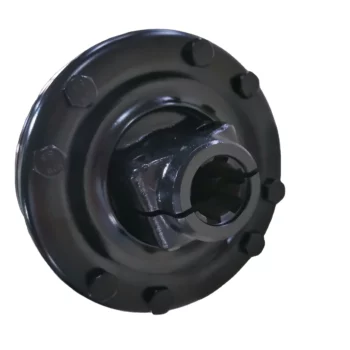
Chinese Factory Agriculture PTO Shafts Friction Torque Limiter Clutch
-

Agriculture PTO Shafts Friction Torque Limiter Clutch
-
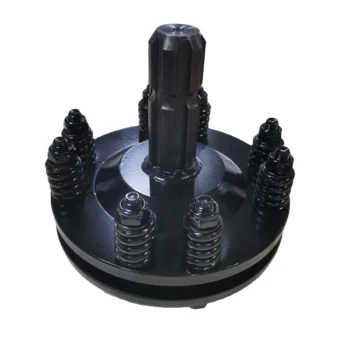
Agriculture PTO Shafts Clutch Friction Torque Limiter
-

Friction Torque Limiter for PTO Shaft in Farm Machines
-

FACTORY CUSTOMIZED FRICTION TORQUE LIMITED CLUTCH OF PTO SHAFT
-

Factory Price Rotavator Pto Shaft with Friction Torque Limiter Clutch
-
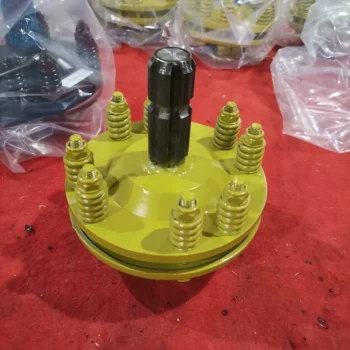
Transmission Shaft Truck Vehicle Forklift Loader excavator cardan Free wheel Spline Yoke clutch Torque Limiter PTO Drive Shaft
-

PTO Shaft Parts Friction Torque Limiter Clutch for Agricultural Machines Harvesters
-

FACTORY OEM FRICTION TORQUE LIMITED CLUTCH OF PTO SHAFT
-

OEM Clutches (Friction Torque Limiter) for PTO Shaft Used in Farm Machines
-

Customized Steel Friction Torque Limiter 4FF1 1 3/8”Z6 Spline Friction Clutch for PTO Shaft Parts
-

Tractor PTO Shaft Parts Steel 4FF1.B Friction Torque Limiter 1 3/8”Z6 Spline for PTO Shaft Parts
-
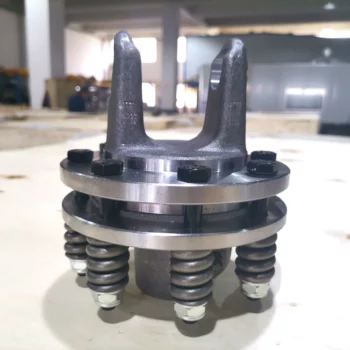
Friction Clutch Torque Limiter 4FF1.B Torque Limiter 1 3/8”Z6 Spline for PTO Shaft Parts
-
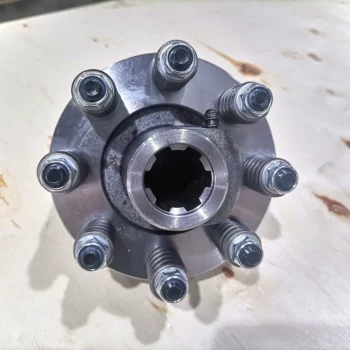
Used PTO Drive Shaft for Agriculture Tractors Steel 4FF1 Friction Torque Limiter 1 3/8”Z6 Spline
-
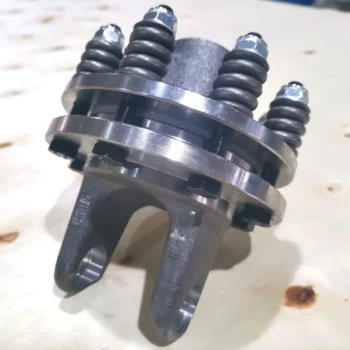
China Factory Steel 4FF1.B Friction Torque Limiter Used PTO Drive Shaft for Agriculture Tractors
-

OEM High Hardness Steel 4FF1.B Friction Torque Limiter 1 3/8”Z6 Spline for PTO Shaft Parts
-
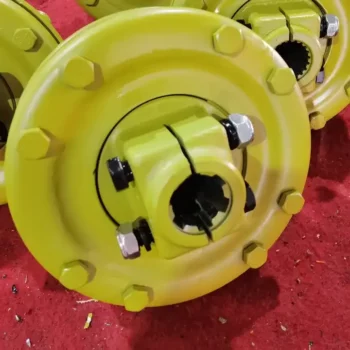
A Friction Torque Limiter for a Power Take-Off (PTO) Shaft: A Key Component for Agricultural and Industrial Machinery
-

Steel Friction Torque Limiter Tractor Parts Clutch Limiter Drive Shaft Parts HZPT Driveshaft
-
OEM DISC Clutch Torque Limiter Friction Clutch PTO Drive Shaft Limiter for Drive Shaft
-
FFV1 TTV2 Friction Clutch 200MM TORQUE LIMETER PTO DRIVE SHAFT PARTS Manufacturer
-
Yellow Spraying T3 T4 T8 T6 Steel Friction Clutch Kit PTO Drive Shaft Limiter
-
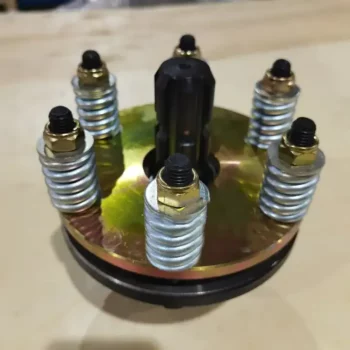
Manufacturing Factories in China Drive Shaft Parts FCS165 Friction Torque Limiter Coupling
-
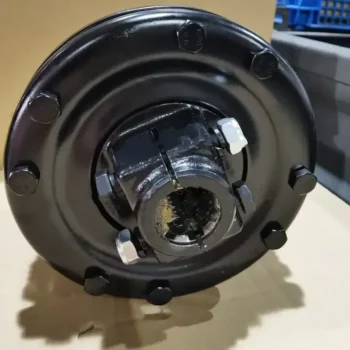
Factory Directly Provide FFVS2 Limiter PTO Slip Clutch Adaptor Extender
-
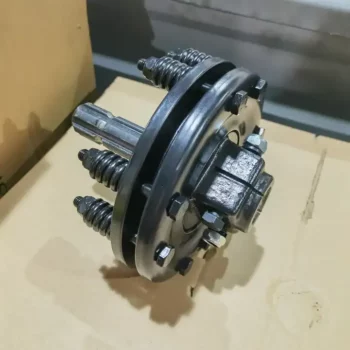
PROVIDE FULL SERIES FRICTION TORQUE LIMITER OF PTO SHAFT
-
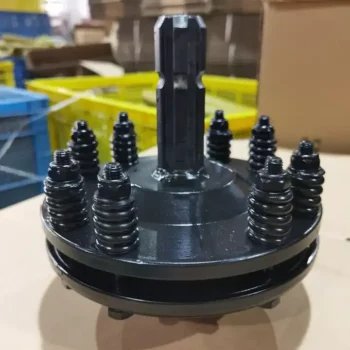
High-Quality Forged Tractor PTO Shaft Agricultural Machinery Parts FFVSS2 Ratchet Clutches PTO Shaft Friction Clutch
-
Black PTO Shaft Parts Ratchet Clutch FFVS2 for Agricultural Machines with 2 Friction Disc
-
FFVS2 PTO Slip Clutch, Male 1-3/8 x 6 Spline; Female 1-38 x 6 Spline 2 Friction Torque Limiter
-
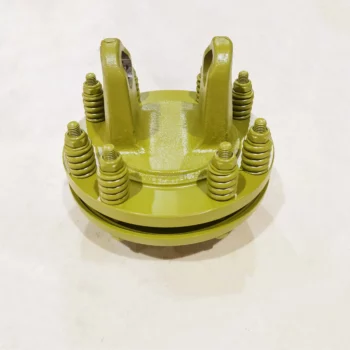
Hot Sales Best Production Capability Factory 6.FF2 Friction Torque Limiter
-
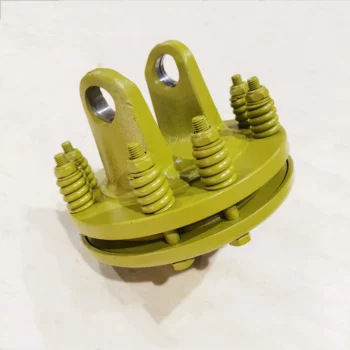
T6 PTO Shaft FF2 200MM Universal Joint Shaft Friction Torque Limiter Coupling
-
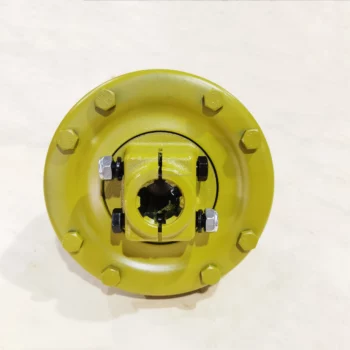
Yellow Spraying T6 FF2 Series Friction Torque Limiter 200mm Driveshaft parts for PTO Shaft