
Precision Hollow
Rotary Table
What Is A Precision Hollow Rotary Table
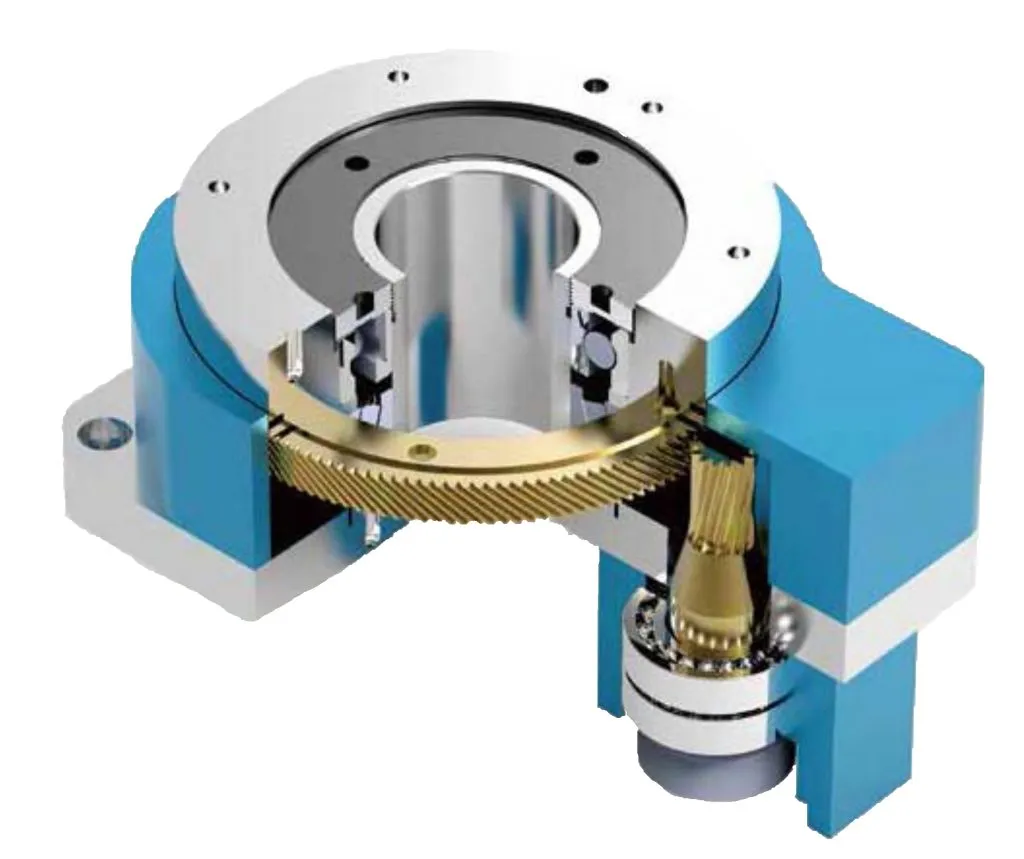
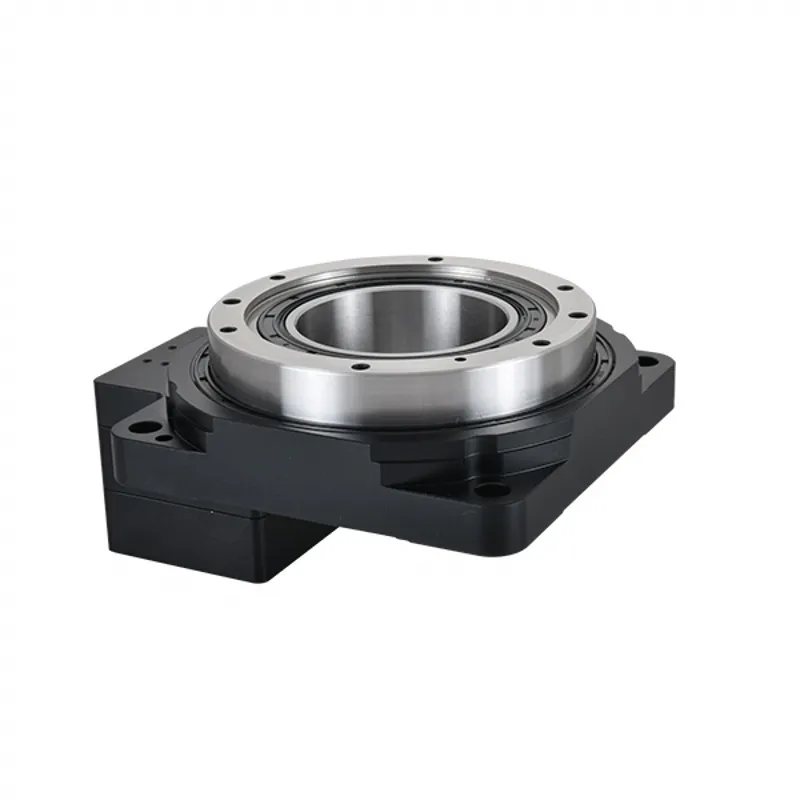
A precision hollow rotary table is a specialized type of rotary table that features a hollow center or bore, allowing for the passage of utilities, cables, or other components through the table’s axis. It provides precise and controlled rotational motion while offering the added advantage of having a central opening for integration with various applications.
When selecting a precision hollow rotary table, consider factors such as load capacity, speed, positional accuracy, bore diameter, and integration options.
Precision Hollow Rotary Table Production Area
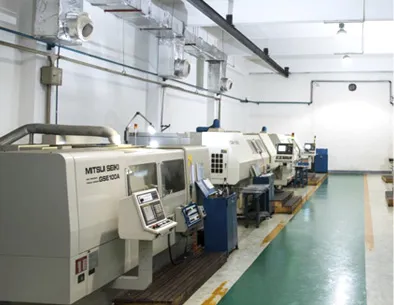
Product Finishing Line
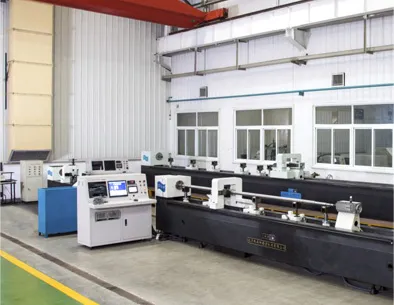
12M Ball Screw Comprehensive Accuracy Detector
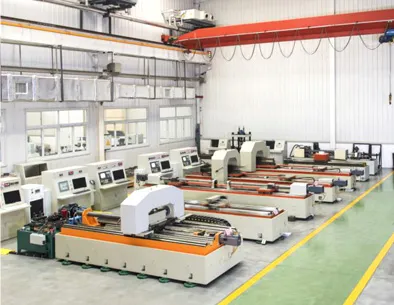
Product Performance Laboratory
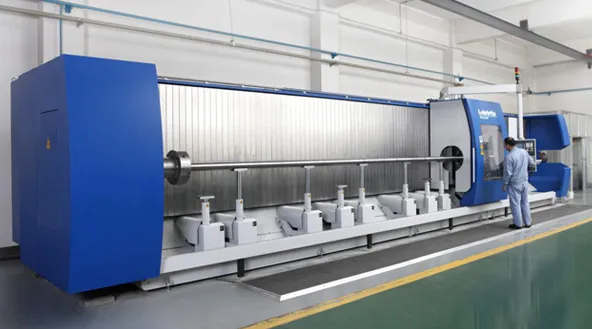
Precision Rotary Milling Imported From Germany
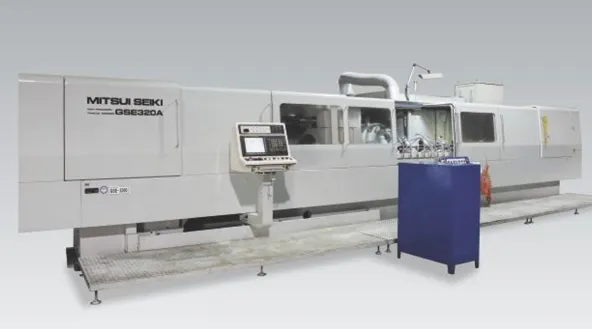
Japan Mitsui High Precision Thread Grinding Machine
Our company is a research and development, design, production, processing, sales in one of the transmission enterprises.Since its establishment, the company has introduced advanced production equipment and precision testing equipment to continuously develop, improve, and perfect products. Strive to create excellent high-end transmission products and supporting solutions for customers.
Precision Hollow Rotary Table For Sale
Showing 1–12 of 138 resultsSorted by latest
-
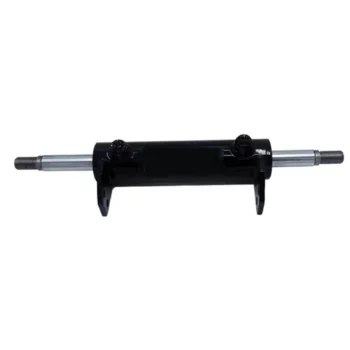
Guaranteed Quality Trailer Hydraulic Cylinder 1200mm Stroke Small Hydraulic Cylinder
-
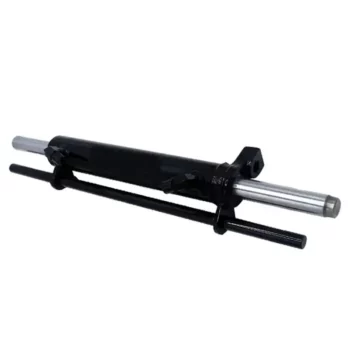
Professional Long Stroke Tractor Hydraulic Steering Cylinder Hydraulic Ram Cylinder
-
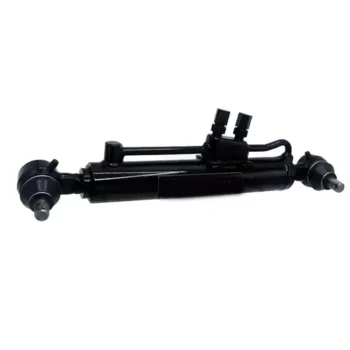
Hot Sale 10 Ton Power Steering Cylinder Tractor Hydraulic Cylinder: The Perfect Addition To Your Machinery
-
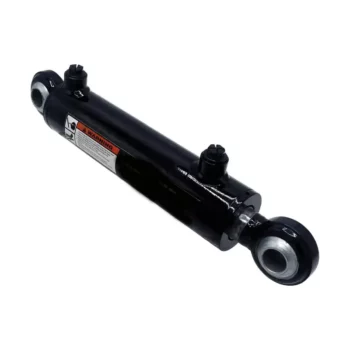
China Factory Supply Engineering Hydraulic Ram Cylinder Tractor Power Steering Cylinder
-
Your Guide to Professional Mini Hydraulic Piston Cylinder for Tractors: A Product of EVER-POWER
-
High Quality Trailer Stainless Steel Hydraulic Cylinder Tractor Hydraulic Steering Cylinder: A Comprehensive Guide
-
High Quality Hydraulic Ram Cylinder Long Stroke Tractor Hydraulic Steering Cylinder
-
Premium Quality Hydraulic Steering Cylinder Hydraulic Cylinder For Agriculture Trailer
-
Professional Craftsmanship Small Hydraulic Cylinder Trailer Tractor Power Steering Cylinder: A Guide to Selection and Maintenance
-
Customized 10 Ton Hydraulic Piston Cylinder: An Essential Tool for Industrial Applications
-
Factory Direct Sale Long Stroke Hydraulic Cylinder Double Acting Hydraulic Cylinder: Quality, Versatility, and Performance
-
Factory Direct Sale Double Acting Hydraulic Cylinder 10 Ton Tractor Power Steering Cylinder: A Comprehensive Guide
Two Basic Types And Working Principles Of Hydraulic Cylinder
How Does A Rotary Table Work
A rotary table is a device that enables rotational motion around a central axis. It consists of a circular platform that can rotate freely or be controlled to rotate in precise increments. The specific mechanism and operation of a rotary table may vary depending on the type and design, but here is a general overview of how a rotary table works:
Structure: A rotary table typically consists of a circular platform mounted on a base. The platform may have T-slots or other mounting provisions to secure workpieces or fixtures. The base is connected to a central axis, which allows the platform to rotate.
Drive Mechanism: The rotary table is driven by a motor or an external power source. The drive mechanism can be manual or automated, depending on the rotary table type. An operator rotates the platform using handwheels or handles in manual tables. In automatic tables, a motor or servo drive system controls the rotation.
Bearings: Rotary tables are equipped with bearings that provide smooth and precise rotation. These bearings can be of various types, such as ball, roller, or precision. The choice of bearings depends on the required load capacity, rotational speed, and accuracy.
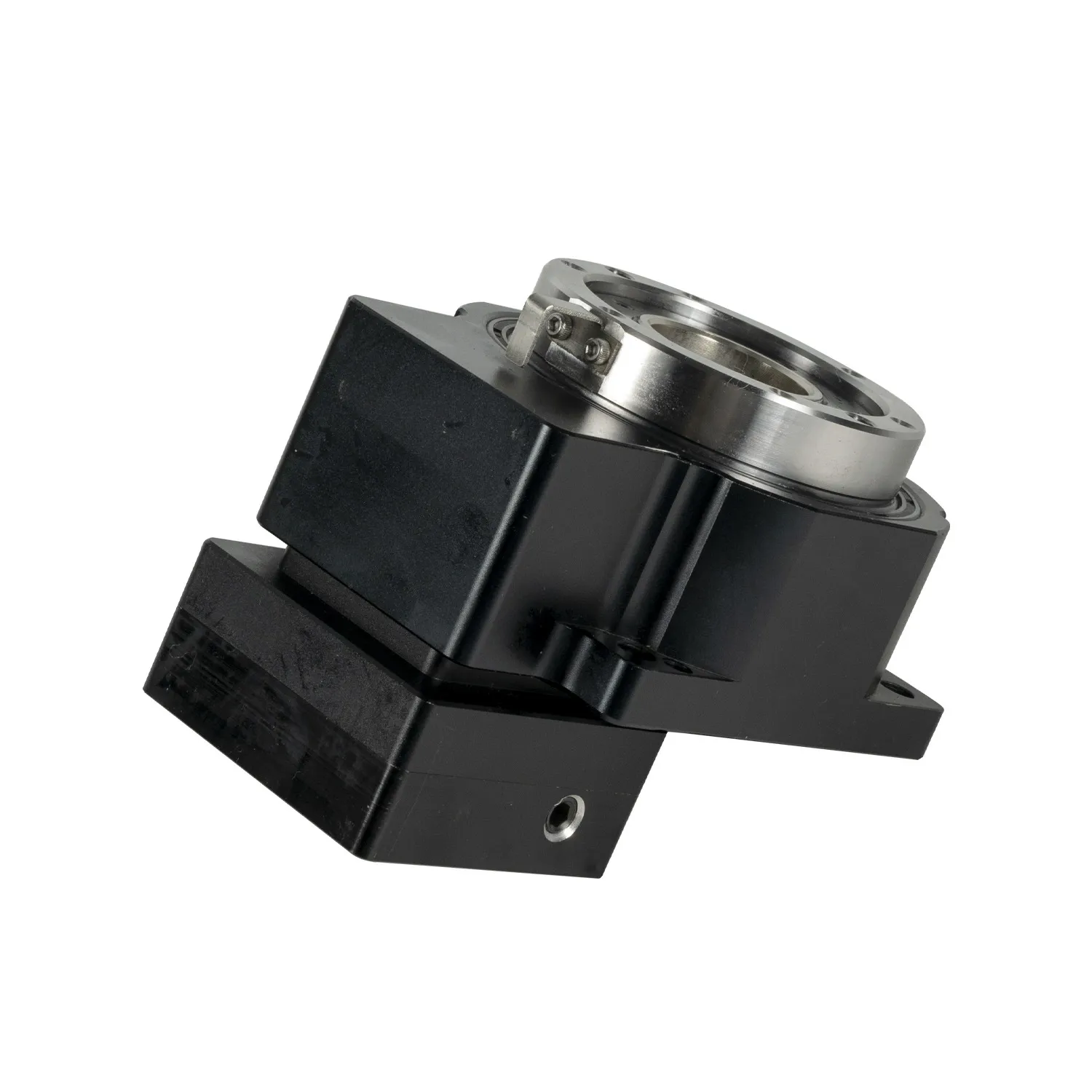
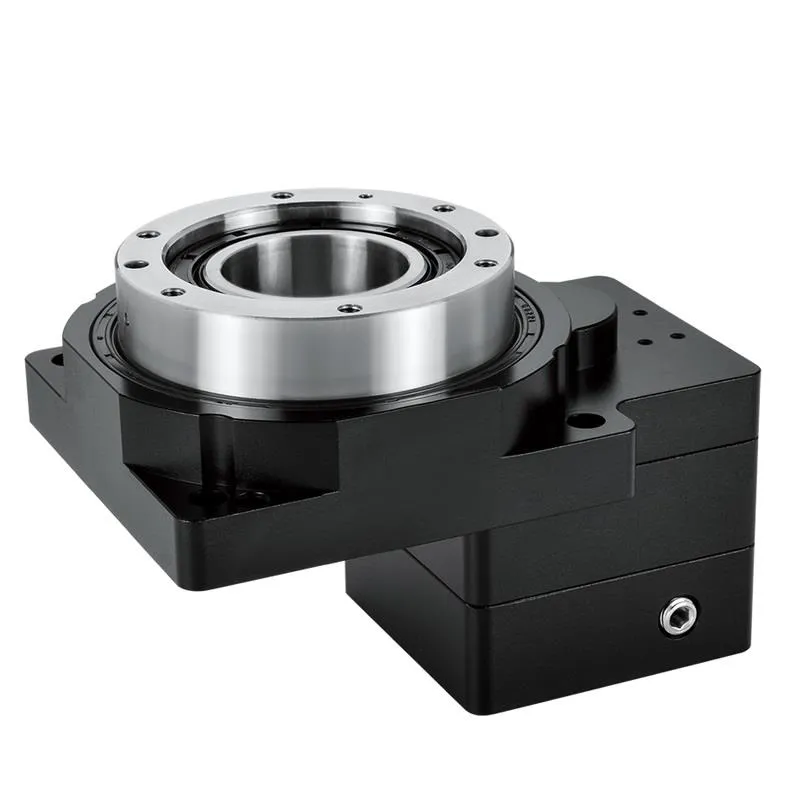
Positioning and Control: Many rotary tables offer precise positioning capabilities. They may include indexing or positioning features that allow the platform to stop at specific angles or positions. This is accomplished through mechanical stops, optical encoders, or other position sensors that provide feedback to the control system.
Integration: Rotary tables can be integrated into various systems or machines. They often connect to equipment such as CNC machines, milling machines, or assembly lines. The rotary table’s platform can hold workpieces, fixtures, or tools that require controlled rotation for machining, inspection, or assembly operations.
Application: Rotary tables find applications in a wide range of industries, including manufacturing, machining, robotics, and automation. They are commonly used for tasks such as indexing, milling, drilling, cutting, grinding, and assembly, where precise rotational motion is required.
How To Build A Rotary Table
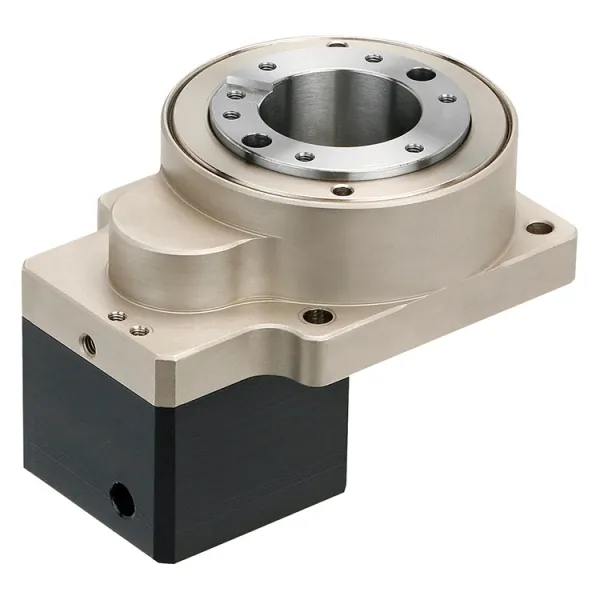
Drive Mechanism:
- Choose an appropriate drive mechanism, such as a motor or servo system, based on the desired automation and control capabilities.
- Install the drive mechanism and connect it to the platform for rotational motion.
- Ensure proper alignment and coupling between the drive mechanism and the platform.
Indexing or Positioning Features:
- If desired, incorporate indexing or positioning features into the rotary table design.
- Install mechanical stops, optical encoders, or other position sensors to enable precise positioning and control.
- Connect these features to the control system or interface for accurate rotation and angular positioning.
Testing and Calibration:
- Thoroughly test the rotary table for smooth and accurate rotation.
- Check for any misalignments, vibrations, or other issues that may affect performance.
- Calibrate the indexing or positioning features to ensure accurate angular positioning.
Integration and Application:
- Integrate the rotary table into the desired system or machine, such as a CNC machine or assembly line.
- Connect the rotary table to the control system, ensuring proper communication and synchronization.
- Test the rotary table’s functionality within the specific application, making adjustments as necessary.
Building a rotary table requires expertise in mechanical engineering, precision machining, and assembly. It involves several components and precise alignment to ensure smooth and accurate rotation. Here is a general overview of the steps involved in building a rotary table:
Design and Planning:
- Define the specifications and requirements of the rotary table, such as the size, load capacity, speed, and accuracy.
- Design the base, platform, bearings, drive mechanism, and any indexing or positioning features.
- Consider the materials, machining processes, and assembly methods required for construction.
Material Selection and Preparation:
- Choose appropriate materials for the base, platform, and other components based on factors like strength, weight, and durability.
- Acquire the necessary materials and prepare them for machining, such as cutting and shaping the base and platform.
Machining and Fabrication:
- Use precision machining techniques, such as milling, turning, and drilling, to create the base, platform, and other components.
- Ensure precise measurements and tight tolerances for smooth operation and proper alignment.
- Install T-slots or mounting provisions on the platform for securing workpieces or fixtures.
Bearing Installation:
- Select high-quality bearings suitable for the load capacity and rotational speed requirements.
- Carefully install the bearings onto the base and platform, ensuring proper alignment and smooth rotation.
- Follow manufacturer guidelines or industry best practices for bearing installation.
How To Use A Rotary Table
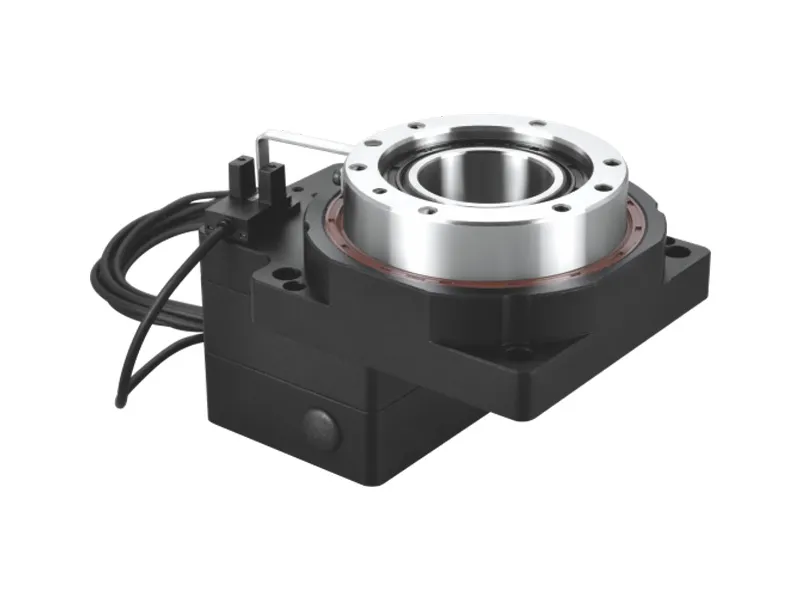
Using a rotary table involves proper setup, alignment, and understanding of its features and controls. Here are the general steps to follow when using a rotary table:
Setup and Mounting:
Securely mount the rotary table to a stable surface or machine, ensuring it is level and securely fastened.
Ensure the base and platform are clean and free from debris or obstructions.
If applicable, attach any necessary fixtures or workholding devices to the platform.
Alignment:
Align the rotary table to the desired reference point or coordinate system, ensuring it is parallel or perpendicular to the machine’s axes, depending on the application.
Use precision indicators, dial gauges, or other alignment tools to achieve accurate alignment.
Make any necessary adjustments to ensure the rotary table is properly aligned.
Workpiece Placement:
Place the workpiece or tool on the platform of the rotary table.
Ensure it is securely fastened or clamped to prevent movement during rotation.
Align the workpiece or tool with the desired rotational center or axis.
Operating the Rotary Table:
Familiarize yourself with the controls and features of the rotary table, such as the start/stop button, speed control, and indexing or positioning features.
If the rotary table has an automated drive mechanism, use the appropriate controls to start and stop rotation.
If the rotary table requires manual operation, use handwheels or handles to rotate the table smoothly and steadily.
Indexing or Positioning:
If the rotary table has indexing or positioning features, follow the instructions provided by the manufacturer or the control system.
Set the desired angle or position for rotation using mechanical stops, optical encoders, or other position sensors.
Ensure the indexing or positioning mechanism is engaged and functioning correctly.
Performing Operations:
Initiate the desired operations on the workpiece or tool based on the rotational position of the rotary table.
Use appropriate machining tools or equipment to perform milling, drilling, cutting, grinding, or other operations as needed.
Monitor the process closely to ensure accuracy and quality.
Safety Considerations:
Follow all safety guidelines and protocols when operating the rotary table.
Use appropriate personal protective equipment (PPE) such as safety glasses, gloves, and hearing protection.
Be aware of any pinch points or potential hazards during rotation and operation.
Post-Operation:
After completing the desired operations, stop the rotation of the rotary table.
Remove the workpiece or tool from the platform, avoiding any sharp edges or hot surfaces.
Clean the rotary table and remove any debris or coolant that may have accumulated during operation.