
Plastic Modular Belts Replacement Of System Plast N5080-UMPB-FT/FG20
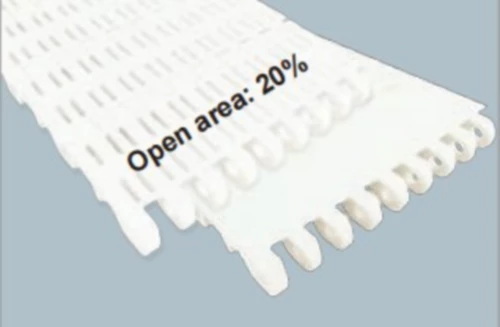
Plastic Modular Belts Replacement Of System Plast N5080-UMPB-FT/FG20
Basic Definition
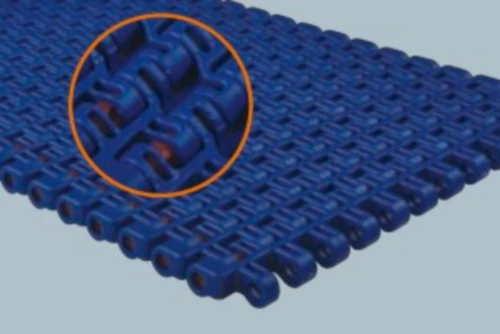
Plastic modular belts are a type of conveyor belt system composed of interlocking plastic modules or links that form a continuous, flexible belt. These belts are designed to be highly customizable, easily assembled, and adaptable to various applications.
Advantages
1. Modularity and Customization
Plastic modular belts offer a high level of modularity, allowing for easy customization to meet specific application requirements. With their interlocking links, these belts can be configured to various widths, lengths, and shapes.
2. Flexibility and Adaptability
Due to their flexible nature, plastic modular belts can easily navigate curves, inclines, and declines in conveyor systems. This adaptability makes them suitable for a wide range of industries and applications.
3. Durability and Corrosion Resistance
Plastic modular belts are made of durable thermoplastic materials, such as polypropylene or polyethylene, which provide excellent resistance to wear, tear, and corrosion. This ensures a longer lifespan and reduces maintenance costs.
4. Hygienic Properties
Plastic modular belts are ideal for industries that require strict hygiene standards, such as food and beverage processing. They are easy to clean, resistant to bacteria and contamination, and comply with food safety regulations.
5. Reduced Maintenance
Compared to traditional conveyor belts, plastic modular belts require less maintenance due to their durable and low-friction design. This results in reduced downtime and increased productivity.
6. Energy Efficiency
Plastic modular belts are lightweight and have a smooth surface, which reduces friction and energy consumption in conveyor systems. This can lead to energy savings and lower operational costs.
7. Modular Replacement
One of the key advantages of plastic modular belts is their modular design, which allows for easy replacement of damaged or worn-out sections. This saves time and costs associated with replacing the entire belt.
Applications
1. Food and Beverage Processing
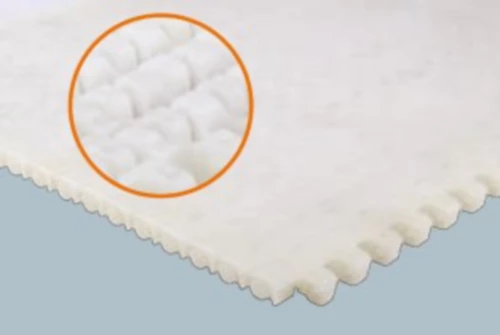
Plastic modular belts are widely used in the food and beverage industry, where hygiene and cleanliness are crucial. They are suitable for conveying products, such as fruits, vegetables, meat, and beverages.
2. Pharmaceutical and Medical Device Manufacturing
In pharmaceutical and medical device manufacturing, plastic modular belts are utilized for the transportation of sensitive products, ensuring a clean and controlled environment to meet regulatory standards.
3. Logistics and Warehousing
Plastic modular belts are commonly used in logistics and warehousing operations to facilitate the movement of goods, including sorting, conveying, and accumulation processes.
4. Automotive Manufacturing
In automotive manufacturing, plastic modular belts are employed for assembly lines, carrying components and finished products, such as engines, transmissions, and car parts.
5. Electronics and Consumer Goods
Plastic modular belts are suitable for the electronics and consumer goods industries, providing a reliable and efficient conveyor solution for products like smartphones, appliances, and electronics components.
6. Recycling and Waste Management
Plastic modular belts are utilized in recycling and waste management facilities to transport recyclable materials and waste products efficiently, aiding in the overall recycling process.
Working Principle
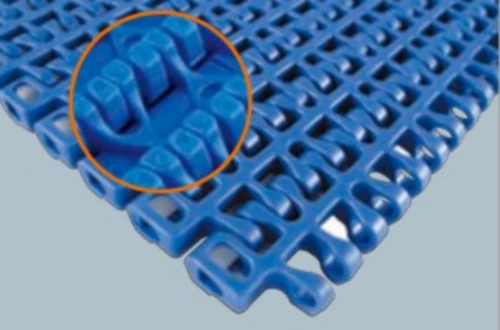
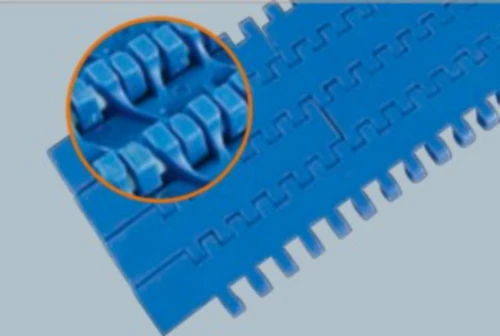
Plastic modular belts consist of individual plastic modules or links that are designed to interlock with each other, forming a continuous, flexible conveyor belt. These modules are typically made of durable thermoplastic materials, such as polypropylene or polyethylene.
The belts are supported by a series of rollers or sprockets that drive the belt's movement. As the rollers or sprockets rotate, the interlocking modules align and move in a synchronized manner, propelling the belt forward. The modular design allows the belt to navigate curves, inclines, and declines, making it adaptable to various conveyor system configurations.
Choosing the Right Plastic Modular Belts
1. Application Requirements
Consider the specific requirements of the application, such as load capacity, speed, and environmental conditions, to ensure the chosen plastic modular belts can meet the demands.
2. Material Selection
Select the appropriate material for the plastic modular belts based on factors like product characteristics, temperature range, chemical resistance, and antistatic properties.
3. Module Design
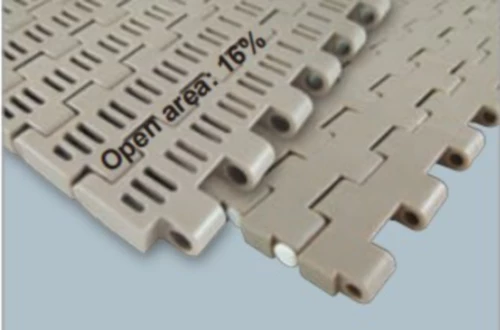
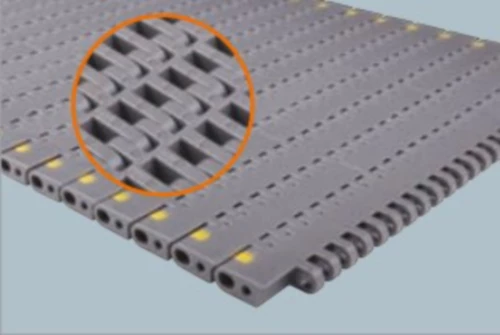
Choose a module design that suits the application, considering factors like grip, transfer capabilities, open area for airflow or drainage, and ease of cleaning.
4. Surface Texture
Determine the required surface texture of the plastic modular belts, such as smooth, ribbed, or patterned, based on the product being conveyed and any specific gripping or release requirements.
5. Accessories and Options
Consider any additional accessories or options, such as sideguards, cleats, guide rails, or flights, that may be required to enhance the functionality and efficiency of the conveyor system.
6. Manufacturer Reputation and Support
Choose a reputable manufacturer with a proven track record in producing high-quality plastic modular belts and providing reliable technical support and customer service.
7. Cost and Lead Time
Evaluate the cost-effectiveness and lead time of the chosen plastic modular belts, considering factors like initial investment, long-term maintenance costs, and production timelines.
Installation and Maintenance
Installation:
- Determine the Conveyor Path
- Prepare the Conveyor Frame
- Assemble the Belt
- Add Modules Progressively
- Install Sprockets or Rollers
- Secure the Belt Ends
- Adjust Tension and Alignment
Maintenance:
- Regular Cleaning
- Tension Monitoring
- Sprocket and Roller Inspection
- Module Replacement
- Lubrication
- Visual Inspections
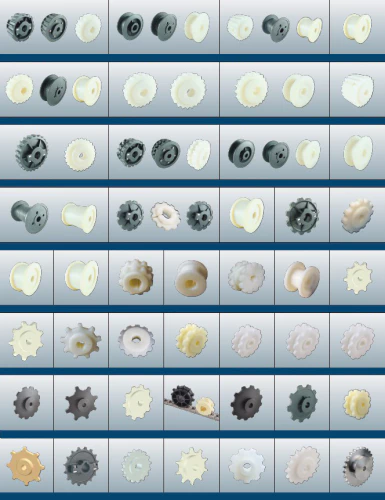
In addition to plastic modular belts, we also offer a range of corresponding sprockets. These sprockets play a crucial role in the proper functioning and synchronization of the chain and the conveyor system.
We also provide other chain products, such as Plastic Chain, Stainless Steel Chains, Agricultural Chains, and Leaf Chains. These chains offer reliable and efficient solutions for various industries and applications.
At EVER-POWER, we pride ourselves on being a leading company in the transmission industry. Established in 2003, we have a wide range of advanced production and inspection equipment, including CNC Gear grinding machine, gear measuring machine, CNC gear shaper, machine center, CMMS, and Torque test system.
With our expertise and focus on professionalism, we have obtained international certifications to ensure the quality and performance of our products. We offer customized services to meet specific customer requirements and strive to provide exceptional production equipment and reliable after-sales service.
Partner with EVER-POWER for all your transmission needs. Contact us for inquiries or customized product solutions.

Additional information
| Edited by | hyw |
|---|
Related products
-
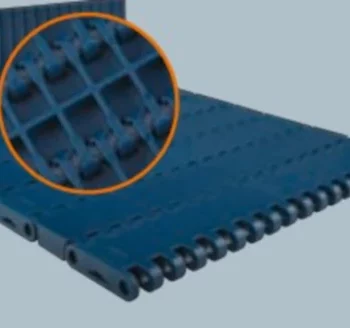
Plastic Modular Belts Replacement Of System Plast N2540-R1000-FT
-
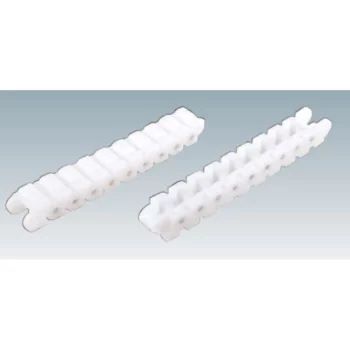
Plastic Conveyor Chains Replacement Of System Plast NP40S
-
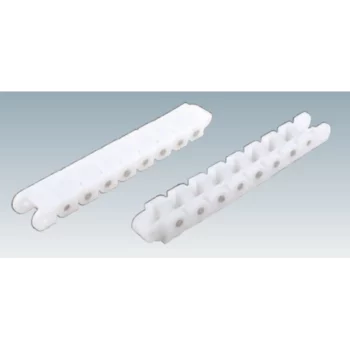
Plastic Conveyor Chains Replacement Of System Plast NP50
-
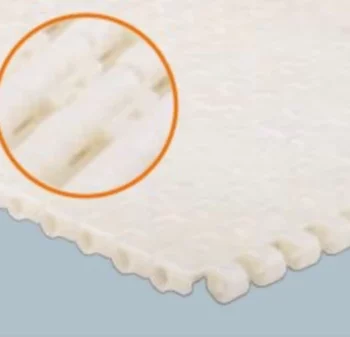
Plastic Modular Belts Replacement Of System Plast N1270-UMQNB-FT
-
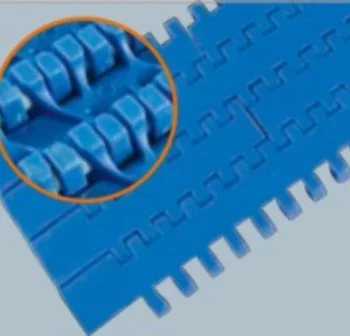
Plastic Modular Belts Replacement Of System Plast N1520-T1100-FT
-
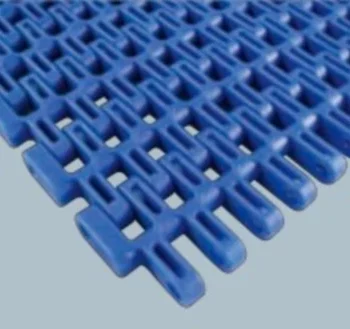
Plastic Modular Belts Replacement Of System Plast N2540-USNBM2-FG

We promise will offer the best price by the high quality in china! We also accept special order about the products. If you are interested in our products. Please do not hesitate to let us know.We are pleased to give you the detailed information.We promise that our products would be safety and were in high quality and reasonable price. If you are interested in our products, please contact us asap.We are sincerely looking for your cooperation.
Most of our products are exported to Europe or Americas, both standard and nonstandard products available. We can produce as per your drawing or sample. Material can be standard or as per your special request. If you choose us, you choose reliable.
Industries We Service
