
Potato Planters
Agricultural potato planters are specialized machines used in the process of planting potatoes in agricultural fields. These planters are designed to automate and streamline the potato planting process, increasing efficiency and reducing labor requirements.
Agricultural potato planters typically consist of a large hopper that holds the seed potatoes, a planting mechanism, and a system for distributing fertilizer or other additives. The agricultural potato planters are designed to be mounted or towed by tractors. They are equipped with hitch systems that allow easy attachment and detachment to the tractor. The planters may have a power take-off (PTO) shaft connection to utilize the tractor’s power for driving the planting mechanism or other moving parts.
The planting mechanism of a potato planter is designed to create furrows or trenches in the soil and place the seed potatoes at the desired depth and spacing. This can be achieved using various mechanisms, such as rotating disks, cups, or belts, which pick up the potatoes from the hopper and deposit them into the furrows.
Agricultural potato planters also often incorporate a fertilizer or additive distribution system. This system can deliver granular or liquid fertilizers, as well as other substances such as soil amendments or pest control products, during the planting process. This helps ensure that the potatoes receive the necessary nutrients and protection right from the start.
By using agricultural potato planters, farmers can significantly increase their planting efficiency. These machines can plant potatoes at a much faster rate compared to manual methods, saving time and labor costs. Additionally, the planters provide more consistent and accurate spacing between the seed potatoes, which promotes better growth and yield.
Showing 1–30 of 92 resultsSorted by popularity
-
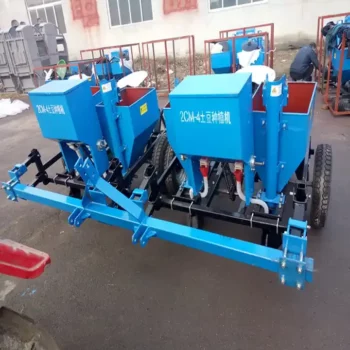
Professional Produced Potato Planter Spare Parts
-
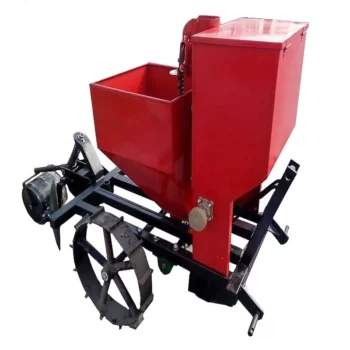
Hand tractor 1 row manual potato seeder
-
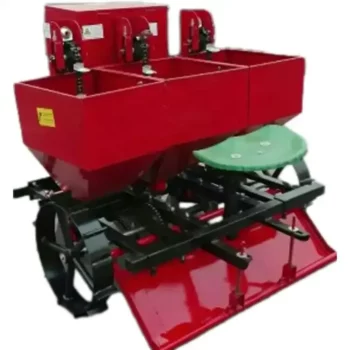
Hot Sale Sweet Potato Planter Machine at Unbeatable Prices
-
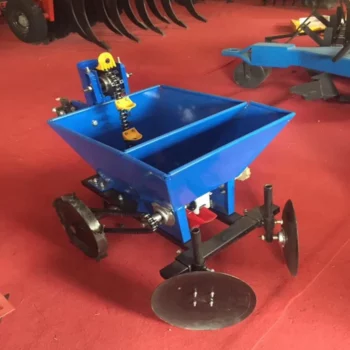
Hand Tractor Potato Planter 2CM-1A: A Revolution in Farming
-
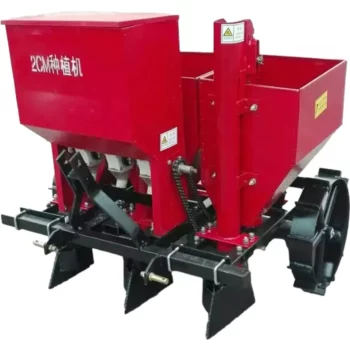
2 Rows Potato Planter /Ginger Seeder Made in China
-
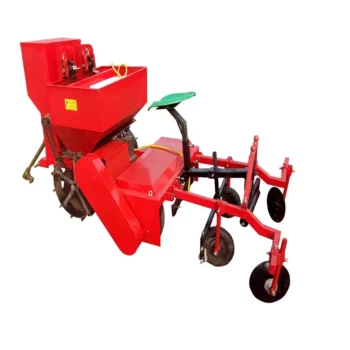
Mini Seeder Machine Tractor Potato Planter Cassava Seeder
-
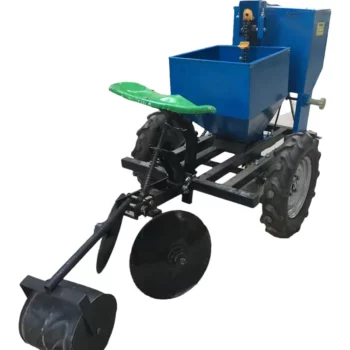
2 Rows Potato Planter/Planteuse De Pommes De Terre
-
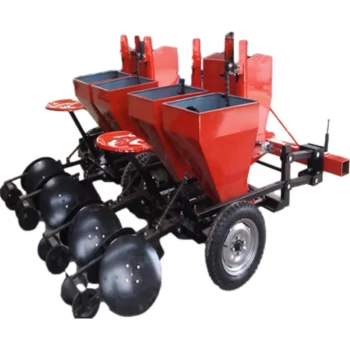
Potato Seeder/Potato Planting Sowing Machine/Potato Planter
-
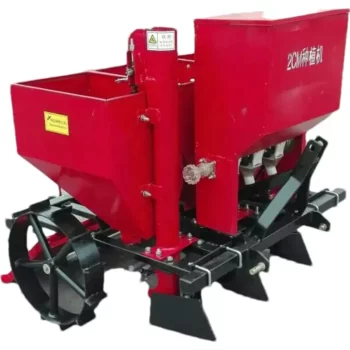
Two rows potato and garlic planter machine for tractor use
-
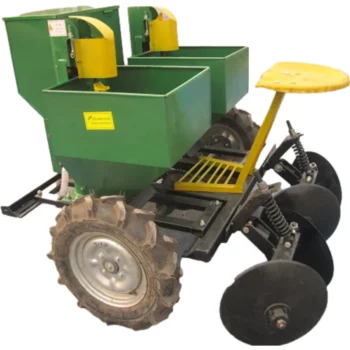
Tractor Sweet Potato Seeder Garlic Planter
-
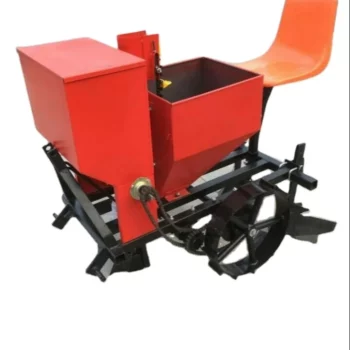
Less Manpower Potato Tomato Onion Planter And Seedling Transplanter
-
Potato Planter And Potato Seeder Used For Walking Tractor Or Power Tiller
-
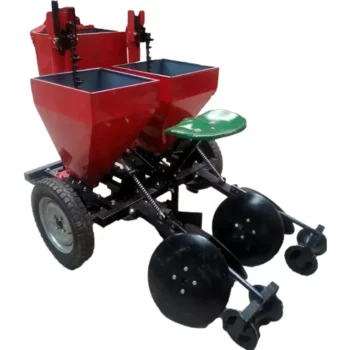
2019 Widely Used Garlic Onion Yam Potato Vegetable Seed Planter
-
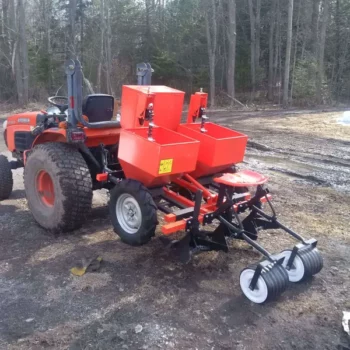
Potato Planter For Tractor/Potato Planting Machine/Potato Seeder And Fertilizing
-
Cheap Precise Vegetable Planter Small Tractor Seeder For Sale
-
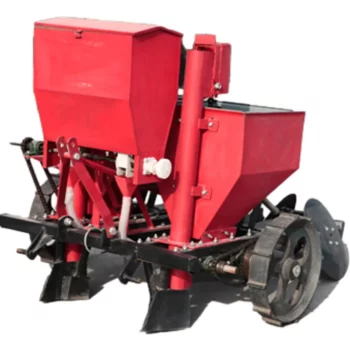
Potato Drum Seeder Planter Machine Vegetable Seed Planter
-
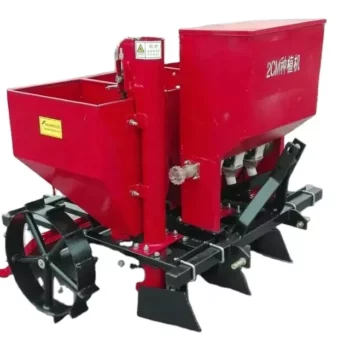
Potato Seeder Fertilization & Potato Planting Sowing Machine Potato Planter
-
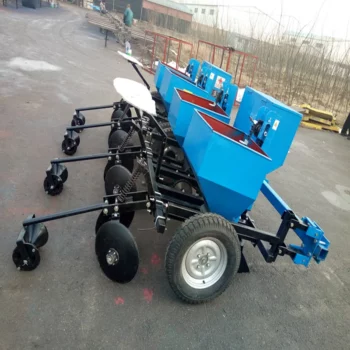
1 Row Potato Planter Potato Seeder With Fertilizer Applicator
-
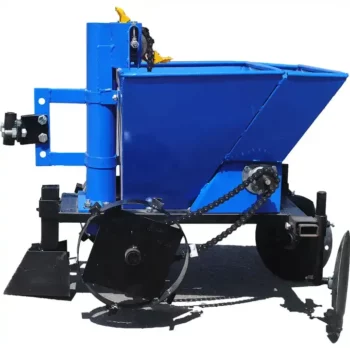
Very Cheap Products High Quality Agricultural Machinery Equipment Walking Tractor Potato Seeder
-
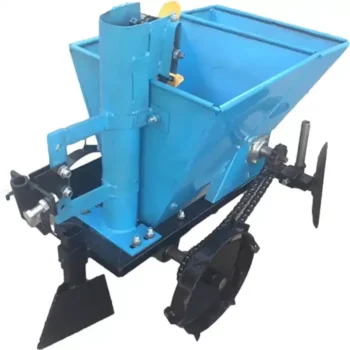
2018 Hot Selling Sweet Potato Seeder 1 Row 2 Rows Potato Planter With Ce
-
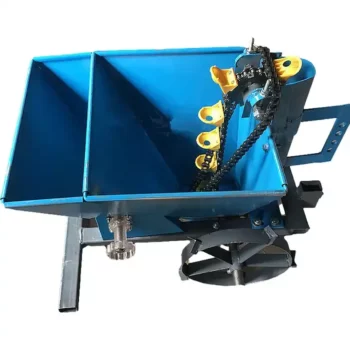
Tractor Drive Potato Planting Machine Seeder 1 Row Potato Planter
-
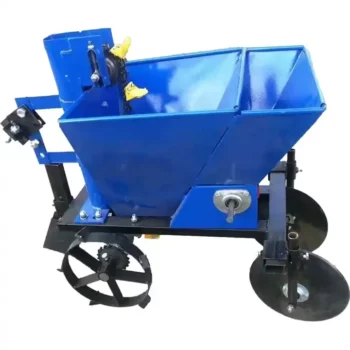
Simple Innovative Products Precision Agricultural Machinery And Equipment Potato Sowing Machine
-
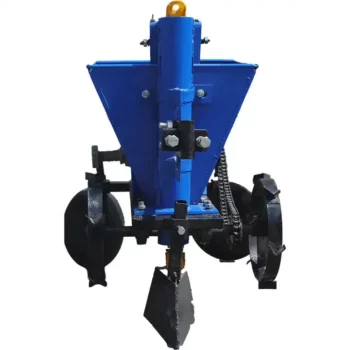
Made In China Potato Planting Machine Planter
-
Made In China Potato Planter Amazon
-
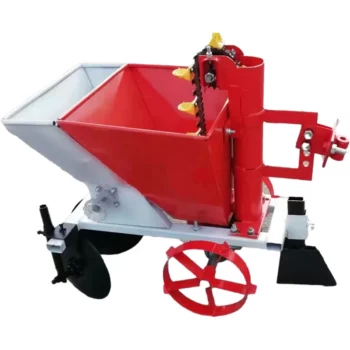
Farm Machine Mini Type Making A Potato Planter
-
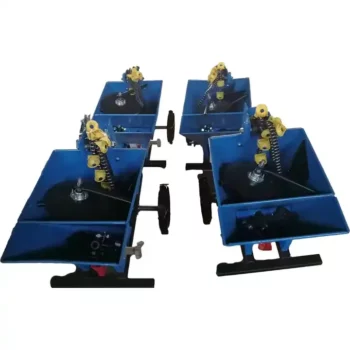
High Quality Potato Planter Cup Chain
-
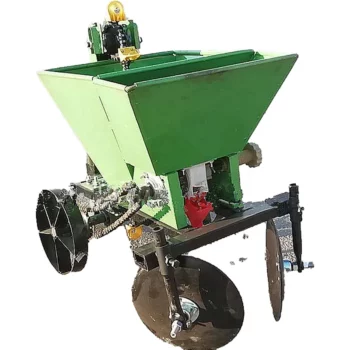
Farm Tools Potato Planter Definition
-
A New Type of Machine: eBay Potato Planter
-
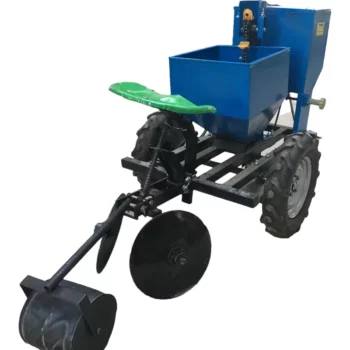
Farm Machine Mini Type Potato Planter Parts
-
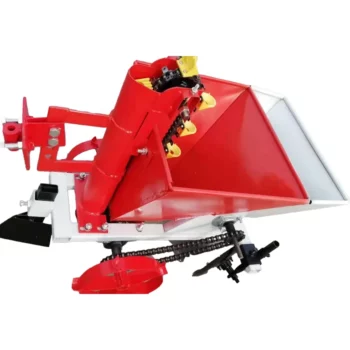
Agricultural Machinery Potato Planter Specifications