
Brake Hub Drum & Disc
Brake hubs, drums, and discs are crucial components of a vehicle’s braking system. They play a vital role in slowing down or stopping the vehicle by converting kinetic energy into heat energy. While both drum brakes and disc brakes are commonly used in vehicles, they differ in terms of design and operation.
Brake Hub: The brake hub is the central component that connects the wheel to the axle. It provides a mounting point for the brake drum or disc and ensures its proper rotation. The hub contains bearings that allow the wheel to rotate smoothly. It also houses the wheel studs or bolts that secure the wheel to the hub.
Brake Drum: Drum brakes consist of a brake drum, brake shoes, and other associated components. The brake drum is a circular, cast-iron or steel component that fits over the brake hub. When the brakes are applied, hydraulic pressure or mechanical force causes the brake shoes to expand against the inner surface of the drum, creating friction and slowing down the rotation of the wheel. This friction converts the kinetic energy into heat energy.
Drum brakes are commonly found in the rear wheels of many vehicles, particularly in older models. They are generally less expensive but can be less effective in dissipating heat compared to disc brakes. Drum brakes are known for their durability and ability to withstand harsh conditions.
Brake Disc: Disc brakes consist of a brake disc (also known as a rotor), brake calipers, brake pads, and other associated components. The brake disc is a flat, circular metal component that attaches to the brake hub. When the brakes are applied, hydraulic pressure causes the brake calipers to squeeze the brake pads against both sides of the disc, generating friction and slowing down the wheel’s rotation. This friction converts the kinetic energy into heat energy.
Disc brakes are commonly found in the front wheels of most vehicles, and in many cases, they are also used in the rear wheels. They offer better heat dissipation capabilities and are generally more responsive and efficient than drum brakes. Disc brakes provide better stopping power, especially in high-performance vehicles or during heavy braking situations.
Showing 1–30 of 395 resultsSorted by popularity
-

Travel Trailer Parts: Brake Disc Rotor 10″ and 12″ Dacromet Ventilate Disc Rotors Hub Trailer Accessories for RV Use
-

Brake Disc Rotor 10″ and 12″ Dacromet Ventilate Disc Rotors Trailer Hub Trailer Accessories for RV Use
-

Trailer Hub Brake Disc Rotor 10″ and 12″ Dacromet Ventilated Disc Rotors Hub Trailer Accessories for RV Use
-

9 inch Landcruiser Wheel Pattern Brake Drum for Trail Gate Trailers 6 Studs 139.7mm PCD
-

10″ trailer caravan brake hub drum Landcruiser pattern
-

High Quality Box Trailer Idler Hub 6 Wheel Bolts 1500kg Trailer Accessories for RV Use
-

Auto Parts: HT Holden Hub for Boat Trailer 750KG Unbraked Axle Parts
-

Travel Trailer Caravan Brake part 12″ hub Drum 6 Stud
-

Trailer Brake part 7000lbs axle 12″ electric hub Drum 8 Stud 6.5
-

Disc Brake Rotor Boat Trailer Brake part 10″ hub Disc Rotor L68149 LM12749 Bearing
-

Brake Hub Drum 10 Inch 5 Bolts for 3500lbs Caravan Electric Axle
-

Heavy Duty Camp Trailer Lazy Hub 6000lbs 6 Studs PCD 5.5 25580 15123 Bearing
-

Dacromet 750kg Boat Trailer Unbraked hub axle part
-
Galvanized Boat Trailer Hardware Lazy Hub Complete L68149 LM12749 Bearing
-
Light Trailer 4 Studs Idler Hub for European Market L44649 Bearing
-

High Quality Mechanical 10″ Brake Hub Disc Rotor for Boat Trailer Cage Trailer Lazy Hub Stub Axle
-

10″ Brake Disc: The Mechanical Brake Part of a Boat Trailer
-
BD-545 RV brake drum for 10 inch caravan brakes L68149 L44649 Bearing
-
PCD139.7mm wheel hub with 6 studs 1/2-20UNF for trailer
-
LC pattern PCD 139.7mm brake drum 6 studs for camper trailer axle
-
Auto Parts Light Trailer Caravan Axle Brake Spare Parts
-

Trailer 5 on 4.5″ Brake Drum Kits with 10″x2-1/4″ Electric Brakes for 3,500 lbs Trailer Axle
-
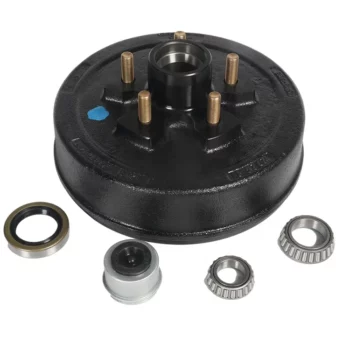
Heavy Duty Trailer Dexter Type 12inch Brake Drum 3000kg Trailer Accessories for RV Use
-
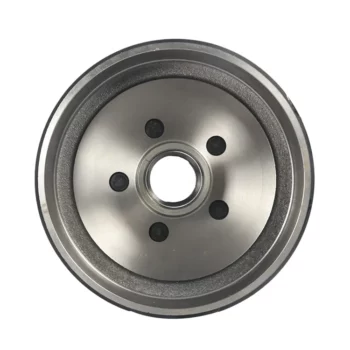
1/2 inch Stud 7/16 Light Trailer Part Hub Drum Disc Family: The Perfect Solution for Your Trailer
-
Towing Hitch Dacromet Boat Trailer Unbraked Hub Axle Part L68149 LM12749 Bearing
-
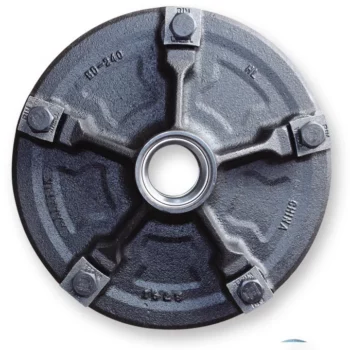
MH Mobile Home 6000lb Axle Electric Brake Hub Drum
-
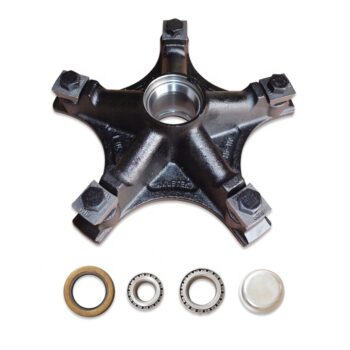
Mobile Home 5 Spoke Utility Trailer MH Idler Hub Axle Part L68149 LM67048 Bearing
-
Mobile Home 6000lbs 5 Spoke Utility Axle Electric Brake Hub Drum
-
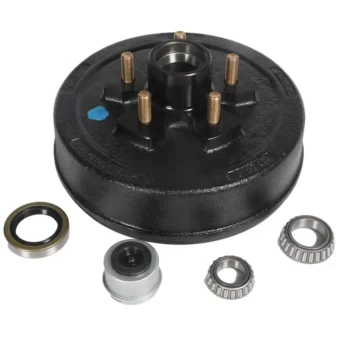
PCD 139.7mm Brake Drum 6 Studs 3000KG Camper Trailer Axle
-
Caravan Trailer RV 10 inch L68149 &L44649 Bearing 3500lbs Trailer Axle Caravan Brake Drum