
eBike Systems
Electric bicycles, commonly known as eBikes, have gained substantial popularity in recent years, offering an eco-friendly, efficient, and accessible form of transportation. An eBike system typically integrates electrical components with a traditional bicycle structure, enhancing the riding experience while maintaining the option of manual pedaling. Here’s an introduction to eBike systems:
Core Components of eBike Systems
1. Electric Motor: The heart of an eBike, the motor provides additional power to the pedals or wheel. It can be located in the front or rear hub (hub motor) or mounted centrally (mid-drive motor) to directly drive the crank.
2. Battery: The eBike’s battery stores electrical energy that powers the motor. It’s typically rechargeable, with Lithium-ion batteries being the most common due to their light weight and long lifespan. The battery’s capacity determines the eBike’s range.
3. Controller: This electronic unit regulates the power flow from the battery to the motor based on input from the rider. It controls the speed and torque of the motor, influencing the bike’s acceleration and overall performance.
4. Pedal Assist Sensor (PAS): Many eBikes feature a sensor that detects pedaling and activates the motor to provide a boost. The level of assistance can usually be adjusted, allowing riders to choose how much effort they want to exert.
5. Throttle (in some eBikes): Some models include a throttle, enabling riders to engage the motor with a simple twist or push, without needing to pedal.
6. Display/Interface: eBikes often have a display unit mounted on the handlebars, showing information like battery level, speed, distance, and assist level. Some advanced models offer Bluetooth connectivity and navigation features.
eBike systems have gained popularity due to their numerous benefits. They make cycling more accessible to a wider range of individuals, including those who may have physical limitations or prefer a less strenuous ride. Commuters can cover greater distances with less effort, and hilly terrain becomes more manageable. eBikes also offer a greener transportation alternative since they produce zero emissions during use.
Showing 1–30 of 492 resultsSorted by popularity
-
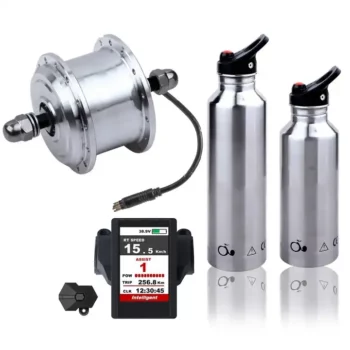
HZPT Motor 36v 250w 750w Rear Hub Motor Ebike Motor Electric Bike Conversion Kit Cycle Kit Electric
-
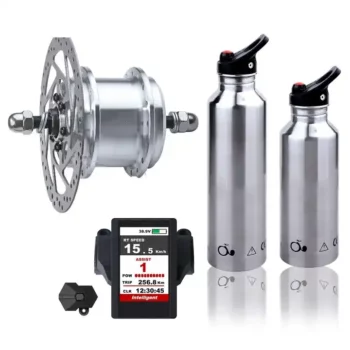
700C road vehicle hub motor modification kit ebike conversion kit 250w Model SFB110
-
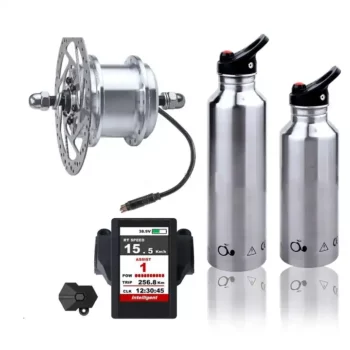
DIY 250w 36v Rear Ebike Modification Kit Electric Bicycle Spare Part 12 inch ebike conversion kit
-
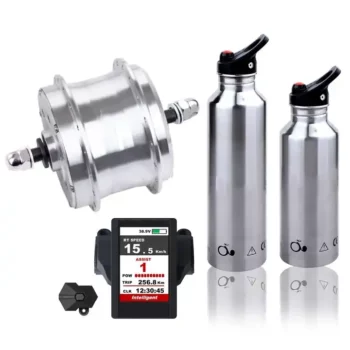
European After-Sales Service Ultra Small and Lightweight Ebike Conversion Kit
-
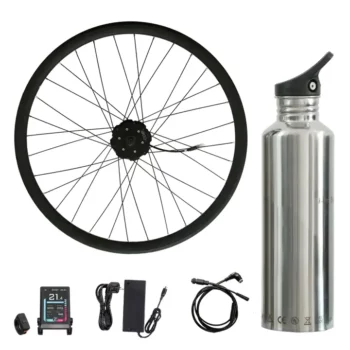
High performance 24v33v36v 500w electric bicycle hub motor ebike kit electric bike front wheel conversion kit split
-
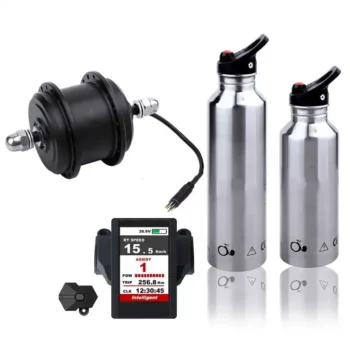
HZPT Customized 24 inch 24V33V36V48V 10.5ah Electric Bicycle Conversion Kit
-
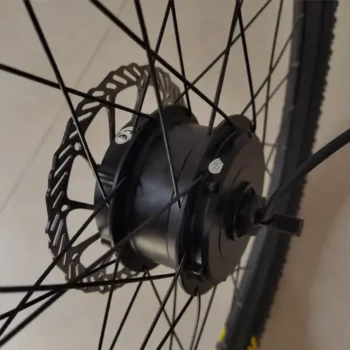
HZPT S110 Front Motor Highly Integrated Compact Motor Imported 18650 Cell Lithium Battery Bicycle Conversion Kit
-
Chinese Factory Electric Bicycle Conversion: Lightweight and Compact Mini Front Wheel Hub Motor Wheel Kit
-
German after-sales warranty quality assurance highly integrated built-in control front lightweight electric bicycle motor wheel
-
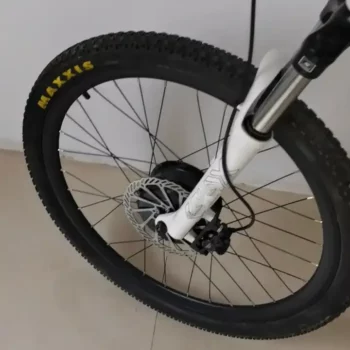
HZPT S110front hub motor wheel small light motor 36V 250W 500W rear hub motor wheel kit
-
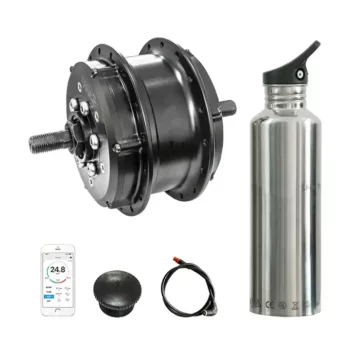
Customized Motor Wheel Electric Bicycle Motor Wheel Conversion Kit E Bike Conversion Kit
-
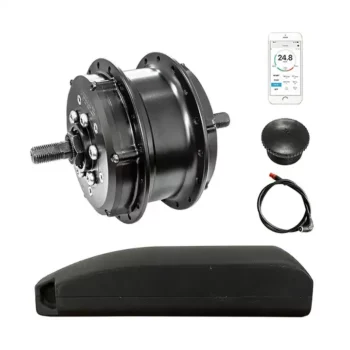
German After-Sales Warranty Quality Assurance Highly Integrated Built-In Control Front Lightweight Electric Bicycle Motor Wheel
-
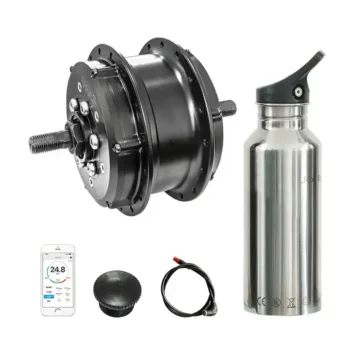
Invention Certificate Product Suitable for 14-29 Inch Wheel Diameter Bicycle Front Wheel Hub Motor Conversion Kit Model Number: SFB110
-
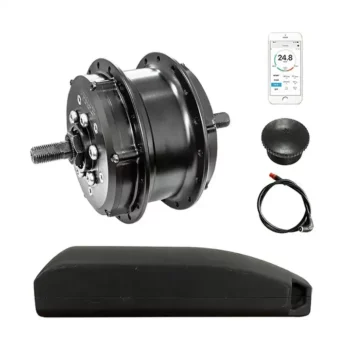
German Warranty Long-term After-sales Folding Bicycle Mountain Bike Motor Wheel Conversion Kit
-
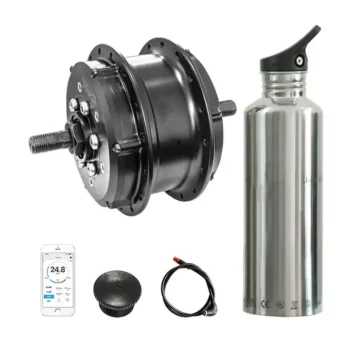
HZPT 2023 New Rear Drive Hub Motor Water Bottle Battery Electric Bicycle Kit
-
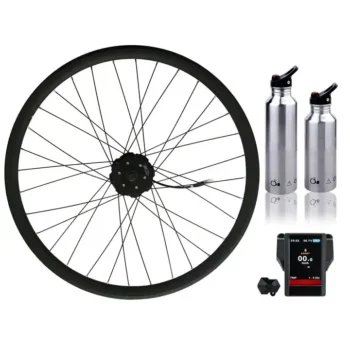
Quick Modification of Bicycle Motor Wheel Lithium Battery Built-In Controller Wireless Control Motor Wheel Kit
-
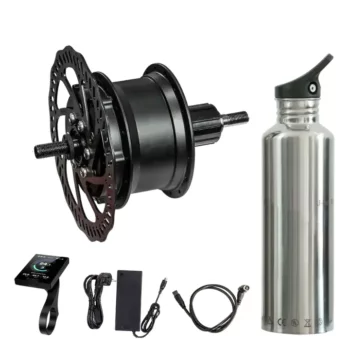
HZPT E-bike Parts Built in Controller Quick Conversion Wireless Motor Wheel Kit
-
HZPT Hot Sell Electric Bicycle Kit 250W 36V 7Ah Li-ion Battery Model Number: LH240T
-
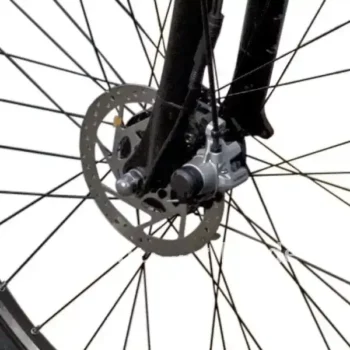
HZPT Electric Bike Conversion Motor Kit/Cycle Kit/Scooter electric bike SH240L for green life
-
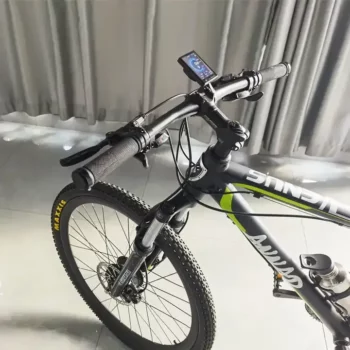
Mini Ebike Motor Electric Bicycle Conversion Kit Part HZPT S110 2023 36V 250W MOTOR
-
New Design: The Lightest 8000 Watt Electric Bike
-
Ebike Conversion Kit Disc Brake Del Mozzo MOTOR with Battery HZPT P110
-
Electric Bicycle Kit 24V/33V/36V Drive and Controller Unified Motor with Rim 6.8Ah Li-Ion Battery
-
Greenpedel China 48V Cyclone Electric Bike Kit 500w Electric Bicycle Kits
-
S110 SWXRC: The Most Popular MXUS 36V 250W Brushless Non-Gear Hub Motor
-
Ebike Motor Display Kit Electric Conversion Parts with HZPT Motor Model Number: S110
-
Electric Bicycle Kit 24V/33V/36V Motor with Controller Inside 6.3Ah Li-ion Battery
-
HZPT DIY Electric Bike Conversion Kit 250W 33V S240
-
HZPT S110 Motor Kit Disk Brake 250W 36V Ebike Motor Direct from Factory
-
The Most Popular Motor Electric for Car: Motor Specification and Features