
Hydraulic Cylinder for Vulcanizing Machines
A hydraulic cylinder is a crucial component used in vulcanizing machines, which are commonly employed in the rubber and tire industry for the curing or vulcanization process. Vulcanization involves subjecting rubber or rubber-like materials to heat and pressure to enhance their strength, durability, and other desirable properties.
Hydraulic cylinders are responsible for generating the force and motion required in the vulcanization process. They convert hydraulic energy into linear mechanical force, which is utilized to apply pressure on the rubber materials during curing. The cylinders consist of a cylindrical barrel, a piston, a rod, and various seals to prevent leakage of hydraulic fluid.
The basic principle of operation involves the hydraulic fluid being pressurized and directed into one side of the cylinder, causing the piston to move in a linear direction. This movement is then transmitted to the attached rod, which applies pressure onto the rubber material. The force exerted by the hydraulic cylinder can be precisely controlled and adjusted to meet the desired curing requirements.
In vulcanizing machines, multiple hydraulic cylinders are typically employed to distribute pressure evenly across the entire surface of the rubber material being cured. This ensures consistent curing and minimizes the risk of defects or unevenness in the final product. The size and specifications of the hydraulic cylinders used depend on the size of the vulcanizing machine and the specific requirements of the curing process.
Hydraulic cylinders offer several advantages for vulcanizing machines. They provide high force capabilities, allowing for efficient and effective application of pressure during the curing process. The ability to control the pressure precisely ensures consistent and reliable results. Hydraulic systems also offer quick response times, enabling rapid adjustments and improved productivity.
Showing all 7 resultsSorted by popularity
-
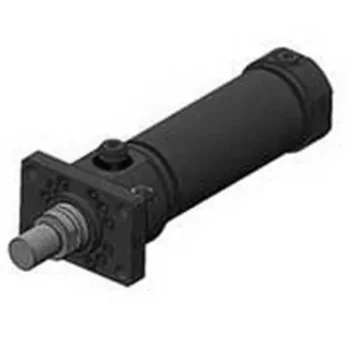
Live Molds Hydraulic Cylinder for Vulcanizing Machine
-
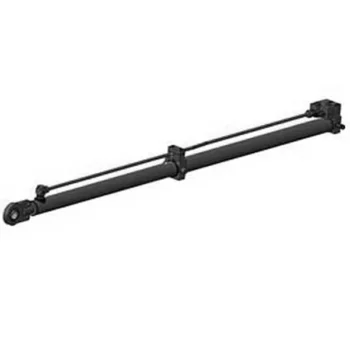
Loading and Unloading Tires Hydraulic Cylinder for Vulcanizing Machine
-
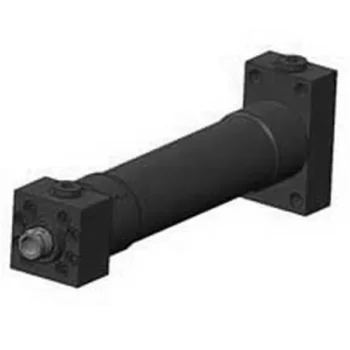
Lower Ring Hydraulic Cylinder for Vulcanizing Machine
-
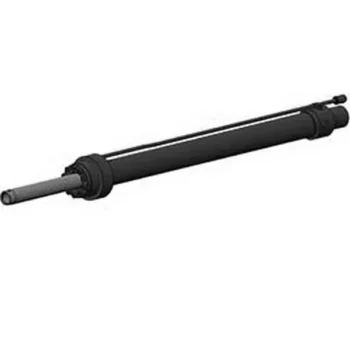
Upper Ring Hydraulic Cylinder for Vulcanizing Machine
-
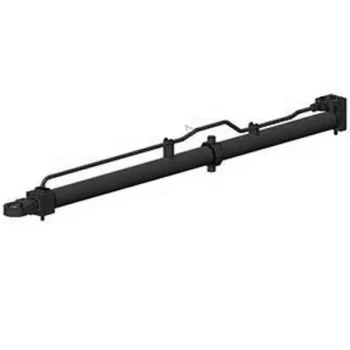
Mold Opening and Closing Hydraulic Cylinder for Vulcanizing Machine
-
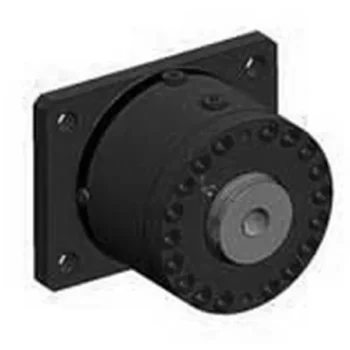
Pressurized Hydraulic Cylinder for Vulcanizing Machine
-
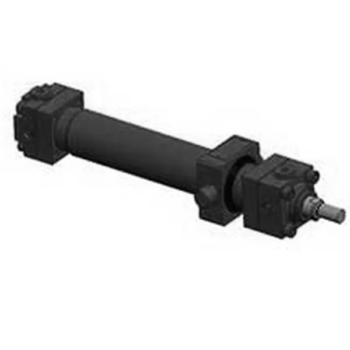
Tipping Cylinder for Vulcanizing Machine