
PTO Shaft Tubes
What is the PTO Shaft Tube?
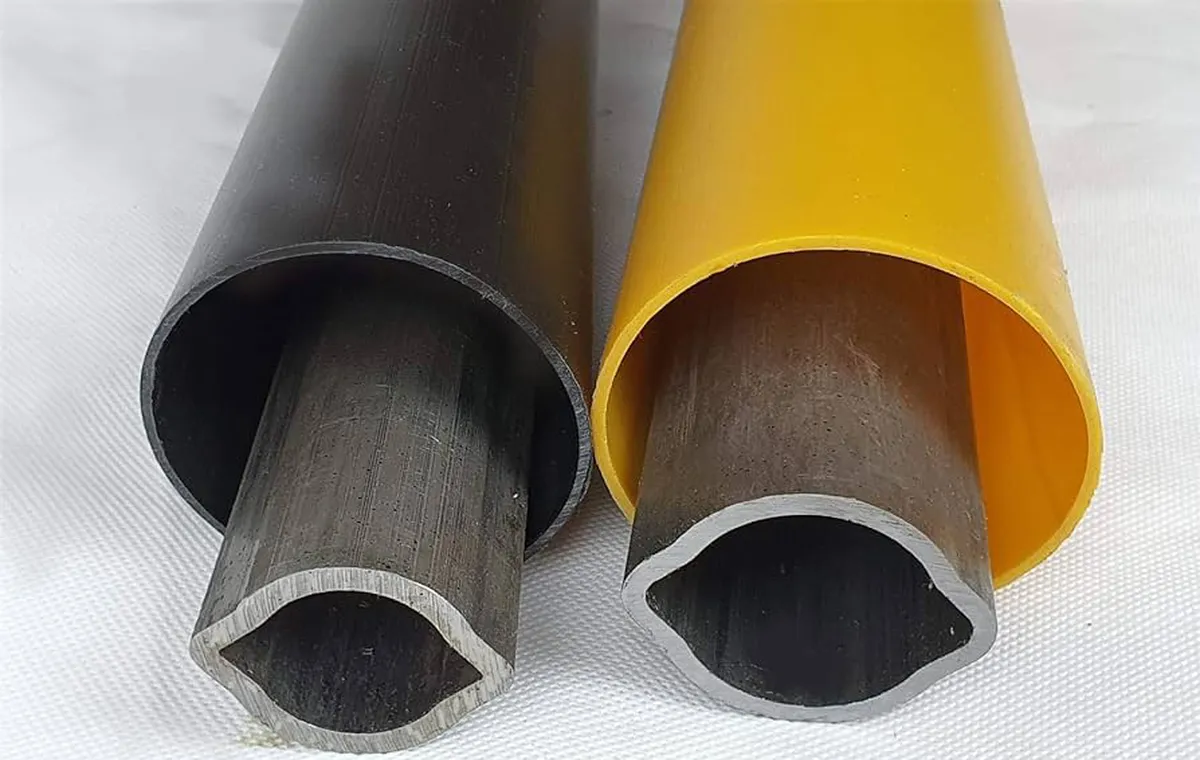
Agricultural PTO shaft tubes are essential components used in farming equipment and machinery to transfer power from the tractor to various implements such as mowers, balers, and tillers. They form a crucial link between the tractor’s power source and the implement, enabling the transmission of rotational energy.
The PTO shaft tube consists of a hollow metal tube that connects the tractor’s PTO stub shaft to the implement’s input shaft. It is usually made of durable materials like steel or aluminum to withstand the demanding conditions encountered in agricultural operations.
The primary function of the PTO shaft tube is to transfer power reliably and efficiently. As the tractor’s engine powers the PTO stub shaft, it rotates, generating mechanical energy. This energy is transmitted through the PTO shaft tube to the implement, allowing it to carry out its specific task, such as cutting grass, harvesting crops, or tilling soil.
To ensure smooth power transmission and prevent damage or accidents, PTO shaft tubes often have safety features. One common safety feature is a protective guard or shielding that covers the rotating shaft, preventing contact with moving parts and reducing the risk of entanglement or injury.
PTO shaft tubes come in various lengths and sizes to accommodate different tractor-implement combinations. They may also have telescopic or adjustable features, allowing for easy length adjustments to match the specific requirements of different implements or varying working conditions.
Types of PTO Shaft Tubing for Sale
-
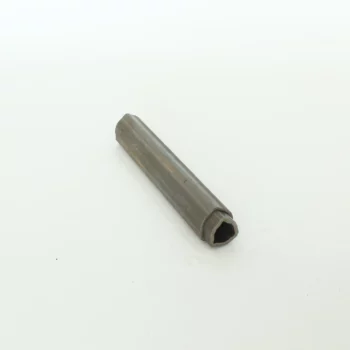
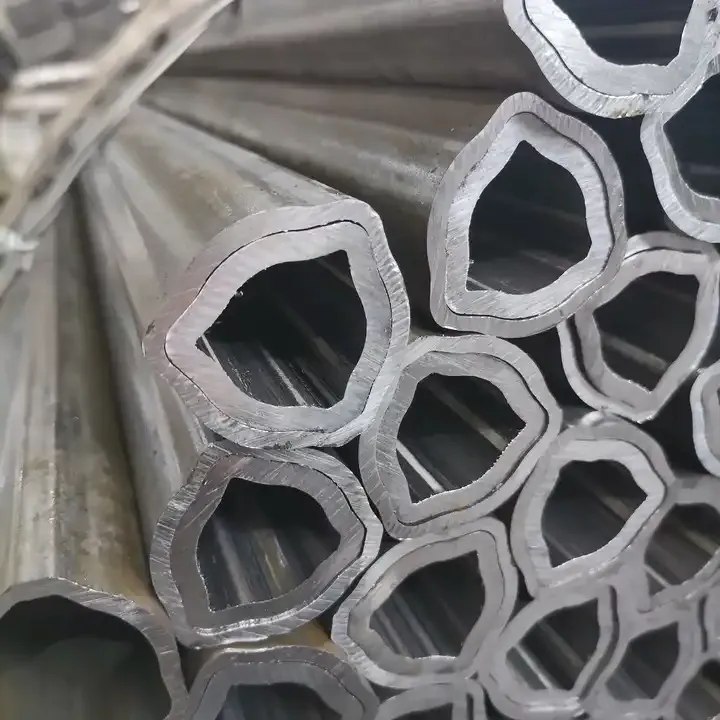
High Hardness Customizable Triangular Steel Pipe Drive Shaft Parts for Car Steel Parts
-
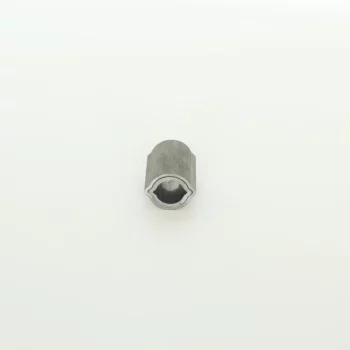
Quality Assurance Lemon Steel Pipe Tubes Shaft Parts for Tractor Cultivator Machine
-
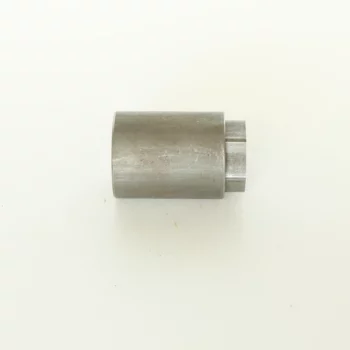
Black Hexagon Steel Pipe for Tractor Harvester Cultivator Shaft Part
-
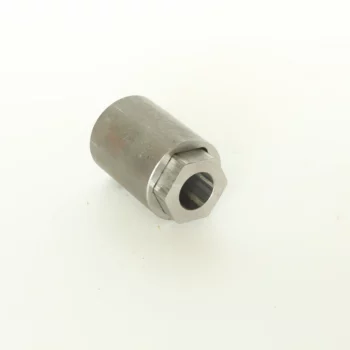
Customized High Hardness Steel Hexagon Tube for Car Pipe Harvester Machine
-
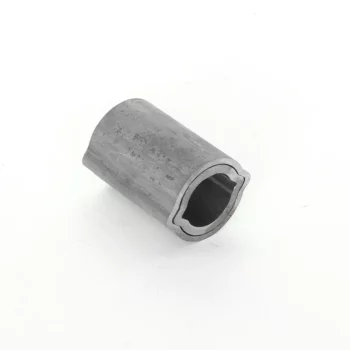
Factory Price PTO Shaft Parts Customized Shape Lemon Tube for Cultivators Harvesters Parts
-
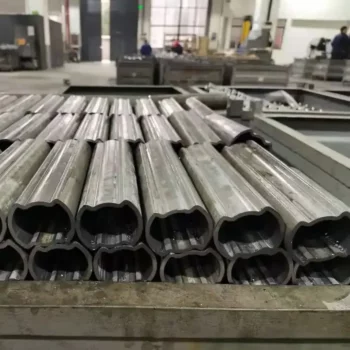
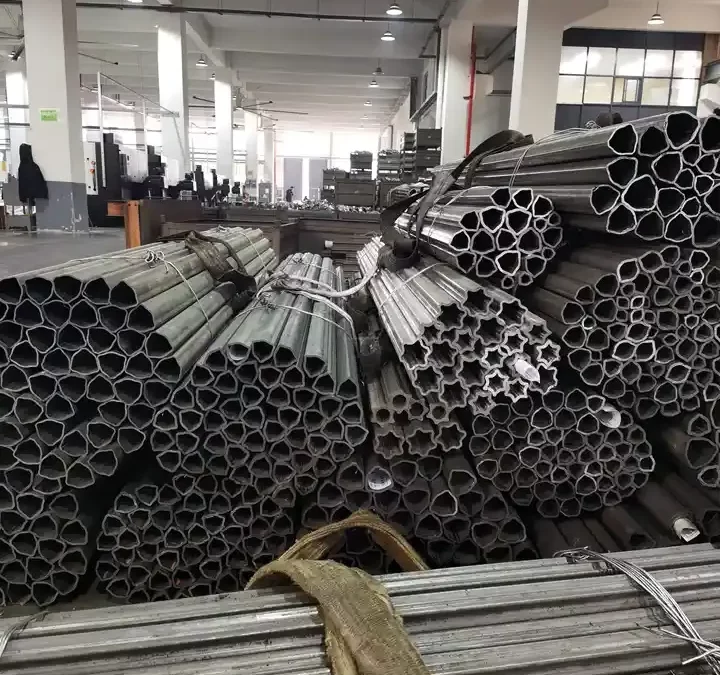
HZPT Drive Shaft Supply Kinds of Steel Tubes Triangular Lemon Star Gear Rectangular Hexagonal Spline Tube
-
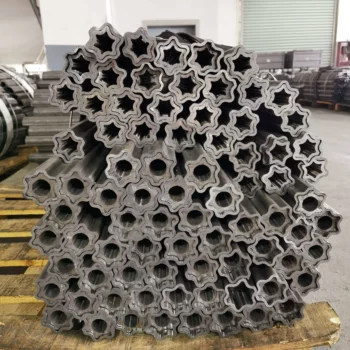
HZPT Drive Shaft Supply Triangular Lemon Tube Star Gear Tube Rectangular Hexagonal Spline Tube
-
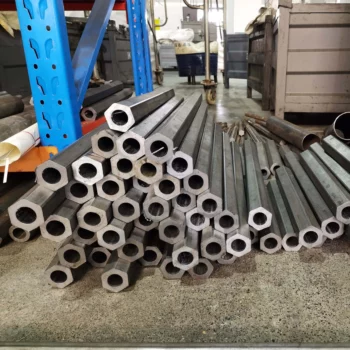
High Quality Lemon Tube PTO Shaft Tube for Agricultural Tractor Parts
-
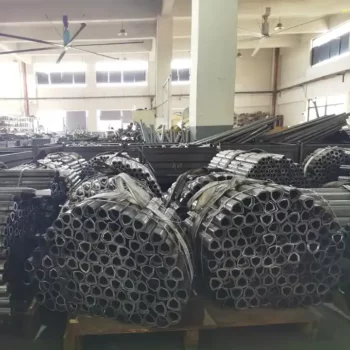
HZPT Factory Customized Drive Shaft Supply Star Tube Rectangular Tube and Hexagonal Tube
-
Agricultural Machinery Parts PTO Drive Shaft Tube Rectangular Splined Lemon Triangular Tube
-
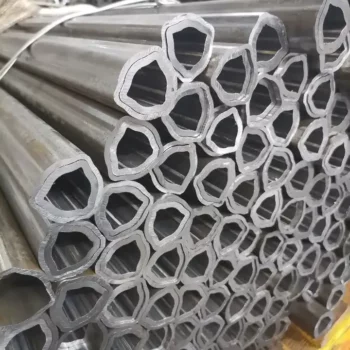
High Quality Triangular Tube for PTO Shaft Factory Supply
-
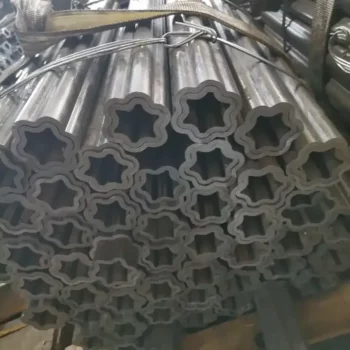
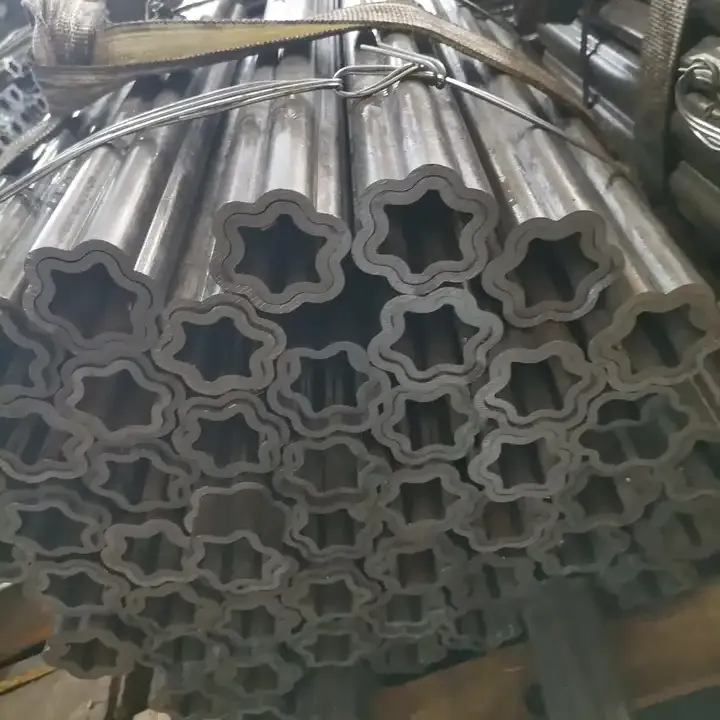
PTO Shaft Parts Star Tubes 6.06ST 6.07T 1m Star Tube
-
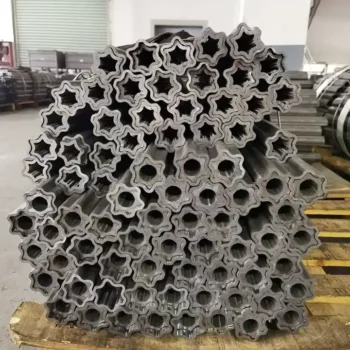
Tractor PTO Shaft for Agricultural Tractor Star Tubes 6.06ST 6.07T Star Tube
-
Tractor PTO Shaft for Agricultural Tractor 6.06ST 6.07T 1m Star Tube
-
PTO Shaft Star Pipe: An Essential Component for Farming
-
16Mn Steel 6.06ST 6.07T 1m PTO Shaft Parts Star Tube
-
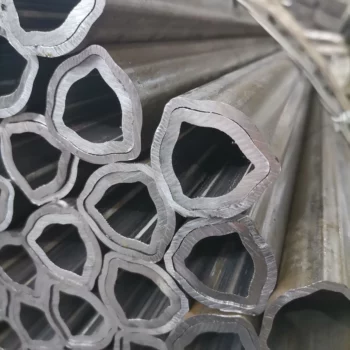
High Quality Triangular Tube PTO Shaft Tube Steel Pipe for Agricultural Tractor Parts
-
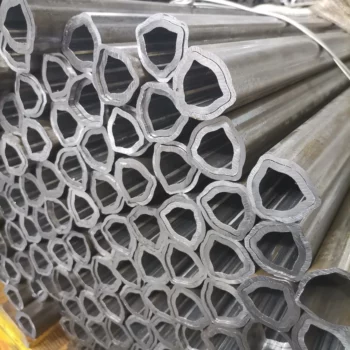
High Quality Triangular Tube PTO Shaft Pipe for Agricultural Tractor Parts
-
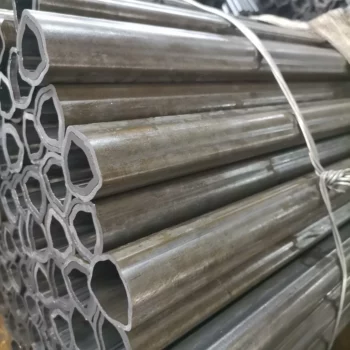
Factory Price Tube Triangular Pipe Pto Shaft Pipe for Agricultural Tractor Parts
Material of PTO Shaft Tubes
Agricultural PTO shaft tubes are typically made from materials that can withstand the high stress and torque demands of farm machinery. The most common material used for these shaft tubes is steel, specifically designed for strength, durability, and resistance to wear and tear. Here are some details about the materials used in PTO shaft tubes:
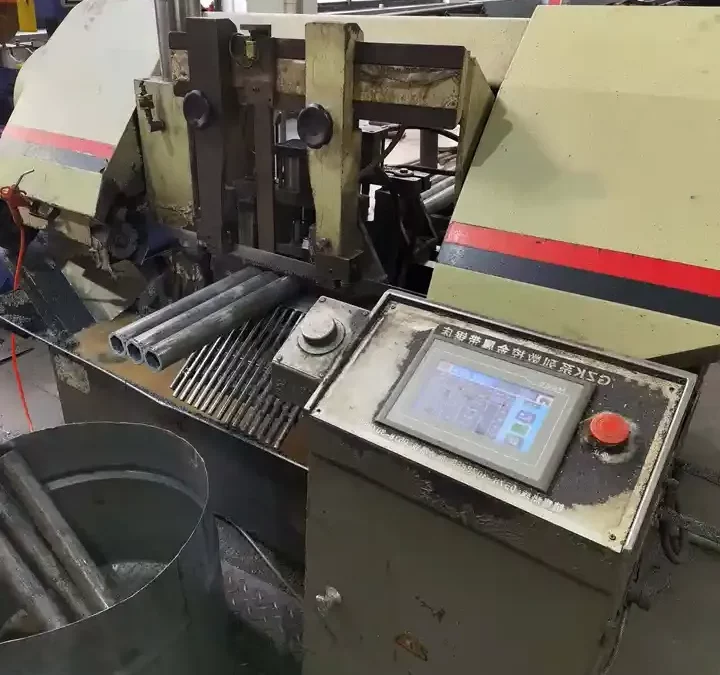
1. High-Grade Steel: The majority of PTO shaft tubes are made from high-grade steel. Steel is chosen for its excellent strength-to-weight ratio, making it capable of transmitting high power without adding excessive weight to the machinery.
2. Carbon Steel: Often, carbon steel is used for its balance of strength, durability, and cost-effectiveness. Carbon steel PTO shafts are strong enough to handle the torque and stress of heavy agricultural equipment.
3. Alloy Steel: In some cases, alloy steels are used for PTO shafts. These steels are mixed with other elements like chromium, molybdenum, nickel, or vanadium, which can provide additional strength, toughness, and resistance to wear and corrosion.
4. Heat-Treated Steel: Some PTO shaft tubes are made from heat-treated steel. Heat treatment can significantly increase the strength and wear resistance of the steel, making it more durable and suitable for heavy-duty applications.
5. Corrosion-Resistant Coatings: To prevent rust and corrosion, which are common in the harsh working environments of farming, PTO shaft tubes are often coated with corrosion-resistant materials. This could be through galvanizing, painting, or applying other protective coatings.
Applications of PTO Shaft Tube in Agriculture
PTO shaft tubes are essential components in agricultural machinery, widely used for connecting tractors to various implements and attachments. Their primary function is to transmit power from the tractor’s engine to these implements. Here are some key agricultural applications of PTO shaft tubes:
(1) Rotary Mowers and Cutters: PTO shaft tubes are commonly used to power rotary mowers and cutters, which are essential for cutting grass, hay, and other crops.
(2) Tillage Equipment: They connect tractors to tillage equipment such as plows, harrows, and cultivators, facilitating soil preparation for planting.
(3) Balers: In haymaking, PTO shaft tubes are crucial for operating balers that compress hay into bales for easier handling and storage.
(4) Seeders and Planters: These shafts are used in seeding and planting equipment, ensuring precise seed placement and distribution.
(5) Harvesting Machines: PTO shaft tubes power various harvesting machines, including combines, corn harvesters, and forage harvesters, which are vital for efficient crop collection.
(6) Manure Spreaders: In nutrient management, they are used to operate manure spreaders, essential for distributing organic fertilizers evenly across fields.
(7) Sprayers: For pesticide and herbicide application, PTO shaft tubes drive sprayers, ensuring uniform coverage of chemicals over crops.
(8) Snow Blowers: In colder regions, PTO shaft tubes are used to power snow blowers for clearing snow from fields and access roads.

PTO Shaft Tube Installation and Replacement
1. Safety First: Before working on the PTO shaft tube, make sure the tractor is turned off, and the PTO is disengaged. Engage the parking brake and chock the wheels to prevent any accidental movement.
2. Remove the Old Shaft Tube (if applicable): If you’re replacing an existing PTO shaft tube, start by removing the old one. This typically involves disconnecting the shaft from both the tractor’s PTO stub shaft and the implement’s input shaft. Remove any retaining pins or bolts that secure the shaft in place.
3. Measure and Select the Proper Length: Determine the appropriate length for the new PTO shaft tube. Measure the distance between the tractor’s PTO stub shaft and the implement’s input shaft, taking into account any necessary clearance or adjustment requirements. Choose a PTO shaft tube that matches or can be adjusted to the required length.
4. Install the PTO Shaft Tube: Slide one end of the PTO shaft tube onto the tractor’s PTO stub shaft, ensuring it fits securely. Align the other end with the implement’s input shaft and slide it onto the shaft. Ensure that both ends are securely connected.
5. Secure the Connections: Use the appropriate retaining pins, bolts, or locking mechanisms to secure the PTO shaft tube to both the tractor and the implement. Ensure that all connections are tight and properly aligned.
6. Check for Proper Alignment: Once the PTO shaft tube is installed, visually inspect it to ensure that it is aligned correctly and does not have any excessive angles or bends. Misalignment can lead to increased wear, vibration, and potential damage.
7. Test Operation: Before using the equipment, engage the tractor’s PTO and check the operation of the implement connected to the PTO shaft tube. Ensure that the shaft rotates smoothly and that there are no unusual noises or vibrations.
Maintenance and Care of PTO Shaft Tubing
Proper maintenance and care of PTO shaft tubing are essential for ensuring its longevity, optimal performance, and safety. Here are some important maintenance practices to follow:
(1) Regular Inspection: Inspect the PTO shaft tubing regularly for any signs of wear, damage, or misalignment. Look for cracks, dents, or bent sections that could compromise its structural integrity. Check all connections, retaining pins, and bolts for tightness and proper alignment.
(2) Lubrication: Apply grease or lubricant to the PTO shaft tubing as recommended by the manufacturer. This helps reduce friction and wear on the moving parts, ensuring smooth operation. Pay special attention to the universal joints and other rotating components, as they require proper lubrication to prevent premature failure.
(3) Shielding and Guarding: Ensure that the PTO shaft tubing is properly shielded and guarded. Check the condition of the protective guards or shielding that covers the rotating shaft. Repair or replace any damaged or missing guards to prevent contact with moving parts and reduce the risk of entanglement or injury.
(4) Cleaning: Keep the PTO shaft tubing clean and free from dirt, debris, and crop residues. Regularly clean the shaft and its components using a brush or compressed air to remove any buildup that could hinder smooth operation or cause imbalance.
(5) Storage: When not in use, store the PTO shaft tubing in a clean and dry location, preferably indoors, to protect it from the elements. Avoid storing it in areas prone to moisture, extreme temperatures, or corrosive substances that could damage the metal surfaces.
(6) Replace Worn or Damaged Parts: If you notice any significant wear, damage, or signs of failure during inspections, replace the affected parts promptly. This includes worn universal joints, damaged shielding, or any other components that may be compromised.
Last Update Knowledge & News
No Results Found
The page you requested could not be found. Try refining your search, or use the navigation above to locate the post.
Edited by Yjx