
PTO Shaft U-joint
PTO Shaft U-joints Overview
An PTO shaft U-joint is a crucial component in farming machinery that transfers power from the tractor’s engine to various agricultural implements, such as mowers, balers, and tillers. The PTO shaft is a mechanical device that connects the tractor’s power source to the implement, allowing the implement to be driven by the tractor’s power.
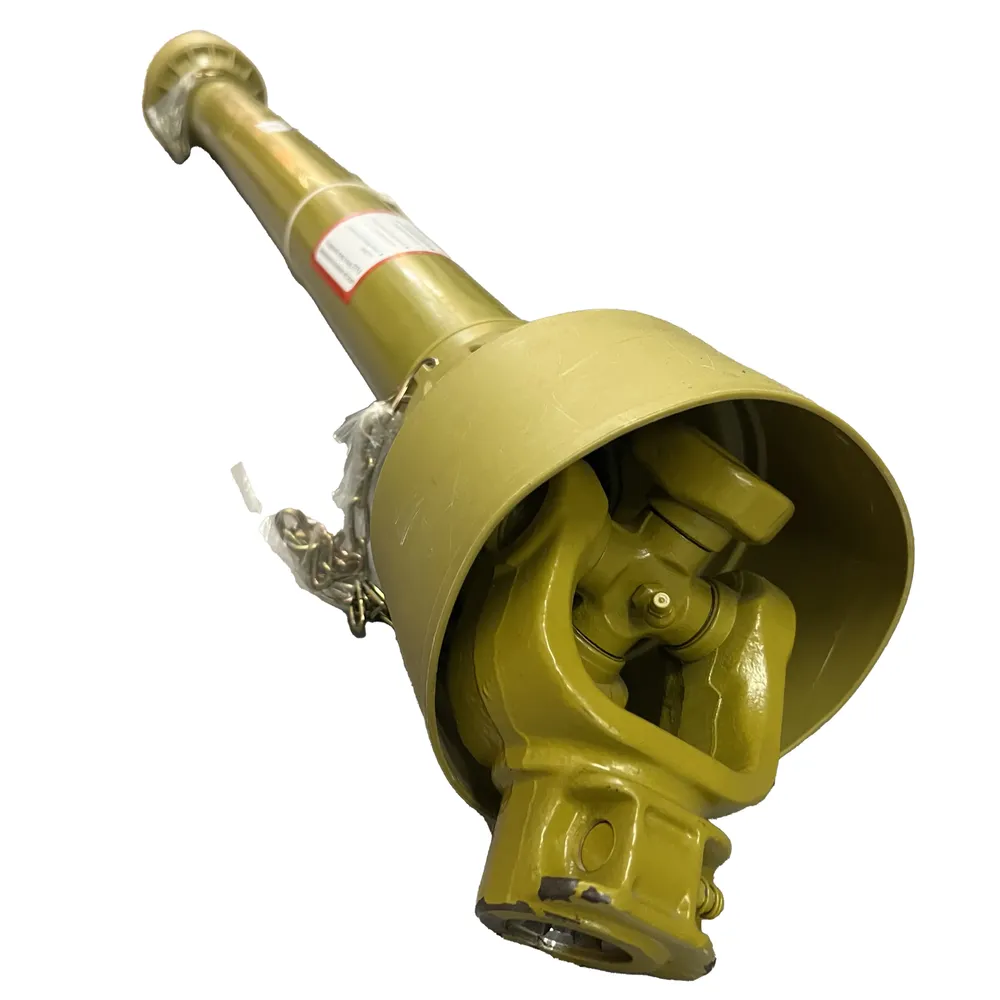
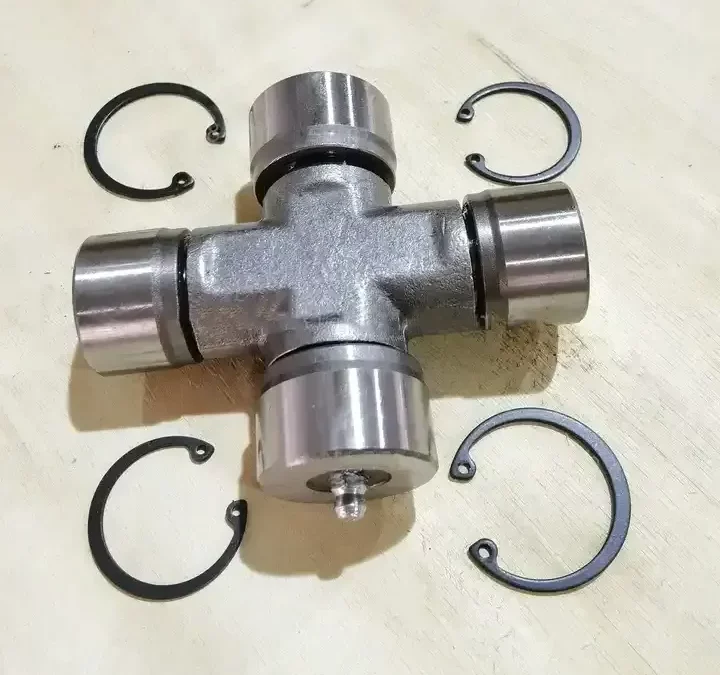
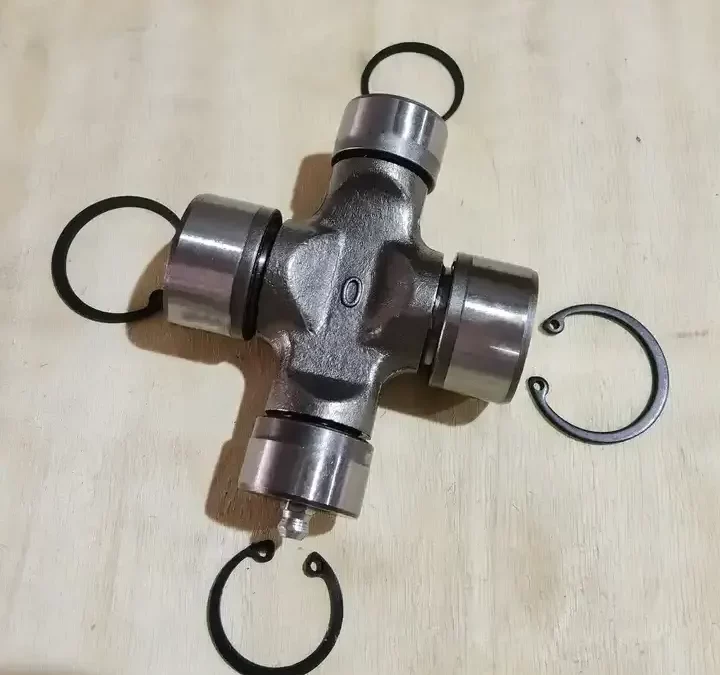
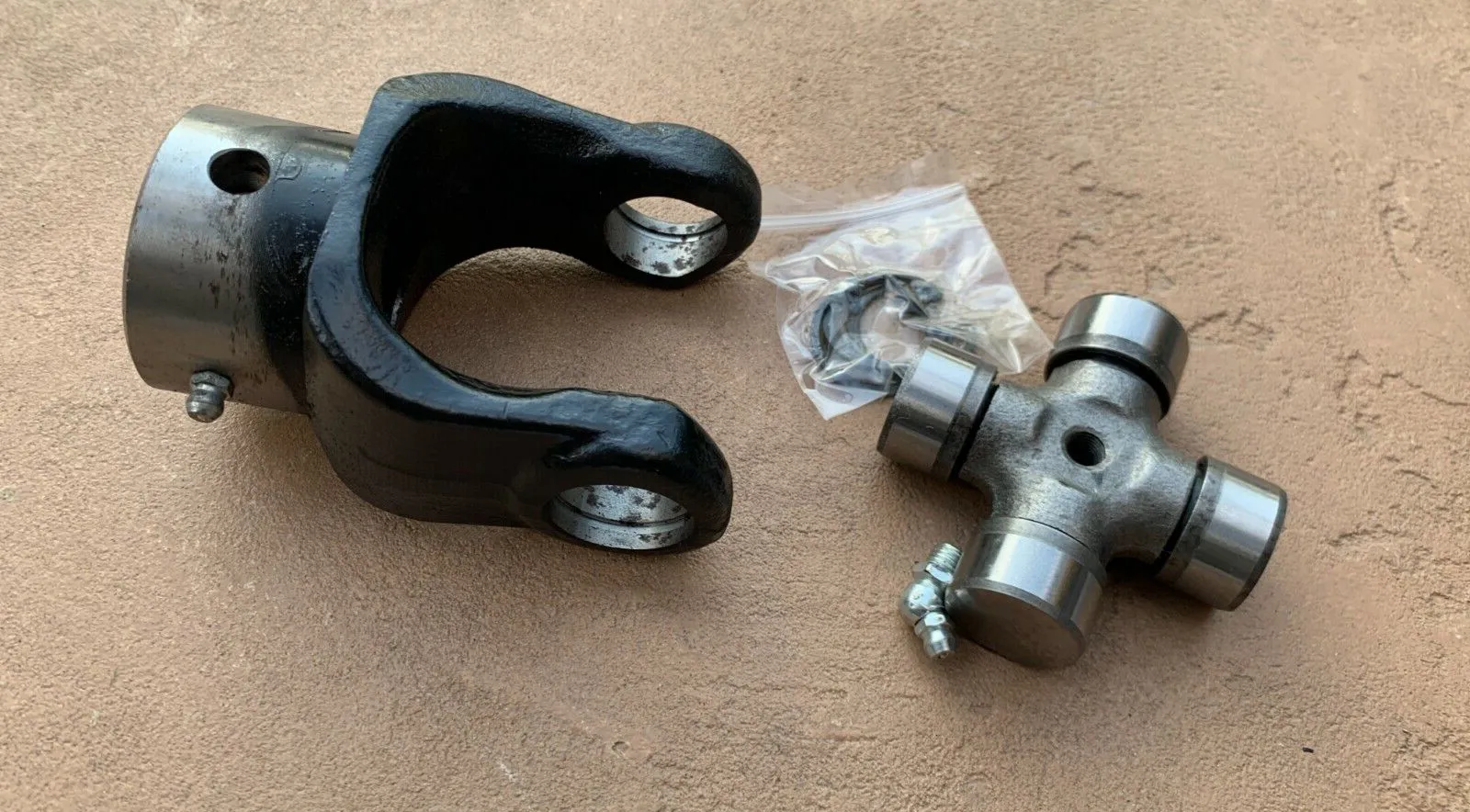
The PTO shaft U-joint, also known as a universal joint or cardan joint, is a flexible coupling that accommodates misalignments between the tractor’s PTO output shaft and the implement’s input shaft. It consists of two yokes with bearings and a cross-shaped center section.
The yokes are connected to the PTO shaft and the implement’s input shaft, while the center section contains needle bearings that allow rotational movement. This design enables the U-joint to transmit power while compensating for angular misalignments, making it suitable for applications where the PTO shaft and implement are not perfectly aligned.
When the tractor’s engine is running, it drives the PTO shaft, which, in turn, rotates the U-joint. The U-joint transfers this rotational motion to the implement’s input shaft, enabling the implement to perform its intended function, such as cutting grass or tilling soil.
Proper maintenance and lubrication of the PTO shaft U-joint are essential for its longevity and performance. Regular greasing of the U-joint’s bearings is necessary to reduce friction, prevent wear and tear, and ensure smooth operation.
Types of PTO Shaft U-joint for Slae
-
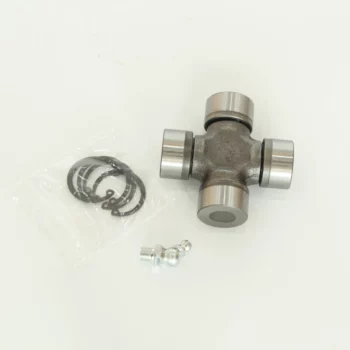
HZPT Factory Wholesale Silver Transmission shaft Cross Kit for Car
-
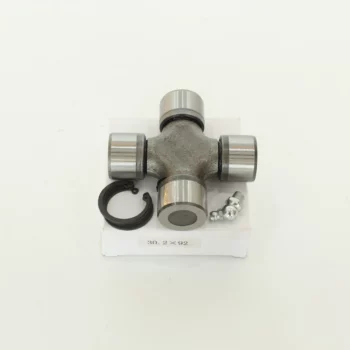
OEM Steel Universal Joints Cross Kit Cardan Agricultural Machines Part for Car
-
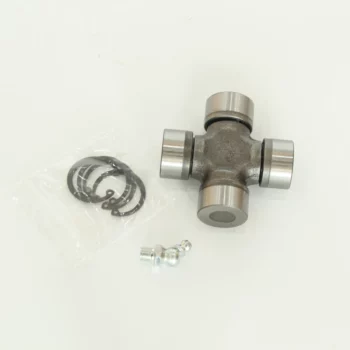
Customized Size Silver Universal Joint Cross Kit for Power Transmission Parts
-
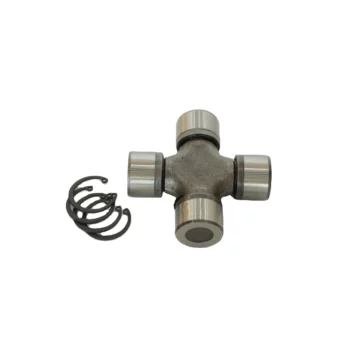
Factory Direct Sales Silver High Hardness Easy To Manufacture Universal Joint Cross for Industrial Machine
-
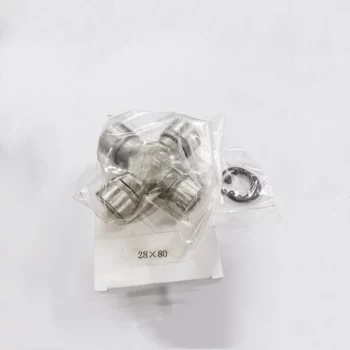
Reliable Quality Auto Part 28*80 Universal Joint Cross Bearing
-
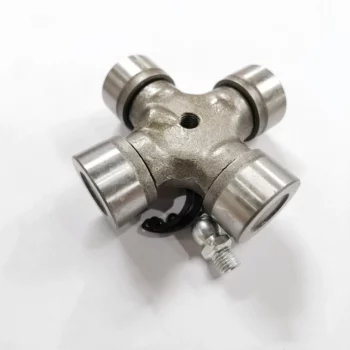
Factory Direct Sell Cardan White Single Box 28*80 Cross Kits Agriculture Machinery Equipment
-
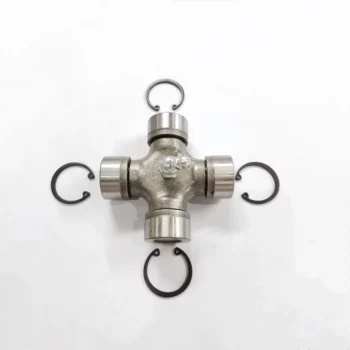
Immediate Delivery Agricultural Machinery Cross Kits 28*80 U Joint
-
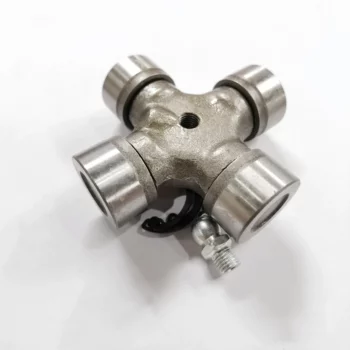
Agricultural Machinery Parts U-Joint Cross 28*80 Universal Joints Design PTO Shaft Drive for Tractor Manufacturer
-
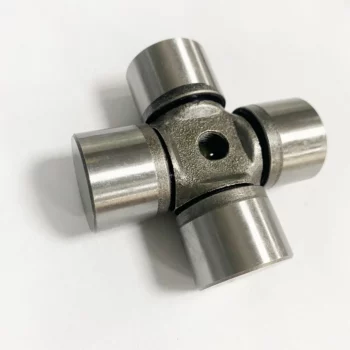
Agricultural Machinery Parts shaft U Joint 23.8*61.2 Universal Joints customized pto shaft for tractor
-
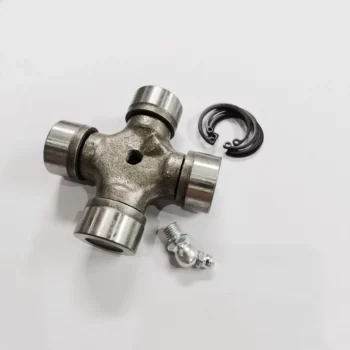
Agricultural Machinery Parts Steel U Joint 28*80 u joint universal cross kit for pto shaft parts
-
Agricultural Machinery Parts U Joint 23.8*61.2 Universal Joints Customized Cardan Shaft Parts
-
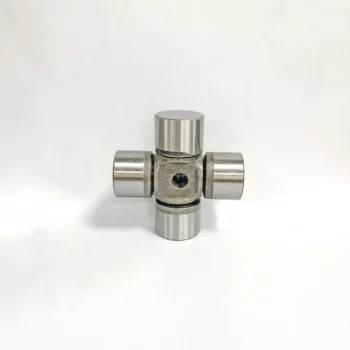
U Joint 23.8*61.2 Universal Joints Parts for Agricultural Machinery
-
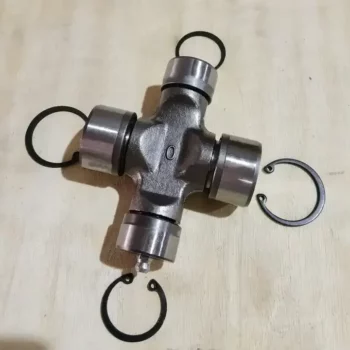
High Quality 4WA Universal joint Cross Kit for Kinds of PTO Shaft for Agricultural Tractor Spare Parts
-
4 Wide Angle Joint Universal Joint for PTO Spare Parts 27*74.6/23.8*91
-
Made In China Agricultural Machinery Pto Shaft Cross Kit 27*74.6/23.8*91 GU1100 Universal Joint u-joint
-
PTO Cross Kit Universal Joints for kinds of PTO shaft for Agricultural Tractor spare parts
-
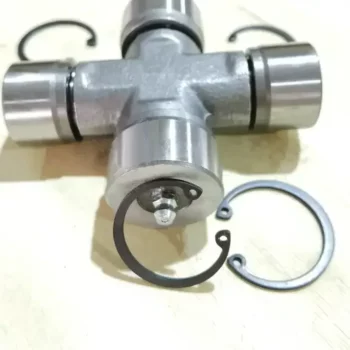
HZPT Universal Joint for Drive Shaft Wide Angle Joint 36WA 36*89/*32*106 Spare Parts
-
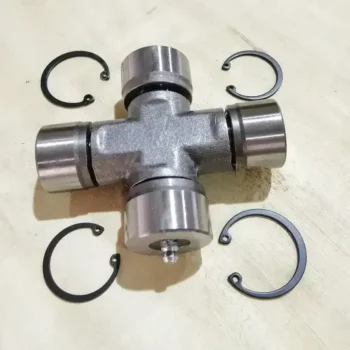
U joint driveshaft 36*89/32*106 Spare Parts for PTO SHAFT
-
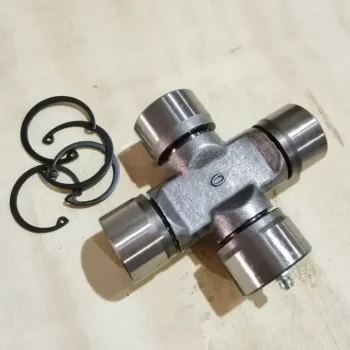
High Quality Factory Supply 36 Wide Angle Bearings Cross Kit of PTO Shaft for Agricultural Tractor
-
HZPT PTO SHAFT WIDE ANGLE SPARE PARTS CROSS KIT 36*89/32*106
-
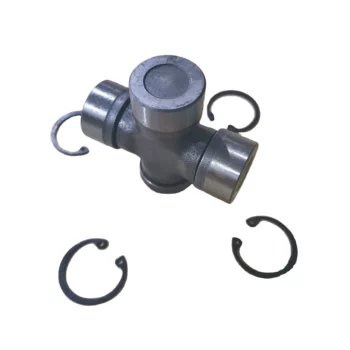
Factory Manufactured China Auto Agricultural Part Cardan Joint Pto Shaft Cross Universal Joint
-
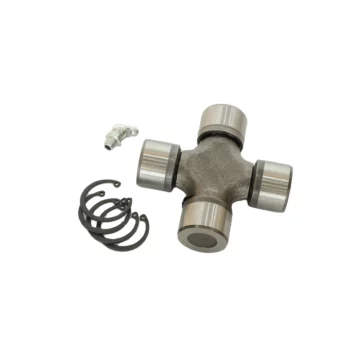
HZPT OEM Steel DRIVE SHAFT Universal Joint Shaft Cross Kit Driveshaft
-
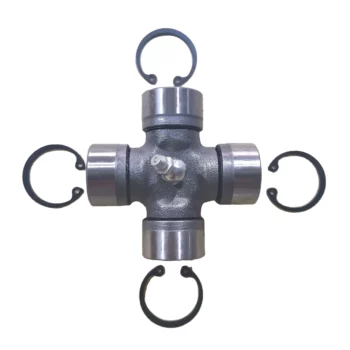
30.2x92mm Factory Supplier Cardan Shaft Cross Bearing Universal Joint Cardan Joint
Function and Importance of U-joints in PTO Shafts
U-joints, or universal joints, play a critical role in the function and efficiency of PTO (Power Take-Off) shafts, which are commonly used in agricultural, industrial, and mechanical applications.
Function of U-joints in PTO Shafts
1. Transmitting Power: The primary function of U-joints in PTO shafts is to transmit power from a power source, like a tractor, to an attachment or implement. They enable the transfer of rotational energy.
2. Flexibility and Motion Accommodation: U-joints allow the PTO shaft to bend while transmitting power. This flexibility is crucial because the angles between the power source and the attachment can vary significantly during operation.
3. Compensating for Misalignment: They accommodate misalignment between the power source and the driven equipment. This misalignment can be due to the movement of machinery or uneven terrain, especially in agricultural settings.
4. Absorbing Shock and Vibration: U-joints help absorb and mitigate shock loads and vibrations, which can be generated during the operation of heavy machinery. This prolongs the lifespan of both the PTO shaft and the attached equipment.
Importance of U-joints in PTO Shafts
1. Enhanced Machinery Efficiency: By efficiently transmitting power and accommodating various angles, U-joints ensure that machinery operates at its maximum efficiency, reducing energy loss and improving performance.
2. Operational Versatility: The flexibility provided by U-joints allows machinery to work in a variety of settings and conditions, making them versatile and adaptable to different tasks.
3. Protection of Equipment: By absorbing shocks and vibrations, U-joints protect the machinery from excessive wear and tear, thereby reducing maintenance costs and prolonging equipment life.
4. Safety: Properly functioning U-joints contribute to the overall safety of machinery operation. Faulty U-joints can lead to accidents or equipment failure.
 |
 |
Key Applications of PTO Shaft U-joints in Agriculture
PTO (Power Take-Off) shaft U-joints are crucial components in agricultural machinery, serving a variety of important functions. Here are some key applications of PTO shaft U-joints in agriculture:
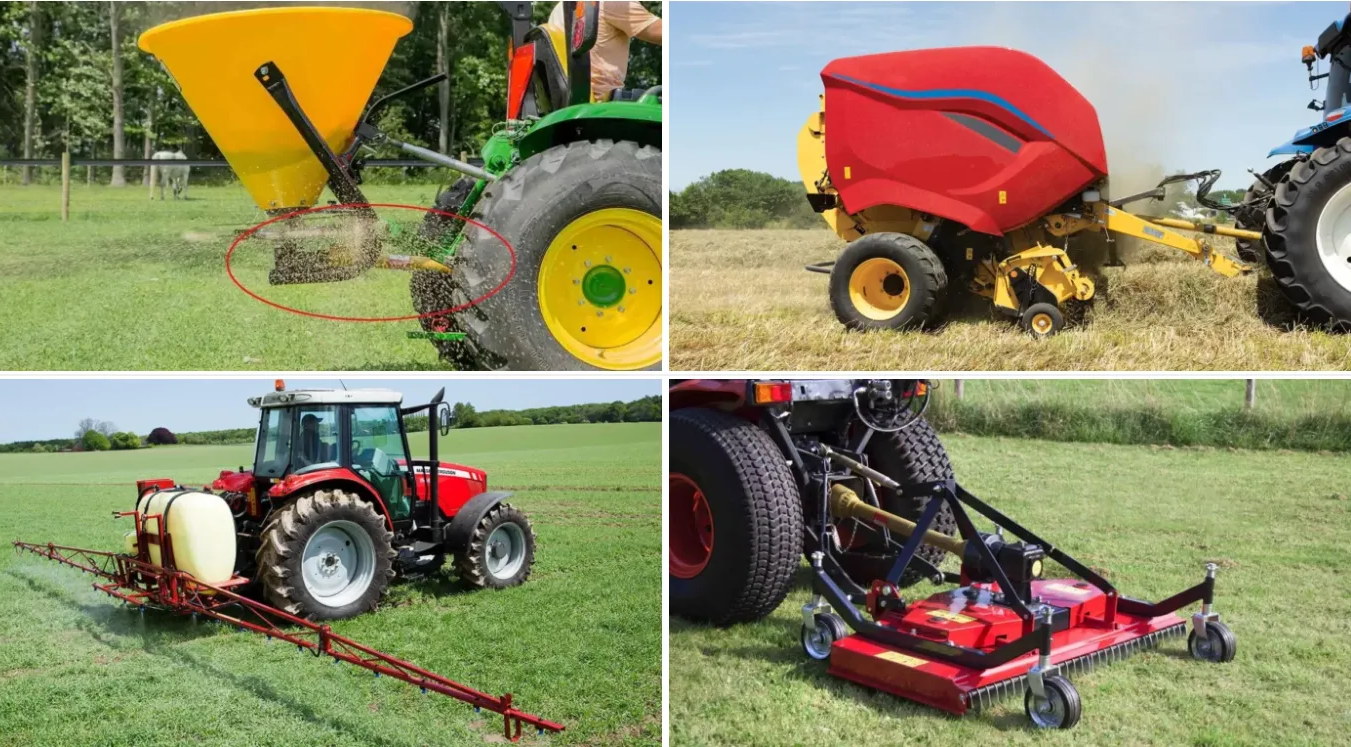
(1) Tractor Attachments: PTO shaft U-joints are primarily used to connect tractors to various attachments. These attachments can include mowers, tillers, rotary cutters, hay balers, and more. The U-joint allows these attachments to be powered directly by the tractor’s engine.
(2) Plowing and Tilling: They are essential in operations like plowing, tilling, and cultivating land. The U-joints allow for the smooth transmission of power to plows and tillers, which are critical for preparing the soil for planting.
(3) Harvesting Equipment: In harvesting equipment such as combines and forage harvesters, PTO shaft U-joints play a vital role. They ensure that these machines receive the necessary power to operate efficiently, which is crucial for successful harvesting.
(4) Feeding and Bedding Equipment: U-joints are used in machinery for feeding livestock and laying bedding. Equipment like feed mixers and straw blowers rely on PTO shafts and U-joints for operation.
(5) Irrigation and Water Management: For large-scale irrigation systems, such as pivot irrigation systems, PTO shaft U-joints are used to ensure these systems can move and operate effectively, providing water to large areas of farmland.
(6) Manure and Waste Management: In the management of manure and agricultural waste, equipment like manure spreaders utilize PTO shaft U-joints to handle and distribute waste products efficiently over fields.
(7) Landscaping and Maintenance: For landscaping tasks such as mowing large areas, wood chipping, or hedge cutting, PTO shaft U-joints enable the connection of specialized equipment to tractors.
(8) Specialized Crop Management: In operations like vineyard management or orchard maintenance, U-joints in PTO shafts are used to power specialized equipment tailored for these unique agricultural environments.
PTO Shaft U-joint Installation and Replacement
Installing and replacing a PTO (Power Take-Off) shaft U-joint requires attention to detail and adherence to safety protocols. Whether you’re installing a new U-joint or replacing an old one, here’s a step-by-step guide to help you through the process:
1. Safety First: Disconnect the PTO shaft from the power source (e.g., tractor). Ensure the machinery is turned off and the key is removed. Clean any dirt, debris, or grease from the PTO shaft and the area around the U-joint to avoid contamination of the new parts.
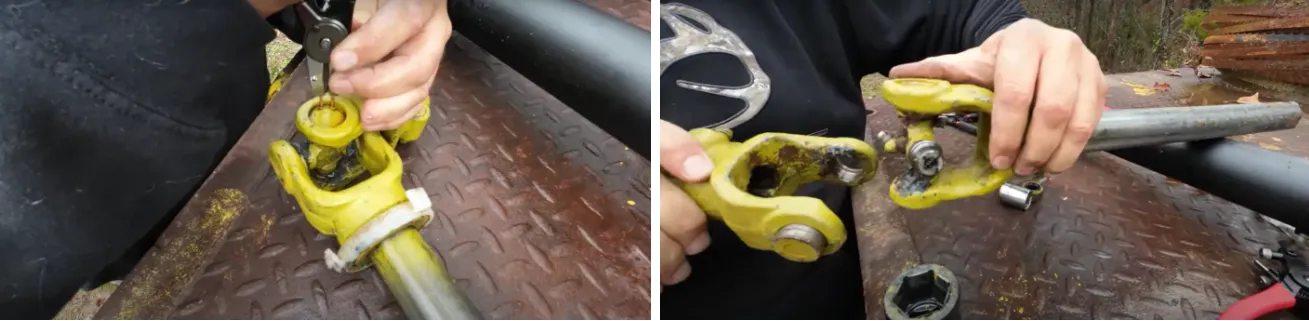
2. Removal of the Old U-Joint: Secure the PTO shaft in a vice or with supports to keep it steady during the removal process. Most U-joints are secured with retaining clips or caps. Remove these using pliers or a screwdriver. Carefully press or hammer out the old U-joint. Be cautious not to damage the yoke or the shaft.
3. Installation of the New U-Joint: Align the new U-joint with the yoke on the PTO shaft. Ensure that it fits snugly and correctly. If the U-joint has separate bearings and seals, insert them carefully into the yoke. Ensure they are seated correctly.Once the U-joint is in place, secure it with the new retaining clips or caps provided. Make sure these are properly fastened. Use the appropriate grease and ensure it is evenly distributed.
4. Post-Installation Checks: Ensure that the U-joint moves freely without any binding or stiffness.
5. Reattach the PTO Shaft: Carefully reattach the PTO shaft to the machinery or implement. Ensure that all connections are secure.
6. Test Run: Conduct a test run at a low speed to ensure that the installation is successful and the U-joint operates smoothly without noise or vibration.
7. Regular Inspection: After installation, regularly inspect the U-joint for any signs of wear or improper functioning.
Maintenance and Care of PTO Shaft U-joints
Proper maintenance and care of PTO shaft U-joints are crucial for the longevity and safe operation of agricultural machinery. Here are key practices for maintaining and caring for these essential components:
1. Regular Inspection: Regularly inspect the U-joint for any signs of wear, cracks, or damage. Look for rust, corrosion, or any deformities. Ensure that all parts of the U-joint, including bolts and retaining rings, are secure and not loose. Inspect lubrication points to ensure they are not clogged and are functioning properly.
2. Lubrication: Follow the manufacturer’s guidelines for lubrication intervals. Regular lubrication is crucial for the longevity of the U-joint. Utilize the type of grease recommended by the manufacturer, as different U-joints may require different lubrication properties.
3. Cleaning Regularly clean the U-joint to prevent the build-up of dirt, debris, or corrosive substances. Ensure that no foreign materials are entangled in the U-joint mechanism.
4. Alignment and Balancing: Misalignment can cause excessive wear. Regularly check the alignment between the tractor and the implement. If the PTO shaft is disassembled or repaired, ensure it is properly balanced before use to avoid vibrations that can damage the U-joint.
5. Replacement and Repair: If any part of the U-joint is worn or damaged, replace it immediately to prevent further damage or potential safety hazards.
6. Safe Operation: Operate Within Limits, Never exceed the recommended speed and torque limits for your PTO shaft and U-joint. Ensure that the U-joint is correctly connected and secured before use.
7. Storage: When not in use, store the PTO shaft and U-joint in a clean, dry place to prevent rust and corrosion.
PTO Shaft U-joints Common Issues and Troubleshooting
While PTO shaft U-joints are designed to be durable and reliable, they can experience certain issues over time. Here are some common problems that may occur with PTO shaft U-joints and possible troubleshooting steps:
1. Lack of Lubrication: Inadequate or infrequent greasing can lead to insufficient lubrication of the U-joint’s bearings. This can result in increased friction, wear, and premature failure. Solution: Ensure regular greasing according to the manufacturer’s recommendations. Apply a sufficient amount of high-quality grease to the U-joint’s bearings through the provided grease fittings or zerks.
2. Binding or Stiffness: Binding or stiffness in the U-joint can occur due to dirt, debris, or rust accumulation, or if the U-joint is misaligned. This can lead to restricted movement and increased stress on the U-joint. Solution: Clean the U-joint thoroughly, removing any dirt or debris. If rust is present, consider using a rust dissolver or applying a rust-inhibiting lubricant. Check the alignment of the PTO shaft and implement input shaft, ensuring they are properly aligned to allow smooth movement.
3. Excessive Wear or Damage: Continuous use, heavy loads, or operating in harsh conditions can cause wear or damage to U-joint components such as the needle bearings or yokes. This can result in poor power transmission, vibration, or noise. Solution: Inspect the U-joint for signs of wear, such as worn or damaged bearings, cracks, or excessive play. Replace any worn or damaged components promptly with new ones that meet the manufacturer’s specifications.
4. Loose or Missing Bolts: The bolts that secure the U-joint to the PTO shaft or implement input shaft may become loose or even go missing due to vibrations or inadequate tightening. This can lead to misalignment and compromised power transmission. Solution: Regularly check the tightness of the bolts and tighten them as necessary. Replace any missing bolts with new ones of the appropriate size and strength.
5. Seal Failure: The U-joint may have seals to protect the bearings from dirt, moisture, and contaminants. If the seals become damaged or worn, they can allow debris or water to enter, leading to accelerated wear and reduced performance. Solution: Inspect the seals for signs of damage or wear. Replace any damaged seals with new ones to ensure proper sealing and protection of the U-joint’s bearings.
6. Excessive Vibration or Noise: Excessive vibration or noise during PTO operation can indicate a problem with the U-joint. It may be caused by misalignment, worn bearings, or damaged components. Solution: Check for proper alignment of the PTO shaft and implement input shaft. Inspect the U-joint for signs of wear or damage. If necessary, replace worn or damaged components to eliminate excessive vibration or noise.
Last Update Knowledge & News
No Results Found
The page you requested could not be found. Try refining your search, or use the navigation above to locate the post.
Edited by Yjx