
PTO Shaft Yokes
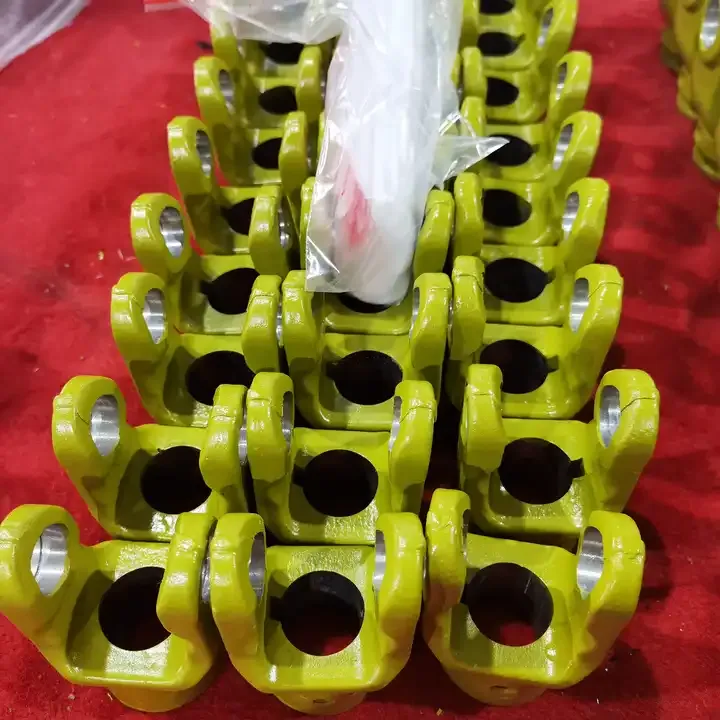
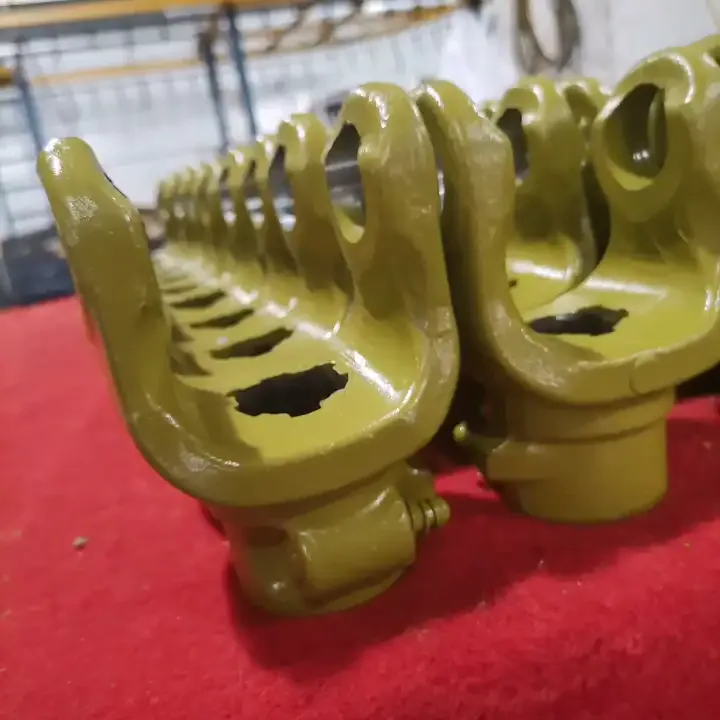
The PTO shaft yoke consists of two main components: the yoke itself and the PTO shaft attachment. The yoke is a forked or U-shaped metal component that allows rotational movement. It typically has two arms or tines that extend outward and are designed to fit around the implement’s input shaft. The yoke is connected to the PTO shaft via a series of splines or keyways to ensure a secure and reliable power transfer.
The PTO shaft attachment is the part that connects the yoke to the PTO shaft of the tractor. It is usually a cylindrical metal piece with splines or keyways that match those on the PTO shaft. The attachment is inserted into the PTO shaft and secured with a locking mechanism, such as a pin or a quick-release mechanism.
When the tractor’s PTO is engaged, the rotational power generated by the engine is transferred to the PTO shaft. This rotational motion is then transmitted through the PTO shaft yoke to the implement’s input shaft, driving the implement’s working components.
PTO shaft yokes are designed to withstand high torque and rotational forces while maintaining a secure connection between the tractor and the implement. They are typically made of hardened steel or other durable materials to ensure longevity and reliability in demanding agricultural applications.
It is essential to choose the correct PTO shaft yoke that matches the specifications of both the tractor’s PTO shaft and the implement’s input shaft. This includes considering the appropriate size, spline count, and shaft diameter to ensure a proper fit and optimal power transmission.
Types of Agricultural PTO Shaft Yokes for Sale
-
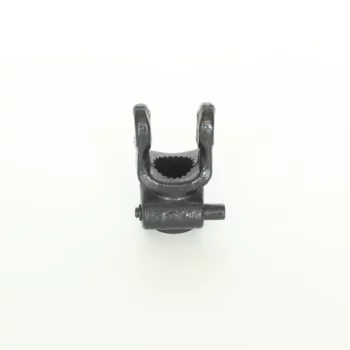
Factory Wholesale Customizable High Quality High Transmission Efficiency Splined Yoke for Car
-
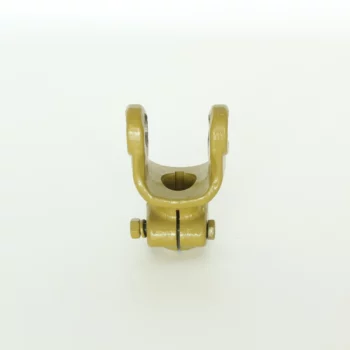
Factory Wholesale High Quality Long Service Life Round Yoke for Car
-
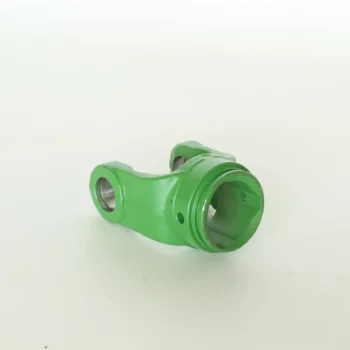
Customizable Car Parts Yoke and Triangle Tubes for Agricultural Machinery Yoke
-
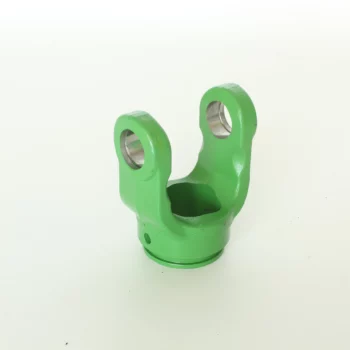
Wholesale Price Customizable High Quality Simple Structure Triangular Tube Yoke for Car
-
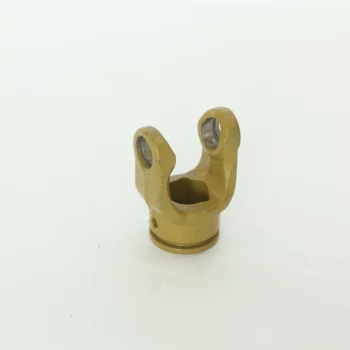
Hot Selling Customizable High Transmission Efficiency Tube Yoke for Tractor Cultivator
-
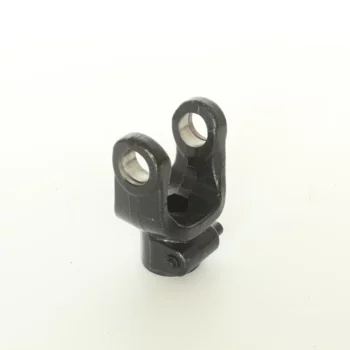
Quality Assurance Customizable High Quality Easy To Repair Tube Yoke Hexagon Fork for Car
-
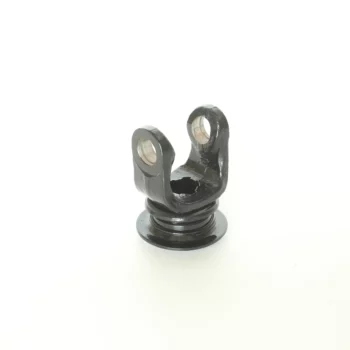
Factory Supply Customized size shape tube structure tube yokes for lawn mower
-
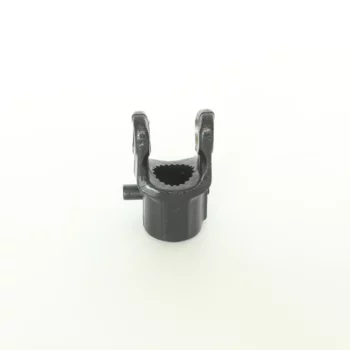
Customized Spicer Spline Yoke for Planter Machine Parts Drive Shaft Splined Yoke
-
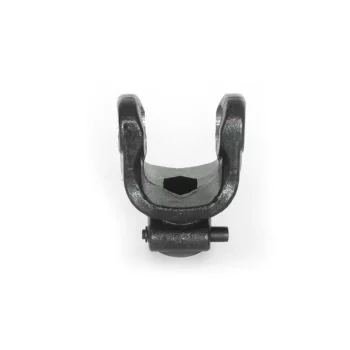
Factory Price Customizable High Quality Easy To Manufacture Hexagon Tube Yokes for Car
-
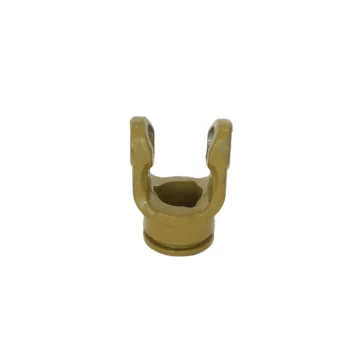
Customizable Steel Yokes High Quality Easy To Repair Lemon Tube Yokes for Car
-
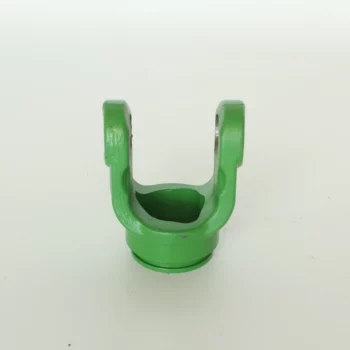
Good Price Customizable Steel Triangle Tubes Long Service Life Triangular Tube Yokes for Agricultural Machinery
-
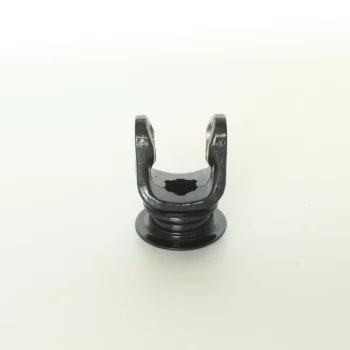
Customizable Steel Splined Yokes PTO Shaft Yoke Parts Car Parts Drive
-
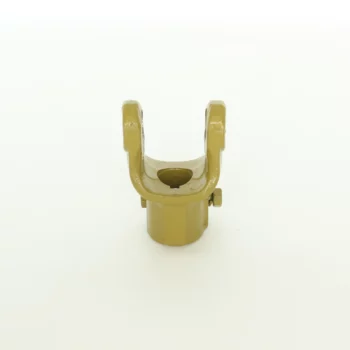
High Transmission Efficiency Round Yoke Plain Bore Yoke Keyway for Cultivators Tractors
-
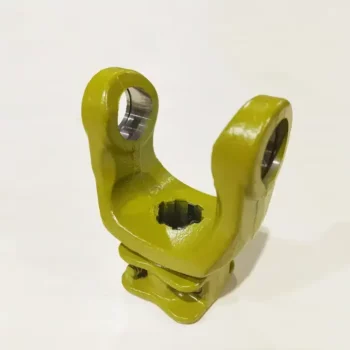
PTO Shaft Yokes for Agricultural Machinery: A Comprehensive Guide
-
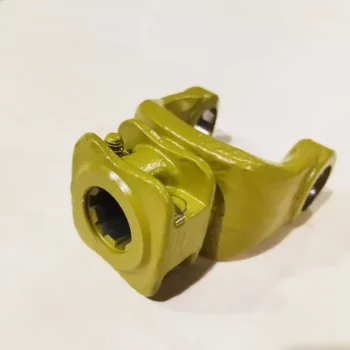
Quick Release Spline Yokes PTO Shaft Push Pin Forging Splined Yoke Agricultural Machine Part
-
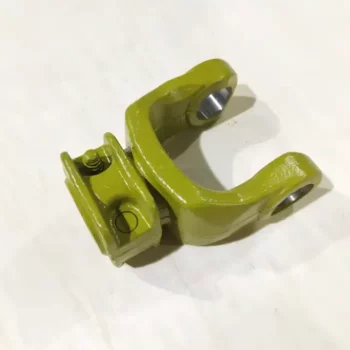
Push Pin Forging Spline Yoke 8.05.05B 1 3/8” Z6 Drive Shaft Yoke for Agricultural Machinery
-
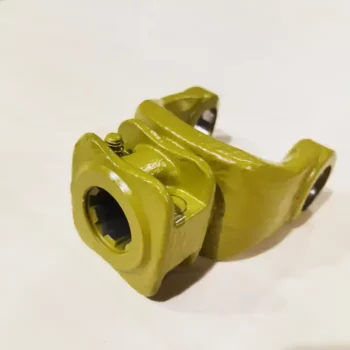
Yellow Spraying Steel Driveshaft Part 8.05.05B 1 3/8” Z6 Quick Release PTO Shaft Yoke
-
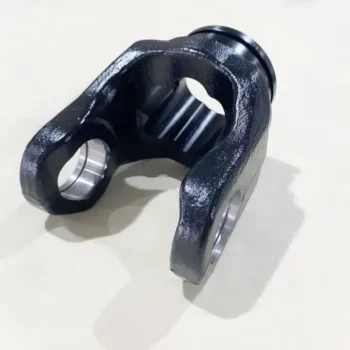
Zhejiang HZPT Factory Driveshaft Tractor PTO Shaft Parts Star Tube Yoke 8.06S Outer Yoke
-
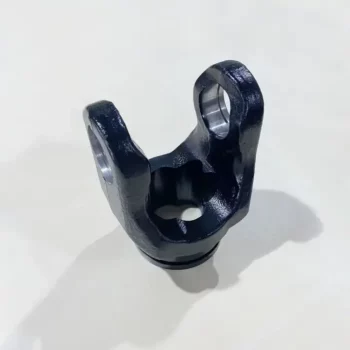
PTO Shaft Star Tube for Agriculture Machinery 80 Horse Power Heavy Duty
-
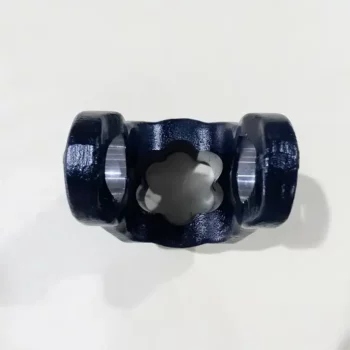
OEM Star Tube Yoke for pto shaft Agricultural drive shaft yoke With CE Certificated 8.06S
-
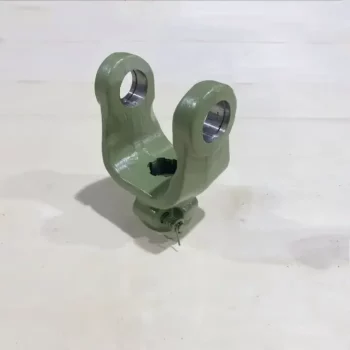
Zhejiang HZPT HZPT Drive Shaft PTO 8.05.01B Double Push Pin Spline Yoke Green Spraying for Agricultural Machinery
-
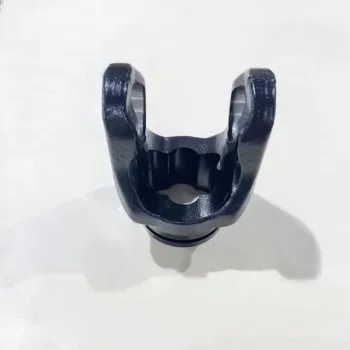
Factory Directly Provide Pto Yoke End Tube Yoke Forging For Pto Shaft 8.06S Star Yoke
-
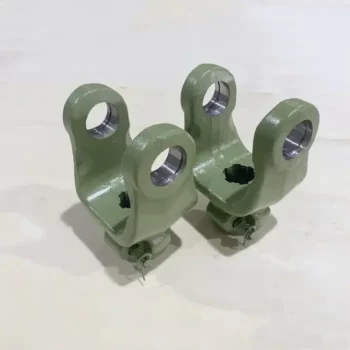
Professional Factory Customization Drive Shaft Steel Splined Yoke T8 S8 Drive Shaft Parts Customized Yoke
-
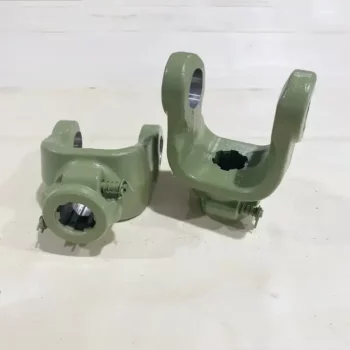
8.05.01B Splined yoke PTO Drive Shaft (Triangular tube Lemon tube) Cross journal for Wide Angle Joint cardan shaft tractor
-
Agriculture PTO Drive Shaft Splined Yoke with Double Push Pin Drive Shaft Parts for Series 8
-
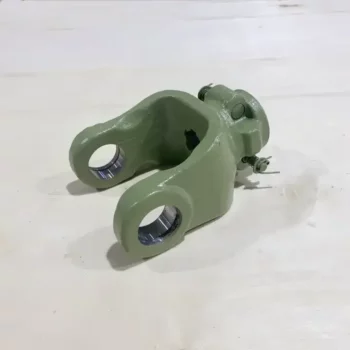
Green Yoke Double Push Pin 8.05.01B PTO Agriculture Shaft Spare Parts
-
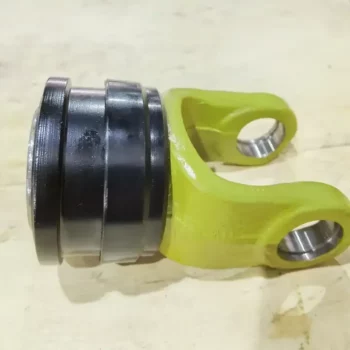
T4 Series Steel PTO Drive Shaft Splined Yoke with Collar for Tractor and Tractor Implements
-
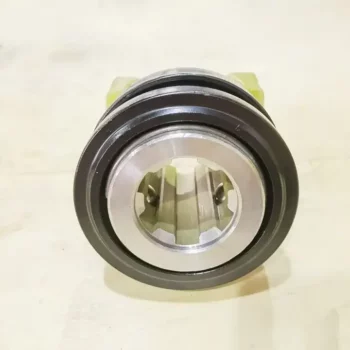
T4-Series Splined Yokes Agricultural Machinery Use U-joint 27×74.6mm PTO Drive Shaft Parts for Driveshaft
-
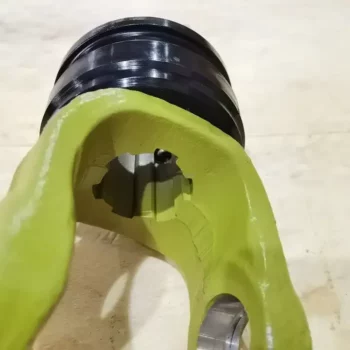
PTO Agriculture Shaft Spare Parts 4.0513B Splined Yoke with Collar
-
Zhejiang HZPT Drive Shaft Factory Quick Release Yoke for Rotavators 4.0513B 6 Teeth with Collar
-
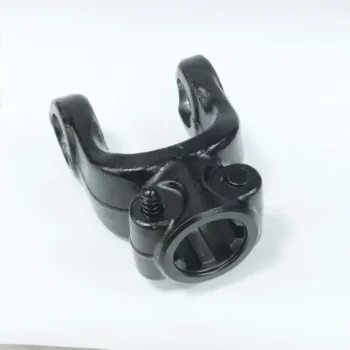
Black Splined Double Push Pin Yoke, PTO Drive Shaft (39*118 Cross Kit) for Farm Tractor Parts
-
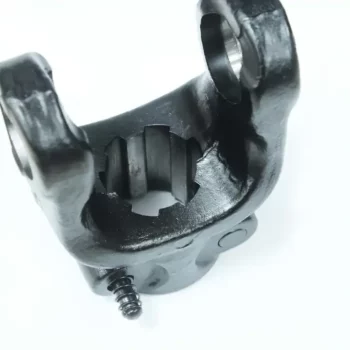
HZPT OEM 39*118 Universal Joint Bearing 1 3/8 Z6 Spline Double Pin Yoke for PTO Shaft
-

U joint 39*118 Black Double Push Pin Pto Shaft Transmission Spline Forged Yoke
-
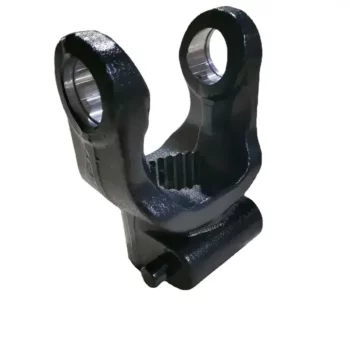
Steel 1.05C30 Plain Bore Yoke with Keyway and Threaded Hole PTO SHAFT PARTS
-
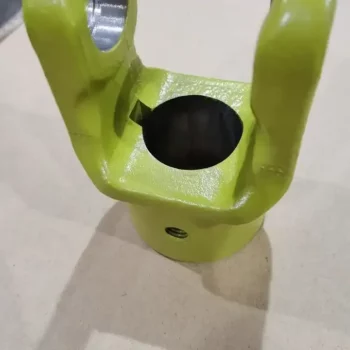
Yellow Sprayed Flange Yoke 1.05C30 Plain Bore Yoke 8mm Keyway Threaded Hole Drive Shaft Parts
-
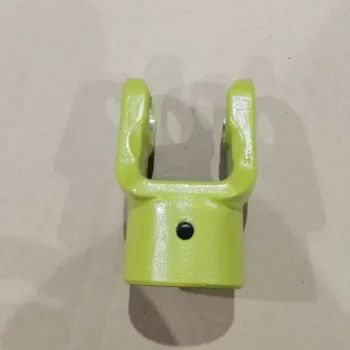
Zhejiang HZPT HZPT Driveshaft PTO Keyway 1.05C30 Plain Bore Yoke Shaft Yoke for Agricultural Machine Tractor Parts
-
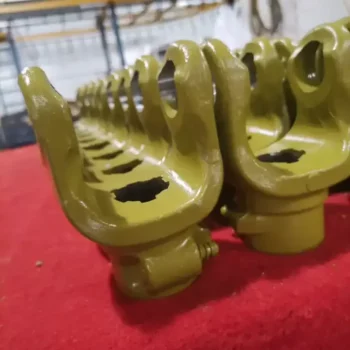
10 Horsepower Tractor Parts PTO Shaft Yoke 05 Type Push Pin Forging Yoke with Yellow Spraying
-
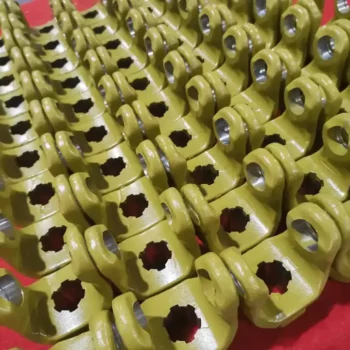
HZPT 1.0505B Push Pin Splined End Yoke Harvesters PTO Shaft Yoke for Agricultural
-
Best Sell 05B Tractor Yoke 1 3/8” Z6 For 22*54 Joint Cardan Shaft
-
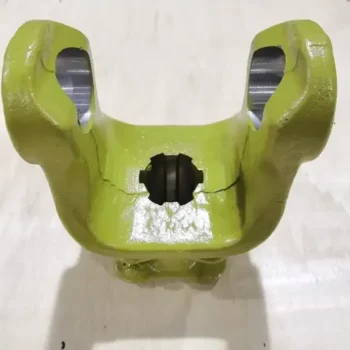
10hp Agricultural Machinery Parts Steel Splined Yoke flight yoke for PTO shaft
-
HZPT Drive Shaft PTO 1.0505B Yoke Transmission Part Belarus
-
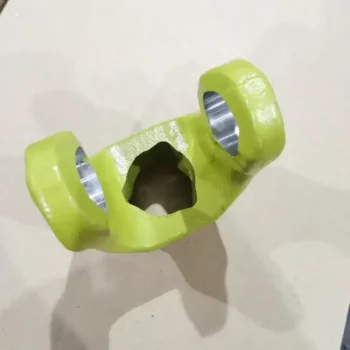
Wholesale Price Customizable Simple Structure Triangular Tube Yoke for 40hp Tractor Machine
-
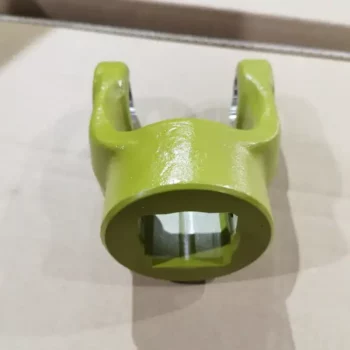
Forged square pto yoke 34.06.SQ 4143 34*90 cross kit shaft yoke for agricultural machine tractor parts
-

HZPT Driveshaft Manufacture Special Square Yoke 34.06.SQ 41*43mm for Transmission Part
-
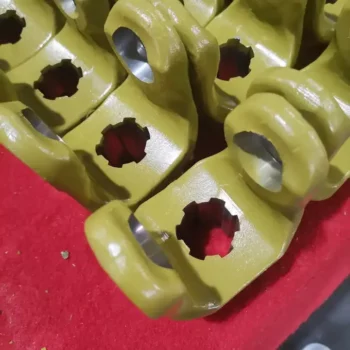
HZPT Drive Shaft Manufacture PTO 34.0501B Spline Standard 6 teeth End Yokes for PTO Shaft
-
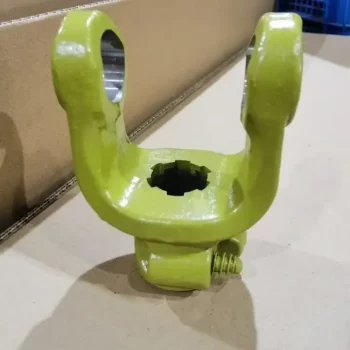
34*90 Splined Yoke, PTO Drive Shaft: A Comprehensive Guide
-
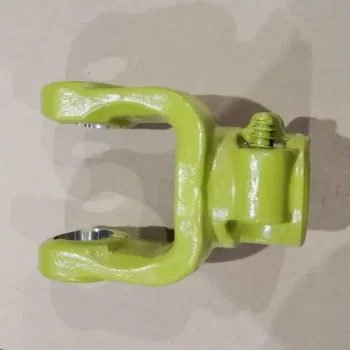
34.0501B Multi-Purpose Spline PTO Shaft Parts for Finish Mower With CE and ISO PTO Shaft Yoke Parts
-
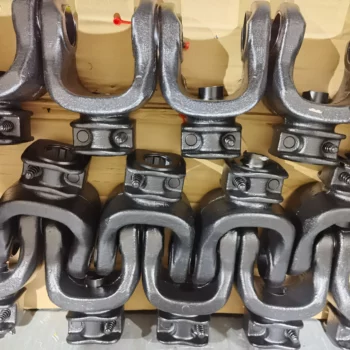
80HP Double Pin Hot sale end yokes for PTO Shaft Forged Splined Yoke
-
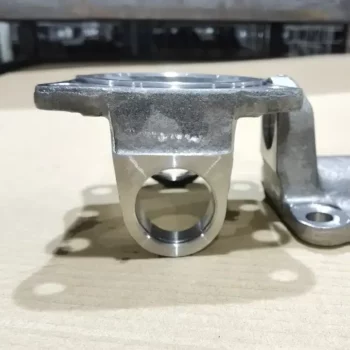
Zhejiang HZPT Customized Size Color Yoke Shape Drive Shaft Component Cardan End Yoke
-
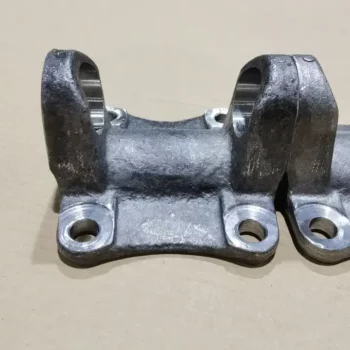
HZPT Drive Shaft Flange Industrial Yoke
-
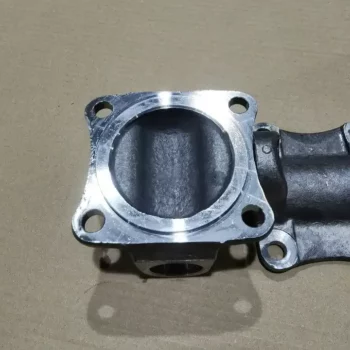
High Quality China OME Yoke Cardan Drive Shaft Flange Yoke
-
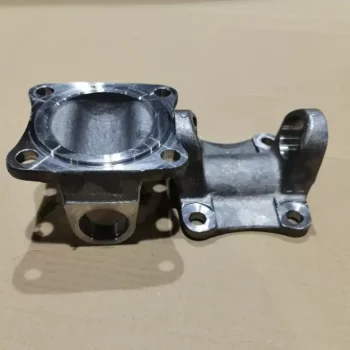
Forged Steel Hard Slip Yoke Flange Spline Coupling Drive Shaft Parts Propshaft Cardan Components Best Quality Forging Factory
-
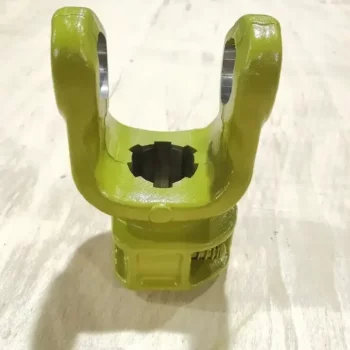
Kubota Agricultural Machinery Parts 27*74.6 Cross Kit 1 3/8” Z6 4.05.05B Spline Yoke
-
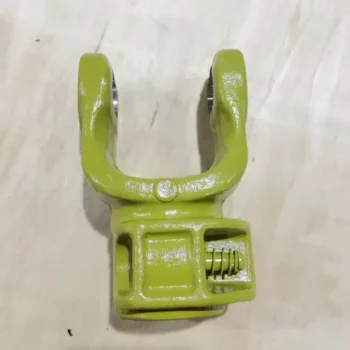
Lawn Mower Parts 27*74.6 Cross Kit 1 3/8” Z6 4.05.05B Spline PTO Shaft Yoke Agricultural Machinery Parts
-
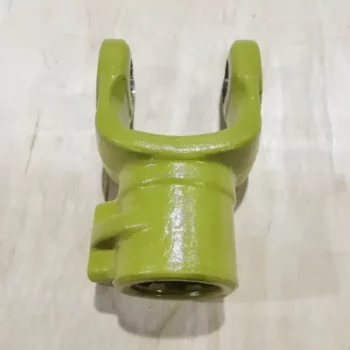
Tractor Spare Parts 27*74.6 Cross Kit 1 3/8” Z6 4.05.05B China Made PTO Shaft Yoke Quick Release Yoke
-
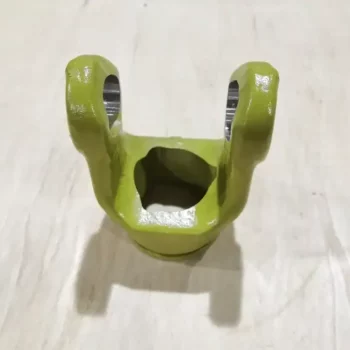
27*74.6 Universal Joint PTO Shaft Parts 4.06 4.07 Inner and Outer Triangular Tube Yokes
-
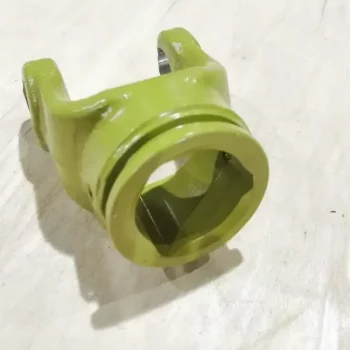
27*74.6 Universal Joint Cardan Shaft Parts 4.06 4.07 End Triangular Yokes for Tractor PTO Shaft
-
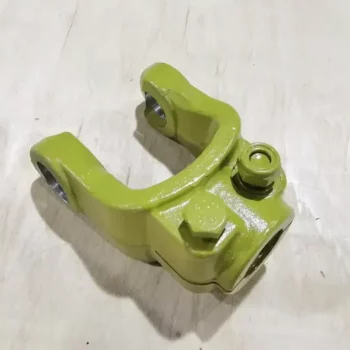
Customized Size Tractor PTO Shaft Parts 80hp PTO Shaft Yokes 8.05.02B Interfering Splined Drive Yoke
-
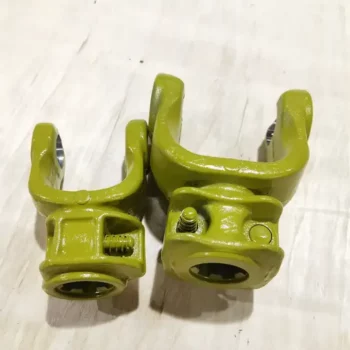
Tractor Parts PTO Shaft Yokes for Agricultural Machinery
-
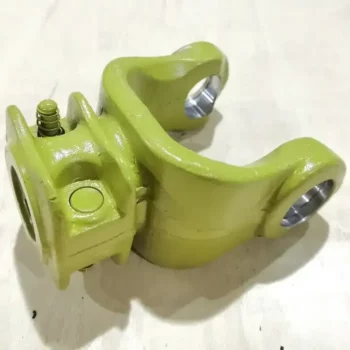
Agricultural Power Take-Off (PTO) Shaft Yokes: A Comprehensive Guide
-
80hp PTO Shaft Parts Triangular Yoke PTO Shaft Yoke for Trailer Spare Parts Tractor
-
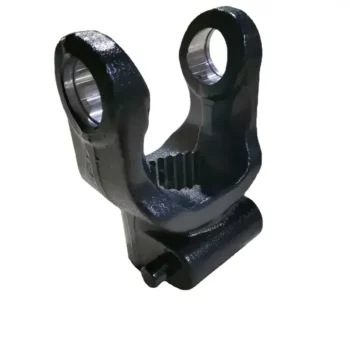
Popular Sale PTO Drive Shaft Yoke for Agricultural Machine Tractor Parts
-
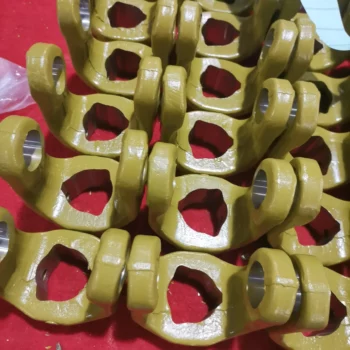
PTO Drive Shaft, Splined Yoke: A Crucial Component for Farm Tractor Parts
-
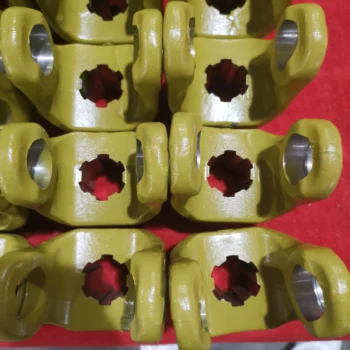
PTO drive Shaft Quick Release Splined End Yoke: An Essential Component in Agriculture
-
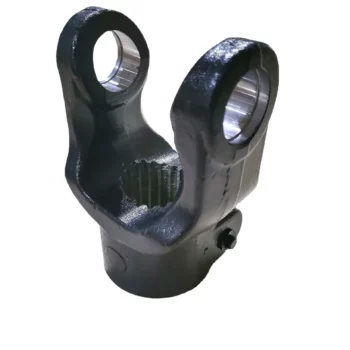
Factory Price PTO Shaft Spline Yoke for Agricultural Machine Tractor Parts
-
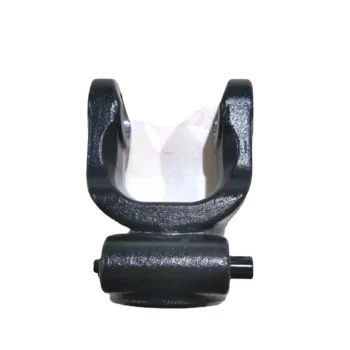
Agricultural Kubota Tractor Parts Driveline CE Cardan PTO Shaft Yoke Cross Universal Joint Drive
-
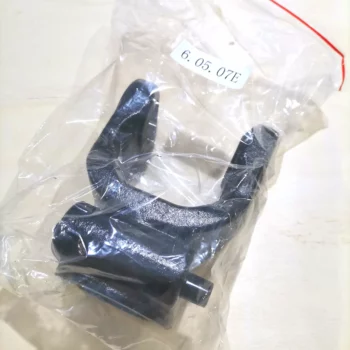
Tube Yoke Harvester Parts Drive Shaft Spline Yoke Used for Agricultural Machinery
-
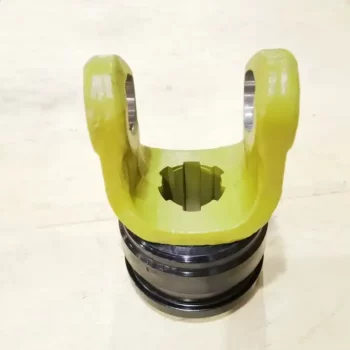
PTO Shaft Yoke Tractor Parts PTO Shaft Yoke Quick Release Yoke 4.0513B with 3 Balls Collar
Agricultural PTO Shaft Yoke Working Principle
The working principle of an agricultural PTO shaft yoke involves the transmission of rotational power from the tractor’s power take-off (PTO) to the implement’s input shaft. Here is a step-by-step explanation of how it works:
1. Power Generation: The tractor’s engine generates rotational power that needs to be transferred to the agricultural implement for performing specific tasks like mowing, tilling, or harvesting.
2. PTO Shaft Connection: The tractor is equipped with a PTO shaft, which is a rotating driveline that extends from the rear of the tractor. The PTO shaft is connected to the engine’s power output and is designed to transfer rotational power.
3. Yoke Attachment: The PTO shaft yoke is attached to the end of the PTO shaft. The yoke is a forked metal component with two arms or tines that extend outward.
4. Implement Connection: The agricultural implement has an input shaft designed to receive power from the tractor. The implement’s input shaft is inserted between the two arms or tines of the yoke.
5. Secure Connection: The yoke arms are aligned with the implement’s input shaft, and a locking mechanism, such as a pin or a quick-release mechanism, is used to secure the connection. This ensures that the yoke and the implement’s input shaft are firmly connected, allowing for the transfer of power.
6. Power Transmission: When the tractor’s PTO is engaged, the rotational power generated by the engine is transferred to the PTO shaft. This rotational motion is transmitted through the PTO shaft yoke to the implement’s input shaft, which drives the working components of the implement.
7. Task Execution: The rotational power received by the implement’s input shaft is utilized by the implement’s internal mechanisms to perform specific agricultural tasks. For example, in a mower, the power is used to rotate the blades and cut the grass.
8. Disengagement: When the task is completed or the operator decides to stop the implement, the tractor’s PTO is disengaged. This stops the power transfer, and the implement comes to a halt.
The working principle of the agricultural PTO shaft yoke relies on a secure and reliable connection between the tractor’s PTO shaft and the implement’s input shaft. This allows for the efficient transmission of power, enabling the implement to perform its intended function in agricultural operations.

Advantages PTO Shaft Yokes for Agricultural
PTO shaft yokes offer several advantages for agricultural applications. Here are some key benefits:
(1) Power transmission efficiency: PTO shaft yokes provide an efficient and direct transfer of power from the tractor’s engine to the agricultural implement. They minimize power losses, ensuring that the maximum amount of power generated by the tractor is effectively utilized by the implement. This efficiency contributes to improved performance and productivity in various farming operations.
(2) Versatility and compatibility: PTO shaft yokes are designed to be versatile and compatible with a wide range of agricultural implements. They can be used with equipment such as mowers, balers, tillers, sprayers, and many others. This compatibility allows farmers to interchange implements easily and efficiently, enhancing the flexibility and versatility of their machinery.
(3) Safety: PTO shaft yokes are designed with safety in mind. They often incorporate features such as safety shields or guards to prevent accidental contact with rotating parts. These safety measures help protect operators and bystanders from potential hazards, reducing the risk of accidents and injuries.
(4) Durability and reliability: Agricultural PTO shaft yokes are typically constructed from high-quality materials such as hardened steel or other durable alloys. This ensures their durability and ability to withstand the demanding conditions of agricultural operations. They are designed to endure high torque and rotational forces, providing long-lasting and reliable performance.
(5) Easy maintenance and replacement: PTO shaft yokes are generally easy to maintain and replace when necessary. Regular inspections, lubrication, and proper alignment can help extend their lifespan. If a yoke becomes damaged or worn out, it can be replaced relatively easily, minimizing downtime and ensuring the smooth operation of agricultural machinery.
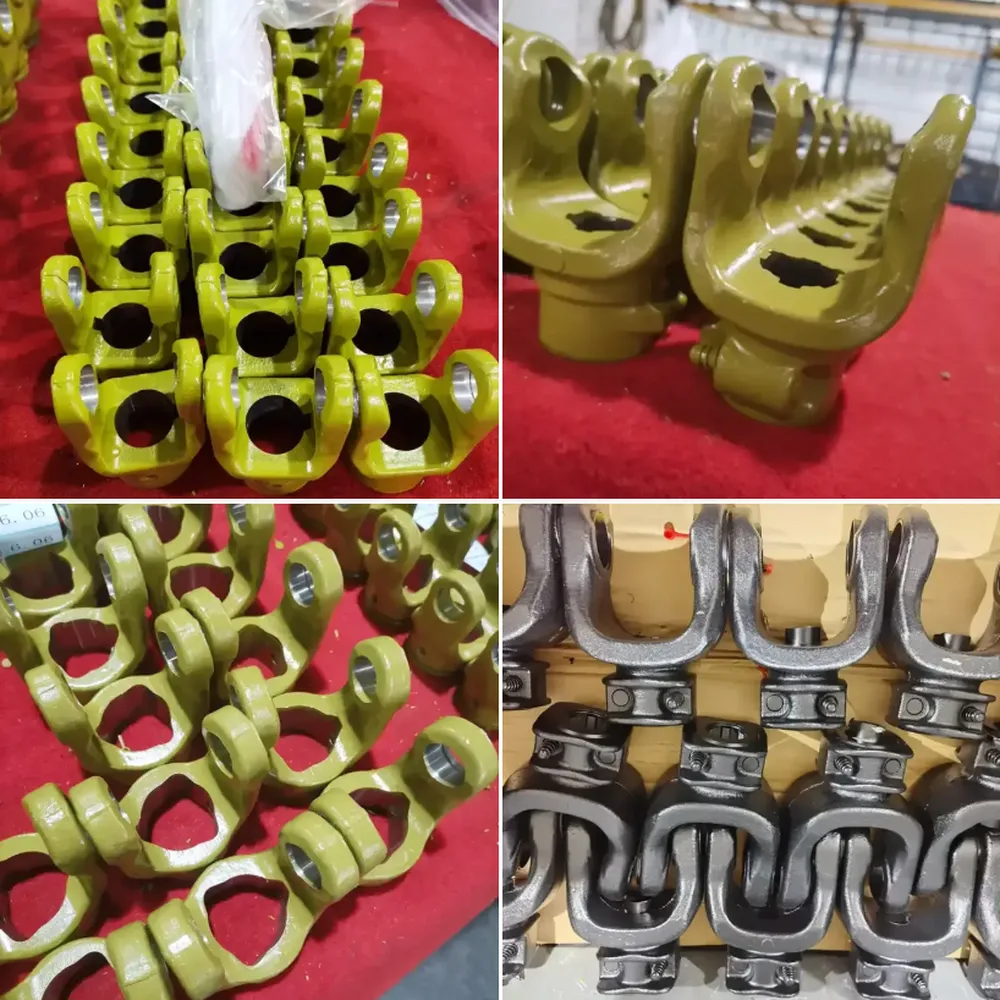
Applications PTO Shaft Yokes for Agricultural
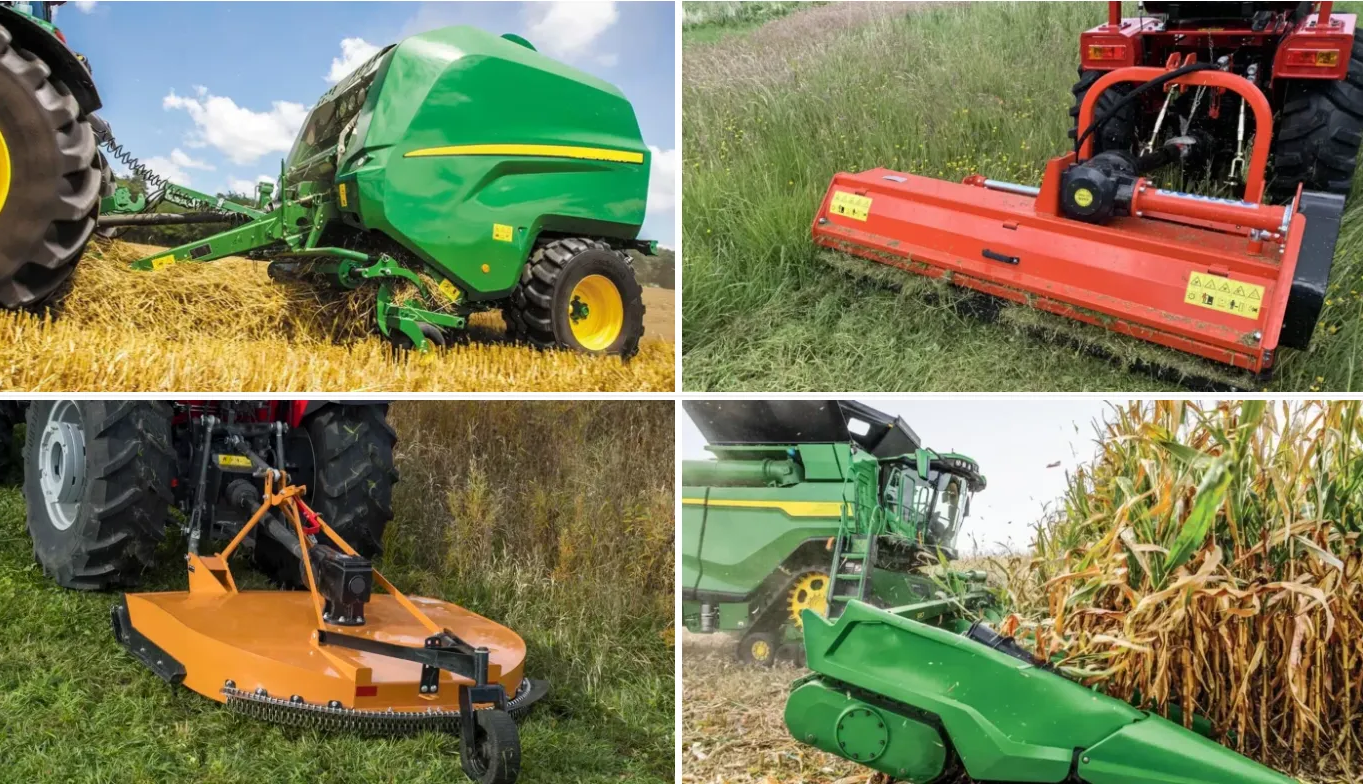
PTO shaft yokes find applications in various agricultural machinery and equipment. Here are some specific applications where PTO shaft yokes are commonly used:
Harvesting Machinery: PTO shaft yokes are essential components in harvesting machinery such as combine harvesters, forage harvesters, and cotton pickers. They transfer power from the tractor to the harvesting mechanisms, allowing for efficient and effective crop harvesting.
Rotary Cutters and Mowers: PTO shaft yokes are used in rotary cutters and mowers, including bush hogs, flail mowers, and rotary disc mowers. They transmit power from the tractor to the cutting blades, enabling the machinery to mow or cut vegetation with precision.
Tillage Equipment: PTO shaft yokes are employed in various tillage equipment such as plows, cultivators, and harrows. They transfer power from the tractor to the tillage implements, allowing them to break up soil, prepare seedbeds, and perform other soil cultivation tasks.
Balers: PTO shaft yokes are utilized in balers, which are used to compress and bale crops such as hay, straw, or silage. They transmit power from the tractor to the baler’s mechanisms, enabling the crop to be compacted and formed into bales for storage or transportation.
Seeders and Planters: PTO shaft yokes are incorporated into seeders and planters, which are used for sowing seeds or planting crops. They transmit power from the tractor to the seeder or planter mechanisms, allowing for precise seed placement and planting operations.
Manure Spreaders: PTO shaft yokes are employed in manure spreaders, which are used to distribute and spread manure or other organic fertilizers onto fields. They transfer power from the tractor to the spreading mechanisms, enabling even and controlled distribution of the manure for fertilization purposes.
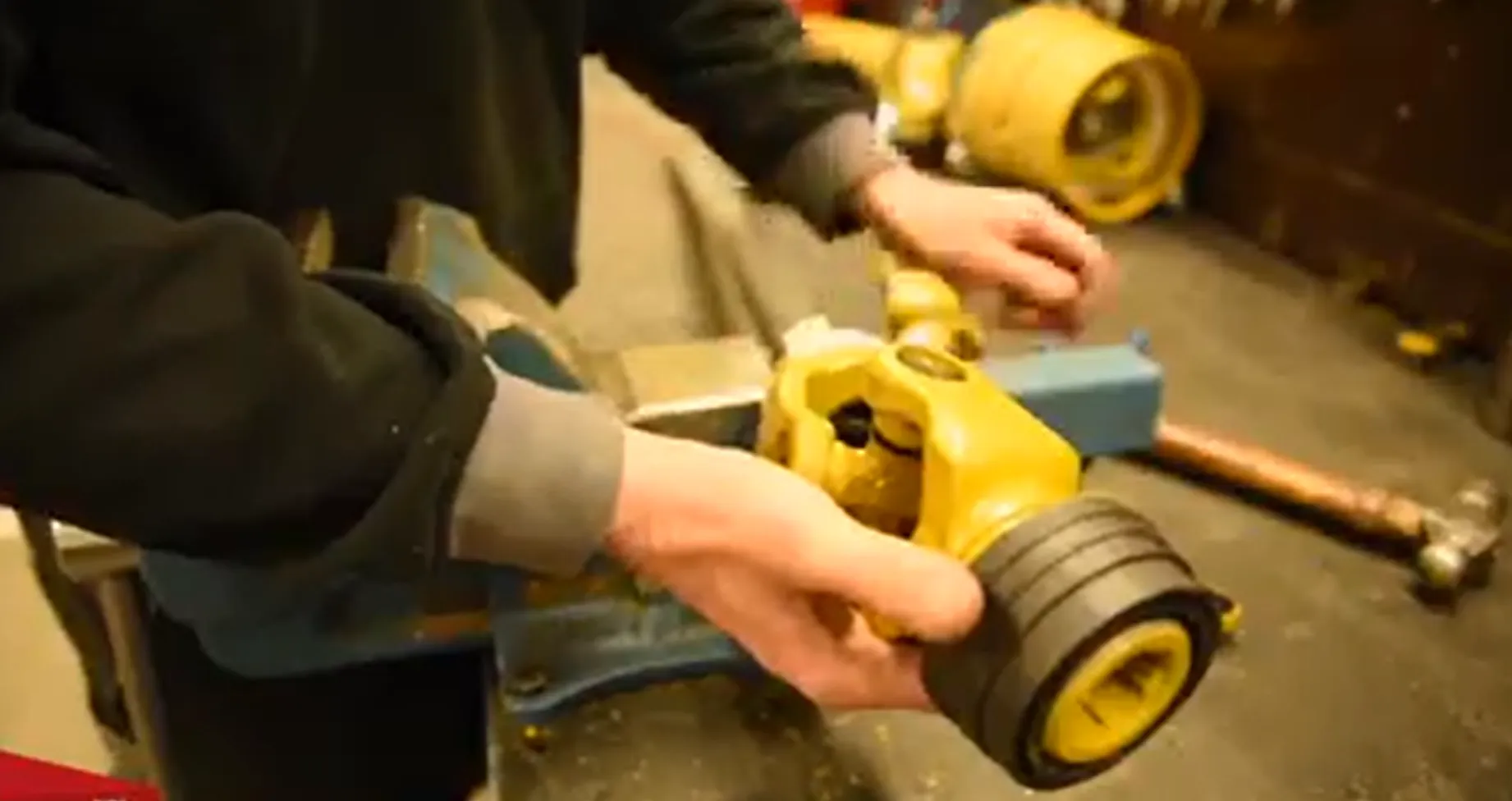
PTO Shaft Yoke Installation Precautions
1. Proper Alignment: Ensure that the PTO shaft yoke and the implement’s input shaft are properly aligned before installation. Misalignment can lead to excessive vibration, premature wear, and potential damage to the components. Align the yoke and the input shaft carefully to ensure a smooth and secure fit.
2. Secure Connections: Ensure that all connections, including the yoke-to-input shaft connection and the yoke-to-PTO shaft connection, are securely fastened. Use the appropriate locking mechanisms, such as pins or quick-release mechanisms, and double-check that they are engaged correctly. Loose connections can lead to power loss, inefficiency, and potential safety hazards.
3. Proper Lubrication: Apply the recommended lubrication to the PTO shaft yoke and its components before installation. Lubrication helps reduce friction and wear, ensuring smooth operation and extending the lifespan of the components. Follow the manufacturer’s guidelines regarding the type and amount of lubricant to use.
4. Safety Shield Installation: If the PTO shaft yoke is equipped with a safety shield or guard, ensure that it is properly installed. The safety shield helps prevent accidental contact with rotating parts, reducing the risk of injuries. Make sure it is securely fastened and provides adequate coverage to protect operators and bystanders.
5. Inspection of Components: Before installation, thoroughly inspect the PTO shaft yoke, the PTO shaft, and the implement’s input shaft for any signs of damage, wear, or deformation. Replace any worn or damaged components to ensure safe and reliable operation. Regularly inspect the components during use and follow the manufacturer’s recommended maintenance schedule.
PTO Shaft Yoke Maintenance and Lubrication
Proper maintenance and lubrication of PTO shaft yokes are crucial for their optimal performance and longevity. Here are some guidelines for maintaining and lubricating PTO shaft yokes:
(1) Regular Inspections: Perform routine inspections of the PTO shaft yoke to check for any signs of wear, damage, or misalignment. Look for cracks, bent components, or loose connections. If any issues are identified, repair or replace the damaged parts promptly.
(2) Cleanliness: Keep the PTO shaft yoke and its surrounding area clean. Remove dirt, debris, and other contaminants that can accumulate on the yoke. This helps prevent premature wear and ensures smooth operation.
(3) Lubrication: Apply lubrication to the PTO shaft yoke and its moving parts according to the manufacturer’s recommendations. Lubrication reduces friction, minimizes wear, and maintains smooth movement. Use the appropriate type and quantity of lubricant specified by the manufacturer.
(4) Lubrication Points: Pay attention to the lubrication points on the PTO shaft yoke. These points include bearings, cross joints, and sliding surfaces. Apply lubricant directly to these areas to ensure proper lubrication.
(5) Lubricant Selection: Select the lubricant based on the operating conditions and manufacturer’s recommendations. Consider factors such as temperature, load, and speed. Use lubricants designed for agricultural applications that provide good adhesion, resistance to water washout, and protection against corrosion.
(6) Regular Reapplication: Lubrication can deteriorate over time due to usage and environmental factors. Therefore, regularly reapply lubrication to the PTO shaft yoke as recommended by the manufacturer or maintenance schedule. This helps maintain an effective lubricating film and extends the life of the yoke.
(7) Safety Shield Maintenance: If the PTO shaft yoke is equipped with a safety shield or guard, regularly inspect and maintain it. Ensure that it is in good condition, securely fastened, and provides adequate coverage. Replace any damaged or worn shields promptly.
 |
 |
Edited by Yjx