
Robot Reducer (High Precision Cycloidal Gearbox)
Robot reducer is a precision transmission device designed specifically for robot joints. Its main function is to convert the high-speed rotational motion of the servo motor into low-speed, high-torque power output, thereby achieving precise positioning and efficient driving of the robot joints.
Robot reducer is a key transmission component installed at the joints of a robot. Its main function is to convert the high-speed rotation of the motor into a low-speed and high-torque output, thereby driving the robot’s joints to perform precise and powerful movements. In this field, High Precision Cycloidal Gearbox is a widely used type of precision reducer. It is generally divided into RV-E and RV-C series.
The difference between RV-E series and RV-C series:
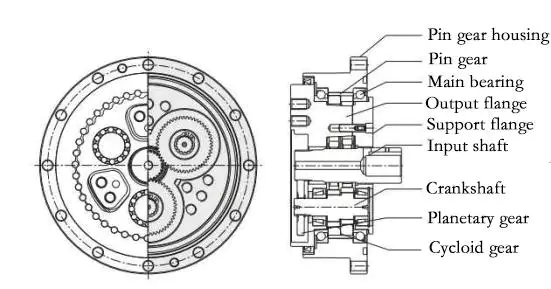
RV-E Series
This is a more traditional and classic cycloidal reducer series, known for its high rigidity, high precision and high torque density. The RV-E series usually has a high reduction ratio and strong load capacity, and is suitable for industrial robot joint applications that require extremely high precision and stability. They are designed for durability and reliability and are suitable for continuous operation in harsh industrial environments.
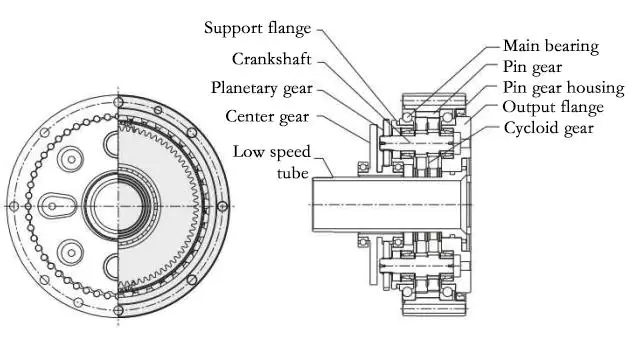
RV-C Series
Compared with the RV-E series, a notable feature of the RV-C series is the hollow design, which means that wires, air pipes, etc. can be passed through it, thus simplifying the robot The wiring reduces the interference of external pipelines, making the robot structure more compact and tidy. In addition, the hollow design also helps reduce the overall weight and increase the flexibility of the equipment, while the large-capacity main bearing helps shorten assembly time and maintenance cycles. The emergence of the RV-C series is an innovation in the traditional cycloidal reducer structure, which further promotes the optimization of robot design and performance improvement.
Compact Structure
It is composed of two parts: involute cylindrical gear planetary reduction mechanism and cycloid pinwheel planetary mechanism. It realizes ultra-flat shape and compact size.
High Precision
High precision is achieved through precision cycloid gears.
High Rigidity
The meshing ratio is increased and the load is dispersed, so the rigidity is extremely high.
High Efficiency
Set the appropriate pressure angle to achieve smooth movement and high efficiency.
LowBacklash
By optimizing the gaps between components, high-precision positioning with a backlash of less than 1 arcmin can be achieved.
Easy to Install.
Use the precision reducer RV for installation. Users can design the installation size according to the motor they purchase.
Application Examples
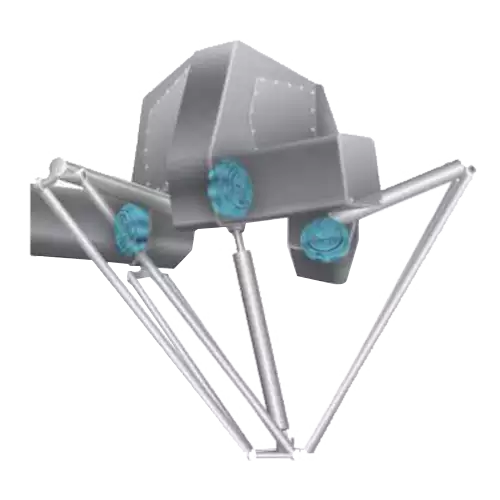
Parallel Robot
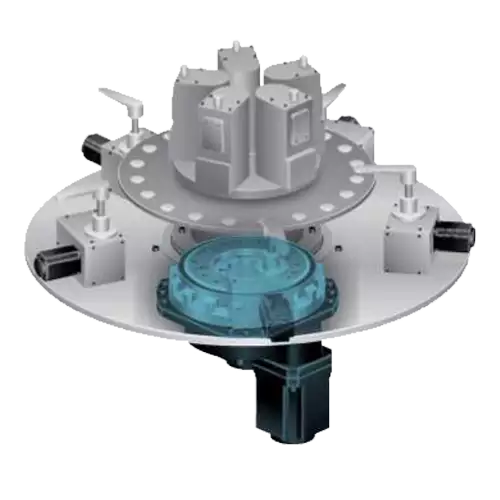
Spin Index Fixture
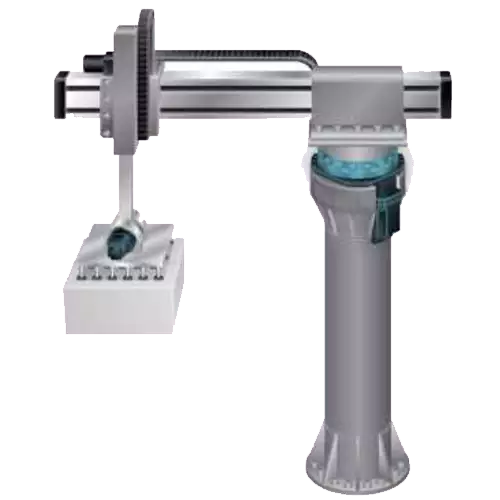
Stamping Robot
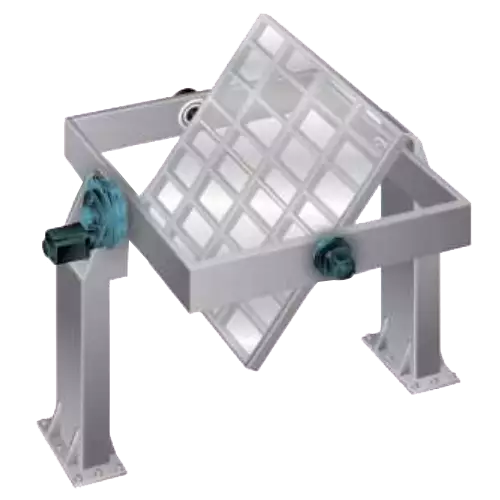
Testing Equipment
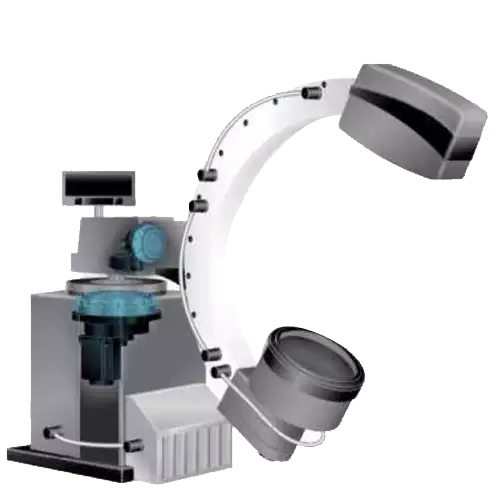
Medical Devices
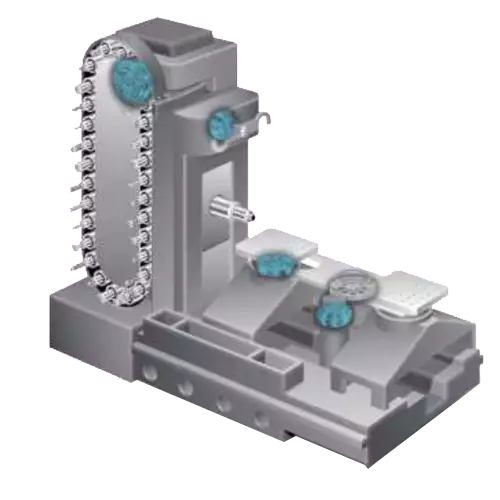
Lathe Tool Magazine
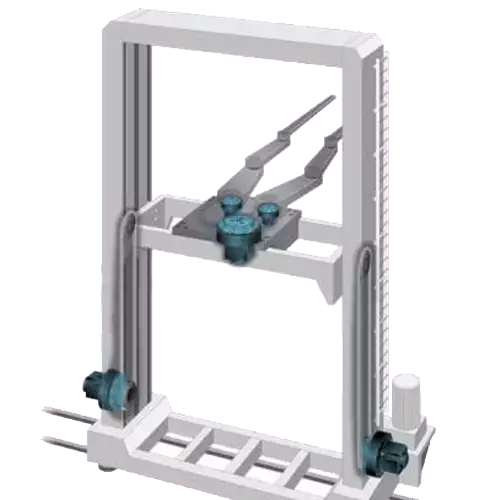
Stacker
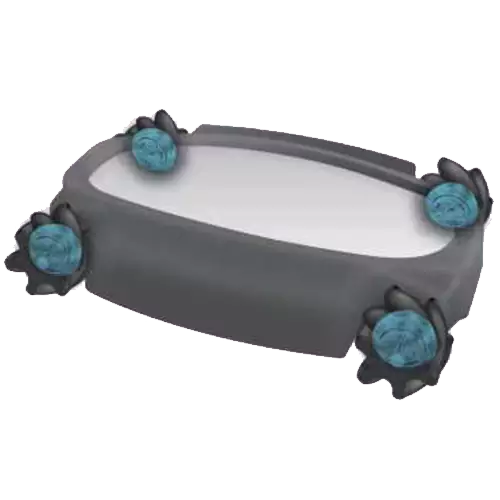
AVG Vehicles
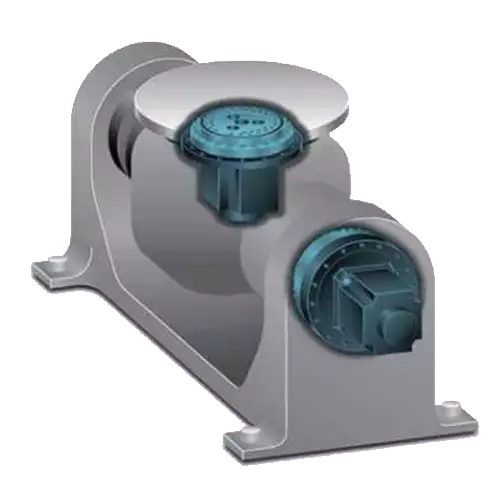
Positioner
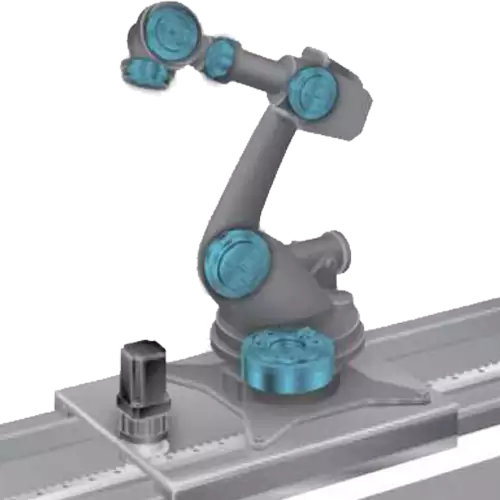
6-Axis Robot
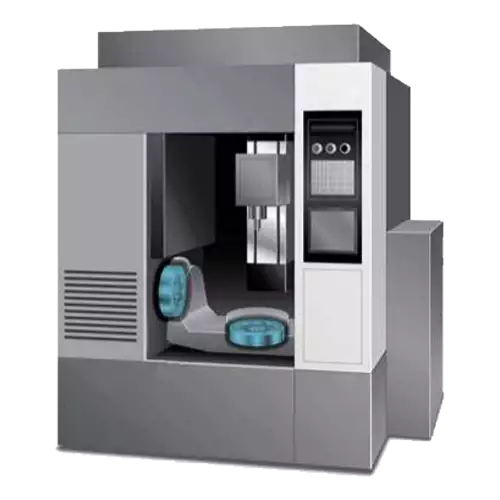
5-Axis CNC Lathe
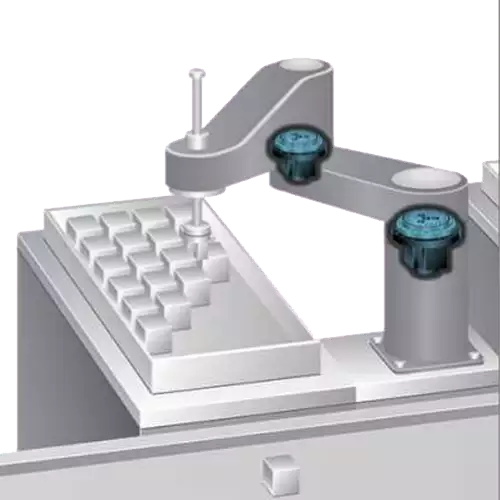
Robot
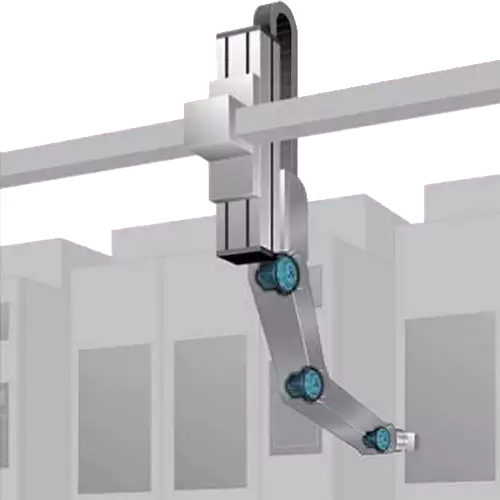
6-Axis Gantry Machine
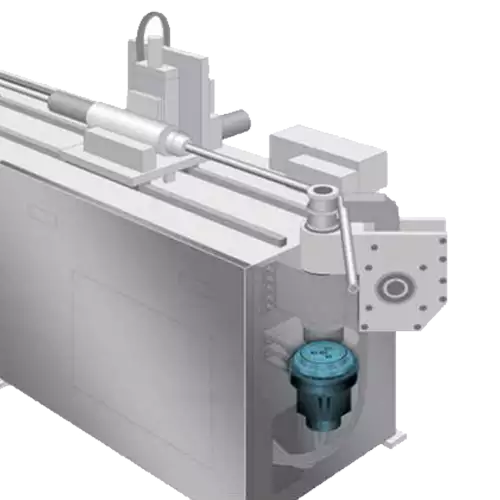
CNC Pipe Bending Machine
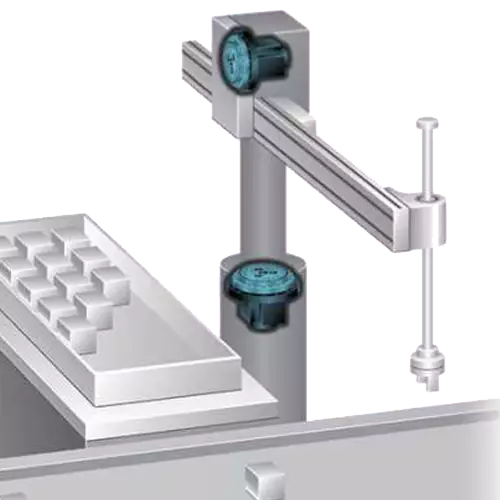
Lathe Tool Magazine
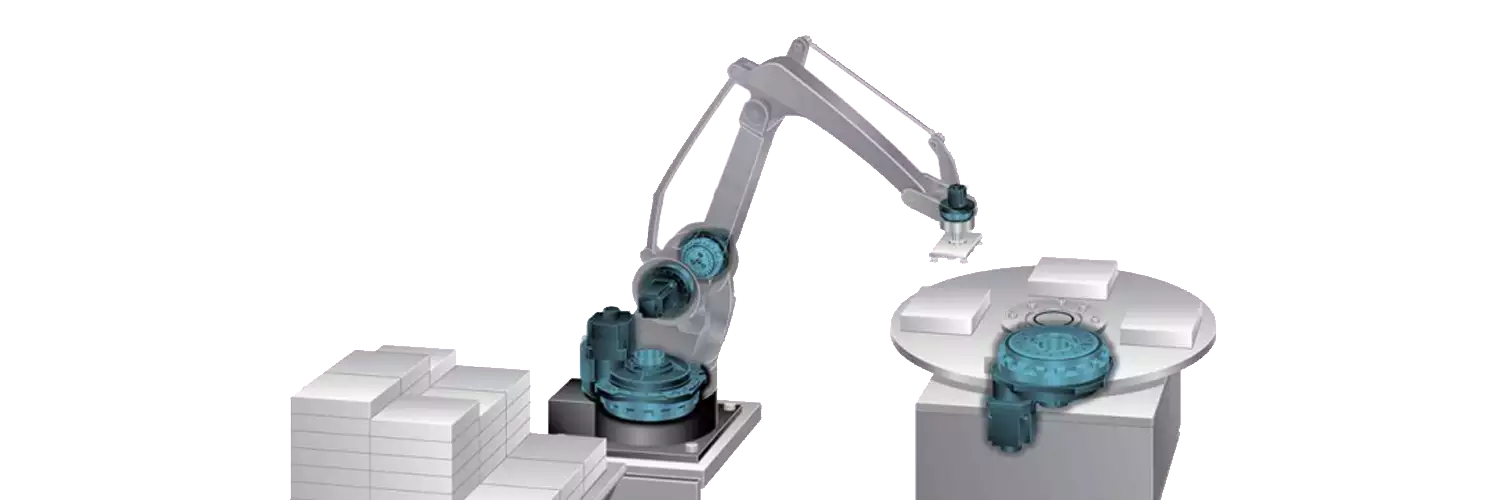
6-Axis & Positioner
The First Choice For Joint Drive
In robotics, cycloid reducers are the first choice for joint drives, mainly because their unique advantages perfectly match the requirements of robot joints for transmission systems.
- High torque carrying capacity: With high torque carrying capacity, especially in heavy-duty and high-power applications, it can effectively drive robot joints to complete high-load tasks, such as carrying heavy objects or performing high-resistance movements.
- High precision and rigidity: The structural design of the cycloid gear ensures extremely low backlash and provides high-precision motion control, which is essential for precise positioning and repeatability of robot joints. In addition, its strong rigidity is conducive to maintaining stable motion performance.
- Long life and durability: Due to the contact method of the gears and high-quality materials, the reducer can withstand high stress loads, has a long service life and low wear rate, and reduces maintenance costs.
- Wide range of reduction ratios: A wide range of reduction ratios can be provided to meet the different needs of different joints for speed and torque conversion.
E series output torque and efficiency
Rated torque refers to the output torque when the output speed is 18r/min, and the input power takes into account the efficiency of the reducer
Torque calculation formula T=9549*P*η/N (T: torque Nm; power: speed r/min; η: efficiency%)
C series output torque and efficiency
Rated torque refers to the output torque when the output speed is 18r/min, and the input power takes into account the efficiency of the reducer
Torque calculation formula T=9549*P*η/N (T: torque Nm; power: speed r/min; η: efficiency%)
How To Choose A Suitable Robot Reducer (High Precision Cycloidal Gearbox)
Selecting the right Robot reducer (high-precision cycloid gearbox) is a process of comprehensive consideration of multiple parameters and working conditions to ensure that it can perform optimally in a specific application and ensure efficient and stable operation of the robot. The following is a detailed guide to selecting the right reducer based on the steps you proposed:
1. Set the items required for selection
- Installation direction: Confirm the space limitations and direction (such as vertical, horizontal or inclined) where the reducer needs to be installed, because different installation methods may affect the lubrication and heat dissipation performance of the reducer.
- Equipment mass: Evaluate the total mass of the robot itself and other accessories, which determines the static load that the reducer needs to bear.
- Loaded working weight: Consider the weight of the items that the robot needs to carry or operate during work, which affects the load capacity of the reducer in dynamic operation.
- Operation conditions: Analyze the operation mode of the robot, including continuous operation, intermittent operation, frequent start and stop, etc., and whether it needs to accelerate or decelerate at a specific frequency.
2. Use environment confirmation
- Ambient temperature: Confirm the temperature range of the operating environment. Too high or too low temperature may affect the performance and life of the reducer. It is necessary to ensure that the temperature rise and operating temperature range of the selected reducer are suitable for the site conditions.
- Reducer surface temperature: Understand the surface temperature limit of the reducer when running at full load to avoid performance degradation or safety risks caused by heat accumulation.
3. Study the load of the reducer
- Calculate the inertia moment: Determine the total moment of inertia of the robot and the end load, and calculate the required reducer inertia matching based on this. The reducer inertia ratio (the ratio of reducer inertia to load inertia) is usually required to be within a reasonable range to reduce vibration and improve control accuracy.
- Torque calculation: Calculate the torque required for continuous operation and peak load based on load weight, acceleration, friction coefficient, etc.
- Inertia torque and load torque during acceleration and deceleration: During the acceleration or deceleration phase, consider the additional torque demand caused by inertia to ensure that the reducer can provide sufficient torque to cope with these transient loads.
- Calculate the average speed: Based on the robot’s operating cycle and motion requirements, calculate the expected average operating speed to select a reducer with a suitable reduction ratio to balance speed and torque requirements.
Other considerations
- Accuracy and backlash: Select the appropriate reducer grade according to the accuracy requirements of the robot application. High-precision applications usually require lower backlash.
- Maintenance and life: Consider the maintenance convenience and life expectancy of the reducer, and choose a product that is easy to maintain and durable.
- Cost-effectiveness: Under the premise of meeting performance requirements, comprehensively consider the initial investment and long-term operating costs.