
Silage Harvester
HZPT Machinery Co., Ltd. was built in 1989 to produce agricultural machinery. It develops step by step. 2005 developing PTO wood chipper and diesel wood chipper. soon, the diesel wood chippers are well sold to the world. At the same time, other tractor attachments were developed, such as finish mowers, slashers, road sweepers, and snow blowers. 2009 through it was a hard time all over the world, but two important things made us boom up —OEM road construction machines. and, most importantly, developing the mini round baler. After one year of testing, in 2010, it was brought to market and quickly became a success. the first year, over 200 units are exported. 2012 over 500 units are exported. rotary rake,finger wheel rake and bale wrapper were made into the haying machines family. 2013 because of the demand of development, two workshops came into service. disc mower is sent to market, and the first order is over 100 units. We got a CE certificate for the Wood chipper WC-8, Diesel wood chipper DWC-22, DWC-40, disc mower, hay rake, round baler, and bale wrapper. 2014 sales volume over $5 million. amount of products: over 2300 units of mini round balers; over 500 units of disc mowers. Over 600 units of rotary hay rakes and finger wheel rakes. Over 400 units of diesel wood chippers. at the end of 2014, we developed a larger round baler and tested it successfully. it was promoted in 2015. this makes us the No.1 manufacturer of haying machines and diesel wood chippers in China.
3 products lines: haying machines—disc mower, rotary hay rake, finger wheel rake, large round baler, mini round baler, bale wrapper; woodworking machines–PTO wood chipper, diesel wood chipper, log splitter; 3PT attachments for tractor—front end loader, backhoe, snow blower, road sweeper and etc.
Types of Silage Harvester for Sale
-
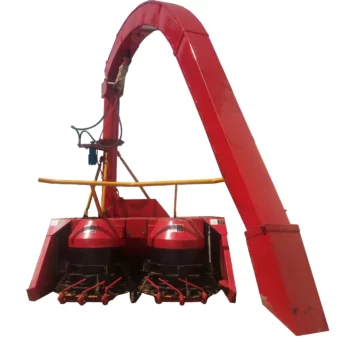
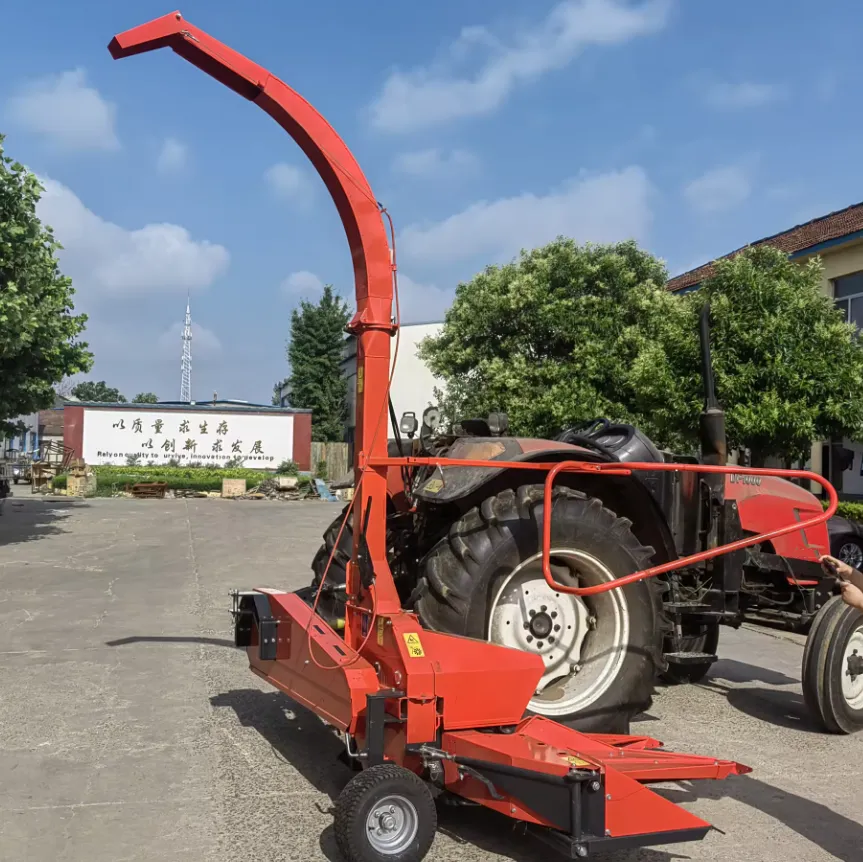
Silage Harvester for Corn Harving RXMC-80S RXMC 90 Twin
-
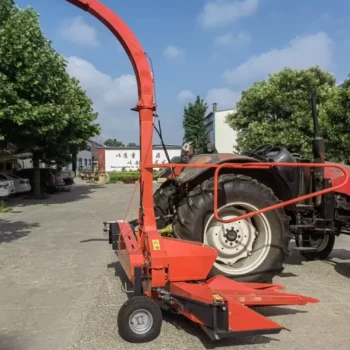
Single Row Forage Harvester for Corn Harving RXMC-80S RXMC 90 Twin
-
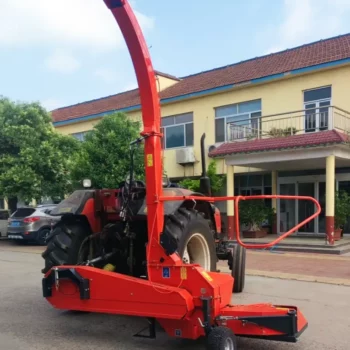
Silage Harvester/Forage Harvester for Corn Harvesting RXMC-80S RXMC 90 Twin
-
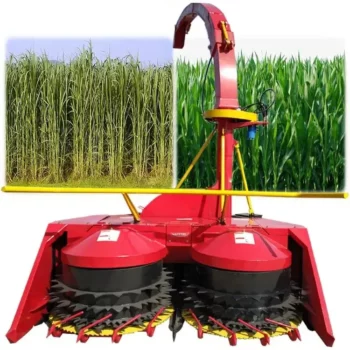
Forage Harvester for Corn and Sorghum Harving RXMC-80S RXMC 90 Twin
-
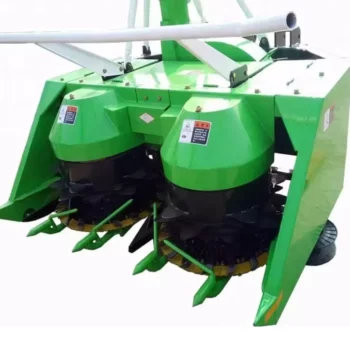
PTO Corn Silage Harvester for Corn Harving 4QX-1400 4QX-1800 4QX-2300
-
PTO Corn Silage Harvester for Corn and Sorghum Harvesting 4QX-1400 4QX-1800 4QX-2300
Advantages of Using the PTO Corn Silage Harvester
Using a PTO (Power Take-Off) corn silage harvester offers a range of advantages for agricultural operations, particularly in the efficient and effective harvesting of corn for silage. This machinery is designed to connect to the tractor’s PTO, harnessing the tractor’s power to operate. Here are some significant benefits:
1. Efficiency: The PTO corn silage harvester is designed to maximize efficiency in the silage harvesting process. It integrates with the tractor’s power take-off system, utilizing the tractor’s power to drive the harvester, resulting in efficient operation and reduced fuel consumption.
2. Cost-effective: By utilizing the existing tractor’s power, the PTO corn silage harvester eliminates the need for a separate engine or power source. This reduces the overall cost of equipment and maintenance, making it a cost-effective option for farmers.
3. Versatility: PTO corn silage harvesters are available in various models and sizes, allowing farmers to choose the one that best suits their specific needs. They can be easily attached to different tractor models, providing versatility and compatibility across a range of agricultural operations.
4. High productivity: PTO corn silage harvesters are designed to efficiently and effectively harvest corn crops. They feature specialized cutting mechanisms, adjustable header widths, and advanced crop handling systems, allowing for high productivity and faster harvesting speeds.
5. Reduced crop loss: The PTO corn silage harvester is designed to minimize crop loss during the harvesting process. It employs advanced technologies such as adjustable cutting heights, stalk choppers, and crop flow optimization systems to ensure maximum retrieval of the corn crop.
6. Improved forage quality: The PTO corn silage harvester is designed to deliver high-quality silage. It incorporates features such as precise cutting and chopping mechanisms, adjustable kernel processors, and effective packing systems, all of which contribute to improved forage quality and nutrient retention.
7. Time savings: The PTO corn silage harvester’s efficient design and high productivity translate into significant time savings during the harvesting process. Farmers can cover more ground in less time, allowing for timely harvesting and reducing the risk of crop damage due to adverse weather conditions.

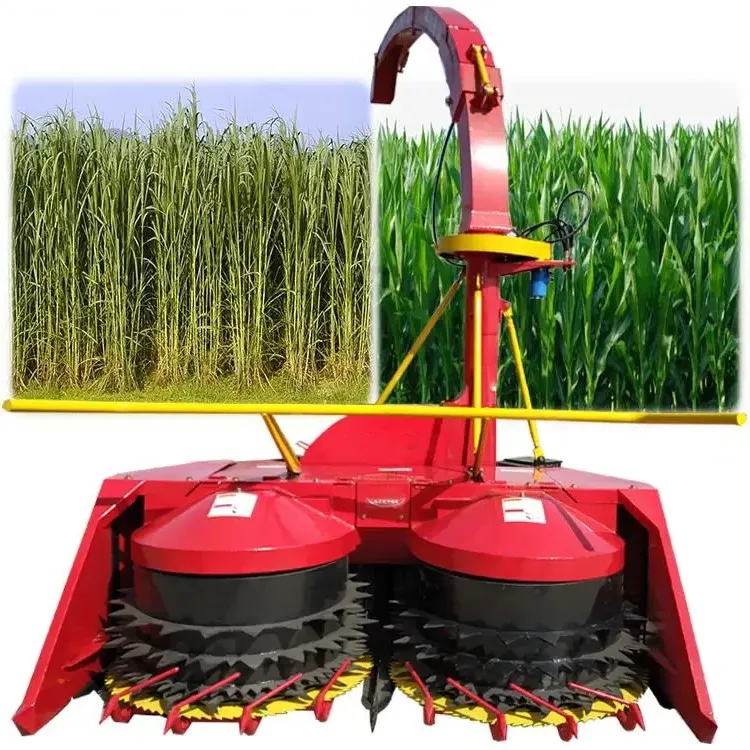
How Does the PTO Corn Silage Harvester Work?
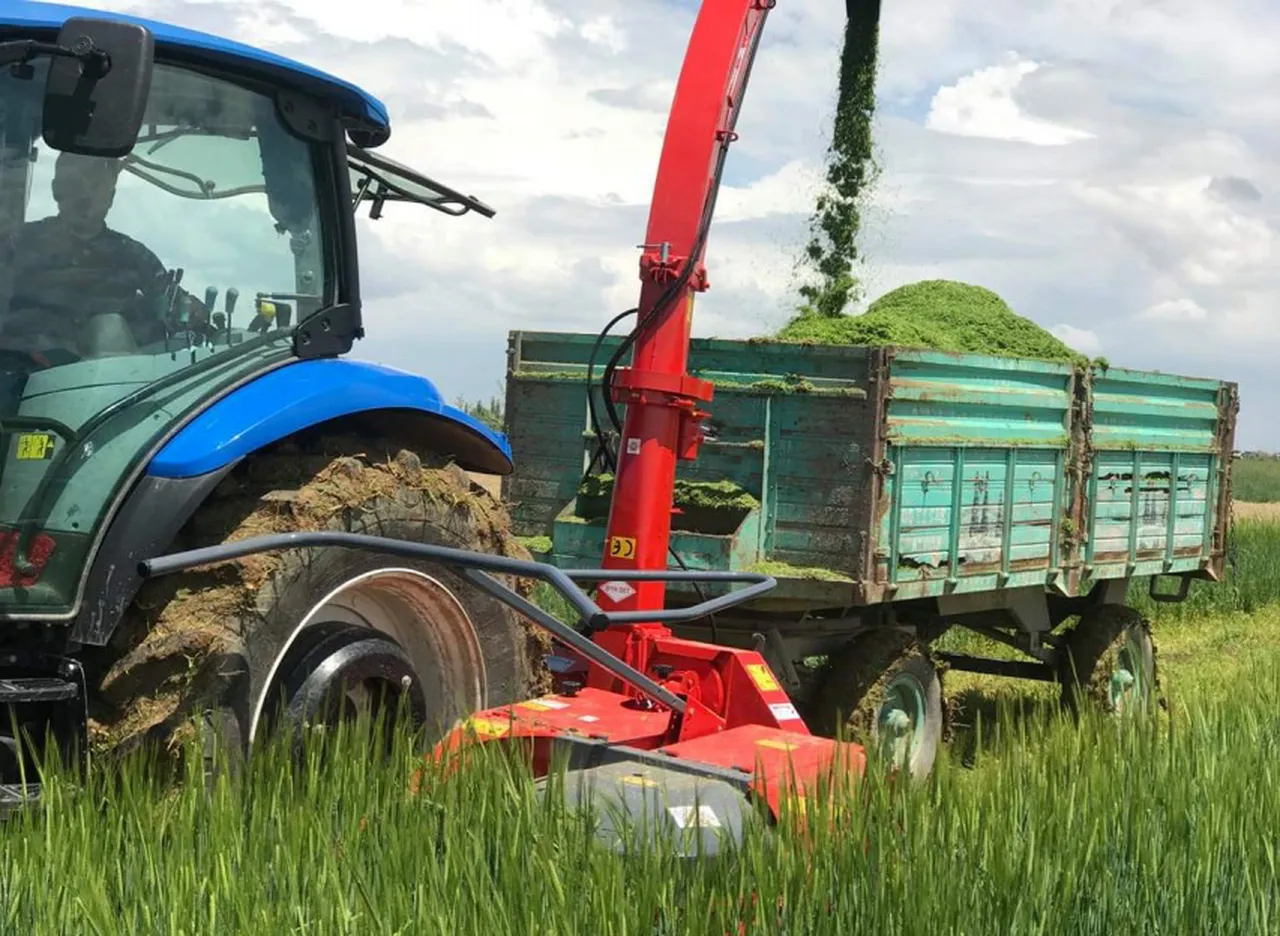
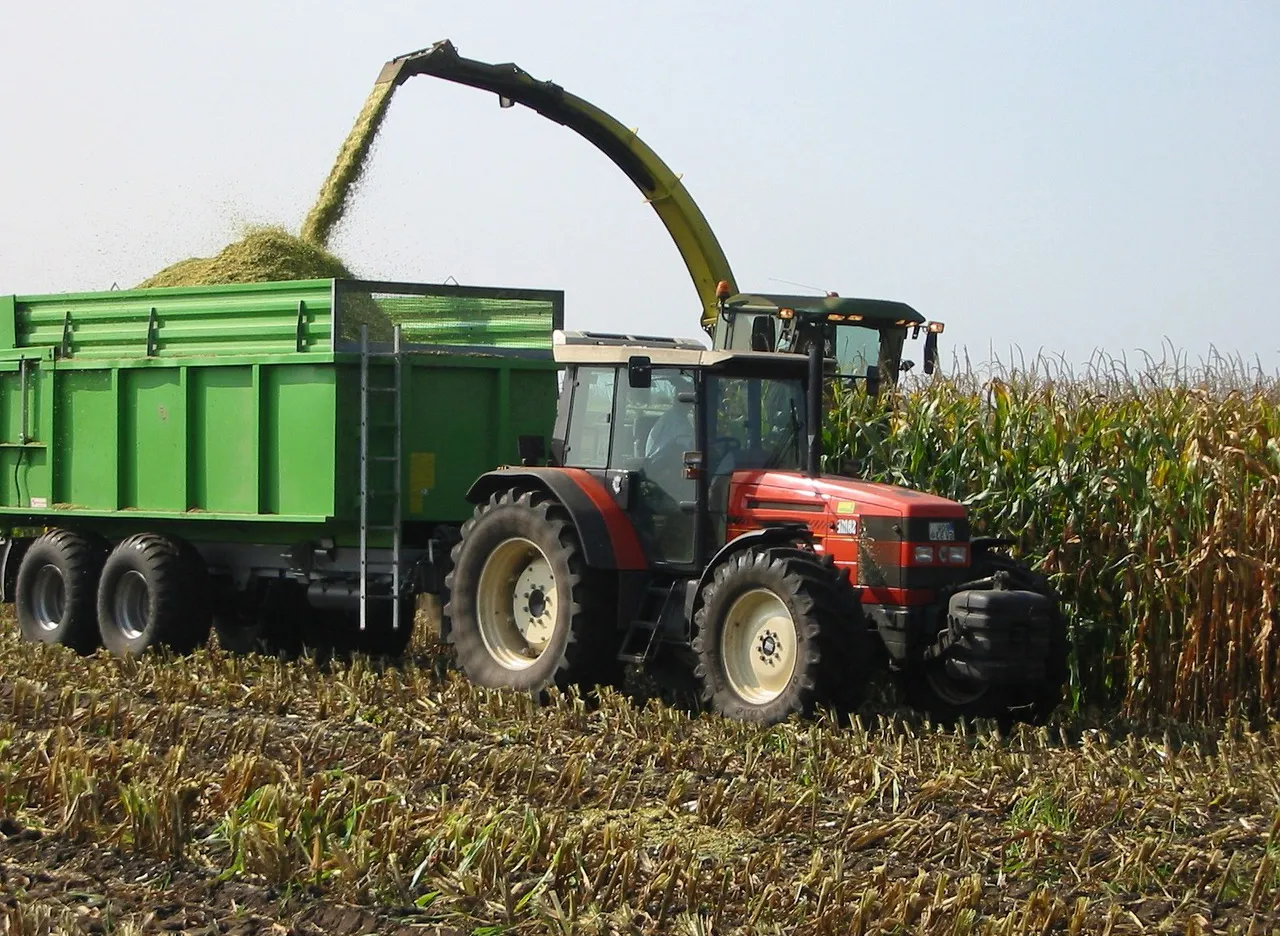
A PTO (Power Take-Off) corn silage harvester is a machine used to harvest and chop corn plants for silage production. It typically consists of several key components that work together to efficiently harvest and process the corn plants. Here’s a general overview of how a PTO corn silage harvester works:
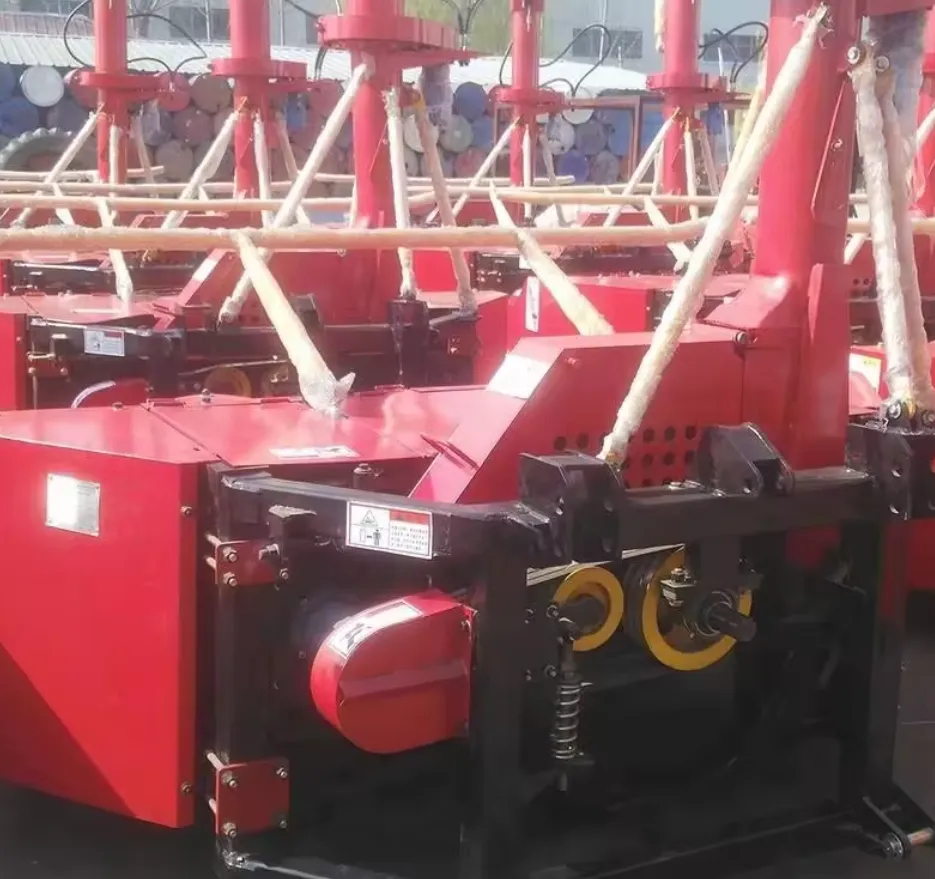
1. Attachment to Tractor: The PTO corn silage harvester is attached to a tractor using the power take-off shaft. The PTO shaft transfers power from the tractor’s engine to the harvester.
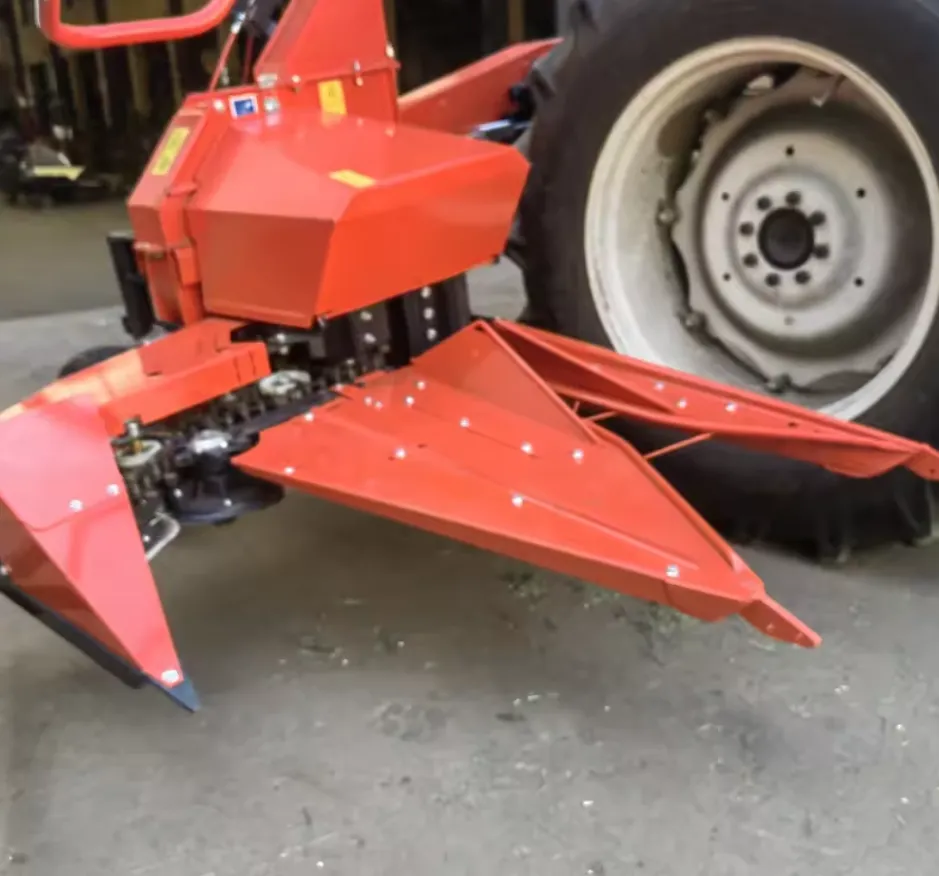
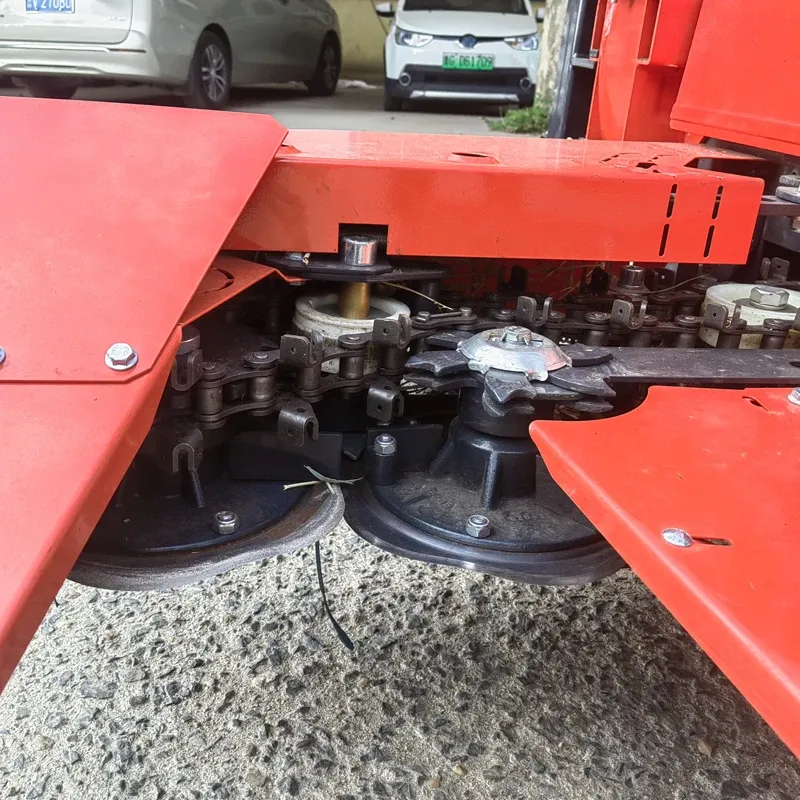
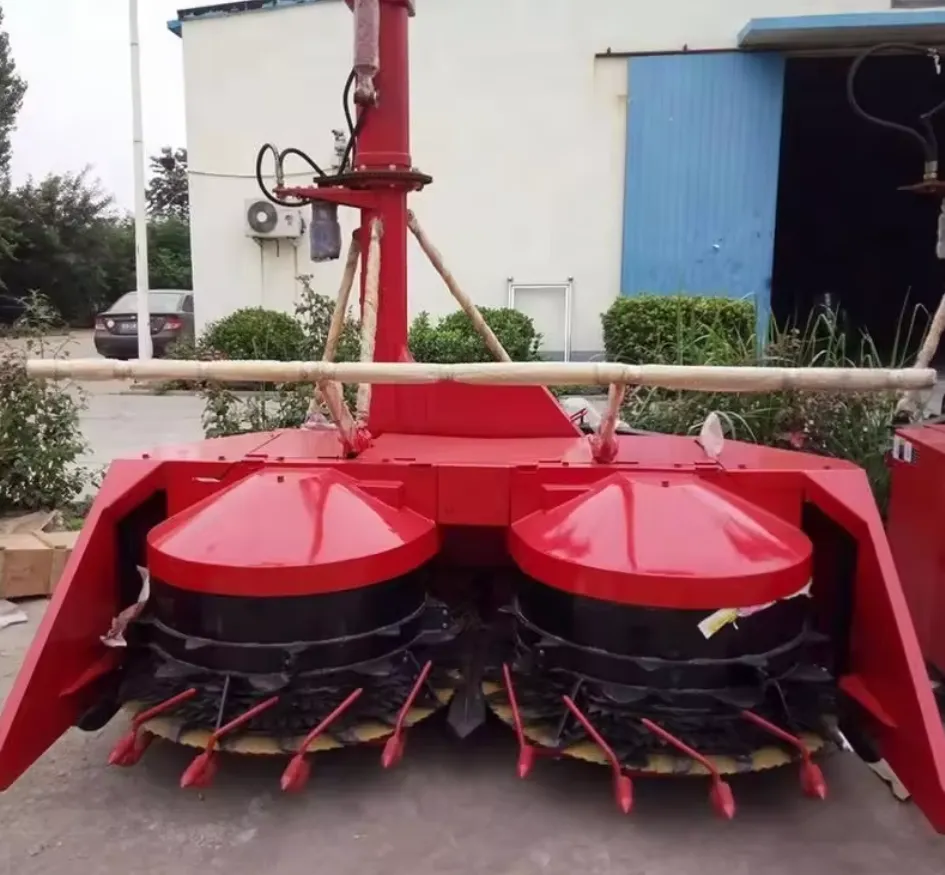
2. Cutting Mechanism: The harvester is equipped with a cutting mechanism, usually in the form of a row of rotating blades or a chopping head. As the harvester moves through the cornfield, the cutting mechanism cuts down the corn plants at the base, typically a few inches above the ground.
3. Gathering System: The harvester is designed to gather the cut corn plants efficiently. This can be achieved through various methods such as reel-type gathering systems or auger systems. These systems help pull the corn plants into the harvester for further processing.
4. Chopping and Processing: Once the corn plants are gathered into the harvester, they pass through a chopping mechanism. This mechanism consists of multiple knives or blades that cut the corn plants into small pieces, usually around 1-2 inches in length. The chopped corn plants are then transferred to a processing system within the harvester.
5. Blower or Conveyor System: The chopped corn plants are typically transported out of the harvester using a blower or conveyor system. In the case of a blower system, a high-speed fan blows the chopped corn into a wagon or truck for transportation to the silage storage area. Alternatively, a conveyor system can be used to move the chopped corn plants directly into a waiting trailer or transport vehicle.
6. Residue Disposal: After the corn plants are harvested and processed, the remaining residue, such as stalks and leaves, is discharged from the harvester. This residue can be left on the field or collected separately for other agricultural purposes, such as bedding for livestock or organic matter for composting.
A PTO corn silage harvester streamlines the process of converting corn stalks into silage, making it an indispensable machine for dairy and beef farmers relying on high-quality silage for livestock nutrition. Its design reflects a balance between mechanical efficiency, adaptability, and the nutritional needs of livestock.
Applications of Using the PTO Corn Silage Harvester
The PTO corn silage harvester is primarily used for harvesting corn crops and preparing them for silage production. Here are some of the key applications of using a PTO corn silage harvester:
(1) Silage production: The primary application of a PTO corn silage harvester is to harvest corn crops and process them into silage. Silage is a valuable feed source for livestock, providing essential nutrients throughout the year. The harvester efficiently cuts and chops the corn plants, facilitating the ensiling process.
(2) Livestock feed: Silage produced using a PTO corn silage harvester is commonly used as feed for livestock, particularly dairy cattle and beef cattle. The high moisture content and preserved nutrients in silage make it a nutritious and easily digestible feed option. The harvester ensures the efficient and timely production of high-quality silage for livestock feeding.
(3) Animal nutrition management: Using a PTO corn silage harvester allows farmers to have better control over the nutritional content of the feed provided to their animals. They can adjust the cutting height and chopping length to optimize the nutritional composition of the harvested corn crop. This helps in meeting the specific dietary requirements of different livestock categories.
(4) Crop management: The use of a PTO corn silage harvester aids in efficient crop management. It allows farmers to harvest corn at the optimal stage of maturity, ensuring maximum nutrient value and yield. Harvesting at the right time helps manage weed control, harvest logistics, and crop rotation plans, optimizing overall farm operations.
(5) Soil health and conservation: Harvesting corn for silage with a PTO corn silage harvester involves chopping the whole plant, including the stalks and leaves, which are left as crop residue in the field. This residue helps improve soil health by adding organic matter and enhancing soil structure, moisture retention, and nutrient cycling. It also aids in reducing soil erosion and conserving soil moisture.
(6) Crop diversification: In addition to corn, the PTO corn silage harvester can often be used to harvest other forage crops such as sorghum, grasses, or small grains. This allows farmers to diversify their crop rotations and expand their feed options, providing flexibility in livestock nutrition management.
How to Install the Silage Harvester to Tractor?
Installing a PTO (Power Take-Off) silage harvester to a tractor involves several steps to ensure a secure connection and safe operation. Here’s a general guide on how to do it. Note that specific models may have different requirements, so always refer to the manufacturer’s manual for detailed instructions.
Step 1: Position the Harvester
- Align with Tractor: Position the tractor close to the harvester. Ensure the area is level and stable to avoid any shifts during the connection process.
Step 2: Hitch the Harvester to the Tractor
- Connect to the Hitch: Back the tractor up to the harvester’s drawbar or hitch point. Lower the tractor’s hitch mechanism and insert the hitch pin through the drawbar and hitch. Secure it with a locking pin or clip.
- Safety Chains: If the harvester is equipped with safety chains, attach them to the tractor as an additional safety measure.
Step 3: Connect the PTO Shaft
- Align the PTO Shaft: Ensure the PTO shaft on the harvester aligns with the tractor’s PTO stub. The shaft might need to be adjusted to the correct length to fit properly.
- Secure the PTO Shaft: Attach the PTO shaft to the tractor’s PTO stub, making sure the locking mechanism clicks into place. Double-check to ensure it’s securely attached.
Step 4: Connect Hydraulic Lines (If Applicable)
- Identify Hydraulic Connections: Locate the hydraulic outlets on the tractor and the corresponding inlets on the harvester.
- Attach Hydraulic Hoses: Connect the hydraulic hoses from the harvester to the tractor’s hydraulic outlets. Make sure the connections are tight and secure to prevent leaks.
Step 5: Connect Electrical Wiring (If Applicable)
- Electrical Connections: If the harvester has electronic controls or lighting that requires a connection to the tractor, connect the harvester’s electrical plug to the tractor’s electrical outlet.
Step 6: Final Checks
- Check All Connections: Review all hitch, PTO, hydraulic, and electrical connections to ensure they are secure.
- Safety Inspection: Verify that all safety pins are in place and that safety shields over the PTO shaft and other moving parts are secure.
- Test Operation: Start the tractor and engage the PTO at a low speed to test the harvester’s operation. Check for any unusual noises or movements and ensure the harvester is functioning correctly before full operation.
PTO Corn Silage Harvester Common Troubleshooting
Troubleshooting common issues with a PTO corn silage harvester involves identifying and addressing problems that can arise during its operation. Here’s a guide to help you diagnose and solve some frequent challenges:
1. Harvester Not Engaging or Operating
- Check PTO Connection: Ensure the PTO shaft is securely connected to both the tractor and the harvester. Inspect for any damage or misalignment.
- PTO Speed: Verify that the tractor’s PTO is set to the correct speed for the harvester’s operation.
- Safety Switches: Some models have safety switches that need to be engaged for the harvester to operate. Check these switches for proper function.
2. Uneven or Incomplete Cutting
- Blade Condition: Inspect the cutting blades for dullness or damage. Replace or sharpen blades as necessary.
- Cutting Height Adjustment: Adjust the cutting height to ensure even and complete cutting of the stalks.
- Feed Rate: Ensure the tractor’s speed matches the recommended feed rate for the harvester to prevent overloading or underfeeding.
3. Clogging or Jamming
- Material Build-up: Check for and clear any material build-up in the cutting or processing areas. Regularly clean these areas to prevent clogs.
- Chop Length Setting: If the chop length is set too short for conditions, it may lead to clogging. Adjust the chop length as per the crop conditions and harvester capabilities.
- Overloading: Ensure the harvester is not being overloaded by adjusting the speed of the tractor and the flow of crop into the harvester.
4. Inconsistent Chop Length
- Chopping Mechanism Adjustment: Verify that the chopping mechanism is correctly adjusted for the desired chop length.
- Wear and Tear: Inspect chopping blades or rollers for wear and replace them if necessary.
- Kernel Processor Alignment: If equipped with a kernel processor, check its alignment and gap settings to ensure consistent processing.
5. Excessive Vibration
- Driveline Issues: Inspect the driveline and PTO shaft for misalignment, imbalance, or damage. Repair or replace as necessary.
- Worn Bearings: Check all bearings for wear and lubricate or replace them as needed.
6. Harvester Discharge Problems
- Spout Blockage: Clear any blockages in the discharge spout or chute that may impede the flow of silage.
- Discharge Spout Adjustment: Adjust the position or angle of the discharge spout for optimal flow to the collection vehicle or container.
Othe Types of Agricultural Equipment
Our main products are PTO shafts, agricultural gearboxes, large round baler, mini round baler, PTO wood chipper, diesel wood chipper, corn seeder, drum mowers, rotary hay rakes, flail mowers, lawn mowers, sickle bar mowers, rotary mowers, rotary tillers, land levelers, fertilizer spreaders, furrow ploughs, disc harrows, disc blades, disc ridgers, disc ploughs, potato planters, potato harvester, wheat seeder, vegetable seeder, post hole diggers, boom sprayers, agricultural subsoiler, agricultural trailers, disc mower, finger wheel rake, log splitter, front end loader, backhoe, snow blower, road sweeper, etc. The above series of products are complete in specifications, excellent in performance, and reliable in quality.
Our products are sold all over the country and are exported to many countries and regions in Europe, America, Africa, the Middle East, and Southeast Asia all year round. We offer a range of professional, international certifications, customized services, state-of-the-art production facilities, and dependable after-sales services.


Last Update Knowledge & News
No Results Found
The page you requested could not be found. Try refining your search, or use the navigation above to locate the post.
Edited by Yjx