
Tractor Front & End Loader Hydraulic Cylinder
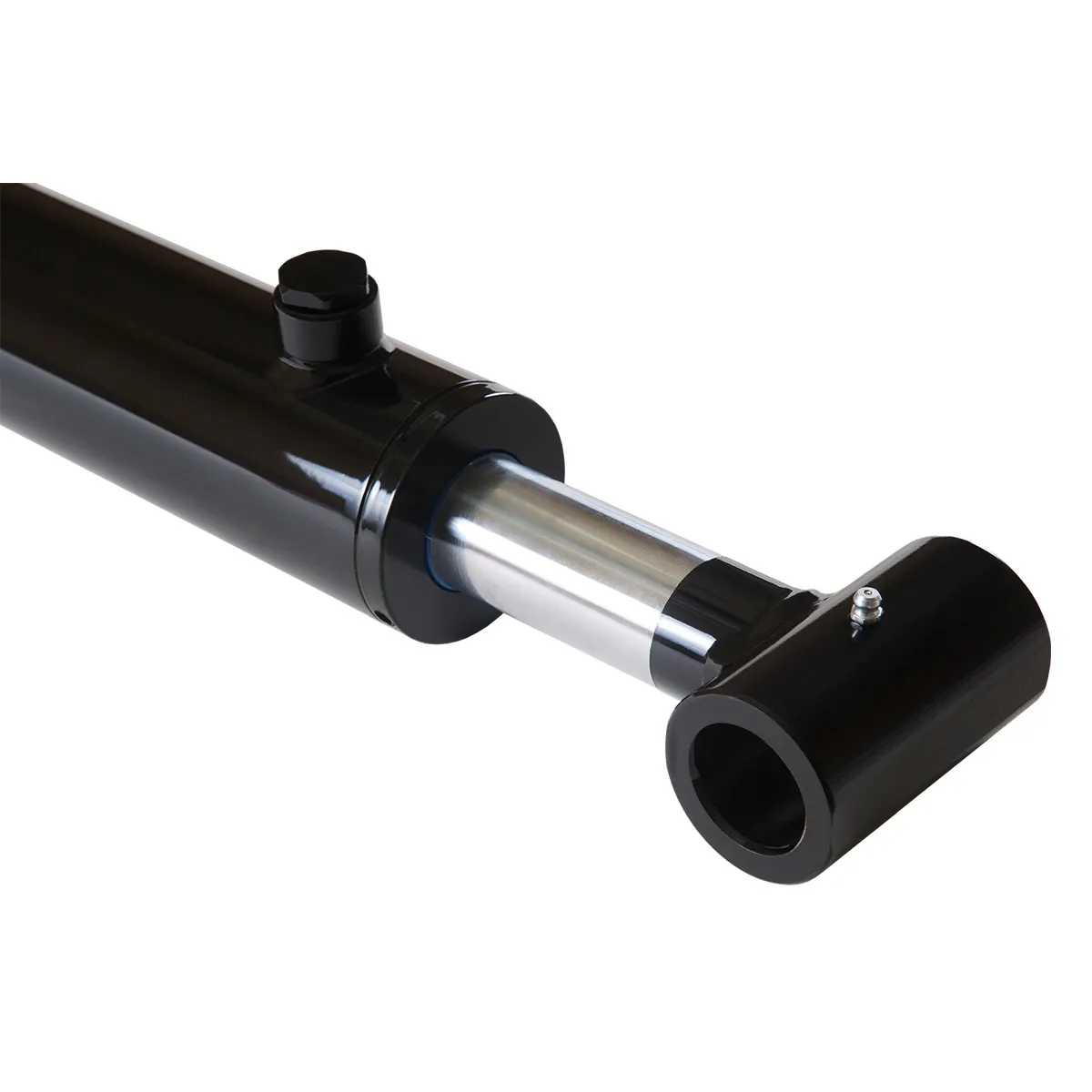
The tractor front end loader hydraulic cylinder is a vital component in modern agricultural machinery. Designed specifically for tractors equipped with front-end loaders, this hydraulic cylinder plays a crucial role in facilitating efficient lifting, carrying, and dumping of various materials.
Its robust construction, powerful lifting capacity, and precise control capabilities make it an essential tool for farmers and operators. Whether you need to lift heavy loads, transport materials, or handle various tasks on your tractor front-end loader, the tractor front end loader hydraulic cylinder is a reliable and efficient solution that enhances efficiency and performance in agricultural operations.
Hydraulic Cylinder Production Area
Visit our VR hydraulic cylinder factory:
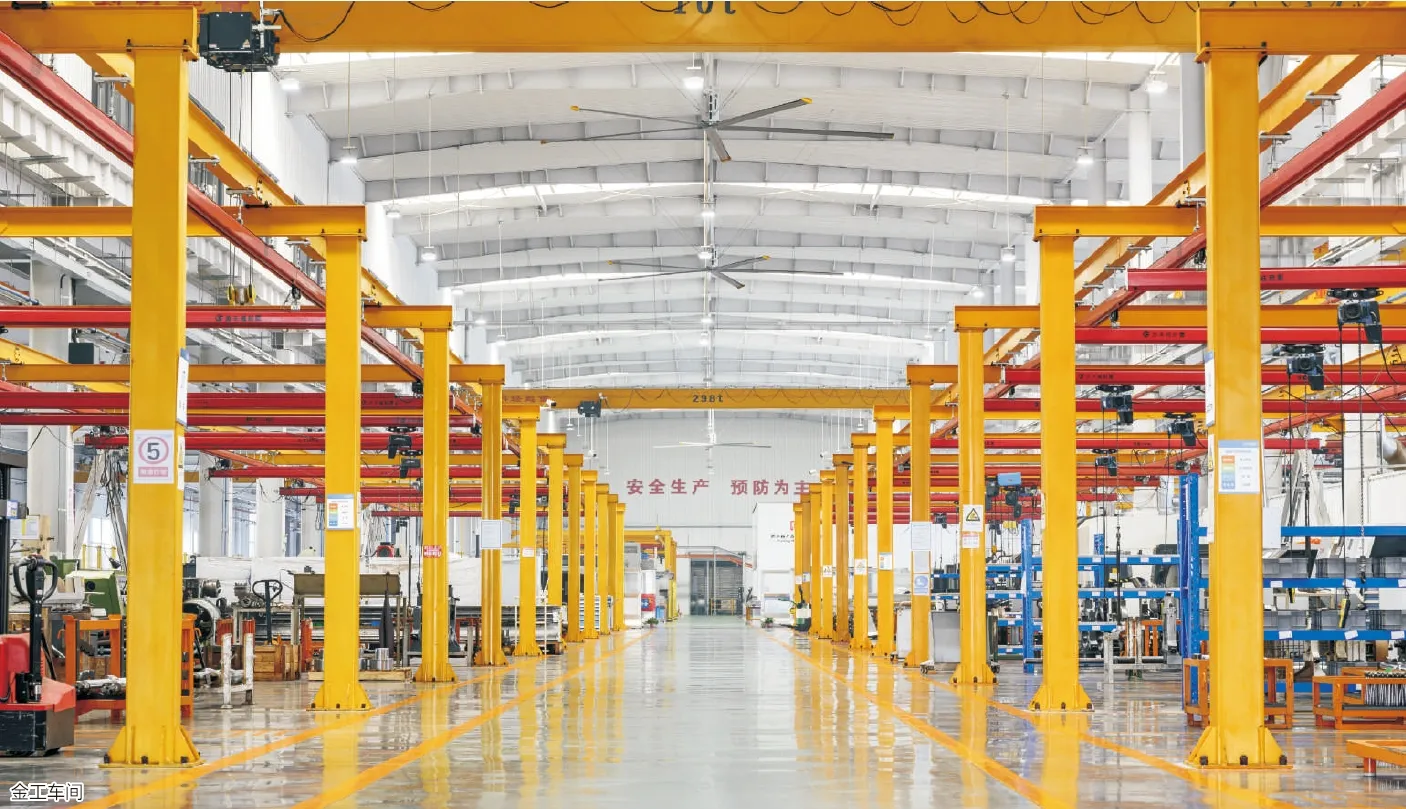
Metalworking Shop
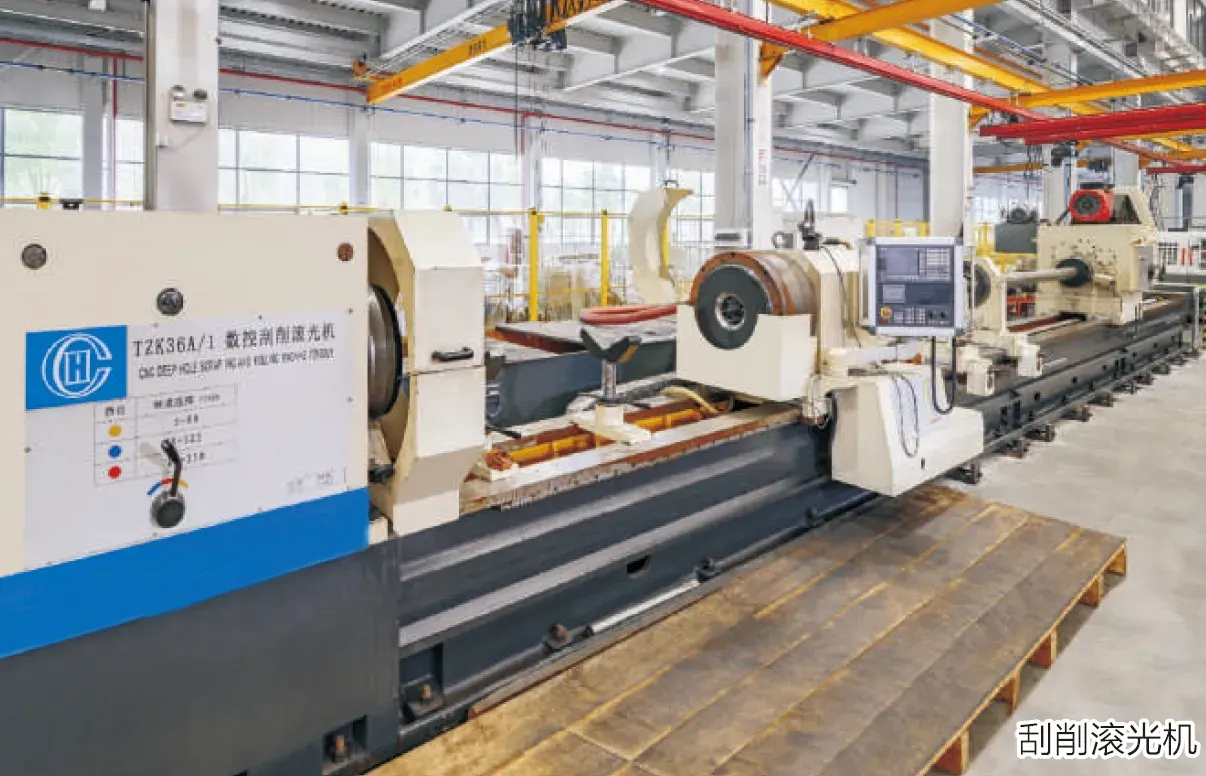
Scraping And Rolling Machine
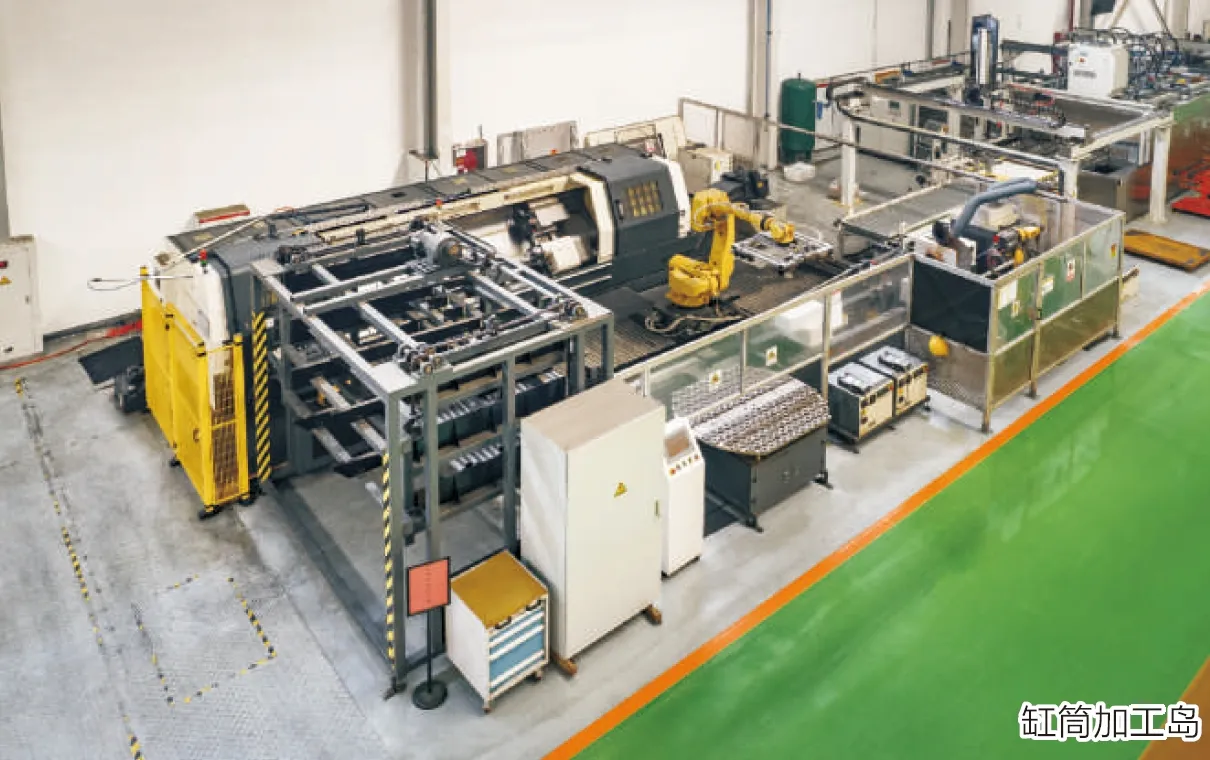
Cylinder Processing Machine
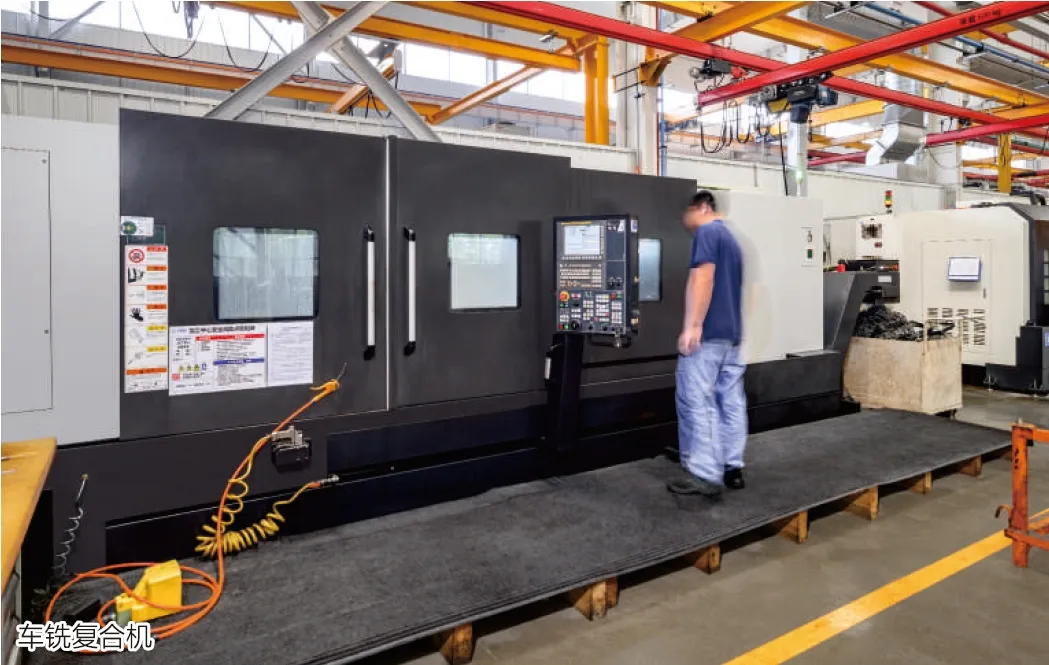
Turning And Milling Compound Machine
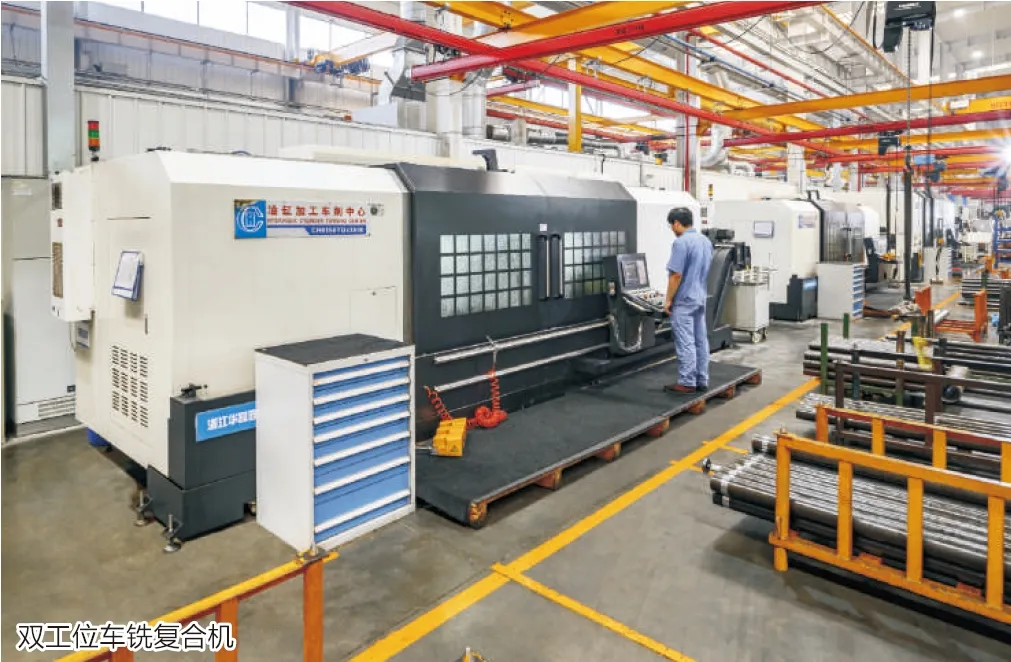
Double Station Turning And Milling Compound Machine
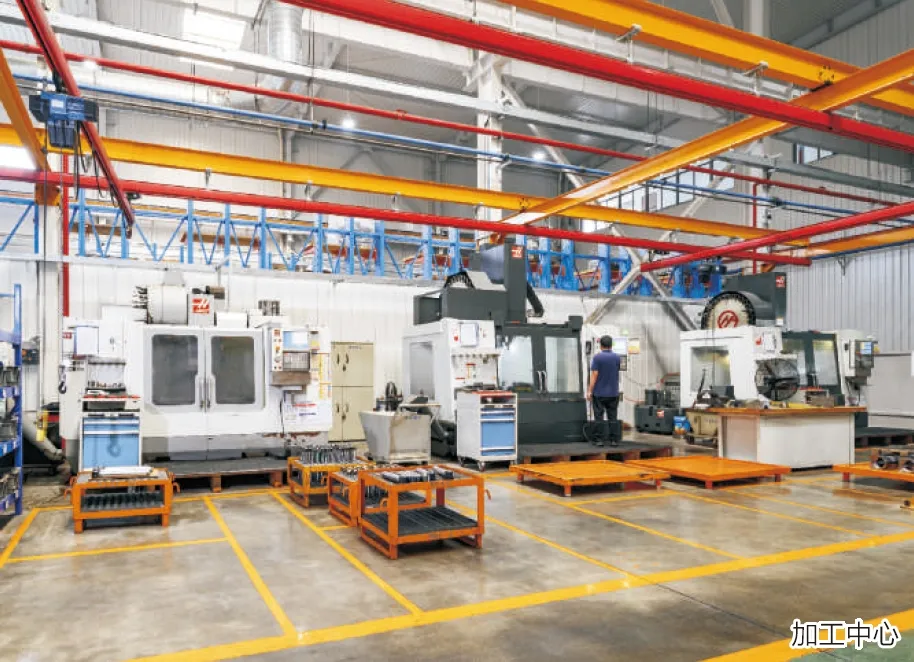
Machining Center
We have first-class independent R&D platform for assembly. The forklift cylinder production workshop has 4 semi-automatic lifting cylinder assembly lines and 1 fully automatic tilting cylinder assembly line, with a designed annual production capacity of 1 million pieces; the special cylinder workshop is equipped with semi-automatic cleaning and assembly systems of various specifications, with a designed annual production capacity of 200,000 pieces.
It is equipped with famous brand CNC machining equipment, machining centers, special equipment for high-precision cylinder processing, robot welding machines, automatic cleaning machines, automatic cylinder assembly machines and automatic paint production lines. We have more than 300 sets of key equipment running. The optimized allocation and efficient utilization of equipment resources ensure the precision requirements of the products and meet the high standard quality requirements of the products.
Tractor Loader Hydraulic Cylinders For Sale
Showing 1–16 of 2402 resultsSorted by latest
-
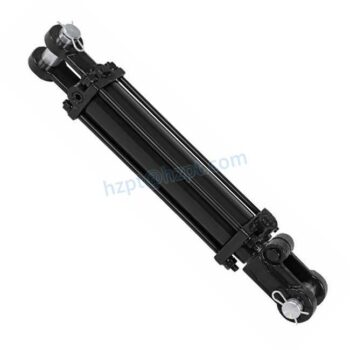
TR-3000PSI Tie-rod Hydraulics Cylinder
-
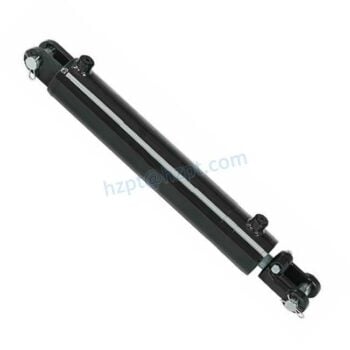
WP-3000PSI Adjustable Clevis Type Hydraulics Cylinders
-
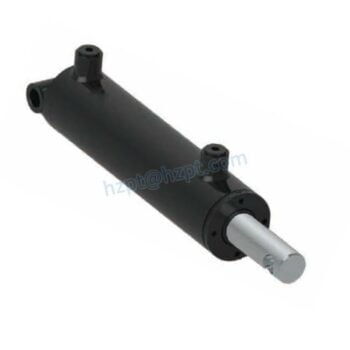
WP-3000PSI Welded Through Hole Type Cylinders Hydraulic
-
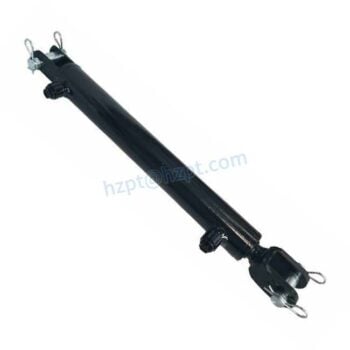
WC-3000PSI Welded Clevis Type Hydraulic Cylinder
-
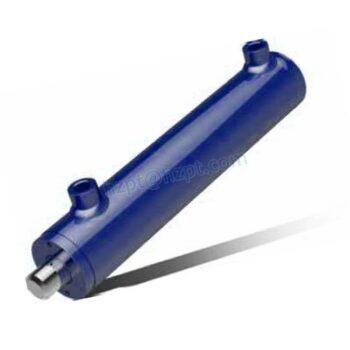
KWA Double Acting Hydraulic Cylinder Without Ends
-
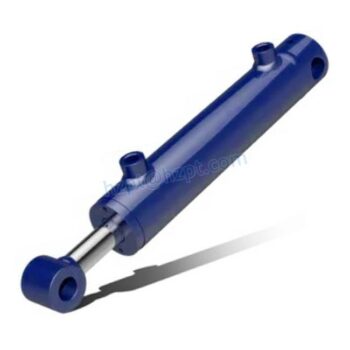
KWB Double Acting Hydraulics Cylinder with End Plug Hole
-
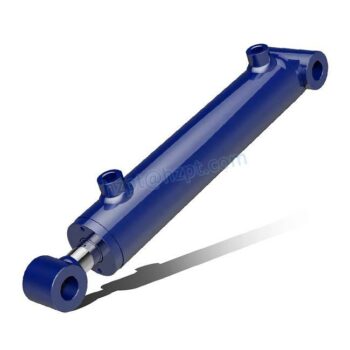
KWC Double Acting Hydraulics Cylinder With Tube Ends
-
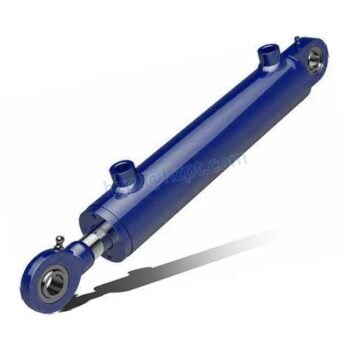
KWD Double Acting Hydraulic Cylinder With Agricultural Ball Joints
-
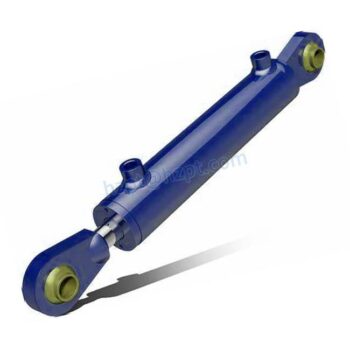
KWE Double Acting Hydraulic Cylinder With Industrial Ball Joints
-
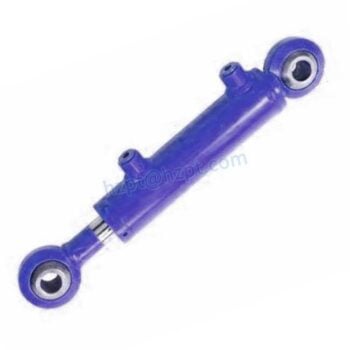
KWF Double Acting Hydraulics Cylinder With GE Rings for Ball Joints
-
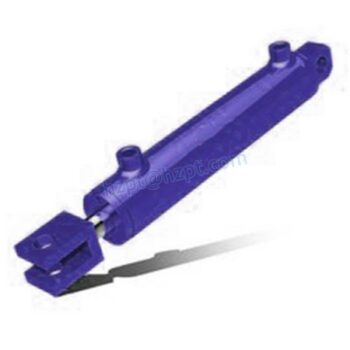
KWG Double Acting Hydraulics Cylinder With Clevis And Fork
-
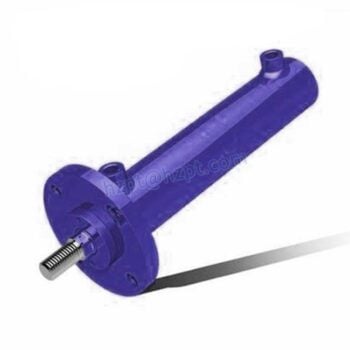
KWH Double Acting Hydraulics Cylinder With Front Flange
-
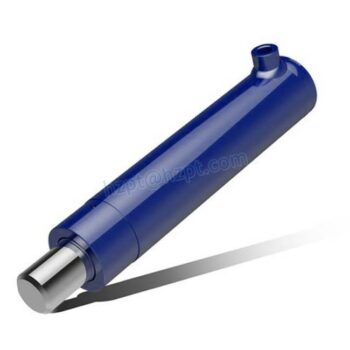
KWI Plunger Hydraulic Cylinder Without Ends
-
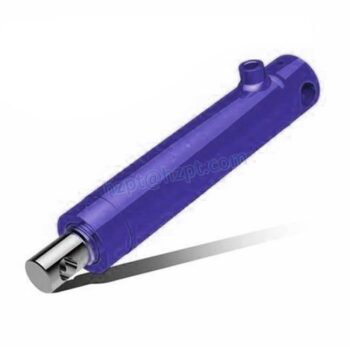
KWJ Plunger Hydraulic Cylinder With End Plug Hole
-
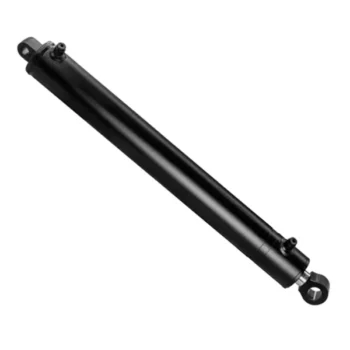
Hydraulic Cylinder for Lifting and Flipping the Grain Tank
-
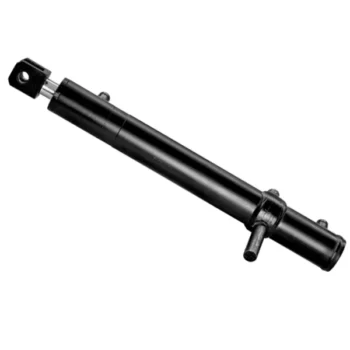
Hydraulic Cylinder for Pallet Lifting
How To Bleed Hydraulic Cylinder On A Tractor?
Bleeding a hydraulic cylinder on a tractor involves removing air bubbles or trapped air from the hydraulic system to ensure proper operation and prevent issues like spongy or inconsistent hydraulic performance. Here’s a step-by-step guide on how to bleed a hydraulic cylinder on a tractor:
Safety First: Before starting any maintenance procedure, ensure the tractor is turned off, the hydraulic system is depressurized, and all safety precautions are followed.
Locate Bleeder Valve: Identify the bleeder valve on the hydraulic cylinder. This valve is typically located near the top or on the side of the cylinder and may have a small rubber cap covering it.
Prepare Tools: Gather the necessary tools, which may include a wrench, bucket or container, and protective gloves.
Position Container: Place a container or bucket beneath the bleeder valve to catch any hydraulic fluid that may be released during the bleeding process.
Open Bleeder Valve: Using a wrench, carefully loosen the bleeder valve by turning it counterclockwise. Be cautious not to fully remove the valve at this stage.
Pump Hydraulic System: Start the tractor and engage the hydraulic system. Operate the hydraulic controls, such as the hydraulic lever or joystick, to activate the cylinder you want to bleed. This will help to circulate the hydraulic fluid and purge any air trapped in the system.
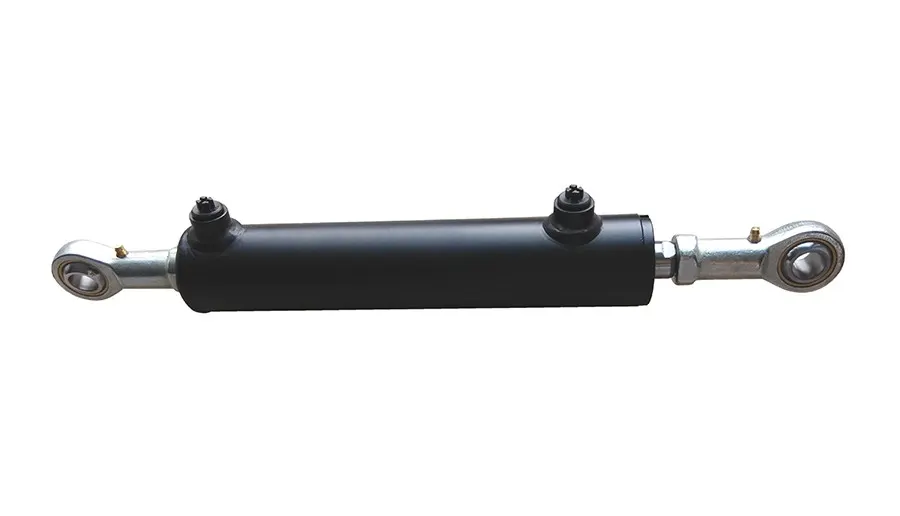
Monitor Fluid Flow: As you operate the hydraulic controls, you may notice air bubbles or foaming in the hydraulic fluid. Allow the fluid to flow through the bleeder valve until a steady stream with no or minimal air bubbles is observed. This indicates that the air is being purged from the system.
Tighten Bleeder Valve: Once the hydraulic fluid flows steadily without air bubbles, carefully close the bleeder valve by turning it clockwise until it is snug. Avoid over-tightening to prevent damage to the valve.
Check Fluid Level: After bleeding the hydraulic cylinder, verify the hydraulic fluid level in the reservoir. Add fluid if necessary, following the manufacturer’s recommendations.
Test Operation: Turn off the tractor and perform a test operation of the hydraulic cylinder. Check for any abnormalities, such as spongy or inconsistent performance. If the issue persists, repeat the bleeding process or consult a qualified technician for further assistance.
Two Basic Types And Working Principles Of Hydraulic Cylinders
How To Rebuild A Hydraulic Cylinder On A Tractor?
Safety First: Before starting any maintenance procedure, ensure the tractor is turned off, the hydraulic system is depressurized, and all safety precautions are followed.
Remove the Cylinder: Locate the hydraulic cylinder on the tractor. Depending on the tractor model, it may be necessary to remove other components or attachments to access the cylinder. Carefully disconnect any hydraulic lines connected to the cylinder, and use appropriate tools to remove the cylinder from its mounting brackets.
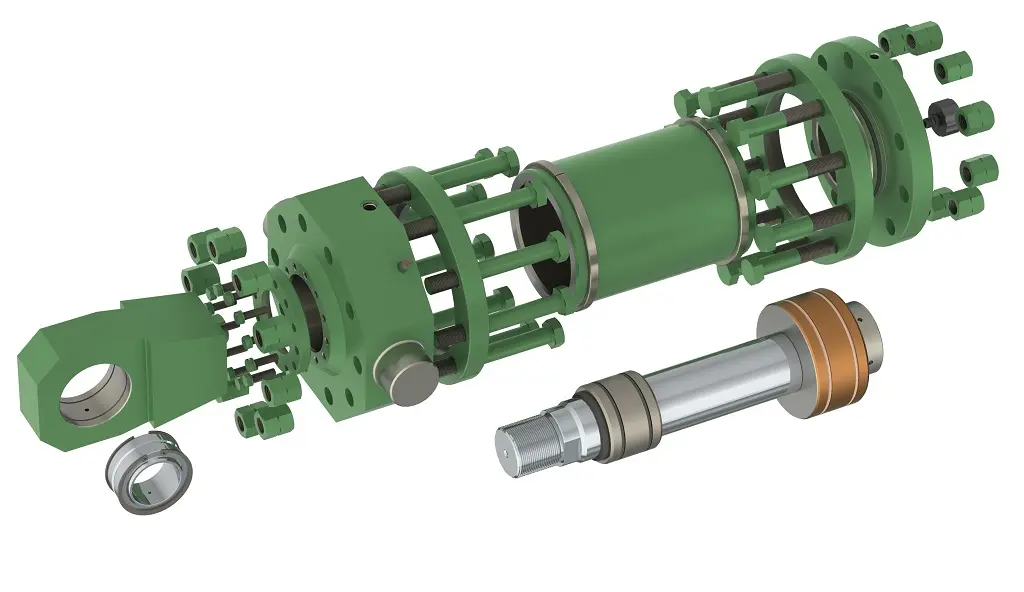
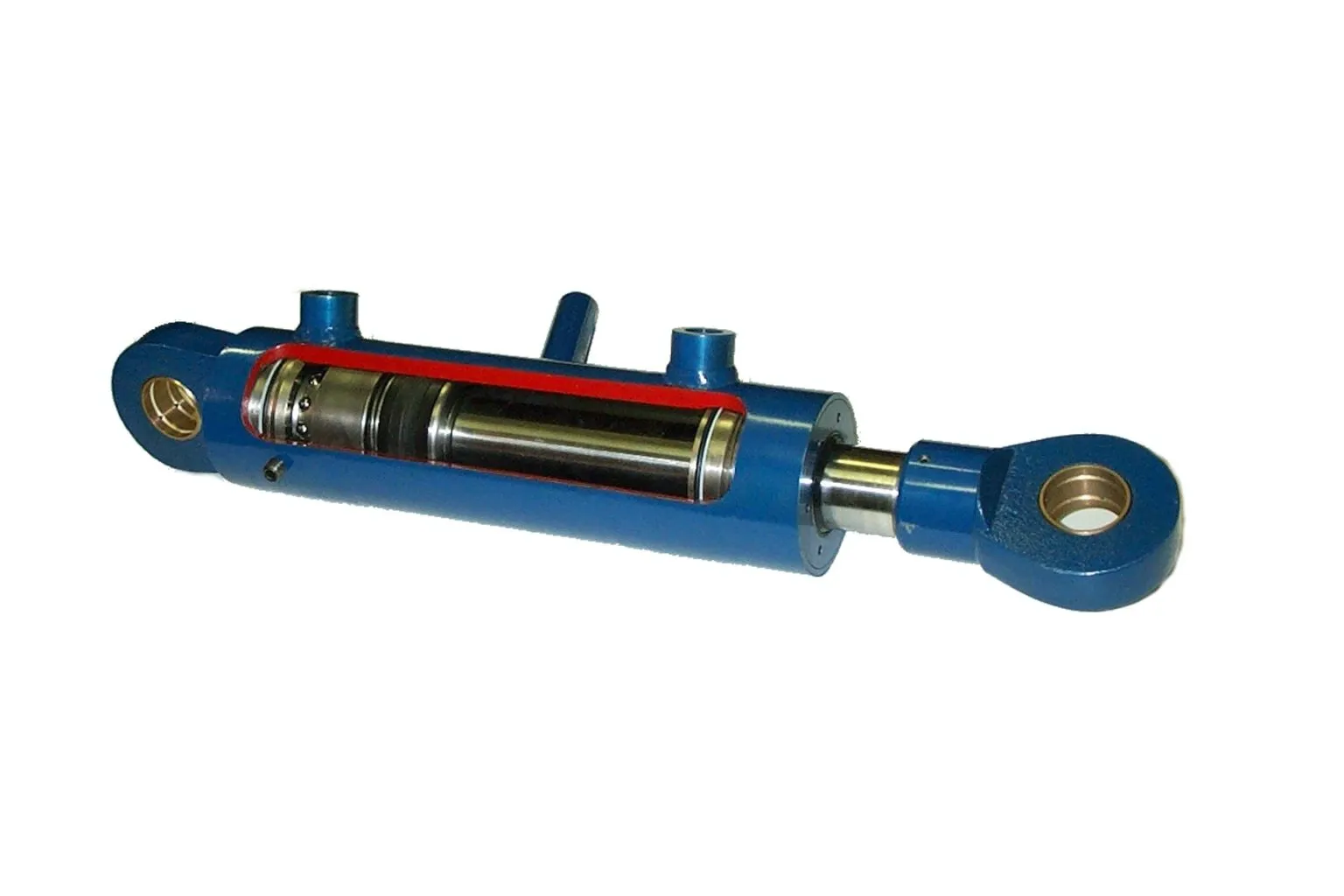
Disassemble the Cylinder: Secure the cylinder in a vice or cylinder holding fixture. Begin disassembling the cylinder by removing the end cap, piston, piston rod, and other internal components. Take note of the order and orientation of the components for reassembly.
Inspect Components: Thoroughly inspect all disassembled components for signs of wear, damage, or corrosion. Pay close attention to the piston seals, rod seals, and other seals for any signs of leakage or deterioration. Measure the piston rod for straightness and check for any scoring or pitting on the surface.
Replace Worn or Damaged Parts: If any components are worn, damaged, or show signs of deterioration, replace them with new ones. This typically includes seals, O-rings, bearings, and other relevant parts. Ensure that the replacement parts are compatible with the specific tractor model and hydraulic cylinder.
Clean and Lubricate: Thoroughly clean all components using a suitable solvent to remove any contaminants or debris. Apply a thin layer of hydraulic fluid or assembly grease to the seals and other moving parts to aid in assembly and reduce friction.
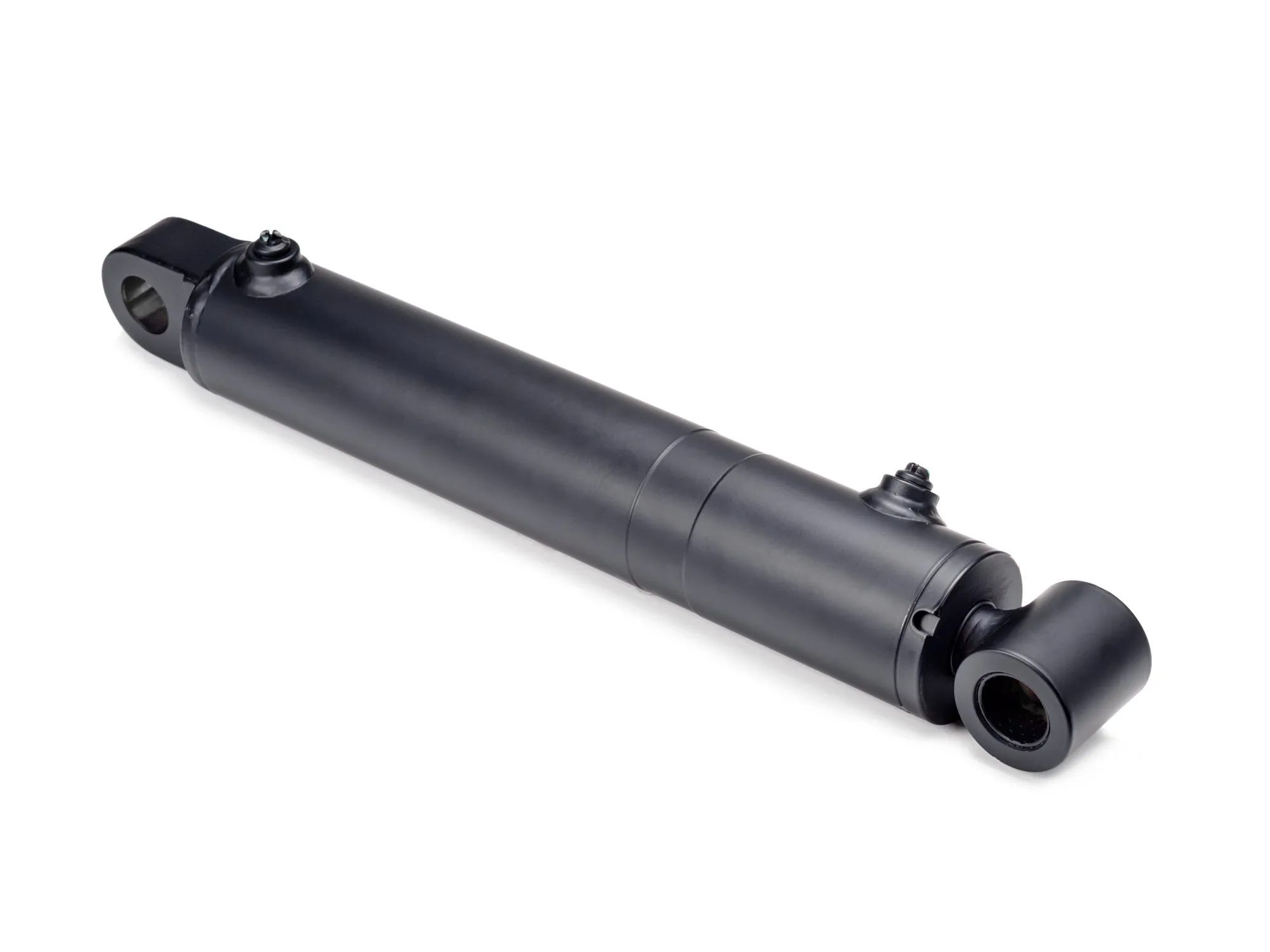
Reassemble the Cylinder: Begin reassembling the cylinder by carefully installing the new seals, piston, piston rod, and other internal components in the correct order and orientation. Refer to the manufacturer’s guidelines or service manual for specific instructions, torque values, and any additional steps.
Test Operation: Once the cylinder is reassembled, reinstall it onto the tractor, reconnect hydraulic lines, and ensure all connections are secure. Turn on the tractor and perform a test operation of the hydraulic cylinder. Check for smooth, consistent operation and any signs of leakage. Make any necessary adjustments or repairs if issues are identified.
Maintenance and Inspection: After rebuilding the hydraulic cylinder, establish a regular maintenance schedule. This includes periodic inspections, lubrication of moving parts, and replacement of seals as needed. Regular maintenance will help prolong the life of the hydraulic cylinder and ensure its continued efficiency.