
DTII Belt Conveyor Roller for Mining Machinery
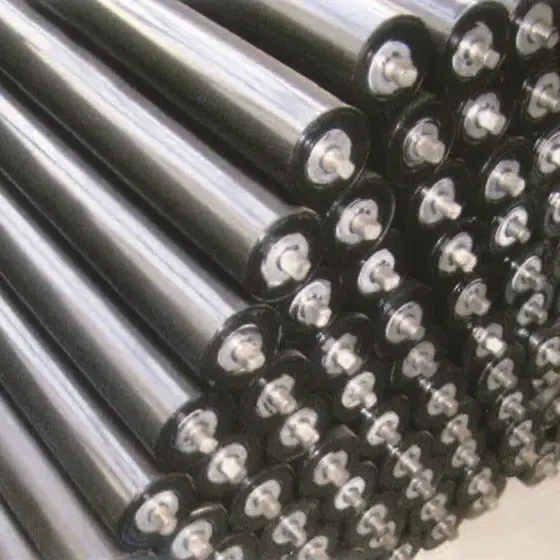
DTII Belt Conveyor Roller for Mining Machinery
The DTII Belt Conveyor Roller is a critical component of the DTII conveyor system, an advanced evolution of the TD75 standard, widely used in mining, coal, ports, and other heavy industries. These rollers, also known as idlers, are positioned along the conveyor to support the belt and the material it carries, ensuring smooth, efficient, and reliable transportation. Available in various types—carrying rollers, return rollers, impact rollers, and self-aligning rollers—they serve specific functions like supporting the belt, absorbing material impact, or correcting misalignment.
Designed for durability in harsh mining environments, DTII rollers reduce belt wear, minimize downtime, and enhance conveyor performance. This page covers what DTII rollers do, where they’re used, how to install them, what users say, and answers common questions, all in plain language to help you decide if they’re right for your conveyor system.
DTII Belt Conveyor Roller for Mining Machinery Dimensions:
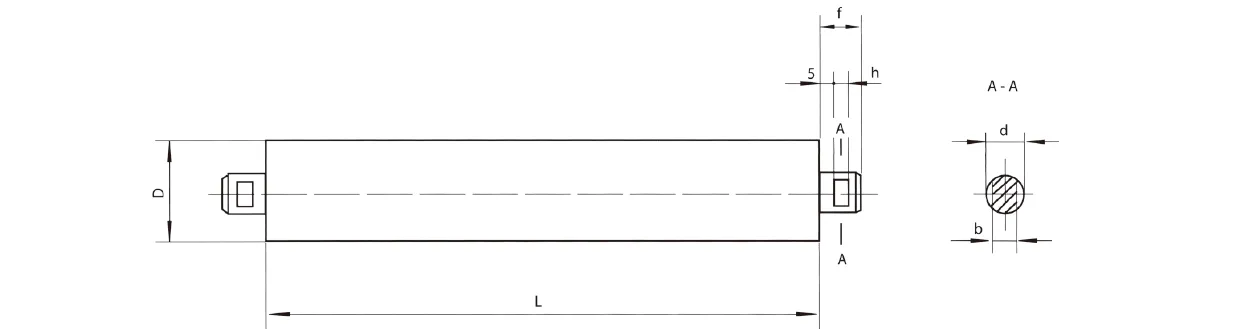
Unit: mm
| D | d | Bearing model | L | b | h | f | Weight of rotating parts (kg) | Drawing No |
| 89 | 20 | 4G204 | 200 | 14 | 6 | 14 | 2.08 | DTⅡGP1101 |
| 250 | 2.15 | DTⅡGP1102 | ||||||
| 315 | 2.58 | DTⅡGP1103 | ||||||
| 465 | 3.87 | DTⅡGP1105 | ||||||
| 600 | 4.78 | DTⅡGP1107 | ||||||
| 750 | 5.79 | DTⅡGP1109 | ||||||
| 950 | 7.15 | DTⅡGP1111 | ||||||
| 25 | 4G205 | 18 | 8 | 17 | 7.23 | DTⅡGP1211 | ||
| 108 | 20 | 4G204 | 315 | 14 | 6 | 14 | 3.46 | DTⅡGP2103 |
| 465 | 4.7 | DTⅡGP2105 | ||||||
| 950 | 8.71 | DTⅡGP2111 | ||||||
| 25 | 4G205 | 315 | 18 | 8 | 17 | 3.53 | DTⅡGP2203 | |
| 380 | 4.07 | DTⅡGP2204 | ||||||
| 465 | 4.77 | DTⅡGP2205 | ||||||
| 600 | 5.89 | DTⅡGP2207 | ||||||
| 700 | 6.72 | DTⅡGP2208 | ||||||
| 950 | 8.74 | DTⅡGP2211 | ||||||
| 1150 | 8.4 | DTⅡGP2212 | ||||||
| 1400 | 10.03 | DTⅡGP2213 | ||||||
| 4G305 | 380 | 4.19 | DTⅡGP2304 | |||||
| 465 | 4.89 | DTⅡGP2305 | ||||||
| 530 | 5.43 | DTⅡGP2306 | ||||||
| 600 | 6.01 | DTⅡGP2307 | ||||||
| 700 | 6.84 | DTⅡGP2308 | ||||||
| 800 | 7.67 | DTⅡGP2310 | ||||||
| 950 | 8.91 | DTⅡGP2311 | ||||||
| 1150 | 10.56 | DTⅡGP2312 | ||||||
| 1400 | 12.76 | DTⅡGP2313 | ||||||
| 1600 | 14.42 | DTⅡGP2314 | ||||||
| 30 | 4G306 | 465 | 22 | 5.35 | DTⅡGP2405 | |||
| 530 | 5.89 | DTⅡGP2406 | ||||||
| 800 | 8.12 | DTⅡGP2410 | ||||||
| 1400 | 13.08 | DTⅡGP2413 | ||||||
| 1600 | 14.73 | DTⅡGP2414 |
| D | d | Bearing model | L | b | h | f | Weight of rotating parts (kg) | Drawing No |
| 133 | 25 | 4G205 | 380 | 18 | 8 | 17 | 6.04 | DTⅡGP3204 |
| 465 | 7.12 | DTⅡGP3205 | ||||||
| 600 | 8.84 | DTⅡGP3207 | ||||||
| 700 | 10.11 | DTⅡGP3208 | ||||||
| 1150 | 15.80 | DTⅡGP3212 | ||||||
| 1400 | 18.98 | DTⅡGP3213 | ||||||
| 4G305 | 380 | 6.3 | DTⅡGP3304 | |||||
| 465 | 7.38 | DTⅡGP3305 | ||||||
| 530 | 8.21 | DTⅡGP3306 | ||||||
| 600 | 9.1 | DTⅡGP3307 | ||||||
| 700 | 10.37 | DTⅡGP3308 | ||||||
| 800 | 11.64 | DTⅡGP3310 | ||||||
| 1150 | 16.09 | DTⅡGP3312 | ||||||
| 1400 | 19.28 | DTⅡGP3313 | ||||||
| 1600 | 21.83 | DTⅡGP3314 | ||||||
| 30 | 4G306 | 465 | 22 | 8.13 | DTⅡGP3405 | |||
| 530 | 8.96 | DTⅡGP3406 | ||||||
| 800 | 12.4 | DTⅡGP3410 | ||||||
| 1400 | 18.35 | DTⅡGP3413 | ||||||
| 1600 | 20.9 | DTⅡGP3414 | ||||||
| 159 | 25 | 4G205 | 465 | 18 | 9.46 | DTⅡGP4205 | ||
| 700 | 13.45 | DTⅡGP4208 | ||||||
| 1400 | 25.46 | DTⅡGP4213 | ||||||
| 4G305 | 465 | 9.64 | DTⅡGP4305 | |||||
| 530 | 10.68 | DTⅡGP4306 | ||||||
| 700 | 13.6 | DTⅡGP4308 | ||||||
| 800 | 15.32 | DTⅡGP4310 | ||||||
| 1400 | 25.82 | DTⅡGP4313 | ||||||
| 1600 | 29.25 | DTⅡGP4314 | ||||||
| 30 | 4G306 | 465 | 22 | 10.53 | DTⅡGP4405 | |||
| 530 | 11.64 | DTⅡGP4406 | ||||||
| 800 | 16.27 | DTⅡGP4410 | ||||||
| 1400 | 26.56 | DTⅡGP4413 | ||||||
| 1600 | 29.99 | DTⅡGP4414 |
DTII Belt Conveyor Roller for Mining Machinery Features:
The DTII Conveyor Roller is designed to support, guide, and protect conveyor belts in mining operations, ensuring smooth material transport and minimal maintenance. Here’s what makes it stand out:
-
Multiple Roller Types
-
Carrying Rollers: Support the loaded belt, typically trough-shaped (20°, 35°, 45°) to handle bulk materials like coal or ore.
-
Return Rollers: Support the empty belt on the return side, preventing sagging and stretching.
-
Impact Rollers: Absorb shock at loading points with rubber rings or coatings to minimize belt damage.
-
Self-aligning Rollers: Pivot to correct belt misalignment, reducing edge wear.
-
-
Durable Materials
-
Roller tubes made of Q235 steel (equivalent to SS400/JIS G3101/ASTM A36) for strength under heavy loads.
-
Shafts crafted from 45# steel (equivalent to DIN C45/JIS S45C/ASTM A1045) for precision and durability.
-
Optional stainless steel, rubber, or HDPE coatings for corrosion and wear resistance in harsh environments.
-
-
High-Quality Bearings
-
Equipped with deep groove ball bearings (6204, 6205, 6305, etc., with C3 clearance, 2RZ/2Z seals) for smooth rotation and extended lifespan.
-
Triple labyrinth seals protect against dust, dirt, and moisture, ideal for mining conditions.
-
-
Low Noise and Vibration
-
Precision manufacturing and balance testing ensure quiet operation and minimal vibration.
-
Reduces wear on the belt and conveyor frame, prolonging system life.
-
-
Corrosion Resistance
-
Options for zinc plating, baking paint, or epoxy coatings to resist rust in environments like coastal ports.
-
Stainless steel or HDPE options for added durability in abrasive or chemical conditions.
-
-
Customizable Design
-
Roller diameters from 76mm to 219mm, lengths from 100mm to 3000mm, fitting belts 500mm to 2400mm wide.
-
Customizable trough angles, coatings, and frame designs to suit specific conveyor layouts.
-
-
Standards Compliance
-
Meets DTII, DTII(A), CEMA (B, C, D, E), JIS, and ISO 9001:2008 standards for quality and safety.
-
Tested for radial runout (≤0.5mm), axial displacement (≤1.2mm), and rotation resistance (≤3.5N) to ensure reliability.
-
DTII Belt Conveyor Roller Applications:

The DTII Conveyor Roller is used in various conveyor systems to support and guide belts, particularly in high-tension or long-distance setups. It’s ideal for these industries:
-
Mining
-
Supports belts carrying coal, iron ore, copper, or aggregates in underground or open-pit mines.
-
Impact rollers reduce belt damage at loading points; return rollers prevent sagging on long systems like a 10 km conveyor in Inner Mongolia.
-
-
Metallurgy
-
Supports belts handling raw or processed metals in smelting plants.
-
Corrosion-resistant coatings withstand abrasive or high-temperature environments.
-
-
Ports and Terminals
-
Supports belts during loading/unloading of coal, grain, or aggregates.
-
Rust-resistant coatings are ideal for salty coastal conditions.
-
-
Construction
-
Supports belts carrying gravel, sand, or aggregates on job sites.
-
Works with mobile or fixed conveyors for flexible setups.
-
-
Power Plants
-
Supports belts handling coal or ash in fuel or waste systems.
-
Designed for dusty, high-tension environments.
-
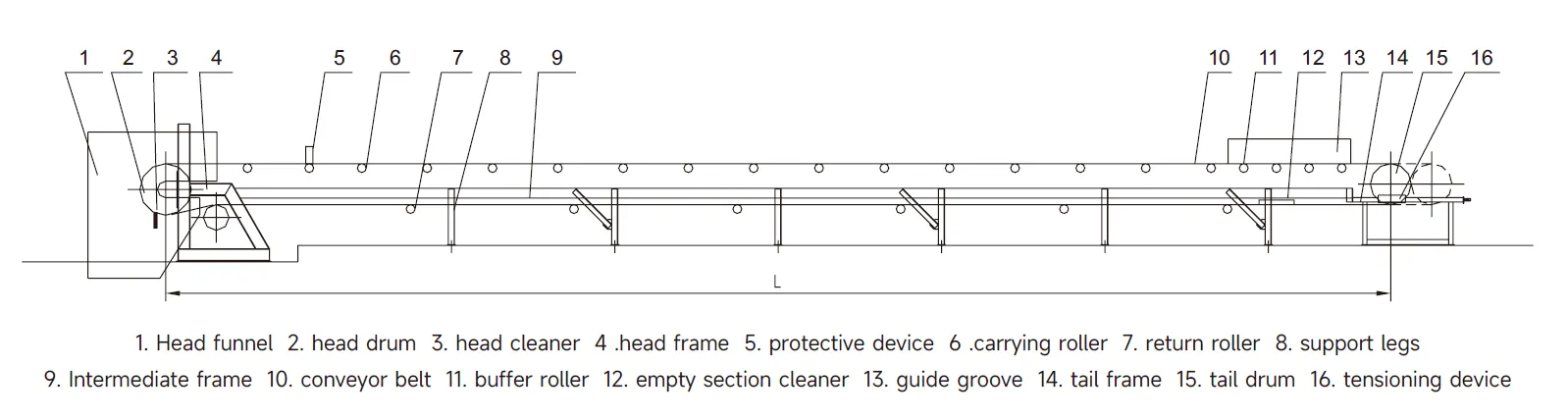
DTII Belt Conveyor:
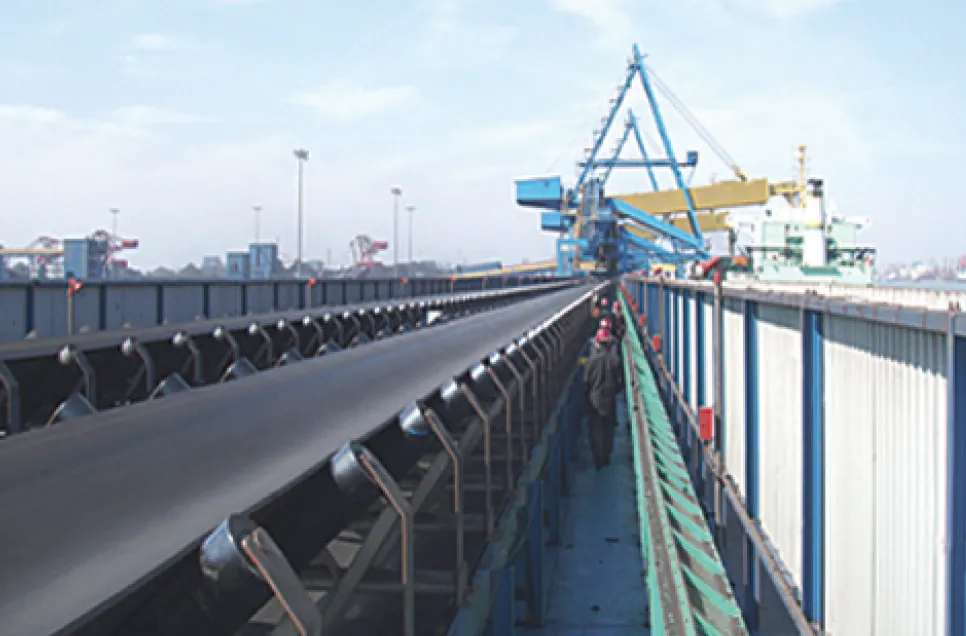

Purpose and Scope of Use:
DTII、DTII(A) fixed belt conveyors. Their main parameters, transmission power, and tension calculation methods adopt ISO international standards, and are widely used in various industries.
The material is transported by a single or multiple unit synthetic transportation system.
This conveyor is suitable for working in temperatures ranging from -25°C to 40°C.
Product Features:
◆ Conveying materials is below 2.5t/m3
◆ Can be divided into 500, 650, 800, 1000, 1200, 1400, 1600, 1800, 2000、2200, 2400
◆ Can be divided into:0.8, 1.0, 1.25, 1.6, 2.0, 2.5, 3.15、4.0, (4.5), 5.0, (5.6), 6.5
| Belt width (mm) | 0.8 | 1.0 | 1.25 | 1.6 | 2.0 | 2.5 | 3.15 | 4 | (4.5) | 5.0 | (5.6) | 6.5 |
| 500 | 69 | 87 | 108 | 139 | 174 | 217 | ||||||
| 650 | 127 | 159 | 198 | 254 | 318 | 397 | ||||||
| 800 | 198 | 248 | 310 | 397 | 496 | 620 | 781 | |||||
| 1000 | 324 | 405 | 507 | 648 | 811 | 1014 | 1278 | 1622 | ||||
| 1200 | 593 | 742 | 951 | 1188 | 1486 | 1872 | 2377 | 2674 | 2971 | |||
| 1400 | 825 | 1032 | 1321 | 1652 | 2065 | 2602 | 3304 | 3718 | 4130 | |||
| 1600 | 2186 | 2733 | 3444 | 4373 | 4920 | 5465 | 6122 | |||||
| 1800 | 2795 | 3494 | 4403 | 5591 | 6291 | 6989 | 7829 | 9083 | ||||
| 2000 | 3470 | 4338 | 5466 | 6941 | 7808 | 8676 | 9717 | 11277 | ||||
| 2200 | 6843 | 8690 | 9776 | 10863 | 12166 | 14120 | ||||||
| 2400 | 8289 | 10526 | 11842 | 13158 | 14737 | 17104 |
Note:
1. The conveying capacity in the table is calculated based on horizontal transportation, with a dynamic stacking angle of 20° and a roller groove angle of 35°.
2. The belt speeds of 4.5m/s and 5.6m/s in the table are non-standard values and are generally not recommended for use.
Installation Guidelines:
Installing DTII Conveyor Rollers is straightforward with these steps:
-
Verify Specifications
-
Ensure the roller’s type (carrying, return, impact), diameter, length, and frame design match your conveyor’s belt and requirements.
-
Confirm the frame can support the roller’s weight and belt tension.
-
-
Position the Rollers
-
Install carrying rollers on the load side, typically in trough configurations (20°, 35°, 45°); return rollers on the underside; impact rollers at loading points.
-
Space rollers 1-1.5 meters apart for carrying rollers, 3-4 meters for return rollers, based on belt width and load.
-
-
Align the Rollers
-
Set rollers perpendicular to the belt to ensure even support and tracking.
-
Use a laser level or string line to align rollers with adjacent idlers for consistent performance.
-
-
Inspect Bearings and Seals
-
Verify bearings are lubricated with lithium soap grease and triple labyrinth seals are intact.
-
Avoid disturbing seals to maintain dust and water resistance.
-
-
Adjust Belt Tension
-
Set tension to keep the belt taut without overloading the rollers. Use:
[ T = \frac{P_p \cdot 1000}{v} ] where (T) is tension (Newtons), (P_p) is power (kilowatts), and (v) is belt speed (meters/second) [].
-
-
Test the System
-
Run the conveyor at low speed with no load to check roller performance, belt alignment, and noise levels.
-
Adjust roller positions if the belt drifts or shows uneven wear.
-
Installation Tips
-
Use trained technicians to meet safety and industry standards.
-
Document installation details for maintenance records.
-
Contact us for expert installation support.
Maintenance Tips
Regular care keeps DTII Conveyor Rollers performing well:
-
Inspect Regularly: Check rollers, bearings, and frames every 3-6 months for wear or damage.
-
Lubricate Bearings: Apply lithium soap grease every 6 months to ensure smooth rotation.
-
Clean Rollers: Remove material buildup, especially on impact or return rollers, to maintain performance.
-
Check Alignment: Ensure rollers remain perpendicular to prevent belt drift.
-
Use OEM Parts: Replace with DTII-compliant parts to maintain performance.
-
Avoid Damage: Do not strike rollers or frames with heavy objects to prevent damage to bearings or seals.
Customer Feedback:
Here’s what users of DTII Conveyor Rollers say:
-
Australian Iron Ore Mine
“The impact rollers handle heavy loads without a hitch. Belt damage is down, and our system runs smoother.” – Emma Wilson, Site Engineer
-
South African Port Terminal
“The corrosion-resistant coatings are perfect for our coastal environment. These rollers need minimal upkeep.” – Sipho Mthembu, Logistics Manager
-
Peruvian Copper Mine
“Our conveyor’s uptime is up 20% with these rollers. They’re durable and keep the belt steady.” – Juan Perez, Maintenance Supervisor
These testimonials show [Your Company Name] delivers reliable, high-quality rollers.
Related Questions (FAQs):
Got questions? Here are clear answers with keywords to help you find us:
1. What’s a DTII Conveyor Roller?
A roller (idler) in the DTII conveyor system that supports, guides, or protects the belt, available as carrying, return, impact, or self-aligning types.
2. How does it improve conveyor performance?
Carrying rollers support loads, return rollers prevent sagging, impact rollers absorb shock, and self-aligning rollers correct misalignment, reducing wear and downtime.
3. What’s it made of?
Q235 steel for roller tubes, 45# steel for shafts, with optional stainless steel, rubber, or HDPE coatings for durability.
4. How often should I maintain it?
Inspect every 3-6 months, lubricate bearings, clean rollers, and check alignment. Don’t tamper with seals.
5. Can it be customized?
Yes, we offer various sizes, trough angles, and coatings to fit your conveyor.
Related products
-
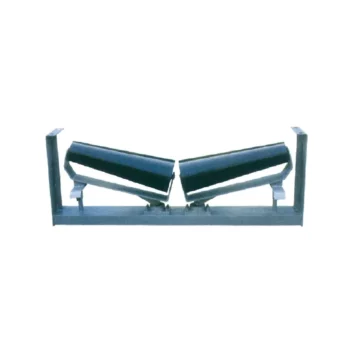
DTII Belt Conveyor Lower Taper Self-aligning for Mining Machinery
-
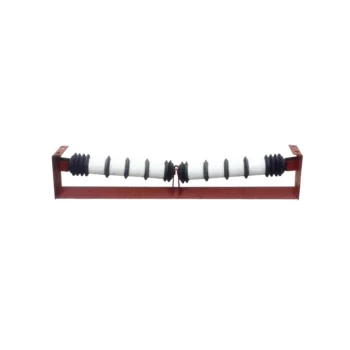
DTII Belt Conveyor V Type Comb Idler for Mining Machinery
-
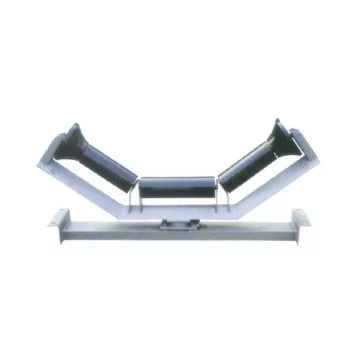
DTII Belt Conveyor Impact Self-aligning Idler for Mining Machinery
-
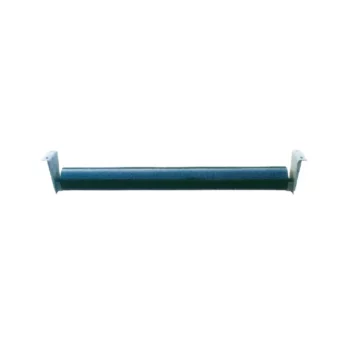
DTII Belt Conveyor Lower Parallel Idler for Mining Machinery
-
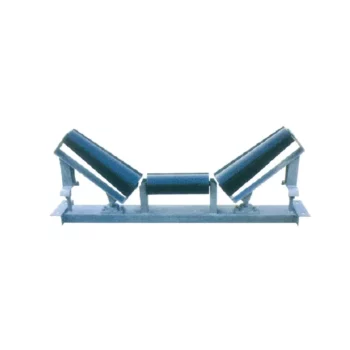
DTII Belt Conveyor Taper Self-aligning Idler for Mining Machinery
-
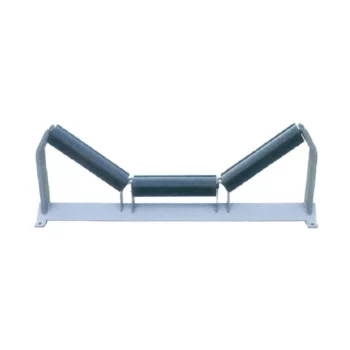
DTII Belt Conveyor Trough Idler for Mining Machinery

We promise will offer the best price by the high quality in china! We also accept special order about the products. If you are interested in our products. Please do not hesitate to let us know.We are pleased to give you the detailed information.We promise that our products would be safety and were in high quality and reasonable price. If you are interested in our products, please contact us asap.We are sincerely looking for your cooperation.
Most of our products are exported to Europe or Americas, both standard and nonstandard products available. We can produce as per your drawing or sample. Material can be standard or as per your special request. If you choose us, you choose reliable.
Industries We Service
