
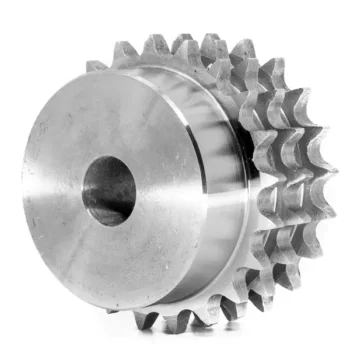
NK11SSB Standard Bore Sprocket
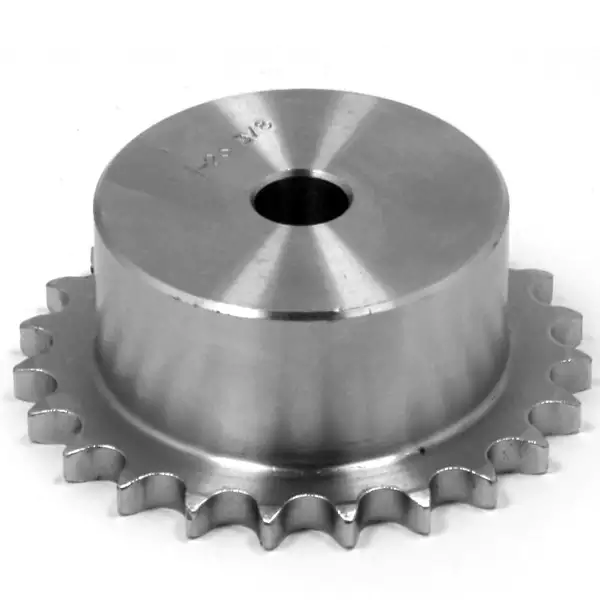
NK11SSB Standard Bore Sprocket
A standard bore sprocket is a type of sprocket that is commonly used in various industrial applications. It is an essential component in power transmission systems, especially in machinery and equipment that require the transfer of rotational motion from one shaft to another using a chain drive.
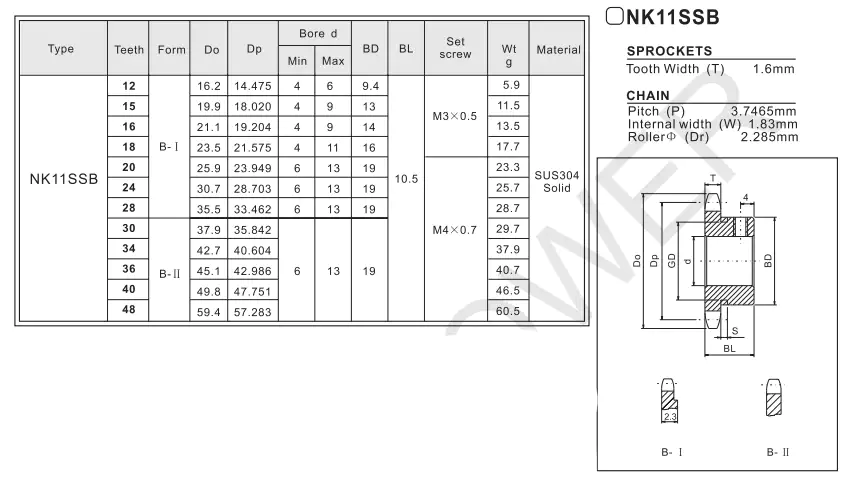
Basic Structure of a Sprocket
A sprocket consists of several key elements that need to be determined when customizing it for specific applications. These elements include:
- Material: The material used for the sprocket determines its strength, durability, and resistance to wear and tear. Common materials include high-carbon steel, alloy steel, or stainless steel.
- Tooth Profile: The tooth profile of the sprocket determines how the chain engages with it. Different tooth profiles are suitable for different types of chains.
- Number of Teeth: The number of teeth on the sprocket affects the speed ratio and torque transfer between the driving and driven shafts.
- Dimensions: The overall dimensions of the sprocket, including the outer diameter and width, need to be determined based on the specific application requirements.
- Bore Size: The bore size is the diameter of the center hole in the sprocket. It needs to match the shaft diameter for proper installation.
- Keyway: A keyway is a slot in the bore of the sprocket that allows for the use of a key to prevent rotational slippage between the sprocket and the shaft.
- Surface Treatment: The sprocket's surface may undergo various treatments to enhance its resistance to corrosion, such as rust prevention coatings or plating.
Materials and Manufacturing Process
Our sprockets are made from high-carbon steel, alloy steel, or stainless steel, depending on the specific requirements of the application. The manufacturing process involves:
- Material Selection and Cutting: The appropriate material is selected and cut into the desired shape for further processing.
- Stamping and Forging: The material is stamped or forged to form the sprocket's initial shape.
- Machining: The sprocket undergoes various machining processes, such as turning, milling, drilling, and tapping, to achieve the final dimensions and tooth profile.
- Heat Treatment: The sprocket is heat-treated through processes like quenching and tempering to improve its hardness and strength.
- Surface Treatment: The sprocket's surface is treated to prevent rust and enhance its durability.
- Quality Inspection: Each sprocket undergoes rigorous quality inspections to ensure it meets the required standards.
Applications
Our sprockets find applications in various industries, including:
- Heavy Machinery and Equipment: Sprockets are widely used in heavy machinery and equipment for applications such as conveyors, cranes, and excavators.
- Food Processing and Packaging: Sprockets are essential components in food processing and packaging machinery, ensuring efficient and hygienic production processes.
- Chemical and Pharmaceutical: Sprockets are used in chemical and pharmaceutical processing equipment, providing reliable power transmission in demanding environments.
- Assembly Lines: Sprockets play a crucial role in assembly line systems, enabling smooth and precise movement of components.
- Logistics and Warehousing: Sprockets are utilized in conveyor systems for efficient transportation and sorting of goods in logistics and warehousing operations.
Maintenance and Troubleshooting
Proper maintenance and regular inspection of sprockets are essential for their optimal performance and longevity. The maintenance tasks include:
- Daily Inspection: Regularly inspect the sprocket for any signs of wear, damage, or misalignment.
- Cleaning: Keep the sprocket clean from debris, dirt, and contaminants that may affect its performance.
- Lubrication: Apply suitable lubricants to the sprocket and chain to reduce friction and extend their lifespan.
- Adjustment and Calibration: Periodically check and adjust the tension and alignment of the chain to ensure smooth operation.
Common issues that may arise with sprockets include tooth skipping, breakage, wear, excessive noise, and chain detachment. Here are some troubleshooting methods:
- Tooth Skipping: Check for misalignment or worn out teeth and adjust or replace accordingly.
- Breakage: Inspect the sprocket for cracks or fractures and replace it if necessary.
- Wear: Regularly monitor the sprocket's wear patterns and replace it when the teeth become excessively worn.
- Excessive Noise: Ensure proper lubrication and check for misalignment or damaged components.
- Chain Detachment: Verify the chain tension and make sure it is properly engaged with the sprocket.
Other Types of Sprockets
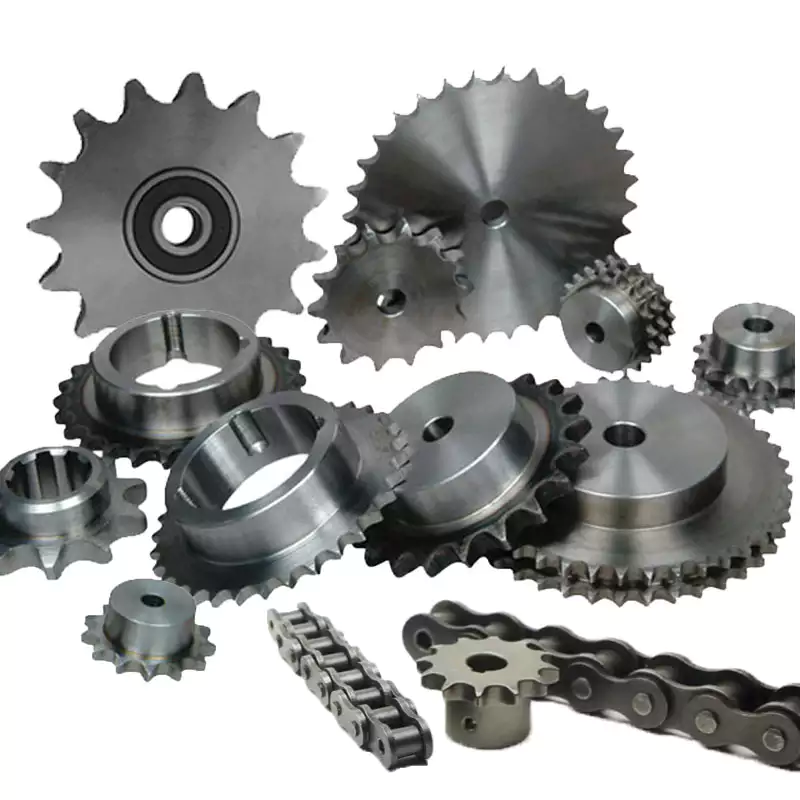
In addition to the NK11SSB Standard Bore Sprocket, we also provide other types of sprockets, including platewheel sprockets, idler sprockets, QD sprockets, taper lock sprockets, and more. We offer a wide range of sprockets and corresponding chains to meet diverse industrial needs.
Author: Miya


We promise will offer the best price by the high quality in china! We also accept special order about the products. If you are interested in our products. Please do not hesitate to let us know.We are pleased to give you the detailed information.We promise that our products would be safety and were in high quality and reasonable price. If you are interested in our products, please contact us asap.We are sincerely looking for your cooperation.
Most of our products are exported to Europe or Americas, both standard and nonstandard products available. We can produce as per your drawing or sample. Material can be standard or as per your special request. If you choose us, you choose reliable.
Industries We Service
