
Brake Plates
Brake plates, also known as brake rotors or brake discs, are essential components of a vehicle’s braking system. They are typically made of cast iron, although some high-performance vehicles may use carbon composite materials. Brake plates are mounted directly onto the wheel hub and rotate along with the wheels.
The primary function of brake plates is to provide a surface for the brake pads to clamp onto when the brakes are engaged. When the driver applies the brakes, hydraulic pressure is transmitted to the brake calipers, which then squeeze the brake pads against the brake plates. This frictional force between the brake pads and the brake plates creates the necessary resistance to slow down or stop the vehicle.
The design of brake plates is crucial to ensure effective braking performance and heat dissipation. They are often ventilated or slotted to improve airflow and prevent the buildup of excessive heat, which can lead to brake fade or reduced braking efficiency. Ventilated brake plates feature vanes between two flat surfaces, while slotted brake plates have slots cut into the friction surface.
Over time, brake plates can wear down due to the friction and heat generated during braking. Excessive wear, warping, or damage to the brake plates can compromise their ability to provide effective braking, leading to reduced stopping power, vibrations, or noise. In such cases, brake plates may need to be resurfaced or replaced to restore optimal braking performance and safety.
Showing 1–30 of 206 resultsSorted by popularity
-
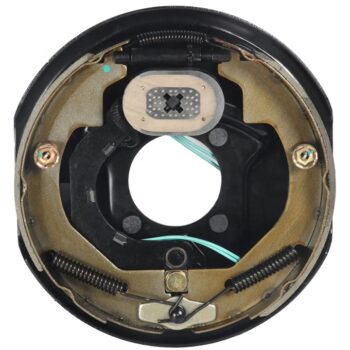
Electric Brakes Trailer10′ and 12″ Electric Trailer Brake Magnet Replacement Kits for 3500 lbs and 7000 lbs Electric Brake Assemblies
-
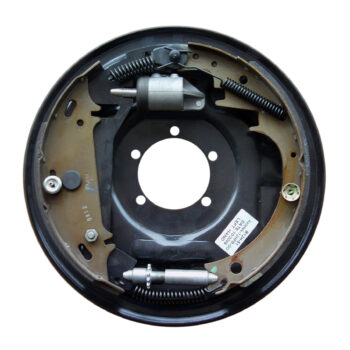
10′ and 12″ Electric Trailer Brake Magnet Replacement Kits for 3500 lbs and 7000 lbs Electric Brake Assembly
-
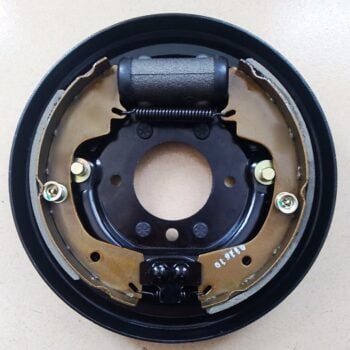
Electric Light Trailer Brake Plate Drum Brake Box Trailer Hardware
-
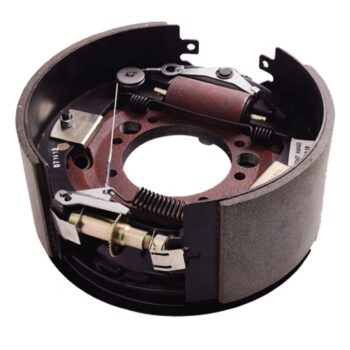
12 Inch Electrical Trailer Brake Back Plate: A Comprehensive Guide
-
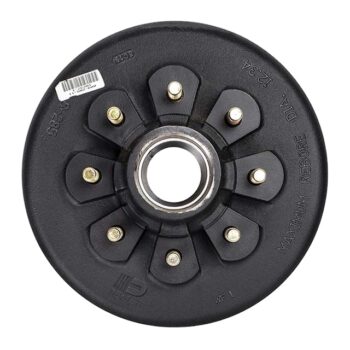
Leaf Spring Brake System Hydraulic Car Hydraulic Brake System 12 Inch Electric Brakes for Caravan Travel Trailer
-
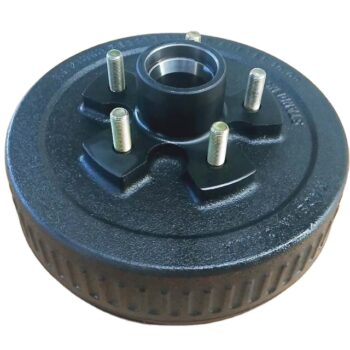
High Quality Factory Direct Sale Hydraulic Brake Assembly Trailer Accessories for RV Use
-
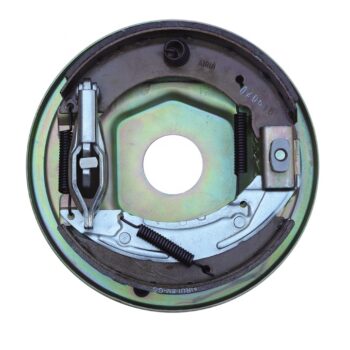
Light trailer 9″ Hydraulic Brake Assembly
-
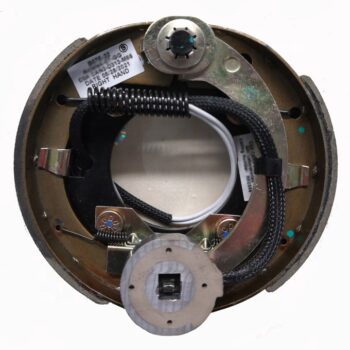
Heavy Duty Dump Trailer Electric Brake Assembly with Parking Lever: A Comprehensive Guide
-
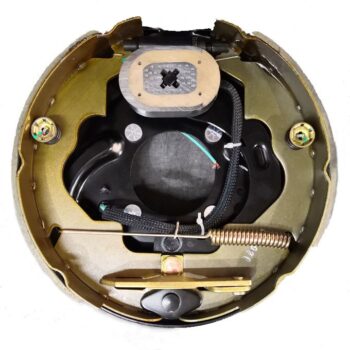
Trailer And Caravan parts 12.25 Inch Brake Drum Assembly For 8000 LBS
-
Trailer Parts Accessories E-coated Or Dacromet 10 Inch Brake Drum Assembly For 3500 LBS
-
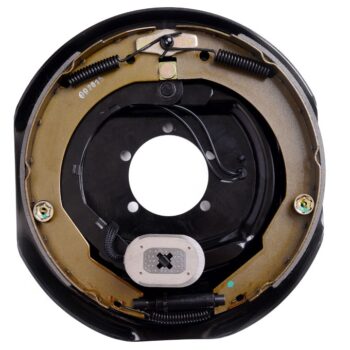
200*50 Mechanical Trailer Brake Back Plate Knott Euro Market
-
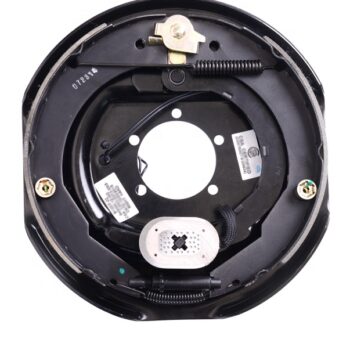
12″ Caravan Hydraulic Brake Plate Dacromet 3500kg
-
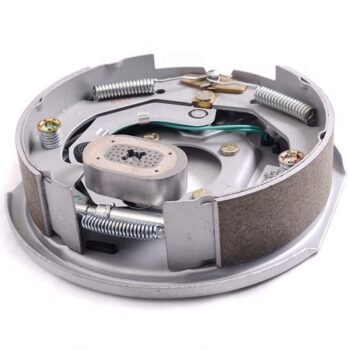
Electric Brake Plate with hand lever trailer ALKO type hardware
-
Trailer Axle Kits Electric Trailer Brakes Complete 10”x2-1/4” Electric Brake Assembly for Trailer
-
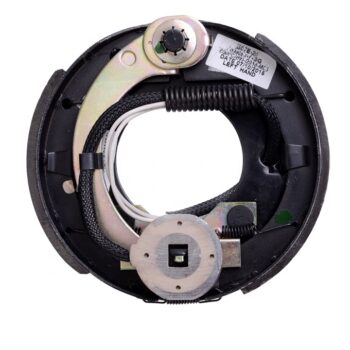
12 Inch Electric Brake with Parking Lever for Trailer
-
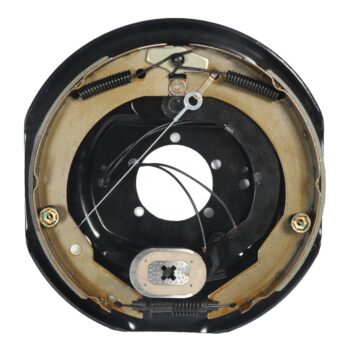
12″ Electric Drum Brake with Self Adjust Cable for Trailer 6000 lbs – Model: 124 Spider (348_)
-
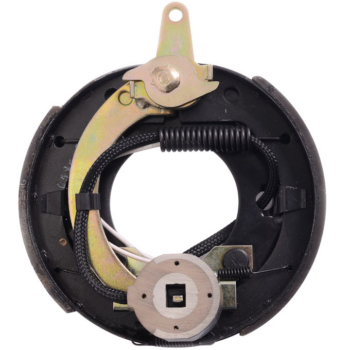
Complete 10”x1/4” Electric Brake Assembly for Trailer (Back Plate Surface Treatment: Dacromet)
-
Trailer Spare Parts 11”x2” Electric Brake Assembly for Trailer
-
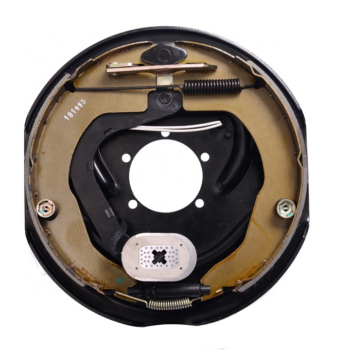
7 inch Electric Brakes for 2000lbs trailer
-
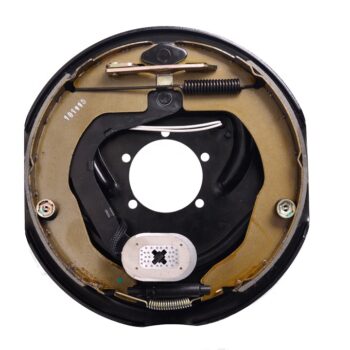
12 inch Electric Brakes for Box Trailer Mobile Coolroom
-
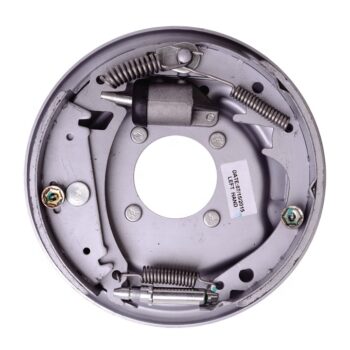
High Quality Factory Direct Sale 1000kg Trailer Electric Drum Brake Trailer Accessories for RV Use
-
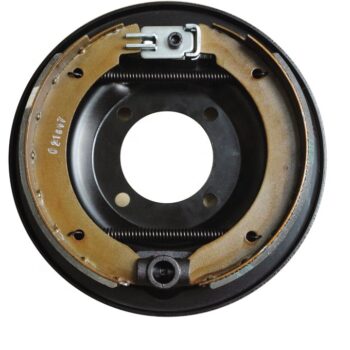
10″ Electric Assembly for Camper Trailer Accessories for RV Use
-
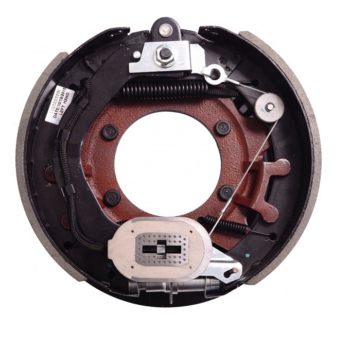
10” Electric Drum Brake System with Parking Lever for Camper Trailer Accessories for RV Use
-
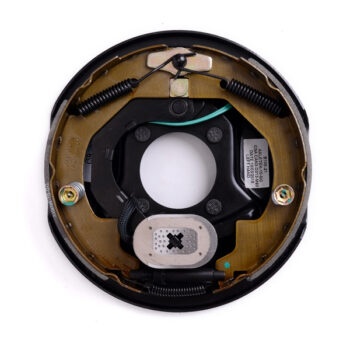
12” Electric Backing Plate with Parking (AL-KO) Assembly
-
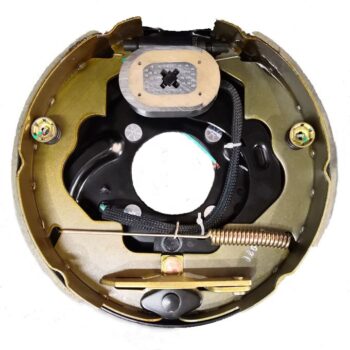
Dacromet 10”*2-1/4” Hydraulic Free Backing Brake Assembly for Trailer
-
Auto parts and accessories trailer Mechanical hand brake assembly 9” Trailer accessories for rv use
-
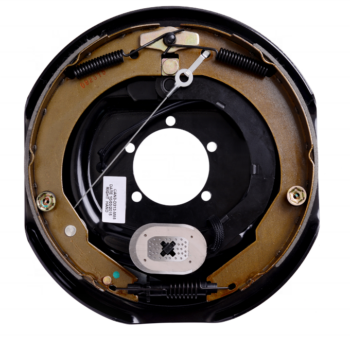
Electric Brake for Trailer 12.25” – Essential Trailer Accessories for RV Use
-
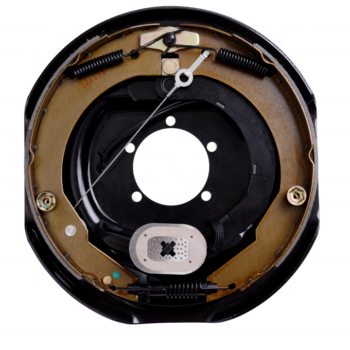
High Quality Factory Direct Sale Brake Assembly Trailer Accessories for RV Use
-
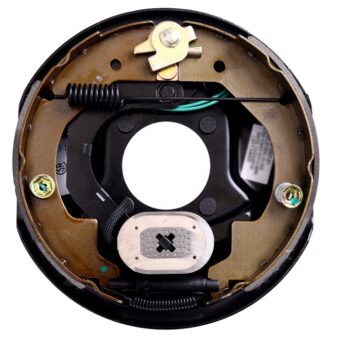
Park Brake System RV Accessories Motorhome 10″ Electric Brake System with Parking in Travel Trailer
-
2300 LBS to 3500 LBS Trailer Spare Parts – 10″2 1/4 Electric Brake in Tow Trailer Parts