
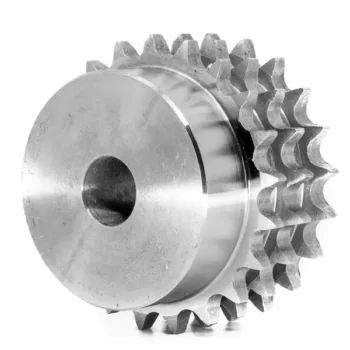
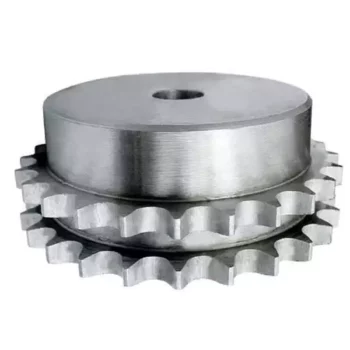
No.40-2 Standard Bore Sprocket
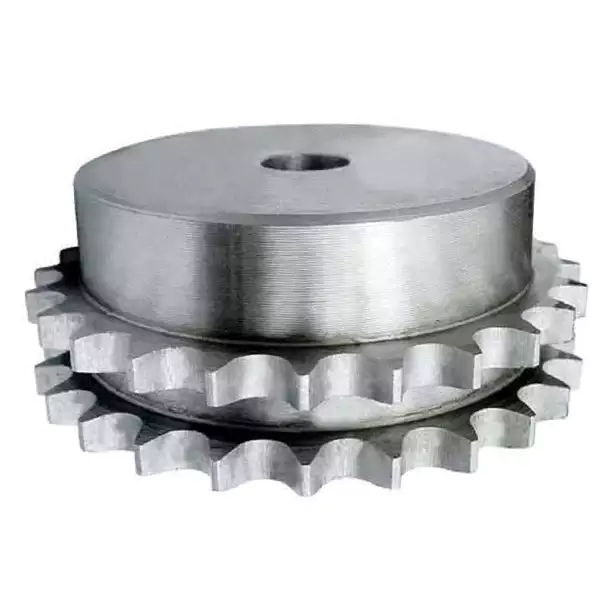
No.40-2 Standard Bore Sprocket
A standard bore sprocket is a type of mechanical gear designed to transmit rotary motion between two shafts where gears may not be practical due to size constraints, speed, or other factors. The No.40-2 standard bore sprocket is a popular type of sprocket used in a variety of industrial applications.
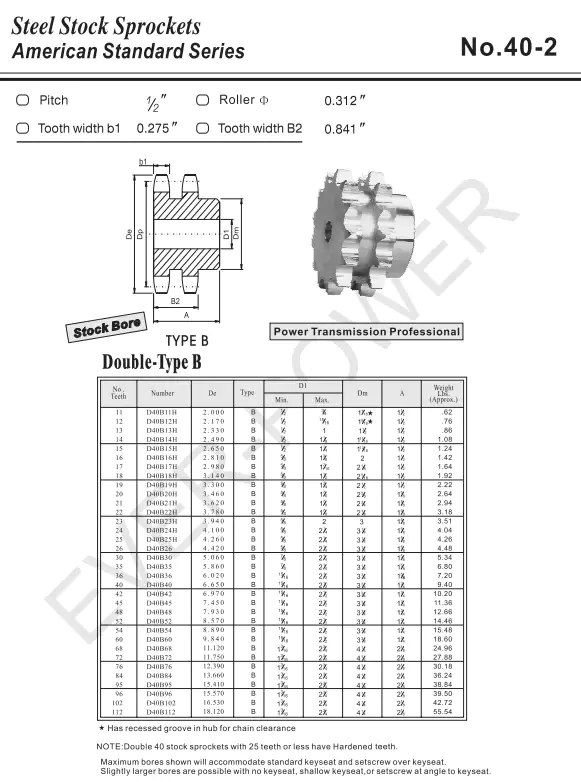
Basic Structure of Sprocket and Customization Requirements
A sprocket consists of a hub and teeth, which mesh with the chain for power transfer. When customizing a sprocket, the following factors need to be determined:
- Material: The material can be high carbon steel, alloy steel, or stainless steel, depending on the application.
- Tooth profile: The tooth profile determines how the sprocket engages with the chain. Common profiles include standard, double, and triple.
- Number of teeth: The number of teeth on a sprocket determines the ratio of chain revolutions to sprocket revolutions.
- Size: The size of a sprocket affects the overall geometry of the drive system.
- Bore size: The bore size of a sprocket is the diameter of the hole in the center of the sprocket that fits onto the shaft.
- Keyway: The keyway is a slot cut into the bore to allow for a key, which locks the sprocket onto the shaft to prevent slipping.
- Surface treatment: The surface of the sprocket can be treated to improve its wear resistance, corrosion resistance, or other properties.
Material and Process Used in Our Sprockets
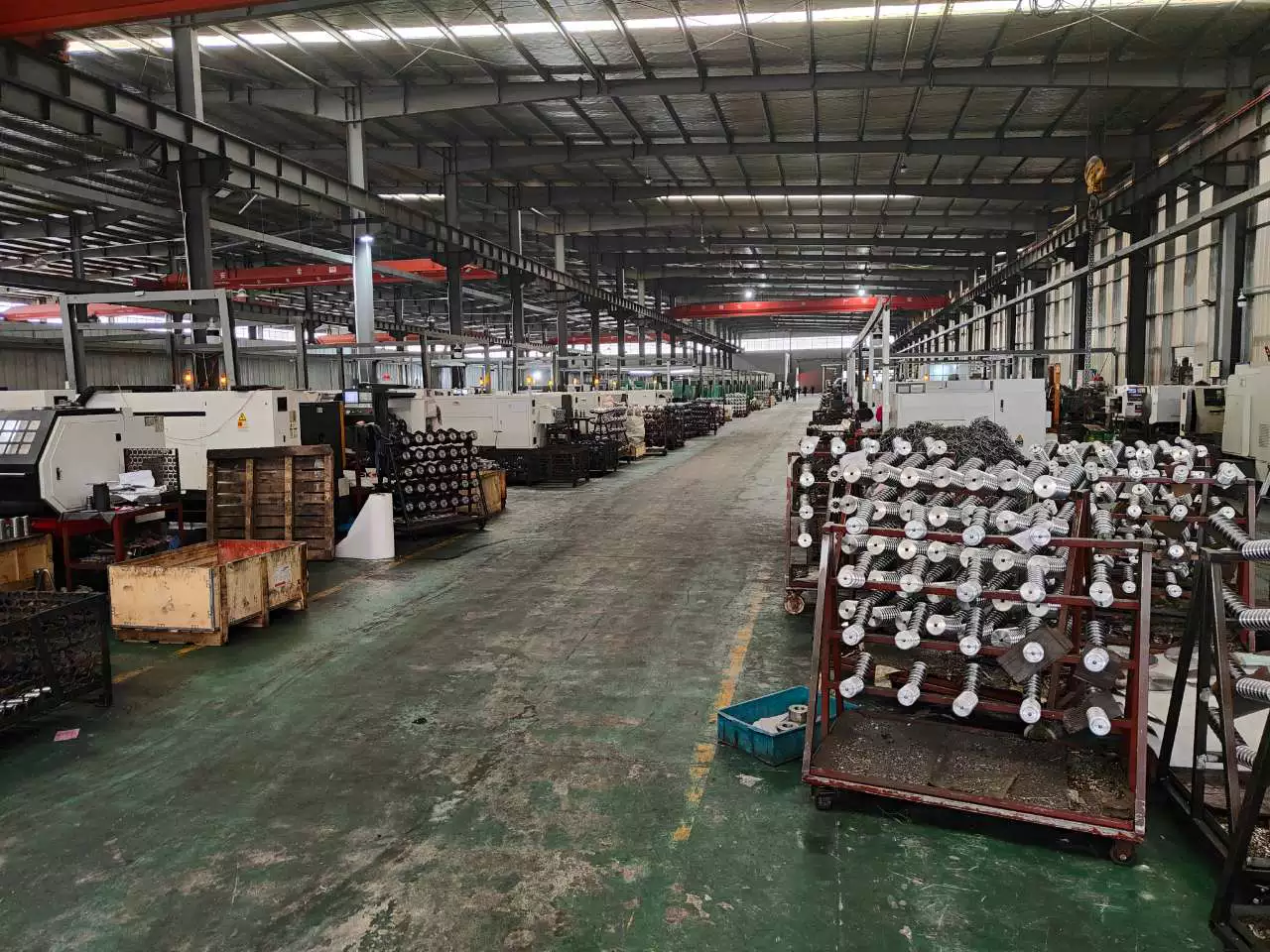
Our sprockets are made from high-quality materials, such as high carbon steel, alloy steel, or stainless steel, depending on the specific application. Our manufacturing process includes material selection, cutting, stamping or forging, machining, heat treatment, surface hardening, surface treatment, and quality inspection.
- Material selection: We carefully select the appropriate material for each application, taking into account factors such as strength requirements, wear resistance, and corrosion resistance.
- Cutting: The material is cut to the required shape and size.
- Stamping or forging: The teeth and hub are stamped or forged from the material.
- Machining: The sprocket is precisely machined to its final shape and size.
- Heat treatment: The sprocket is heat-treated to improve its hardness and strength.
- Surface hardening: The sprocket's surface is hardened to improve its wear resistance.
- Surface treatment: The sprocket's surface is treated to improve its corrosion resistance or other properties.
- Quality inspection: The sprocket undergoes rigorous quality inspection to ensure that it meets all requirements and specifications.
Applications of Sprockets
Sprockets are used in a wide range of applications, including heavy machinery and equipment, food processing and packaging, chemical and pharmaceutical industries, assembly lines, logistics, and warehousing.
Maintenance and Common Problems of Sprockets
Proper maintenance and inspection of sprockets can extend their lifespan and prevent failures. The following maintenance practices are recommended:
- Daily checks: Inspect the sprocket daily for signs of wear, damage, misalignment, or other issues.
- Cleaning: Regularly clean the sprocket with a wire brush or other tool to remove debris or buildup.
- Lubrication: Apply lubricant to the sprocket and chain to reduce friction and wear.
- Adjustment and calibration: Regularly adjust or calibrate the sprocket and chain to ensure proper tension and alignment.
Common problems with sprockets include skipping teeth, breakage, wear, excessive noise, and chain slippage. The following solutions can address common problems:
- Skipping teeth: Check for misalignment or wear and adjust or replace the sprocket or chain as necessary.
- Breakage: Inspect for signs of fatigue or damage and replace the sprocket or chain as necessary.
- Wear: Regularly inspect for signs of wear and replace the sprocket or chain as necessary.
- Excessive noise: Check for improper alignment, wear, or other issues and adjust or replace the sprocket or chain as necessary.
- Chain slippage: Check for proper tension and alignment and adjust or replace the sprocket or chain as necessary.
Other Types of Sprockets and Chains
In addition to the No.40-2 standard bore sprocket, we also offer a range of other sprockets, including platewheel sprockets, idler sprockets, QD sprockets, and taper lock sprockets. We also offer a wide range of compatible chains.

Author: Miya
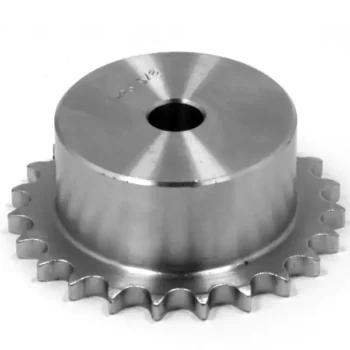

We promise will offer the best price by the high quality in china! We also accept special order about the products. If you are interested in our products. Please do not hesitate to let us know.We are pleased to give you the detailed information.We promise that our products would be safety and were in high quality and reasonable price. If you are interested in our products, please contact us asap.We are sincerely looking for your cooperation.
Most of our products are exported to Europe or Americas, both standard and nonstandard products available. We can produce as per your drawing or sample. Material can be standard or as per your special request. If you choose us, you choose reliable.
Industries We Service
