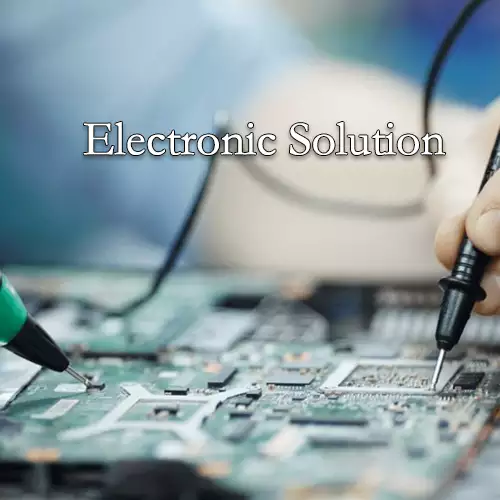
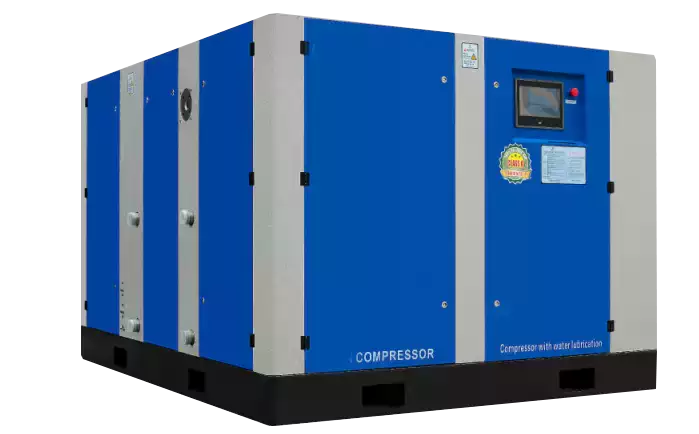
Oil-free Air Compressor for Electronic Industry
Experience uncompromised quality in electronics manufacturing with our oil-free air compressors. Ensuring pure, contamination-free air for critical processes, our compressors safeguard product integrity and enhance operational efficiency. Drive innovation and reliability in your electronic assembly line
Importance of Oil-Free Air Compressors in the Electronics Industry
Air compression technology plays an indispensable role in modern industry, touching almost every production link. From simple pneumatic tool drives to complex automated production lines, from material handling to the manufacture of precision parts, air compressors are the source of power. It not only provides reliable power support, but is also favored for its flexibility and economy. In many industries such as automobile manufacturing, food processing, textiles, construction, mining, and pharmaceuticals, compressed air systems are the cornerstone of the normal operation of production lines.
The electronics industry, as a highly precise and environmentally sensitive field, has extremely strict requirements on air quality. The manufacturing process of electronic components involves the etching of fine circuits, the assembly and packaging of precision components. Any slight contamination may lead to product performance degradation, reduced yield, or even complete failure. Oil molecules, moisture, dust and other impurities carried in the air may damage high-precision components such as semiconductor chips and circuit boards, affecting electrical performance and the long-term reliability of products. Therefore, the electronics industry has almost stringent standards for the purity of compressed air, requiring that the compressed air is almost free of oil, water and particulate matter.
In view of this, oil-free air compressors have become a key solution in the electronics industry. Compared with traditional oil-containing compressors, oil-free air compressors completely avoid the contact between oil and compressed air through innovative lubrication technologies such as double helix, vortex or centrifugal mechanisms, thereby producing absolutely pure compressed air. This not only meets the high cleanliness requirements of electronic manufacturing and ensures product quality, but also reduces production risks and maintenance costs caused by pollution. The introduction of oil-free compression technology has further promoted the development of the electronics industry in a more efficient and environmentally friendly direction, and is an important guarantee for ensuring the reliability and competitiveness of electronic products.
Electronics Industry’s Need for Air Quality
The demand for air quality in the electronics industry is extremely strict, which is determined by the high sensitivity of electronic components and the stringent requirements for pollution control. In the electronic manufacturing process, even the slightest amount of pollution may seriously affect the performance, reliability, and lifespan of products, leading to increased production costs and decreased market competitiveness. The following are detailed explanations of several key points:
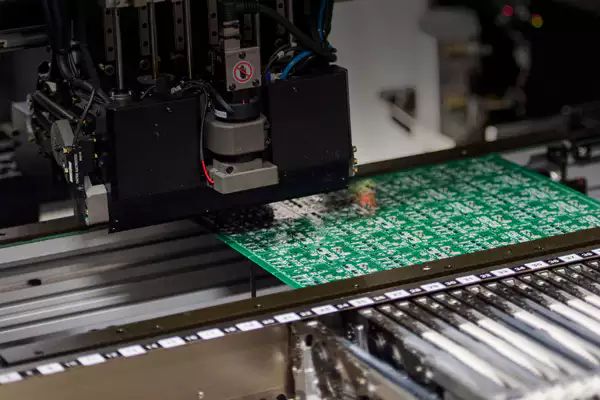
Sensitivity and contamination control of electronic components
The functions and performance of electronic components, especially semiconductor chips, printed circuit boards (PCBs), sensitive sensors, etc., are easily affected by external environmental factors. These components usually contain tiny electrical paths and precision structures. Once contaminated, they may cause short circuits, resistance changes, increased capacitance effects, and other problems, ultimately leading to product failure. Therefore, maintaining an ultra-clean production environment, including providing high-quality compressed air, is a necessary condition to ensure component performance and yield.
Impact of particles, moisture, and oil on electronic manufacturing
- Particles: Particles such as dust and metal fragments in the air can adhere to the surface of circuit boards or components, causing open circuits, short circuits, or reduced insulation performance, affecting electrical performance.
- Moisture: Air with excessive humidity will form condensed water after cooling, which may not only corrode electronic components, but also cause freezing and blockage of pneumatic equipment in low-temperature environments, affecting the production process.
- Oil: Even a small amount of oil vapor entering the compressed air system will form an oil film on the surface of electronic components, changing electrical characteristics, affecting heat conduction, and in severe cases causing product scrapping.


Introduction to international standards and industry specifications
In order to ensure that the compressed air used in the electronic manufacturing process reaches the necessary cleanliness, the International Organization for Standardization (ISO) has developed the ISO 8573 series of standards, among which ISO 8573-1 pays special attention to the quality level of compressed air and stipulates the content limits of solid particles, water and oil in the air. This standard divides air quality into multiple levels, allowing users to choose the appropriate air quality level according to actual needs. In addition, different countries and regions and specific industries may have additional standards or specifications. For example, in semiconductor manufacturing, the more stringent SEMI (Semiconductor Equipment and Materials International) standards may be followed.
The Specific Application Of Oil-Free Air Compressors In The Electronics Industry

Precision cleaning and drying
- Circuit board cleaning: In the manufacturing process of electronic components, oil-free compressed air is used to clean circuit boards to remove contaminants such as welding residues and dust to ensure the cleanliness and conductivity of the circuit.
- Component drying: Electronic components often need to be dried before and after assembly. Oil-free compressed air can effectively and safely dry the components to prevent corrosion or short circuit problems caused by moisture.
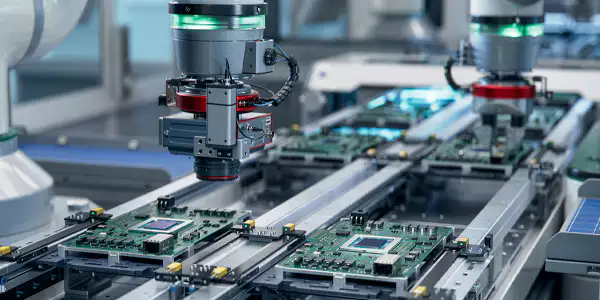
Pneumatic equipment drive
- Assembly and handling: In electronic assembly lines, oil-free compressed air is often used to drive equipment such as cylinders and pneumatic fixtures for precision assembly and material handling, reducing errors and damage caused by direct manual operation.
- Precision measurement and testing: Pneumatic measuring instruments and testing equipment rely on clean, oil-free compressed air to drive, ensuring the accuracy of measurement results and avoiding oil pollution interference.

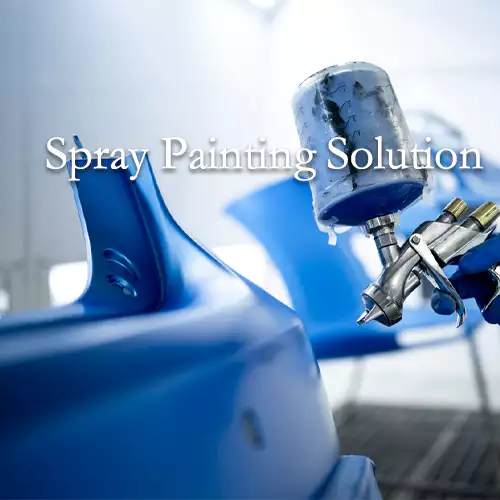
Spray painting and coating
- Protective coating: After the electronic components and circuit boards are assembled, sometimes it is necessary to apply a moisture-proof and anti-corrosion protective layer. Oil free compressed air is used to provide a uniform and stable spray airflow to ensure the quality of the coating.
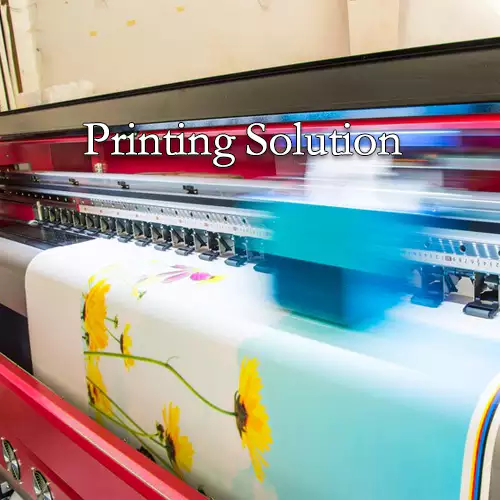
- Marking and labeling: Oil free compressed air is also used for blowing before and after inkjet printing or laser marking to ensure clear and pollution-free labeling.

Testing and inspection environment
- Clean room operation: When testing and inspecting high-precision electronic products, oil-free compressed air is an ideal choice in a clean room environment to power the test equipment while maintaining the cleanliness of the environment.
- Air tightness test: Using oil-free compressed air to test the air tightness of electronic products can check for leaks, ensure product sealing, and prevent external contaminants from invading.
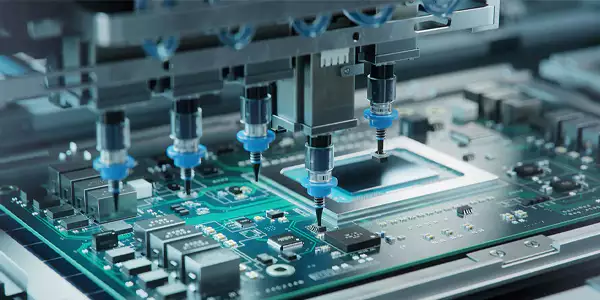
Special process requirements
- Vacuum system assistance: Some electronic manufacturing processes, such as vacuum packaging of semiconductor chips, require oil-free compressed air as the front pump of the vacuum pump to maintain the cleanliness and stability of the vacuum system.
- Laser cutting and welding: In precision laser processing, oil-free compressed air is used to cool the laser head and as an auxiliary gas to improve the accuracy and efficiency of cutting or welding.
Factors To Consider When Choosing Oil-Free Air Compressors In The Electronics Industry
When choosing an oil-free air compressor for the electronics industry, there are many factors to consider to ensure the quality, efficiency, safety and cost-effectiveness of compressed air. Here are some key considerations:
1. Air quality and purity
- ISO 8573-1 certification: Ensure that the compressor meets or exceeds international air quality standards, such as ISO 8573-1 Class 0, which means oil-free compressed air, avoiding any risk of oil contamination.
- Filtration and drying system: Evaluate the compressor’s pre-filter, micro-oil filter, dewatering dryer, etc. to achieve the extremely high purity requirements required by the electronics industry.
2. Compressor type and technology
- Oil-free technology: Choose oil-free technology that suits the needs of the electronics industry, such as twin-screw, scroll or centrifugal compressors, each with its own efficiency, noise and maintenance characteristics.
- Energy efficiency: Consider the compressor’s energy efficiency rating (such as the EU’s ErP directive) and choose energy-saving products to reduce operating costs.
3. Reliability and maintenance
- Failure rate and durability: Understand the market feedback and historical performance of the compressor brand and choose products with high reliability and long life.
- Maintenance convenience: Consider the ease of routine maintenance, such as automatic drainage systems, easily replaceable filters, and preventive maintenance plans.
4. Noise control
- Silent design: Electronic workshops often require a low-noise environment. Choose low-noise or silent oil-free air compressors to reduce the impact on the working environment and surrounding residents.
5. Adaptability and scalability
- System integration: According to the factory layout and existing equipment, choose a compressed air system that is easy to integrate into existing production lines or expand in the future.
- Customized solutions: Consider whether customized configurations are required for specific production needs, such as specific pressures, flows, or special application interfaces.
6. Cost and budget
- Initial investment: Consider purchase costs, installation costs, and potential modification costs.
Operating costs: Calculate energy consumption, maintenance and expected repair costs, and long-term total cost of ownership (TCO).
7. After-sales service and support
- Manufacturer service: Choose a manufacturer or distributor that provides fast response, professional training, original parts, and warranty services.
- Technical support: Ensure that the supplier can provide timely technical advice and support to solve problems that may arise during operation.
Recommended Oil-Free Air Compressor for Medical Industry
Solutions for Other Industries