
Hydraulic Ball Valves
Hydraulic ball valves are essential components used in hydraulic systems for controlling the flow of fluids. They are widely employed in various industries, including manufacturing, construction, agriculture, and transportation. Hydraulic ball valves offer reliable and efficient fluid control, allowing operators to start, stop, or regulate the flow of liquids or gases within a hydraulic system.
The basic design of a hydraulic ball valve consists of a hollow ball with a hole or port passing through its center. The ball is positioned within a valve body, which contains inlet and outlet ports for fluid flow. When the ball valve is in the closed position, the hole in the ball is perpendicular to the flow path, blocking the passage of fluid. Conversely, when the valve is in the open position, the hole aligns with the flow path, enabling fluid to pass through.
One of the key advantages of hydraulic ball valves is their quick and easy operation. They typically have a lever or handle that can be rotated 90 degrees to open or close the valve. This simple and intuitive operation allows for fast response times, making hydraulic ball valves suitable for applications that require rapid flow control.
Hydraulic ball valves are known for their durability and ability to withstand high pressures and temperatures. They are commonly made from materials such as brass, stainless steel, or carbon steel, which provide strength and resistance to corrosion. This robust construction ensures the valves can handle demanding hydraulic system conditions and maintain their performance over extended periods.
Furthermore, hydraulic ball valves offer excellent sealing properties. When in the closed position, the ball is pressed against the valve body, creating a tight seal that prevents leakage. This reliable sealing capability is crucial for maintaining system integrity and preventing fluid loss.
Hydraulic ball valves are available in various configurations to suit different applications. Some common types include two-way (on/off), three-way (diverter or selector), and four-way (diverter) valves. Additionally, they come in different sizes and pressure ratings to accommodate a wide range of hydraulic system requirements.
Showing all 21 resultsSorted by popularity
-
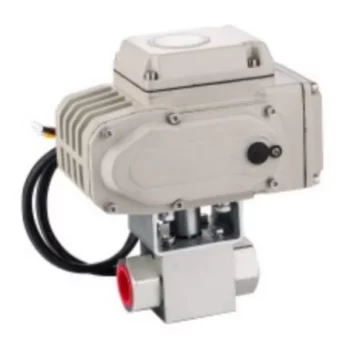
EBV Series Electric Hydraulic Ball Valves
-
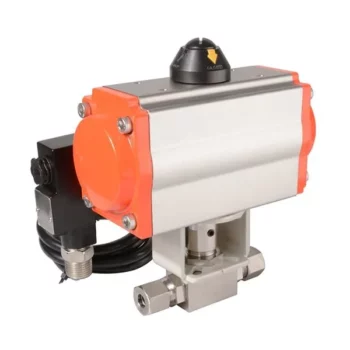
PBV Series Pneumatic Hydraulic Ball Valves
-
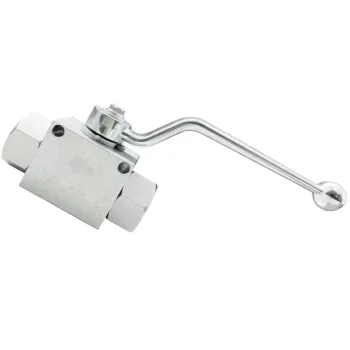
KBKH Series Hydraulic Ball Valves
-
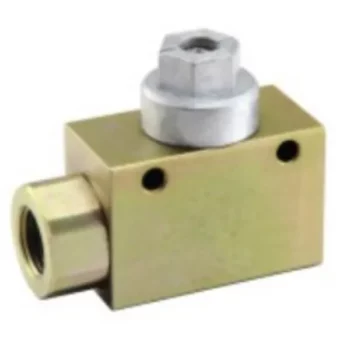
ZK-CV Series Hydraulic Ball Valve for Broken Pipe
-
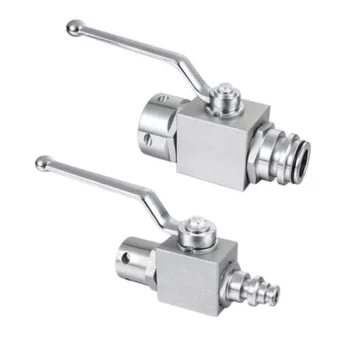
ZK-KBV Series Hydraulic Ball Valve for Coal Mine
-
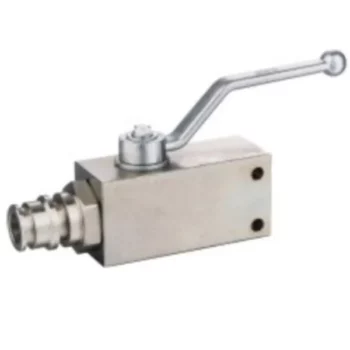
KJ Series Hydraulic Ball Valve for Coal Mine
-
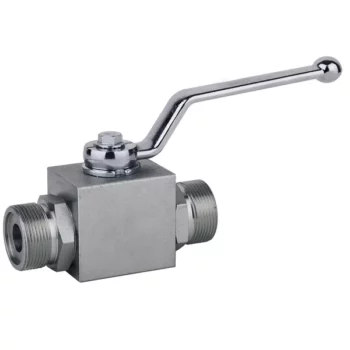
JZQ Series Hydraulic Ball Valves
-
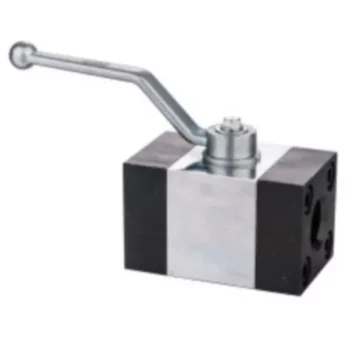
QINS Series Hydraulic Ball Valves
-
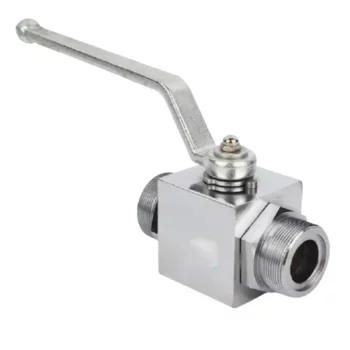
CJZQ Series Hydraulic Ball Valves
-
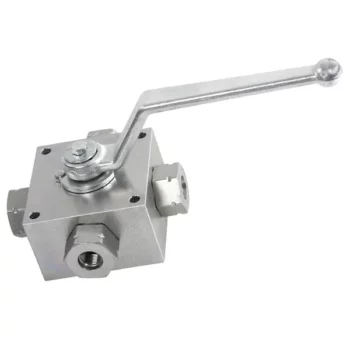
4KH Series 4-way Hydraulic Ball Valves
-
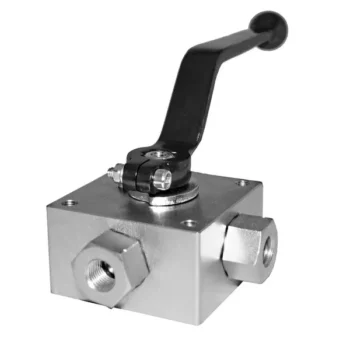
3KH Series 3-way Hydraulic Ball Valves
-
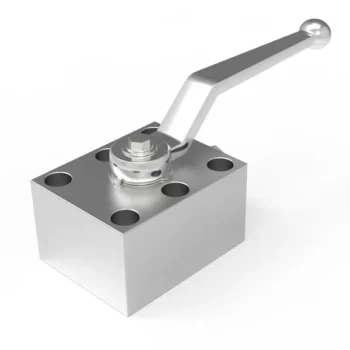
KHP Series Plate Type Ball Valves
-
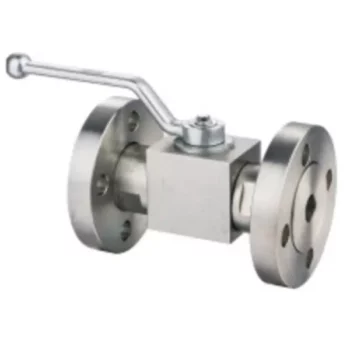
KHBF Series Flange Ball Valves
-
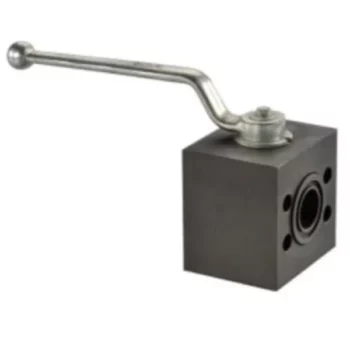
BEH Series SAE Flange Ball Valves
-
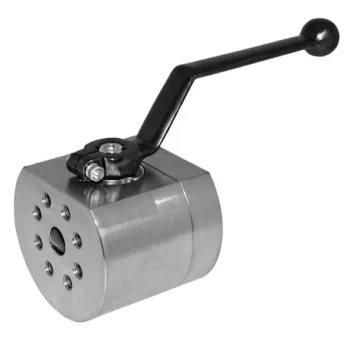
KHSA Series SAE Flange Ball Valves
-
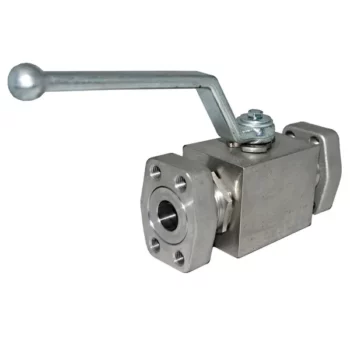
KHBG Series SAE Flange Ball Valves
-
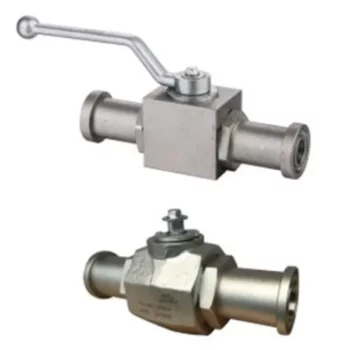
KHBS Series SAE Flange Ball Valves
-
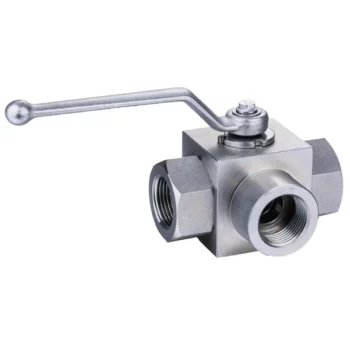
KHB-3W Series 3-way Hydraulic Ball Valves
-
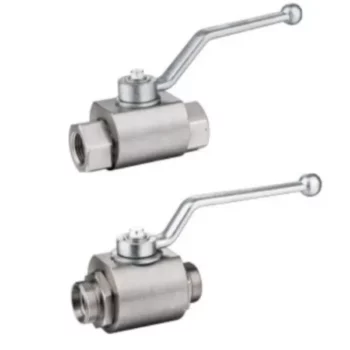
KHR Series Hydraulic Ball Valves
-
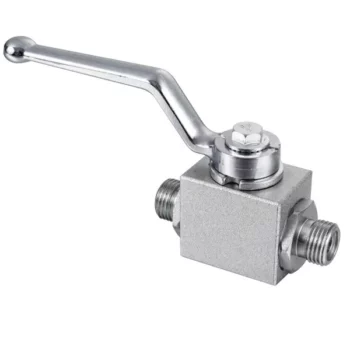
KHM Series Hydraulic Ball Valves
-
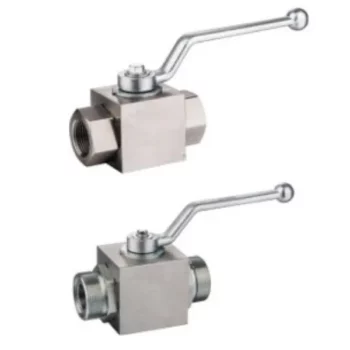
KHB Series Hydraulic Ball Valves